05/18/2026 to 06/01/2026
Scotland has so much to see. Castles, cairns, standing stones, pubs. So we drove around the middle and highlands, getting in a couple of isles as well. Great fun, even with rain and driving winds - but then that's a balmy spring day according to William Wallace (at least Mel Gibson's version).
Then back to Iceland. Hike a volcano, go into a volcano, see some Viking history, but mainly to see PUFFINS. I have wanted to see puffins for decades, and we were not disappointed
- Arbroath Abbey
- Dunnottar Castle
- New Slains Castle
- Mill of Benholm
- Drive to Inverness
- Cairn Laith Broch
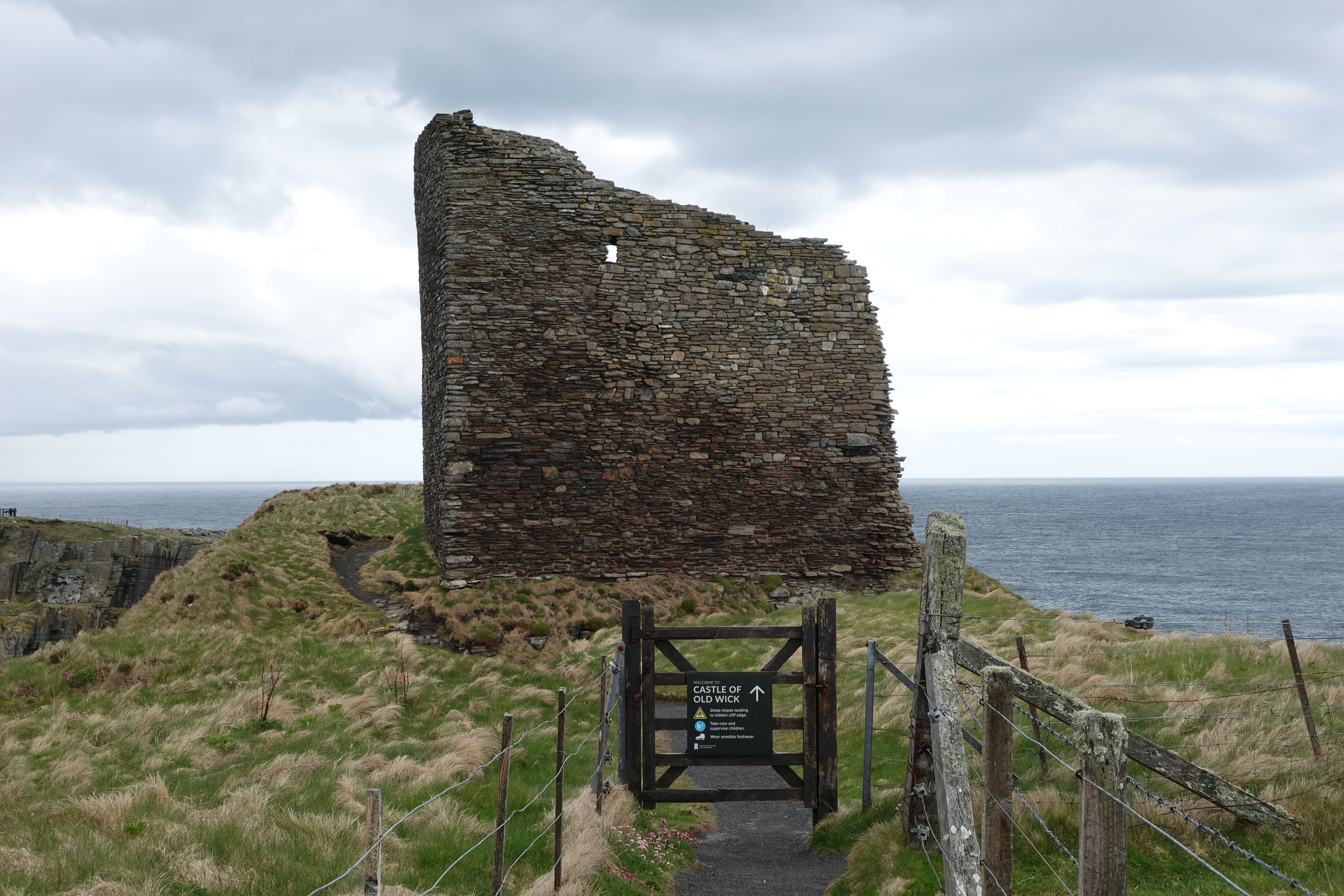
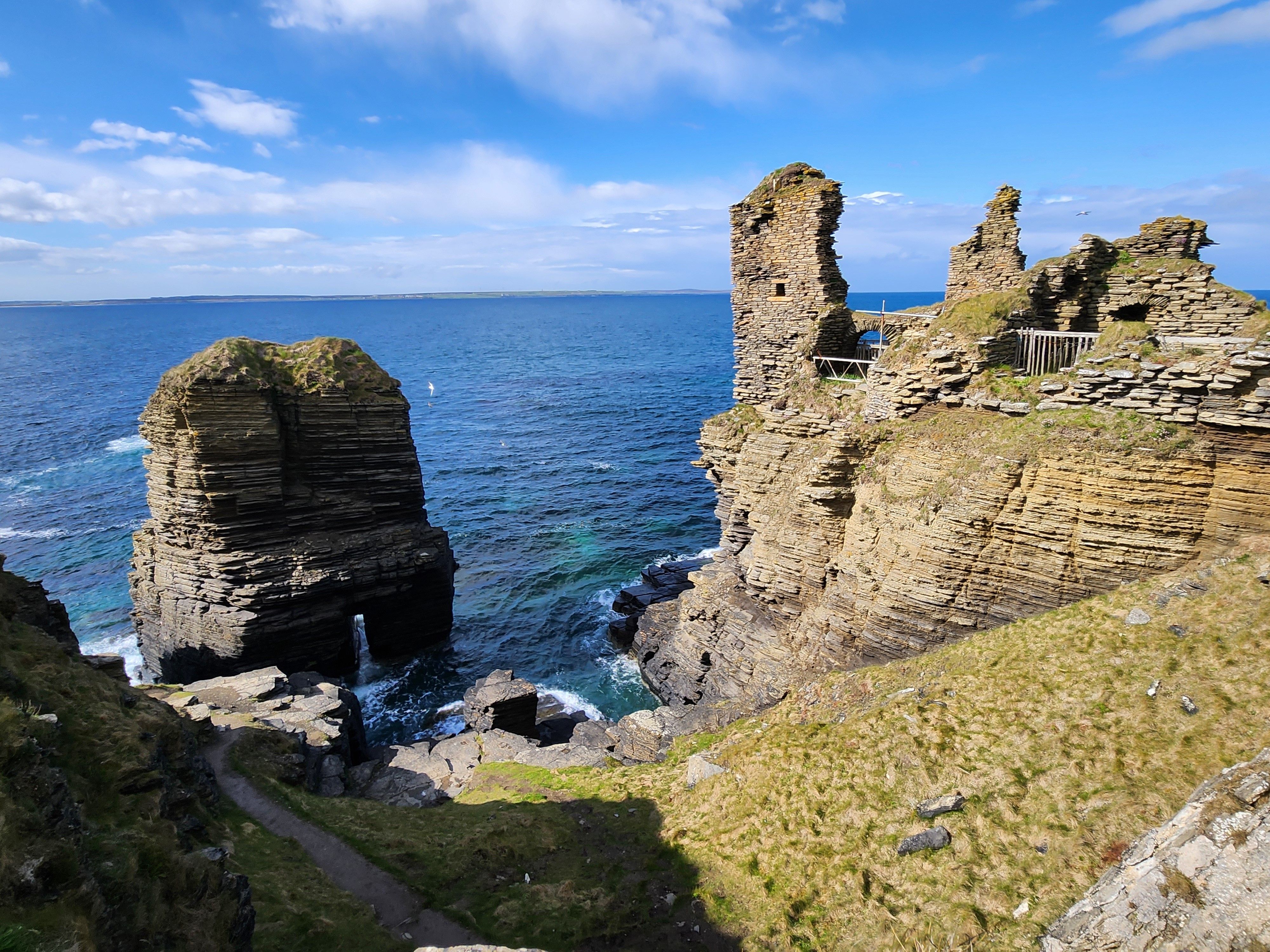
- Castle of Old Wick
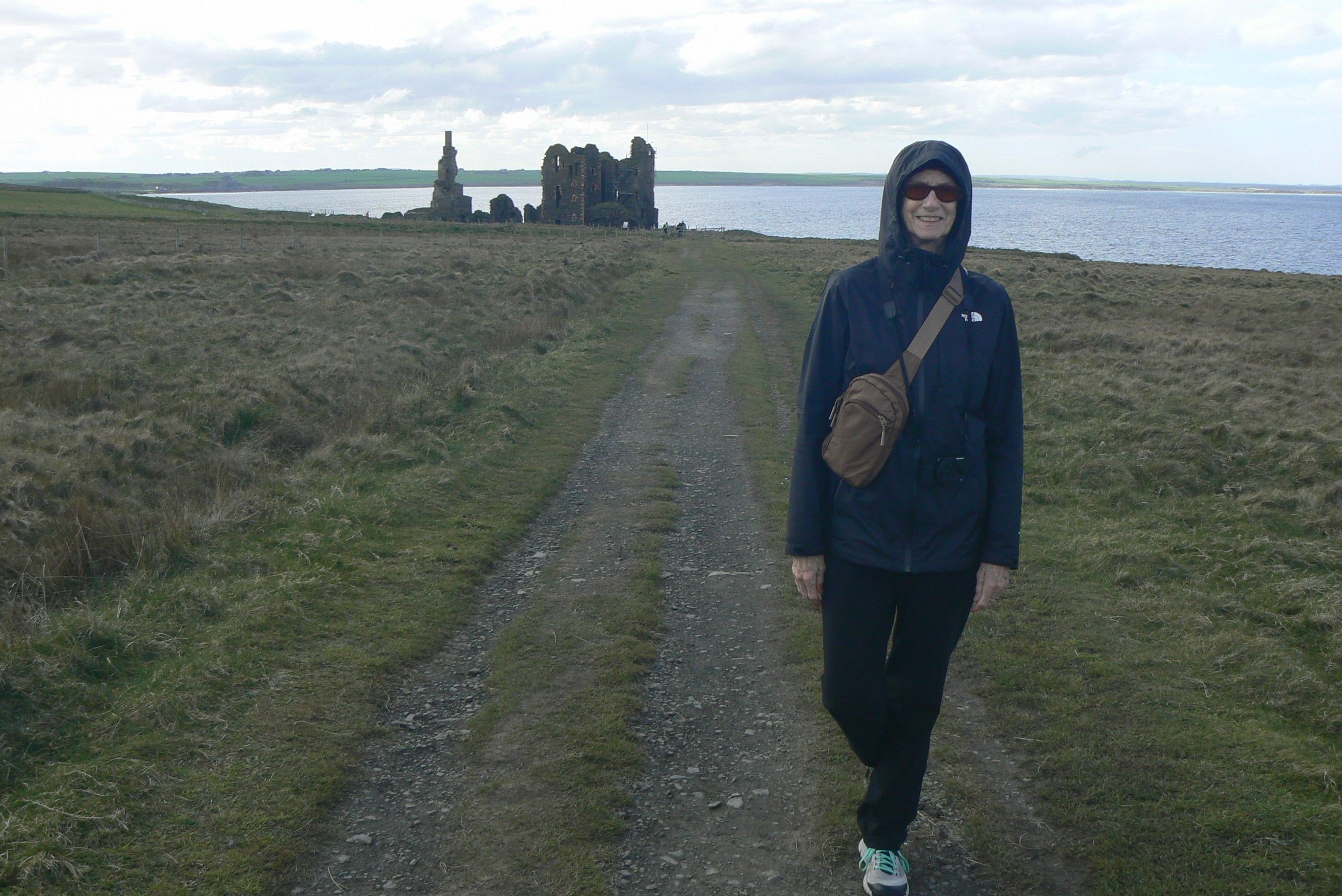
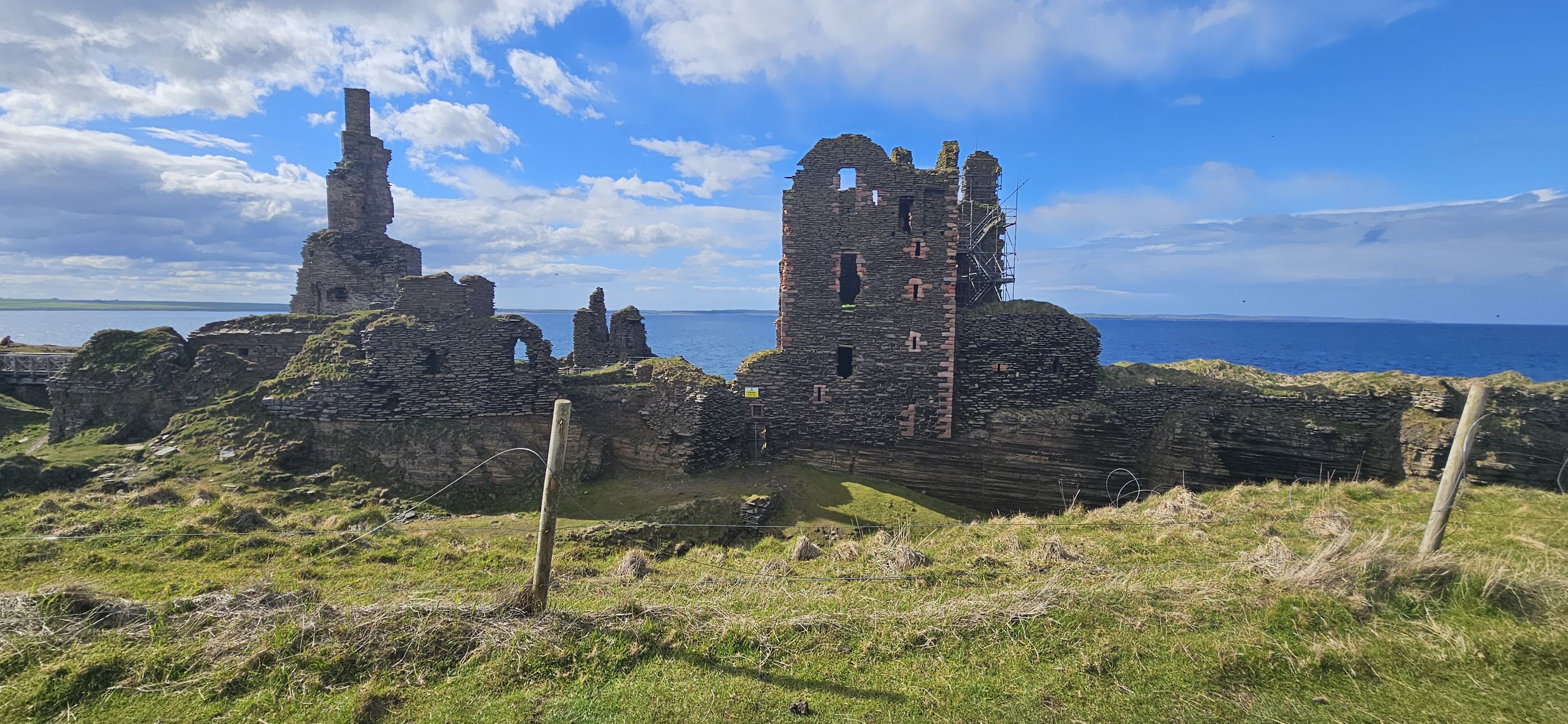
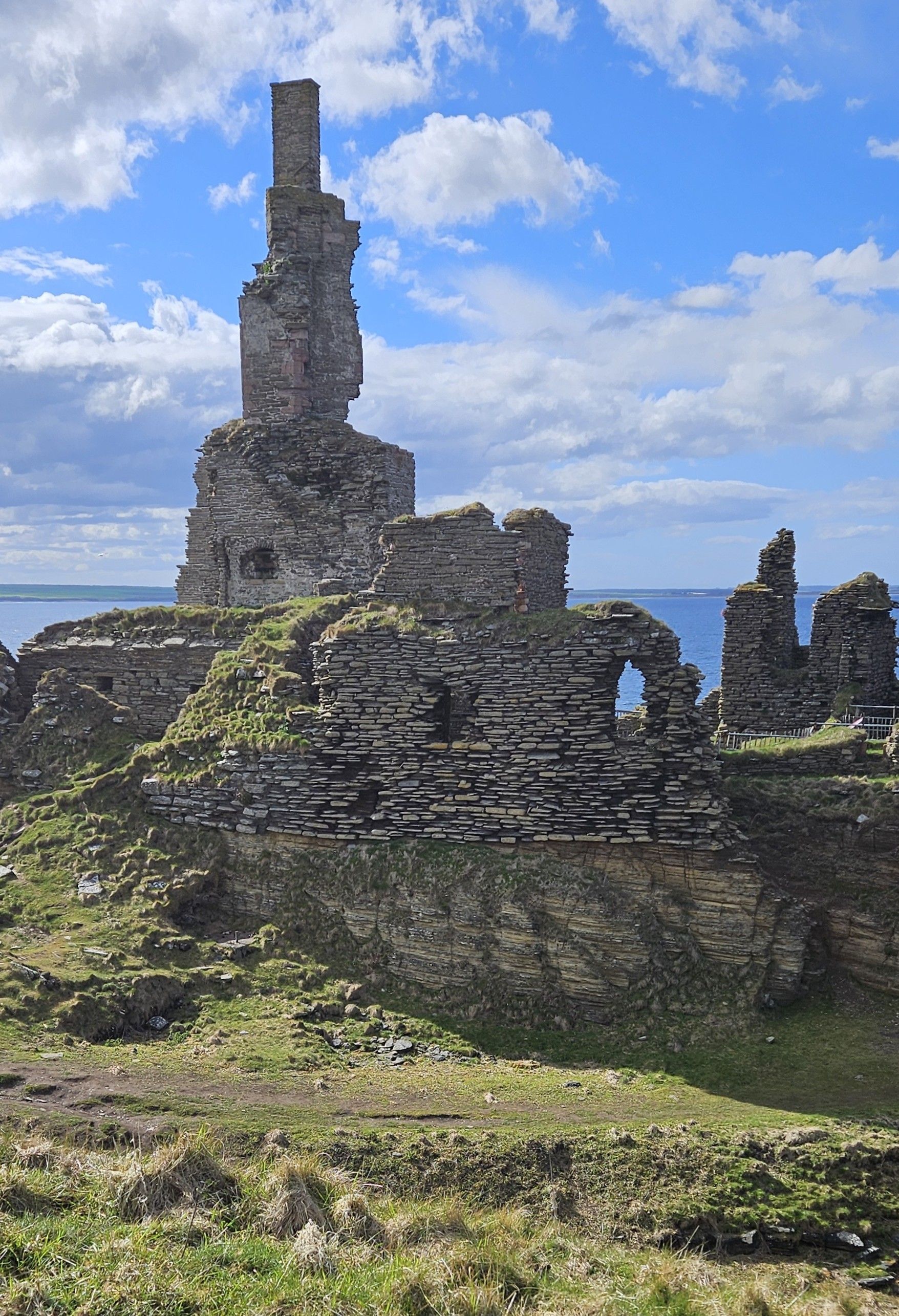
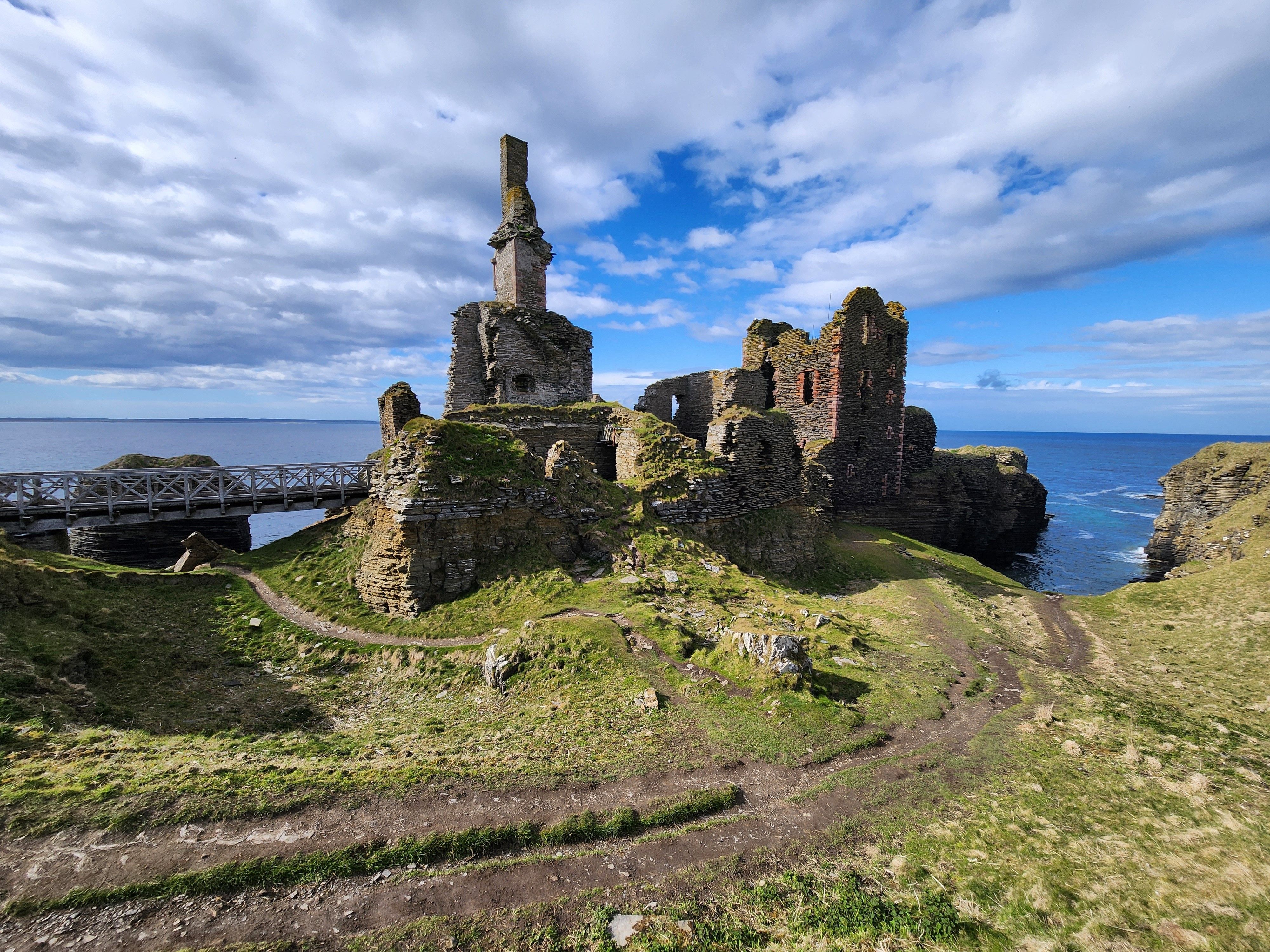
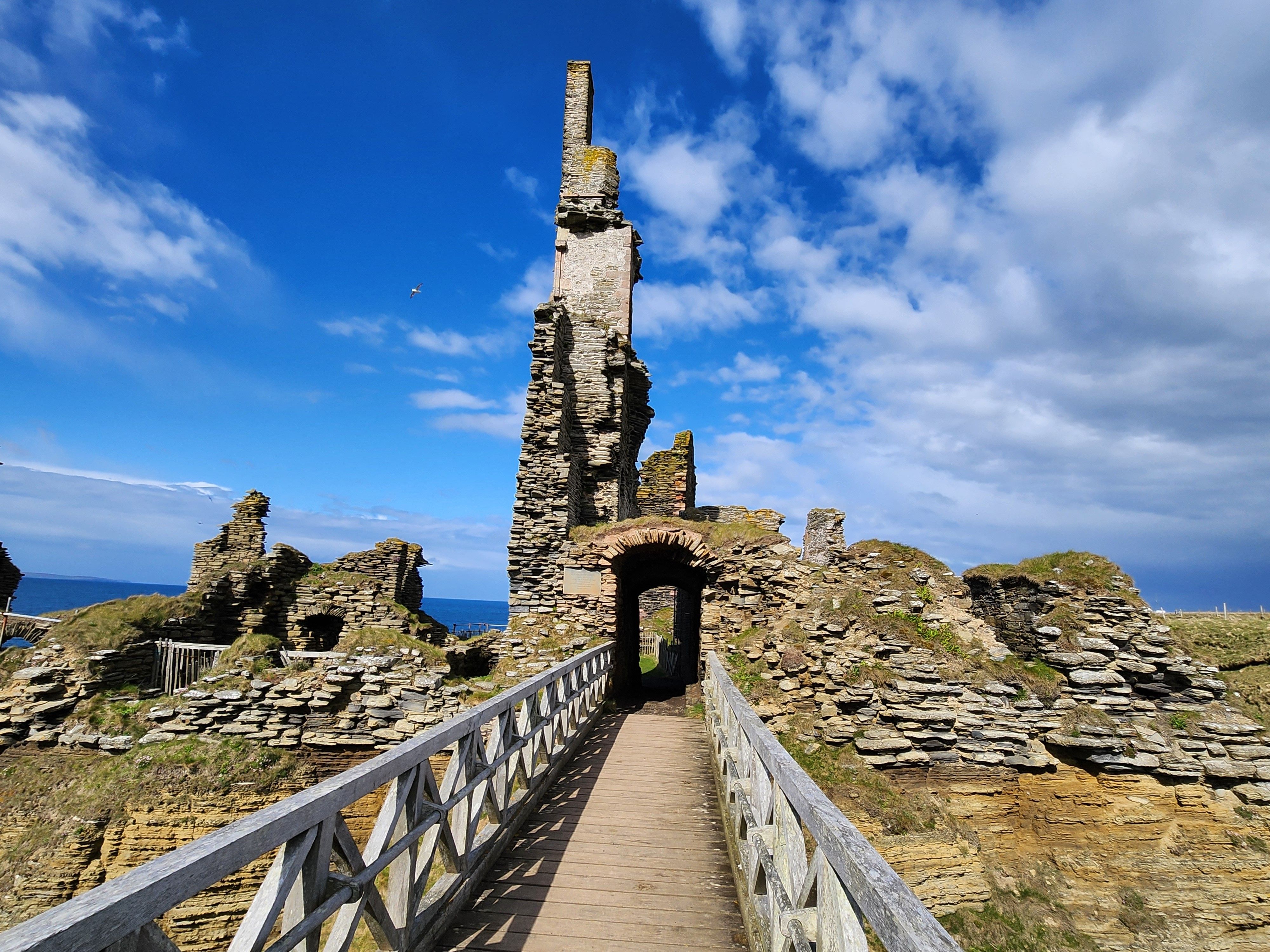
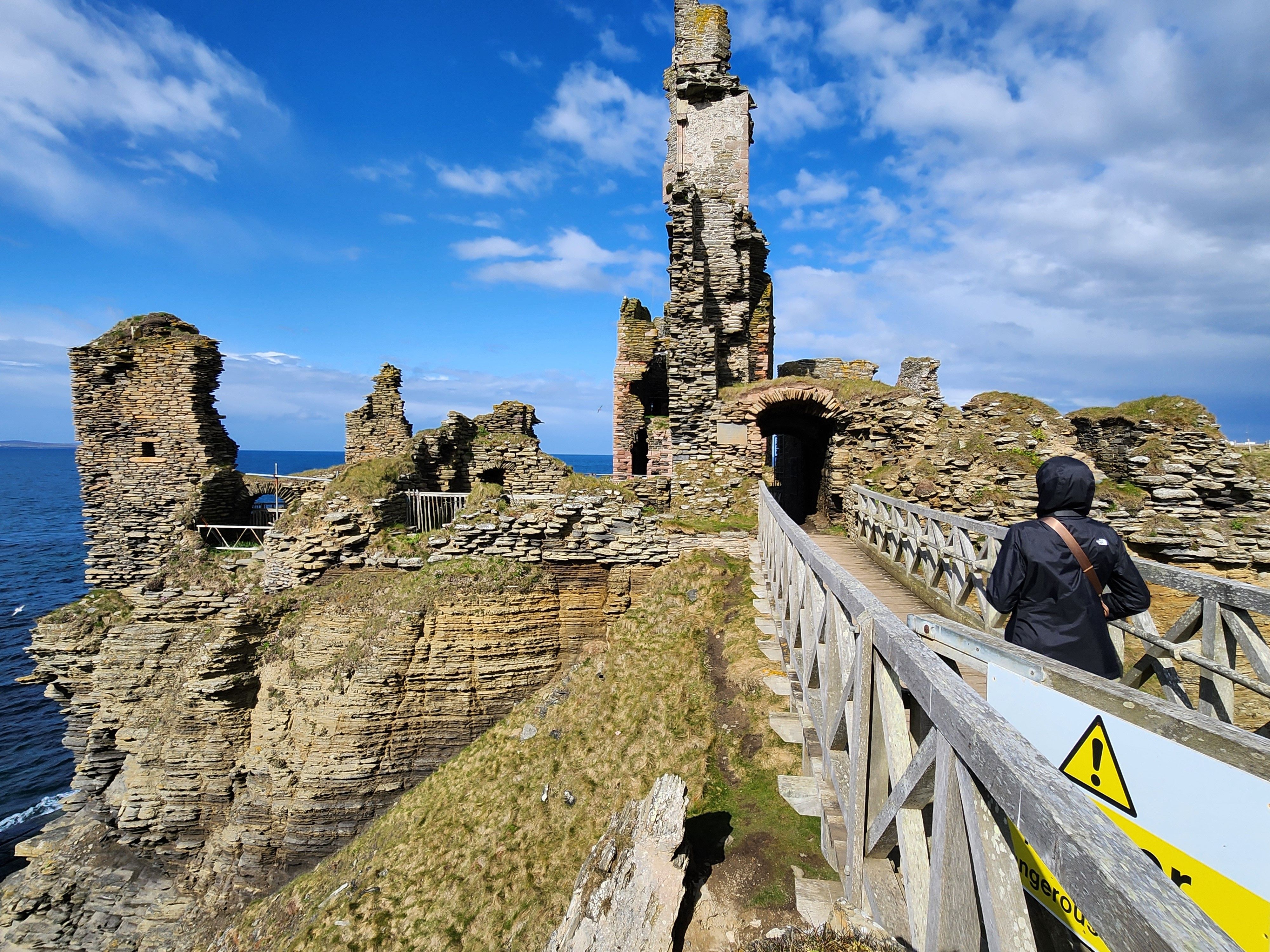
- Castle Sinclair Girnigoe
- Whaligoe Steps
- John O'Groats
- Ring of Brodgar, Standing Stones of Stennes & Maeshowe Cairn
- Urquhart Castle
- Dunvegan Castle
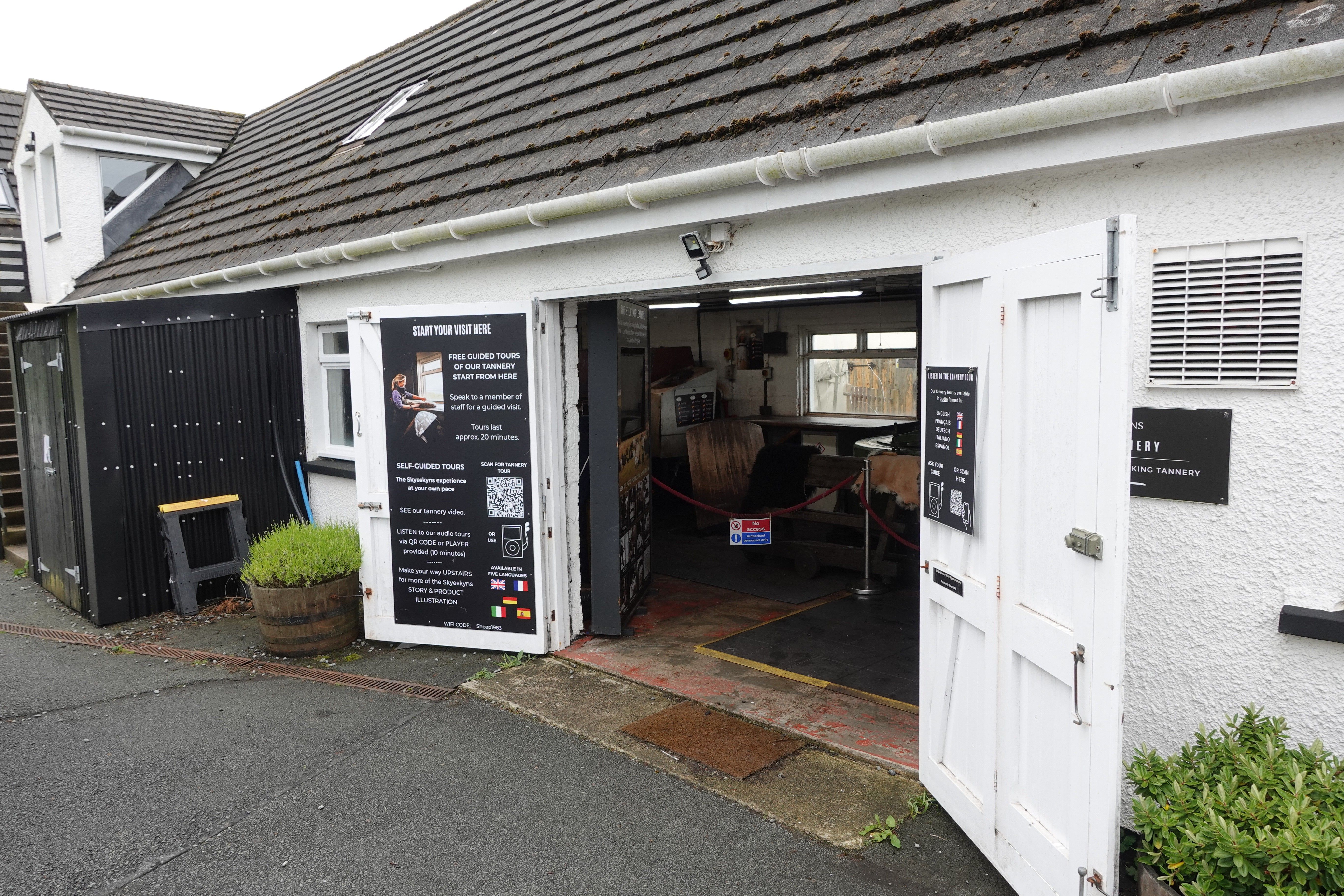
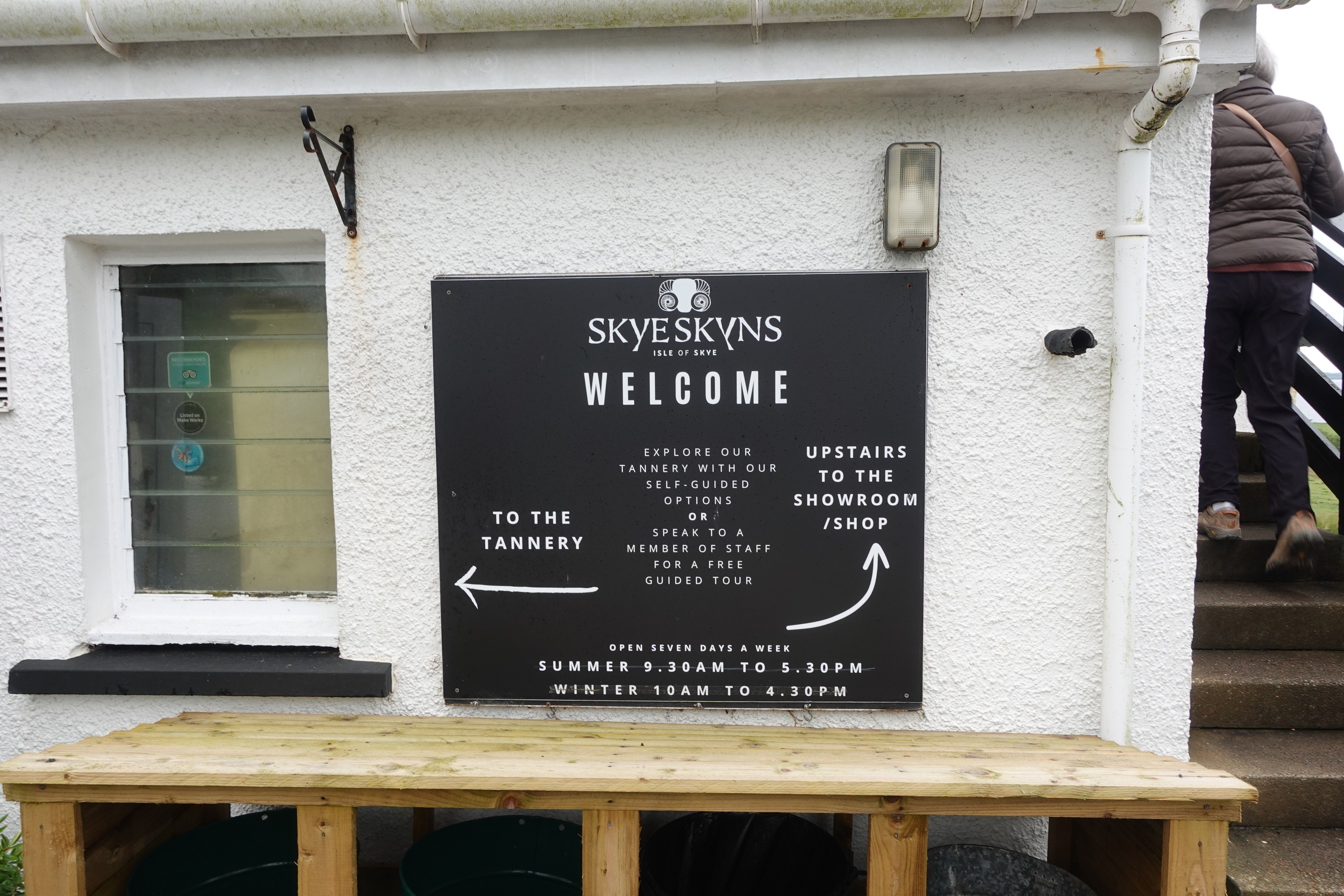
- Skyeskyns Sheepskin Tannery
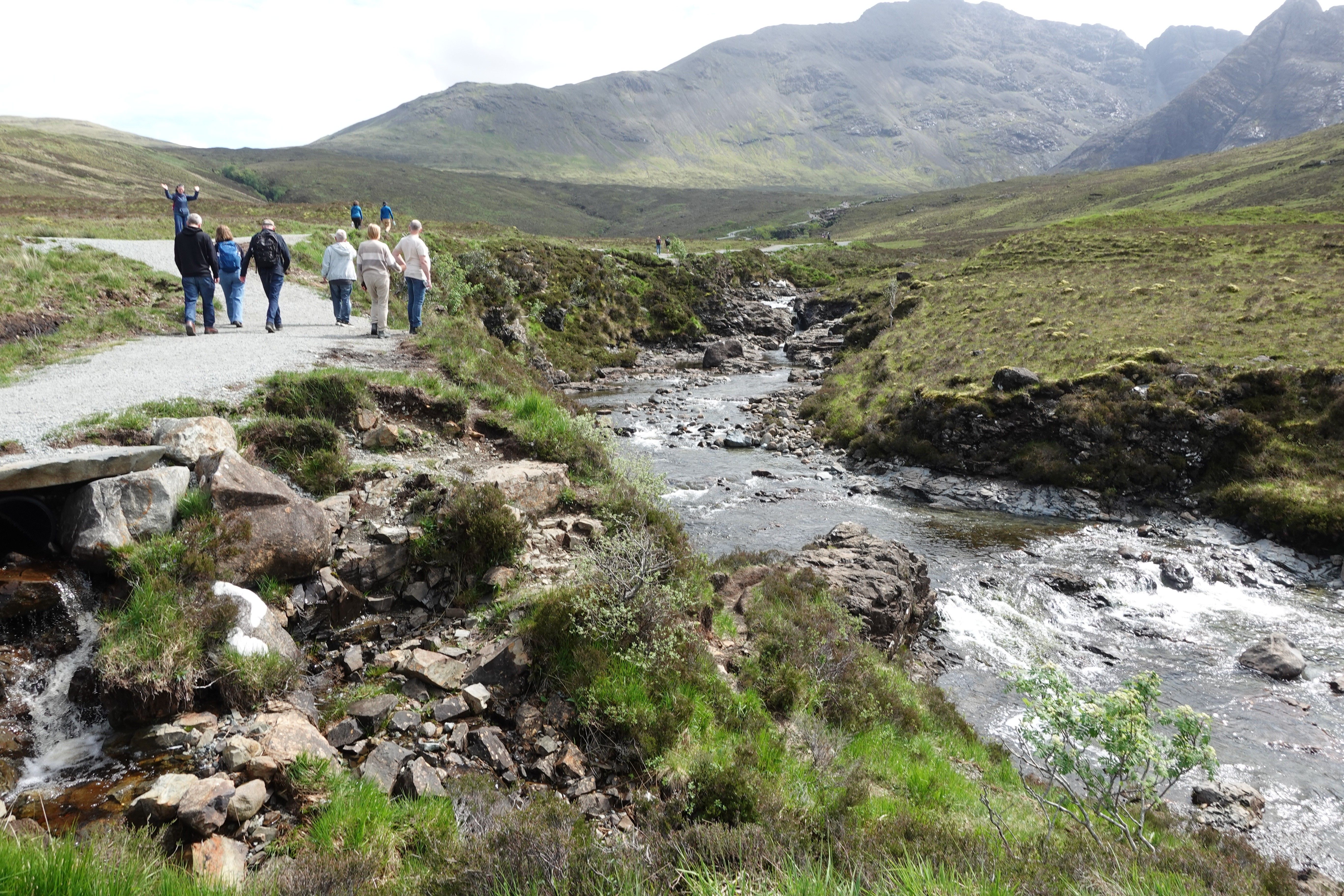
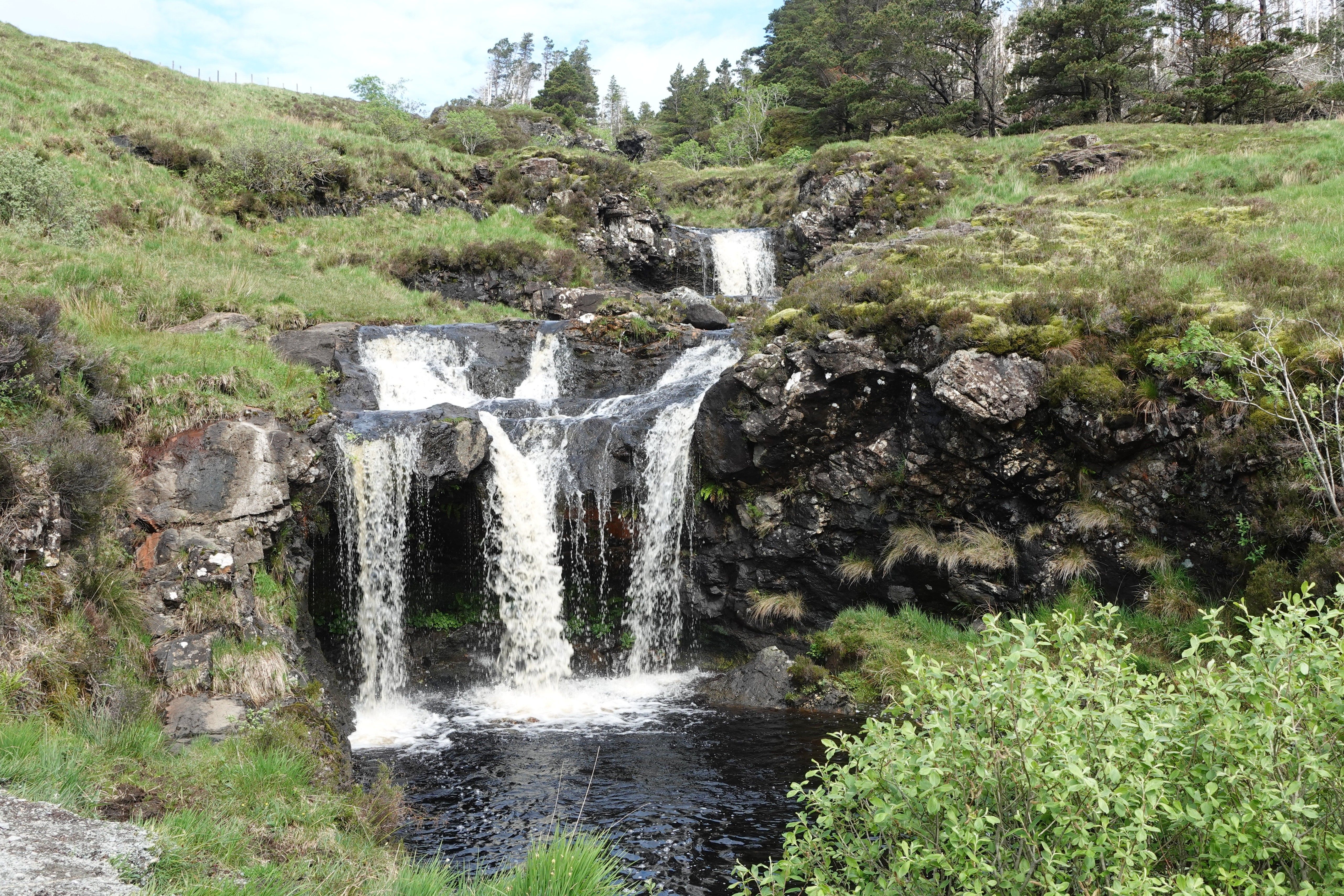
- The Fairy Pools on the Isle of Skye
- Neist Point Lighthouse
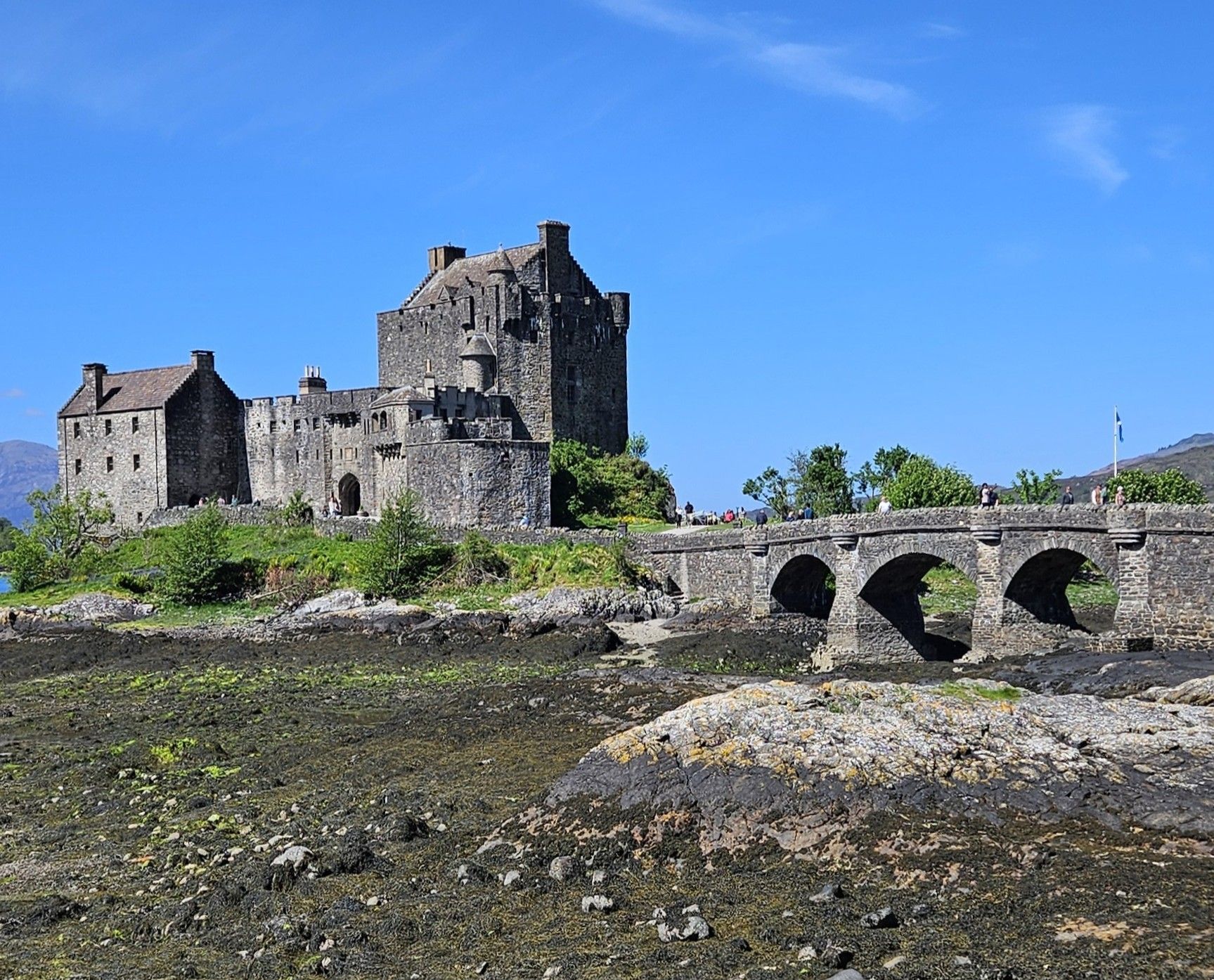
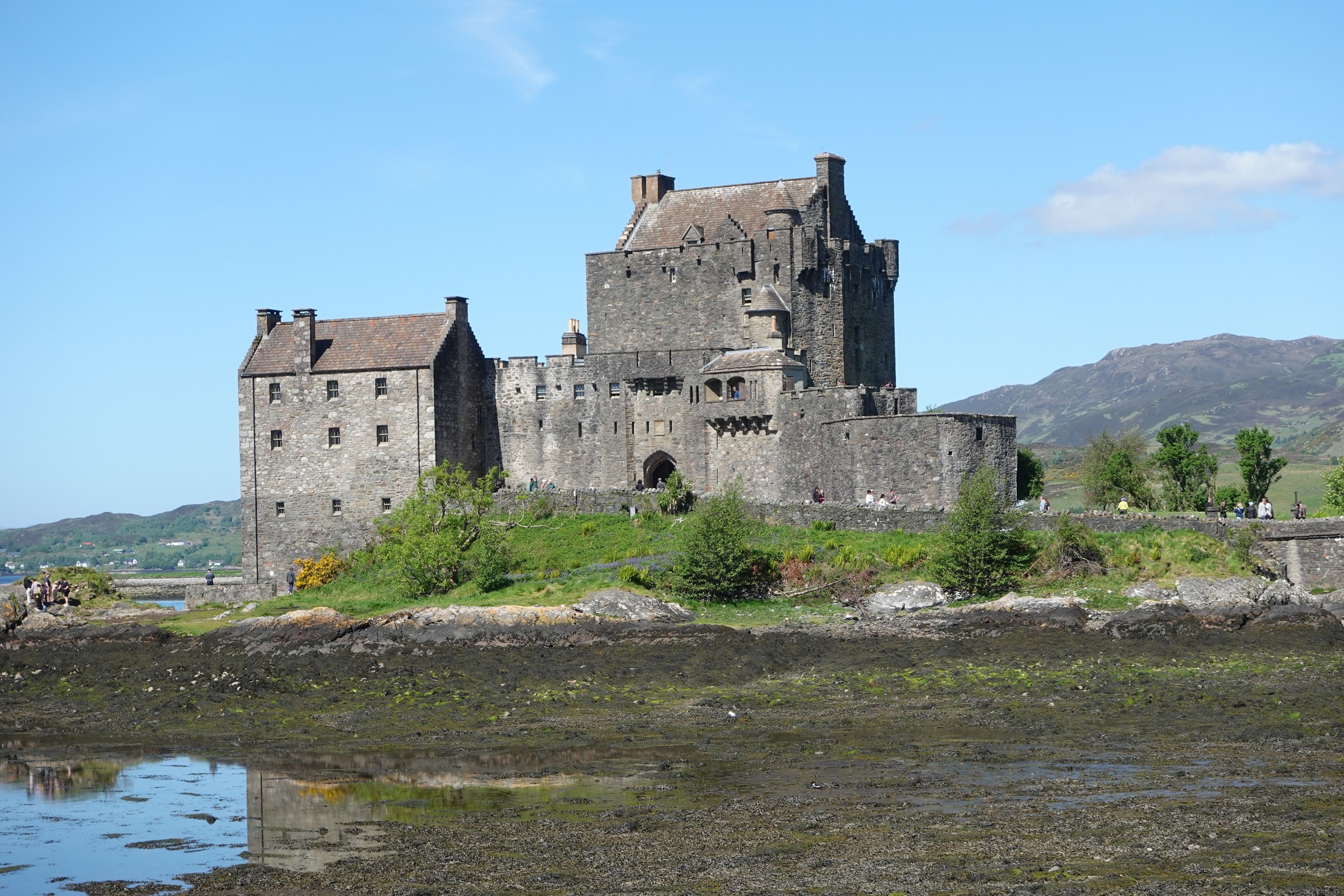
- Eilean Donan Castle
- Sites On The Way to Glasgow
- Dunadd Fort - Kilmartin
- Nether Largie Cairns - North, Mid and South
- Stirling Castle
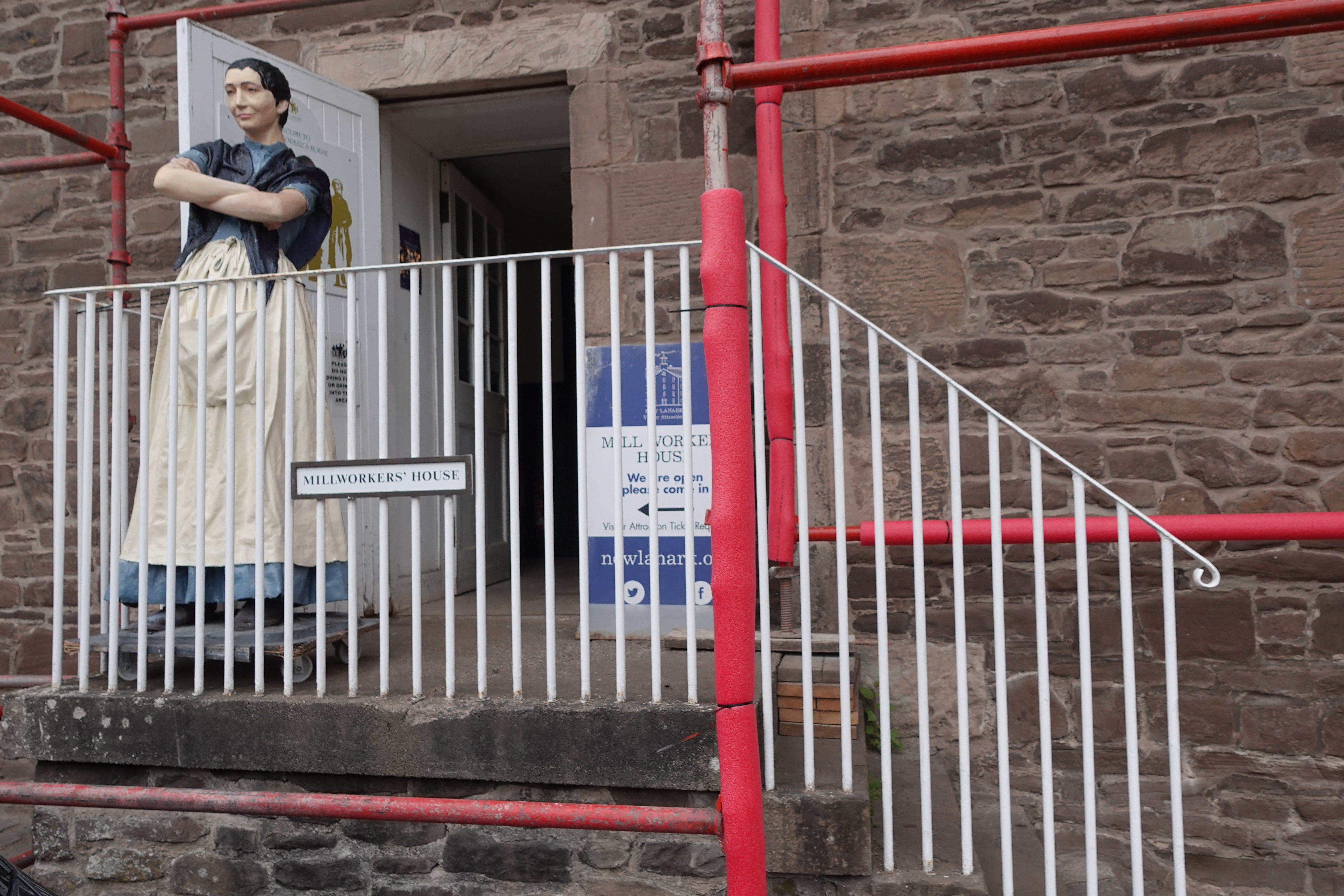
- New Lanark Mill
- The Kelpies - Magnificent Statues
- Scotland Critters
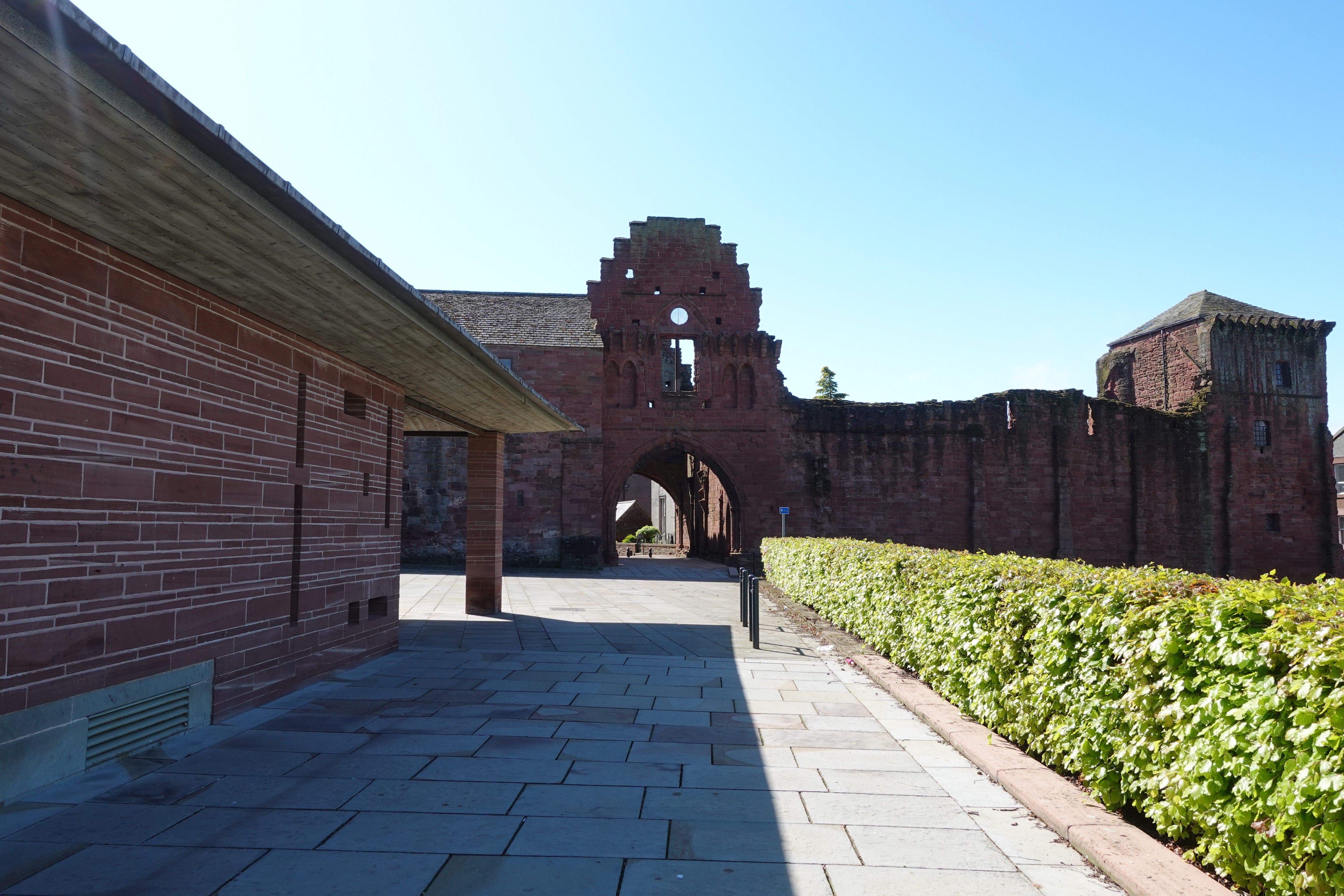
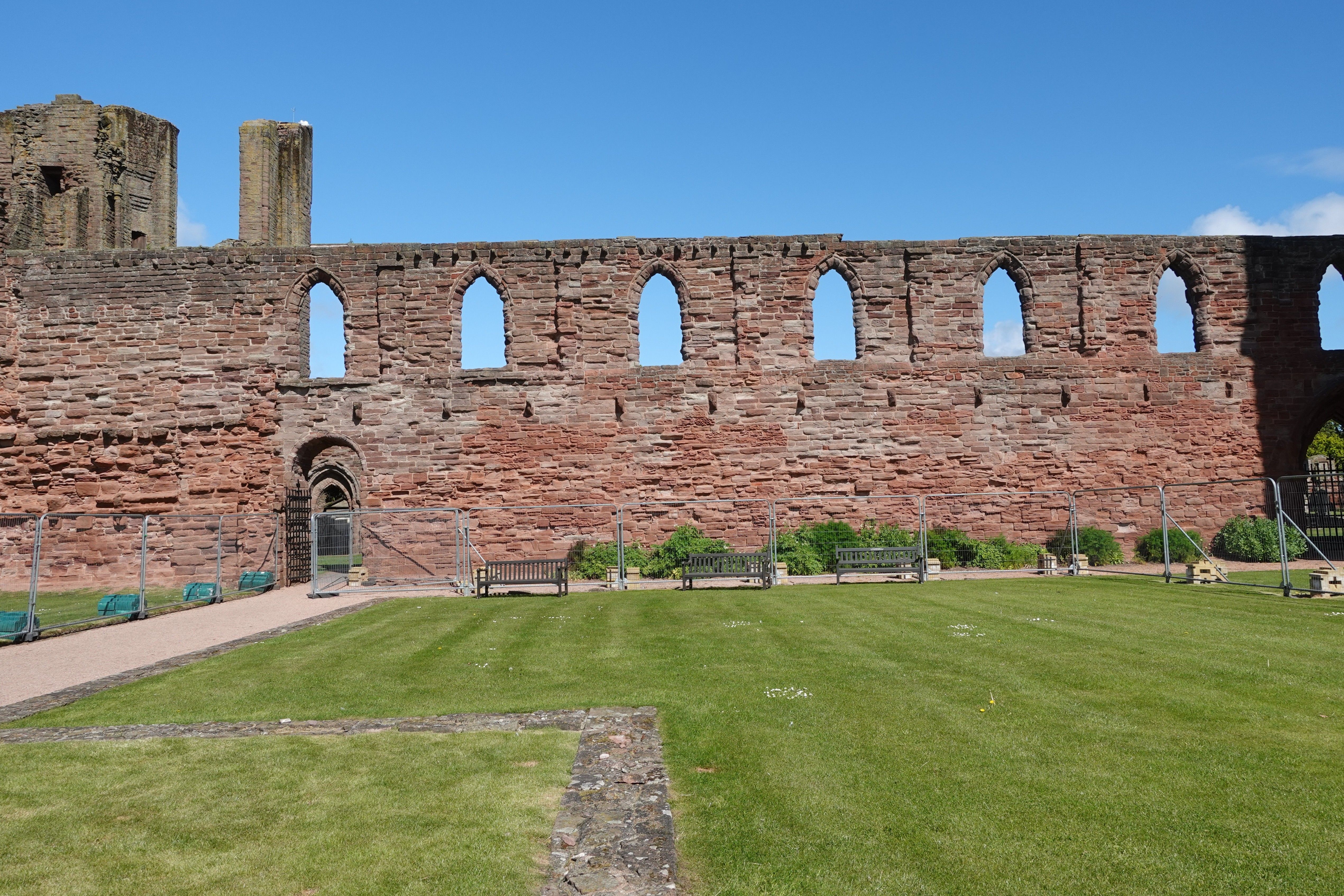
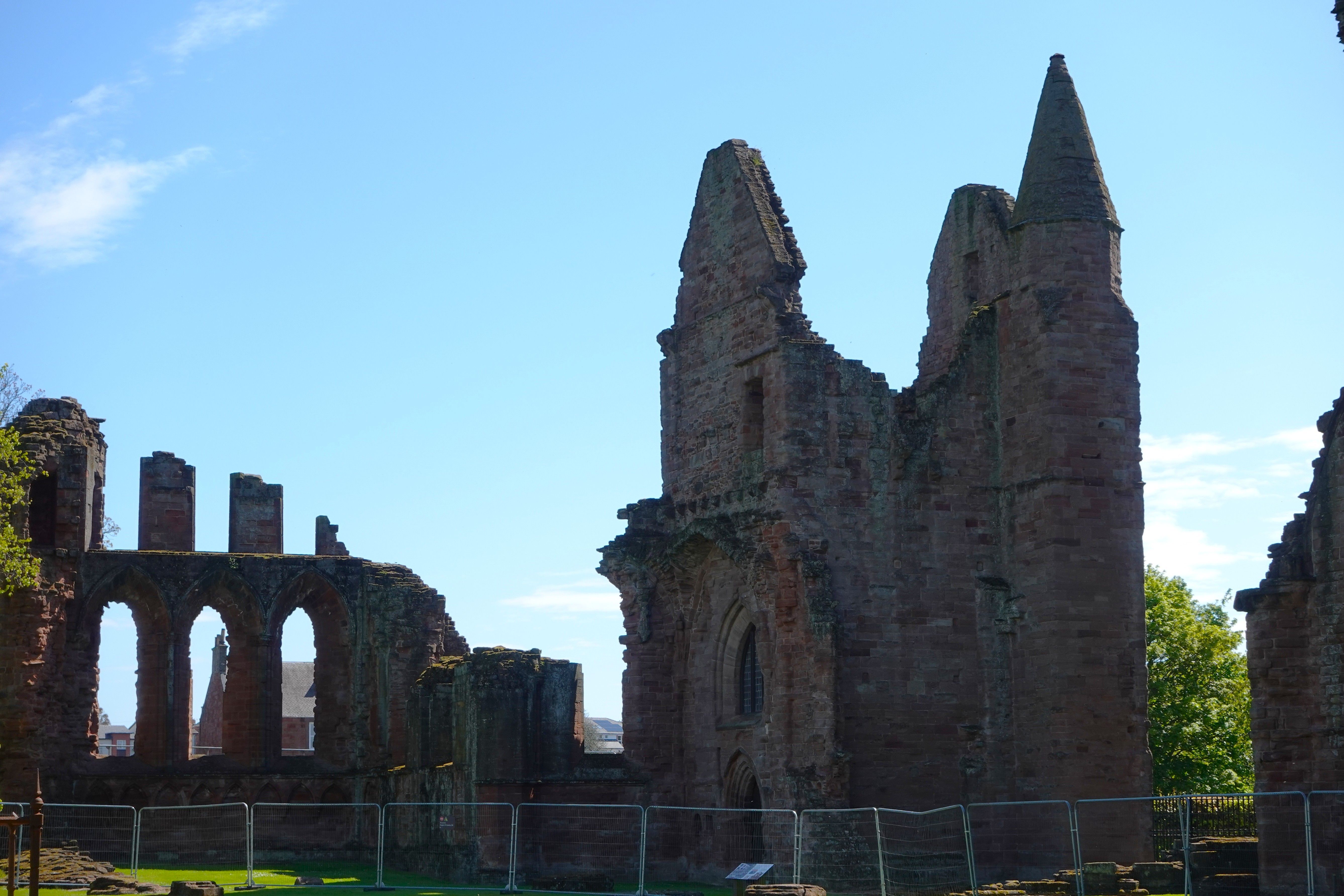
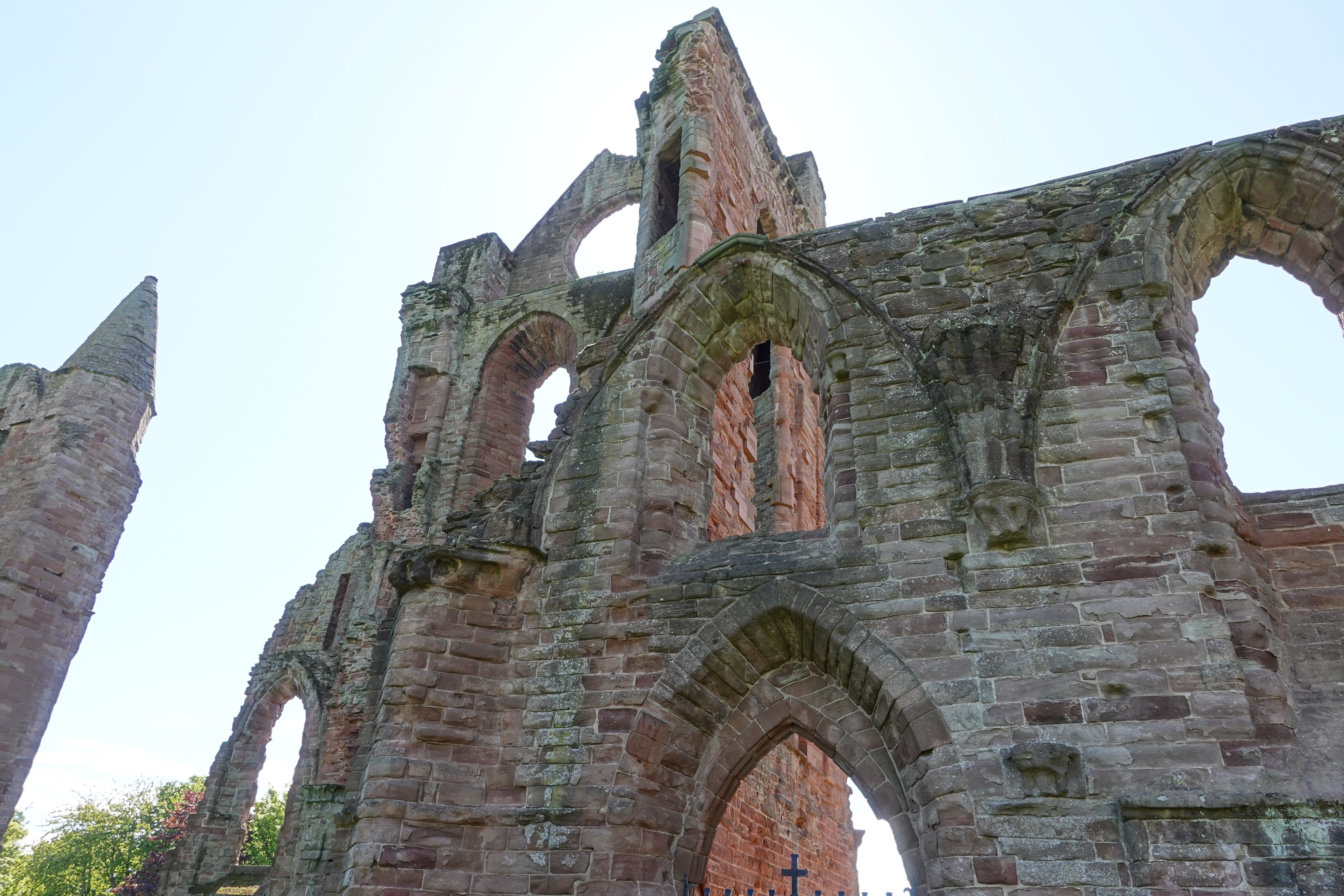
Founded in 1178 by William the Lion - king of Scotland - to honor Thomas Becket who was killed by order of Henry II of England.
It is also where the Declaration of Arbroath sent to the Pope in 1320 for help against England. The famous line "For, as long as but a hundred of us remain alive, never will we on any conditions be brought under English rule."
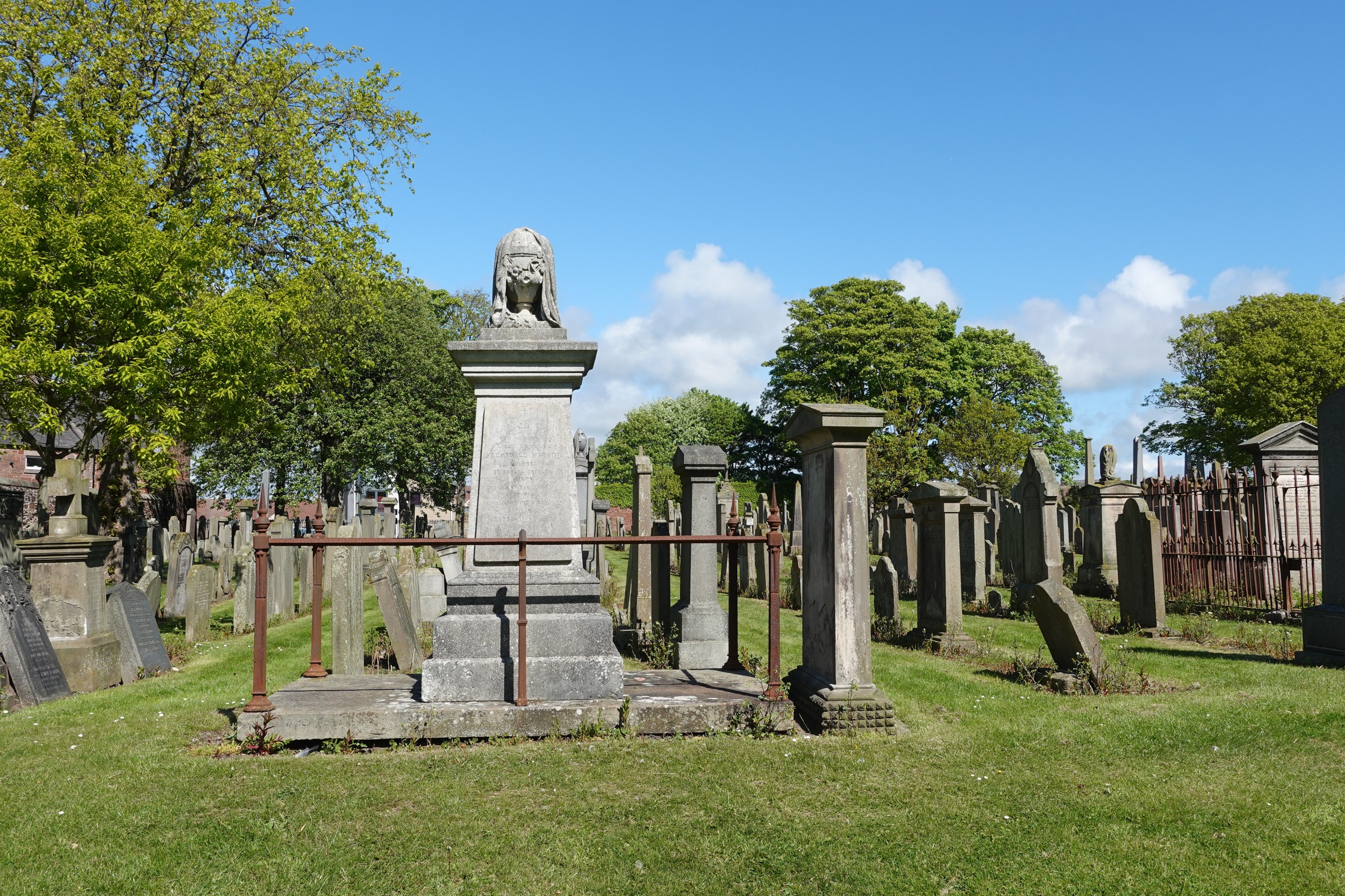
Today not much is left, and unfortunately the inner rooms were not accessible due to unstable walls that were under repair. Thus the scaffolding.
.JPG)
.JPG)
.JPG)
.JPG)
.JPG)
.JPG)
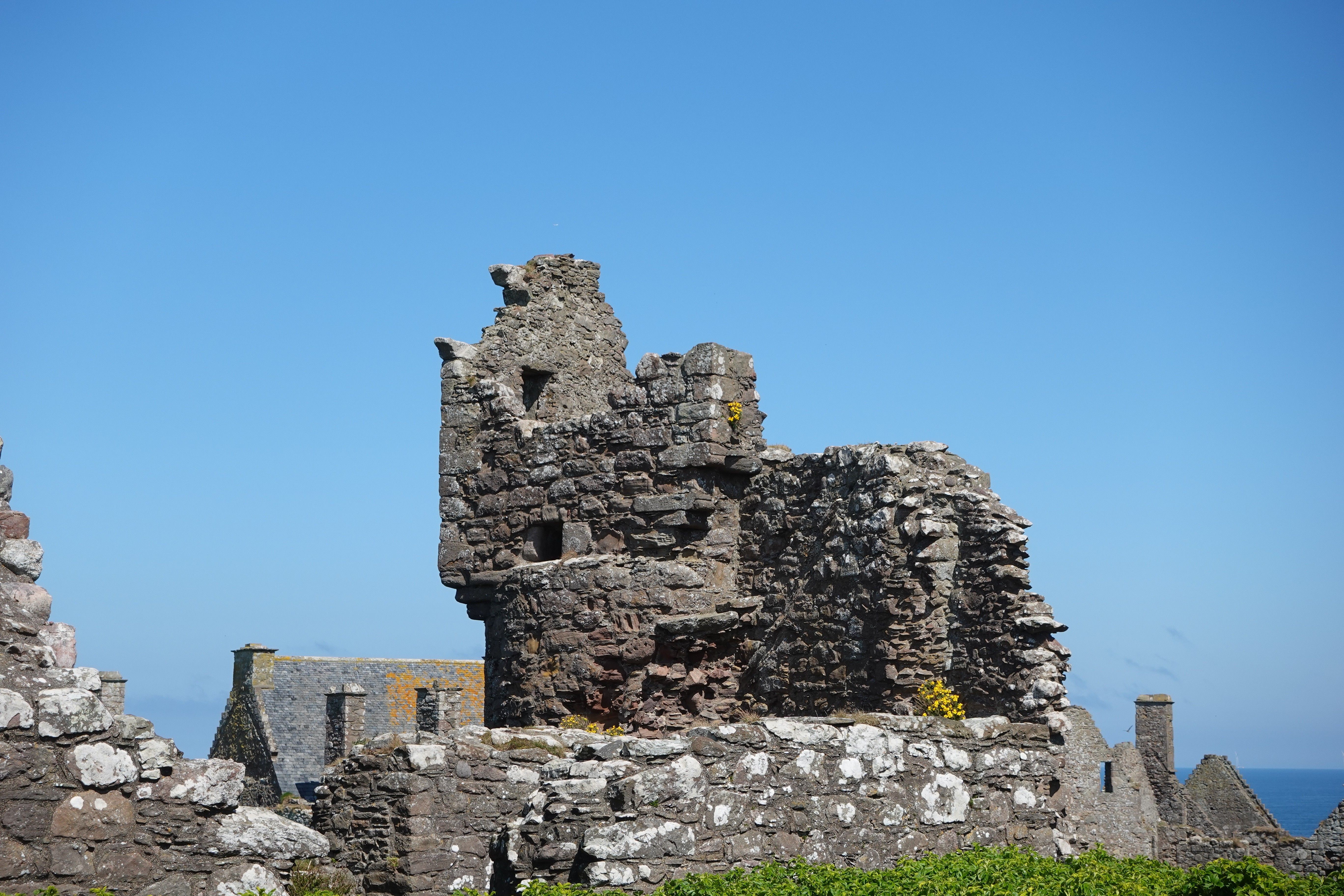
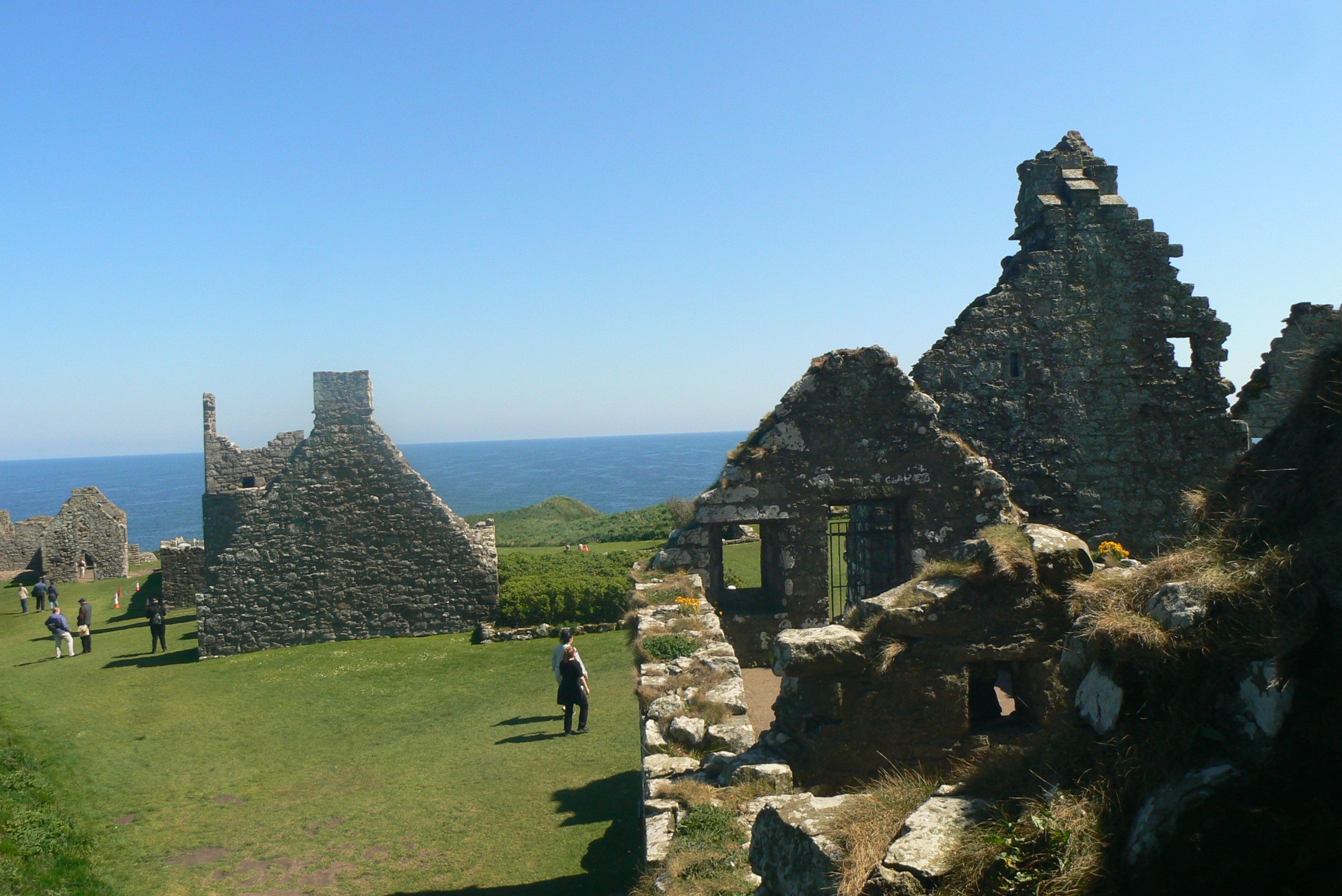
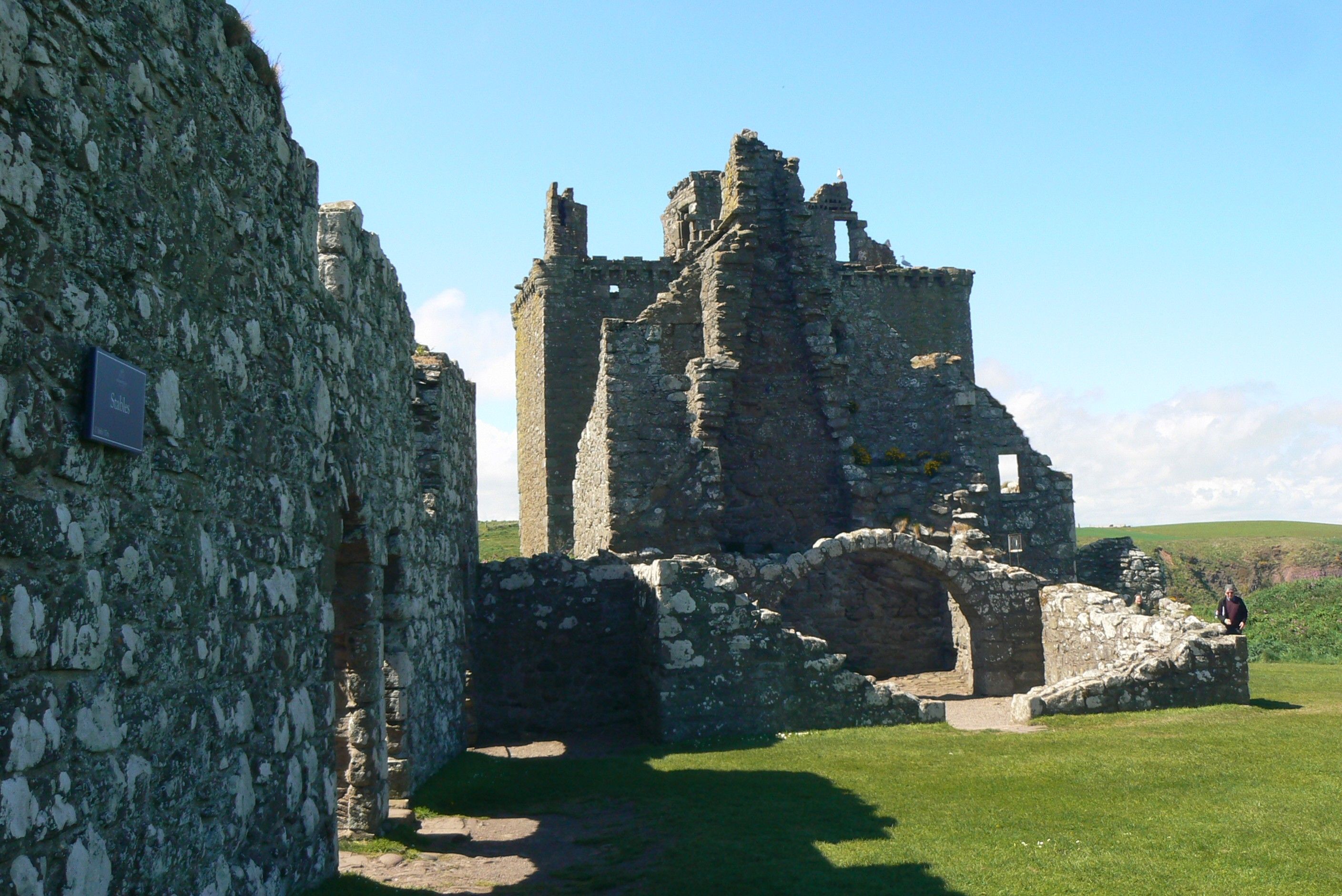
The obvious defensive properties of this outcrop means something has been set here for about 4000 years. Dun is Pictish for fort, so maybe they were here around the year 400.
The Vikings destroyed it in 681. It got rebuilt only to have it raided by King Aethelstan of Wessex in 934.
So, back to William Wallace. Edward I of England took it in 1296. In 1297 Wallace took it back. In the process he burned down the church with the entire English garrison still in it.
A lot has happened since, but thankfully today it is a quiet place sitting on a magnificent point.
.jpg "Dunnottar Castle - quite a spot")
Dunnottar Castle - quite a spot
.JPG)
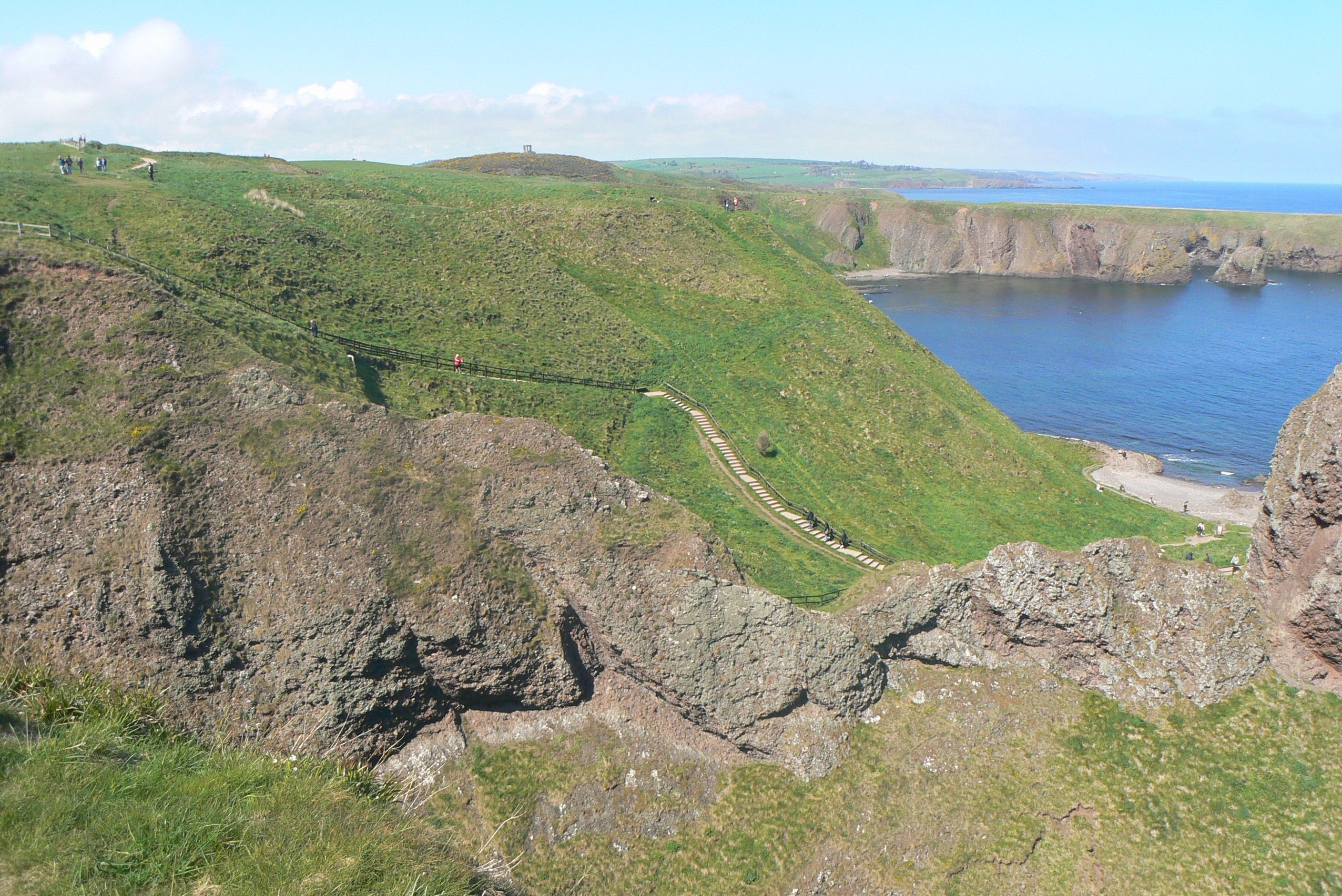
The walkway to the castle
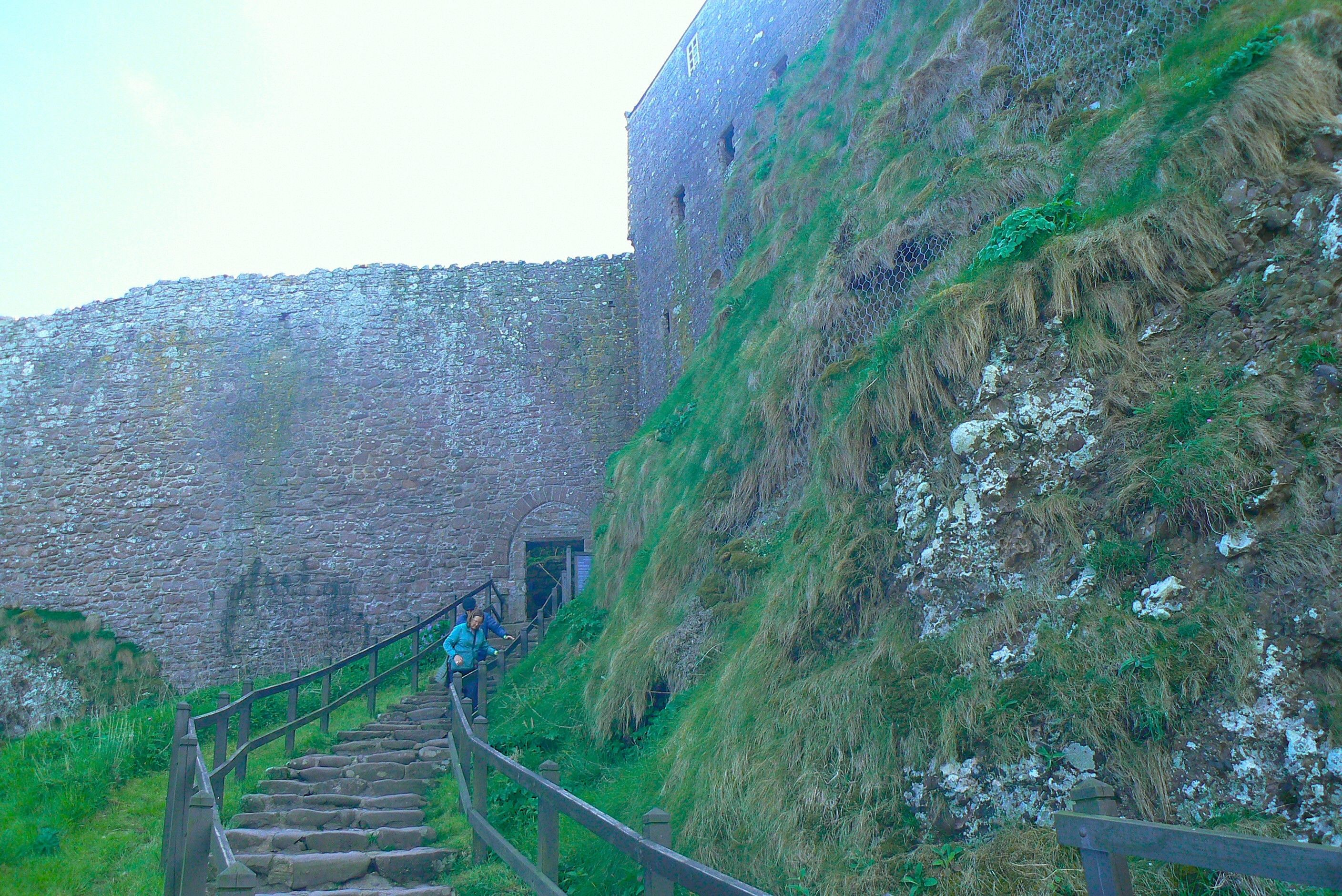
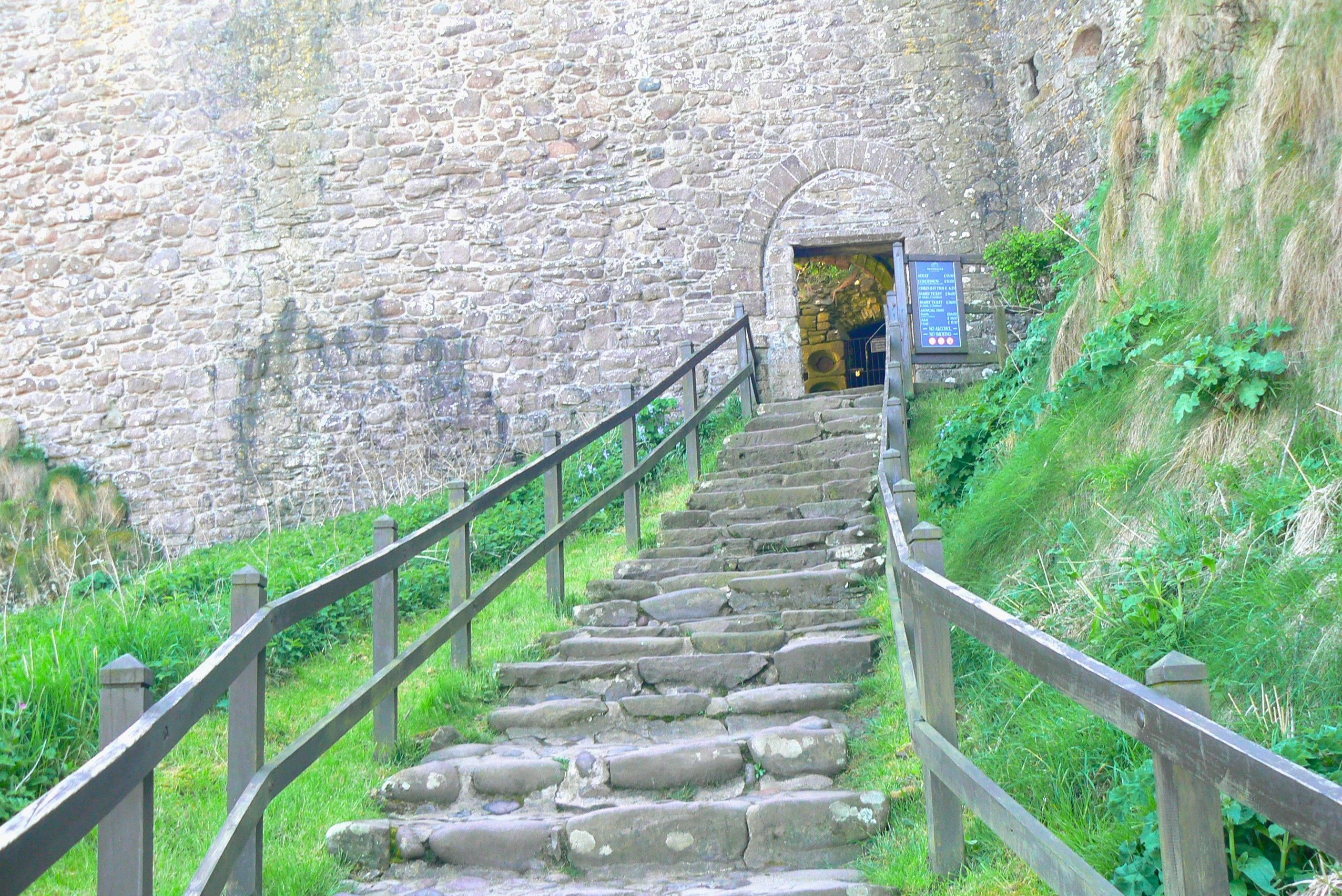
Entrance
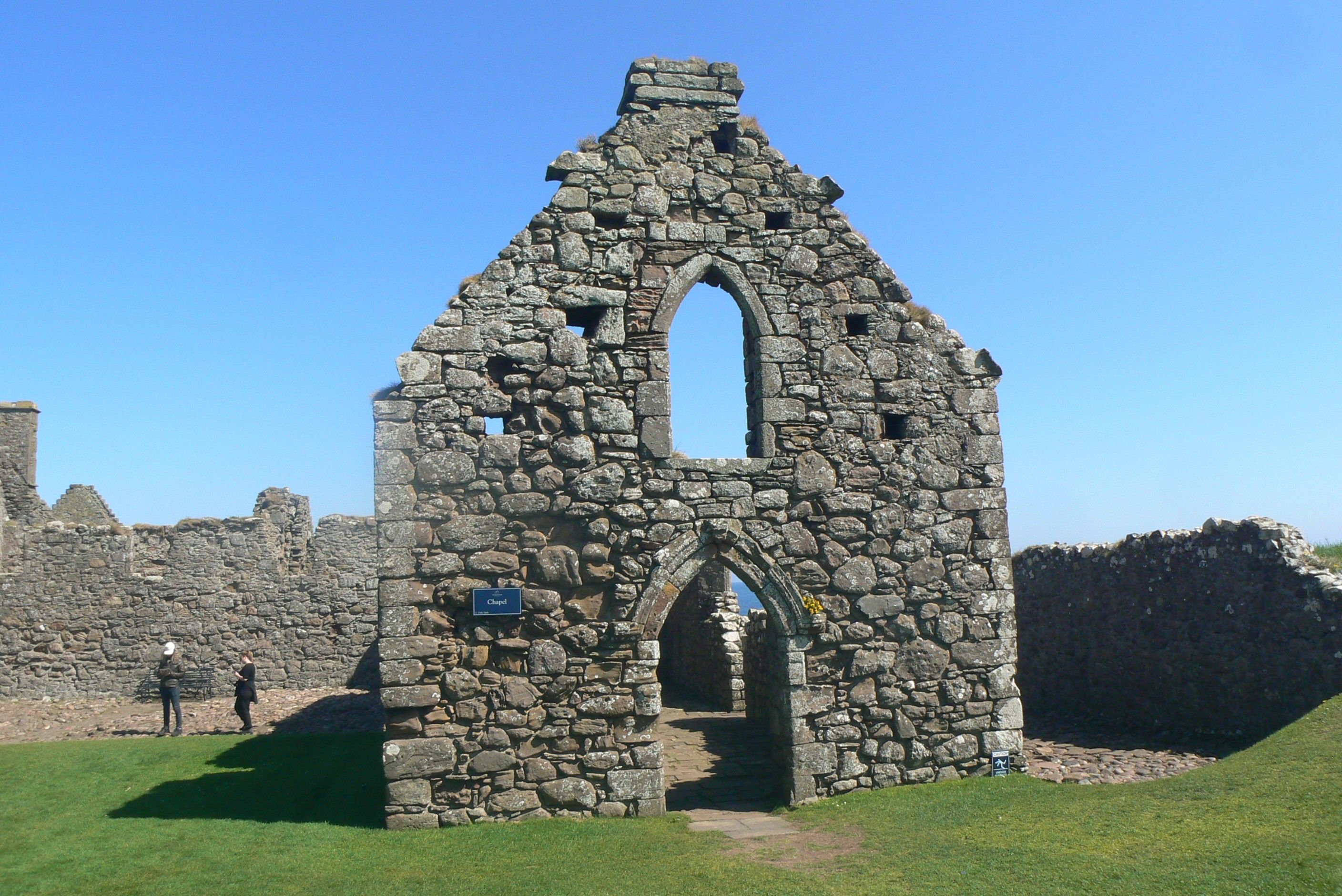
Inside the yard, this was the chapel
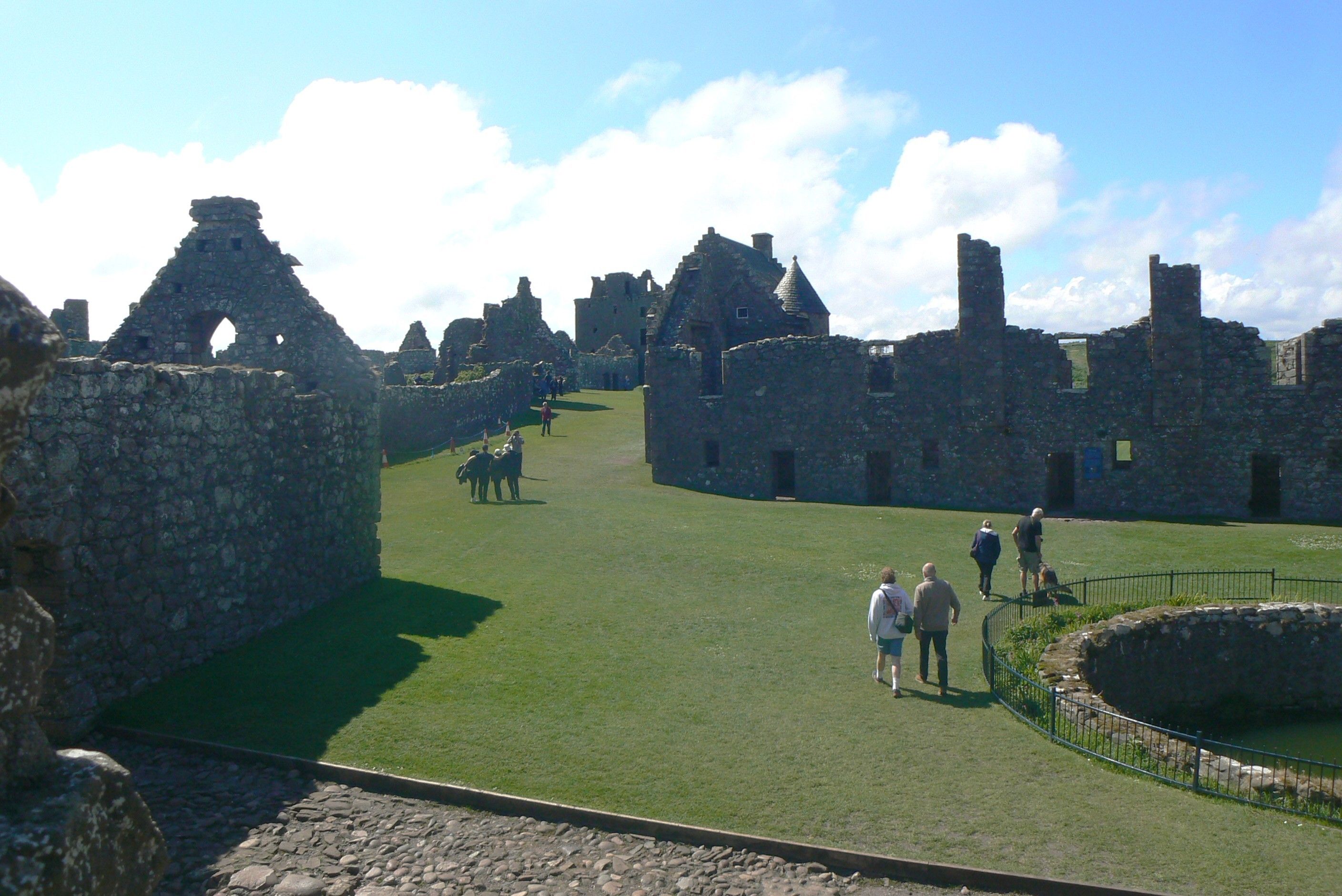
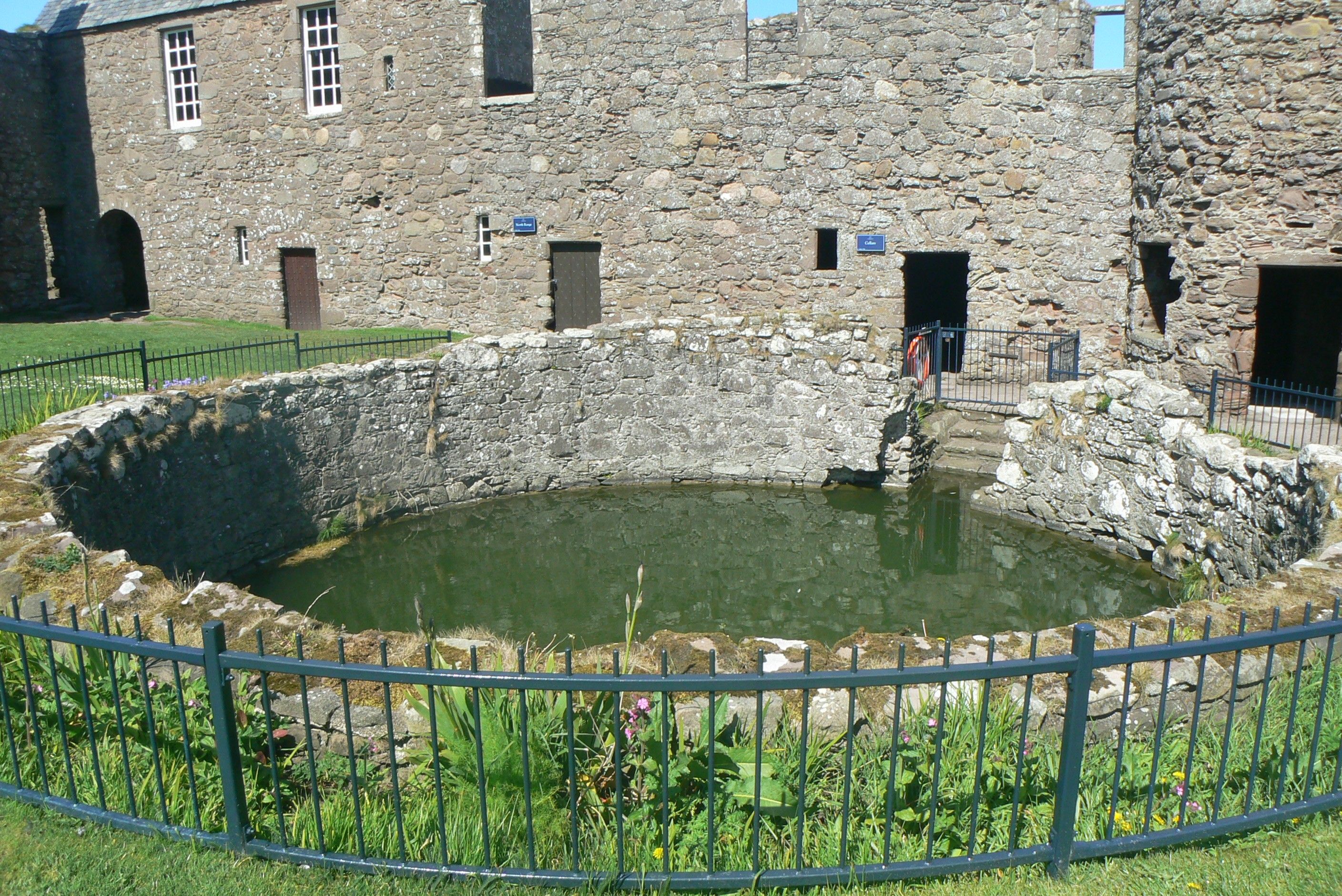
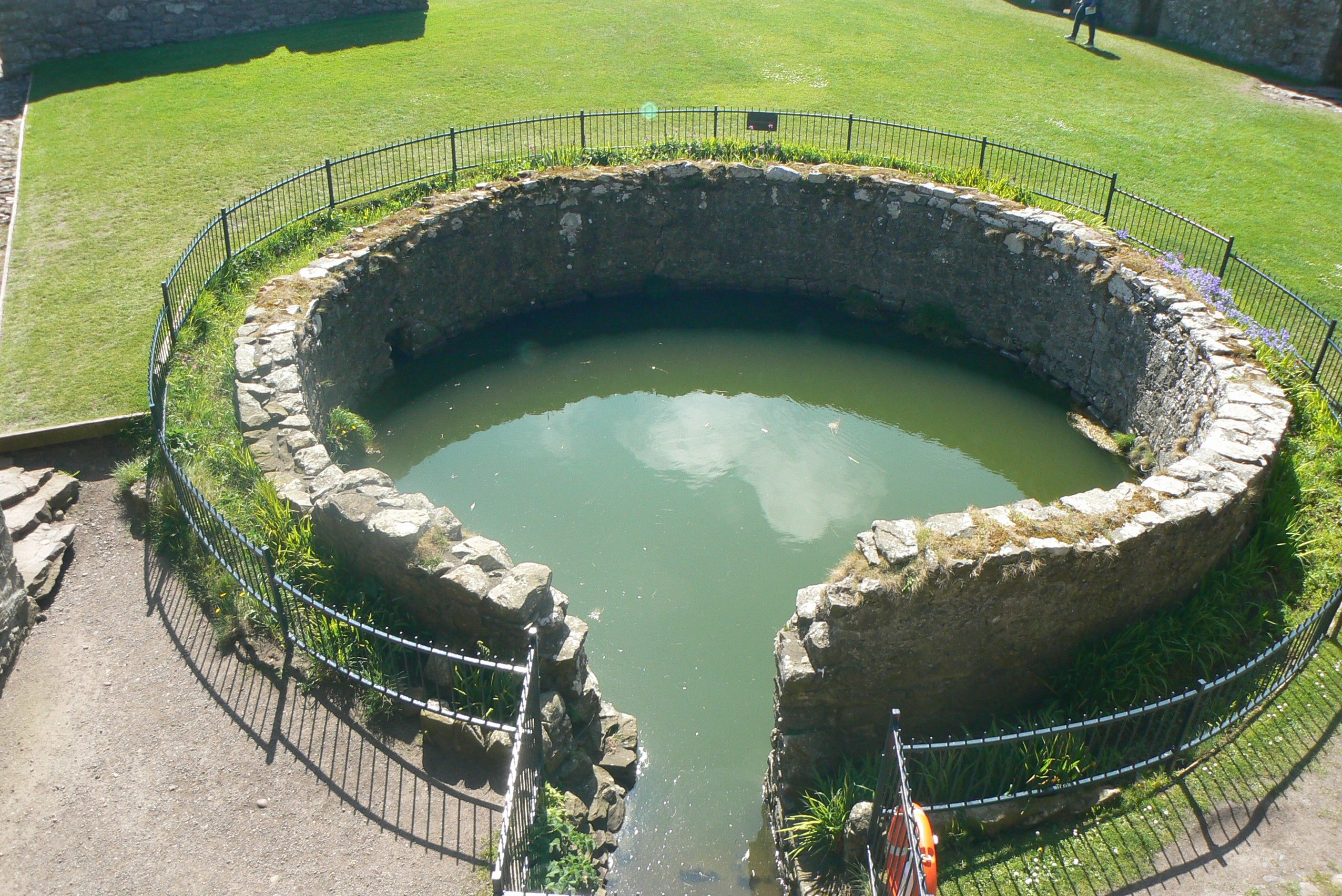
A cistern still exists
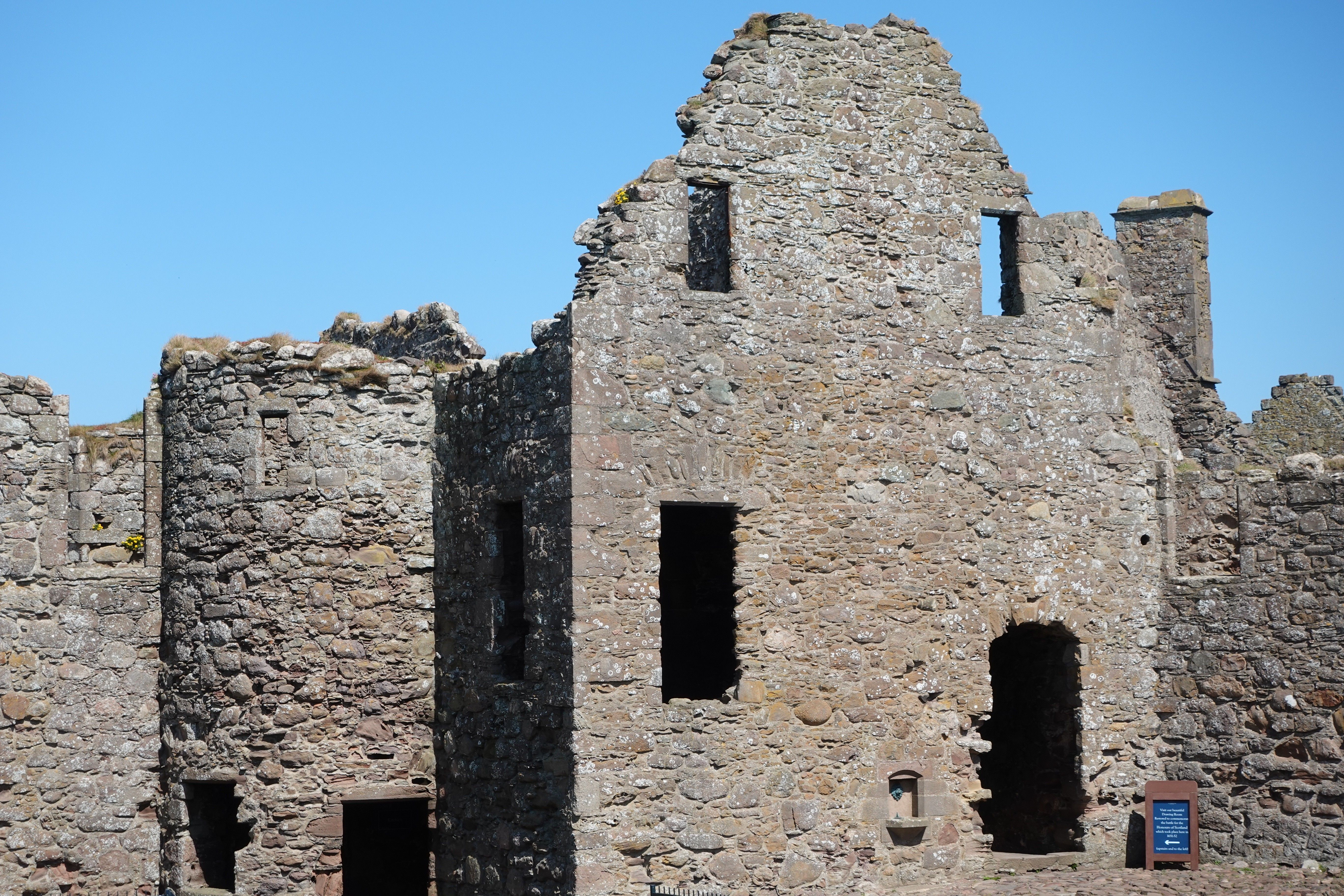
The Drawing Room. It has been restored to what it is believed to have looked like
.JPG "The ceiling was beautiful")
The ceiling was beautiful
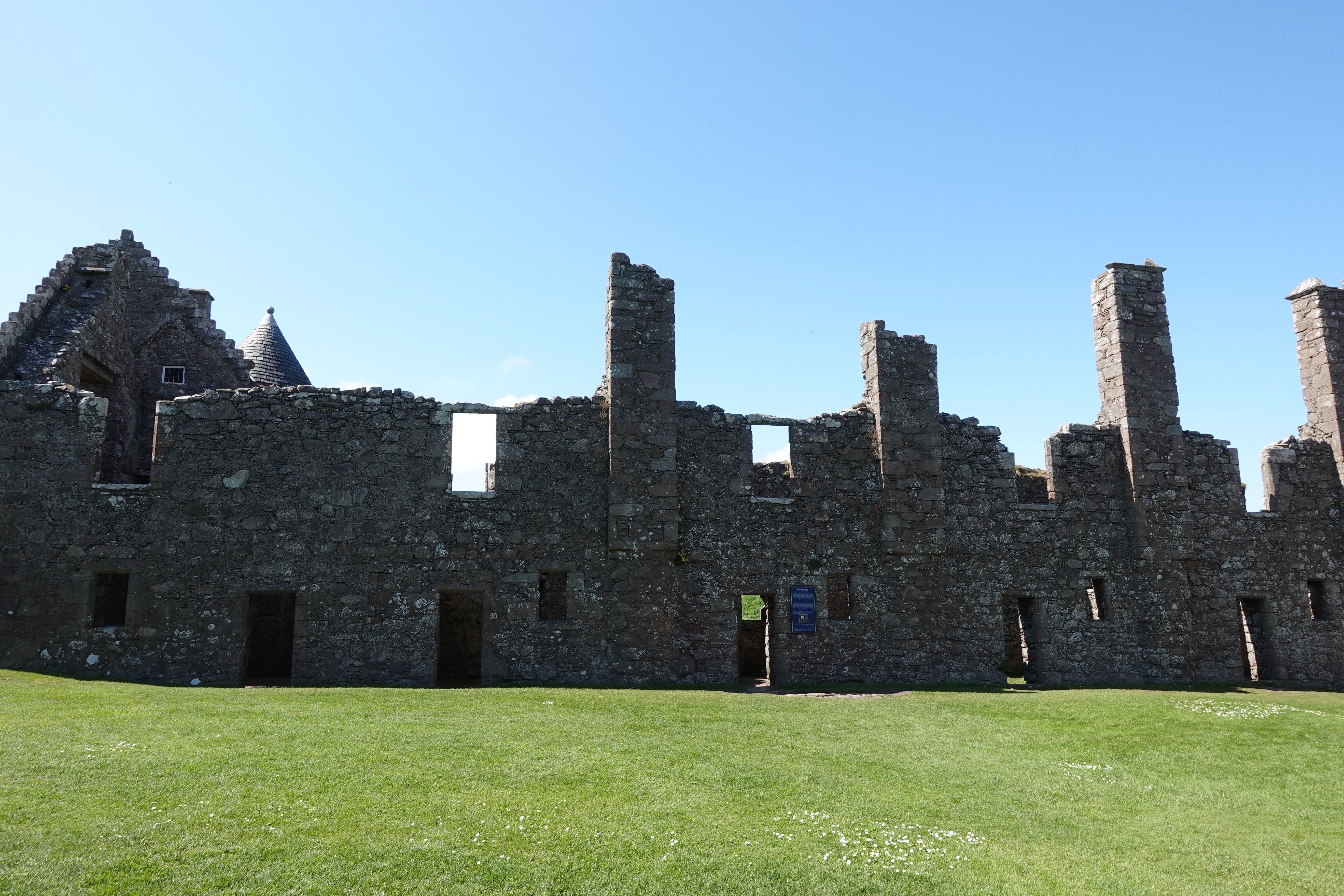
The inner grounds
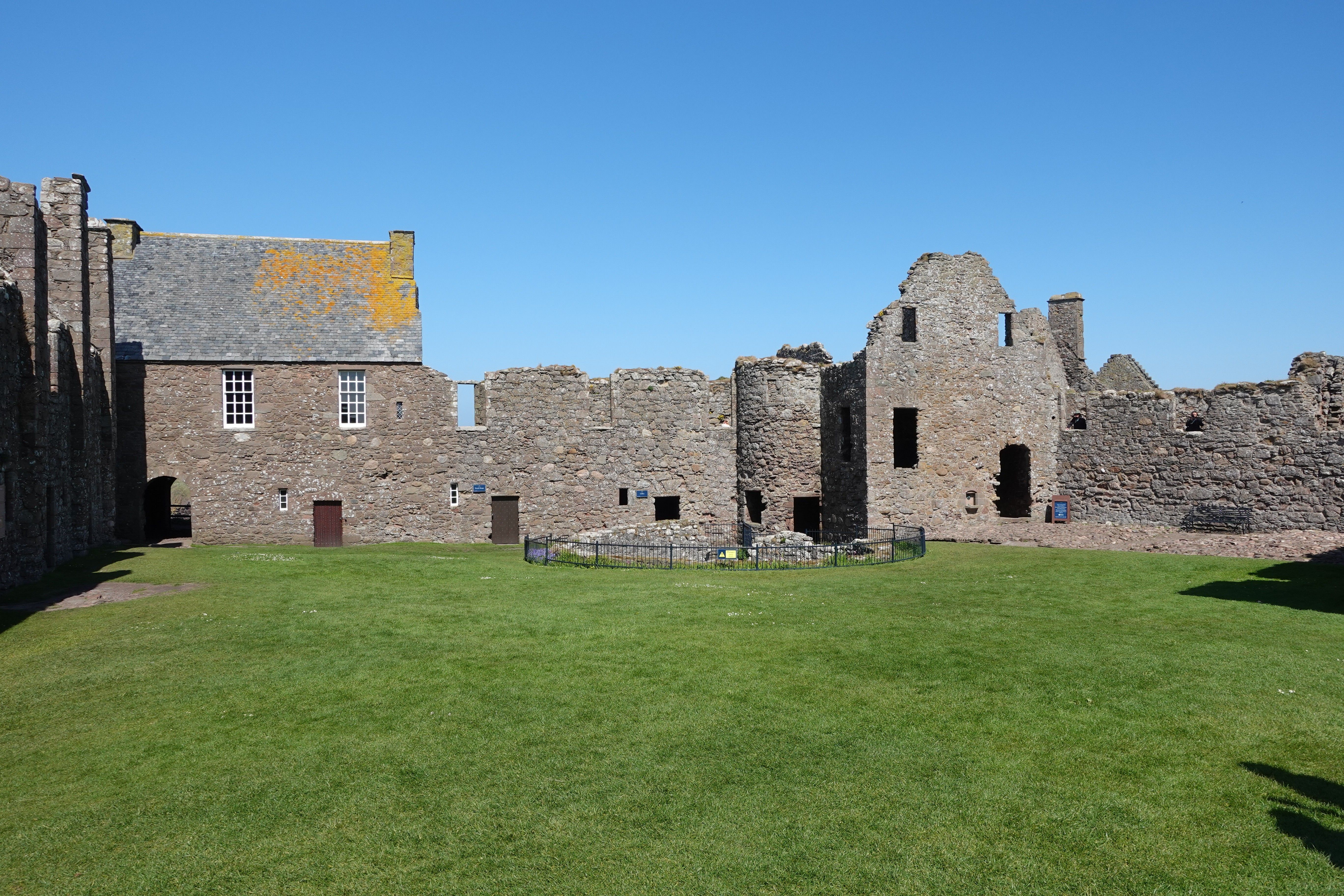
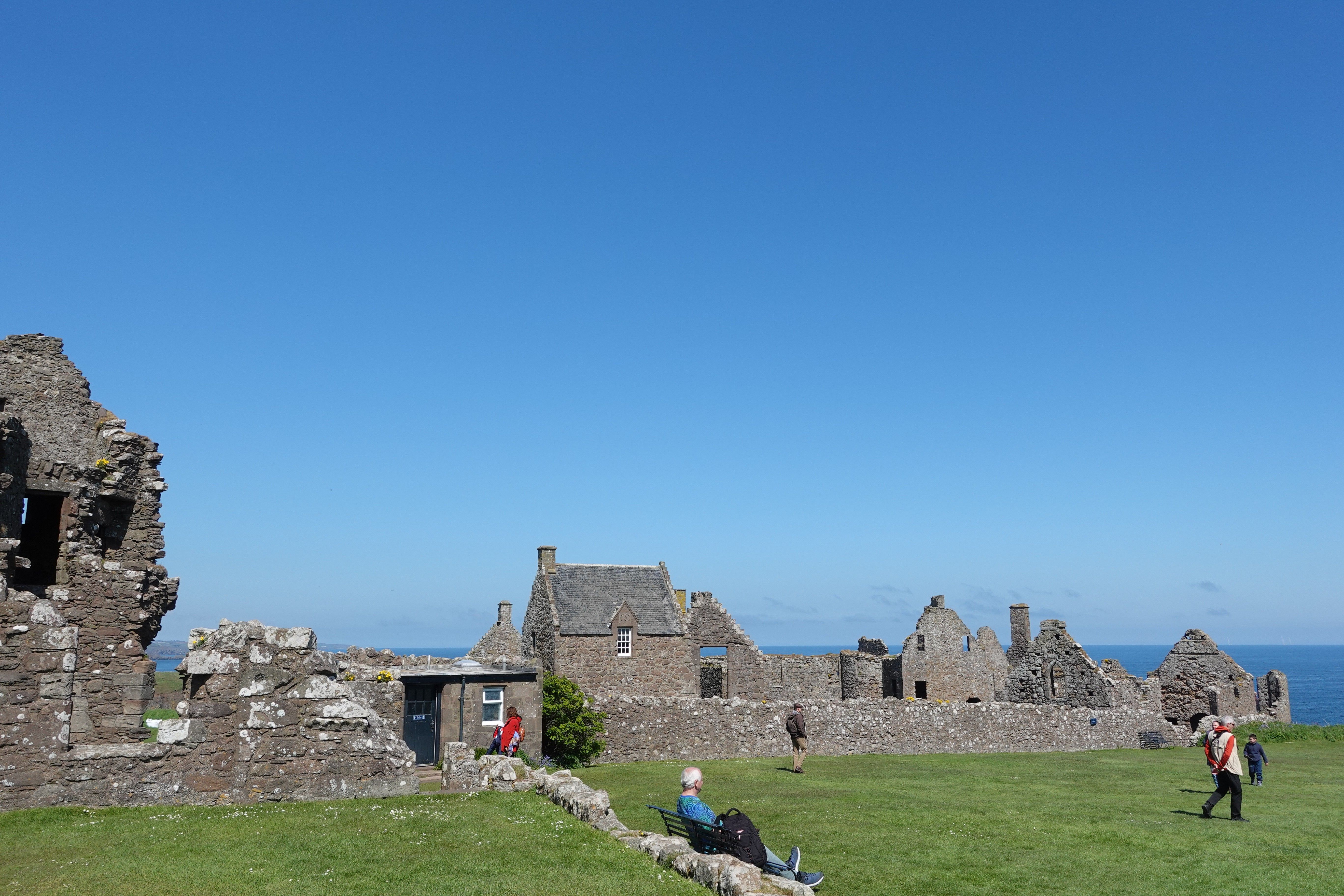
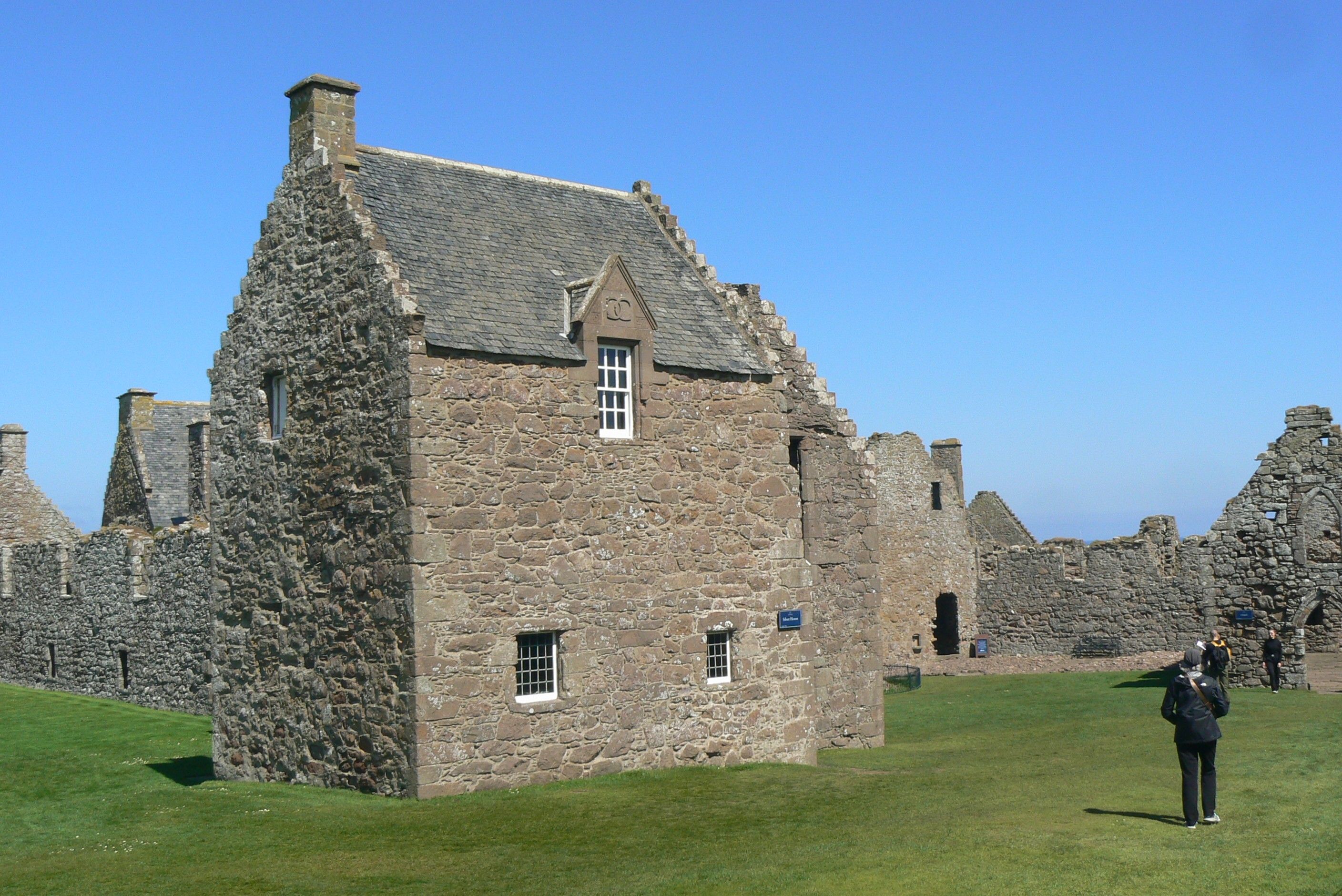
The Silver House
.JPG)
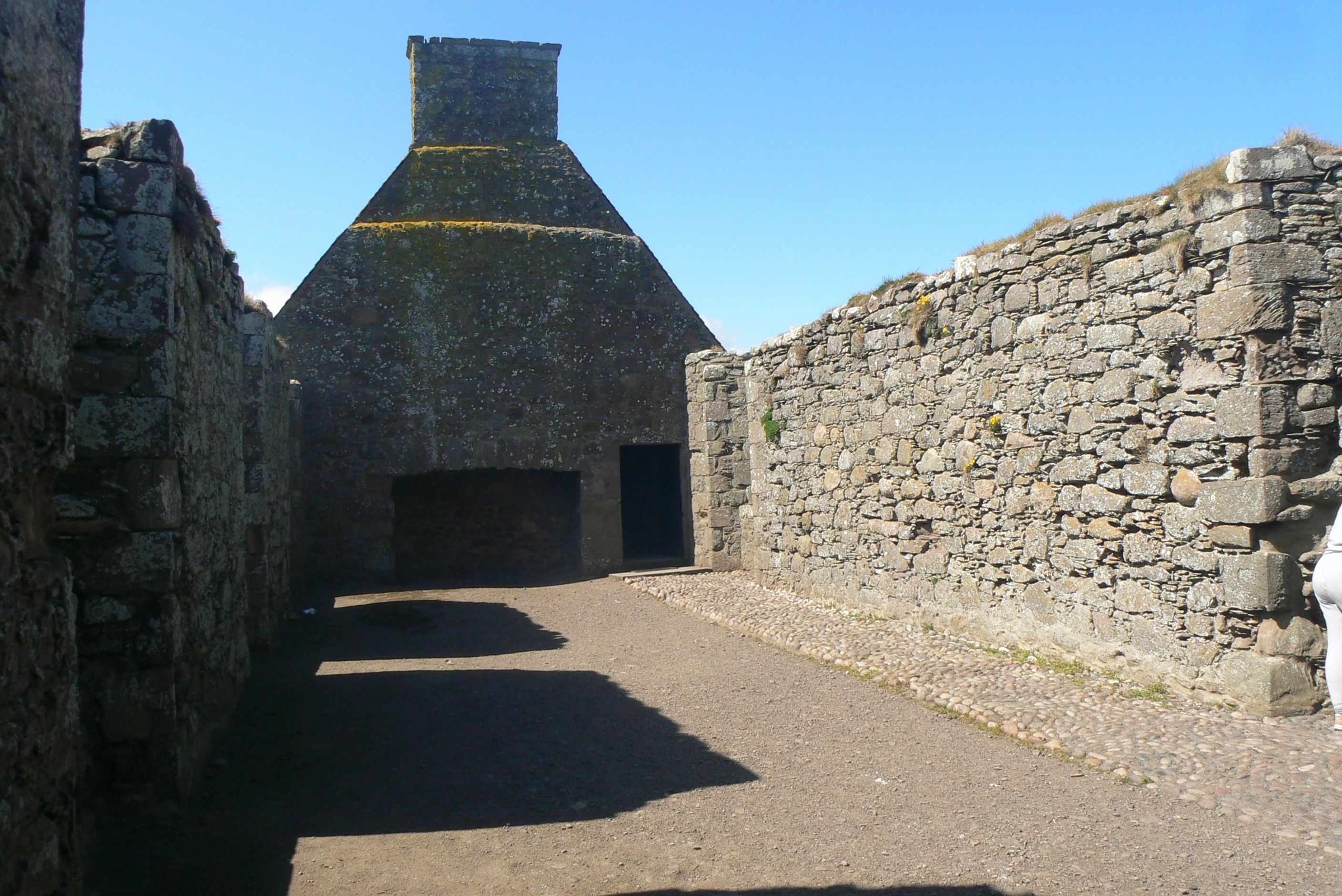
.jpg "Inside views")
Inside views
.jpg)
.JPG)
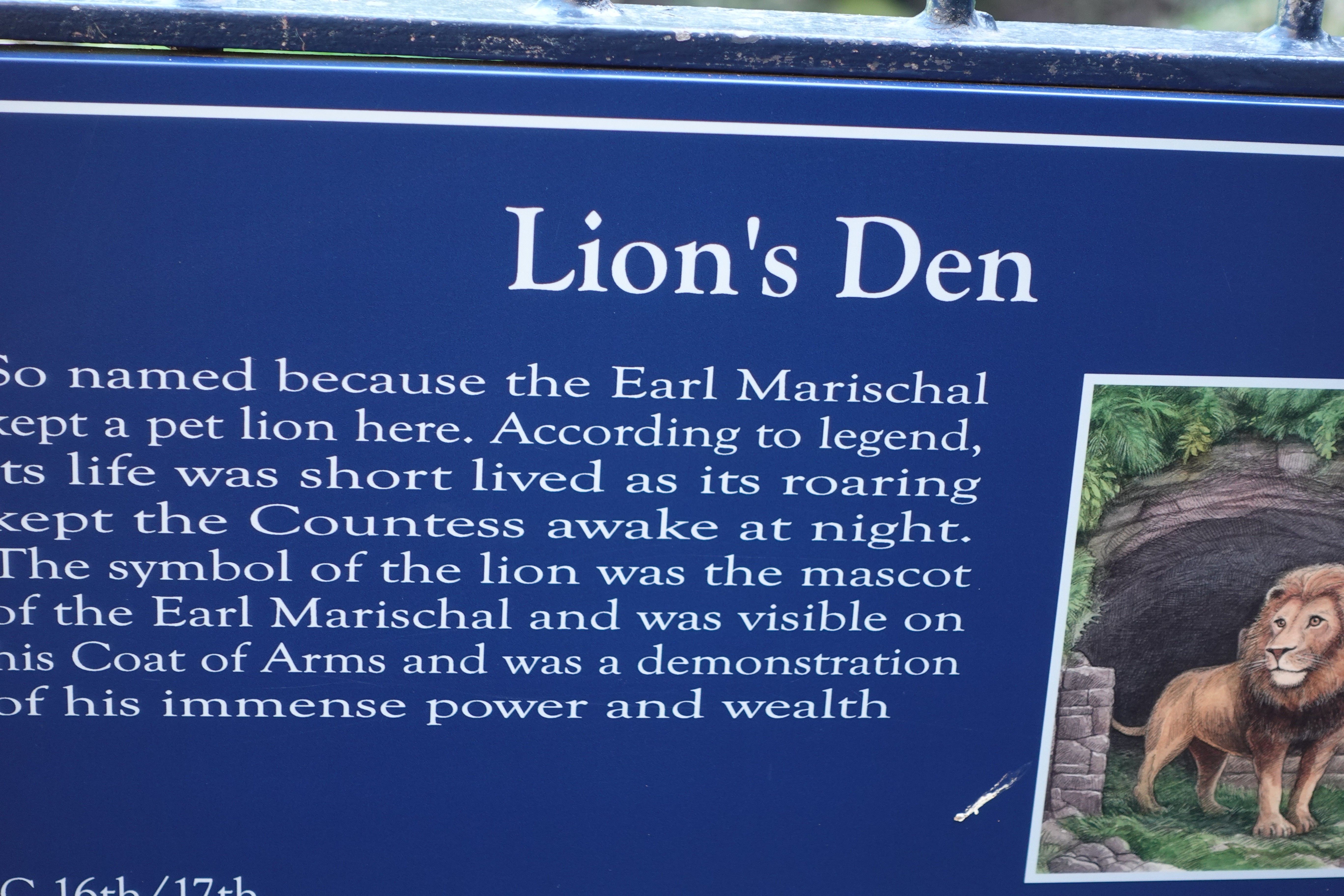
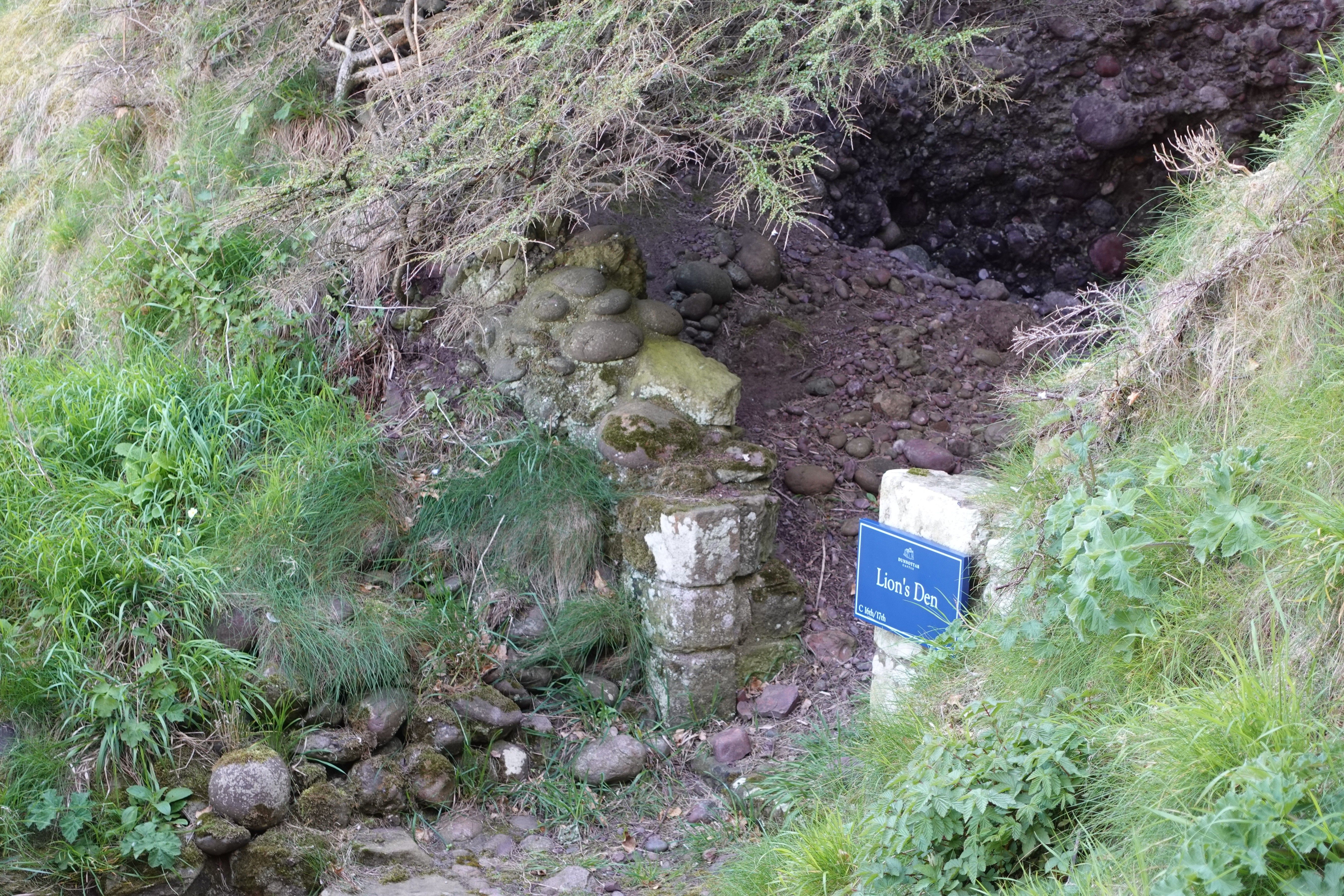
Yes, he had a real pet lion
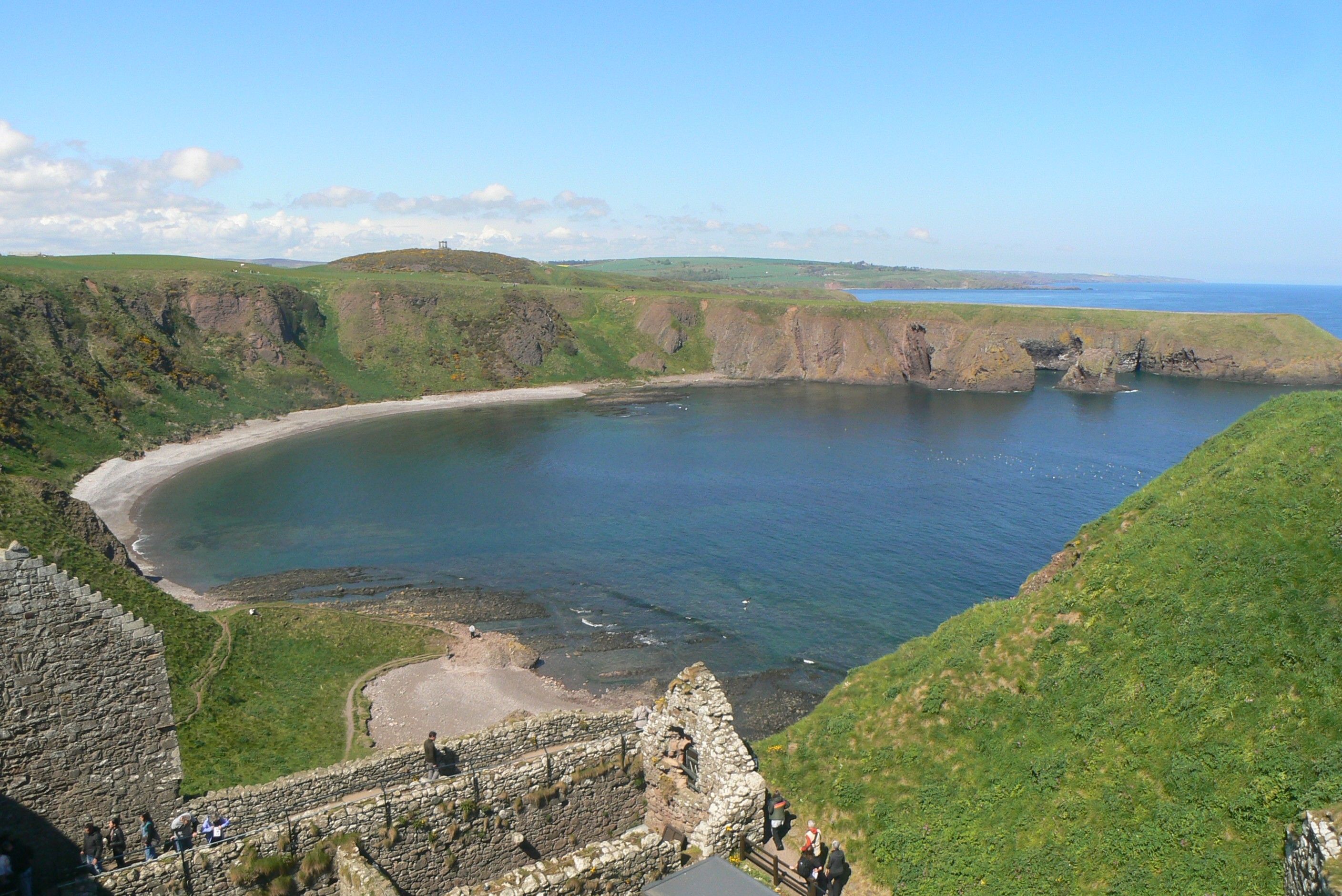
View of the bay from the castle.
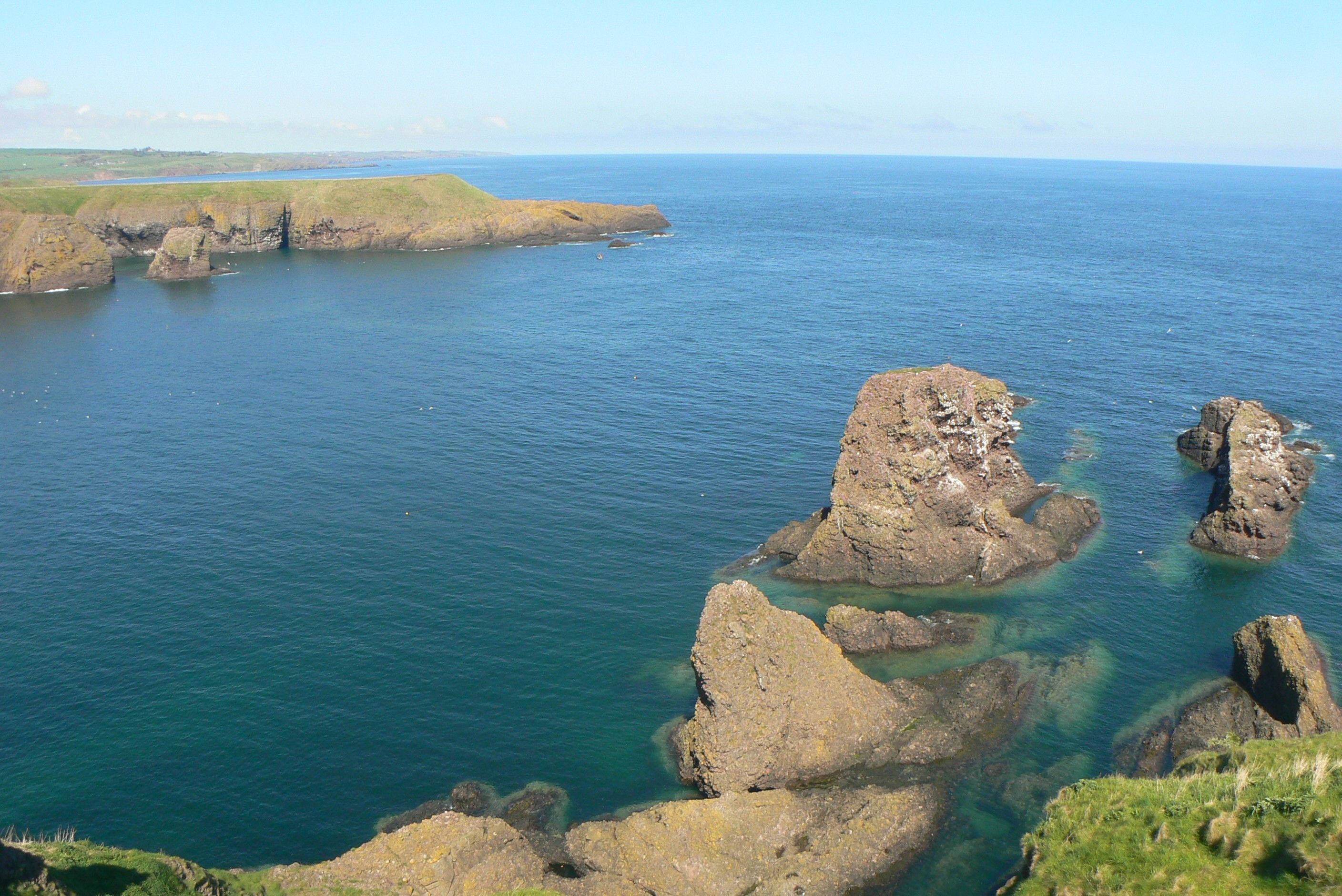
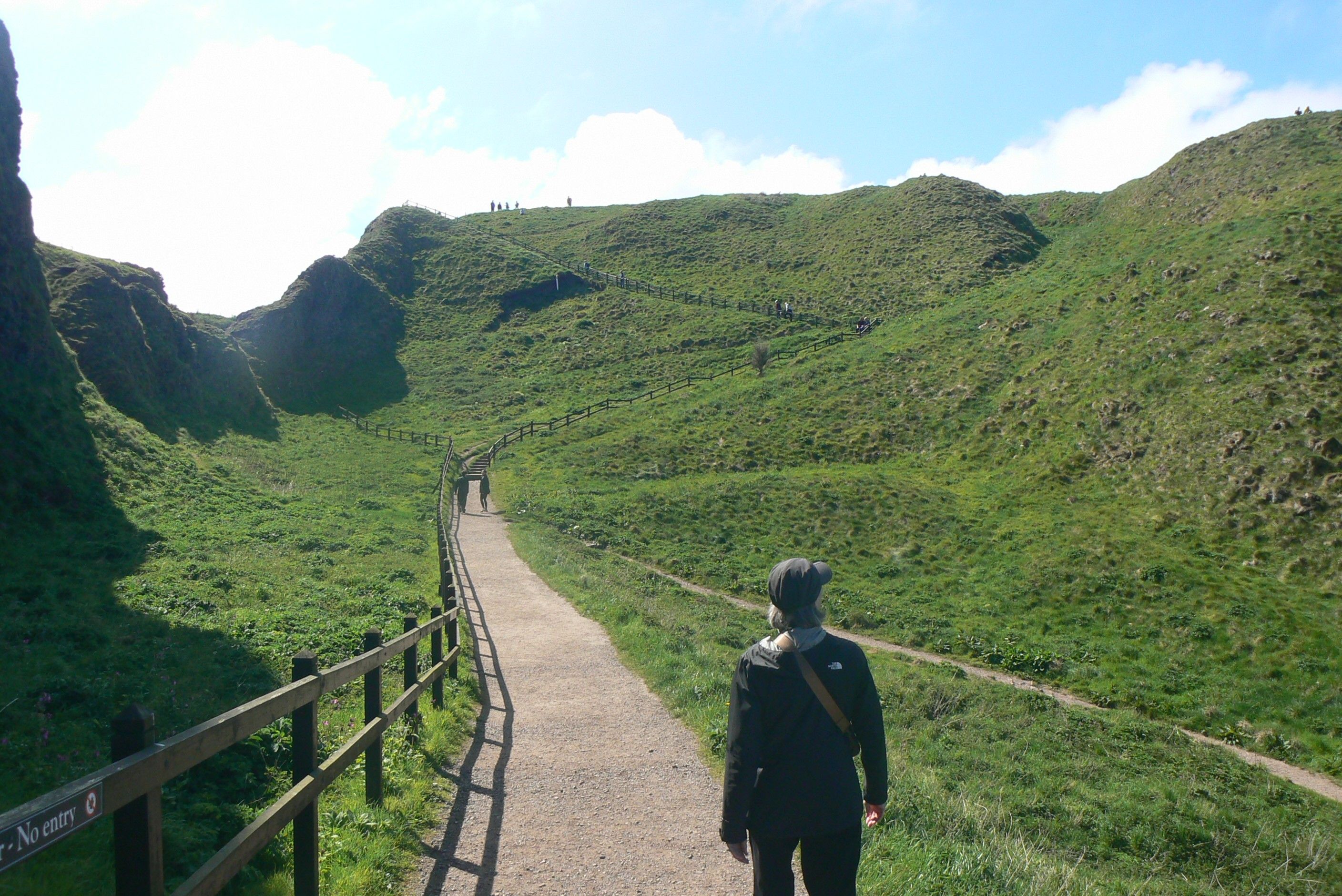
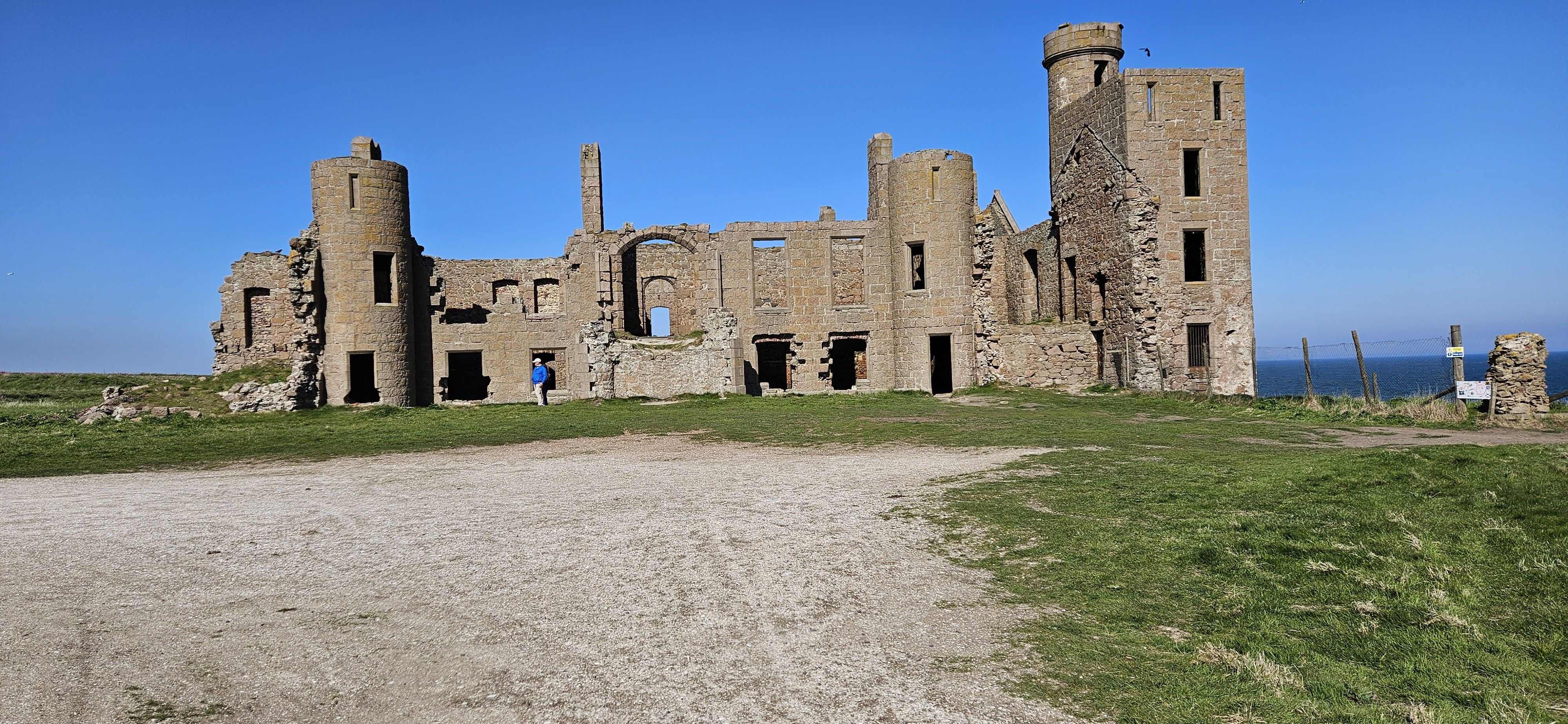
Yes, there is an old Slains Castle ruin down the road. In 1594 the owner, Earl of Erroll backed a plot against King James IV, so James blew up the Earls home.
In 1597 the Earl came back from exile, made peace and built the new castle here. It was quite splendid from all accounts, grew in size over the years, until it was sold for death taxes. Fell into disrepair, but was purchased in 1916.
In 1925 the new owner stripped off the roof and anything of value, leaving a shell of what was once a grand home.
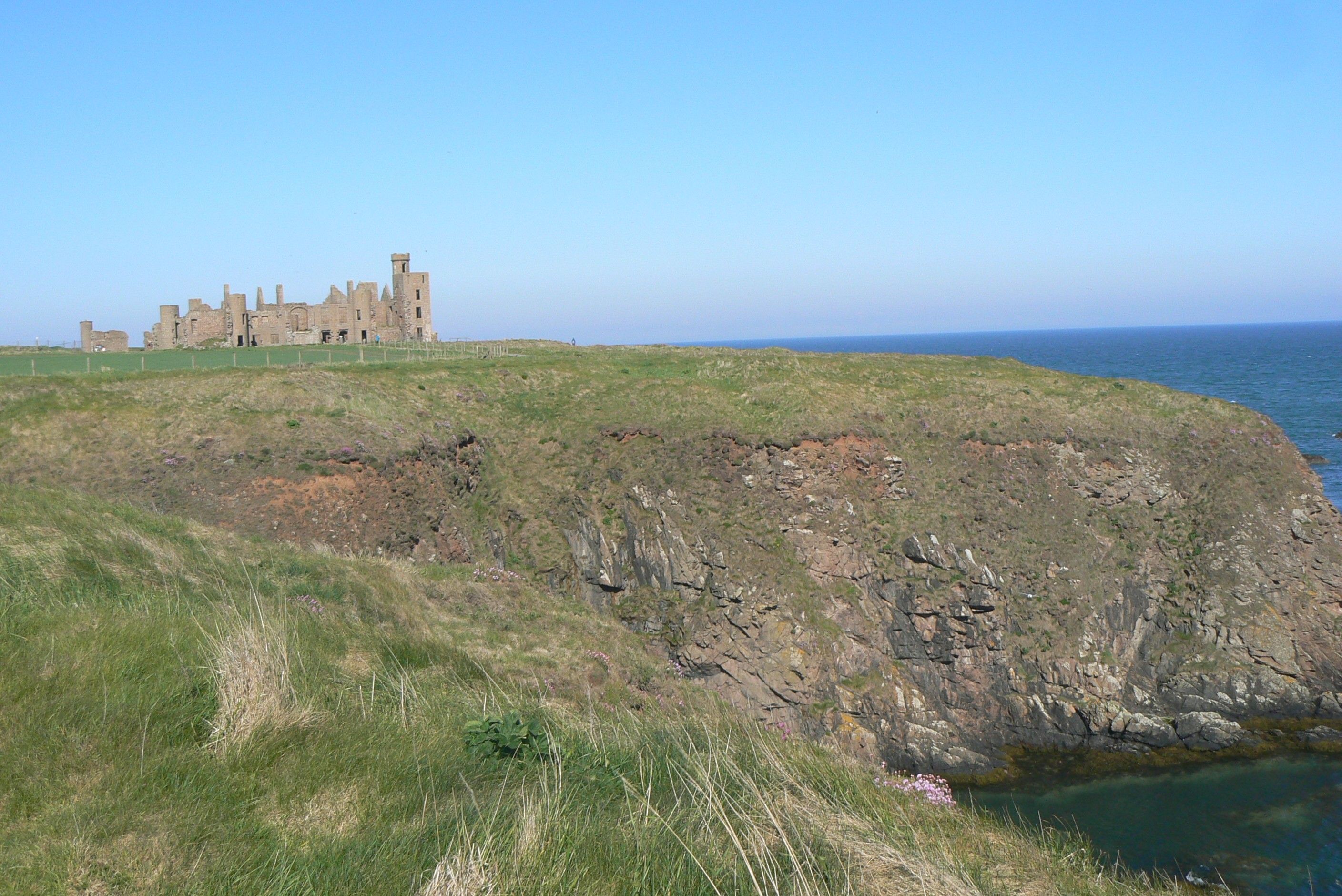
It sits out in the middle of a windswept meadow.
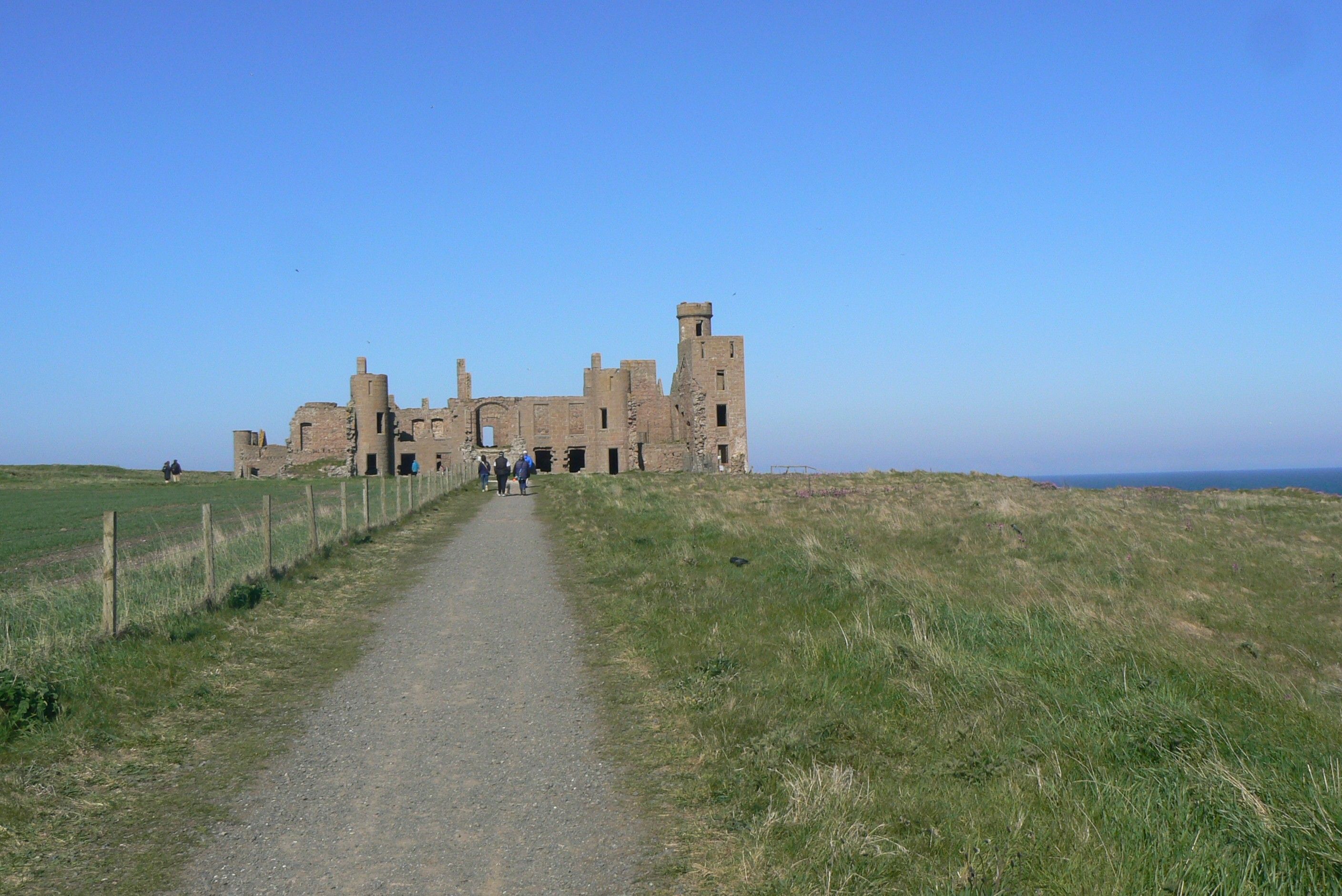
.jpg)
.jpg)
.jpg)
.jpg "The two towers were one of it's main features")
The two towers were one of it's main features
.jpg)
.jpg)
.jpg "You an see the places where beams for upper floors once were")
You an see the places where beams for upper floors once were
.jpg)
.jpg "Walking inside")
Walking inside
.jpg)
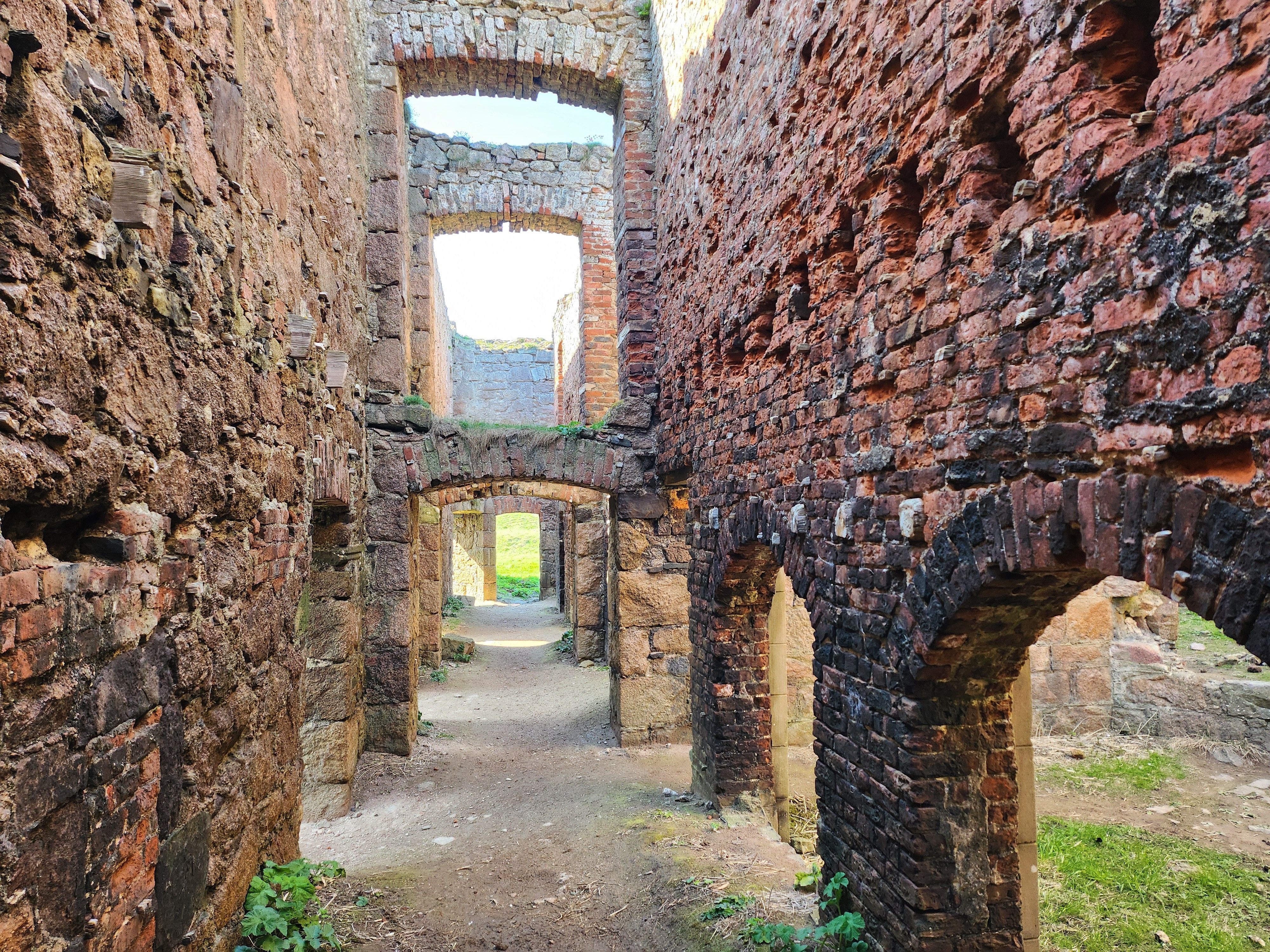
It sort of reminded me of the lower parts of the Colosseum in Rome
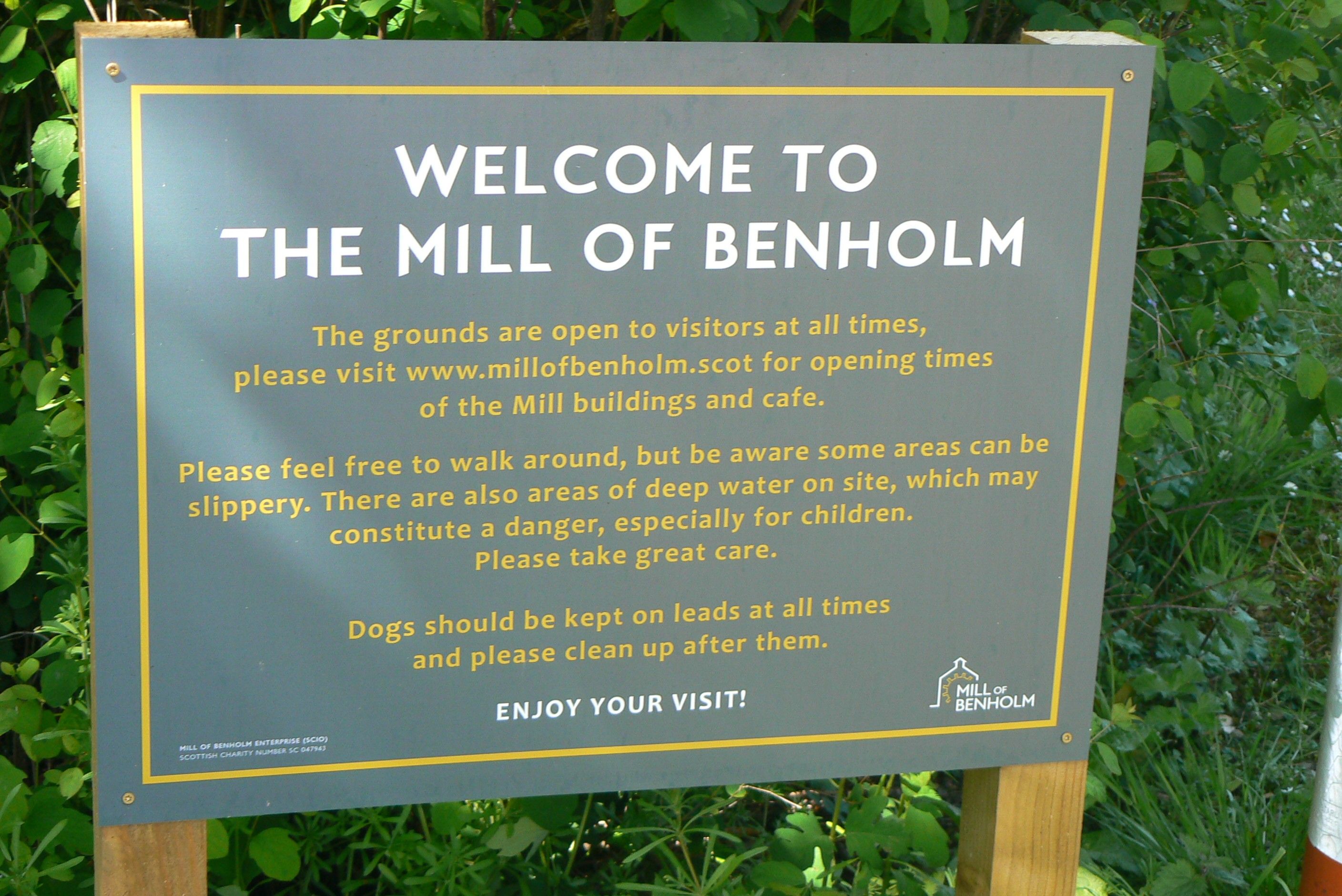
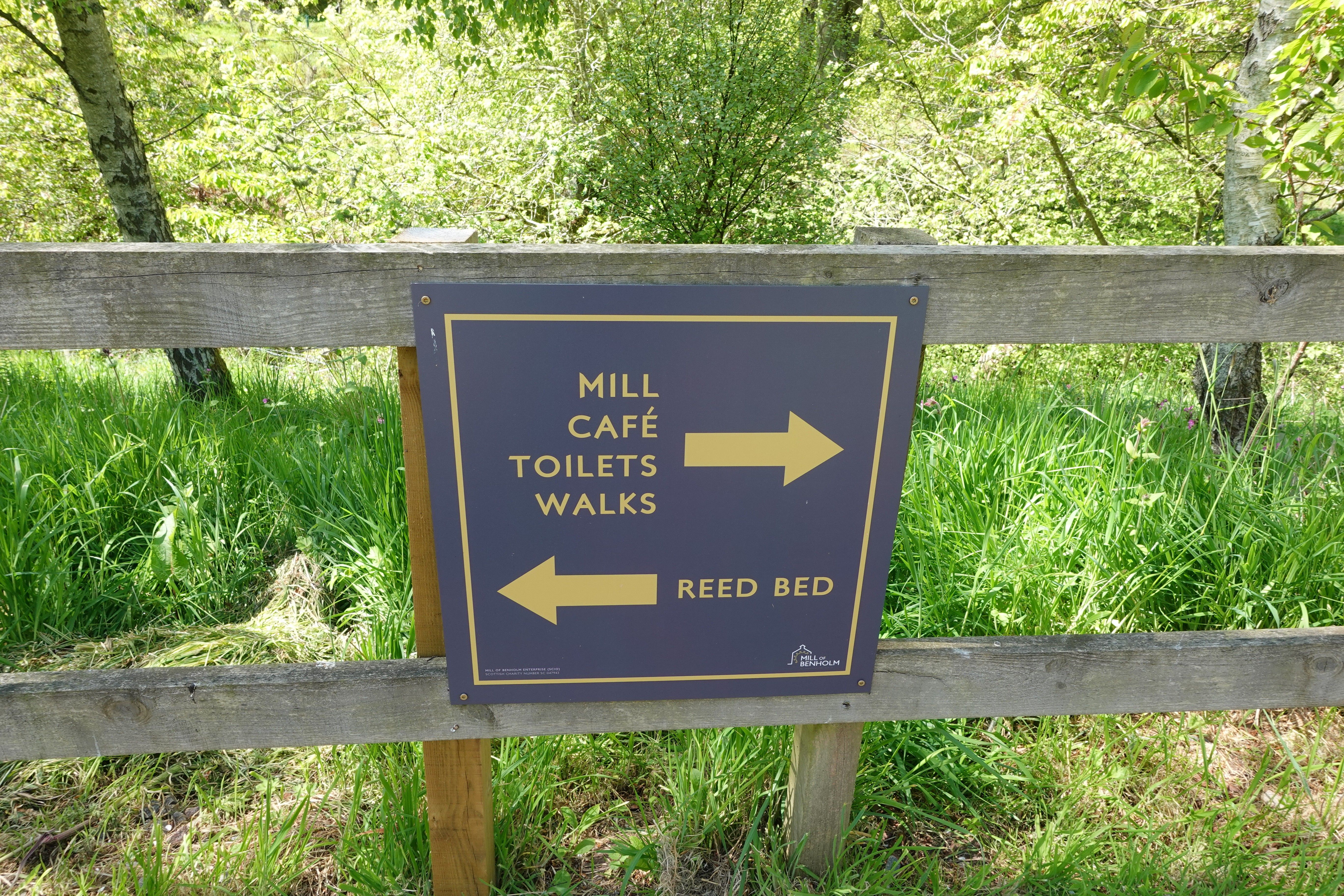
This is a restored meal mill. Built in the 1700s it served the farming community for years until the number of farms declined and barley became the grain of choice, not oats.
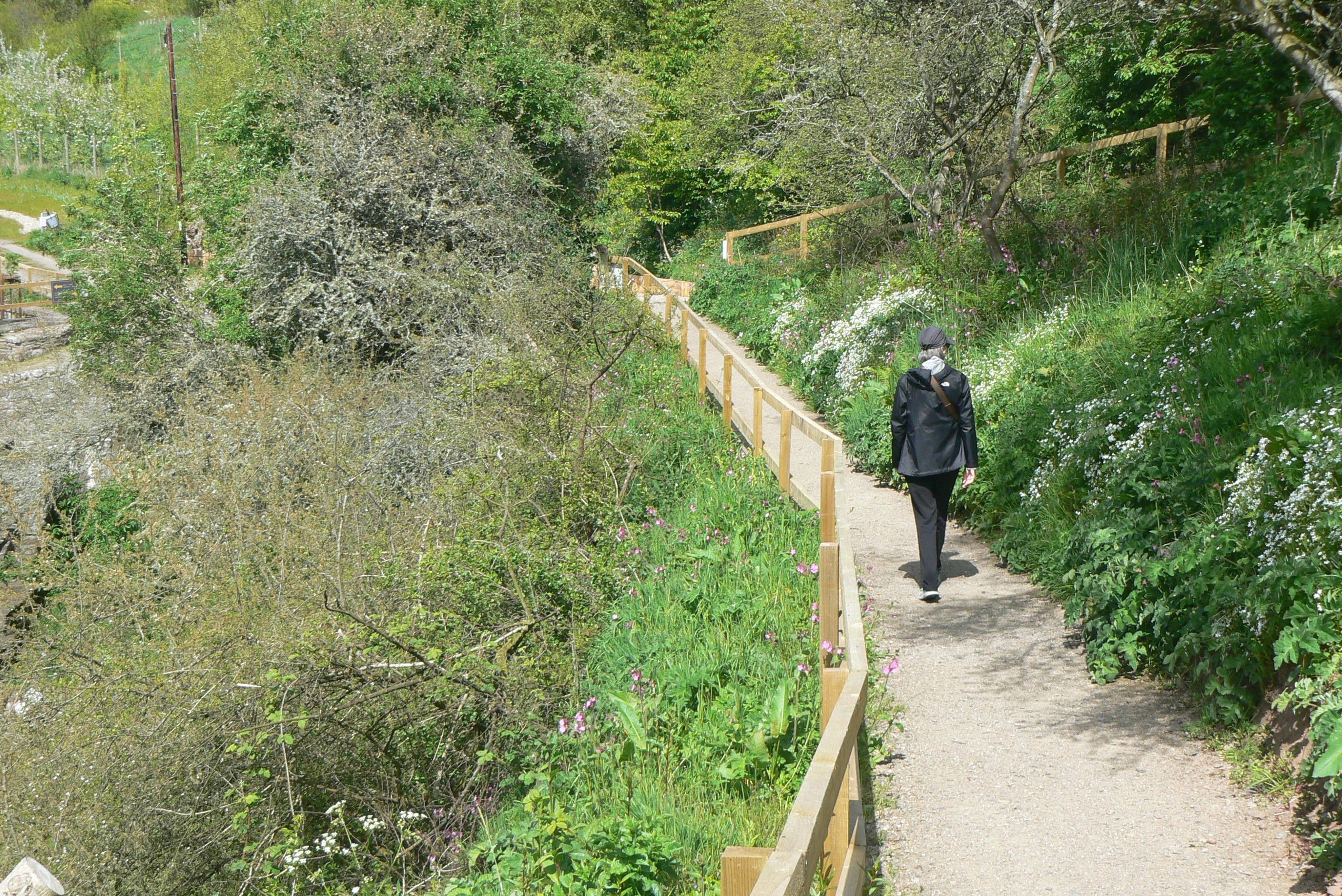
It sits in a lovely area and is a great place to stroll in the Mill Brae Woods
.JPG "The mill from the lane heading toward it.")
The mill from the lane heading toward it.
.jpg)
.JPG)
.jpg "Beautiful construction")
Beautiful construction
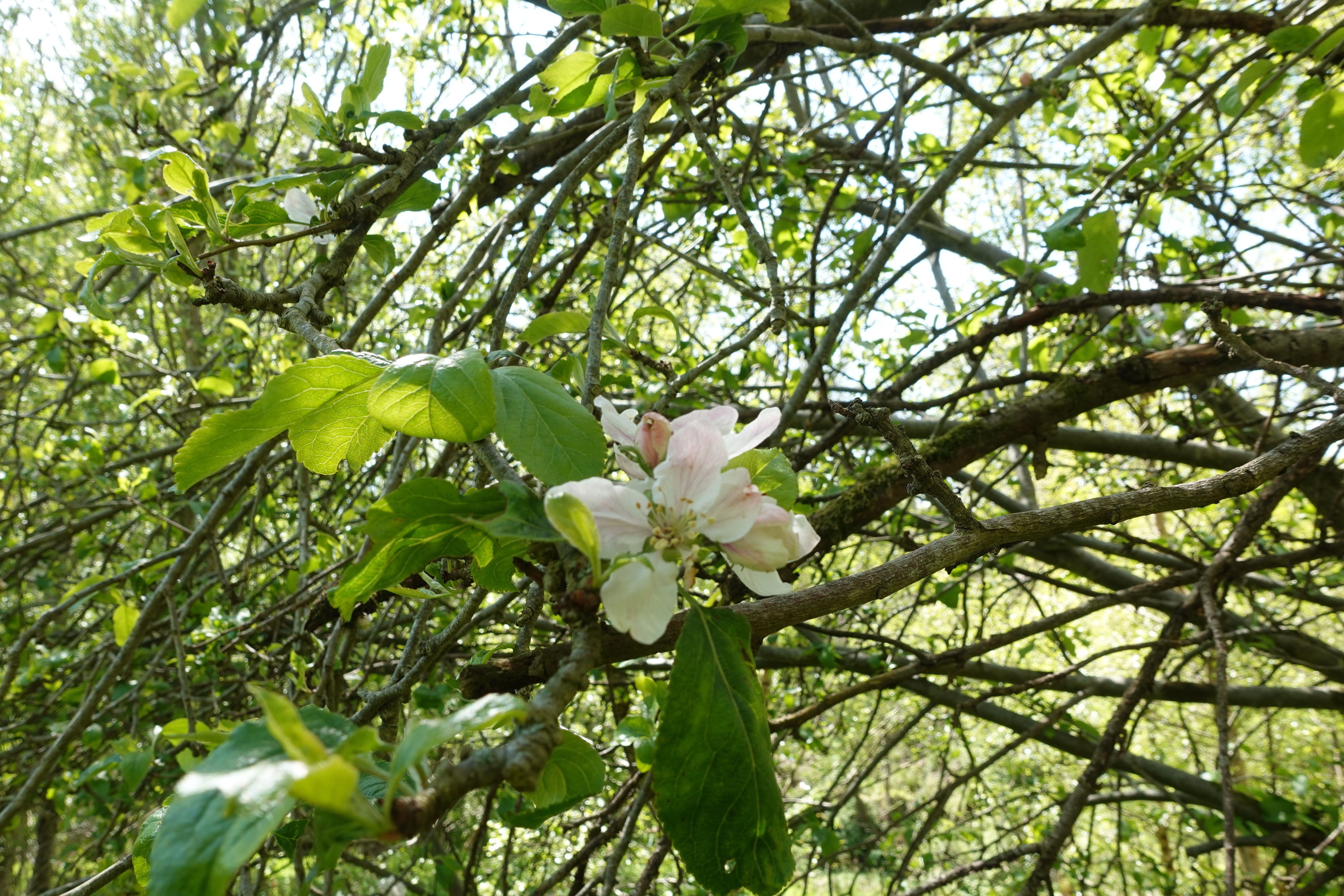
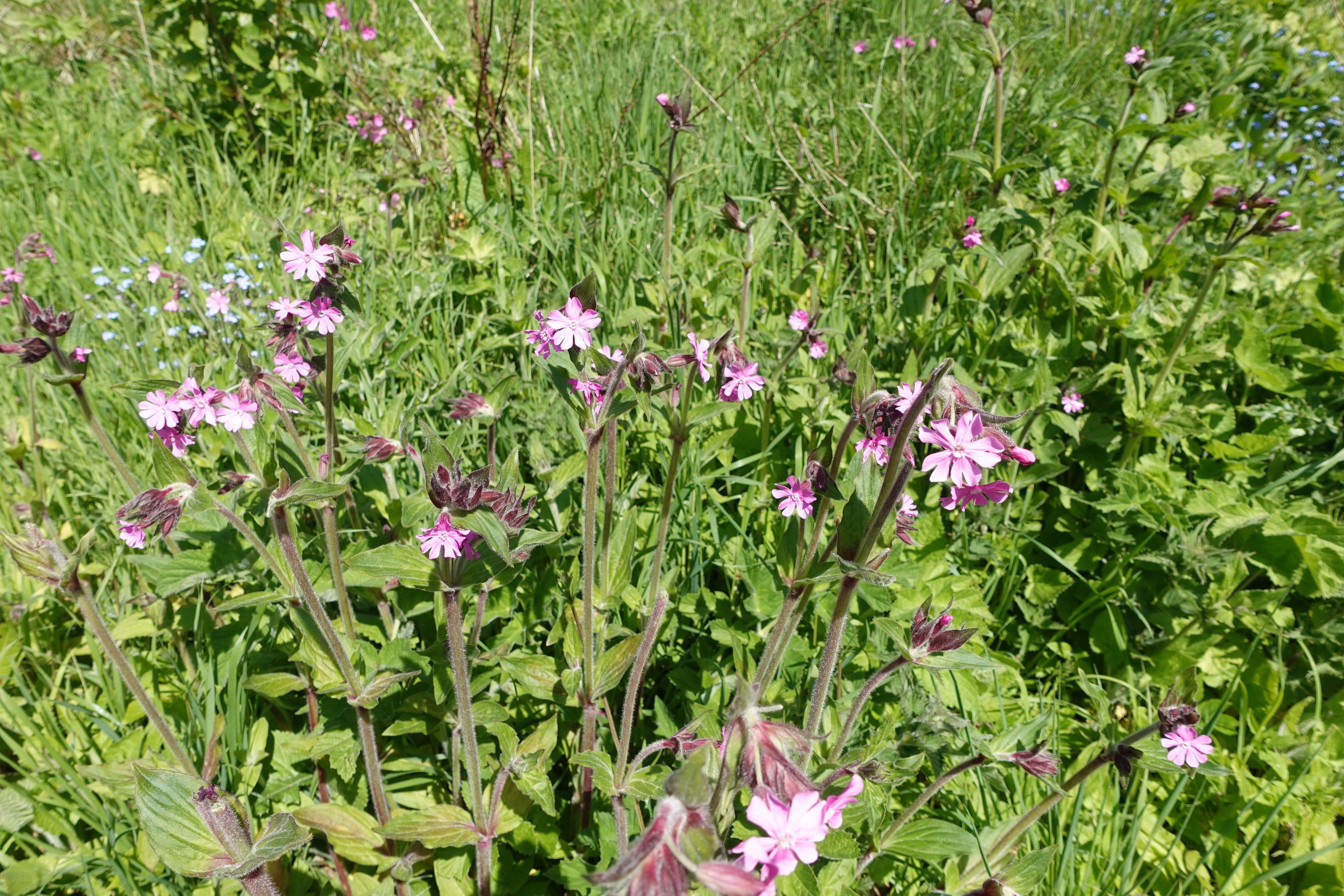
Lots of pretty blooms in the woods
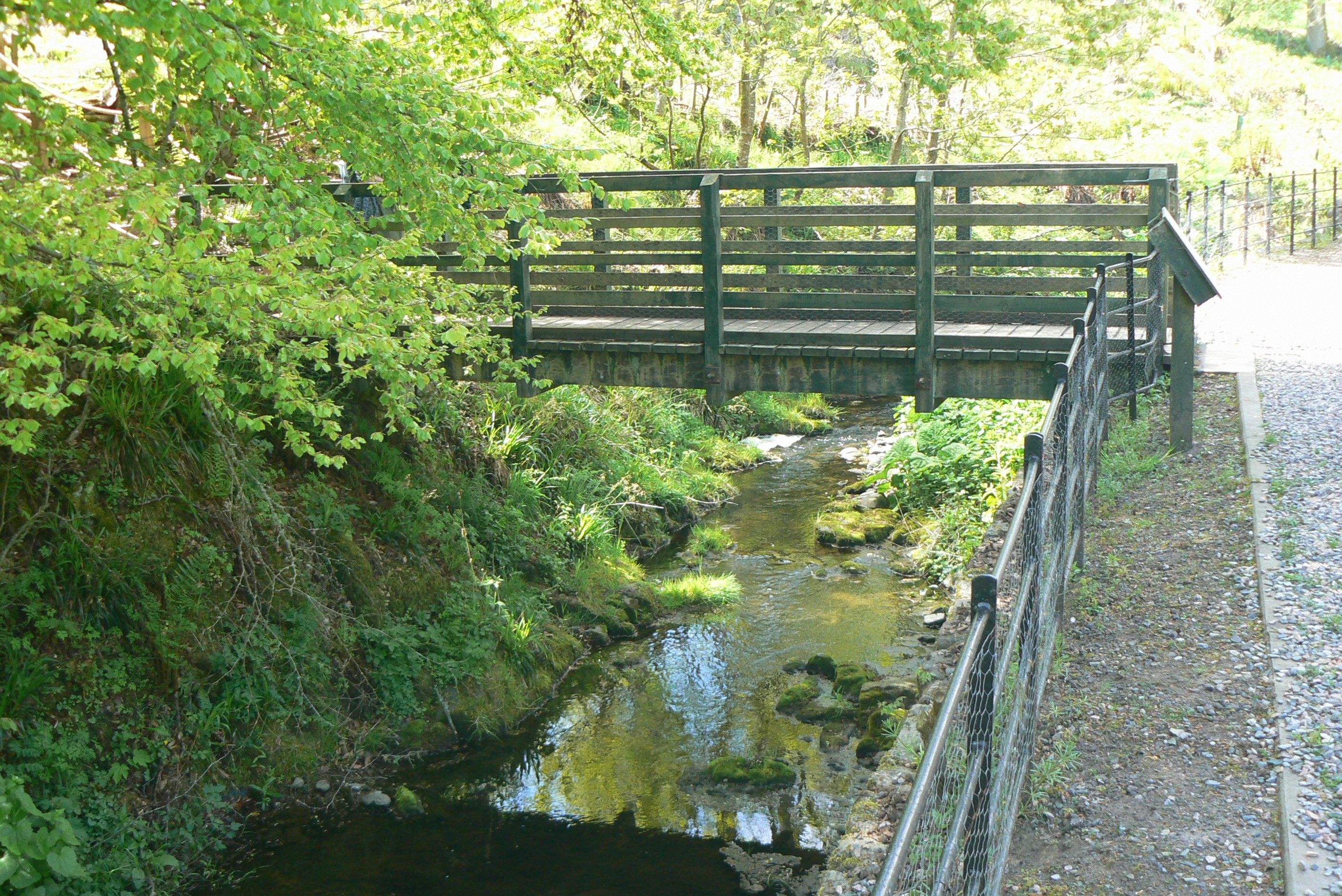
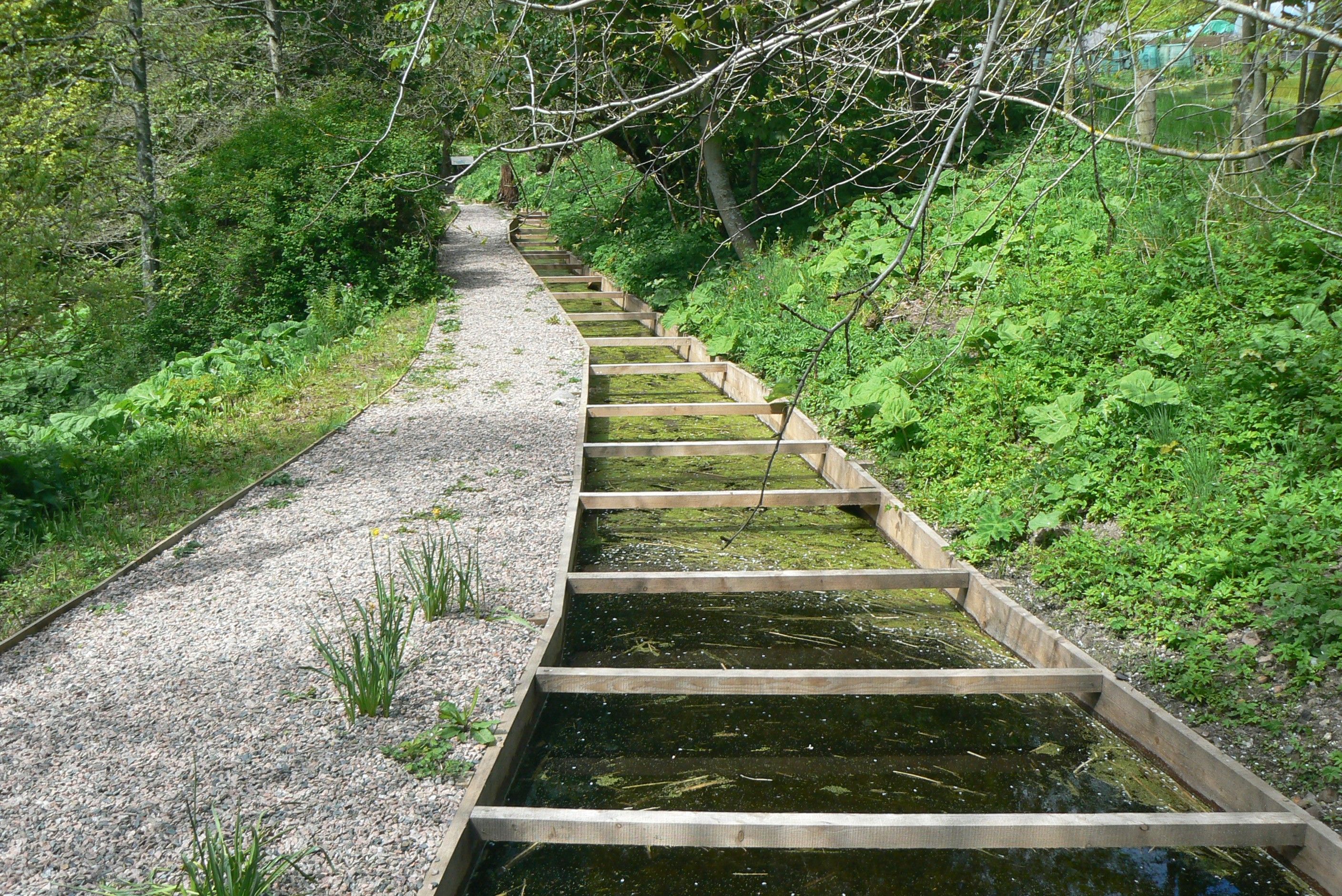
The sleuce?
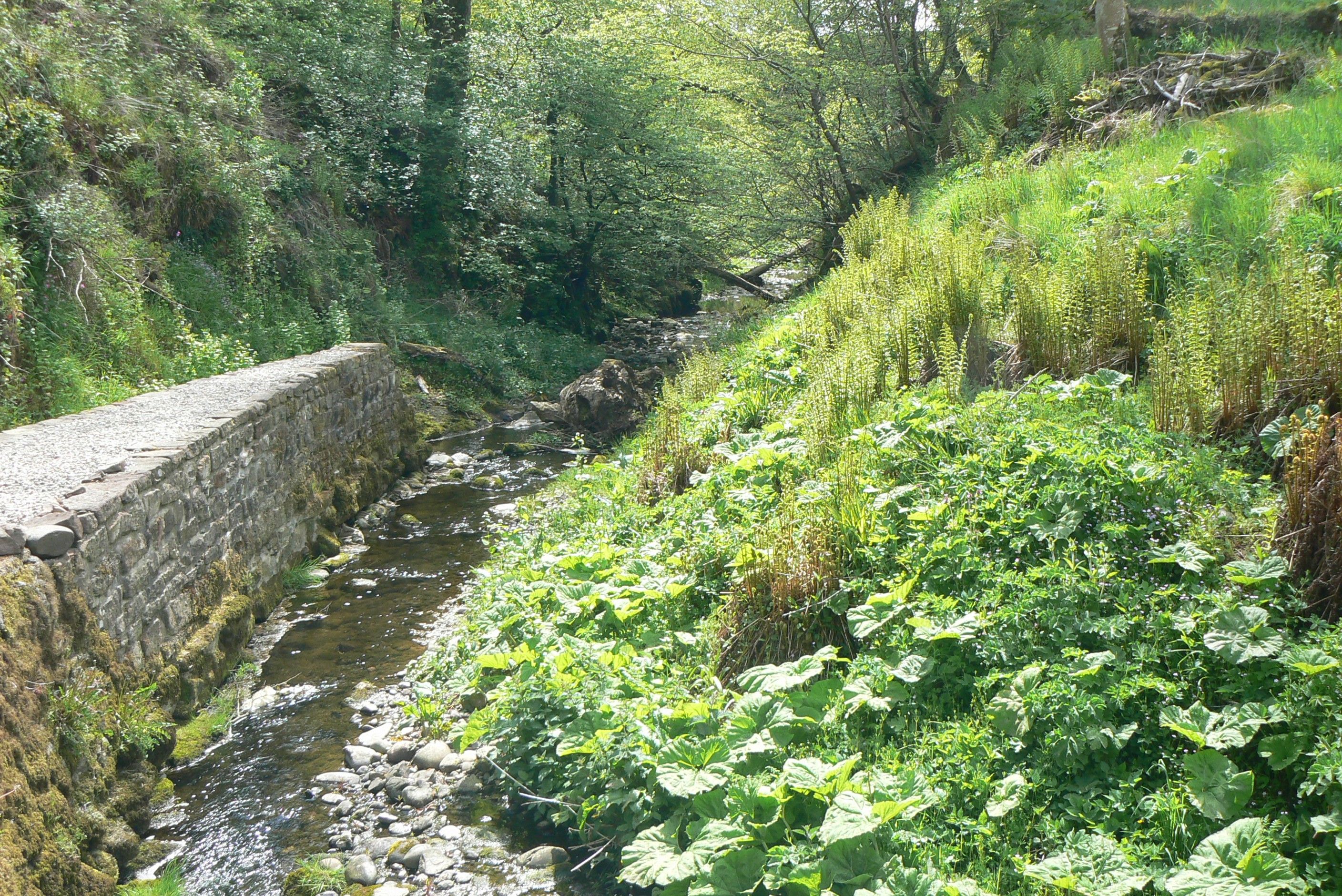
.JPG "The wheel does turn when the water is directed to it.")
The wheel does turn when the water is directed to it.
.JPG)
The area has some very interesting stops - not huge but very fun and interesting. So, here's a compilation of places we saw.
Pennan Village - yes that quirky little town in Local Hero. It is a small as it looked in the movie.
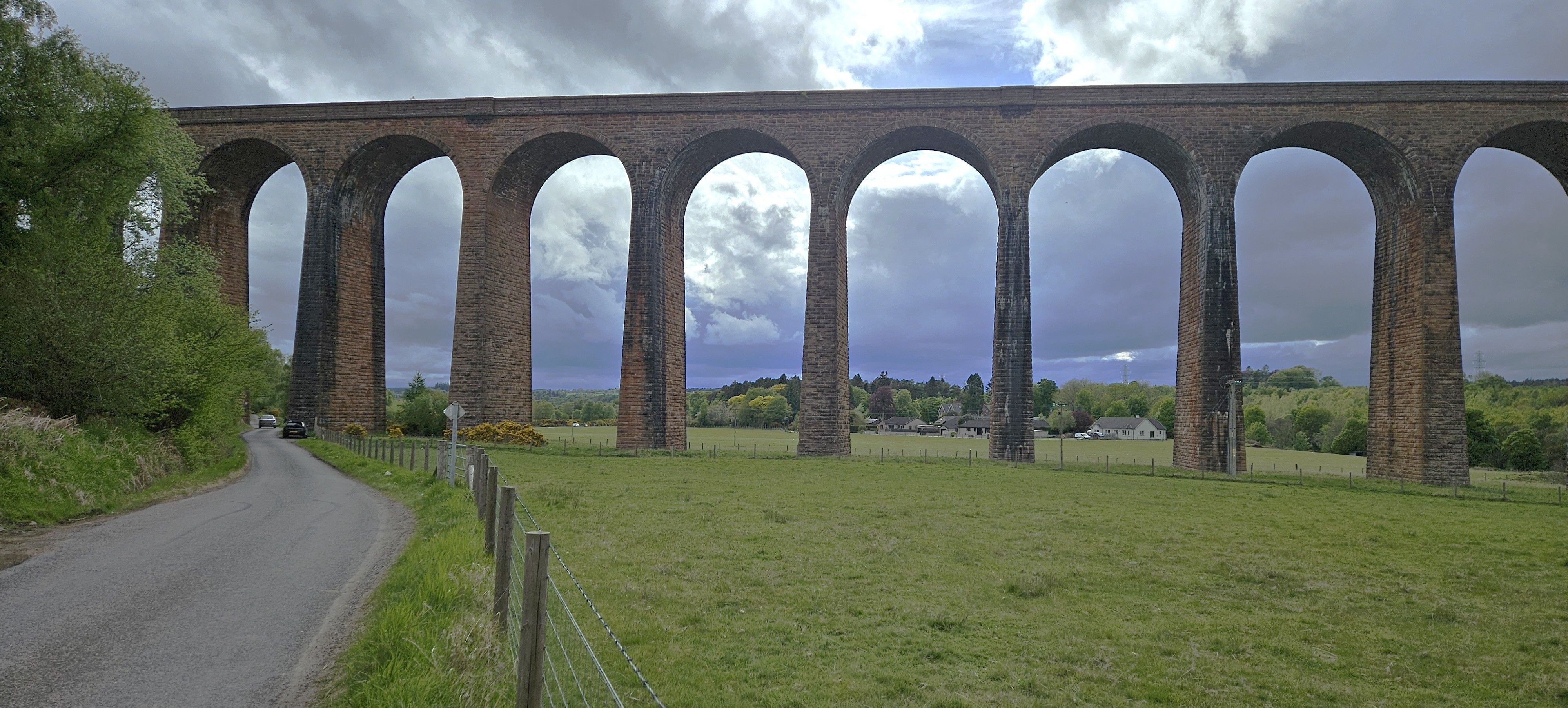
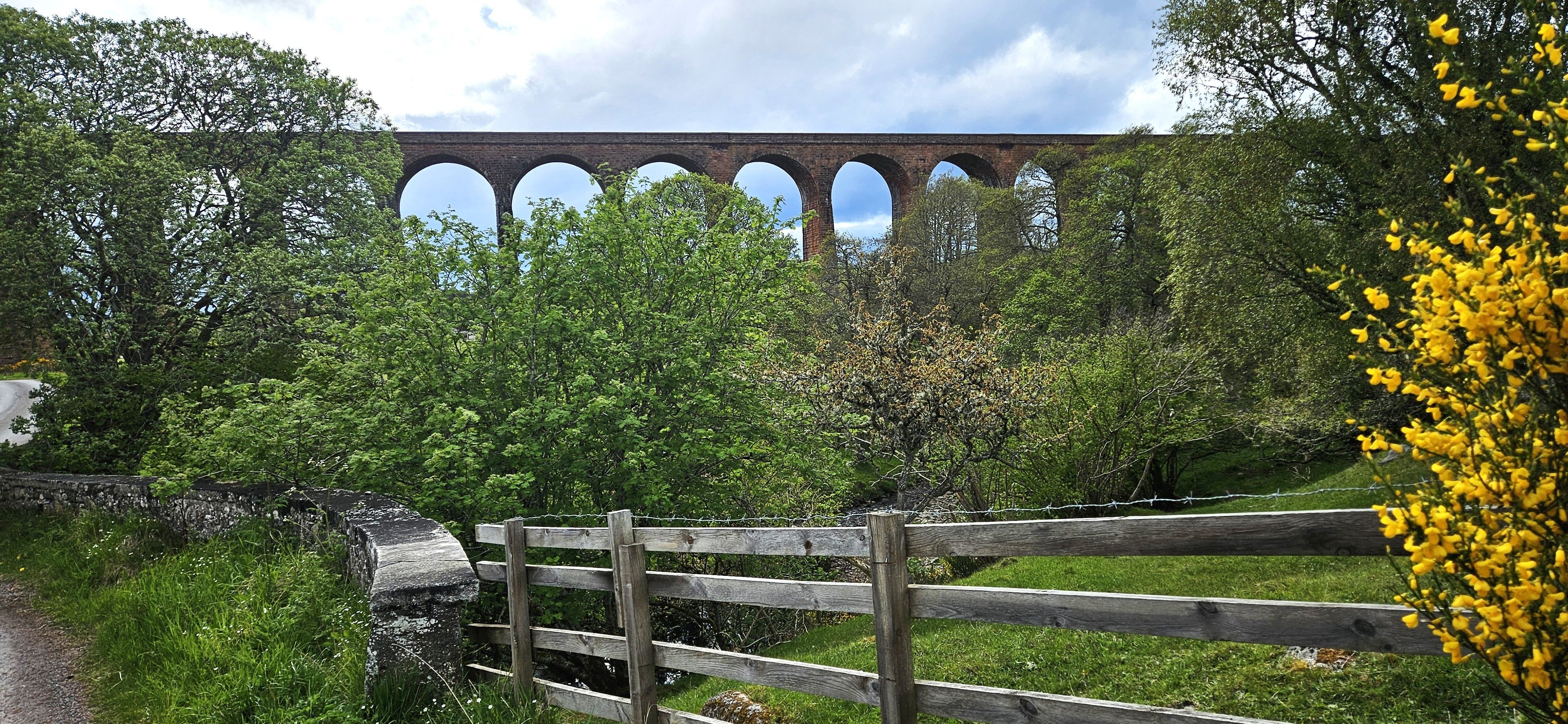
Nair Viaduct - the second longest masonry rail viaduct in Scotland - impressive.
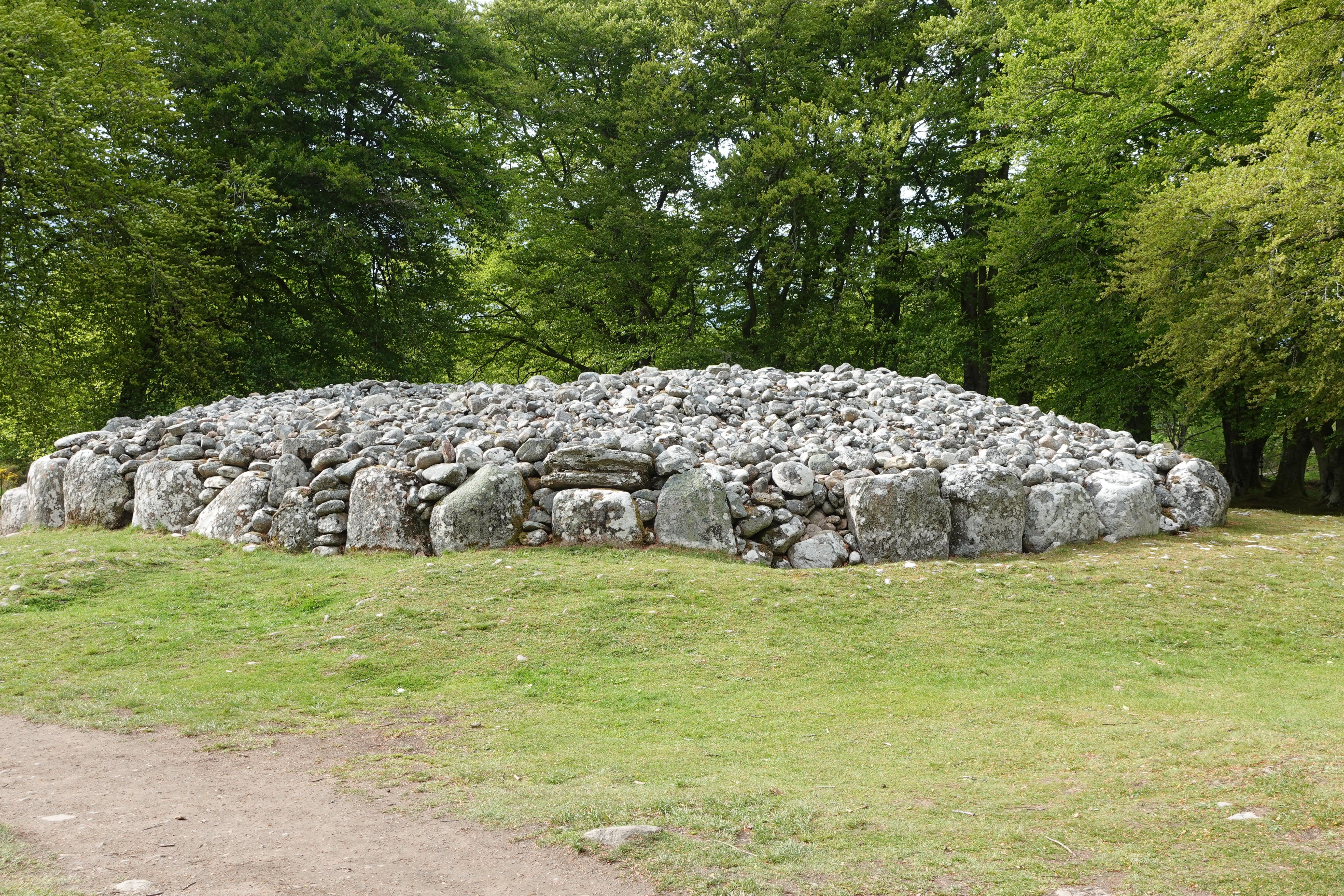
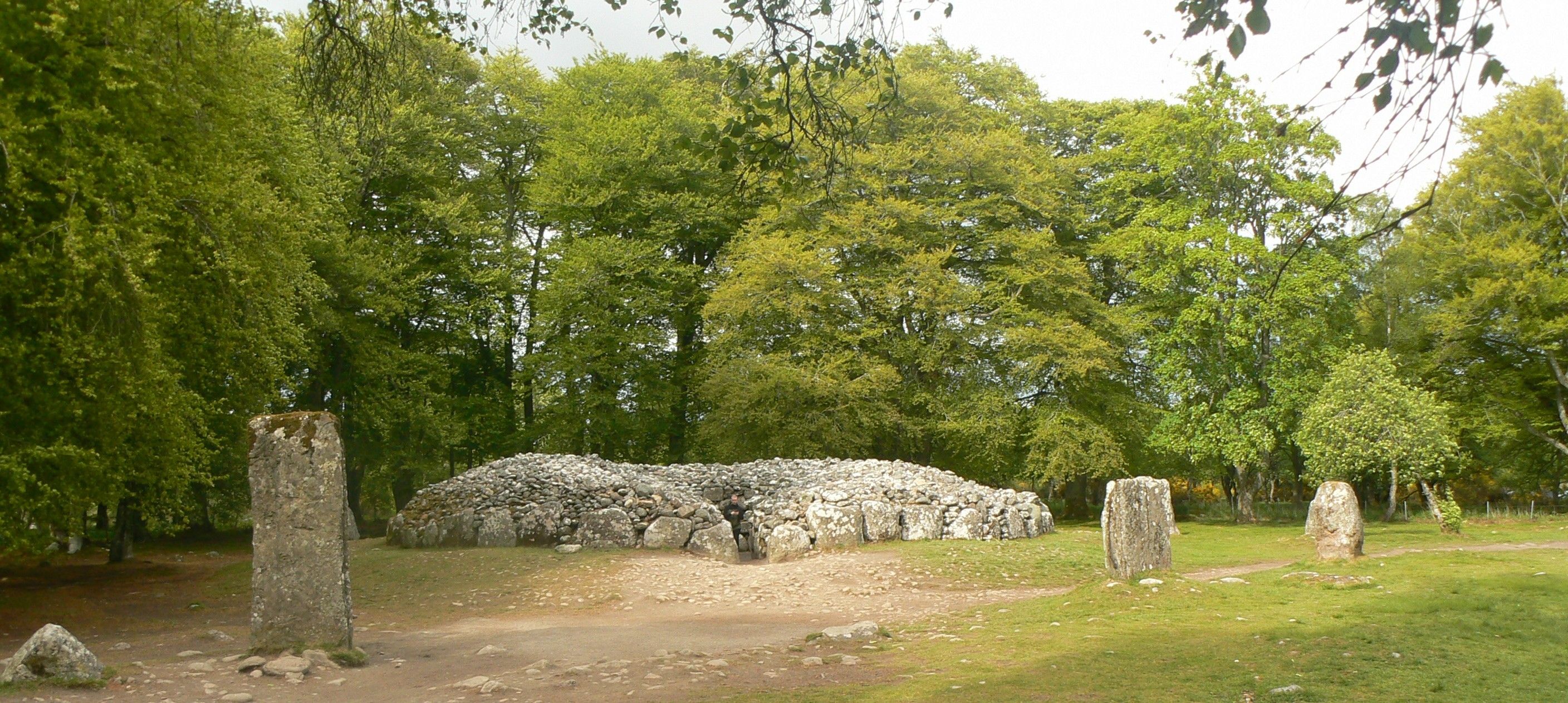
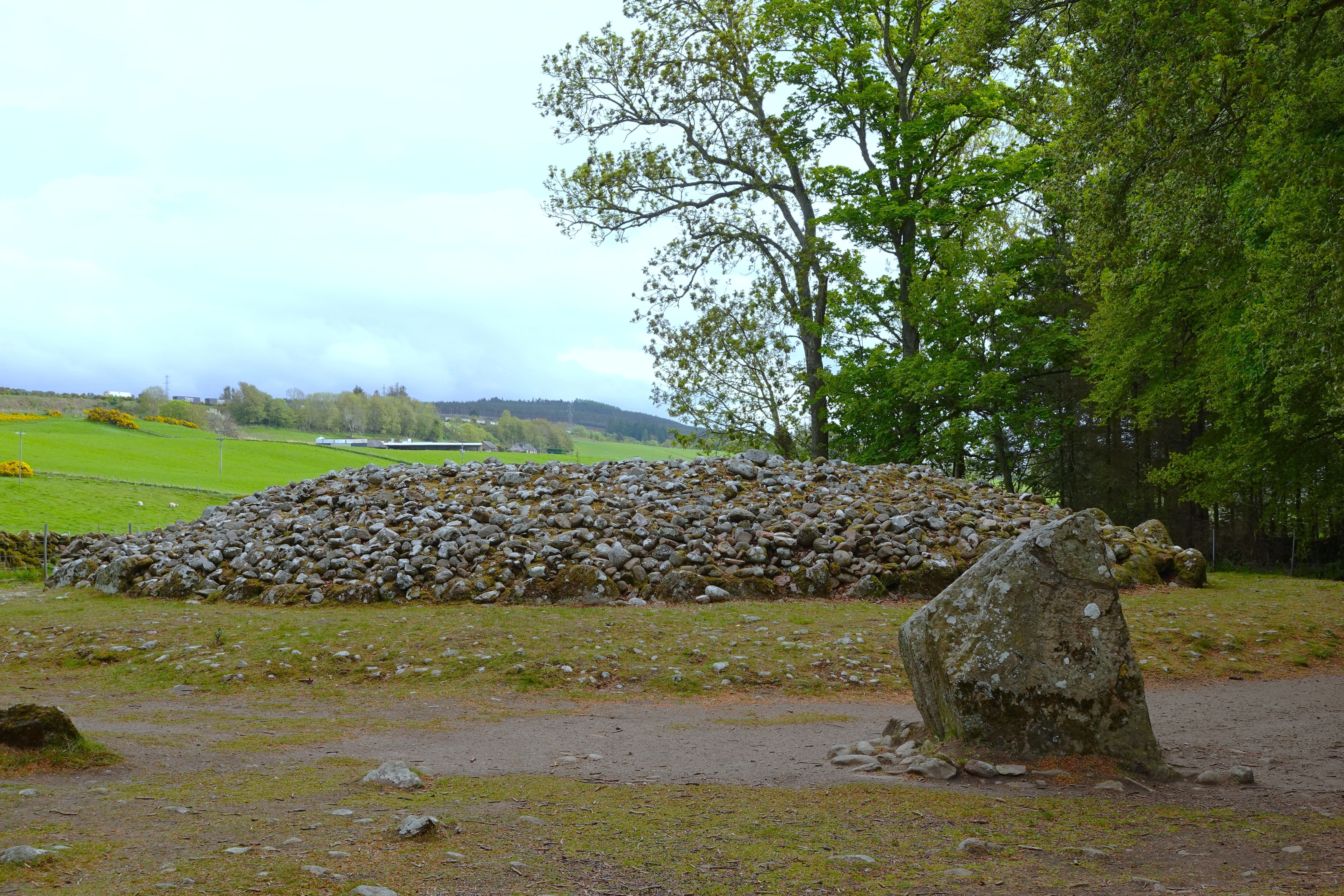
Clava Cairns - 4000 year old graves from the Bronze Age.
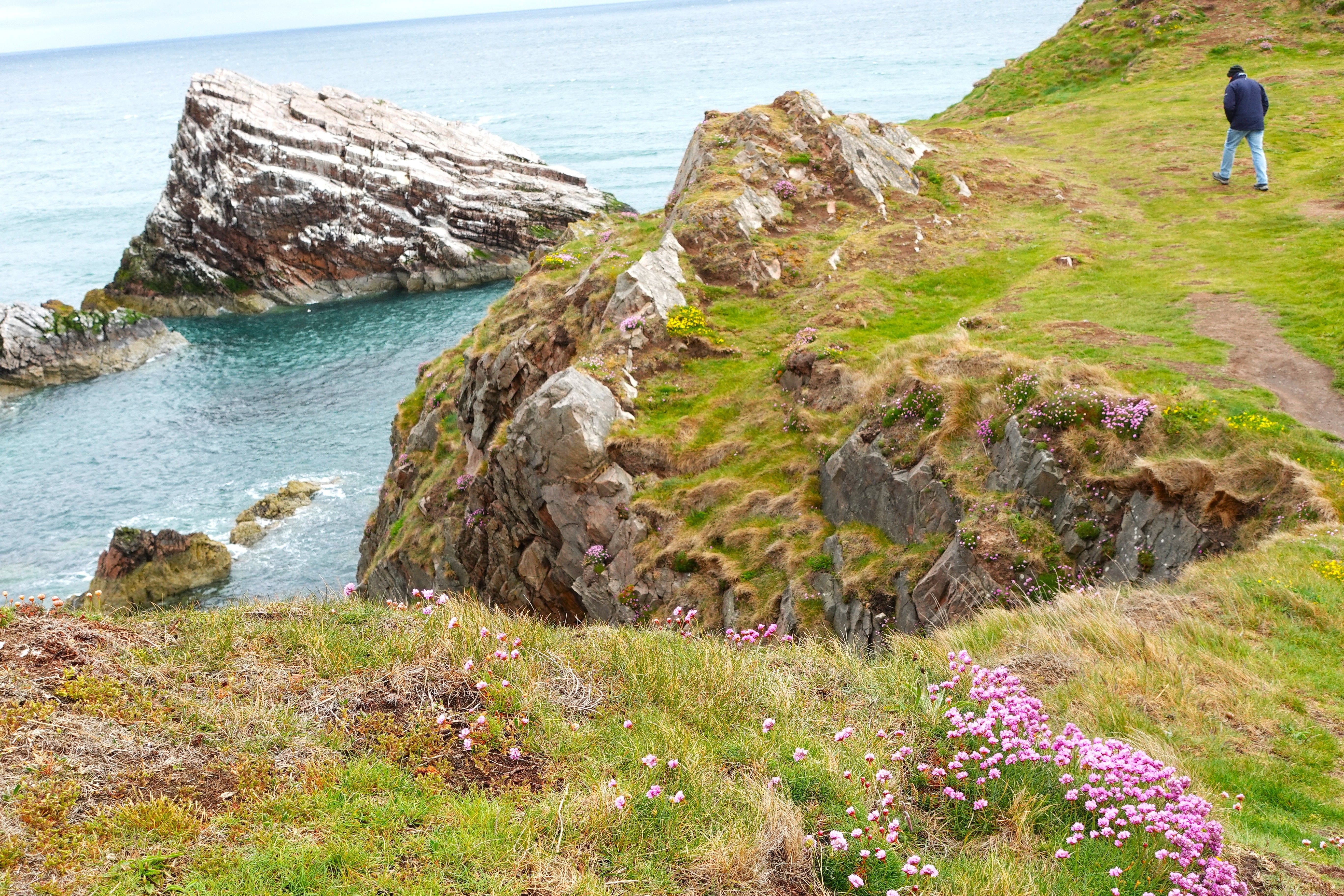
Bow Fiddle Rock in Portknockie - an impressive sea rock.
So much to see, so little time
.jpg "It is a really skinny and steep road down to the village")
It is a really skinny and steep road down to the village
.jpg "Yes, THE hotel.")
Yes, THE hotel.
.jpg "And the phone box")
And the phone box
.jpg)
.JPG)
.JPG)
.JPG)
.JPG)
.jpg "The beach where the guy had his hut")
The beach where the guy had his hut
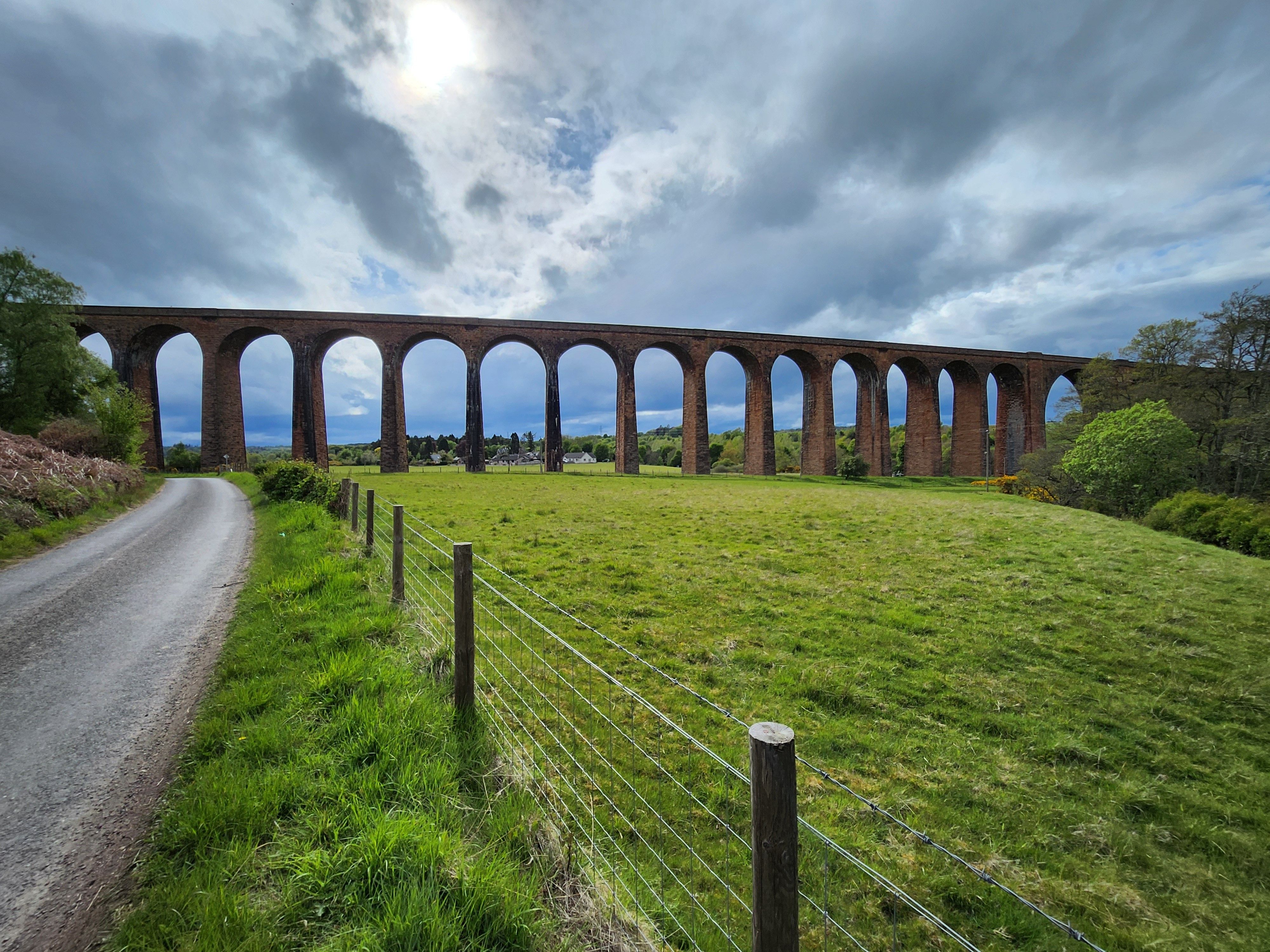
The Nairn Viaduct. AKA Culloden Viaduct
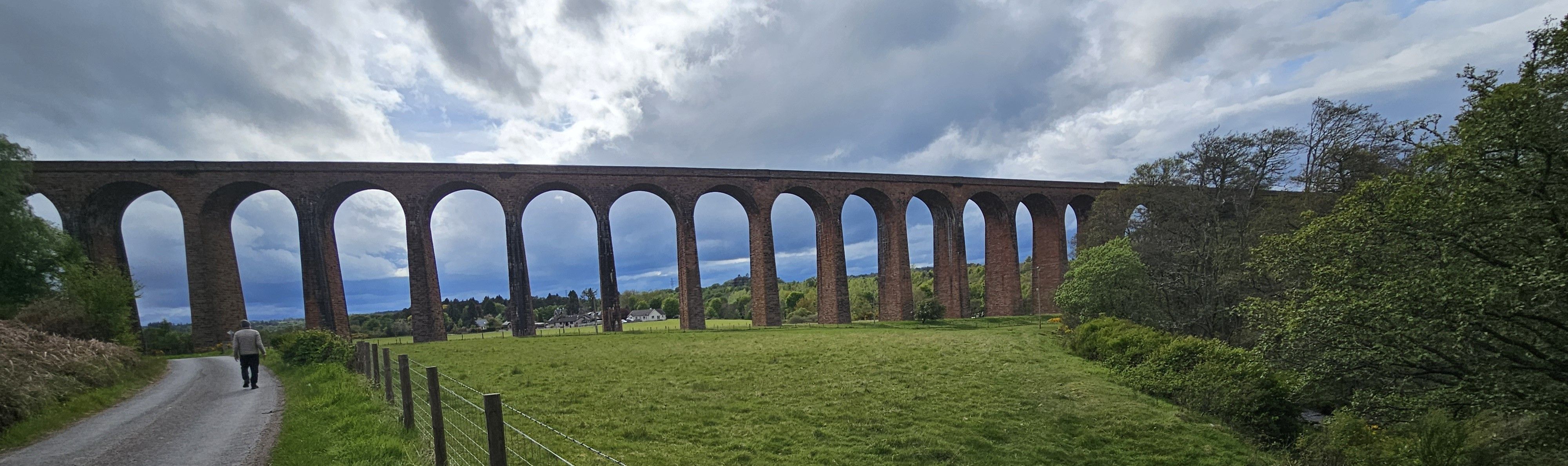
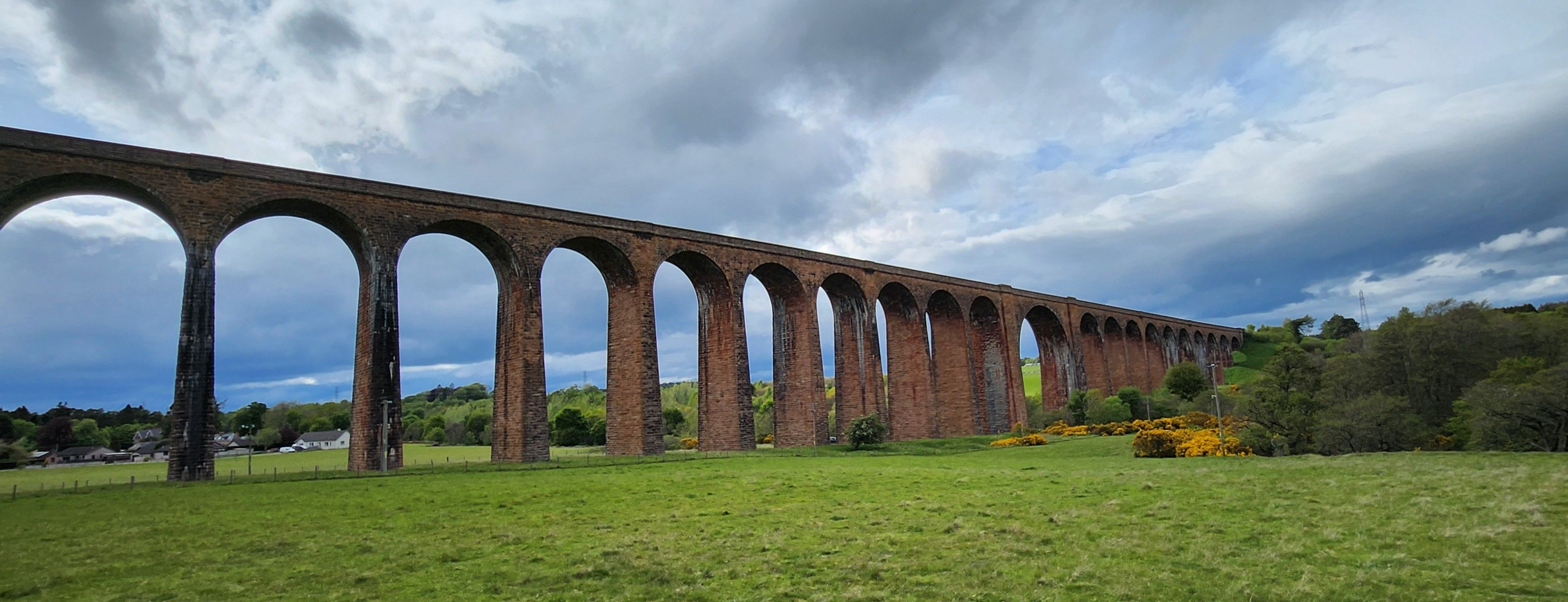
Impressive amount of brick work
.jpg "The Clava Cairns")
The Clava Cairns
.jpg)
.jpg "Standing Stones")
Standing Stones
.jpg)
.JPG "This is Bow Fiddle Rock")
This is Bow Fiddle Rock
.JPG)
.JPG "Named Bow Fiddle Rock because it resembles a fiddle bow tip. I can't see it but it's still great.")
Named Bow Fiddle Rock because it resembles a fiddle bow tip. I can't see it but it's still great.
.JPG)
.JPG)
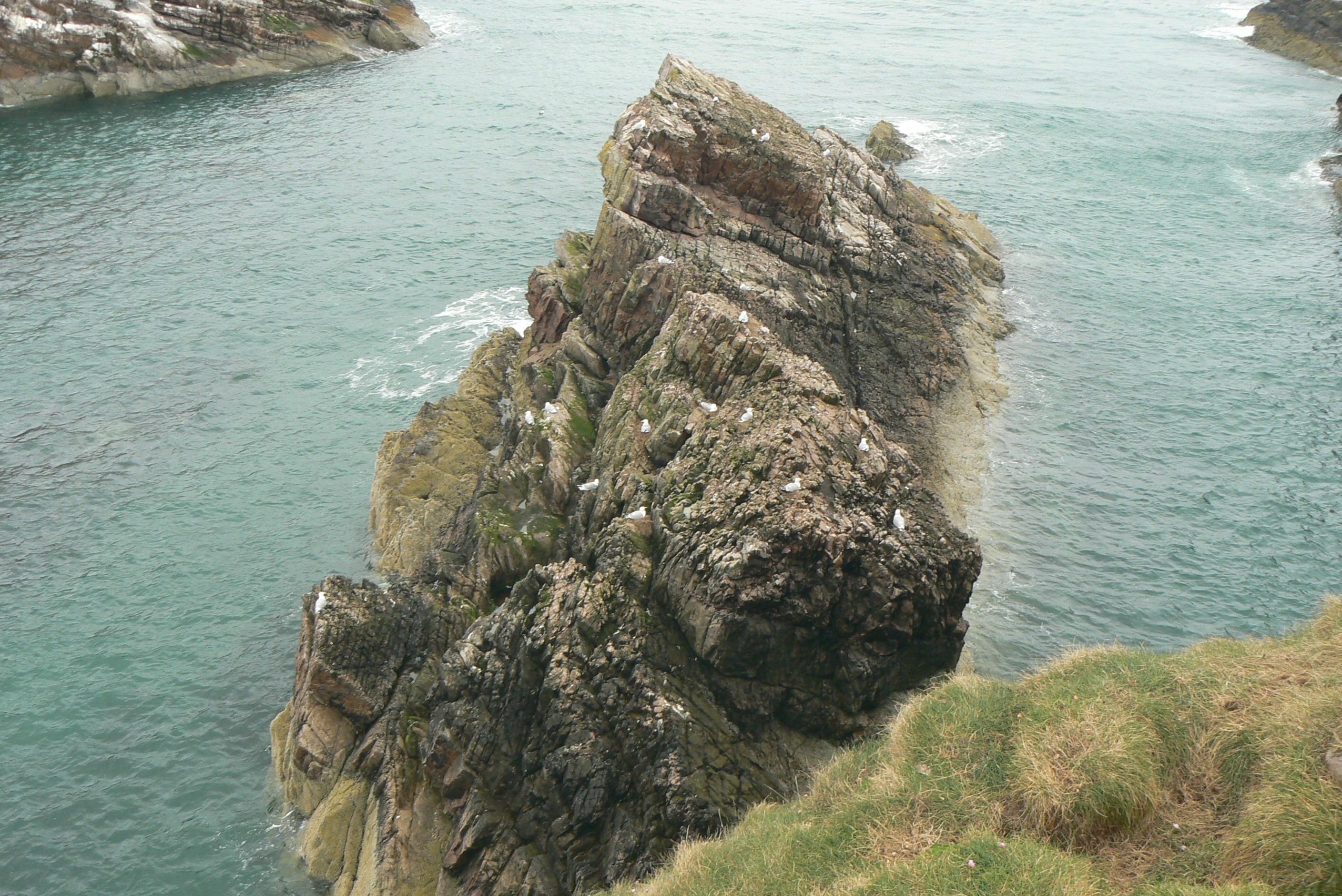
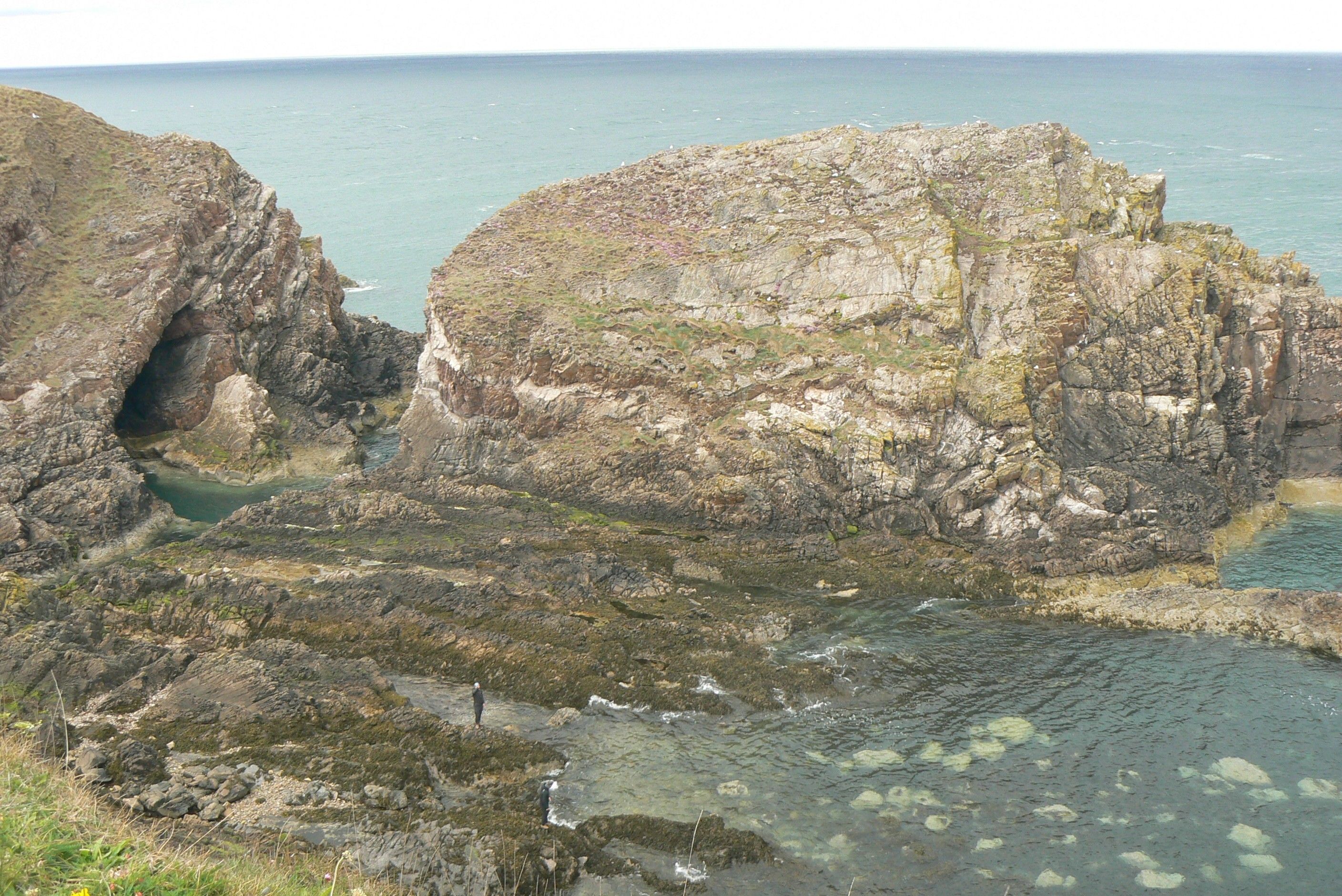
Not sure but I think this is the rock locally known as "bird shit" rock
.JPG "There's an opening to a sea cave")
There's an opening to a sea cave
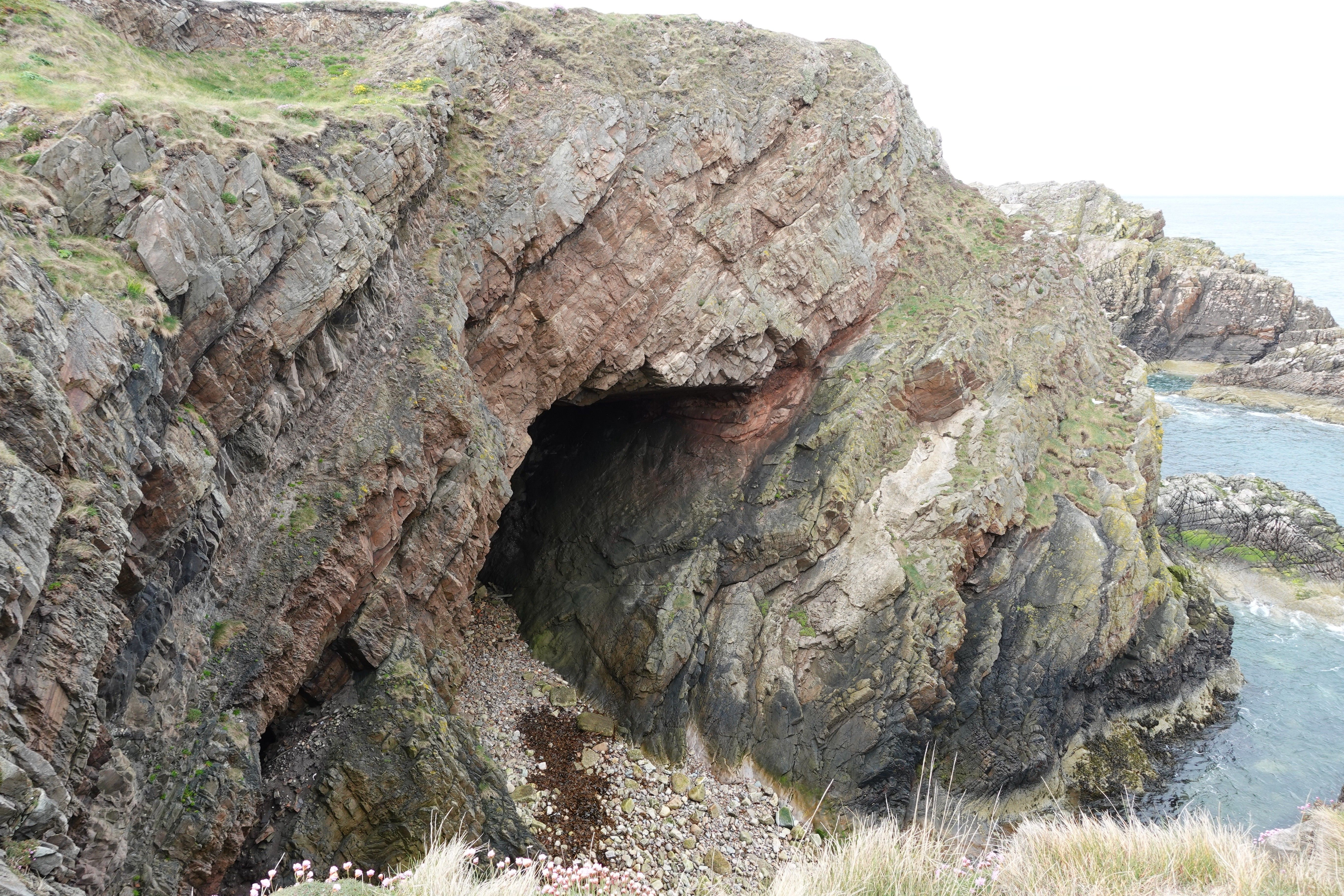
.JPG "Which, of course, I had to go check out.")
Which, of course, I had to go check out.
.jpg "Looks right out to the bay")
Looks right out to the bay
The cave opening on the water side
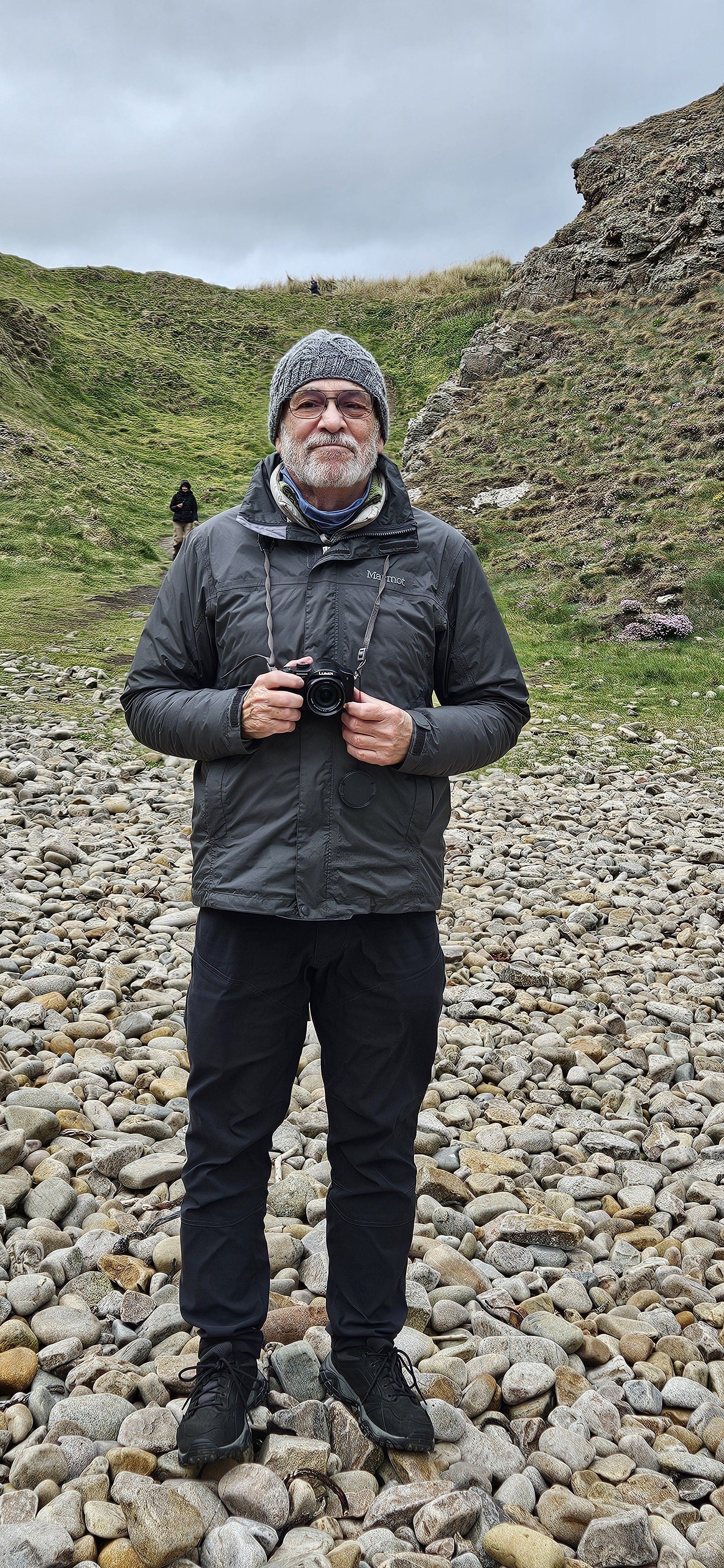
George, just enjoying the beach
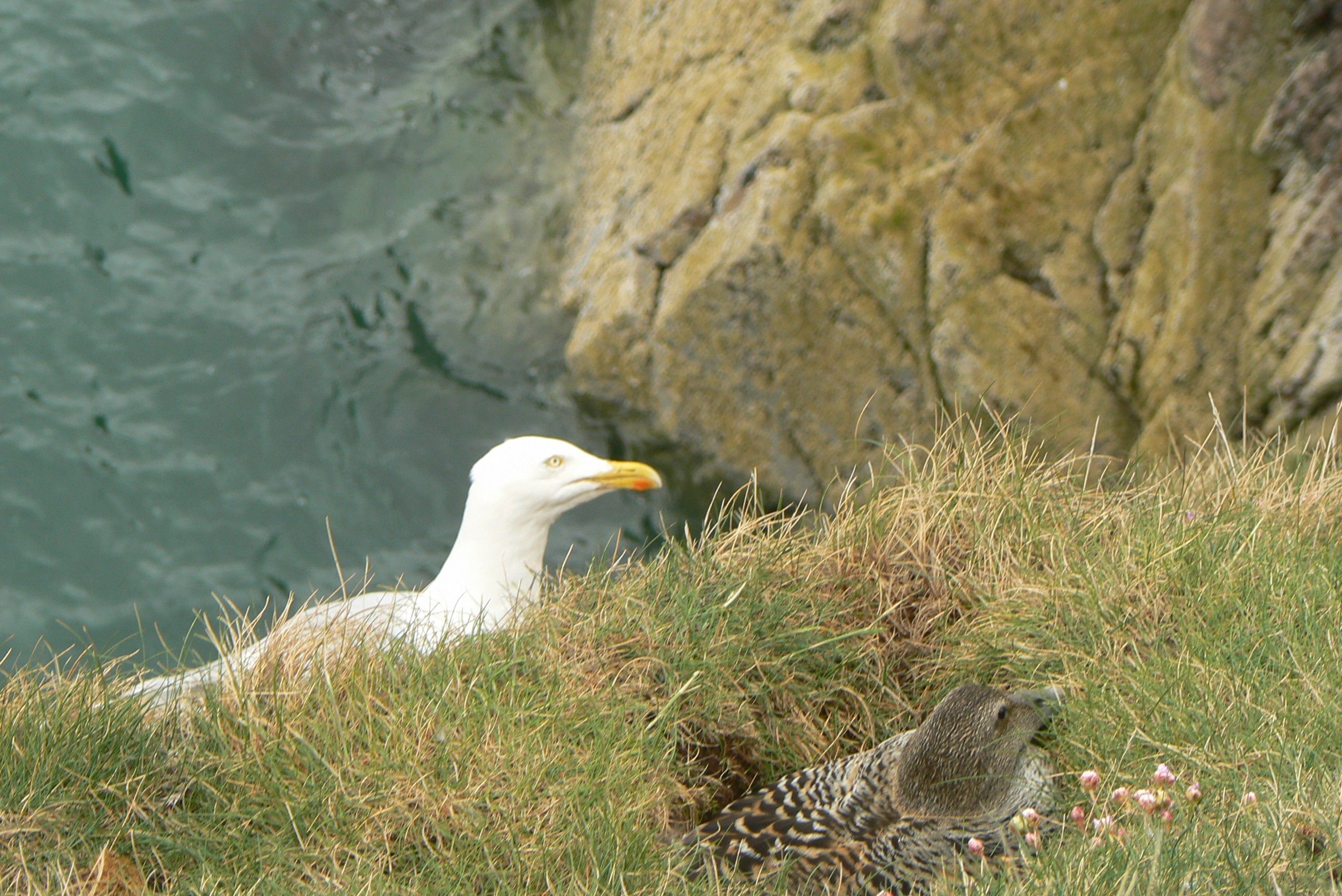
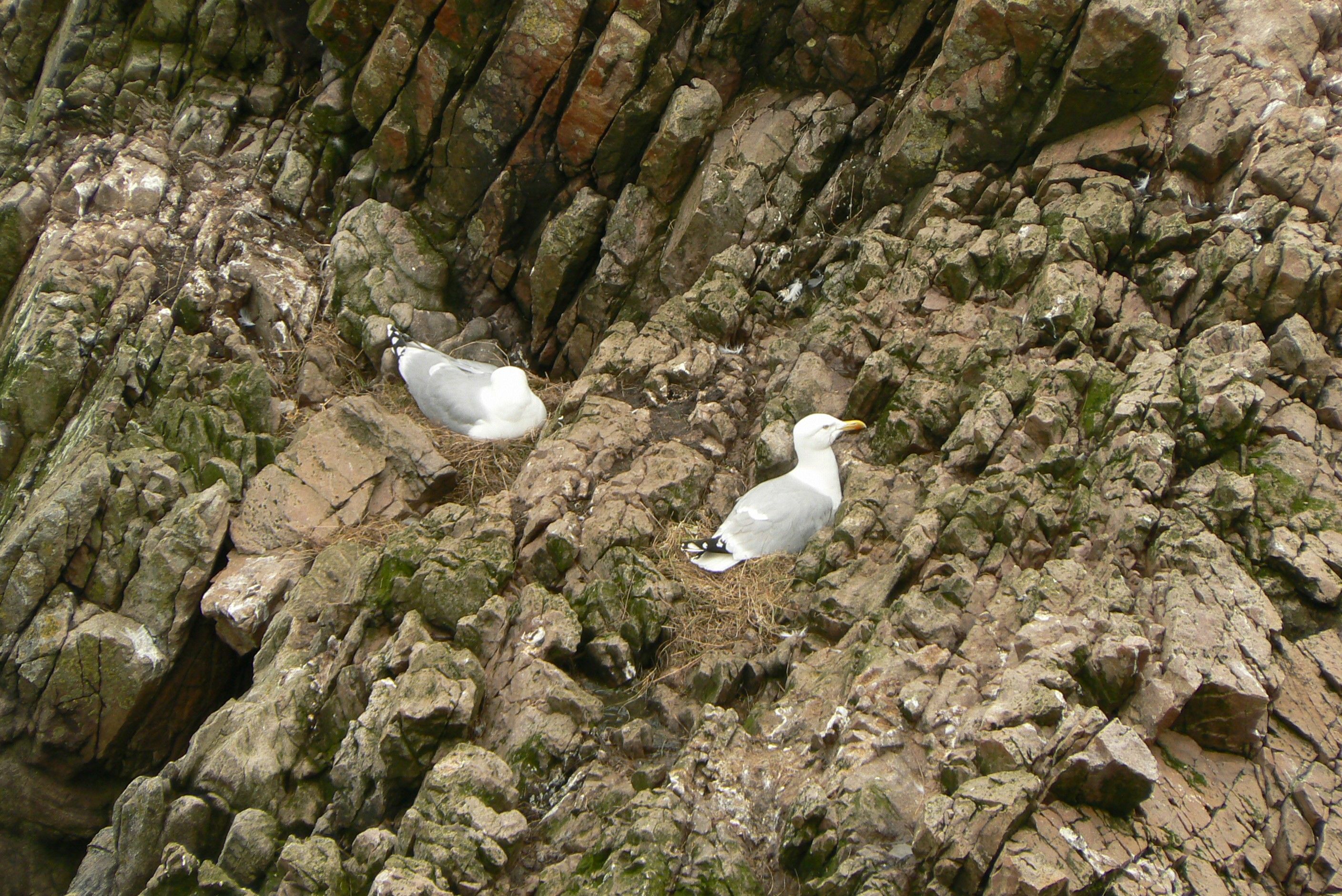
Gulls, lots of gulls
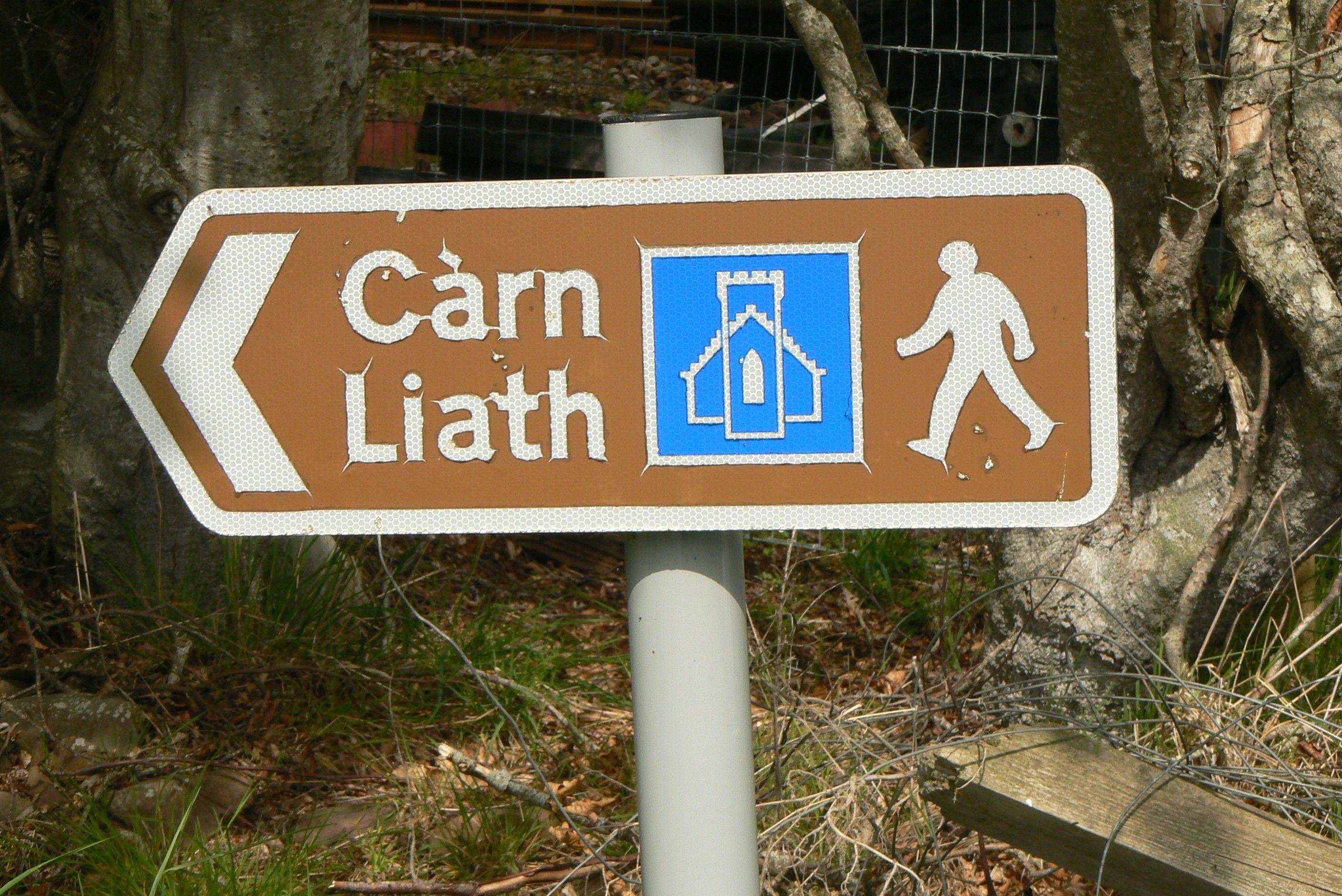
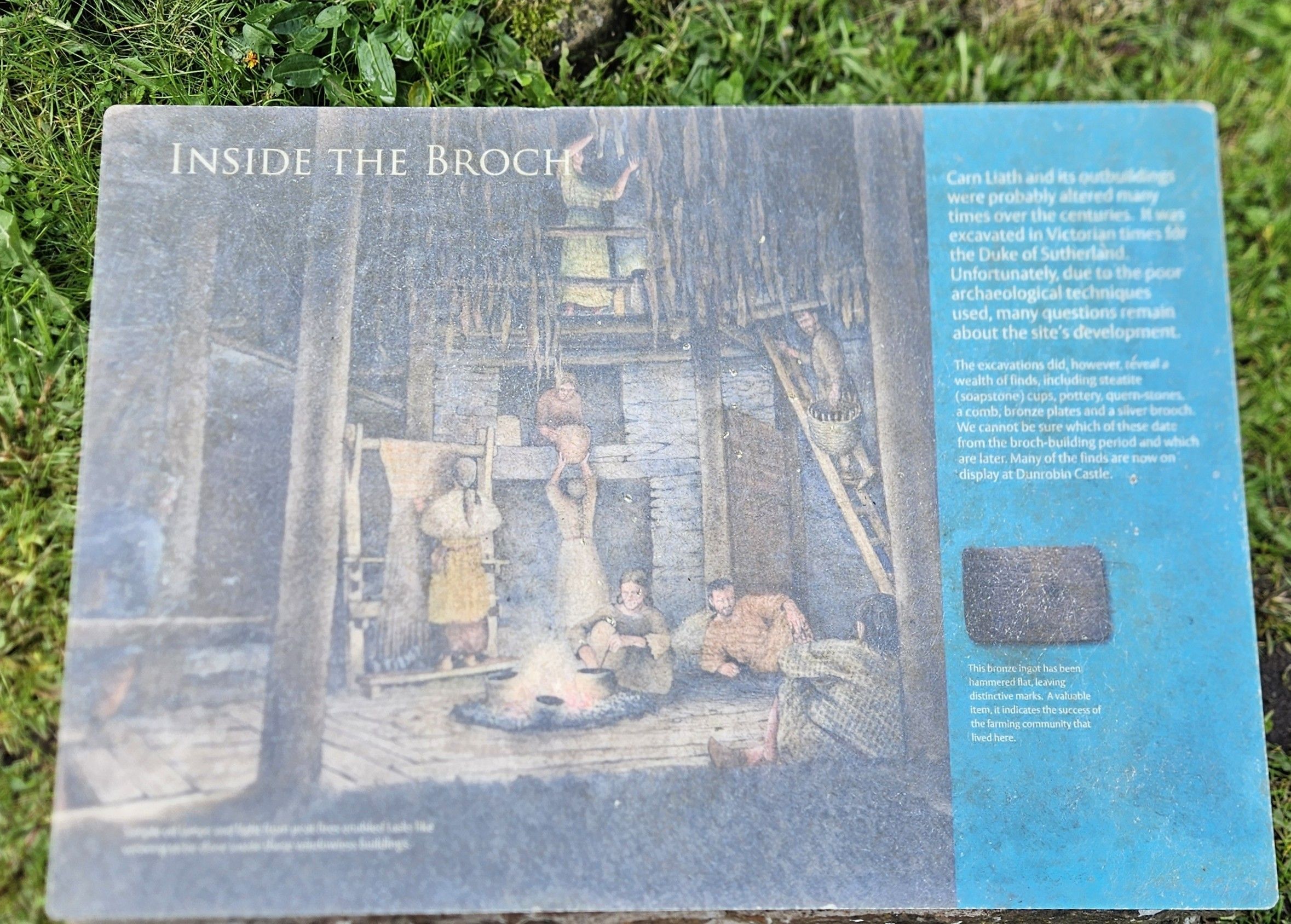
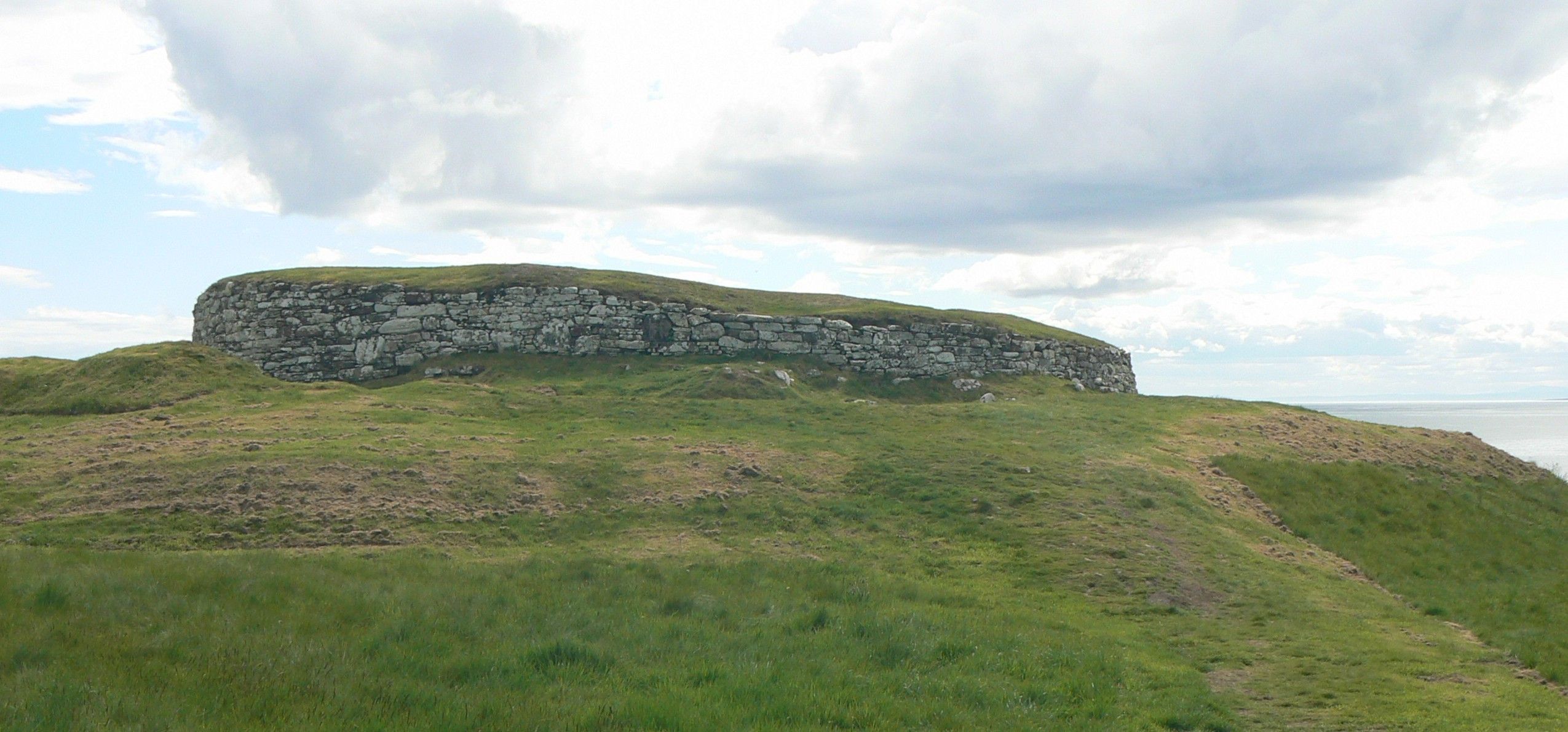
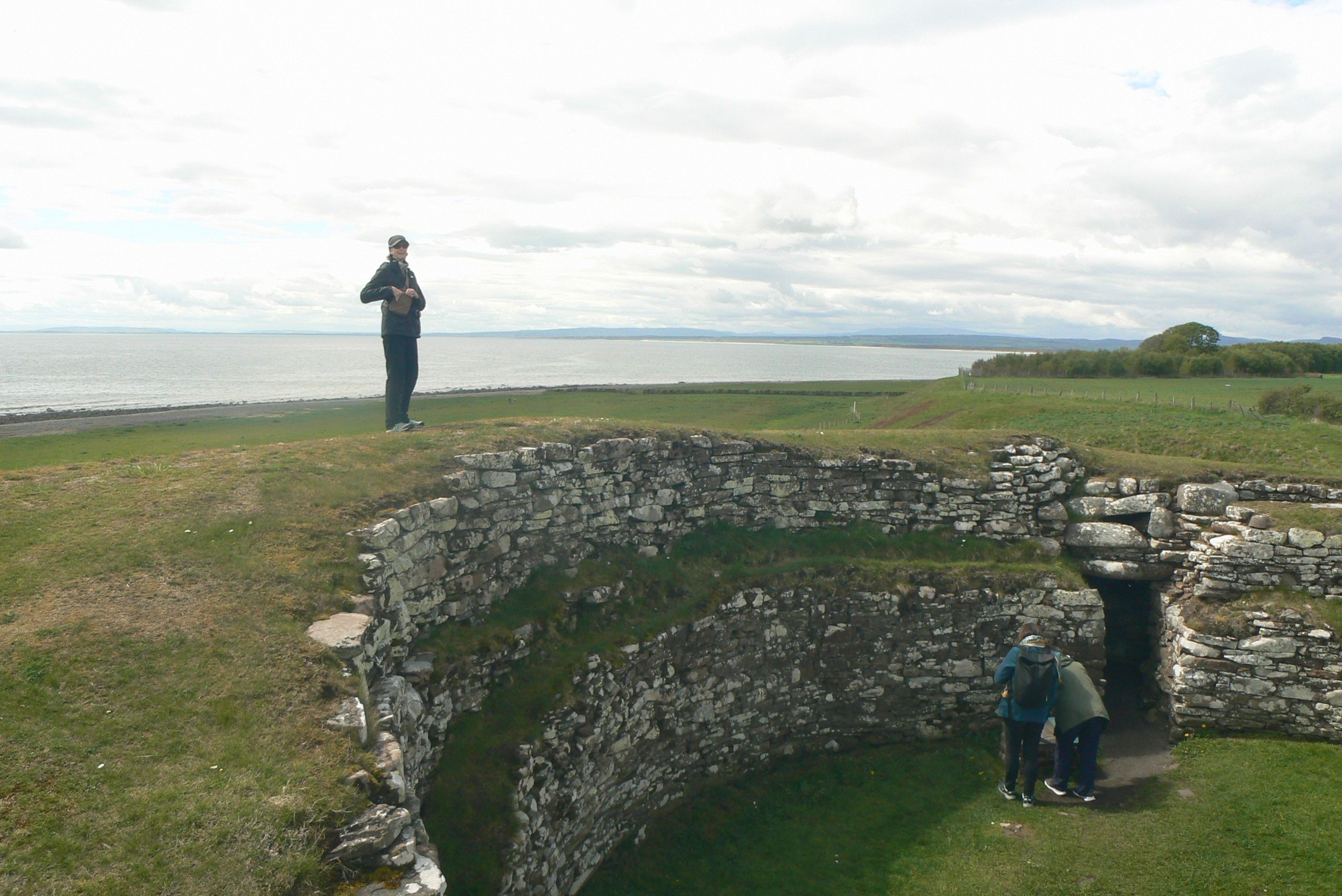
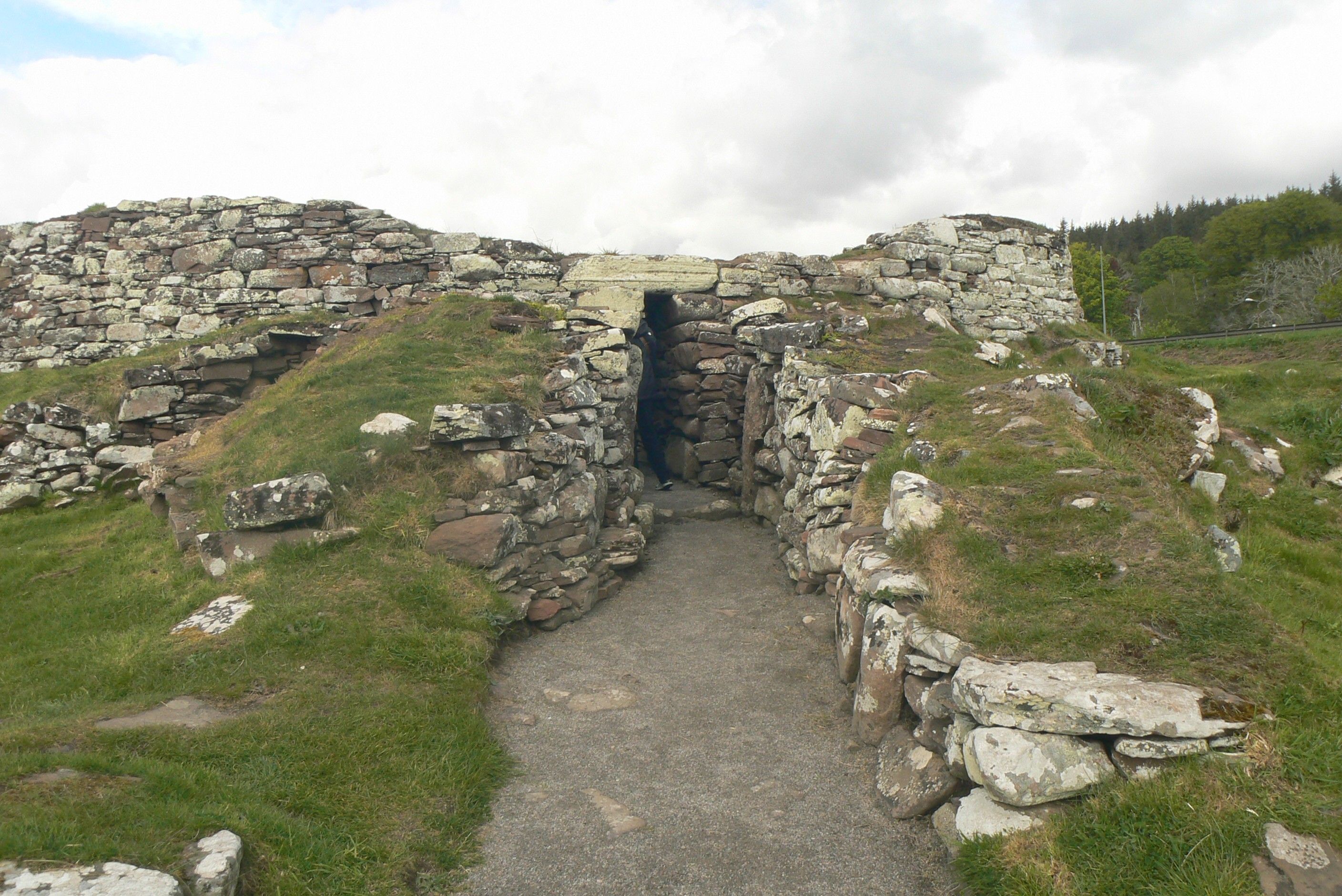
This is a very impressive cairn, or fort as broch. Even now you can see that in it's prime the wall were very high.
The broch was built about 2,200 years ago, although indications are there was something here during the Bronze Age - 4,000 years ago.
There are indications a village surrounded the fort at some time, although precise dates are uncertain.
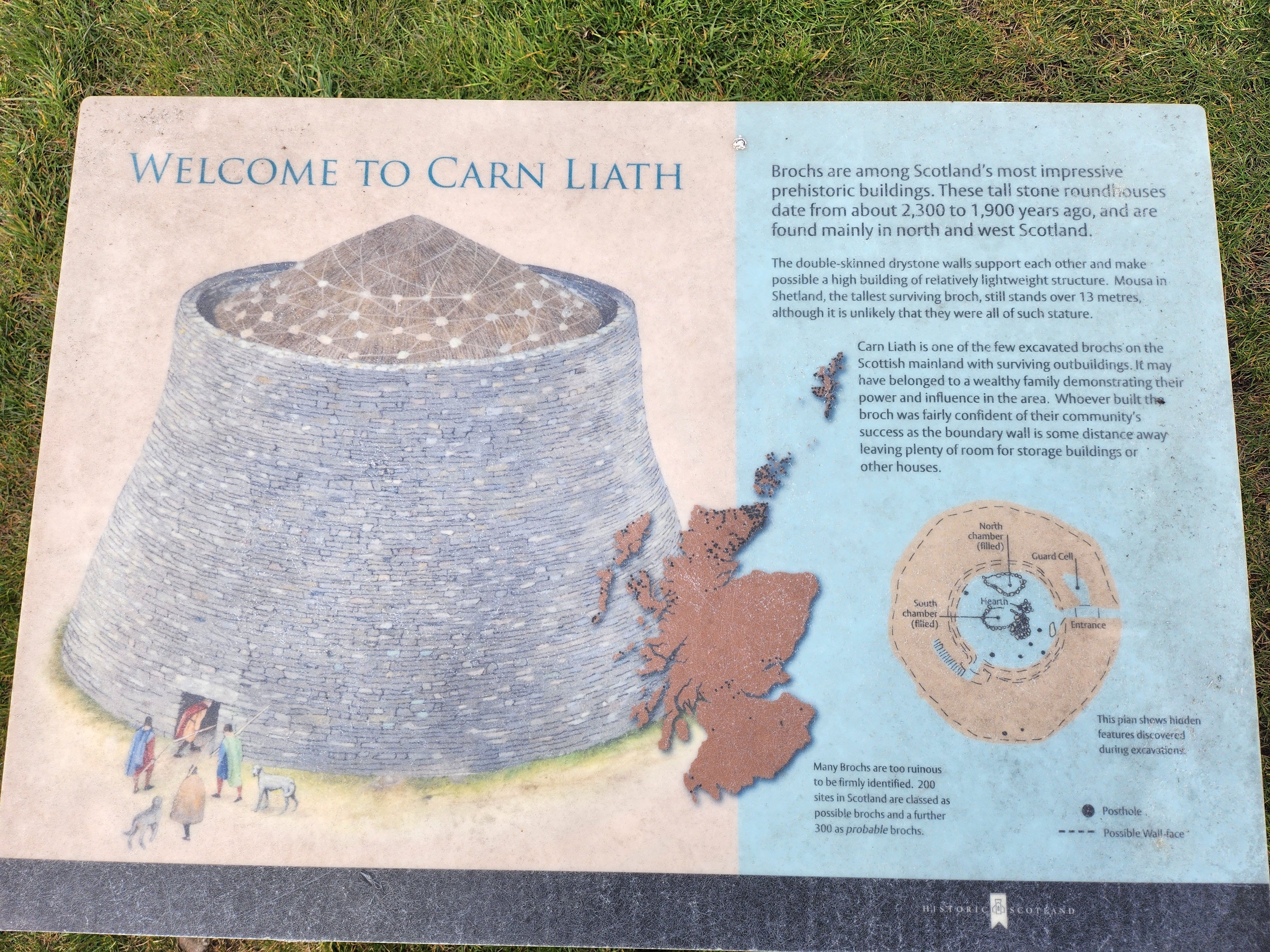
Picture of what the cairn looked like when originally in use
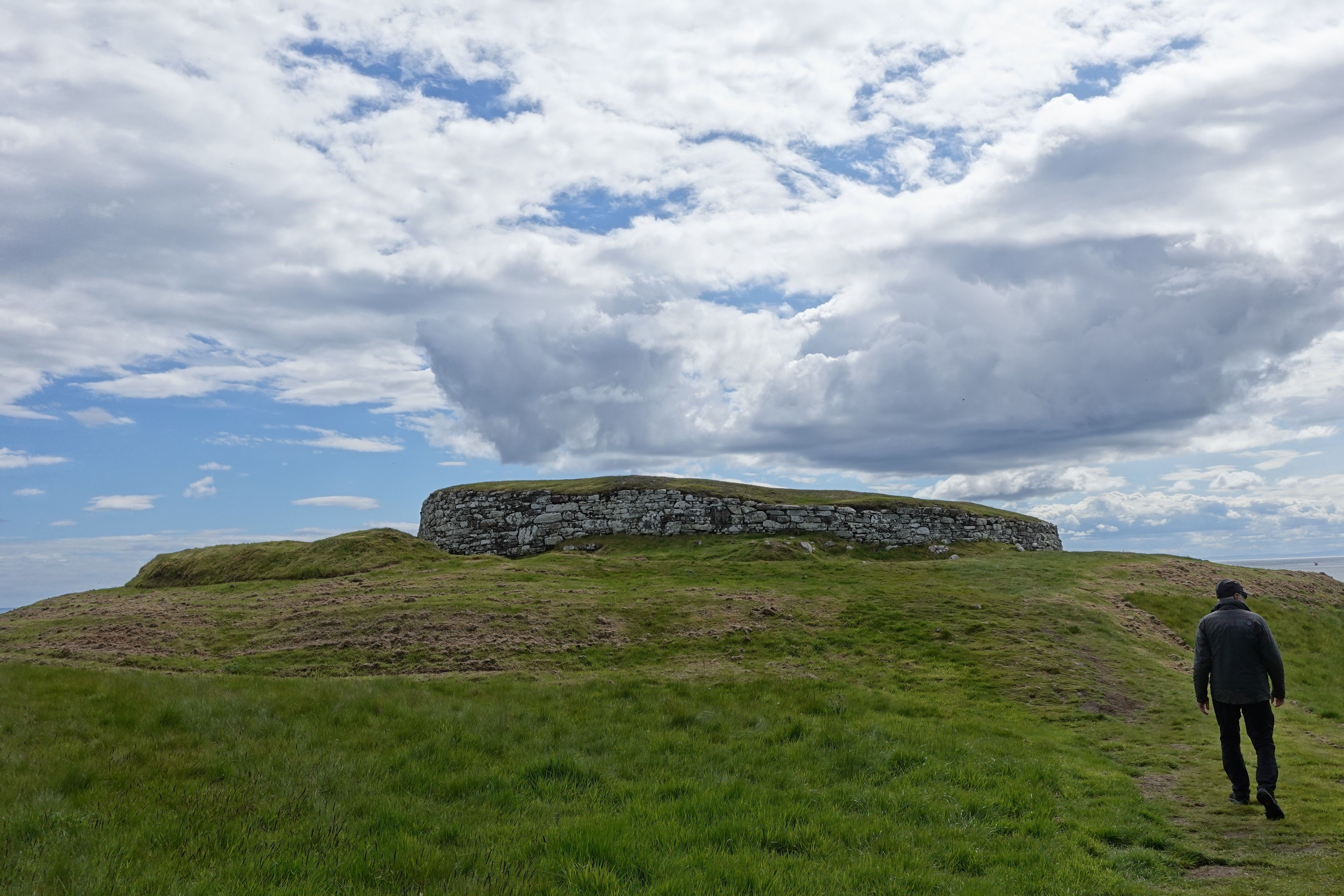
Not too much left, but enough to give you a feeling for the size.
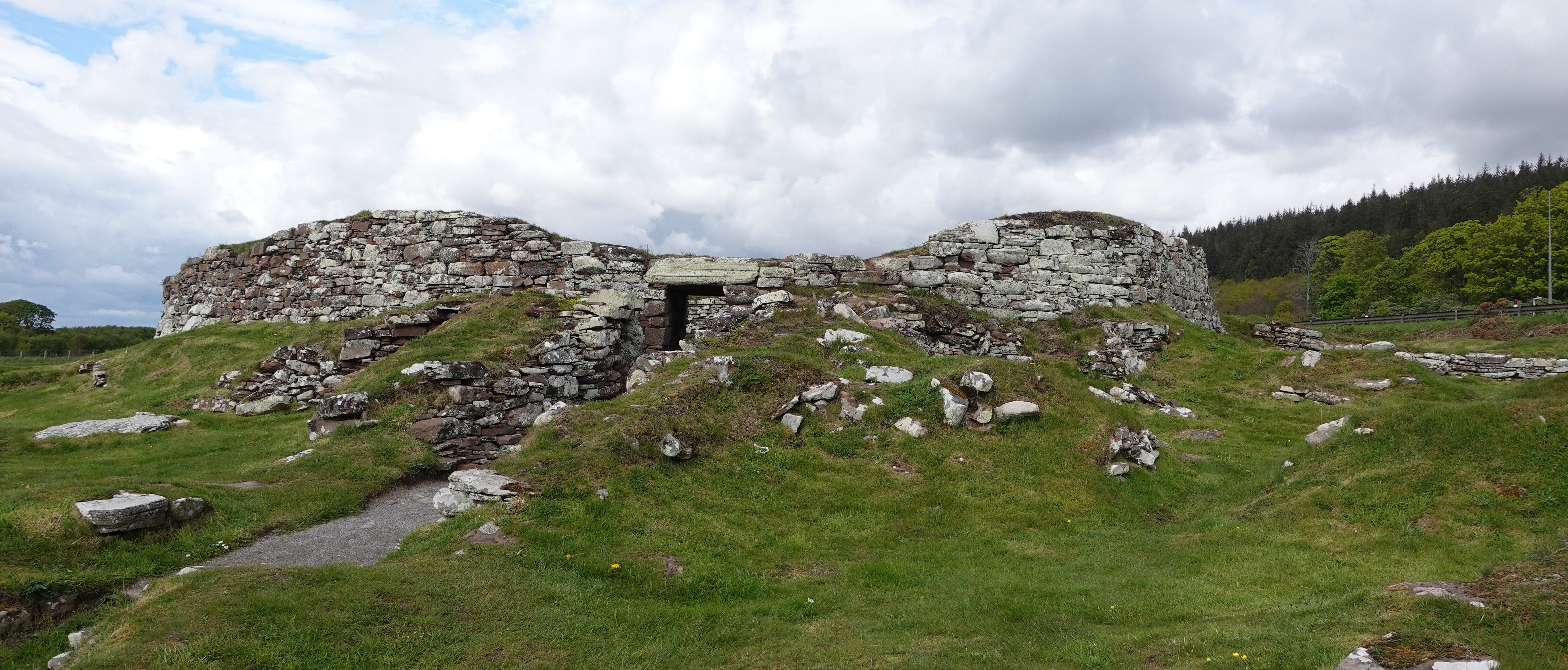
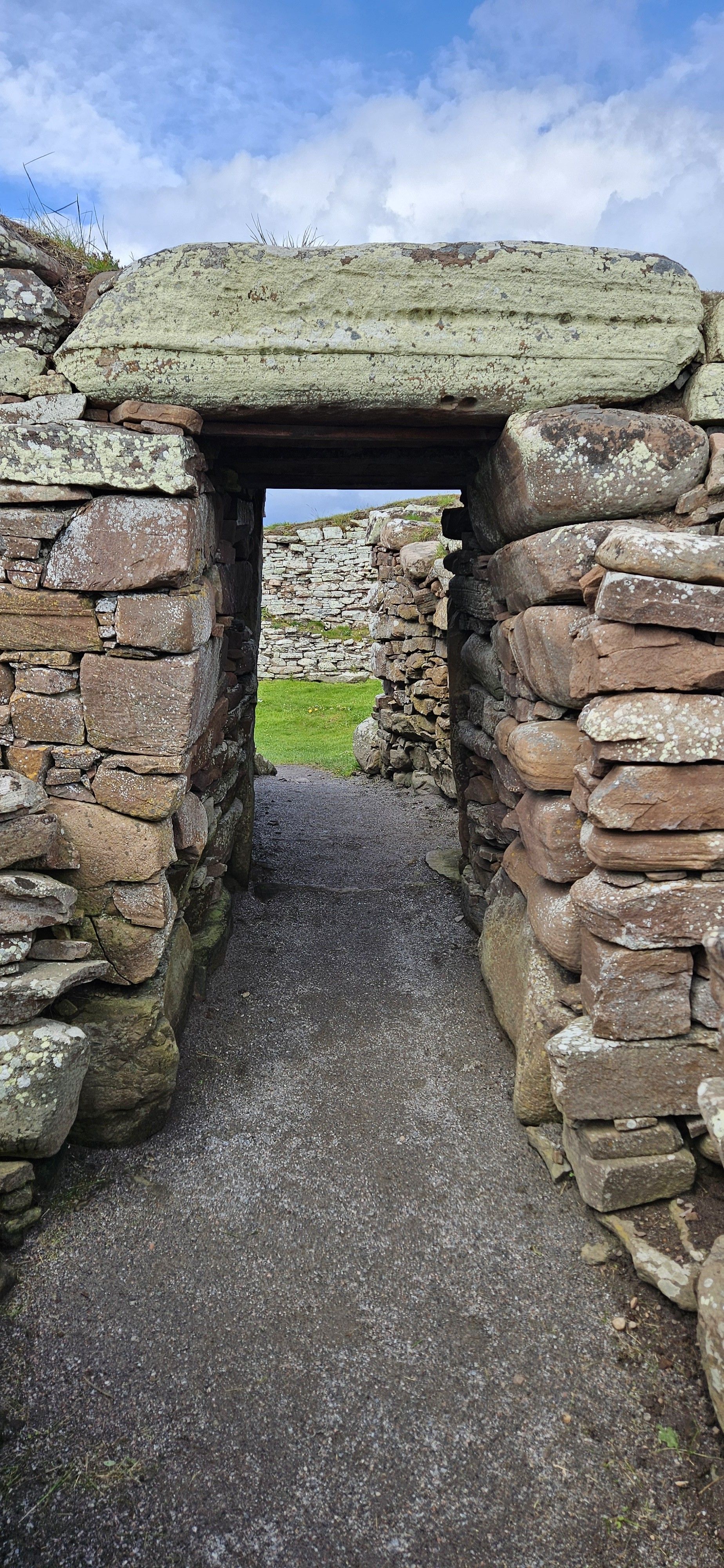
Entrance to the interior
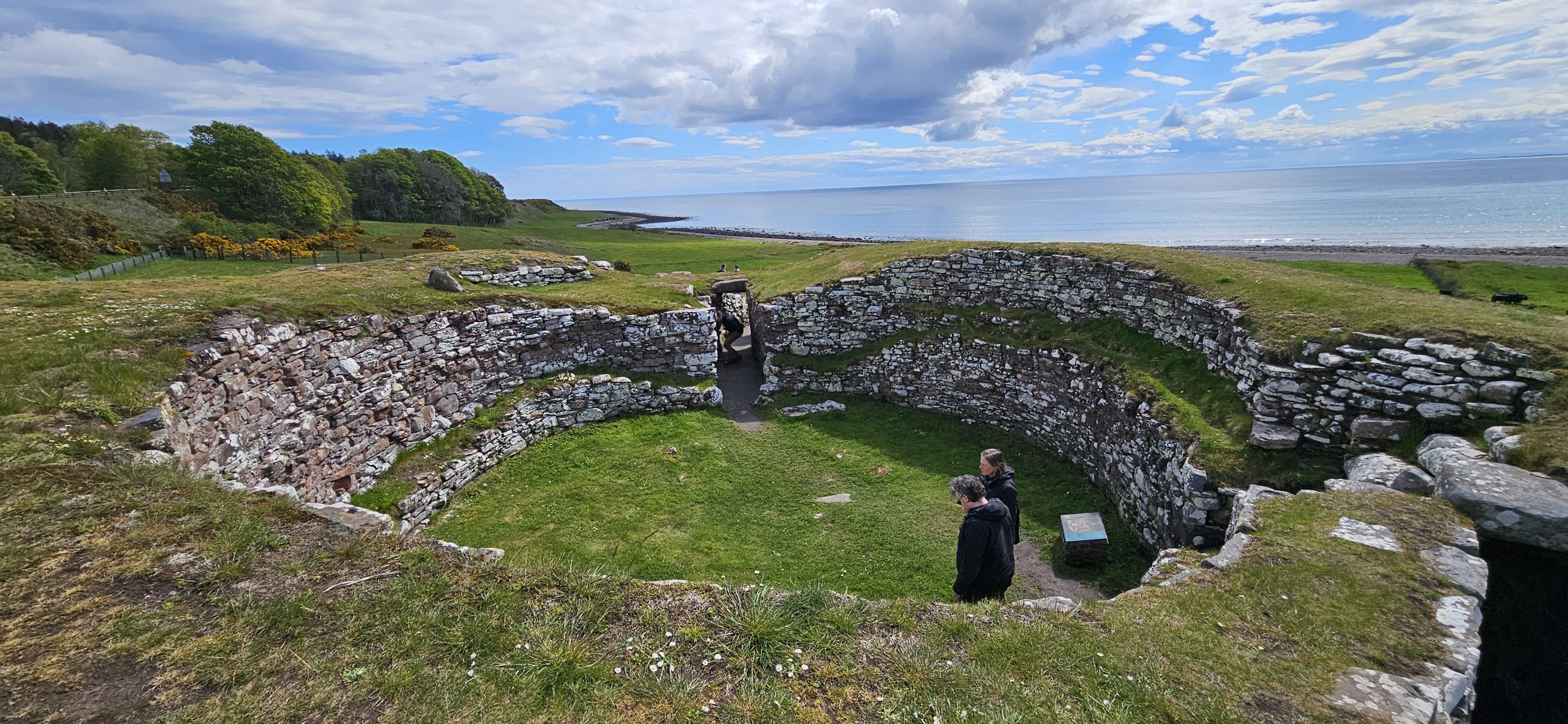
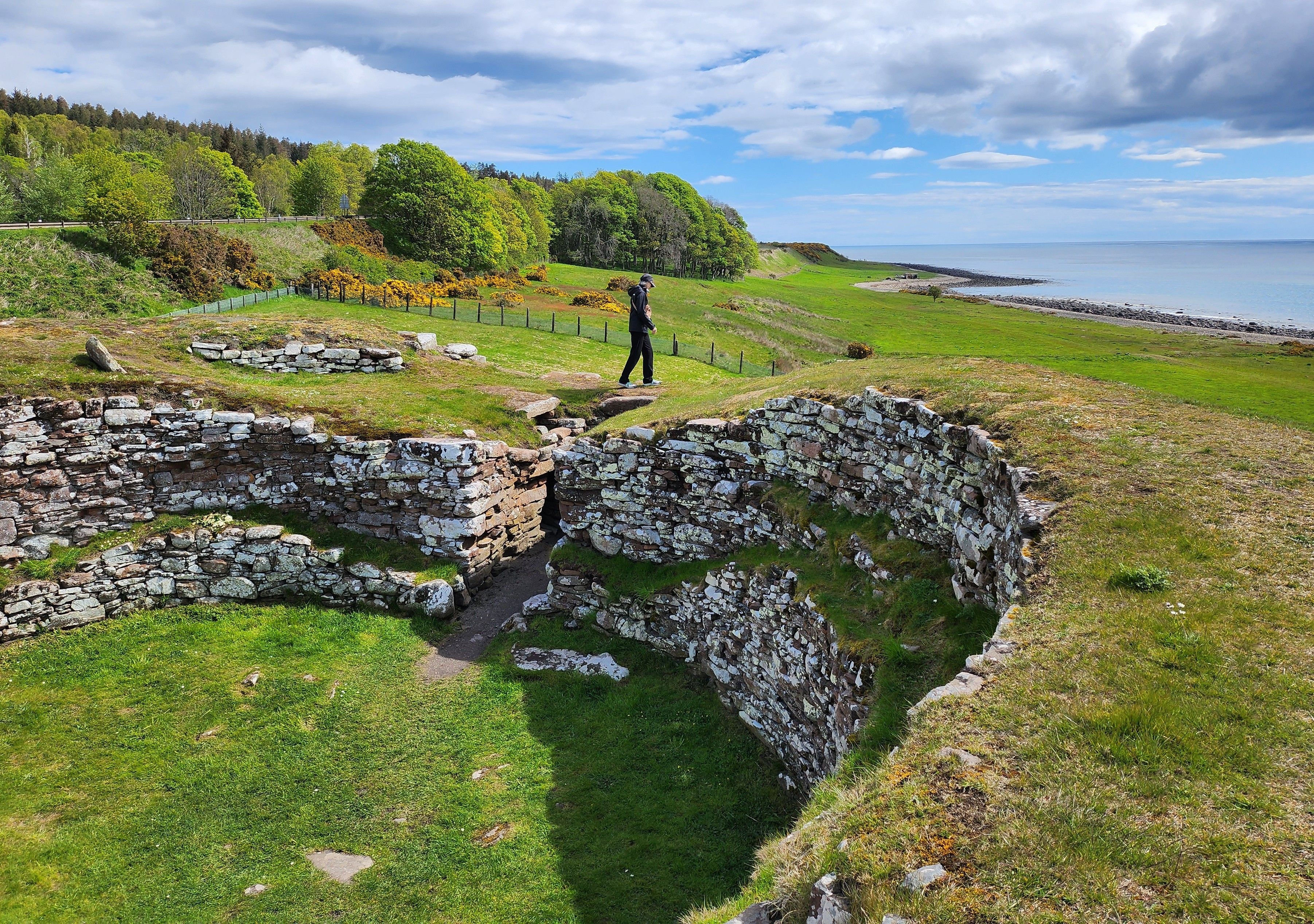
Walking around the upper level
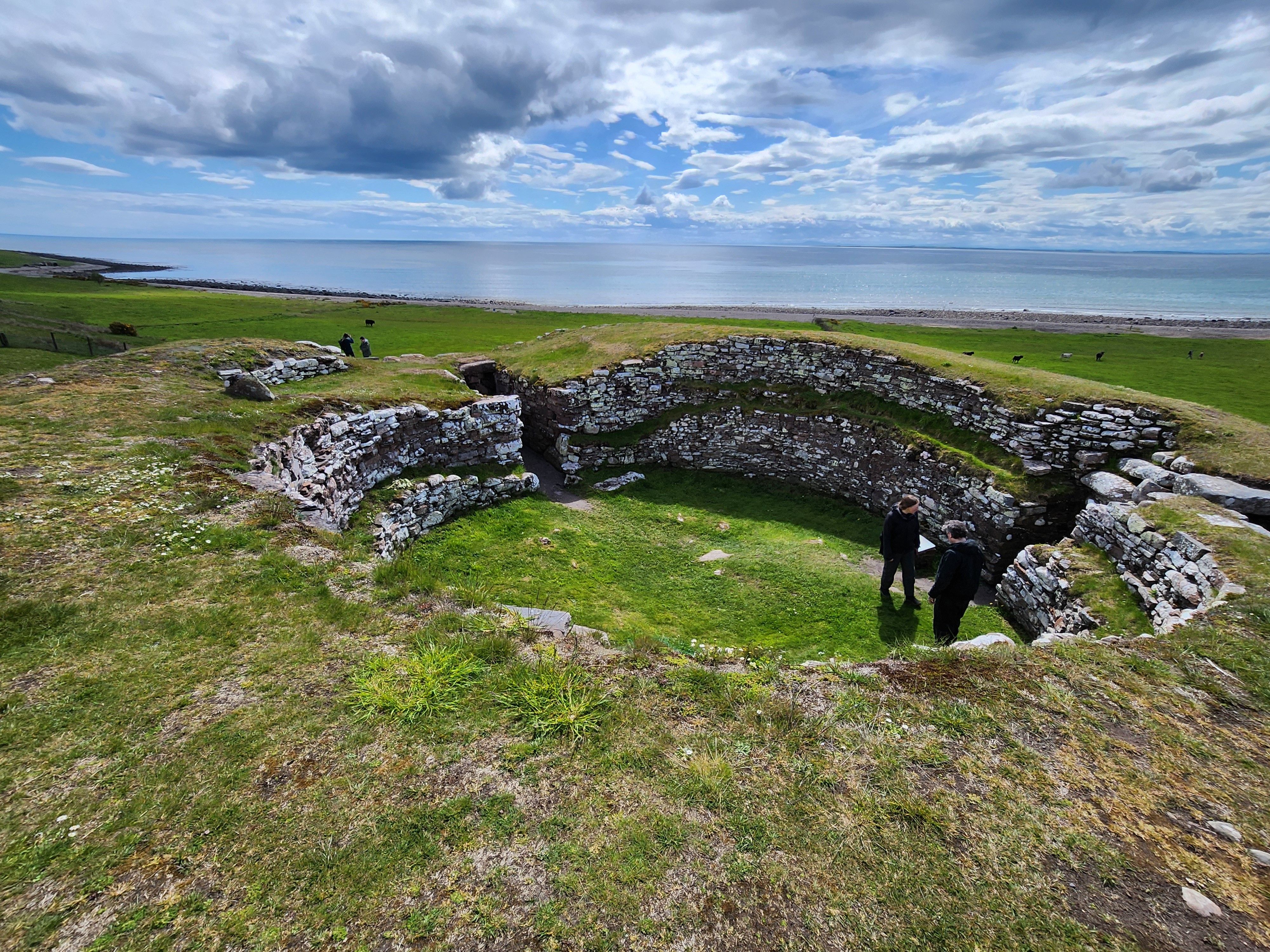
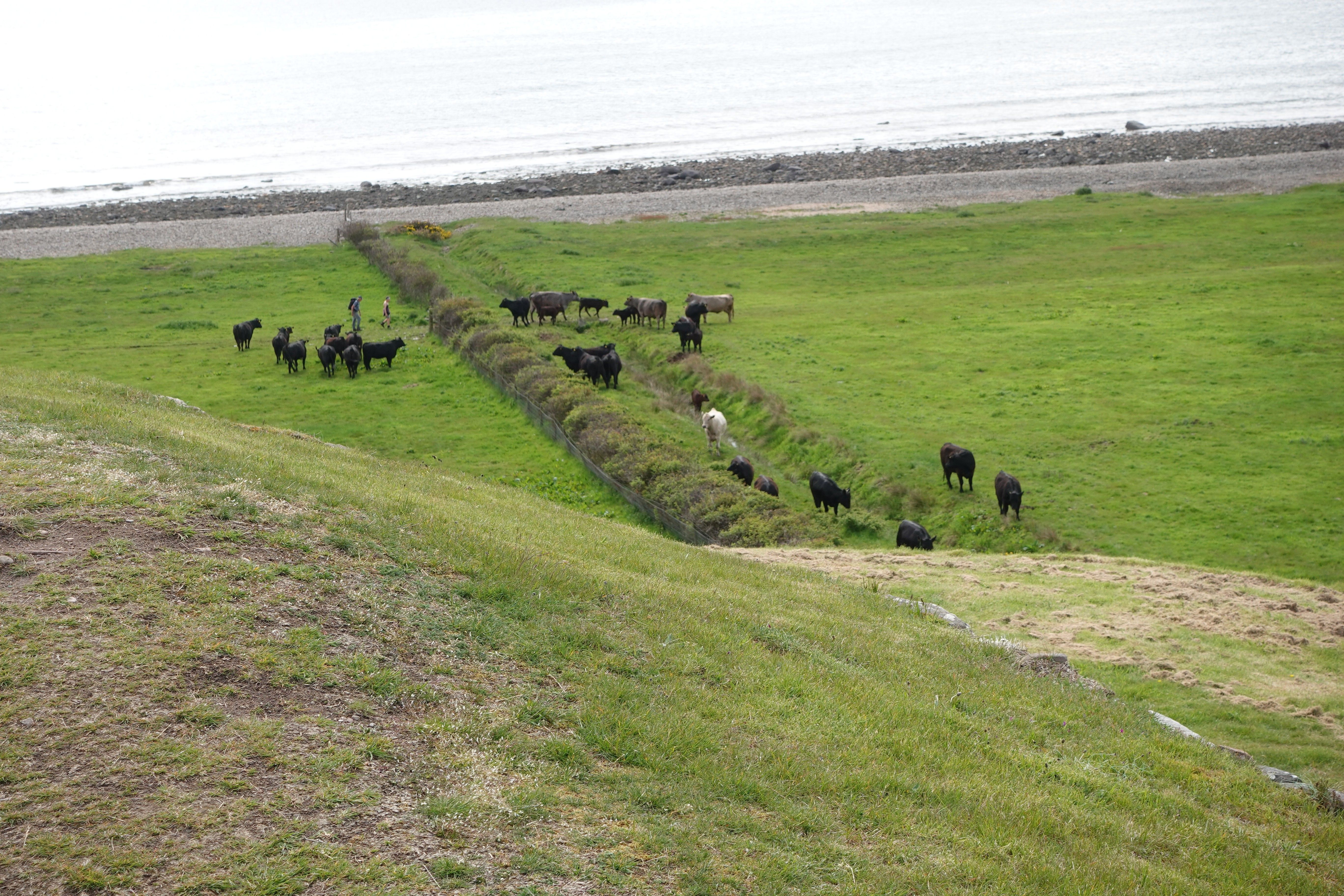
Cows. I am always impressed by the fact these ancient cairns are still in tact and were not destroyed just to give more ground for plantings and live stock
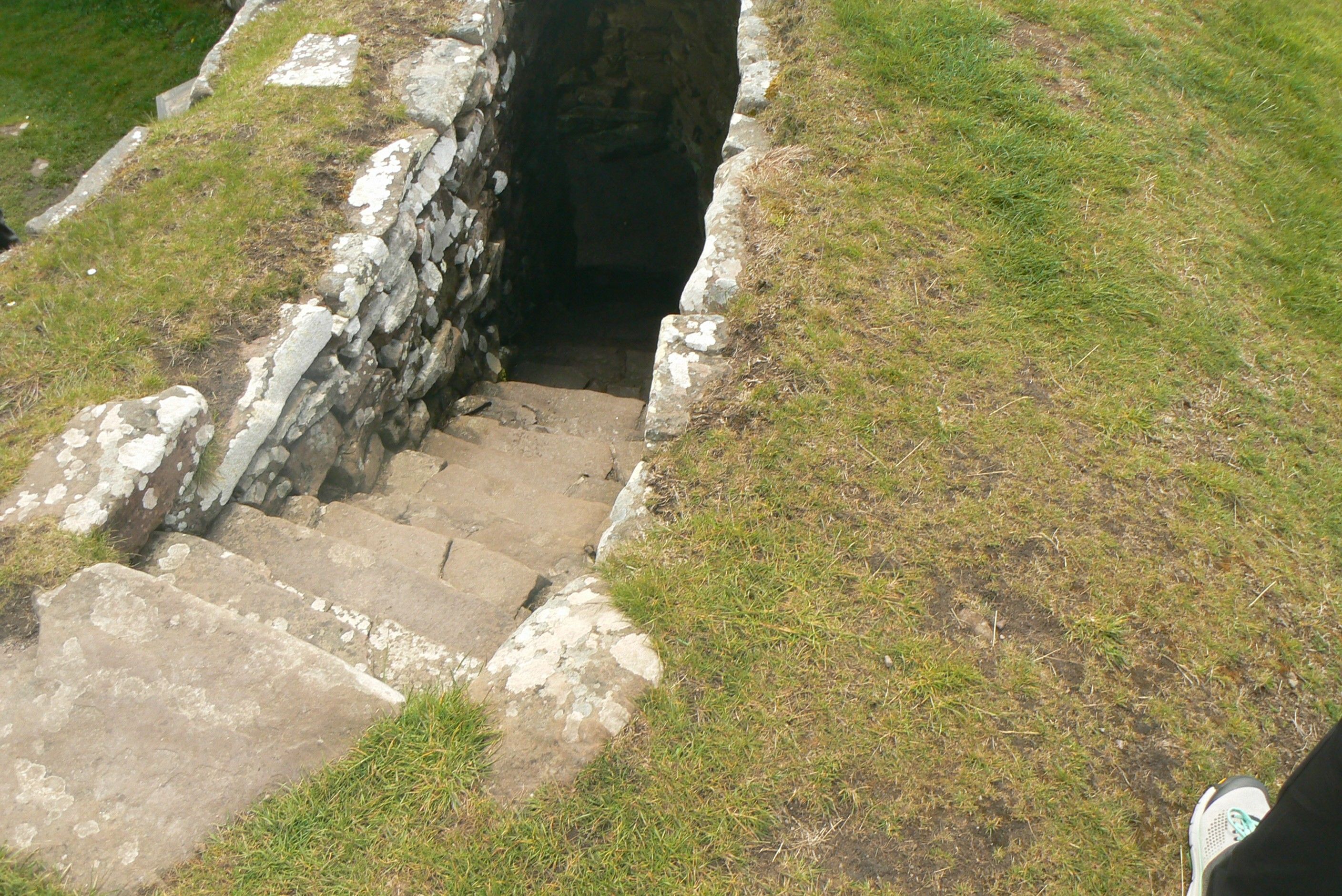
Stairs to the lower section
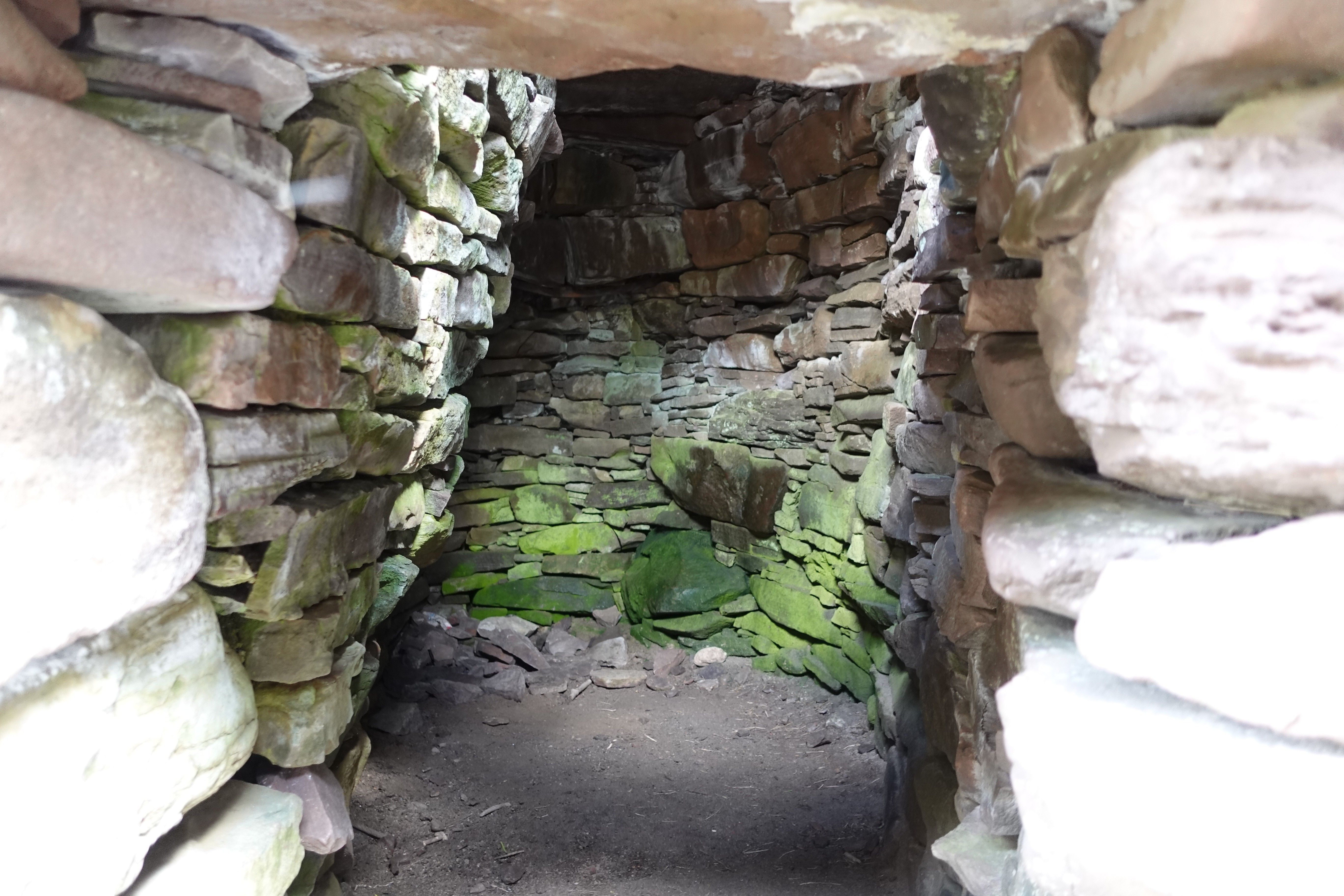
Amazing stonework
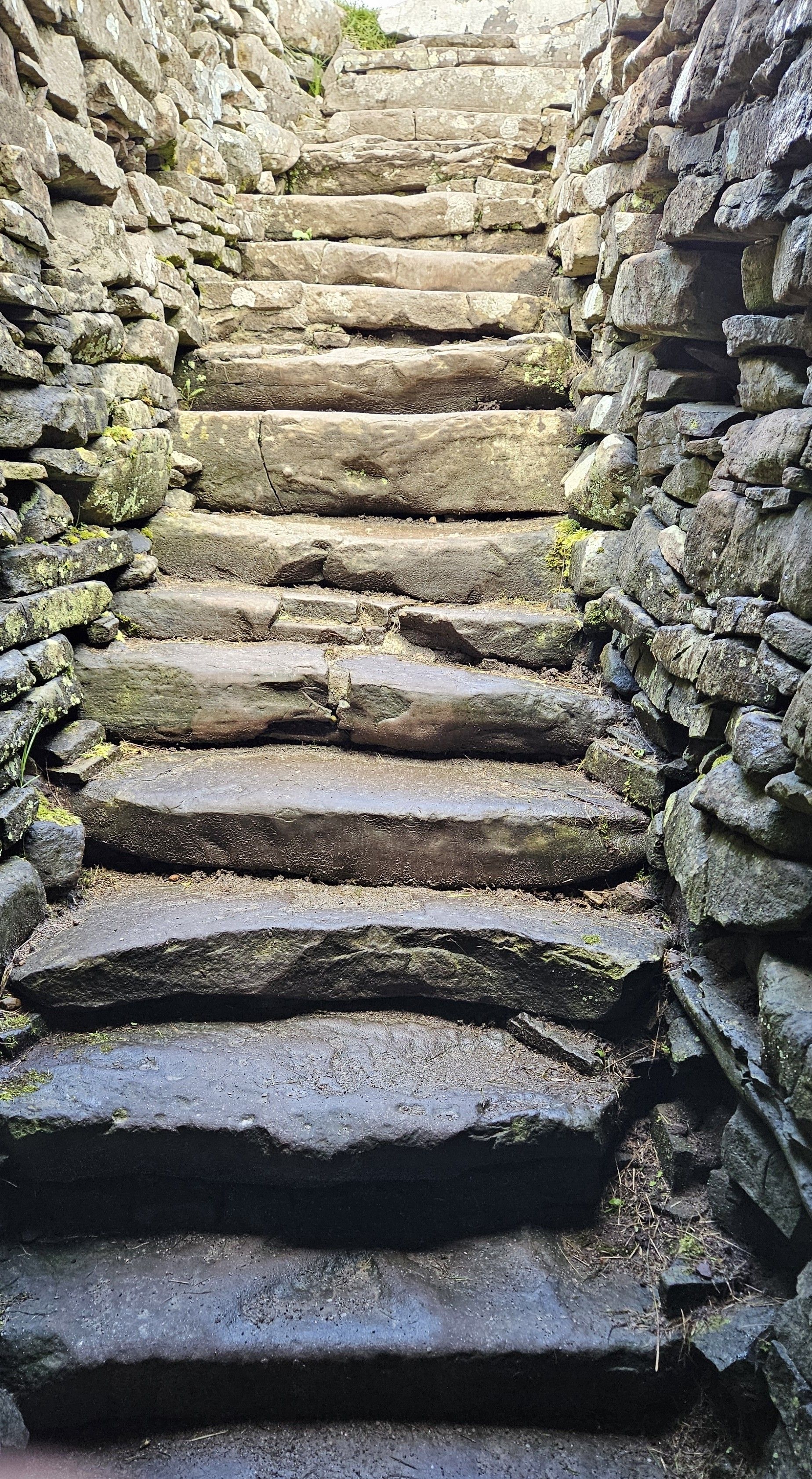
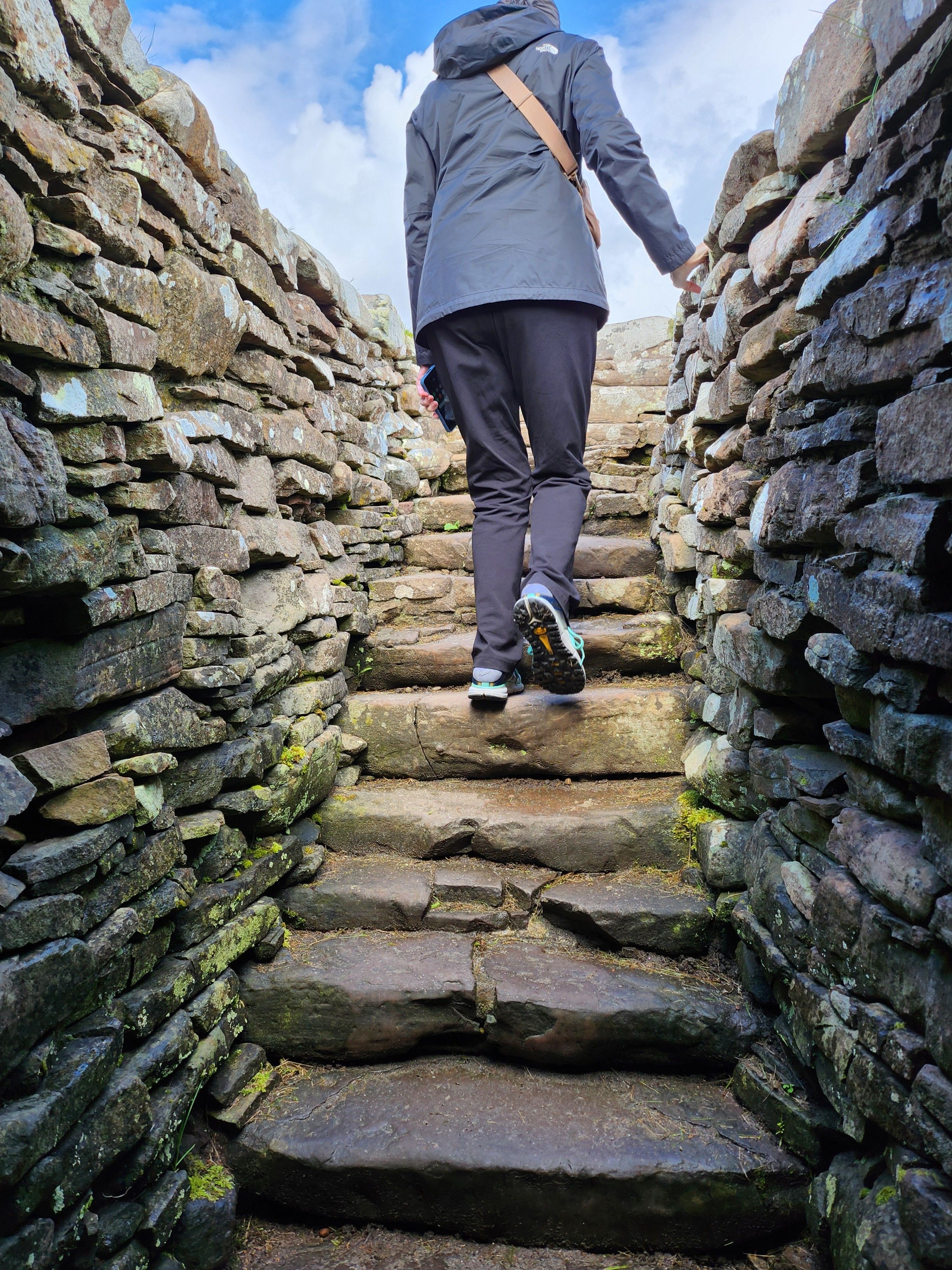
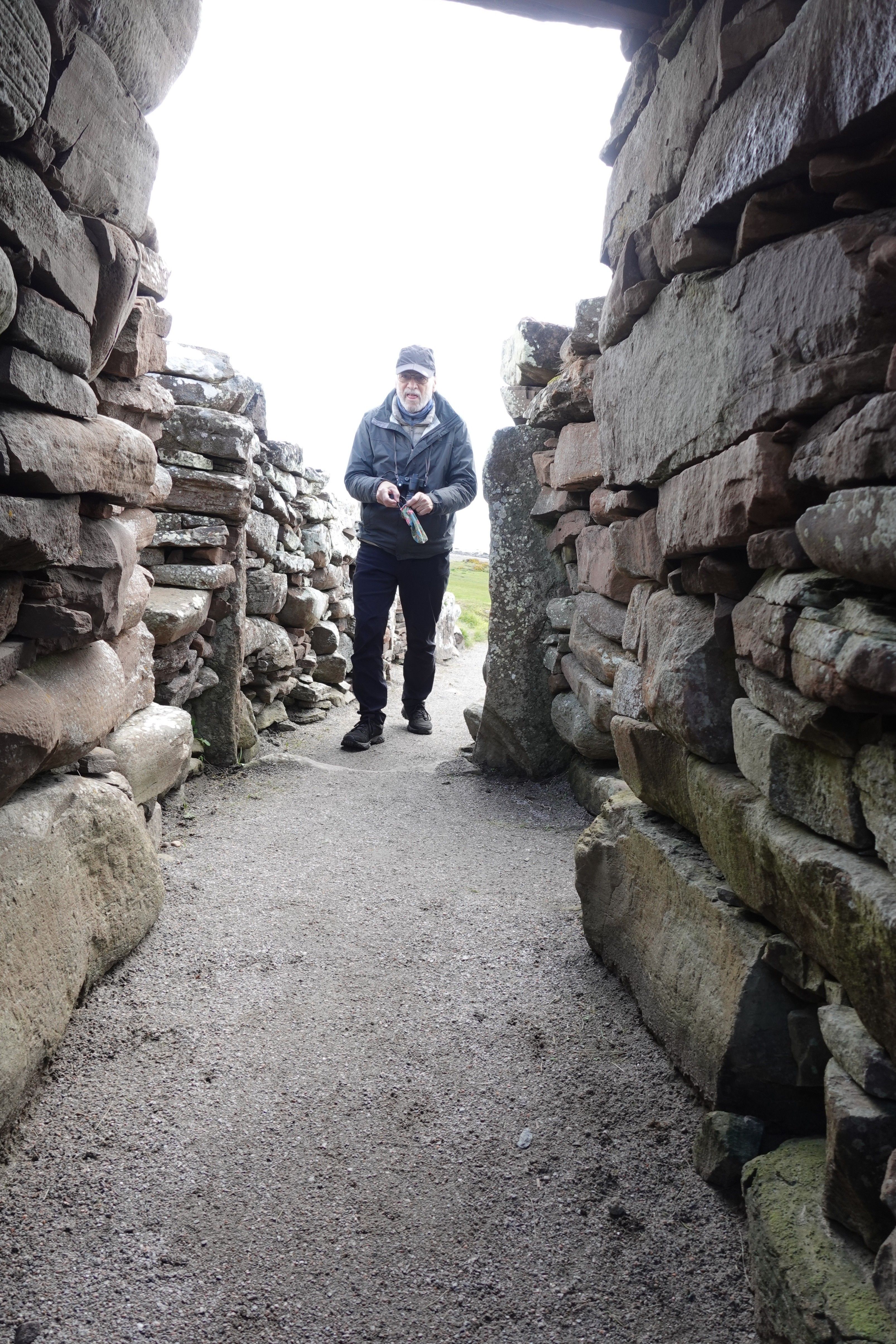
I'm in for scale
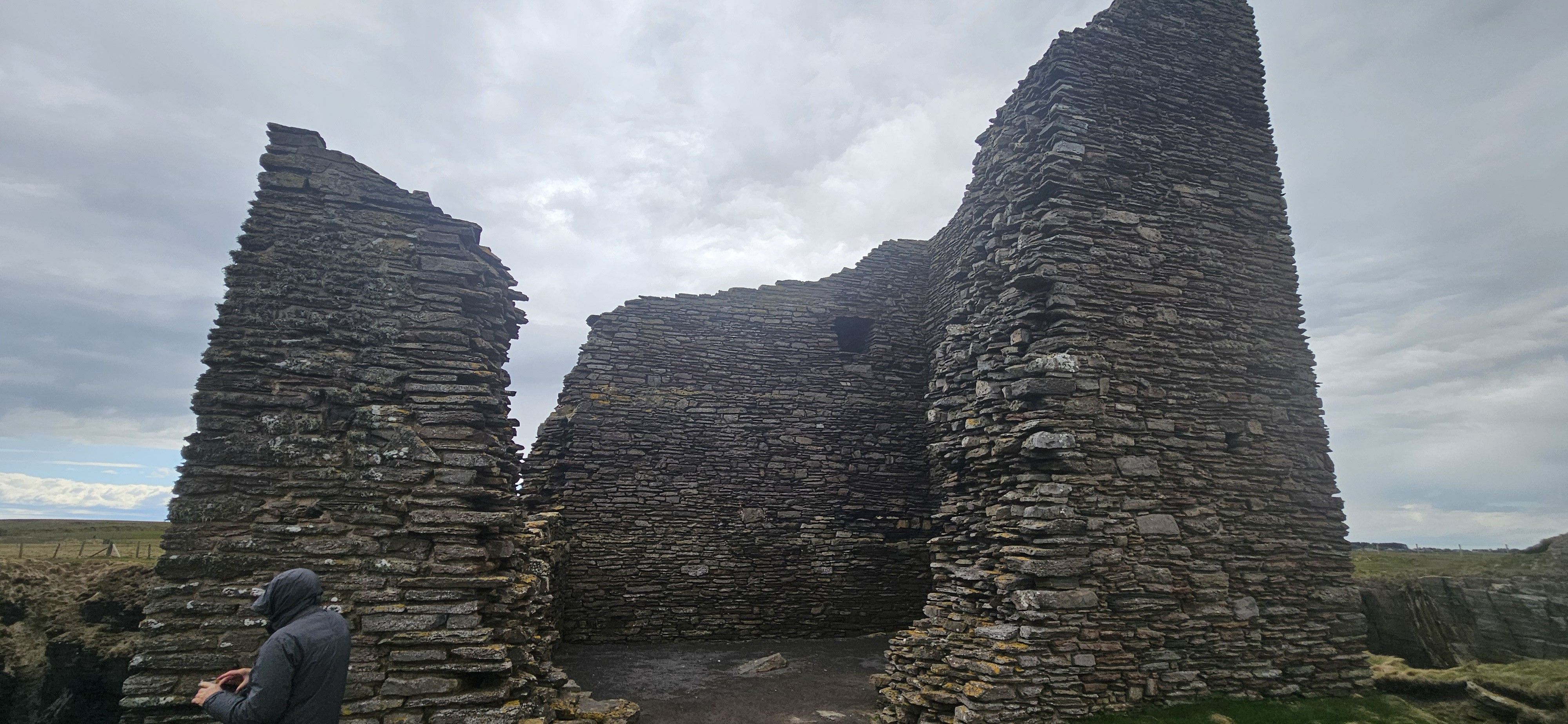
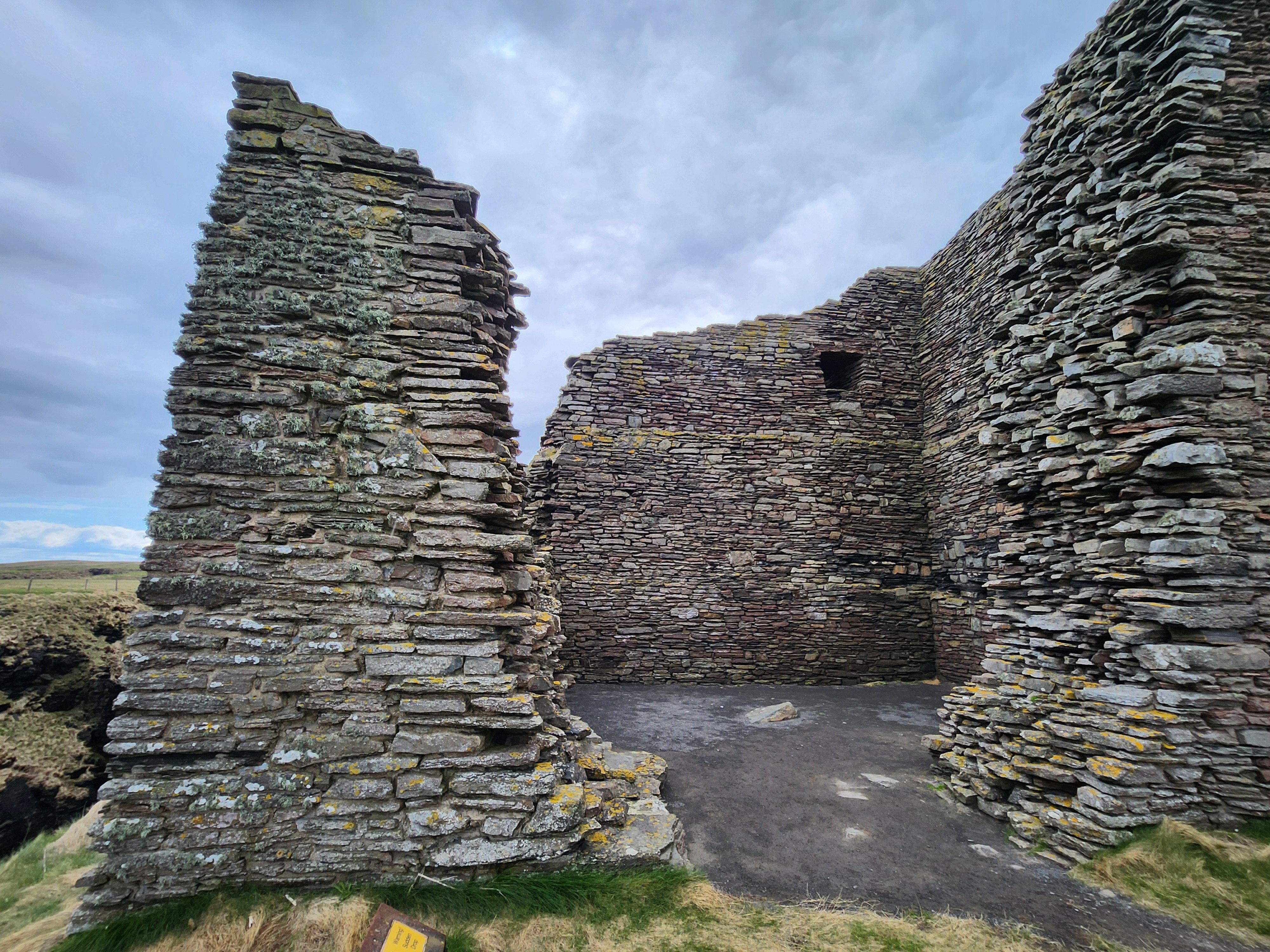
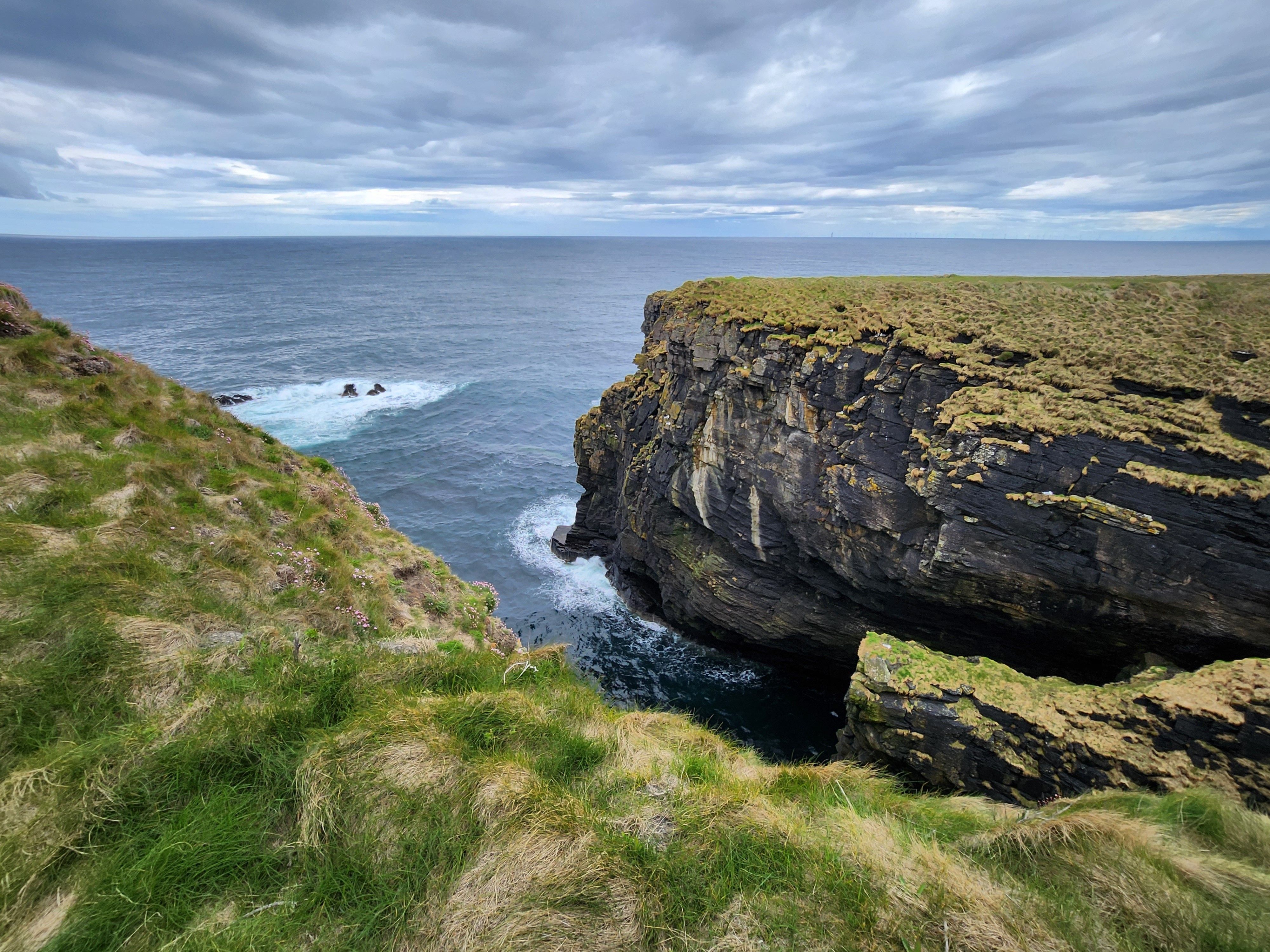
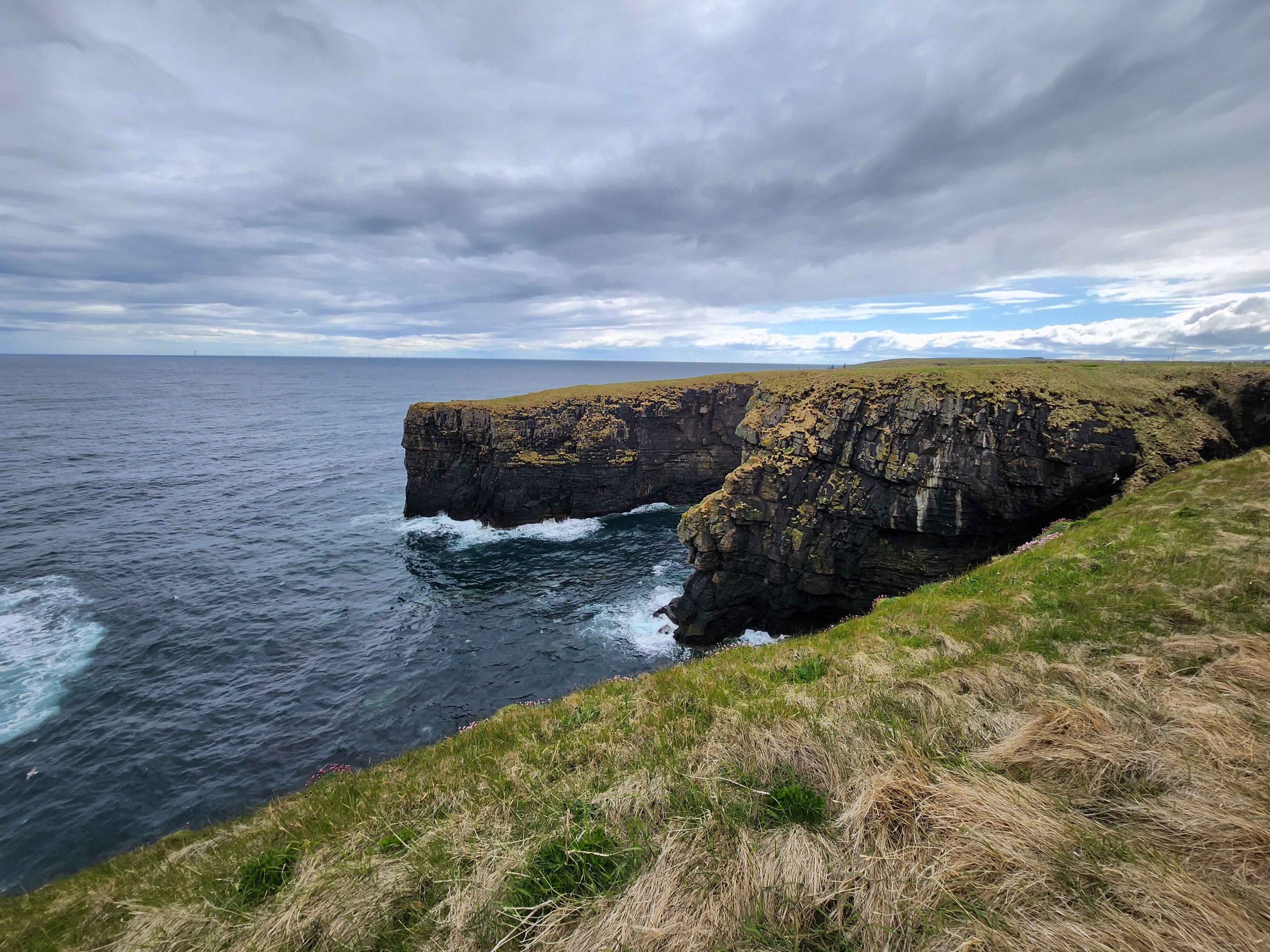
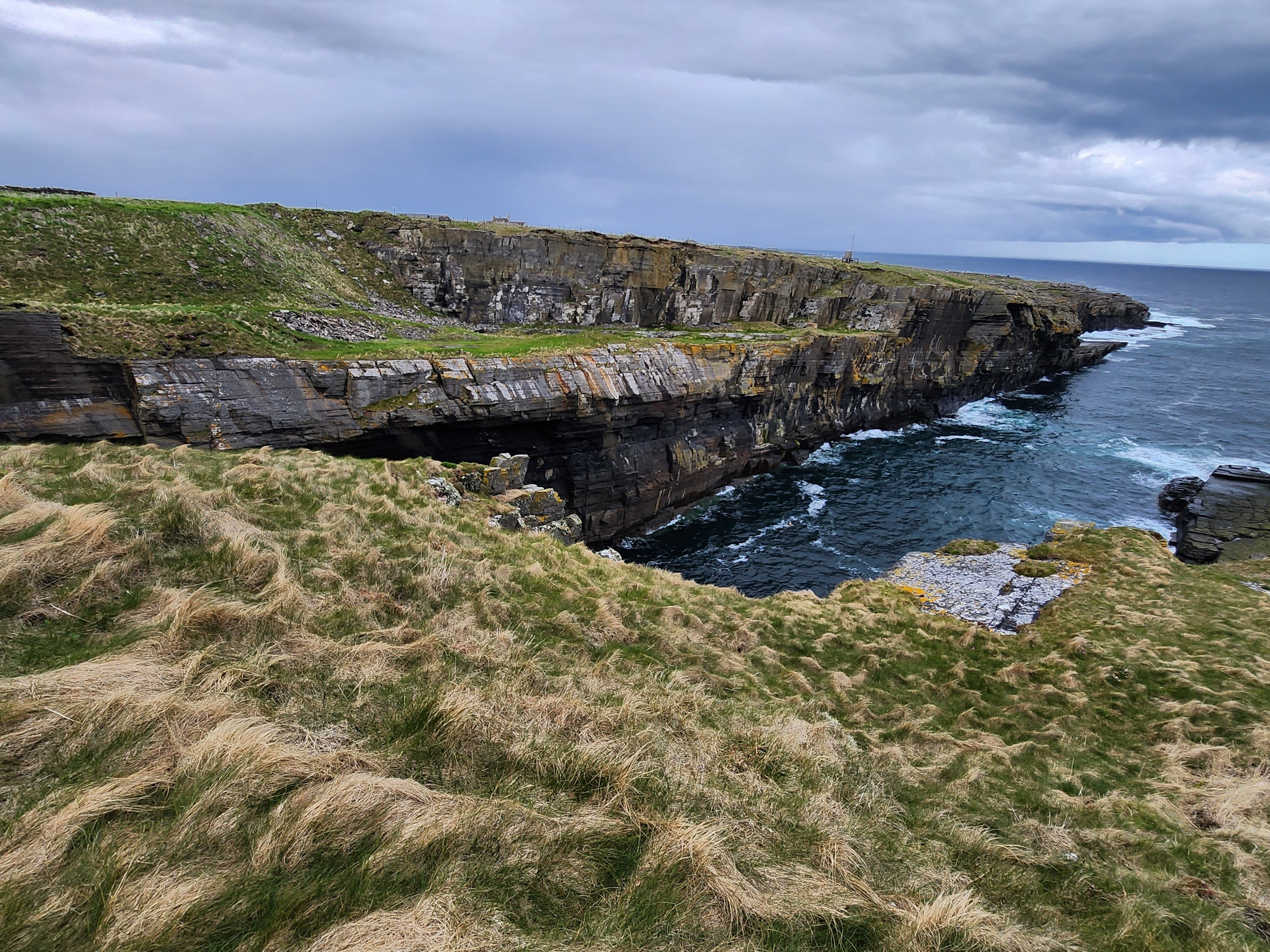
Not too much left of The Old Man of Wick, but the site is impressive. They really knew about location - usually because they needed a good defensive position - but the views are amazing.
Since most of these castles are on cliffs, gulls and other birds nest here, so we can't resist taking pictures of them. Prolific little critters.
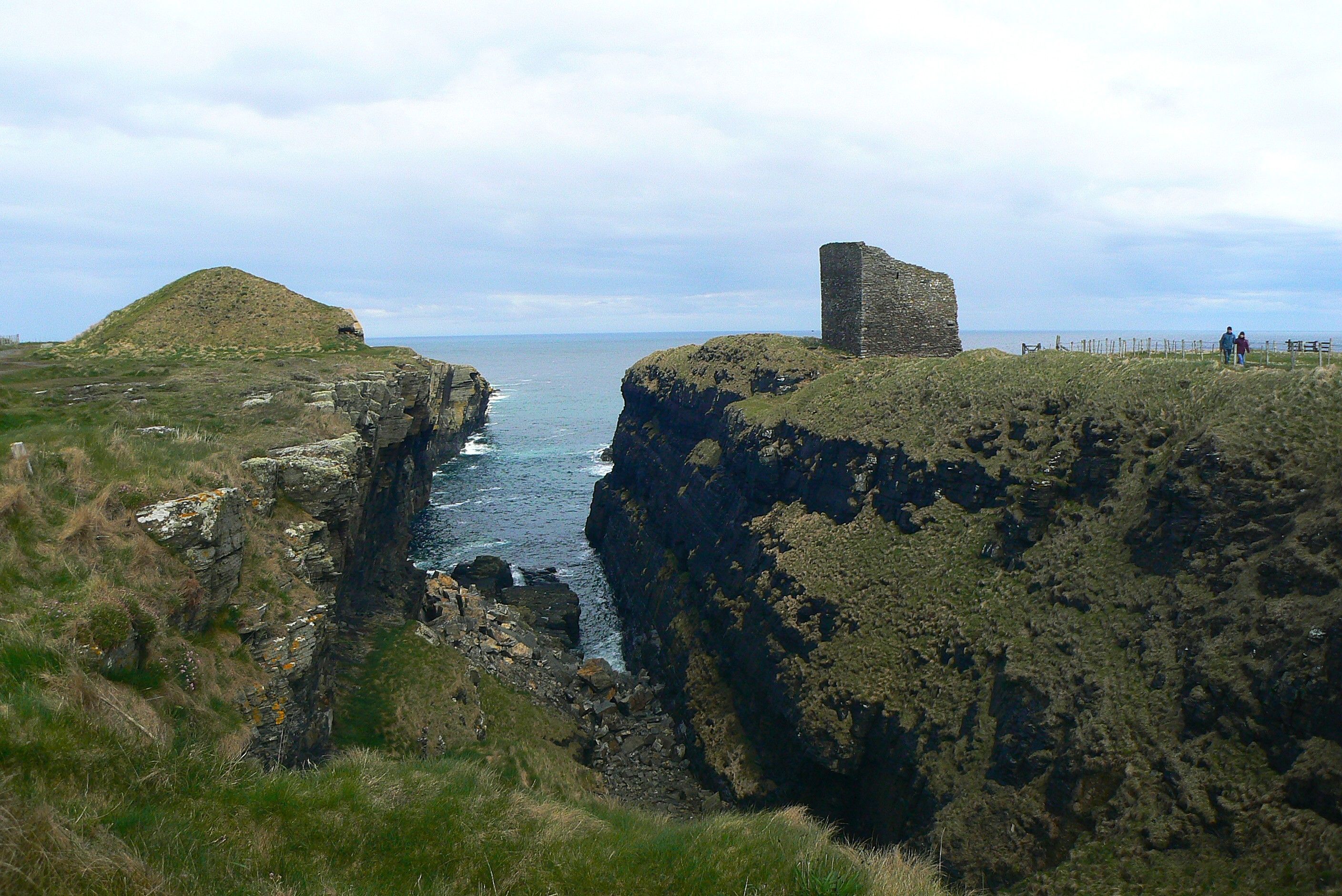
Great location. You certainly can not get to it from the waterr.
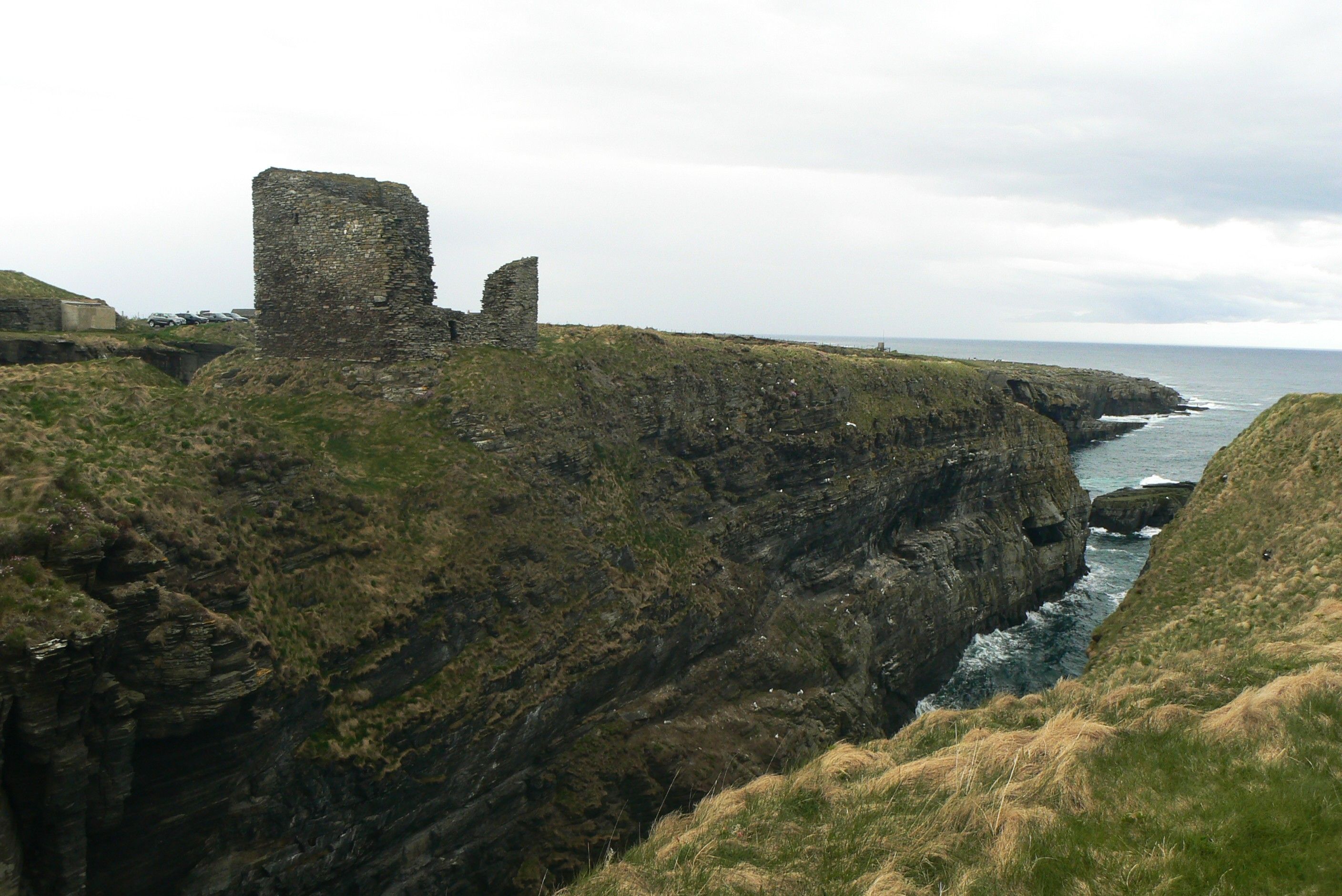
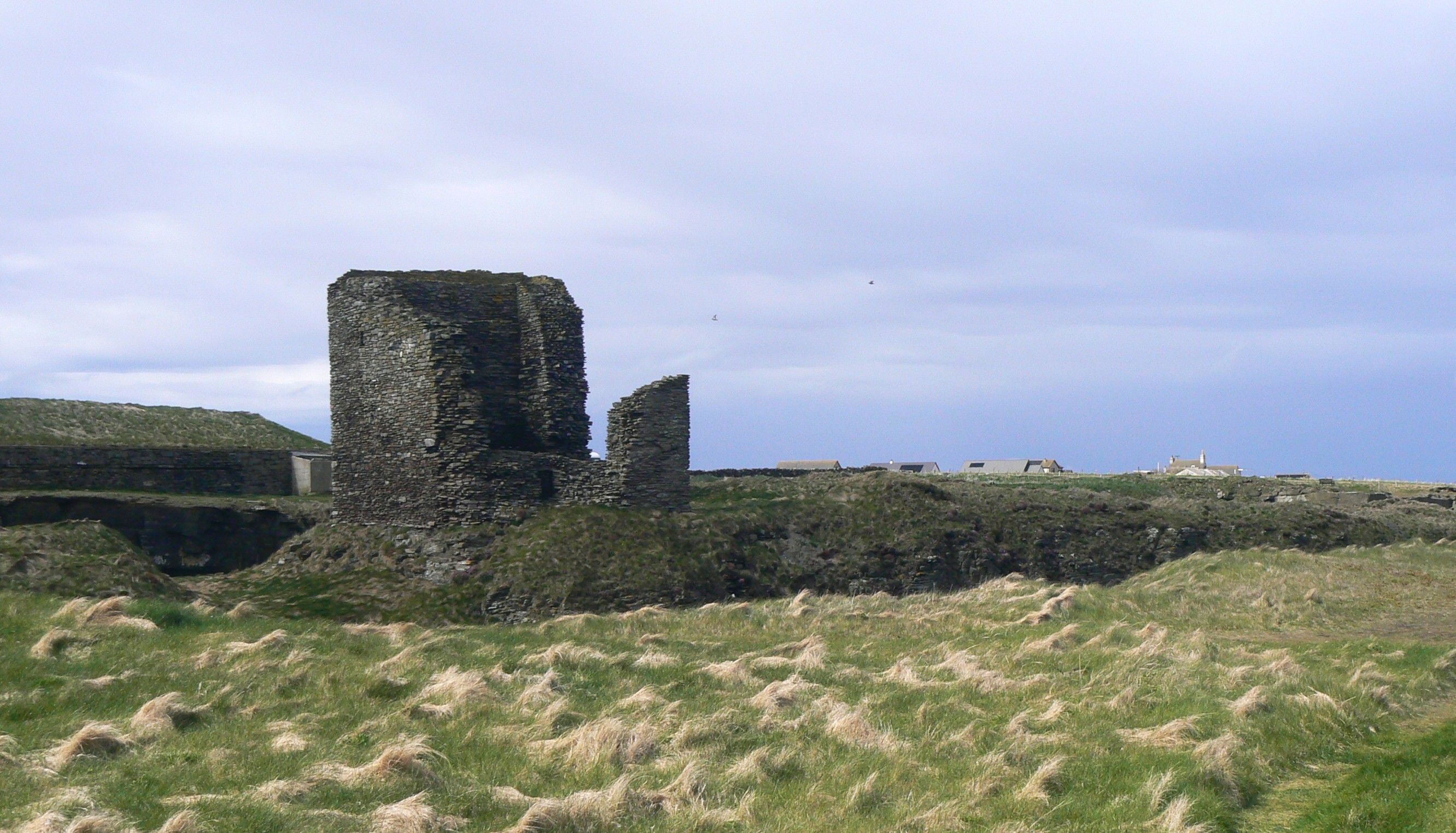
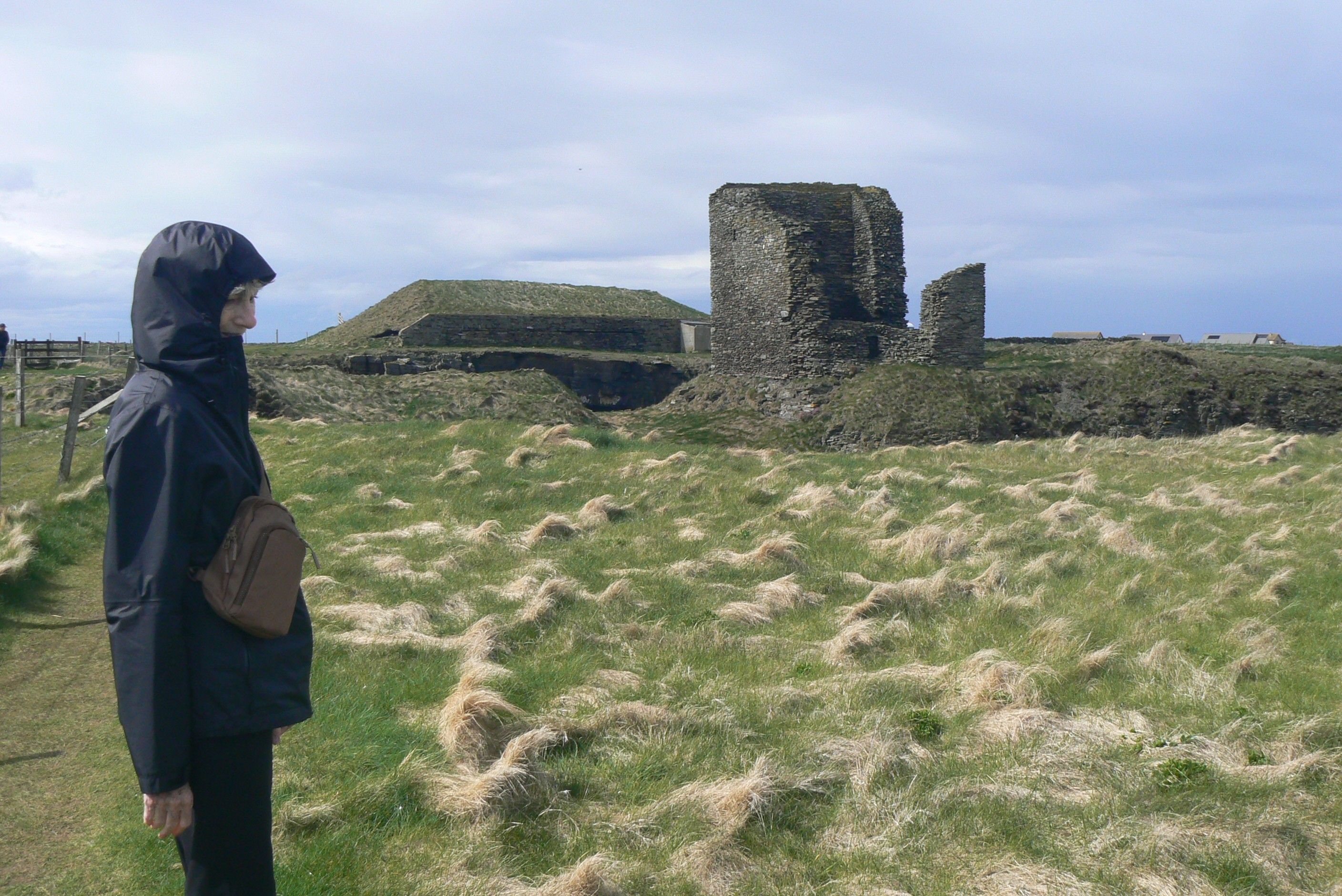
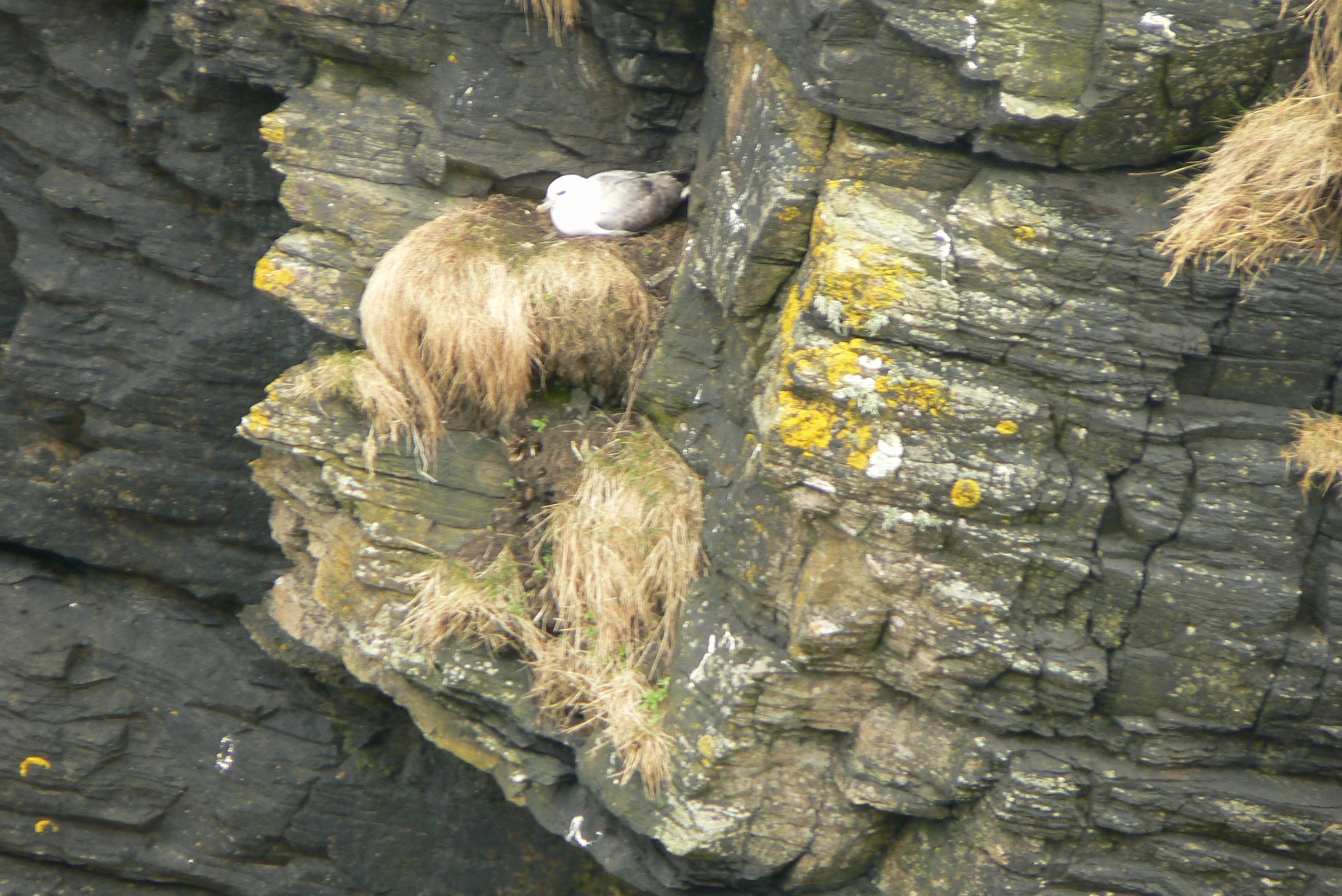
And a gull of course
Henry Sinclair probably built the first castle here around 1379.
It is associated with the story of the Sinclair family, who became the Earls of Caithness and the Earls of Orkney. They had estates and castles as far afield as Kirkwall in Orkney and Roslin, south of Edinburgh, where they built both Rosslyn Castle and Rosslyn Chapel.
Yes, Sinclair, Rosslyn, DiVinci Code. There's always a grain of truth in fiction.
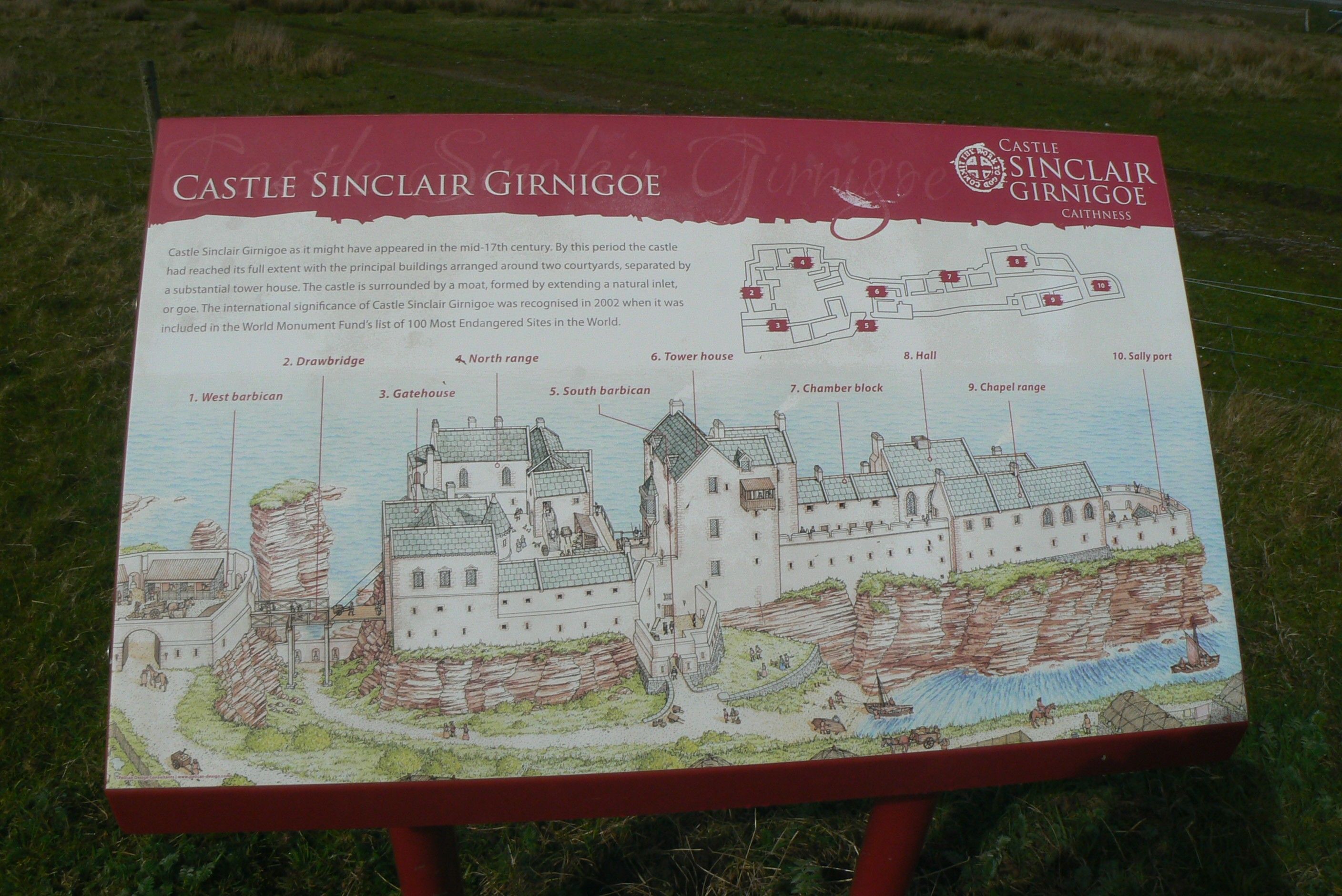
Another great approach
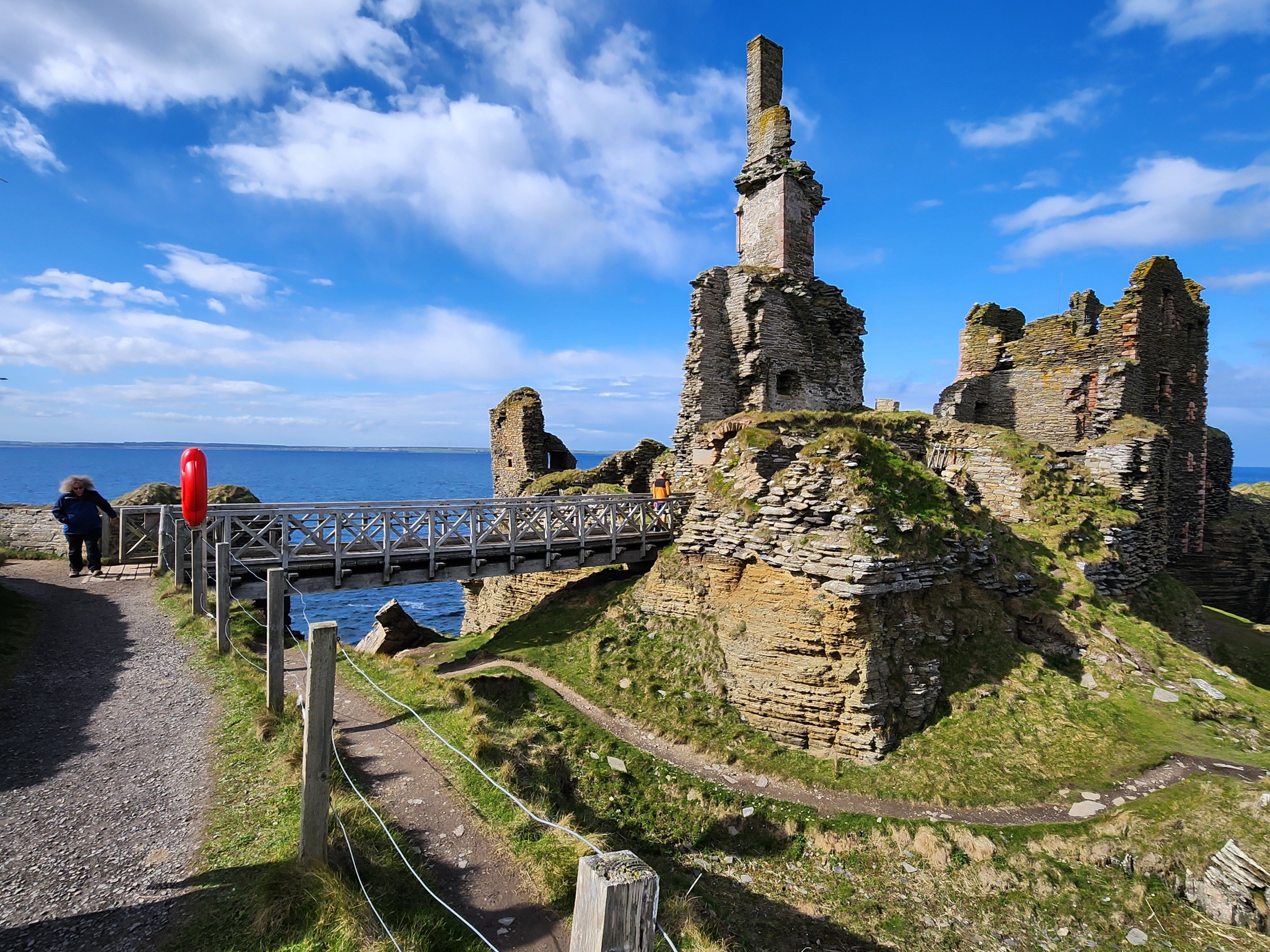
Nice they gave us a bridge
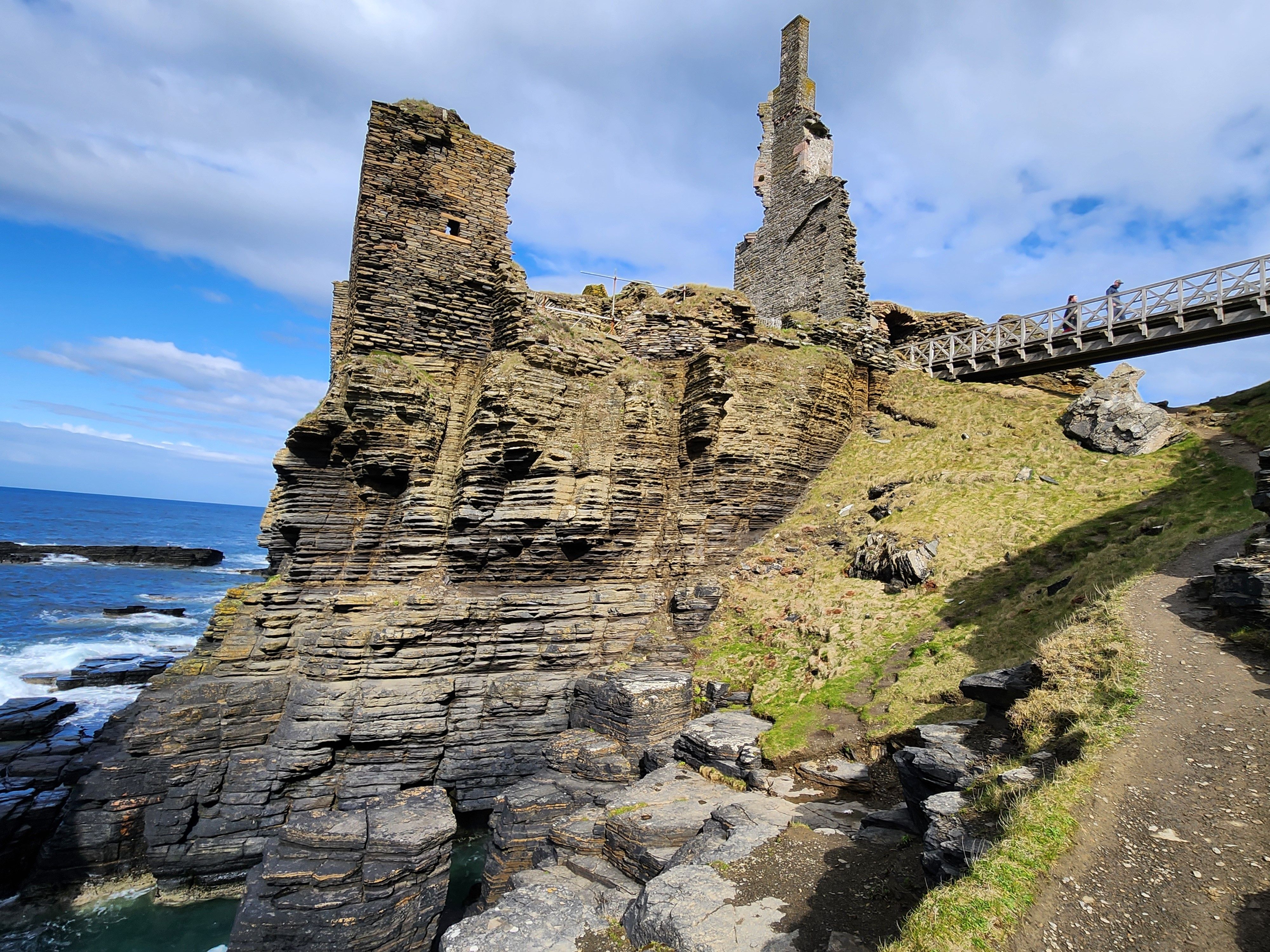
Looking up from the beach area
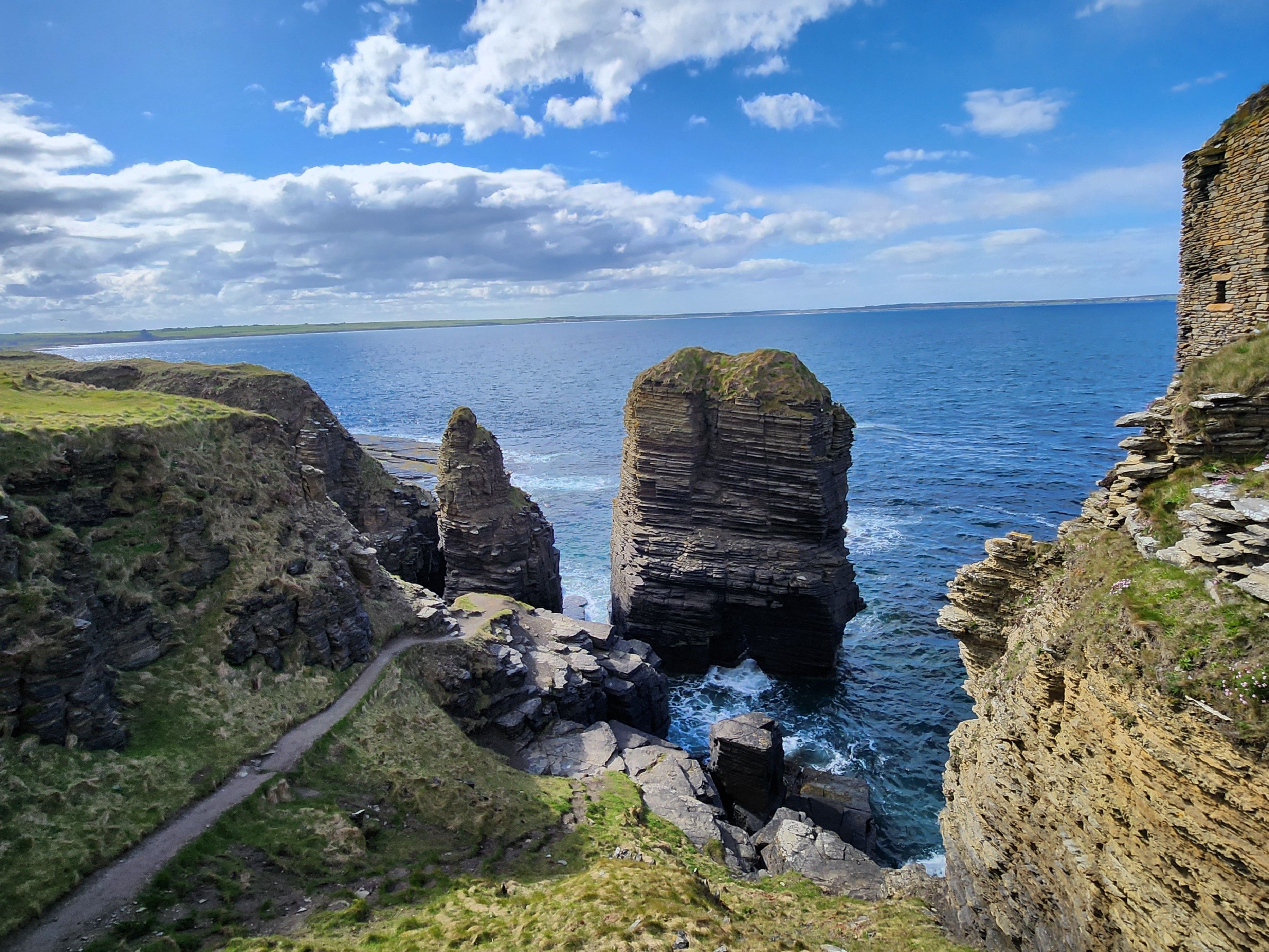
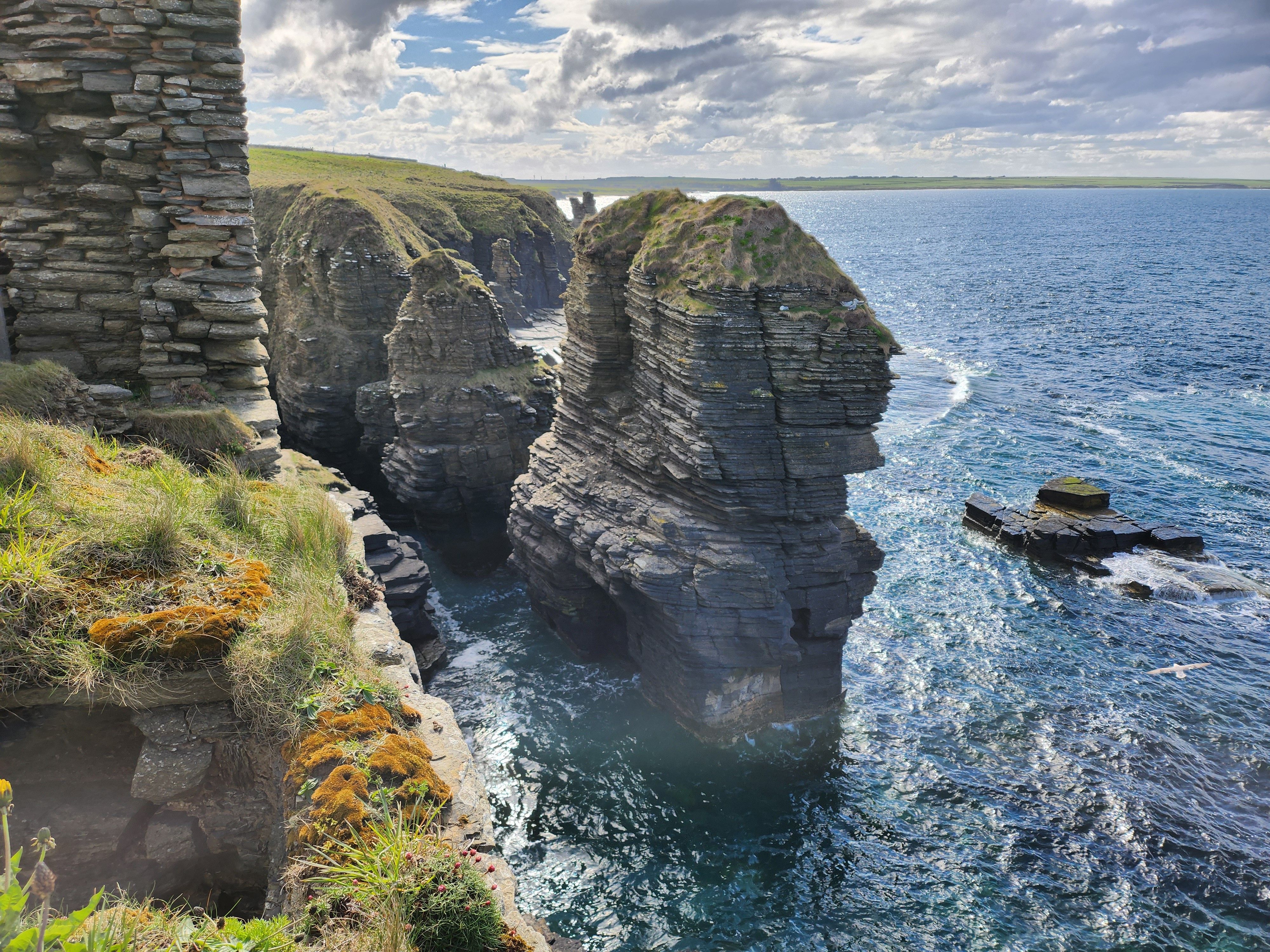
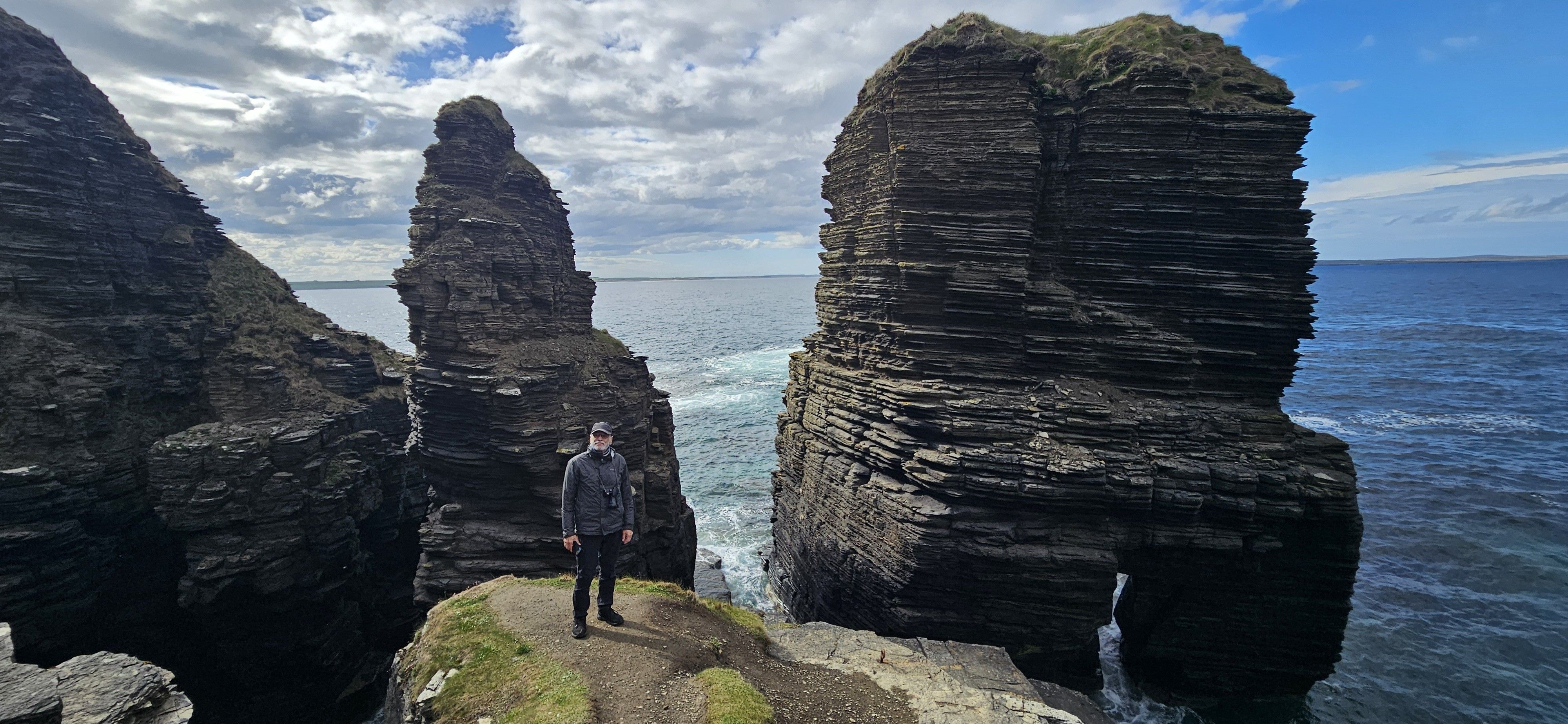
Great rocks
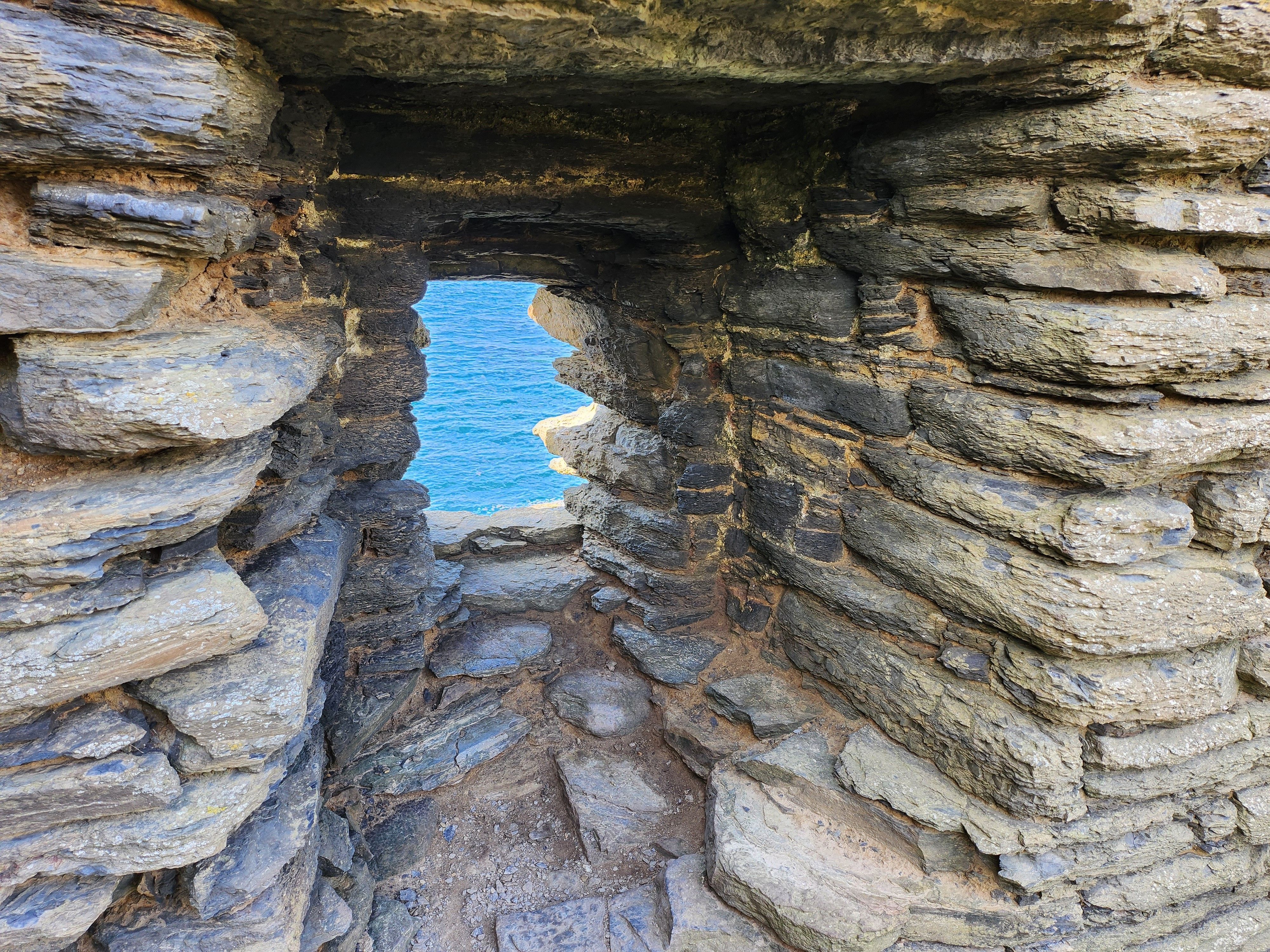
.jpg "We cam out and saw all these snails. Lots of snails")
We cam out and saw all these snails. Lots of snails
.jpg)
.jpg "The colors were beautiful.")
The colors were beautiful.
.jpg)
.jpg)
.JPG "We have lots more snail shots - but you get the idea. I've never seen a hill crawling with snails")
We have lots more snail shots - but you get the idea. I've never seen a hill crawling with snails
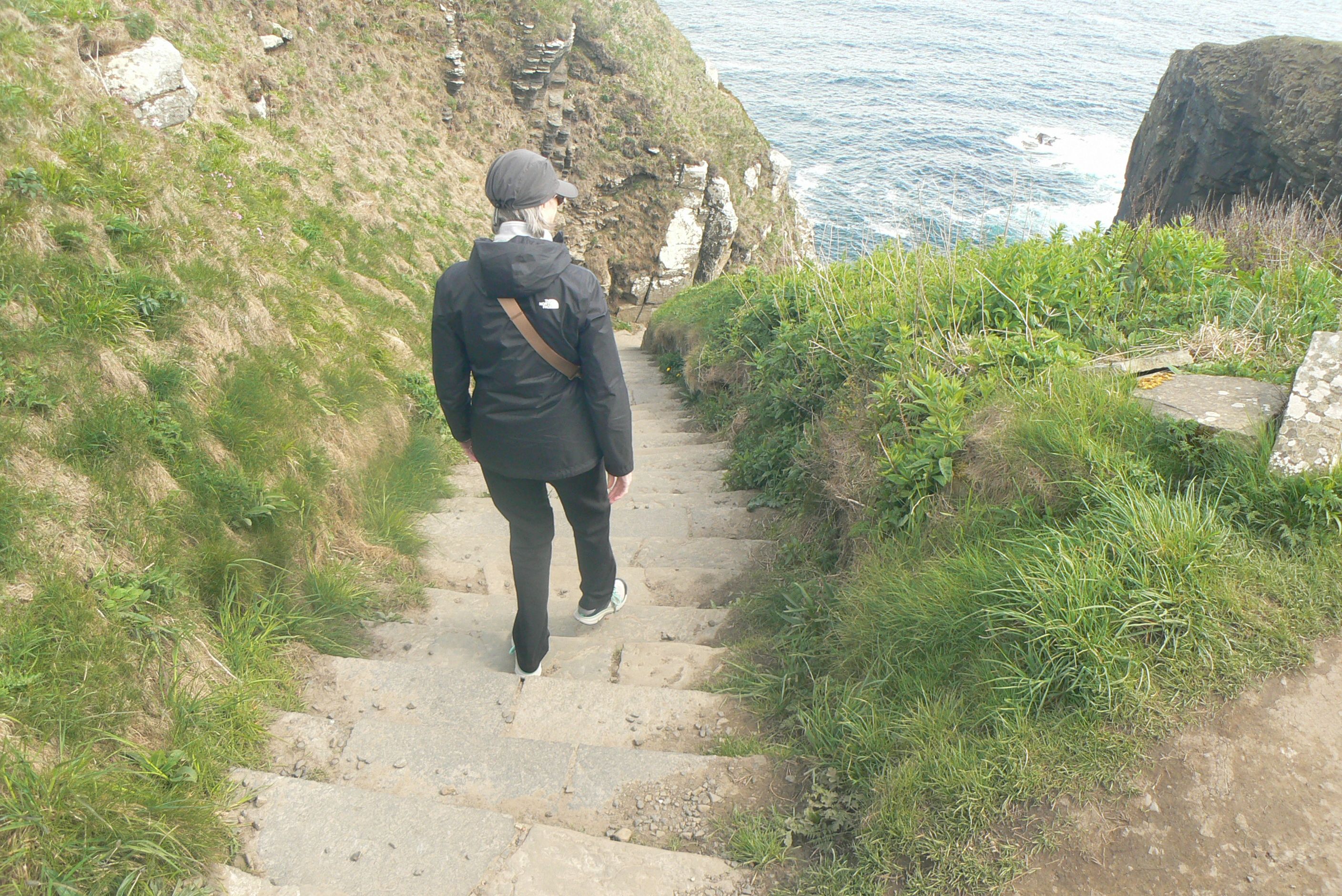
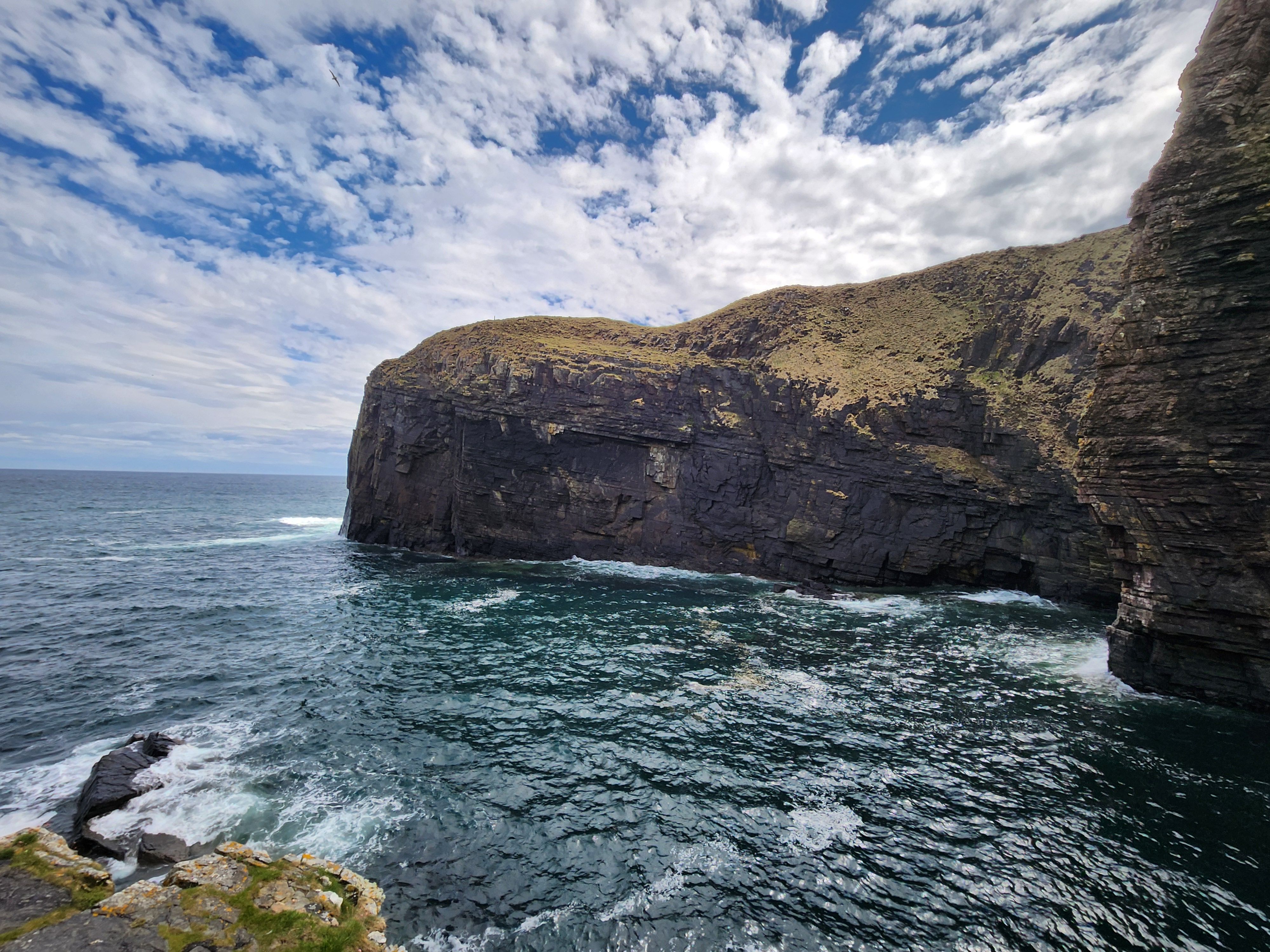
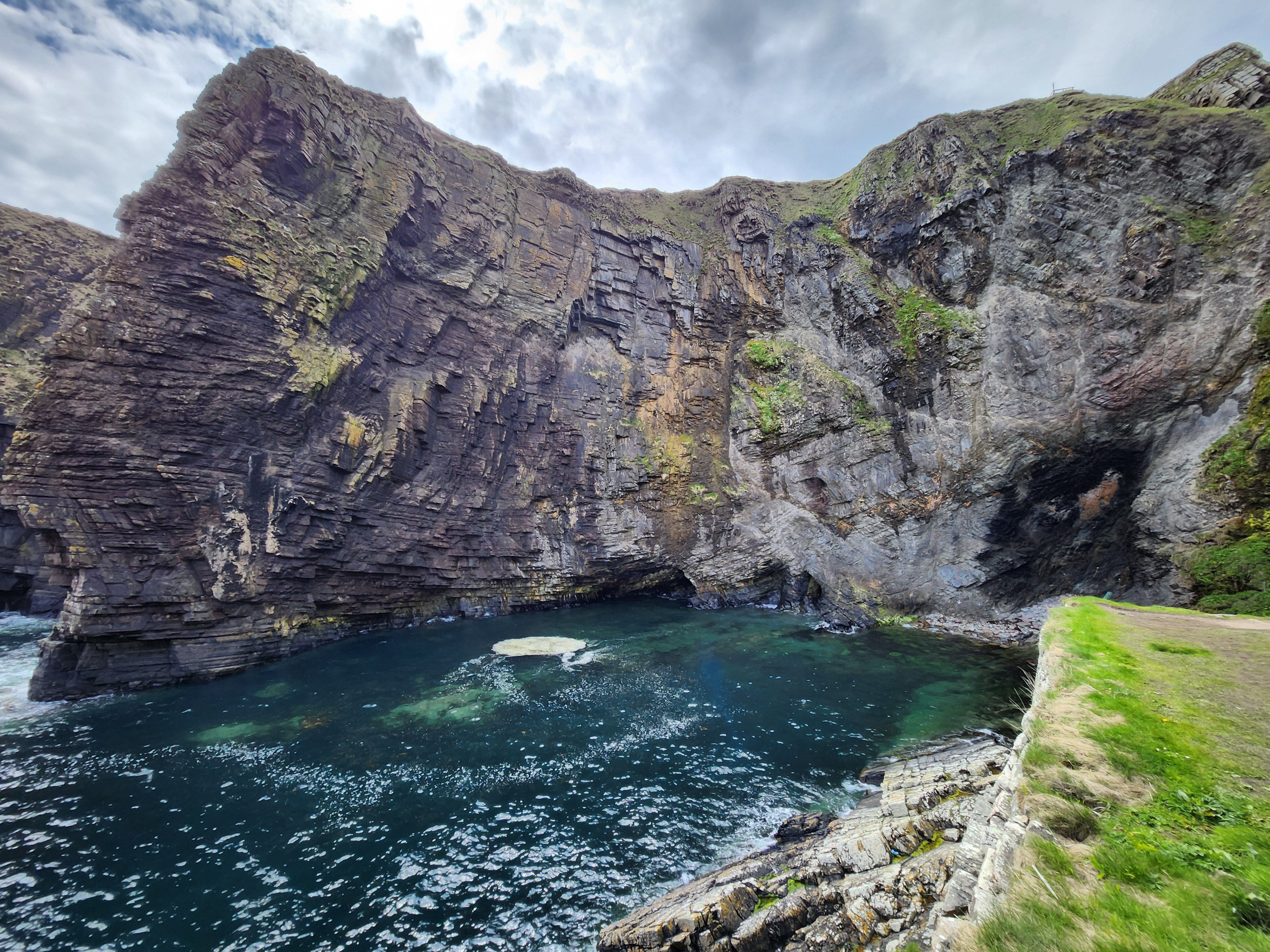
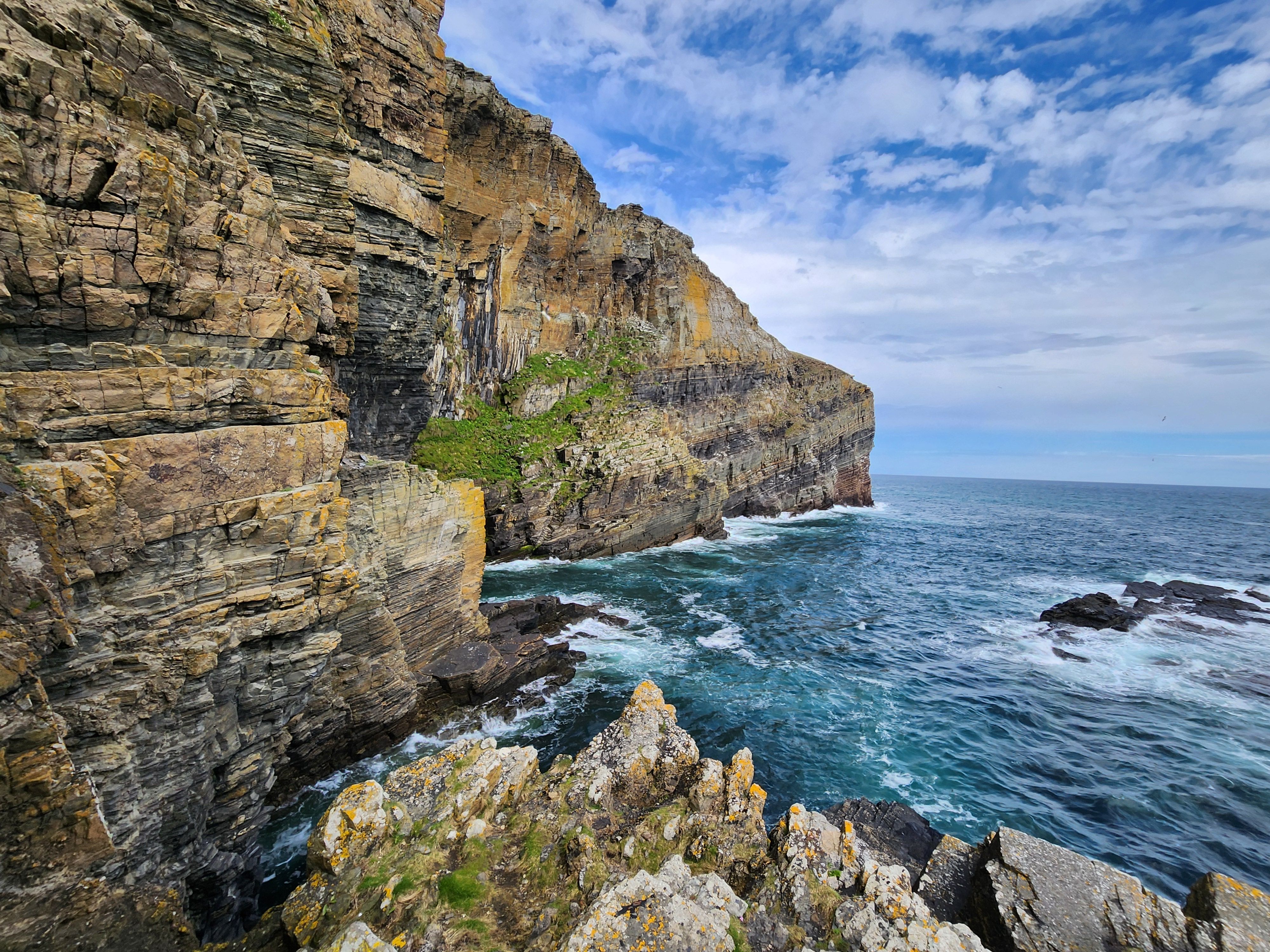
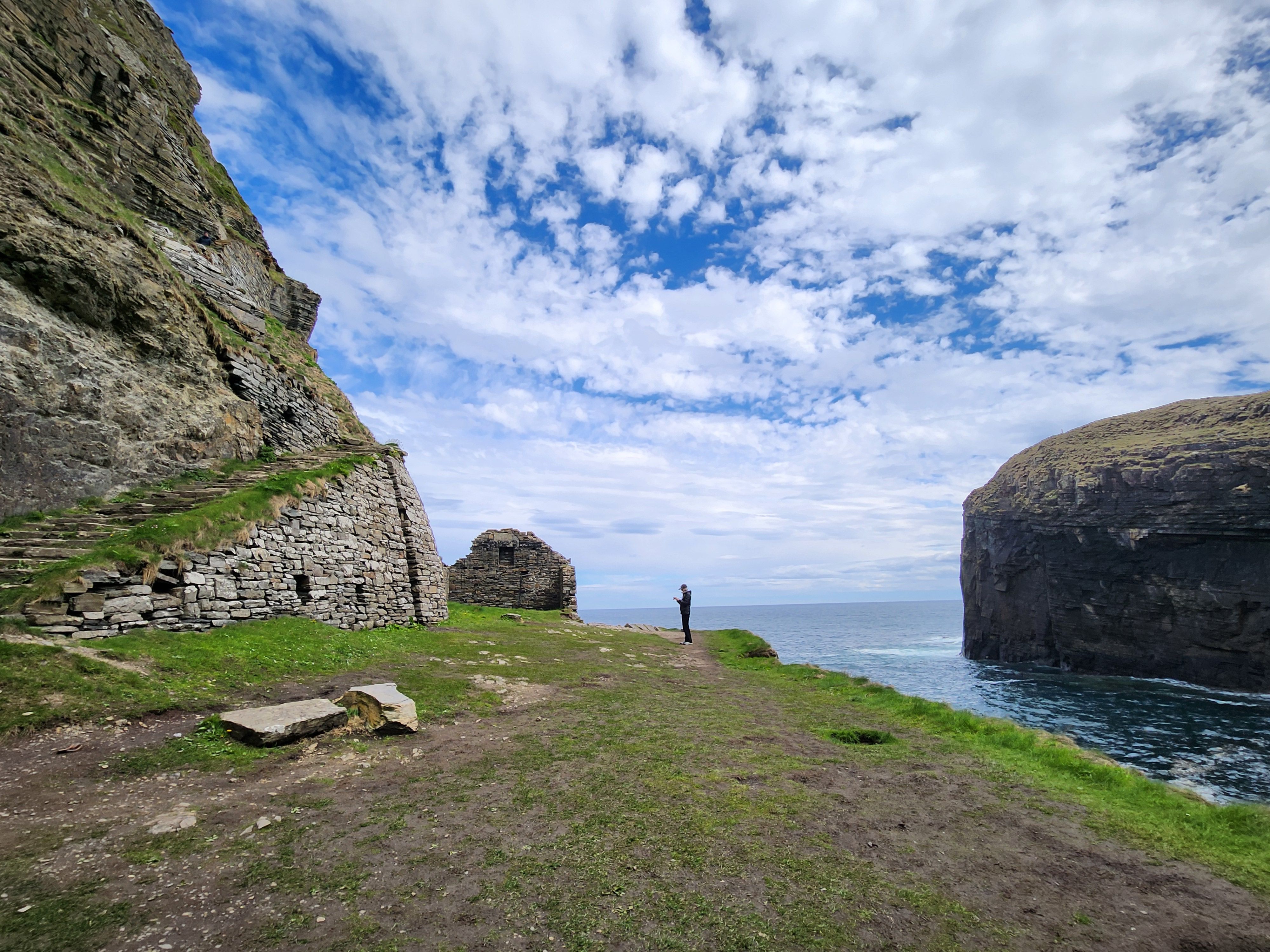
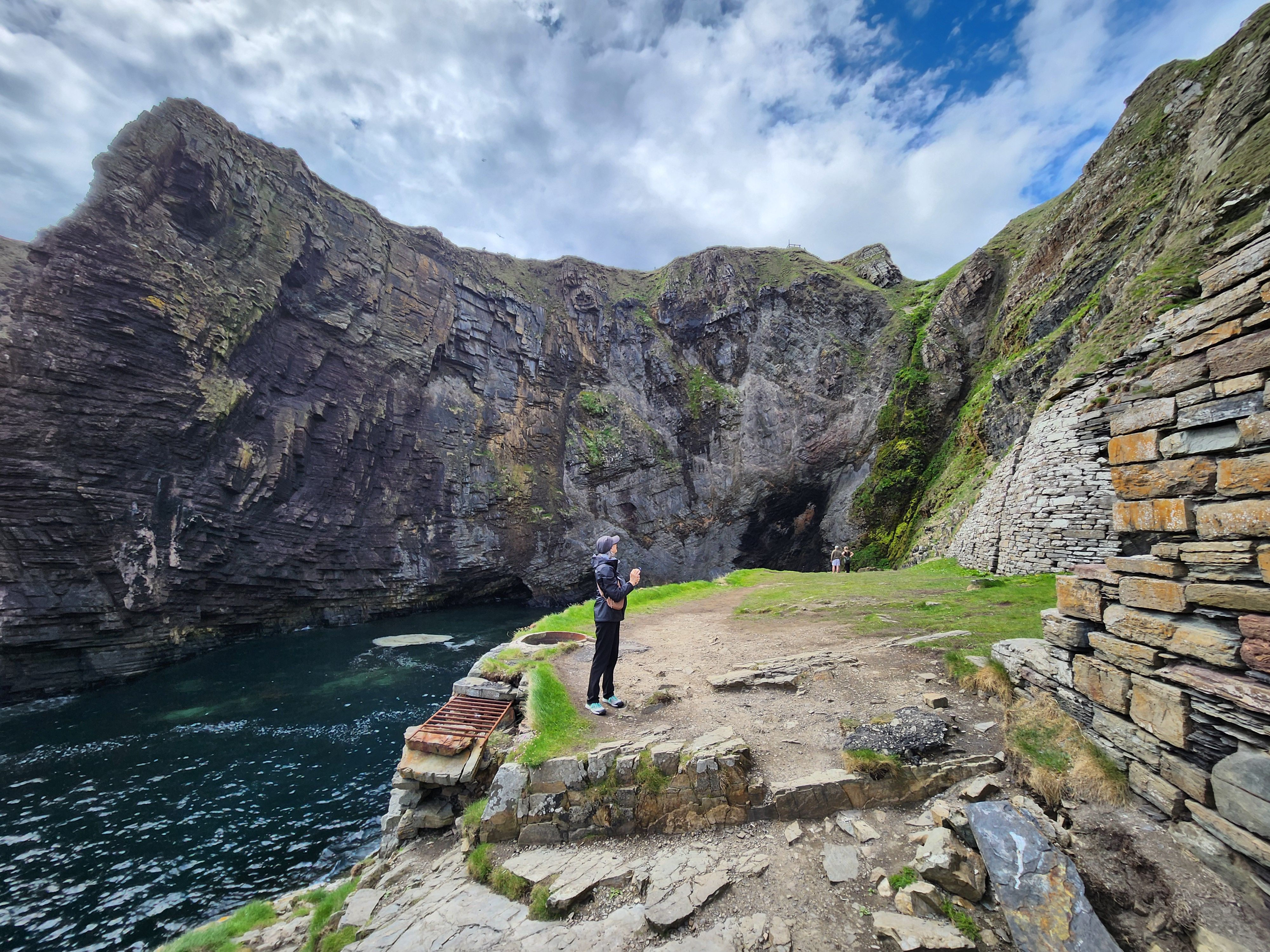
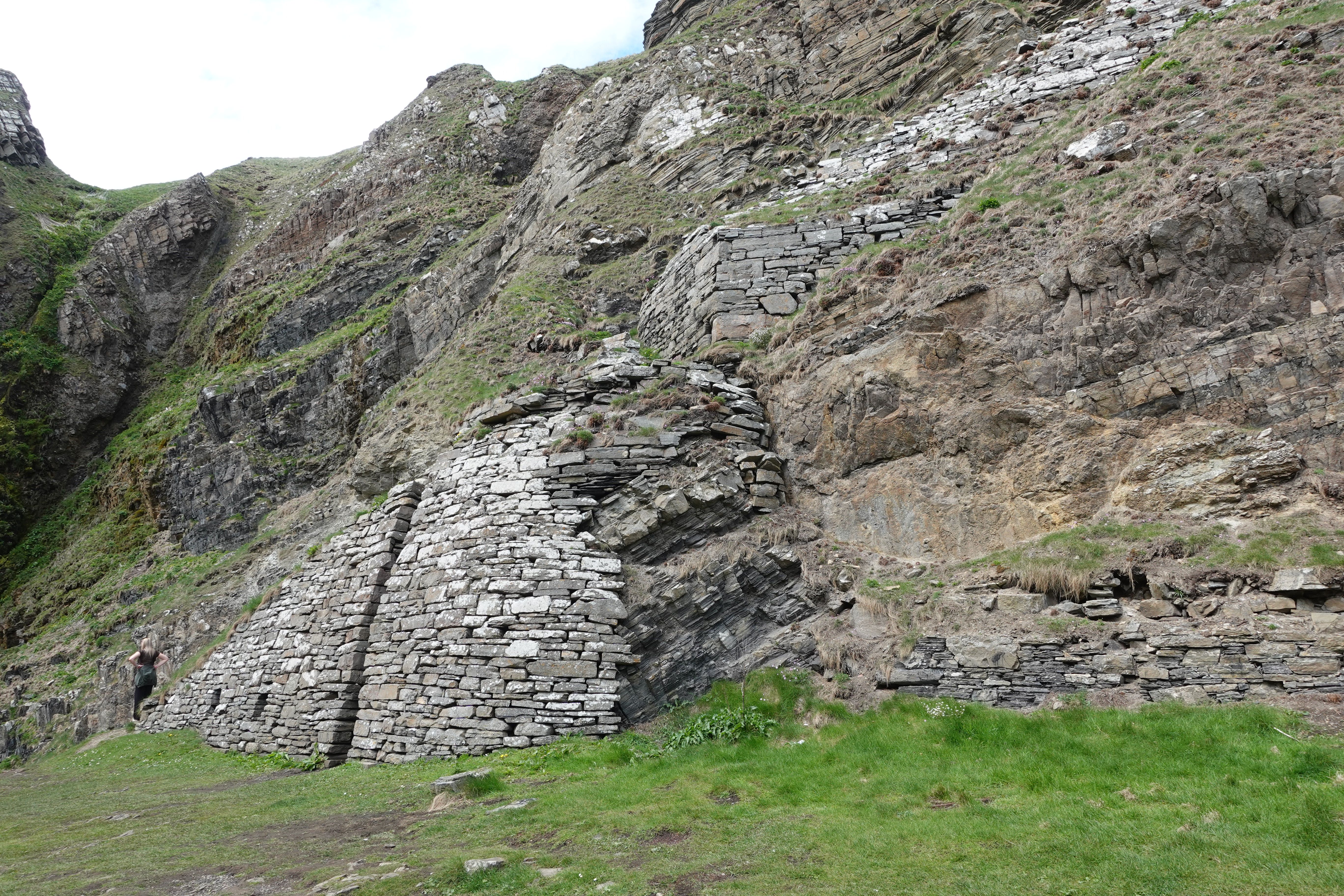
The 330 or so steps lead down to Whaligoe Haven, a small harbor along the coast used by fishermen.
It was considered a terrible place for harbor until Captain David Brodie build the 300+ sandstone stops at a cost of £8.
At some point a Brink was constructed - a flat grassy area where fishermen could drop off salt and other good or pick up barrels of fish cured on site.
It is a very nice stroll down and a bit of a slog up, but we thought it was fun
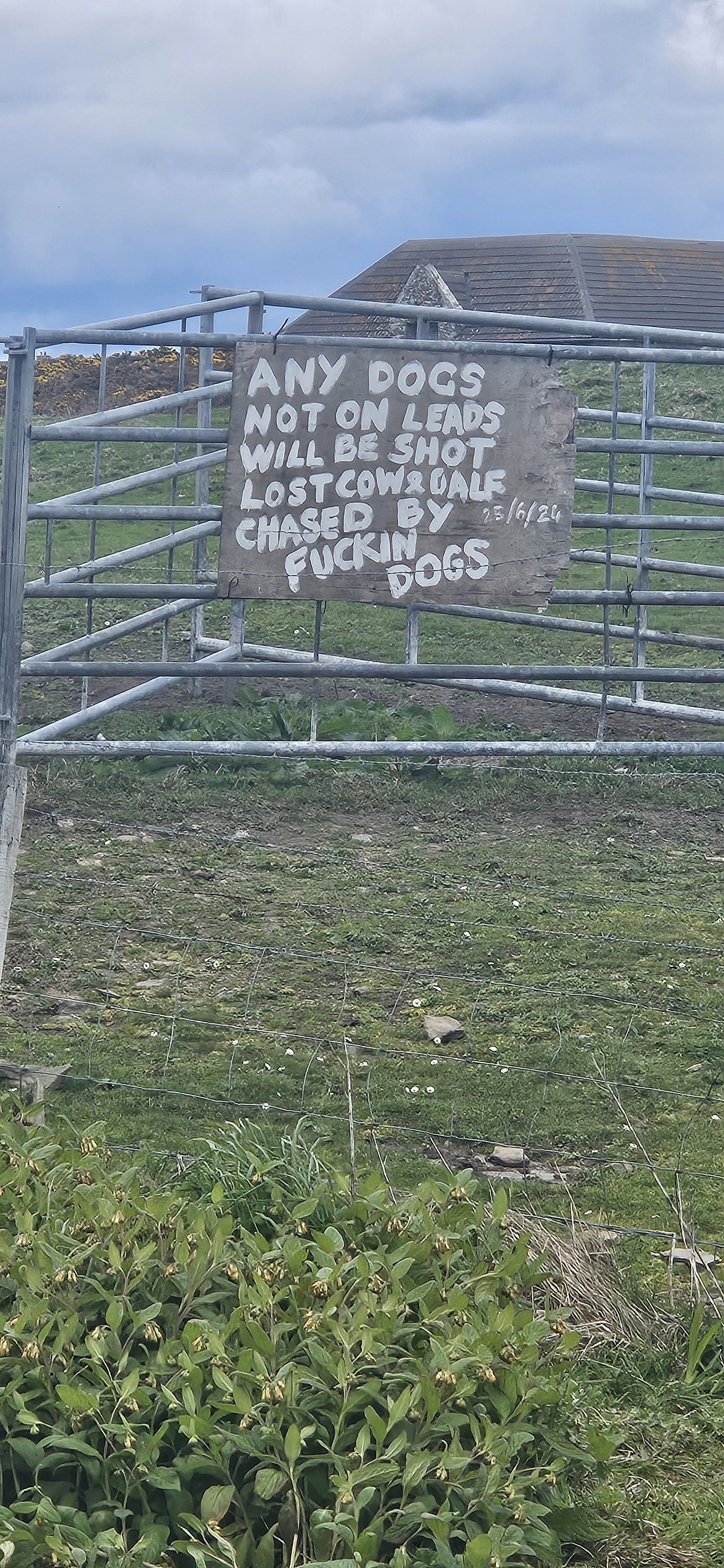
The walk to the stairs goes past this farmer's field, and he obviously wants you to keep your dog leashed. I would say he was a little miffed??
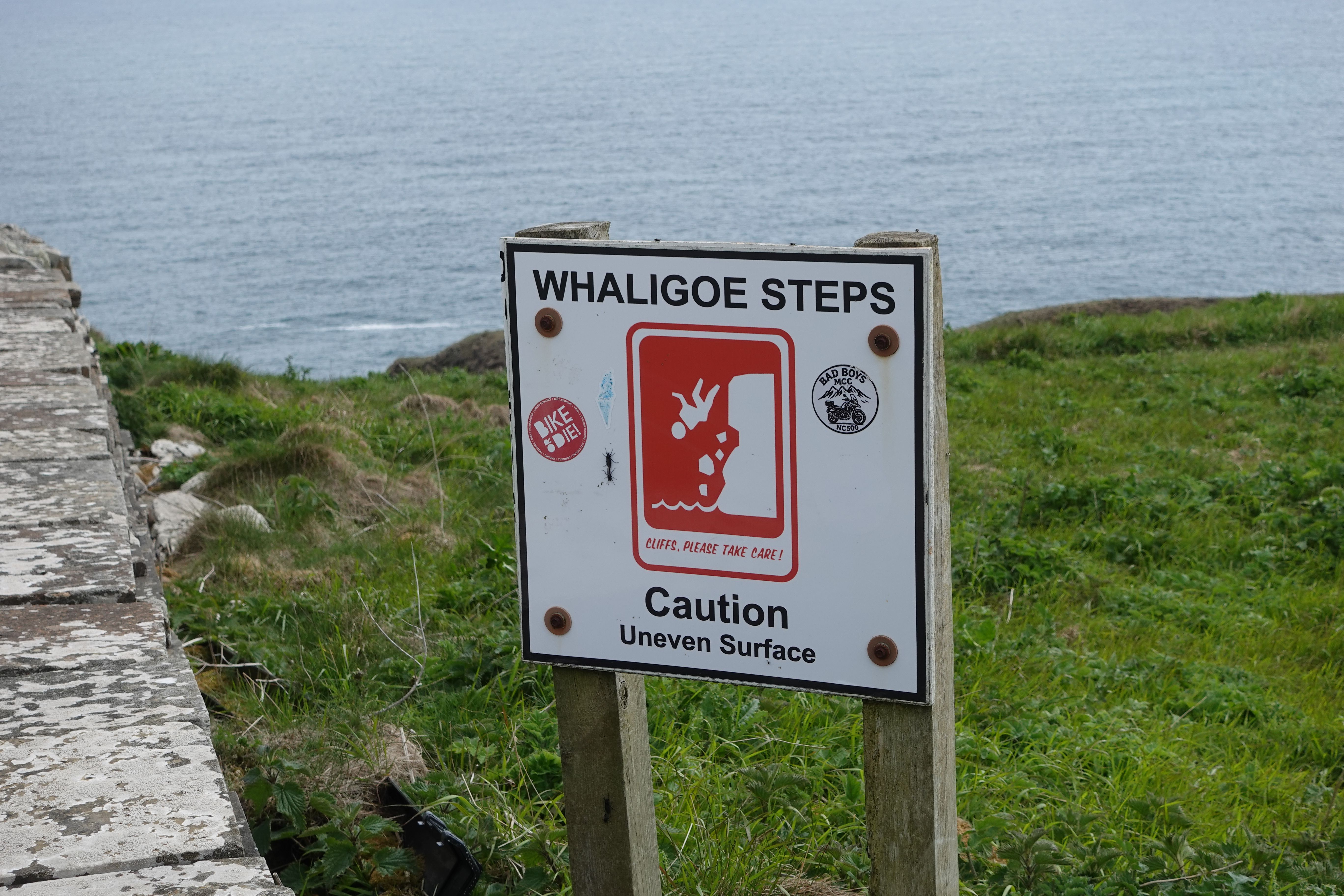
I like their signs.
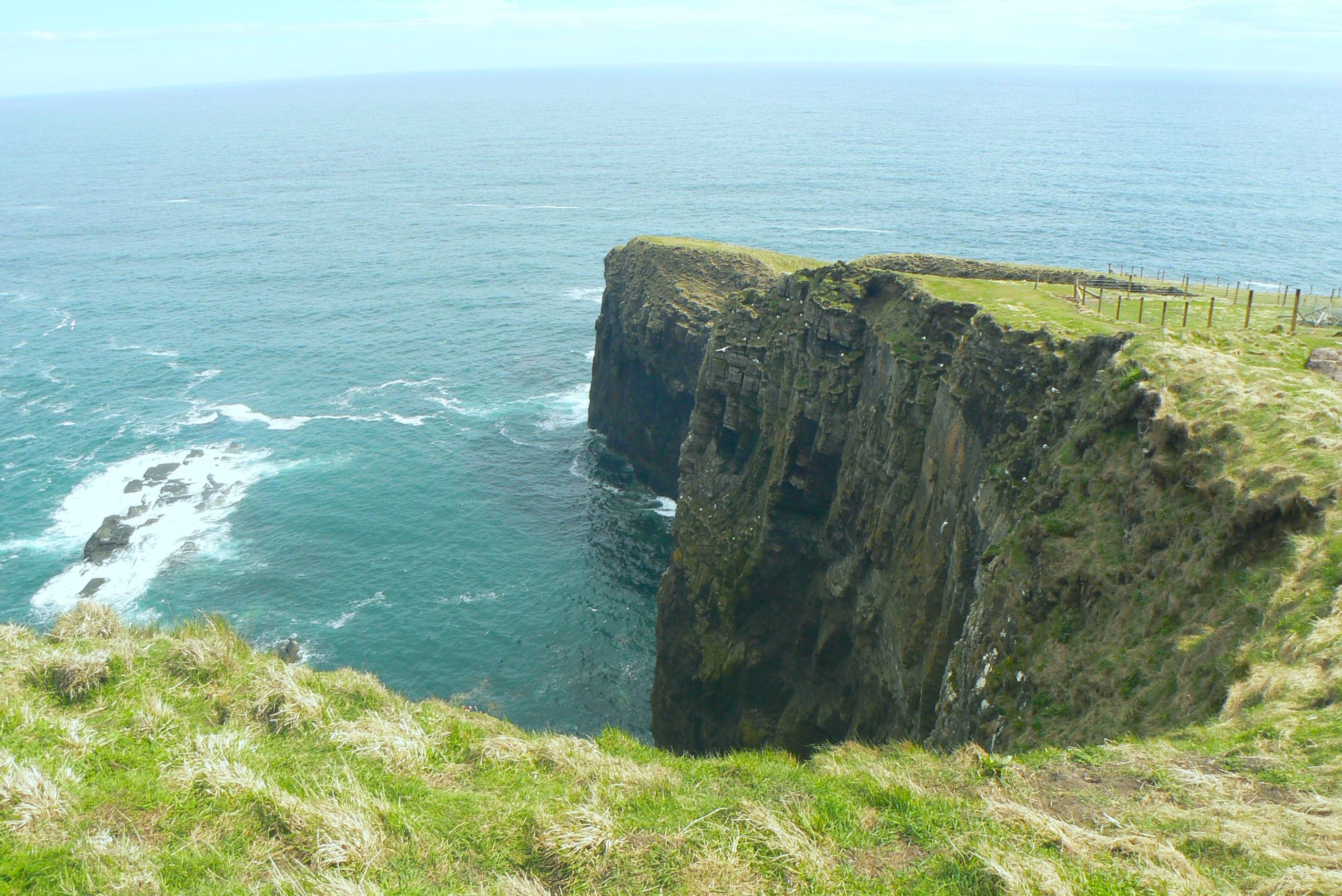
The view from the top of the cliffs
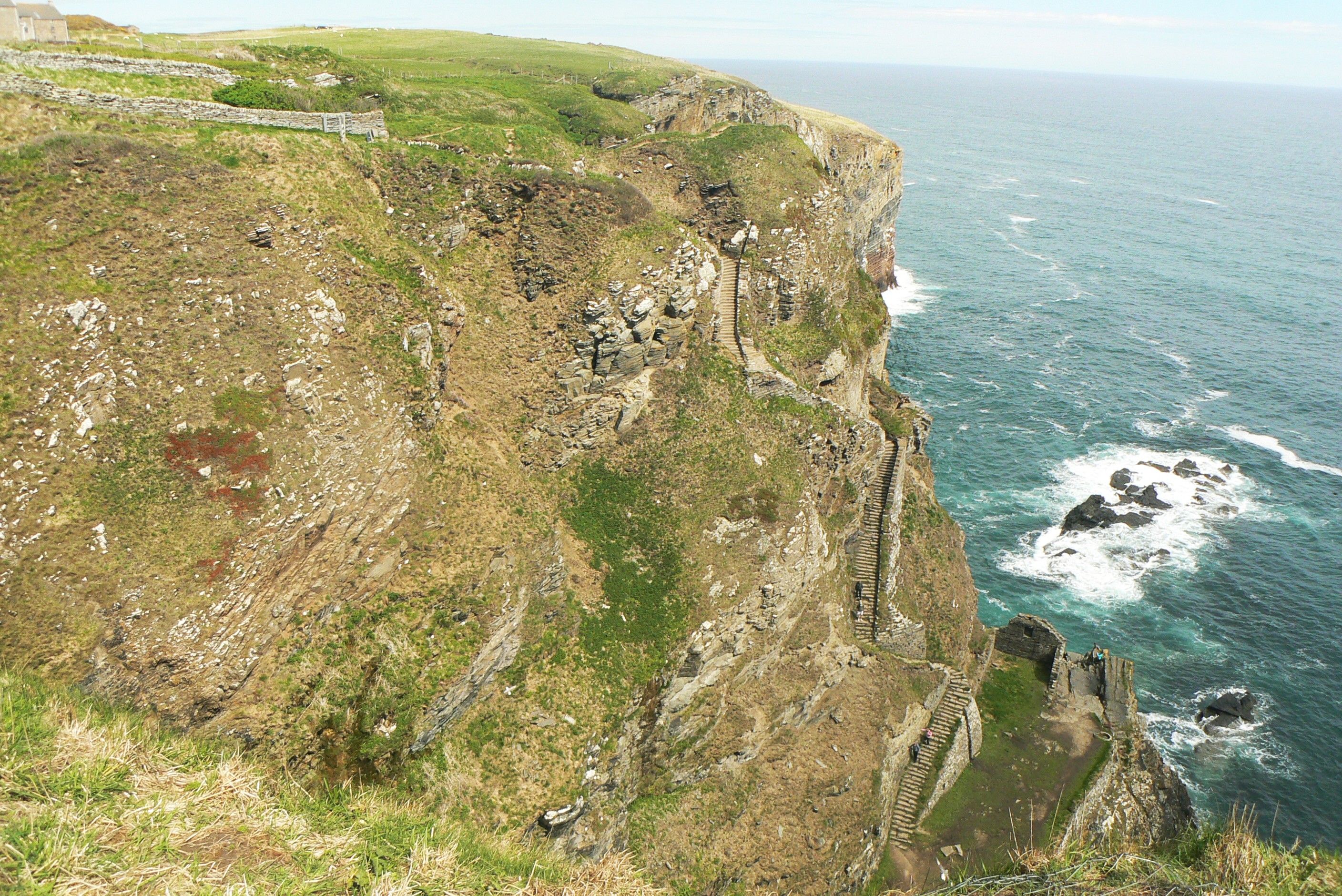
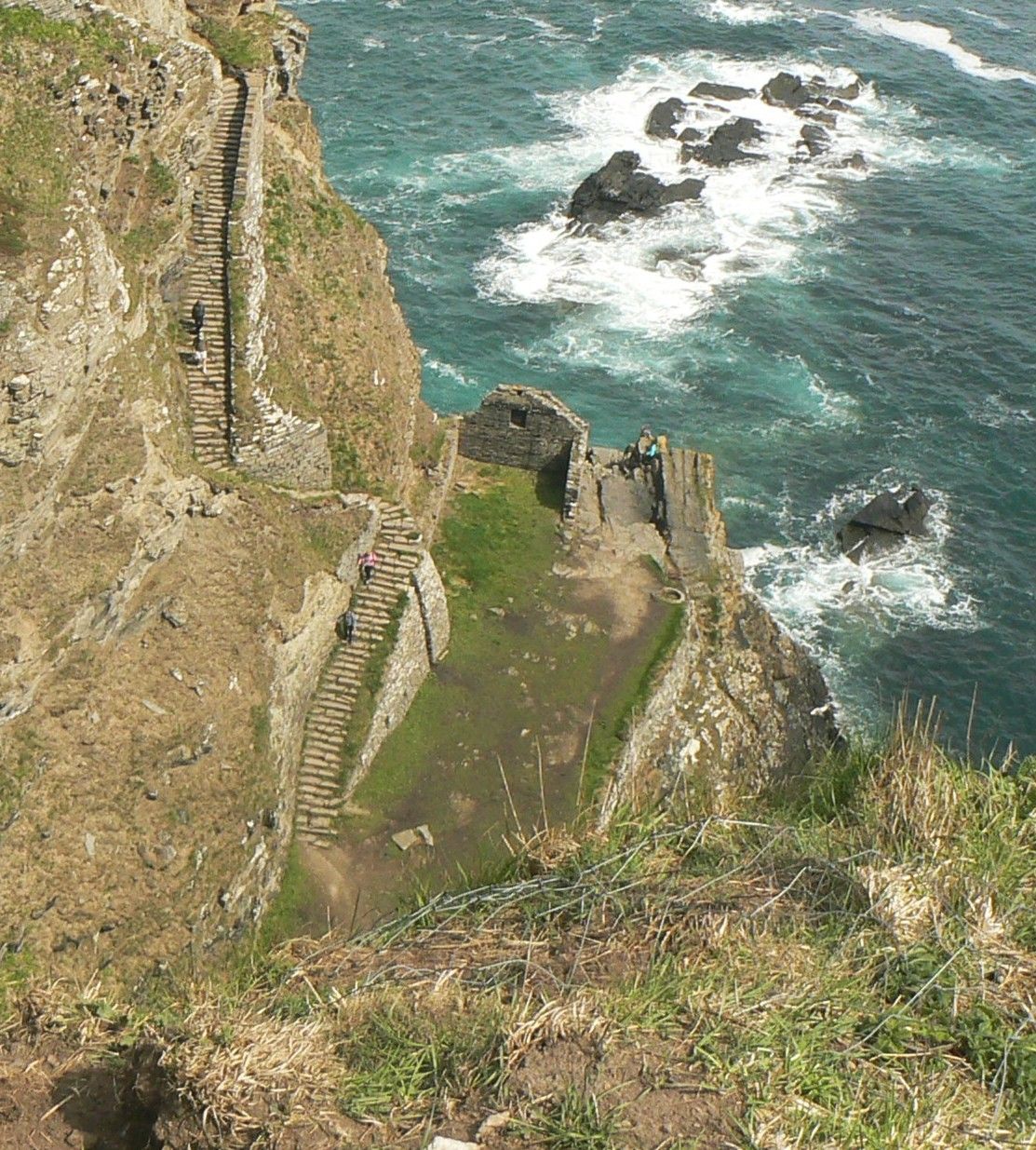
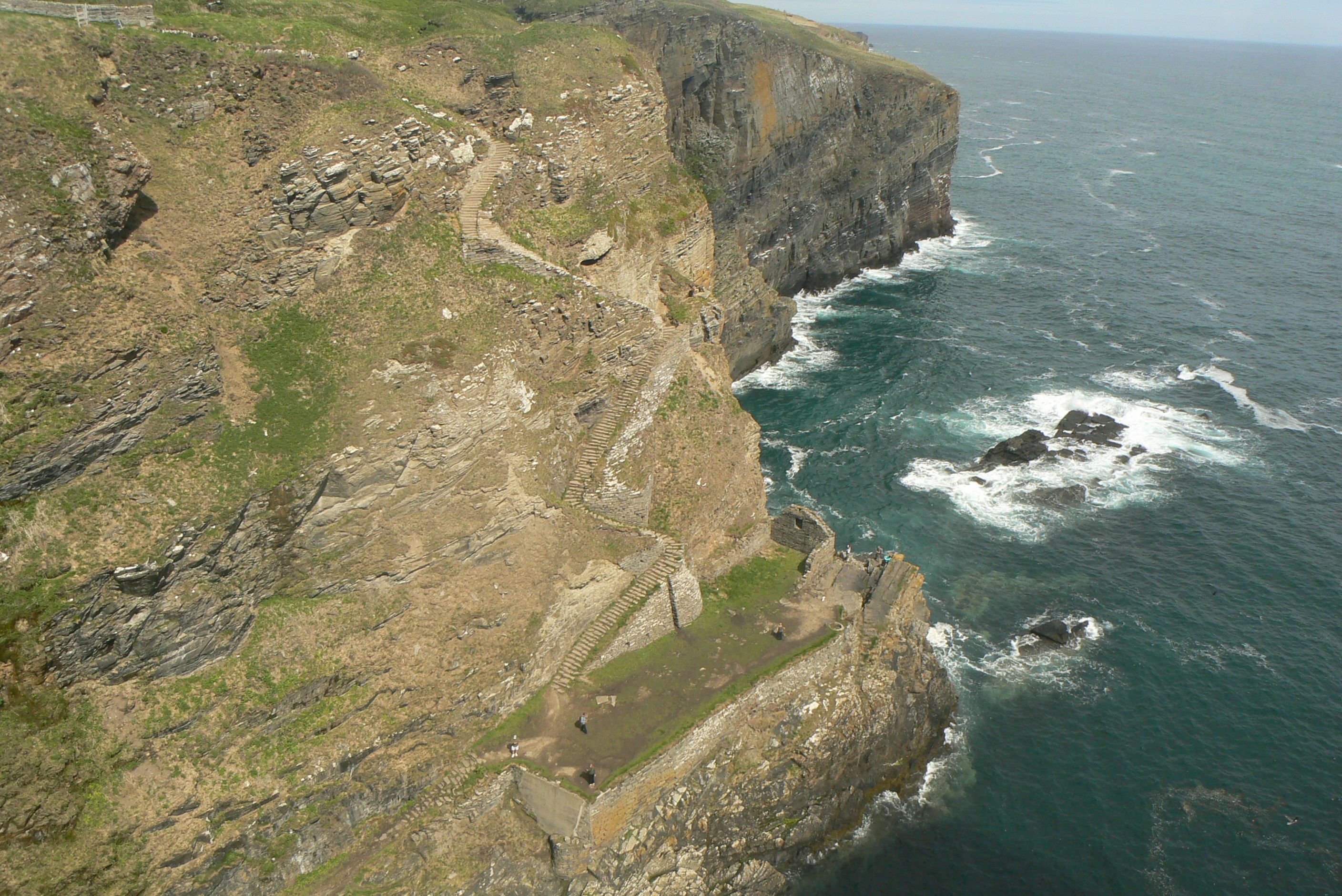
That's a shot of part of the trail, and the Brink.
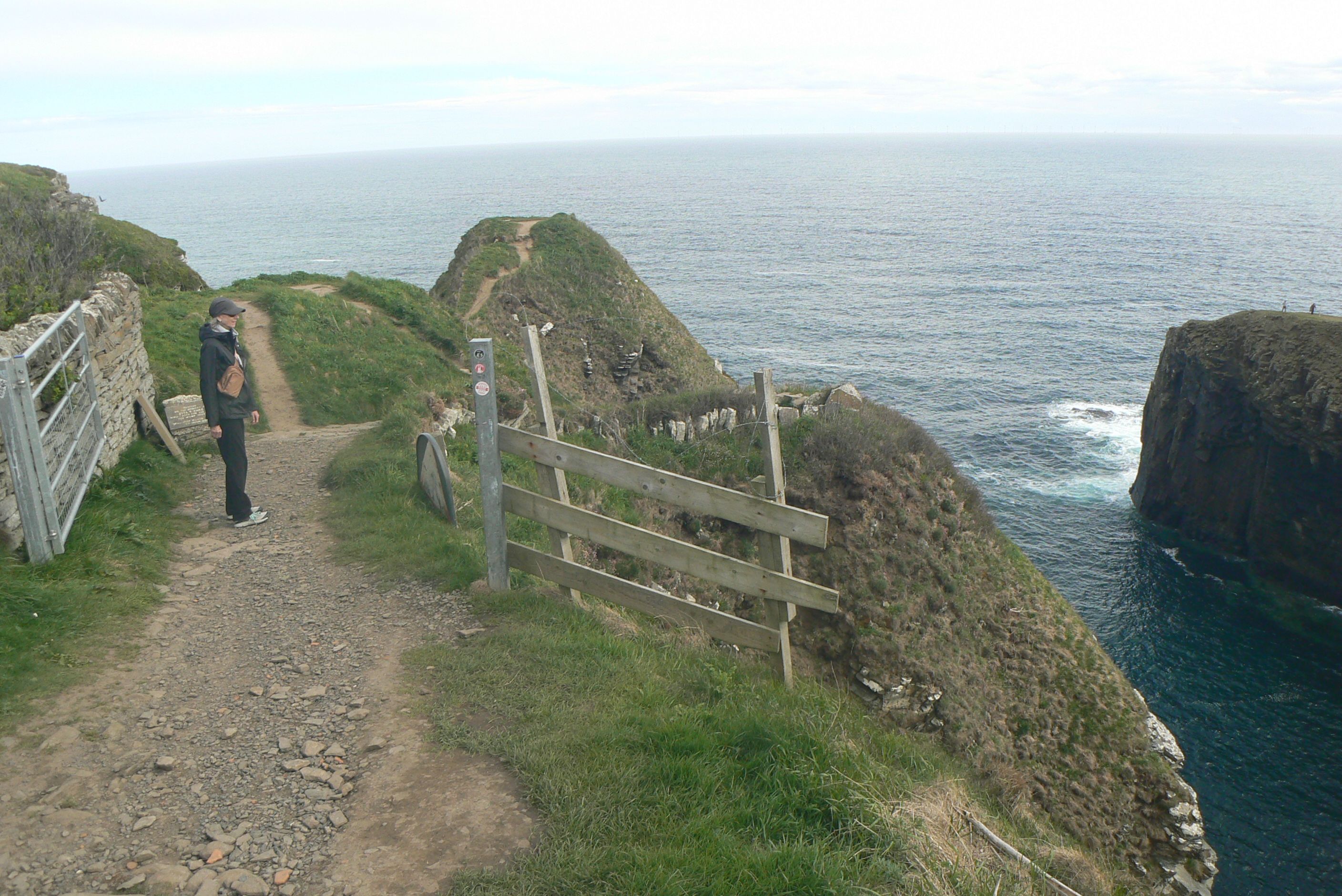
Heading down
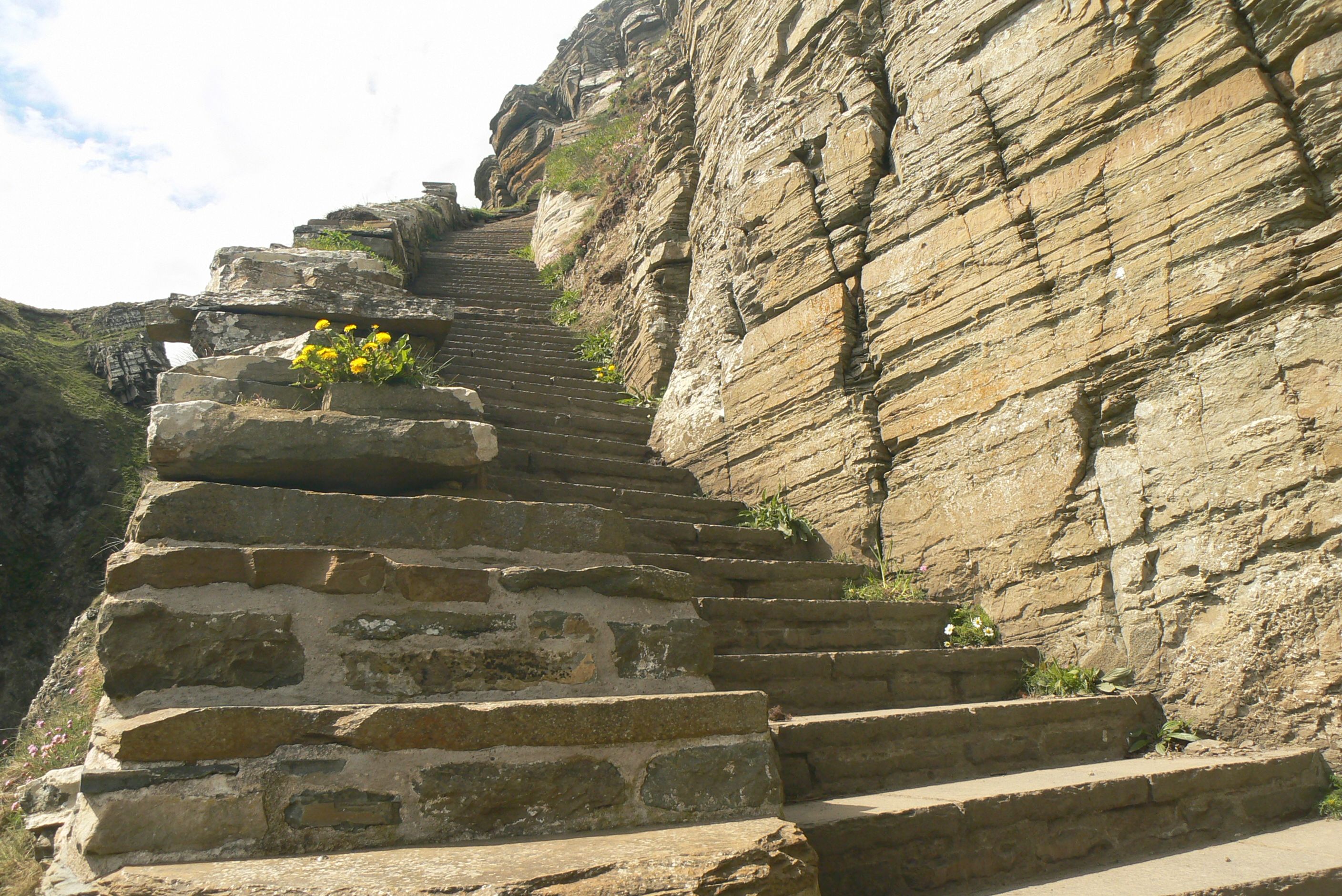
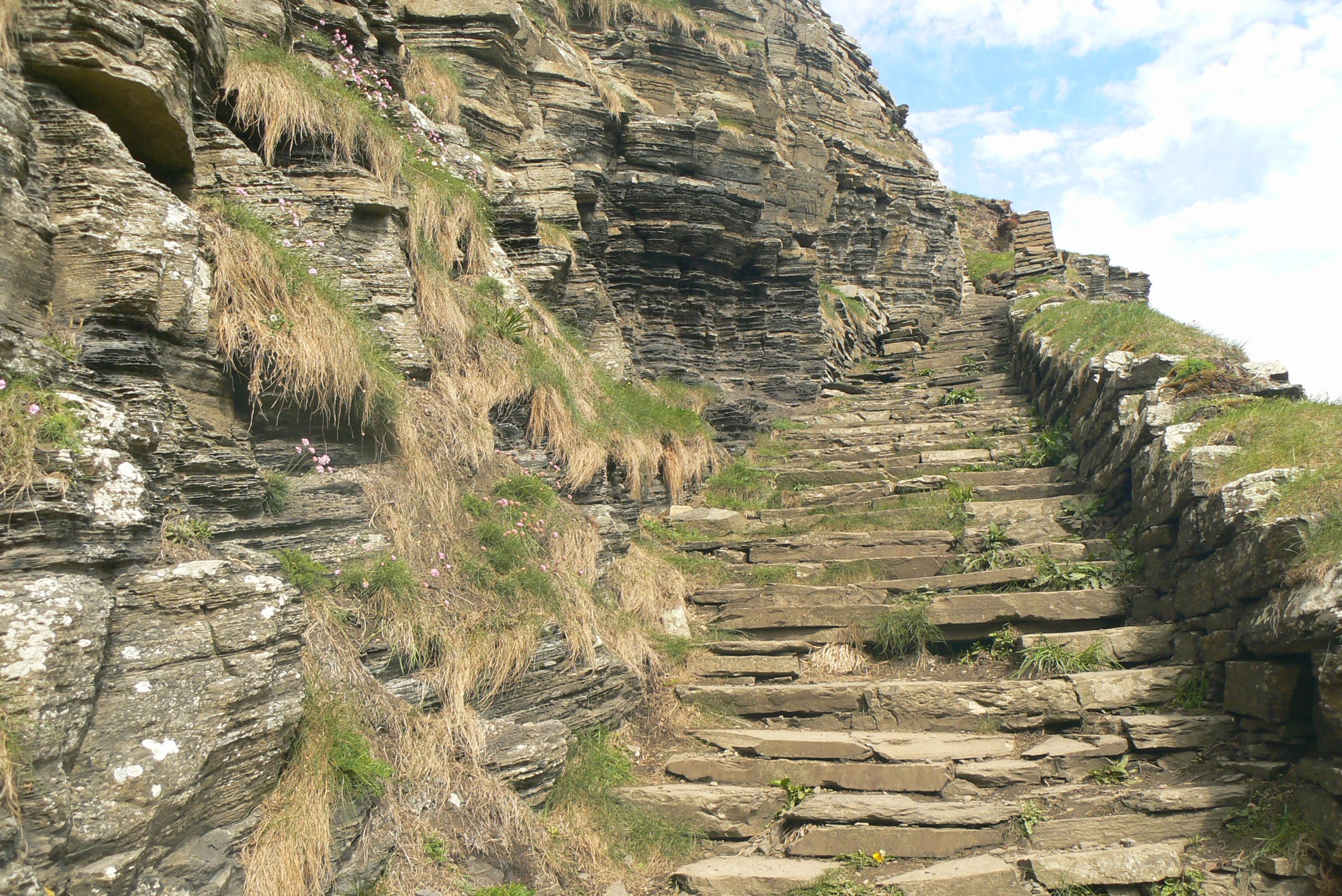
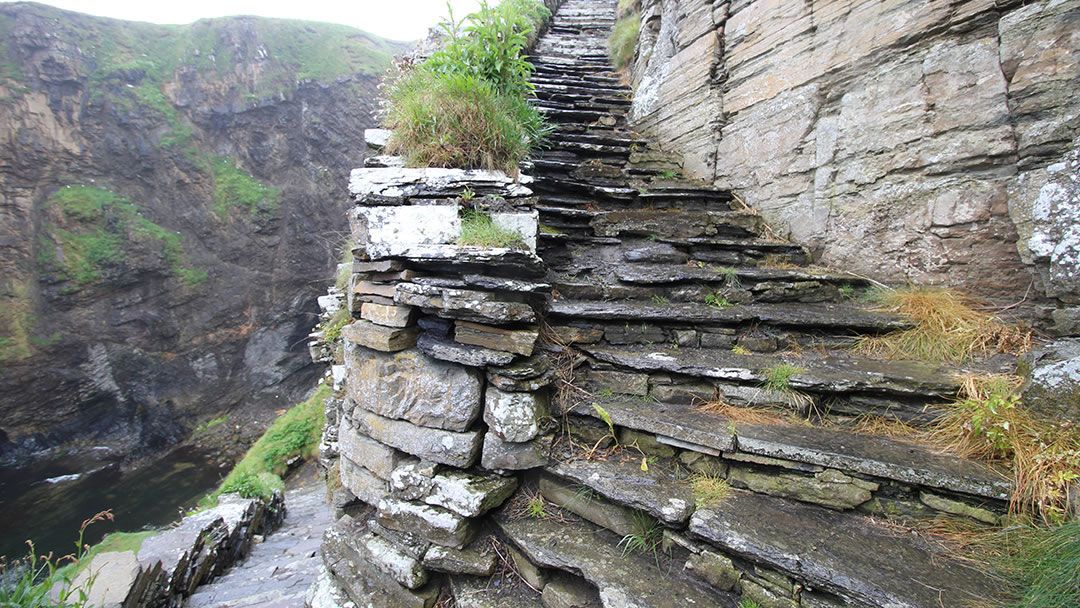
They do look impressive
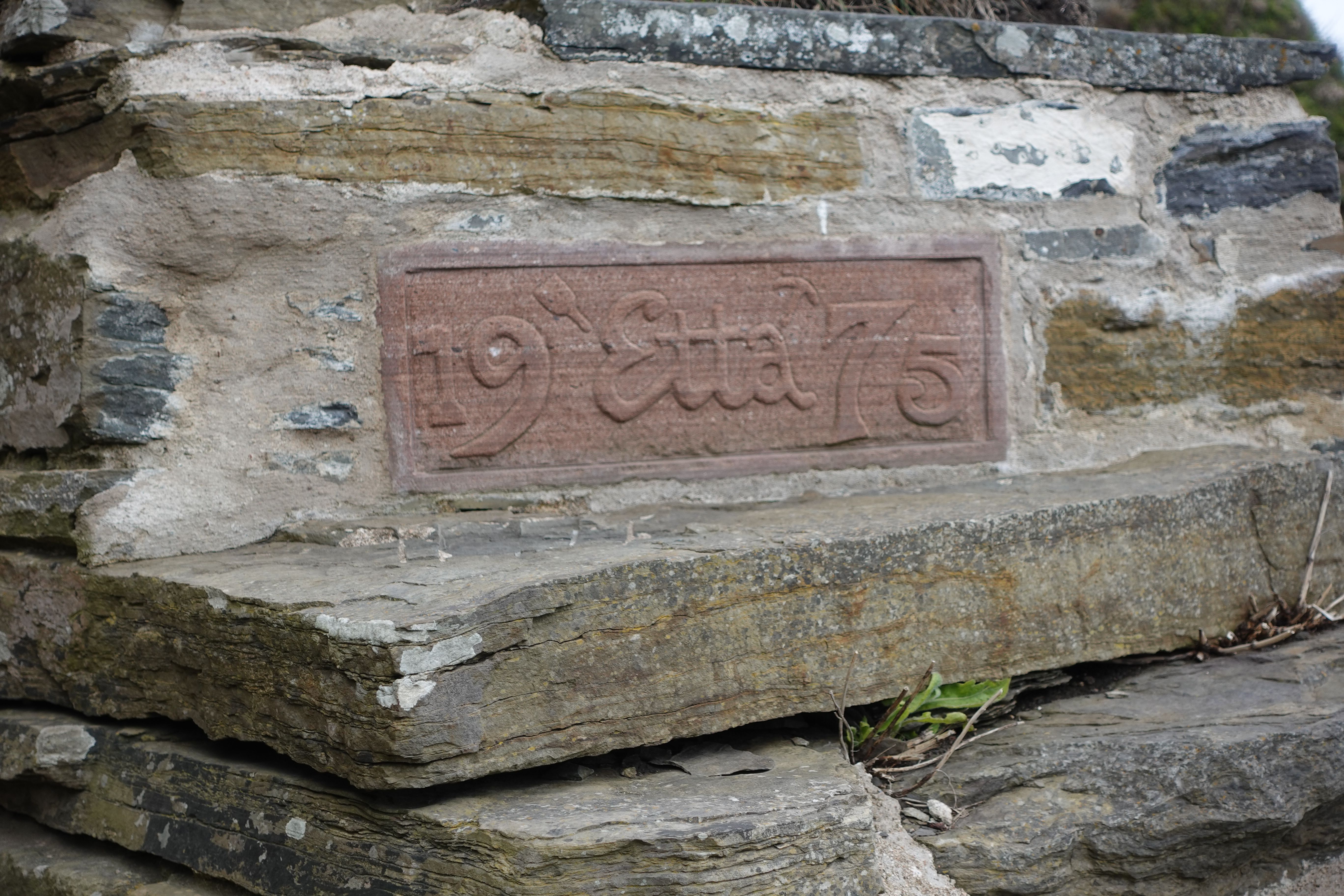
Etta Juhle cleared 30 tons of debris that blocked the stairs after a storm in 1975. Took her alll winter, using only a firside shovel and pail, but she did it.
Down at the haven T
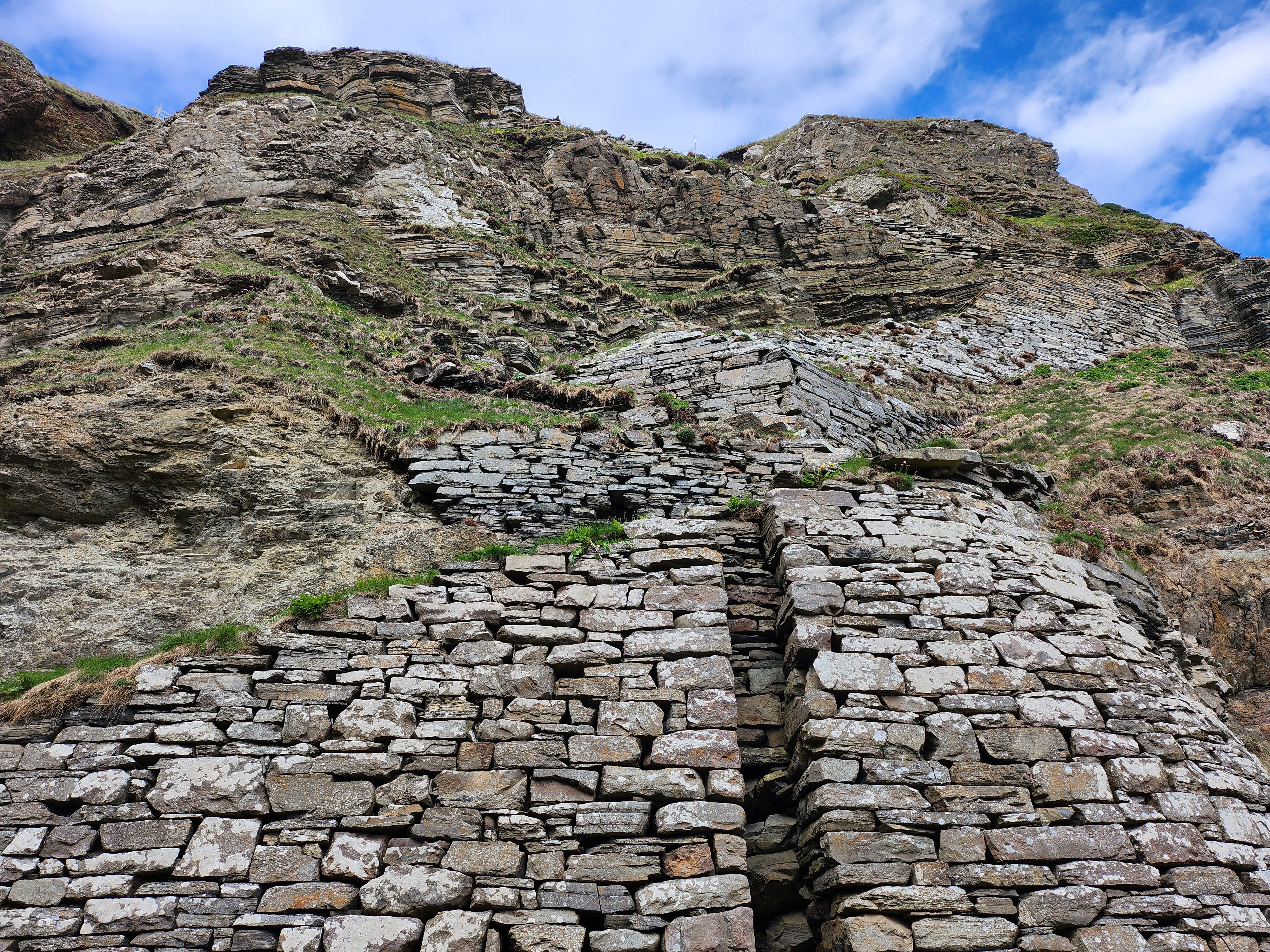
There would have been a mast in that slot used to suspend nets for drying. The little niche held oil lamps.
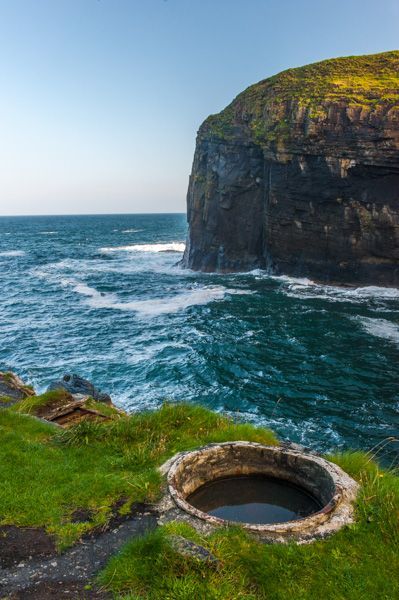
A barking kettle used by herring fishermen and processors, it was used to boil bark and tar to create a waterproof coating for fishing nets, rope to preserve them in the North Sea
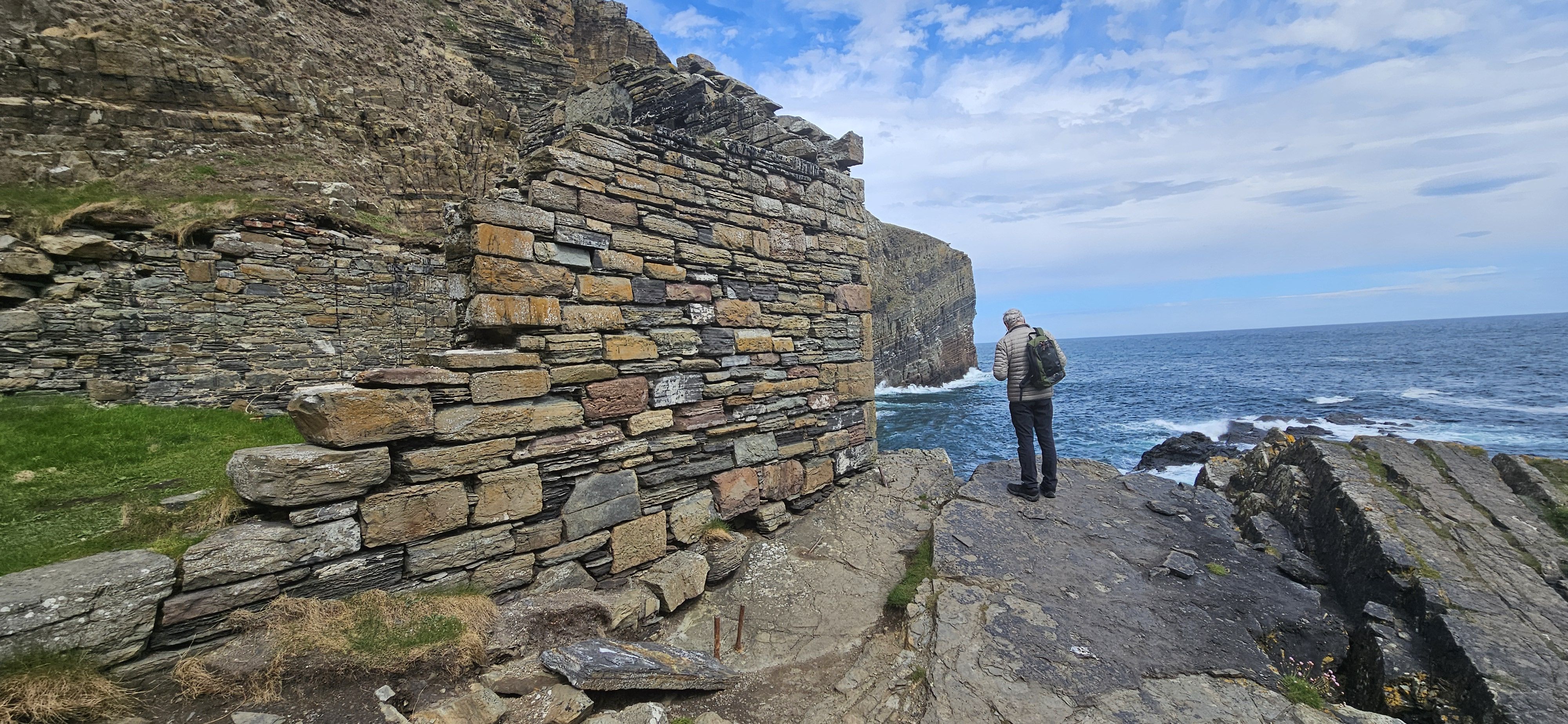
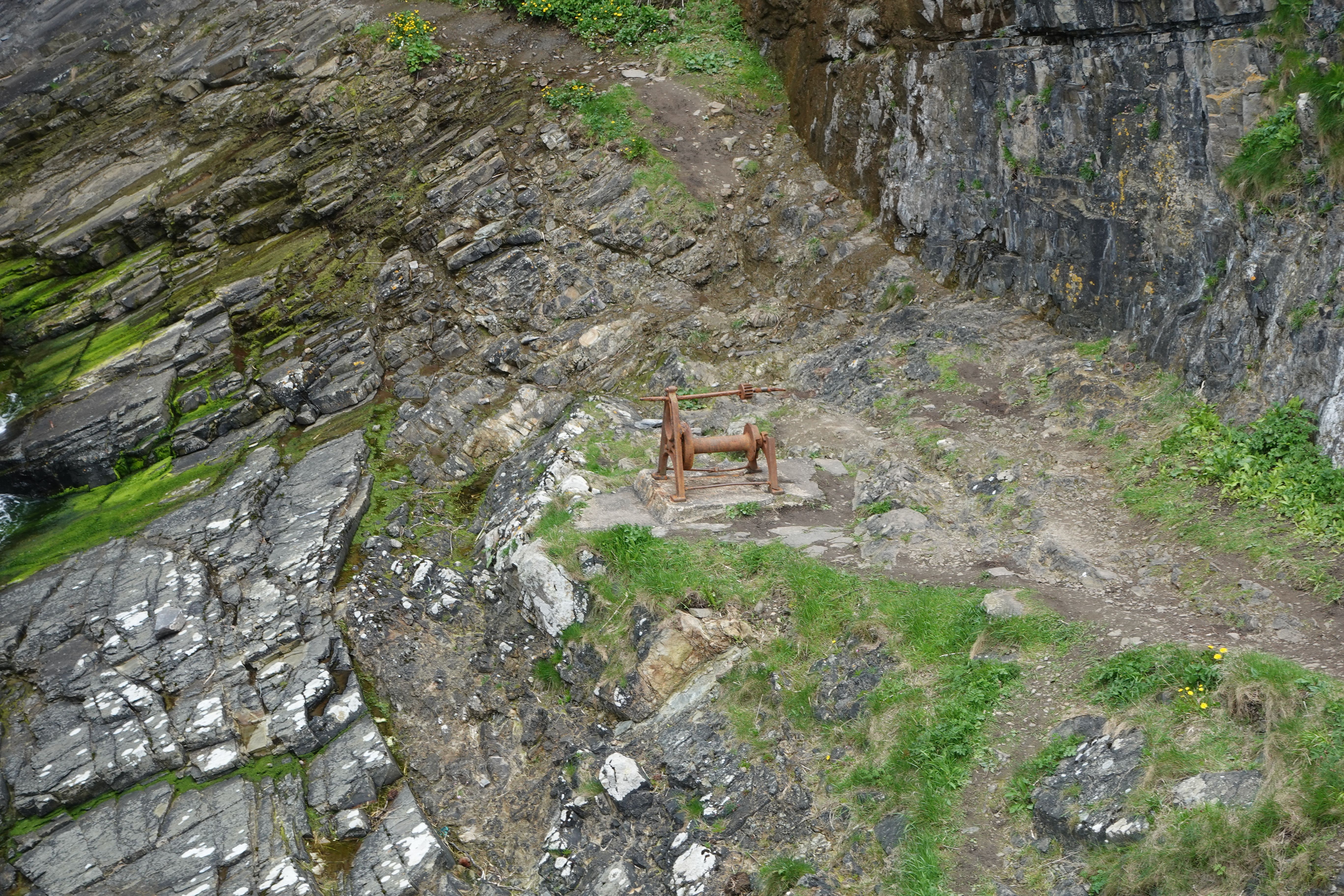
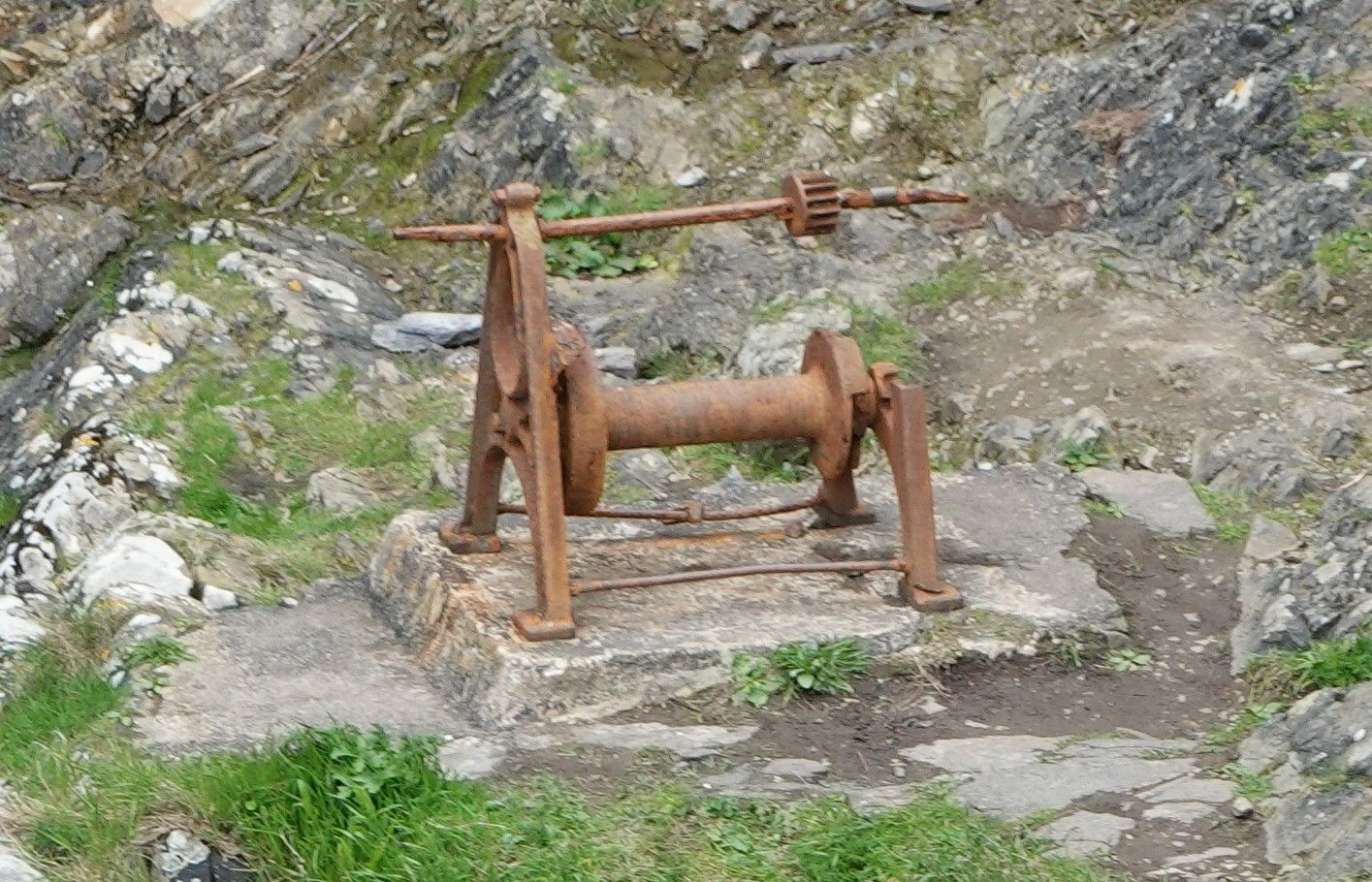
Old hand operated boat winch used to pull small boats out of the harsh waves and up onto shore
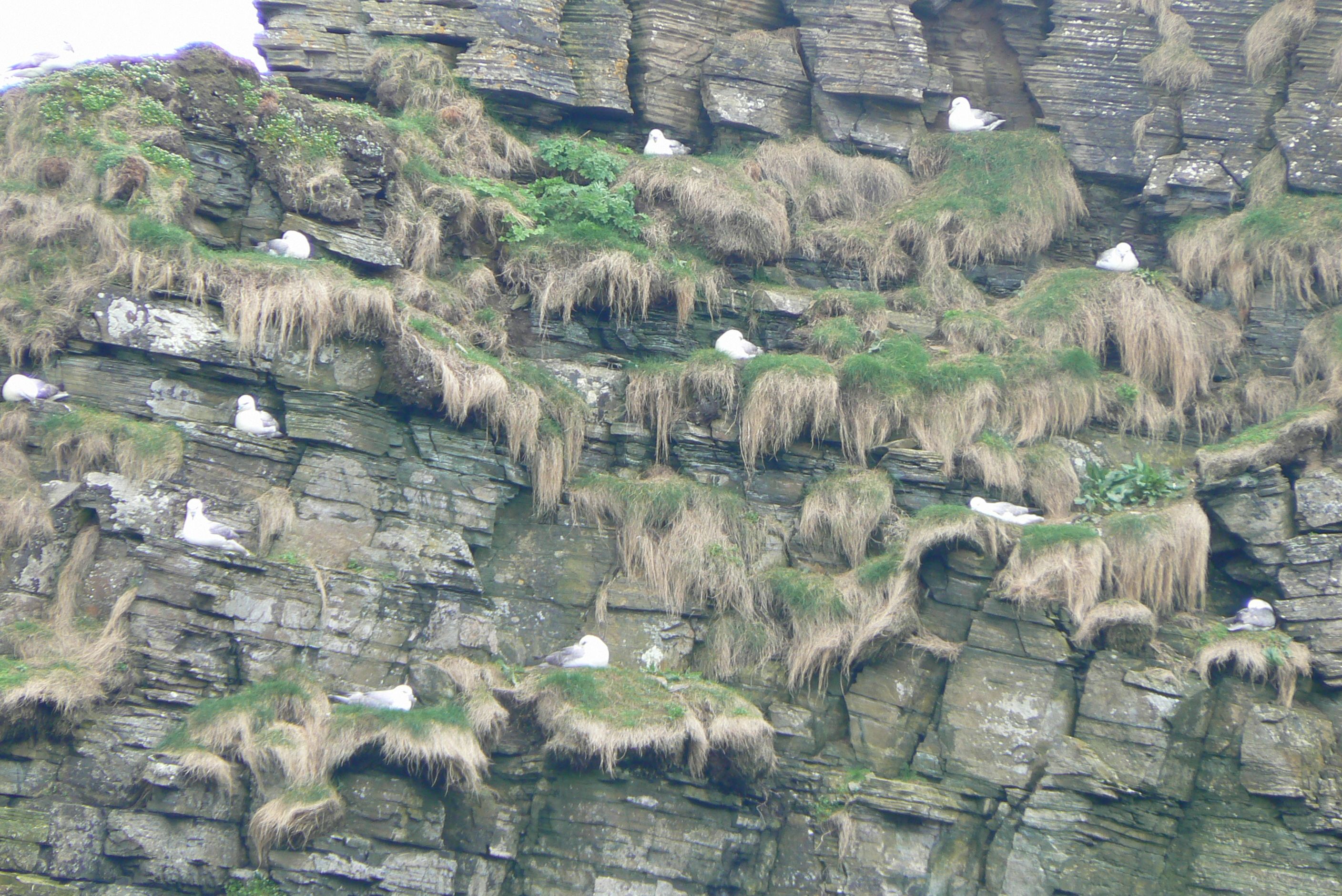
Gulls. Yes you will see lots of gulls
There really isn't a whole lot in John O'Groats, but it is considered the most northern point of mainland UK.
We are heading for Orkney Isles, so a little drive through was in order - and believe me it does not take long.
If you have ever seen the "Long Way..." series with Ewan McGregor and Charley Boorman you will recognize John O' Groats as their starting point as the drove "The Long Way Down" to the southern most tip of Africa.
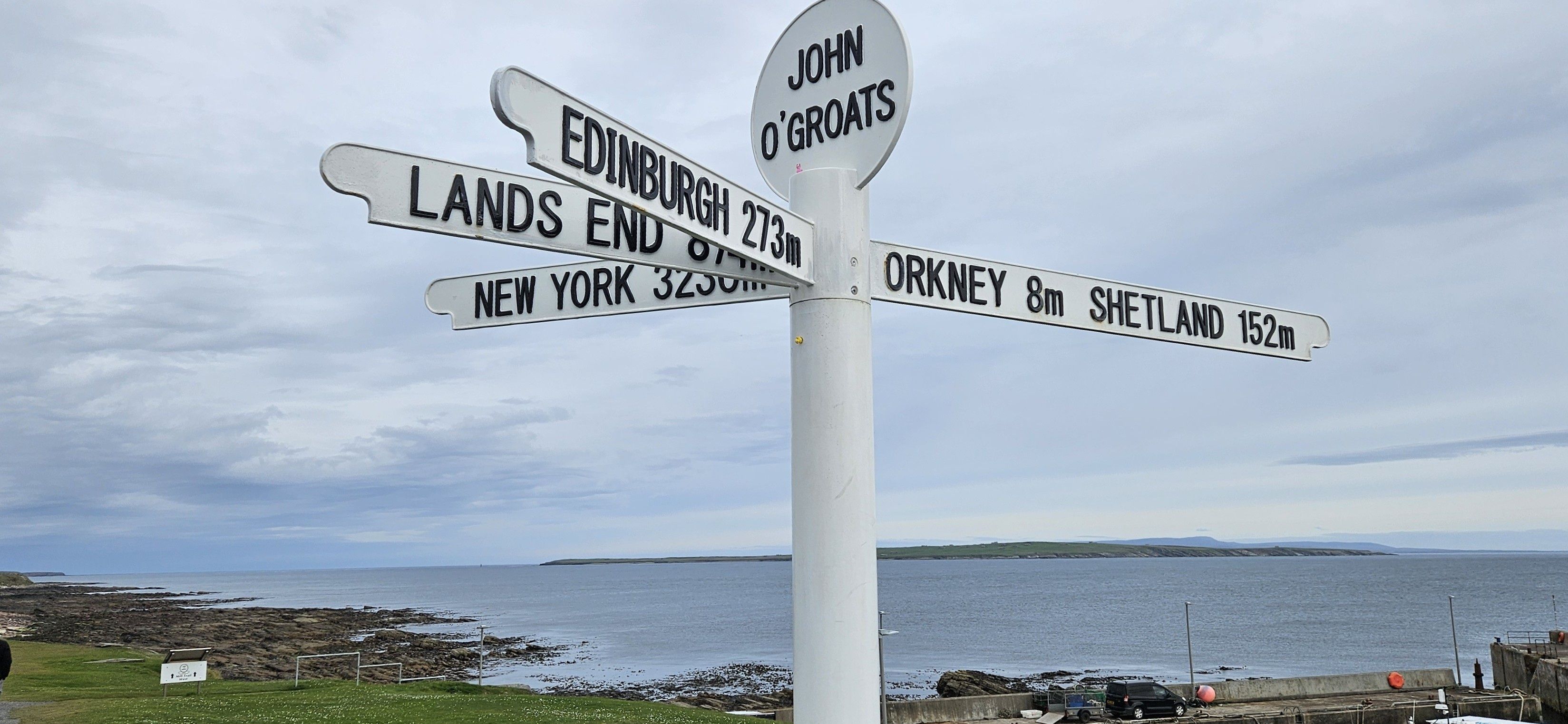
Just in case you need to know the distances
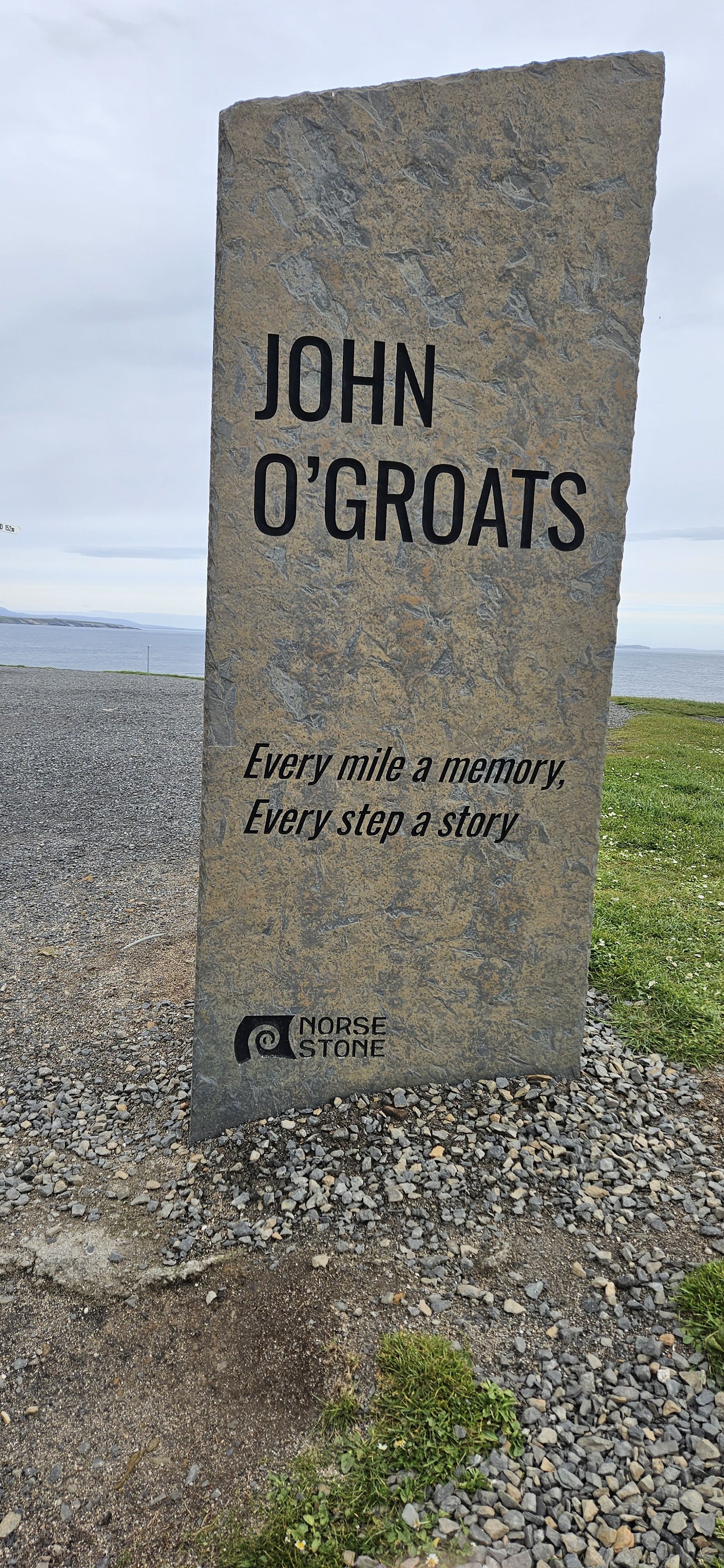
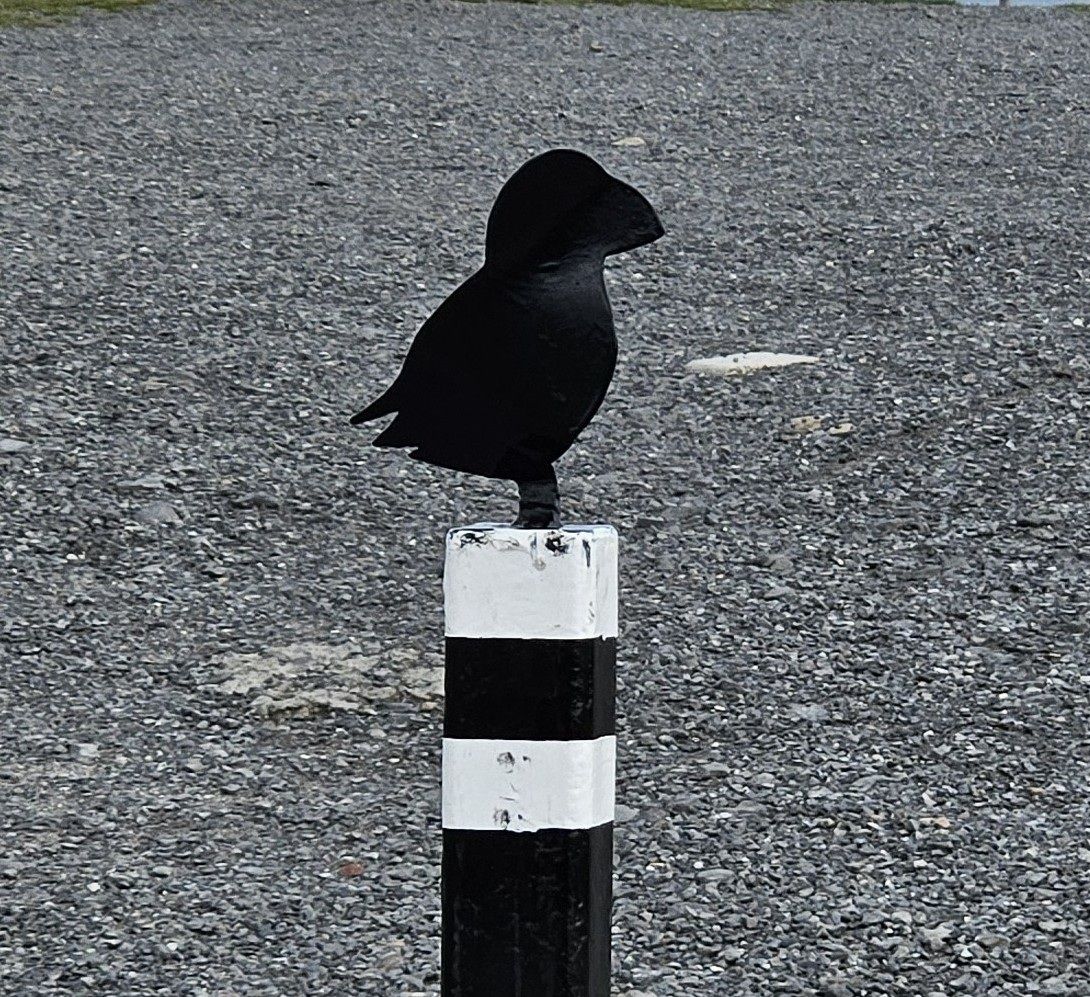
I loved this. The front
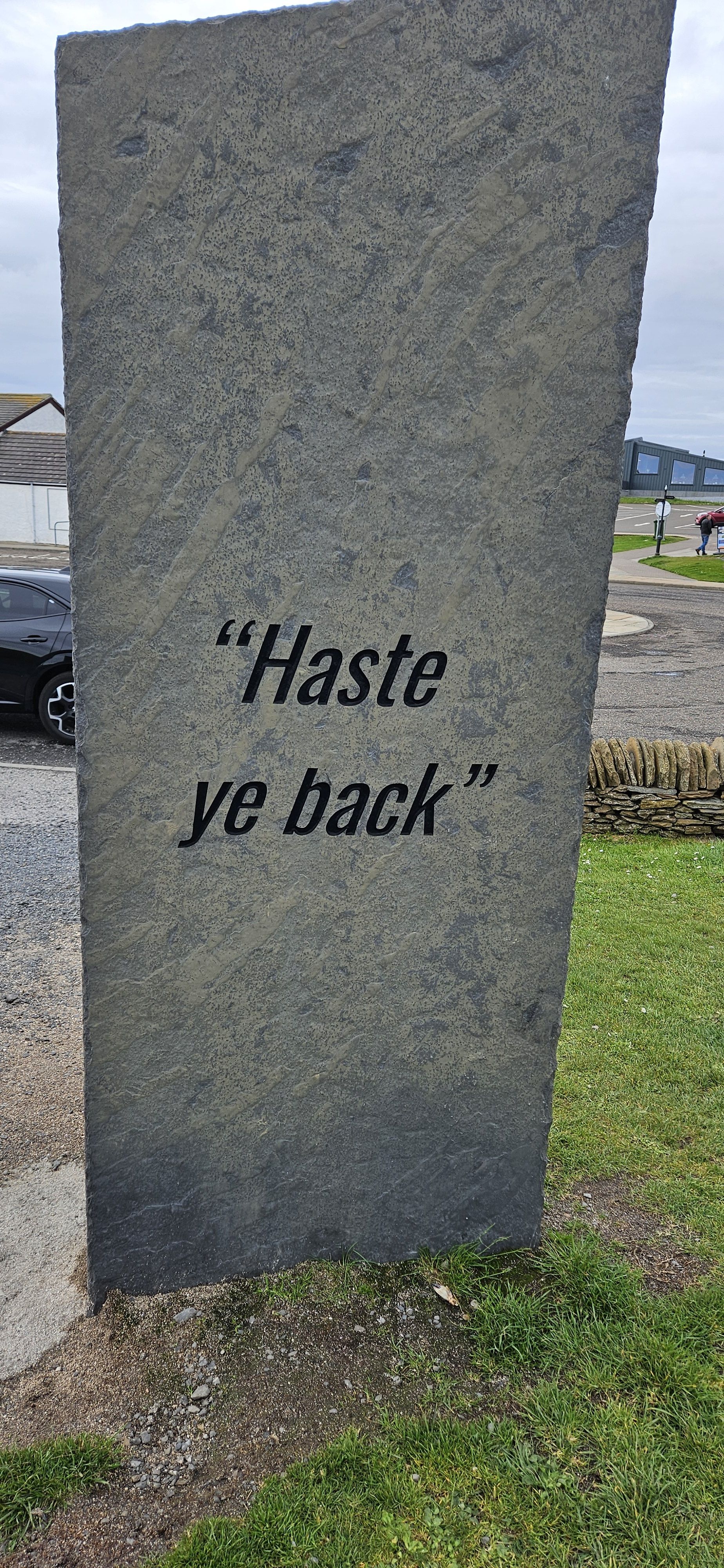
And the back

Lining up for the ferry
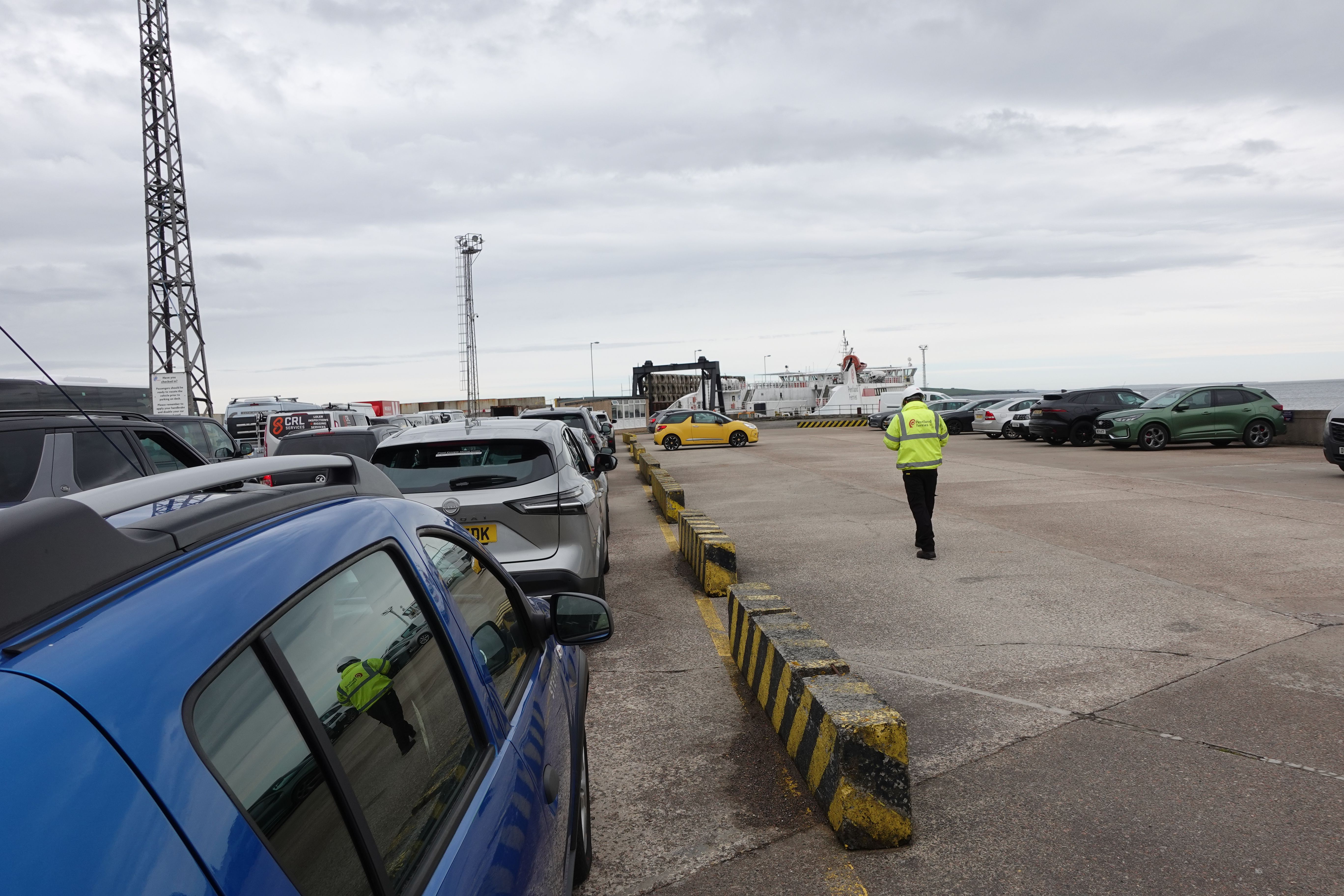
These guys move you with precision
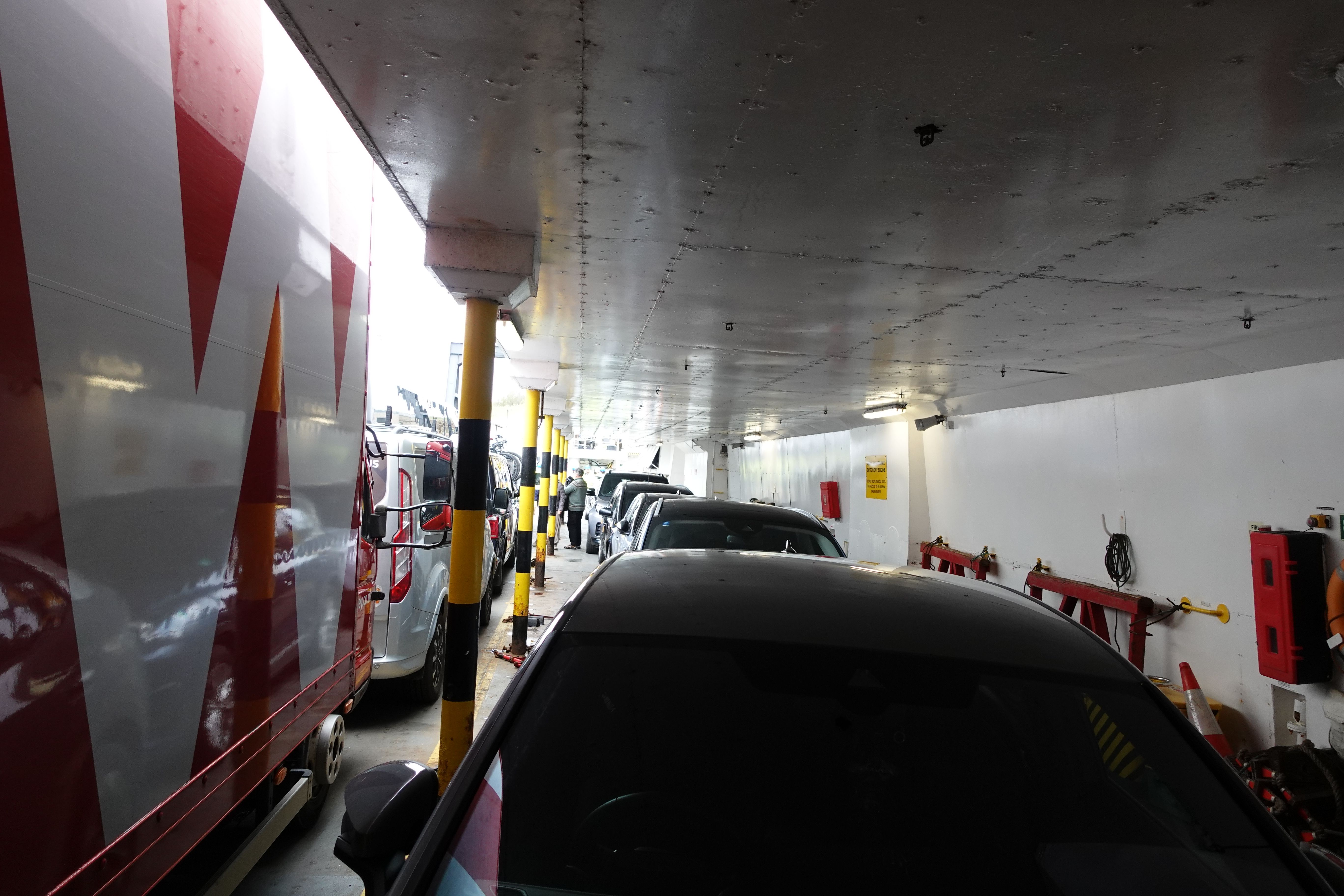
And they pack you in. Literally inches between you and the next vehicle.
We made it to Orkney - fast and smooth ferry ride.
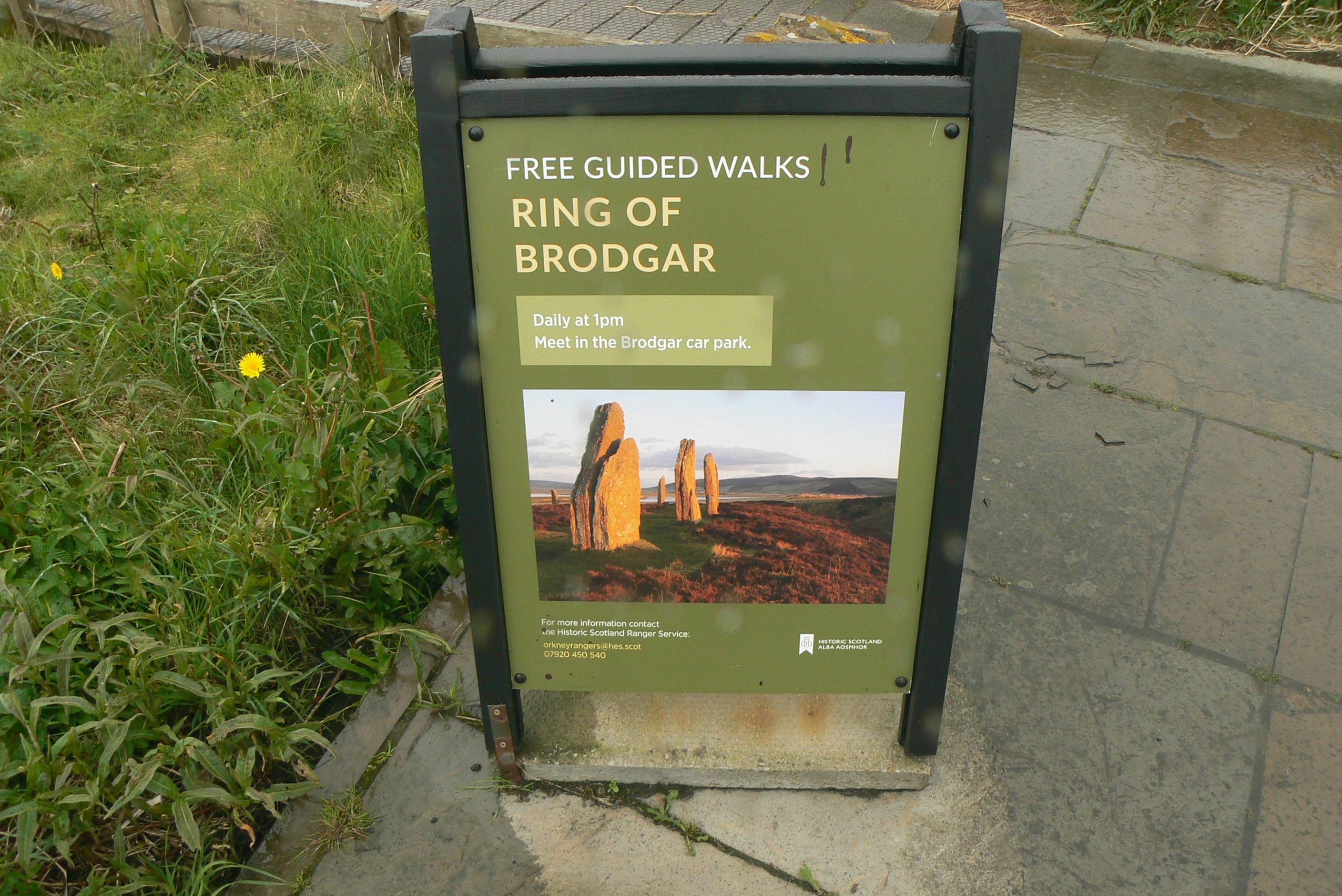
Weather is getting pretty bad, but we couldn't let a little "Scottish mist" stop us from seeing some of the ancient sites.
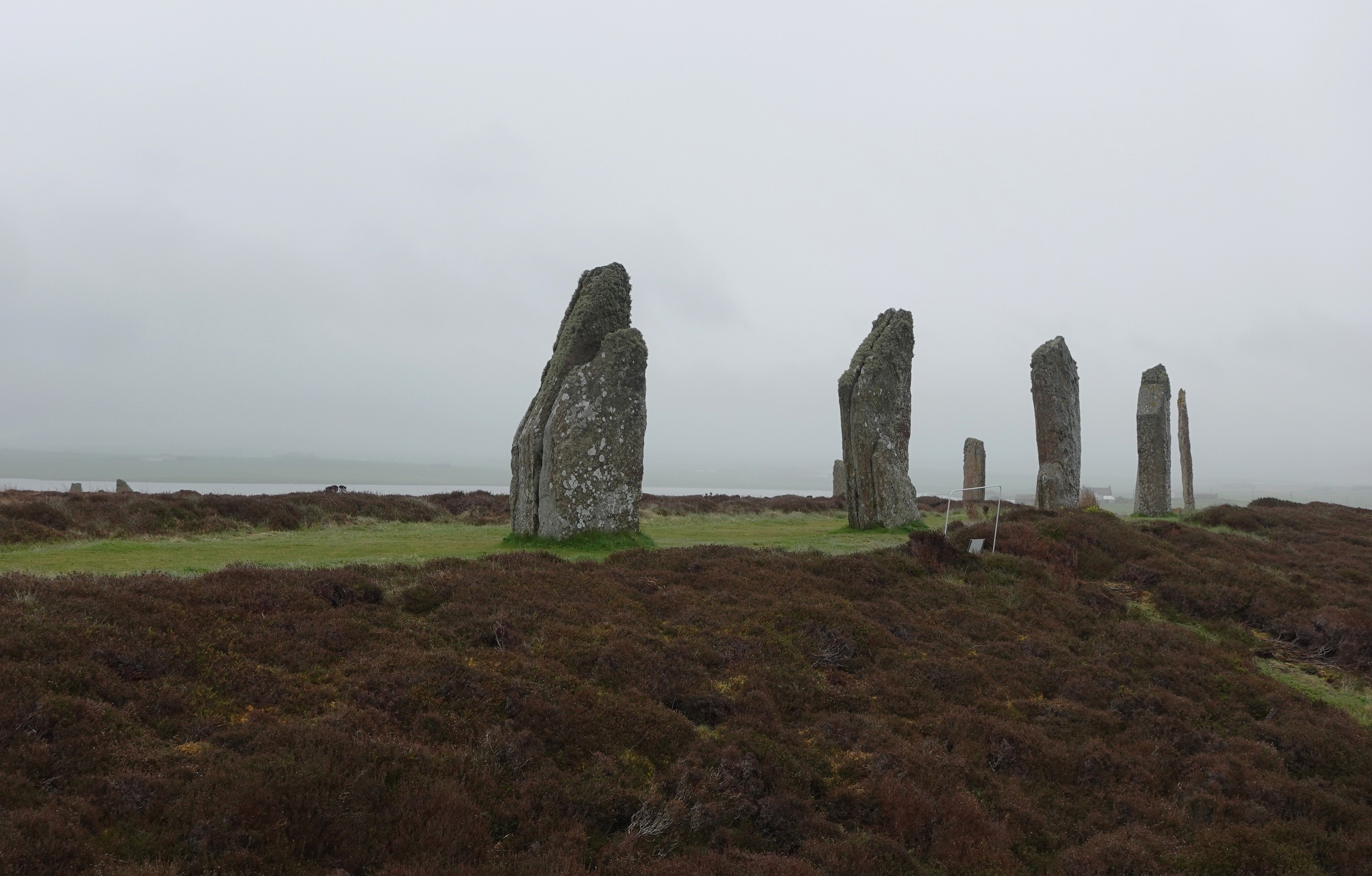
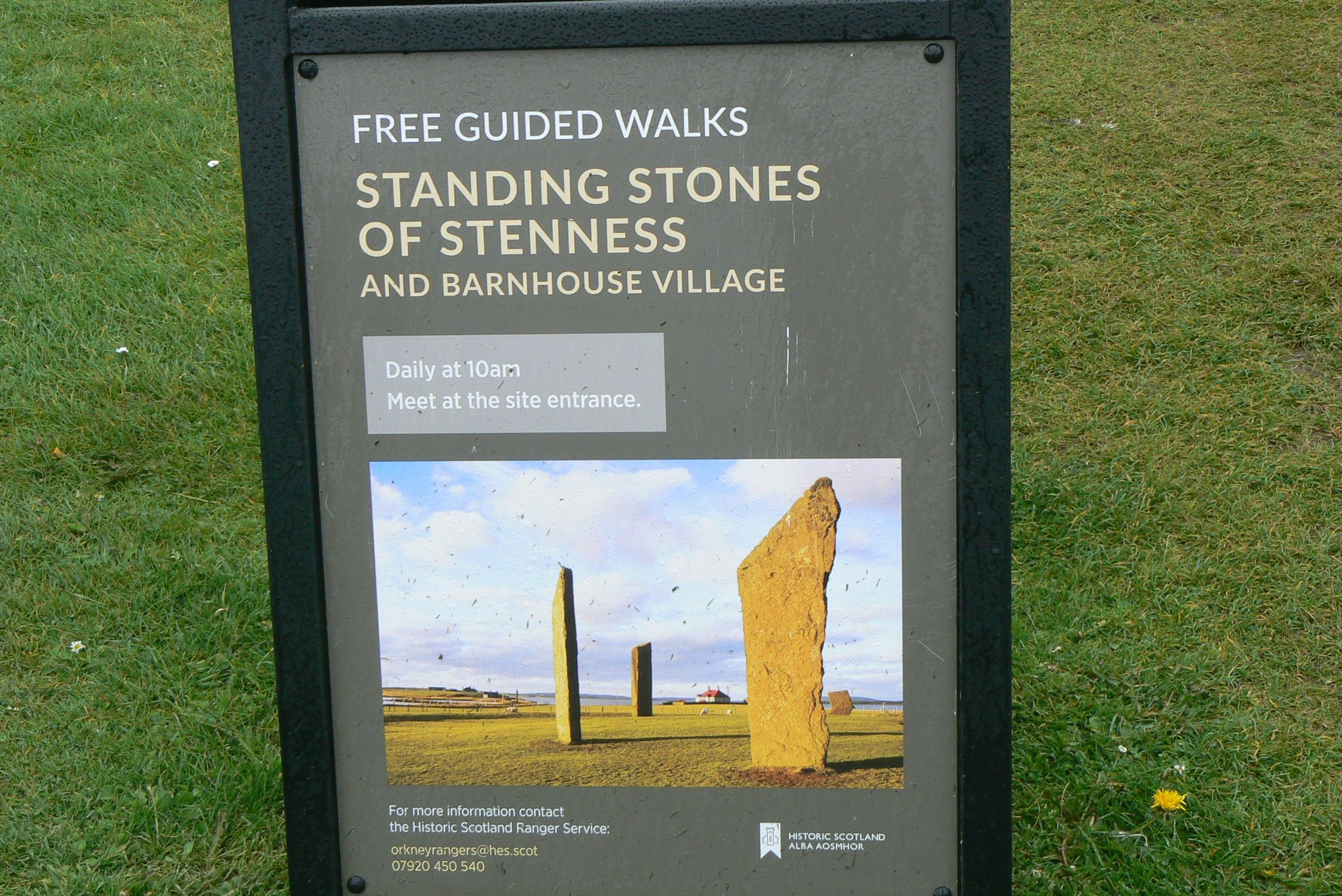
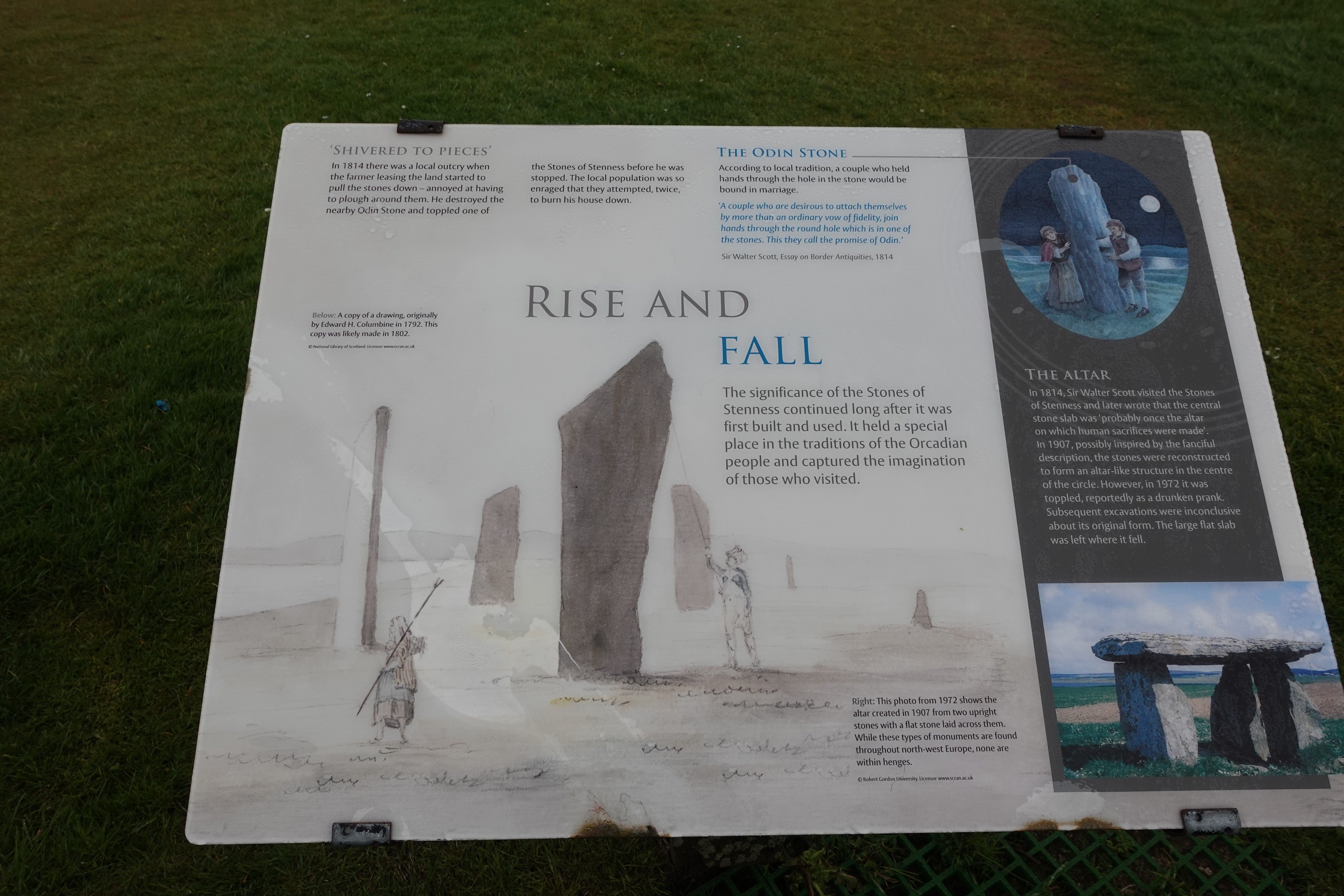
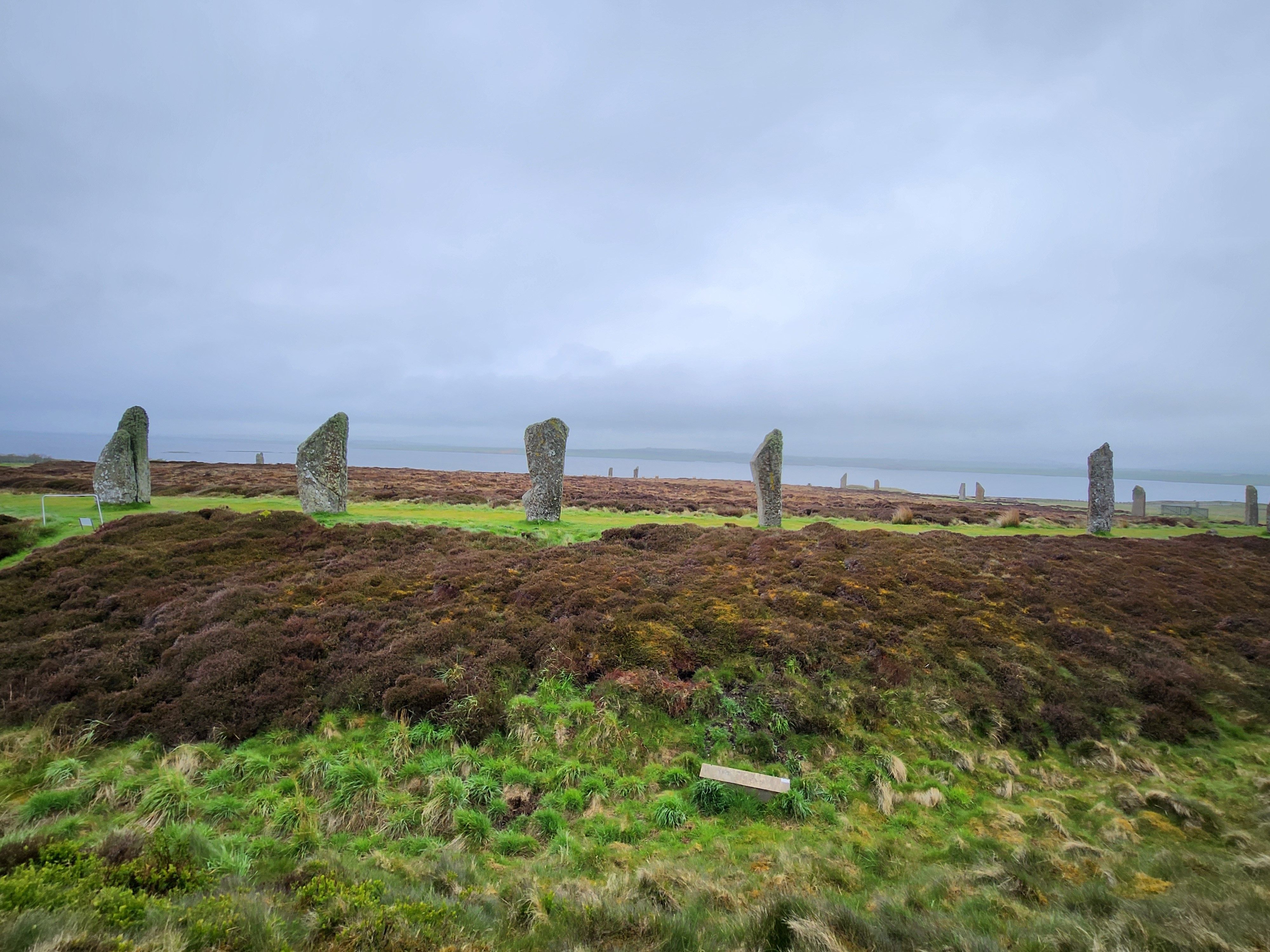
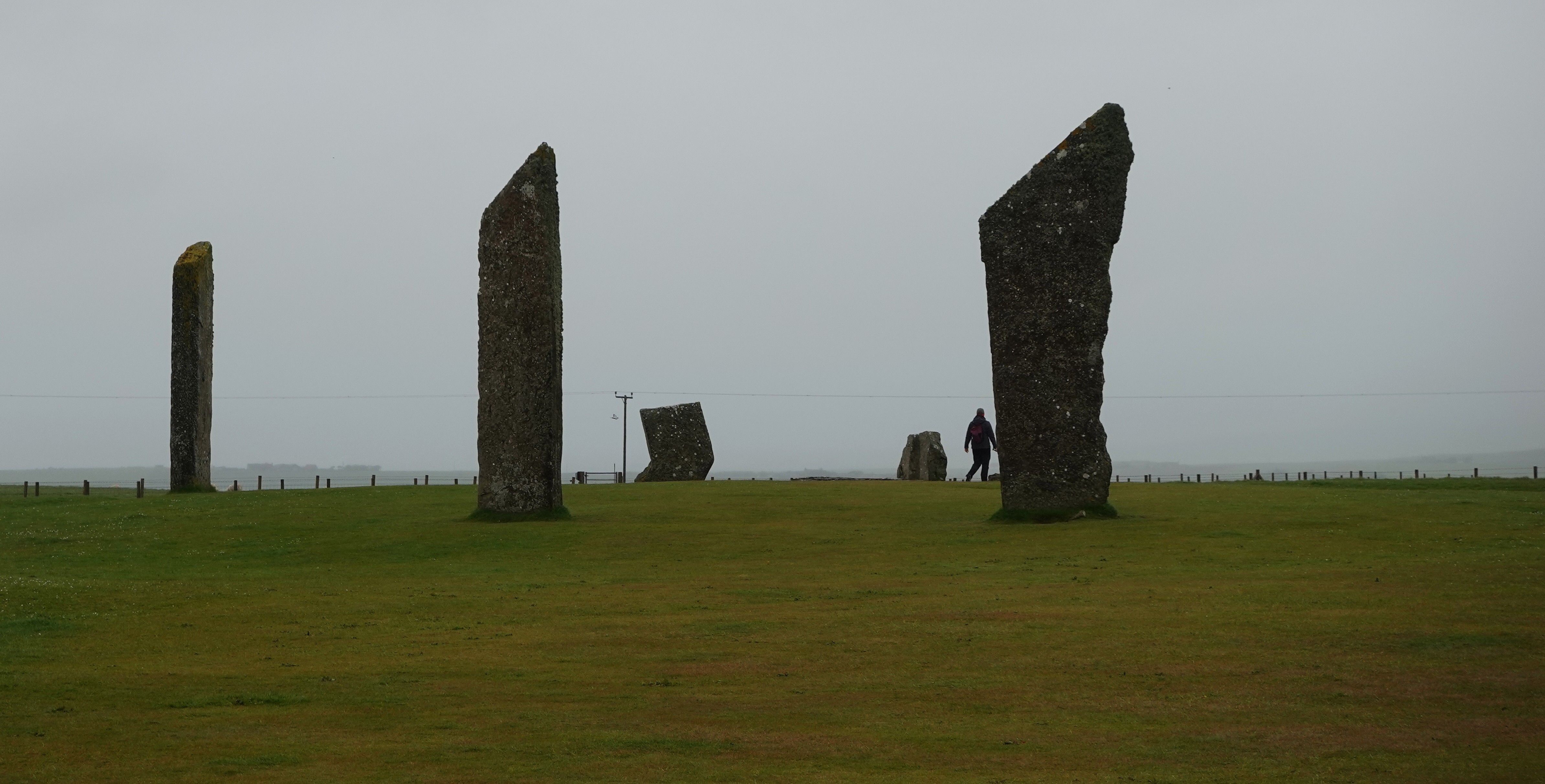
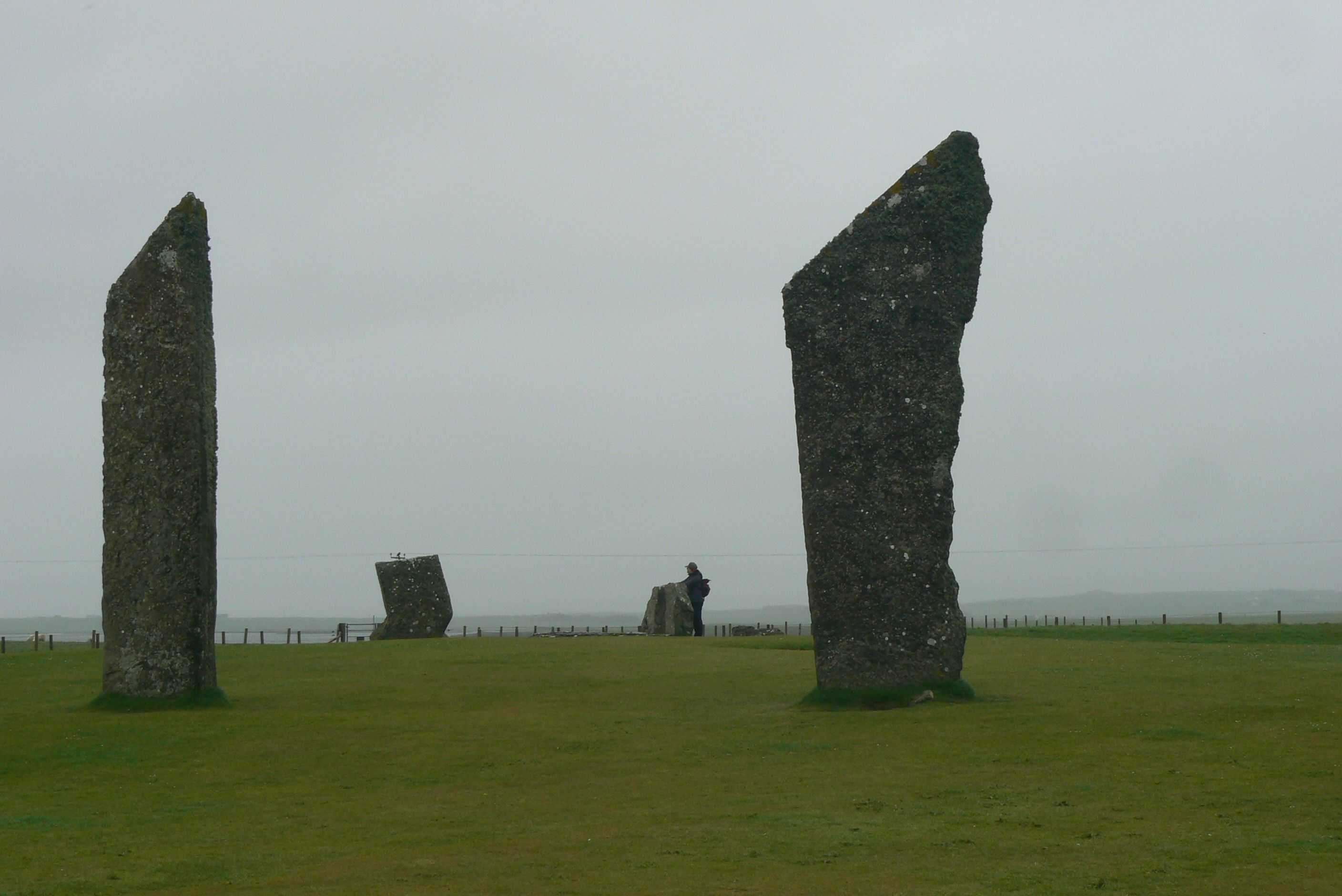
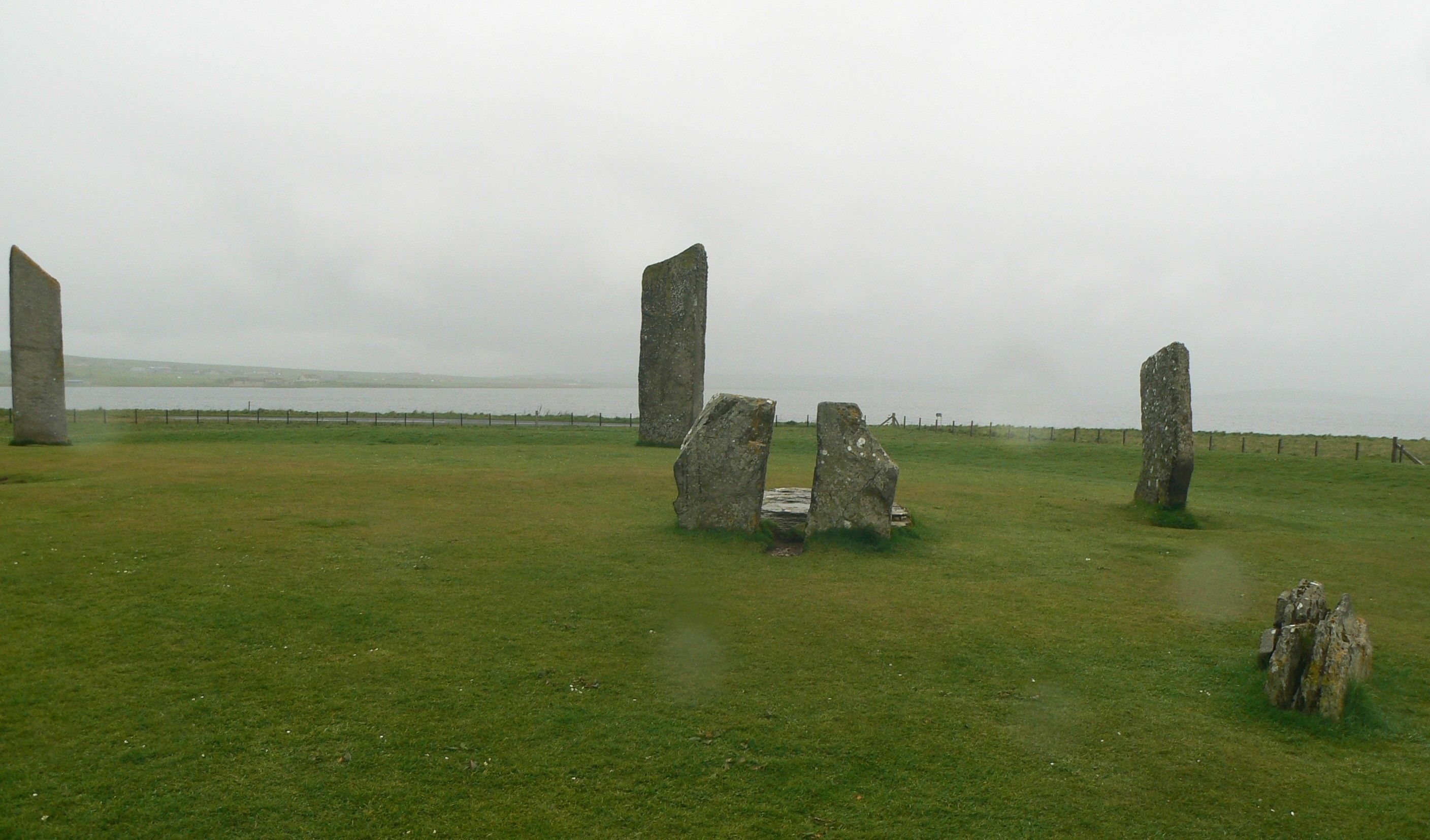
The Ring of Brodgar, a Henge, is maybe built around 2,000 or 2,500BC, as was Stenness. Why, no one really knows. Lots of theories, but whatever the reason Brodgar was a massive undertaking of time and manpower.
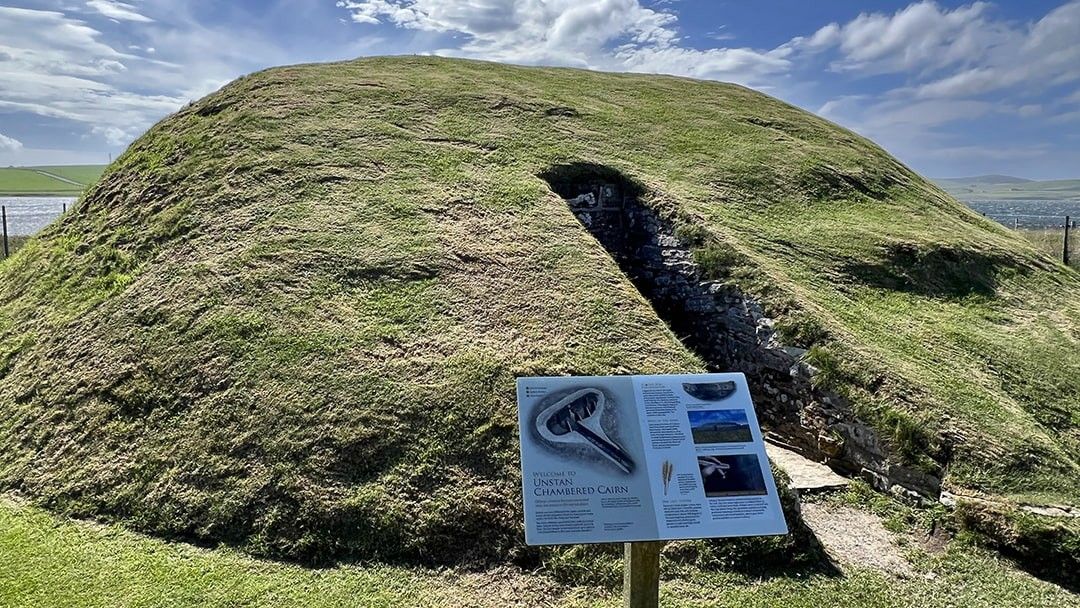
Maeshowe Chambered Cairn sits out in a field, and you need to ride their bus to get to it. Probably built around 2800BC, it isn't a burial cairn, and no one is quite sure of it's intended purpose. Pictures inside were not allowed.
Ring of Brogdar
There is something about standing stones that facinates me
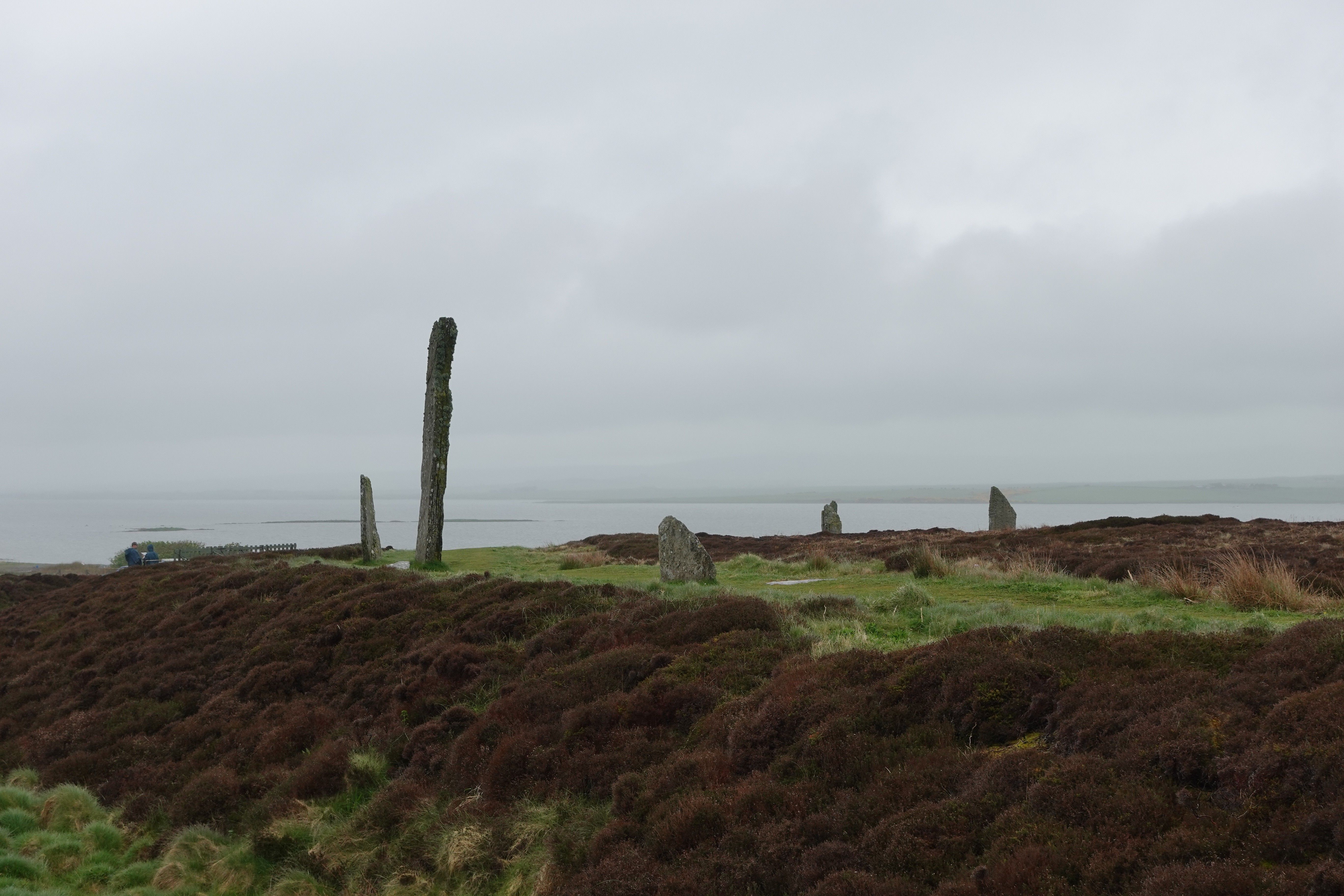
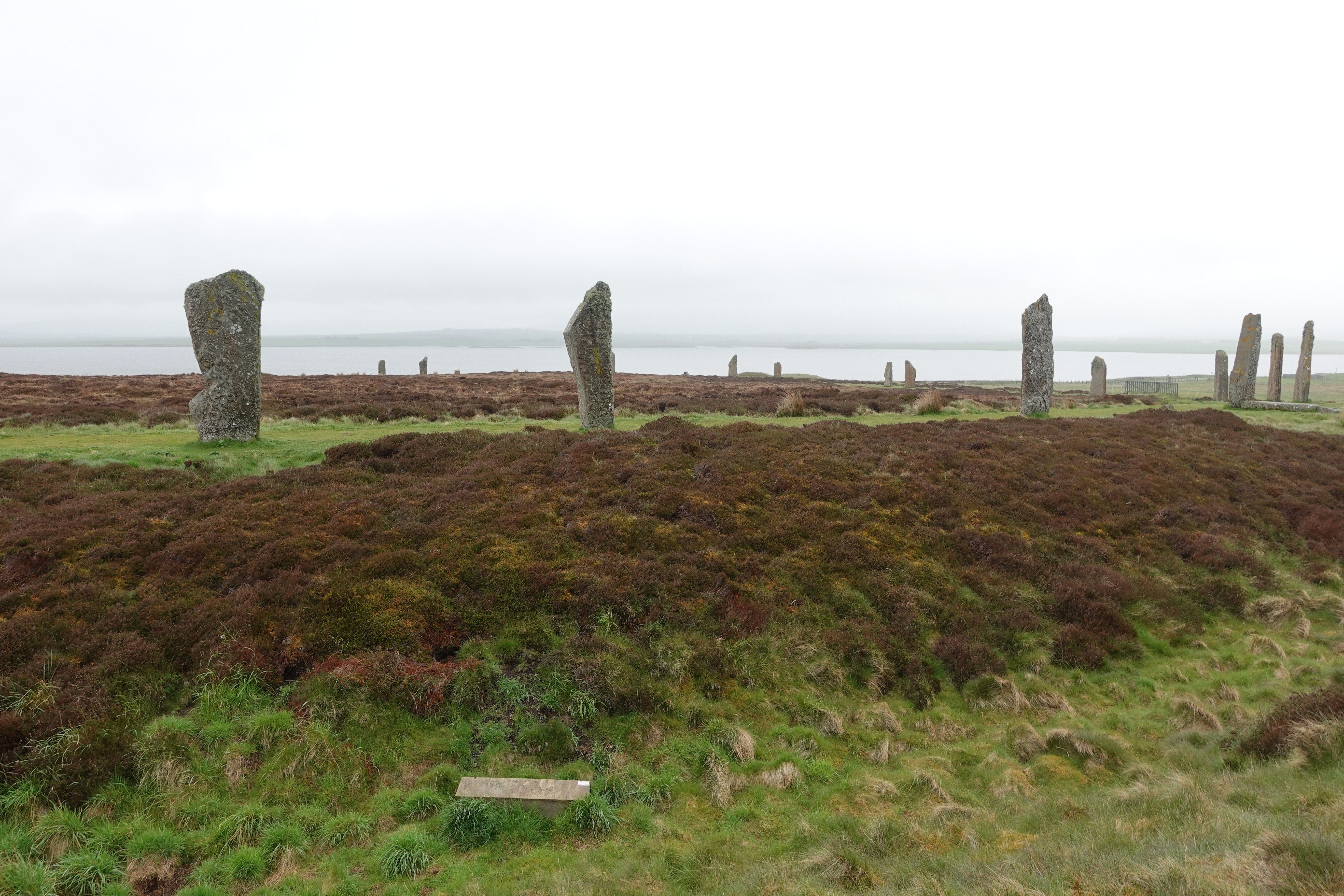
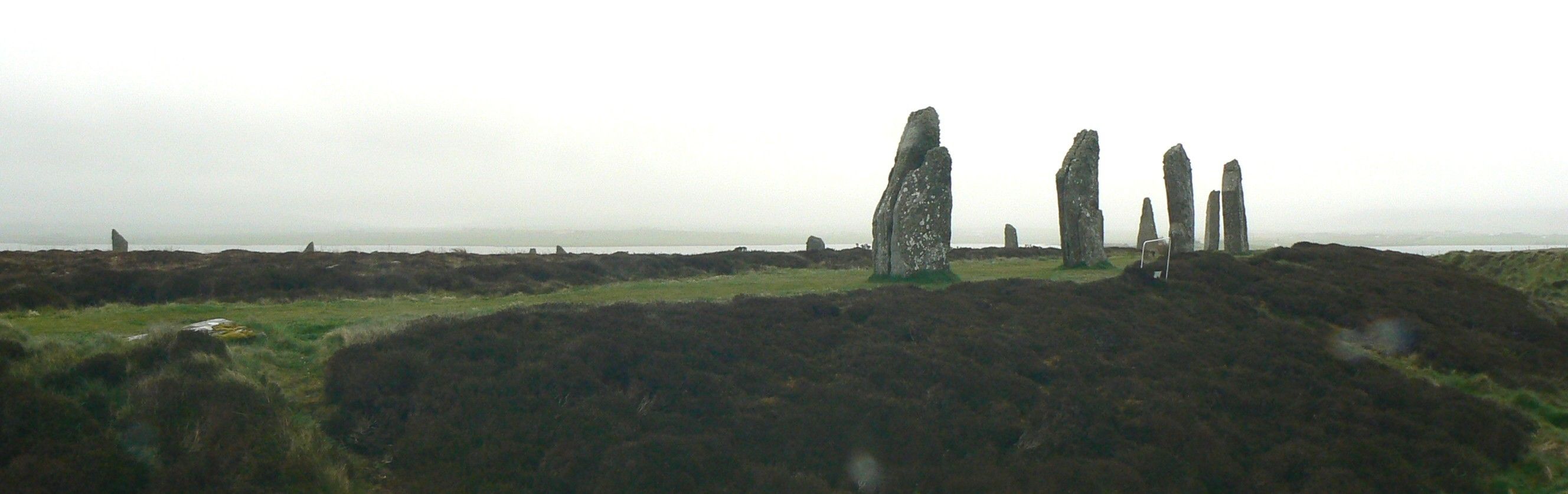
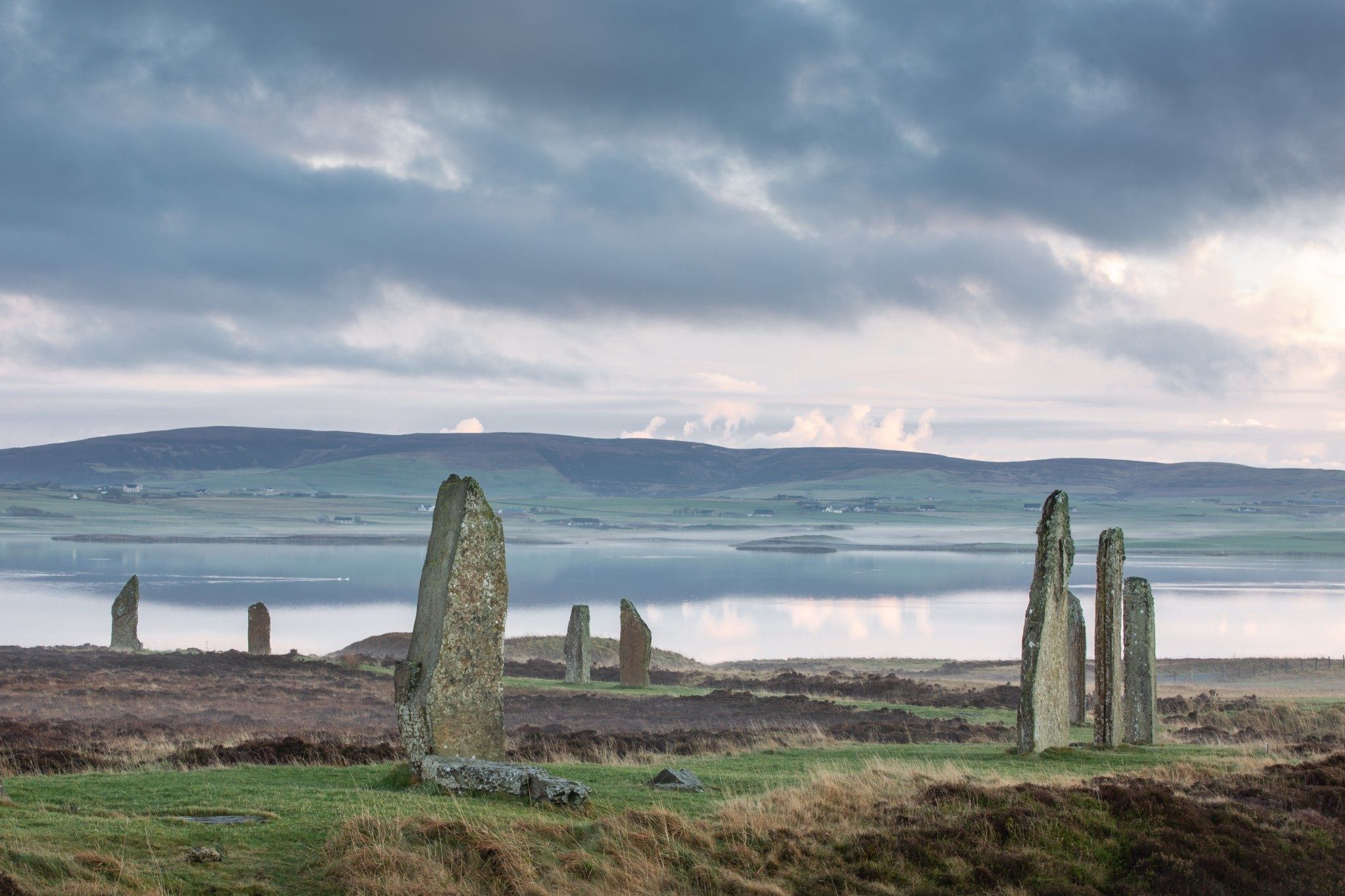
A little clearing in the sky makes a huge difference, but it didn't last
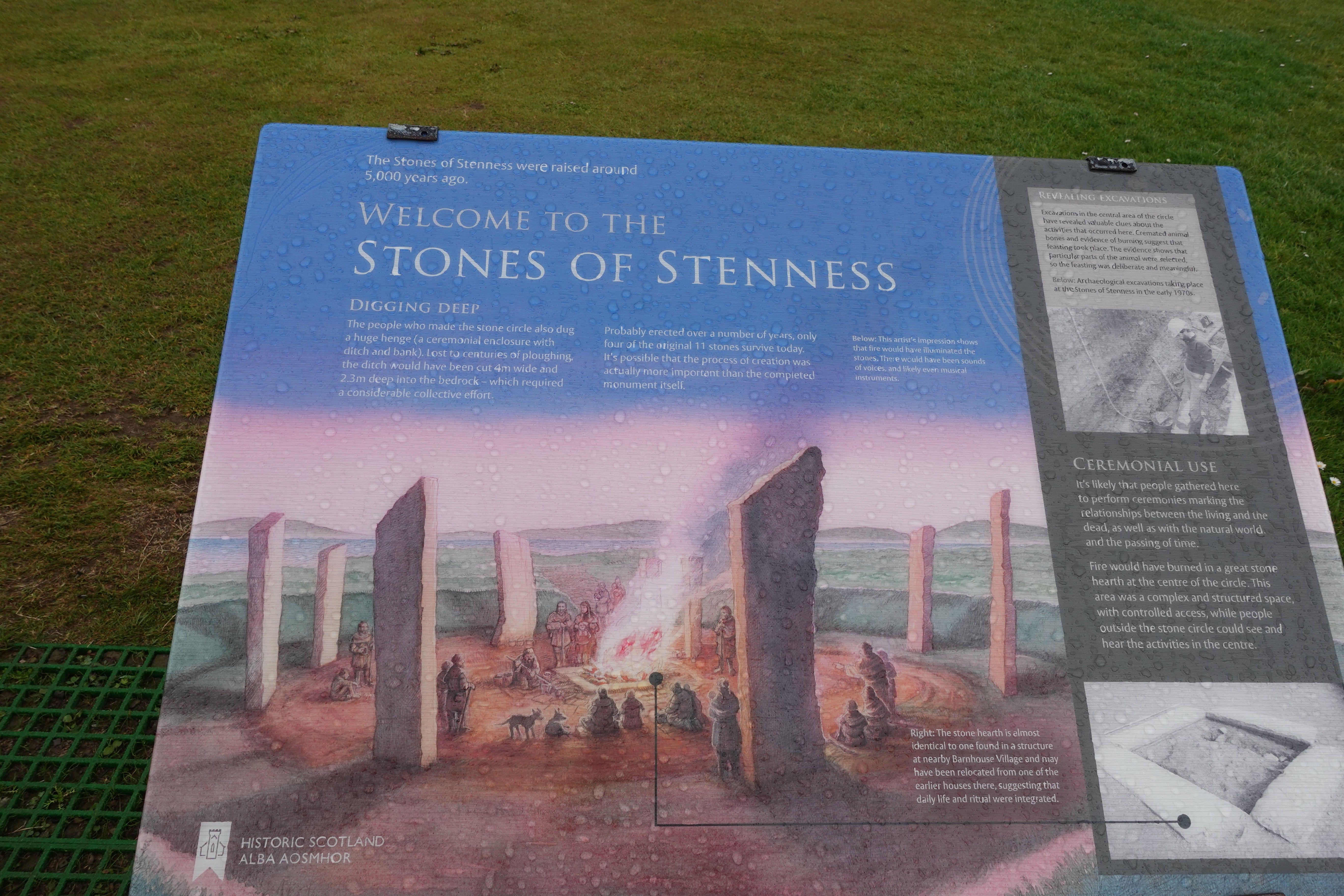
Depiction of what it may have looked like and a gatherin of people
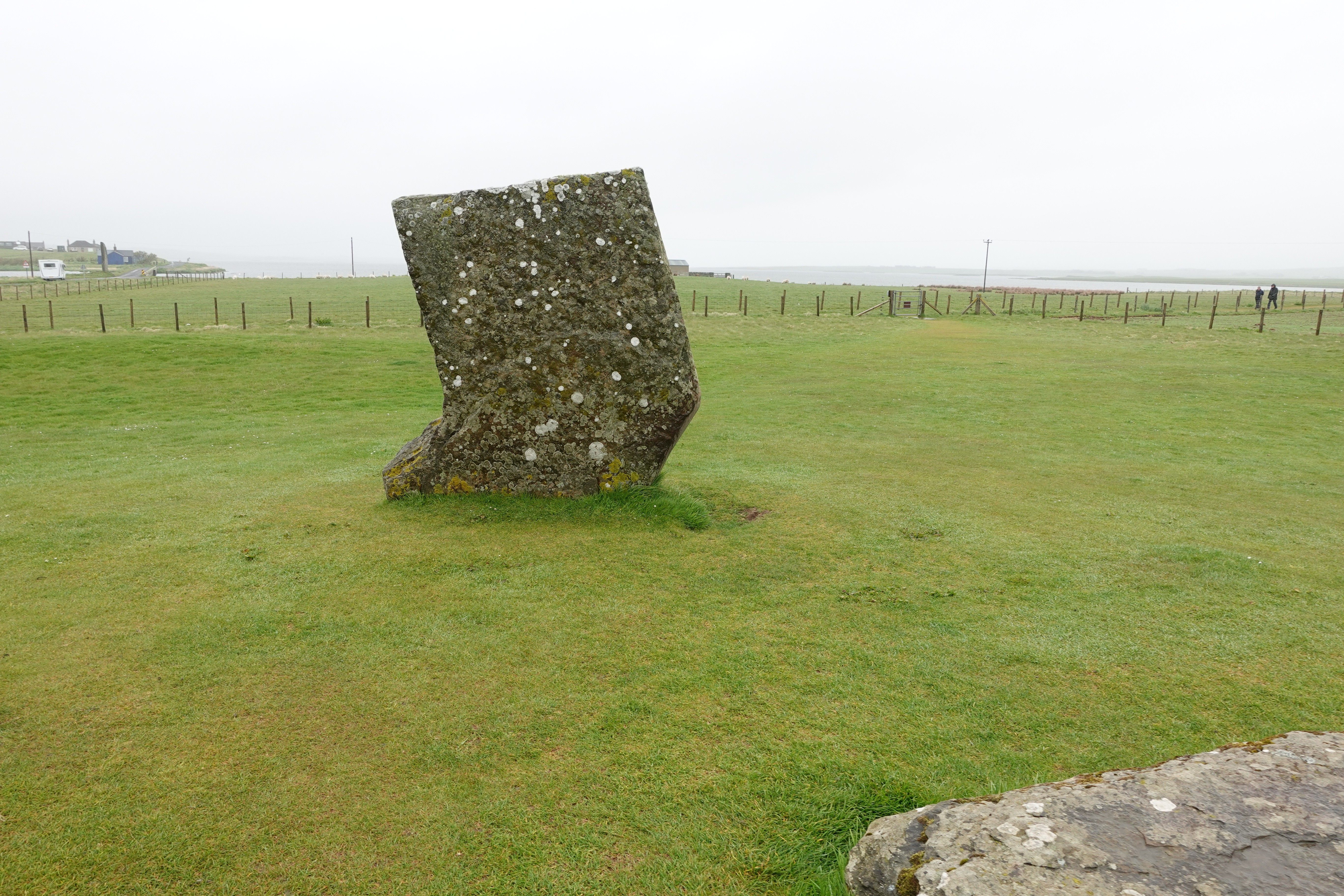
The shape probably had meaning
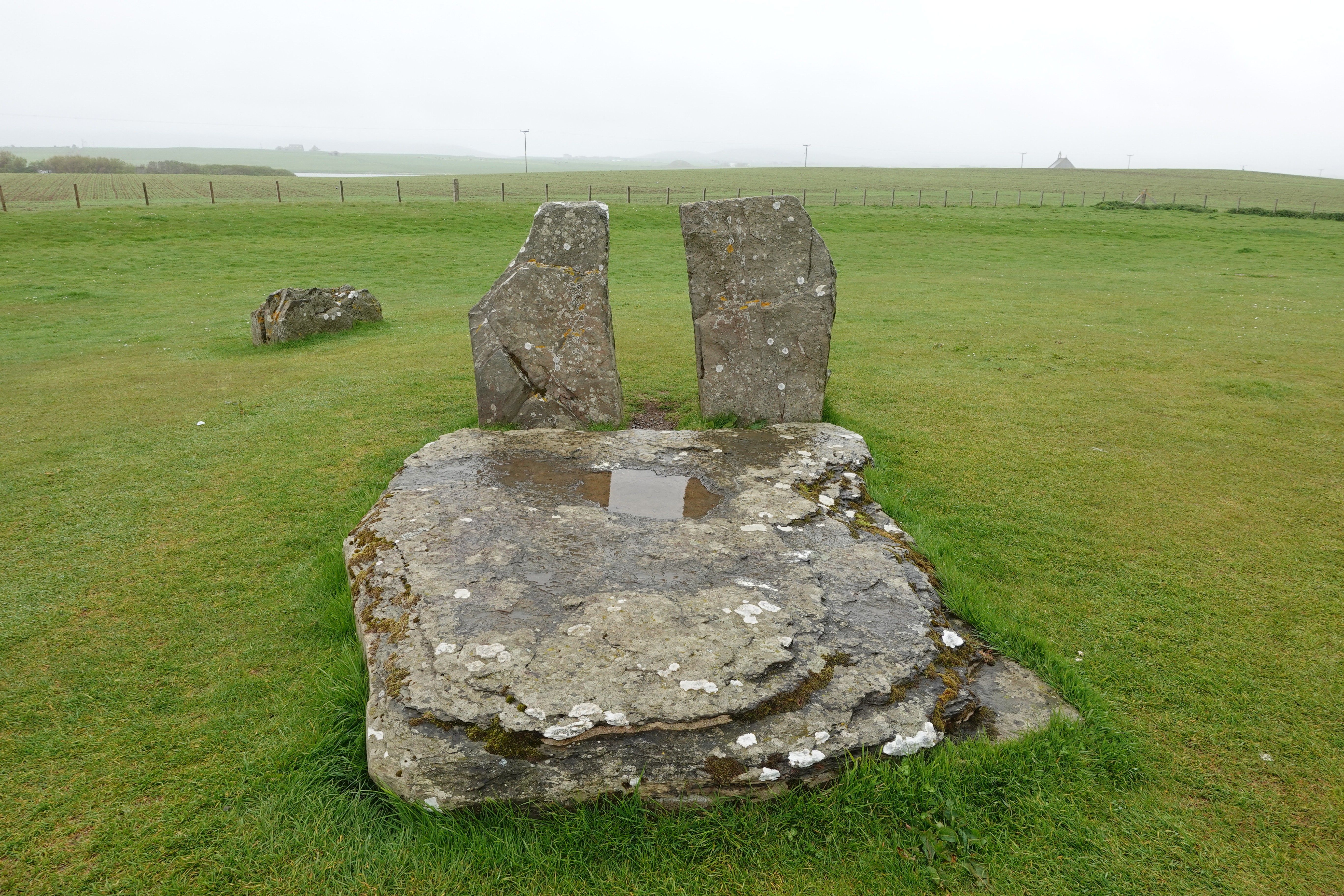
No idea about this piece
.jpg "Then we drove to the Maeshowe Chamber. Older than the pyramids. It was abandoned about 800 years after construction and sealed up")
Then we drove to the Maeshowe Chamber. Older than the pyramids. It was abandoned about 800 years after construction and sealed up
.jpg "You must go with a guided group.")
You must go with a guided group.
.jpg "The entrance is locked")
The entrance is locked
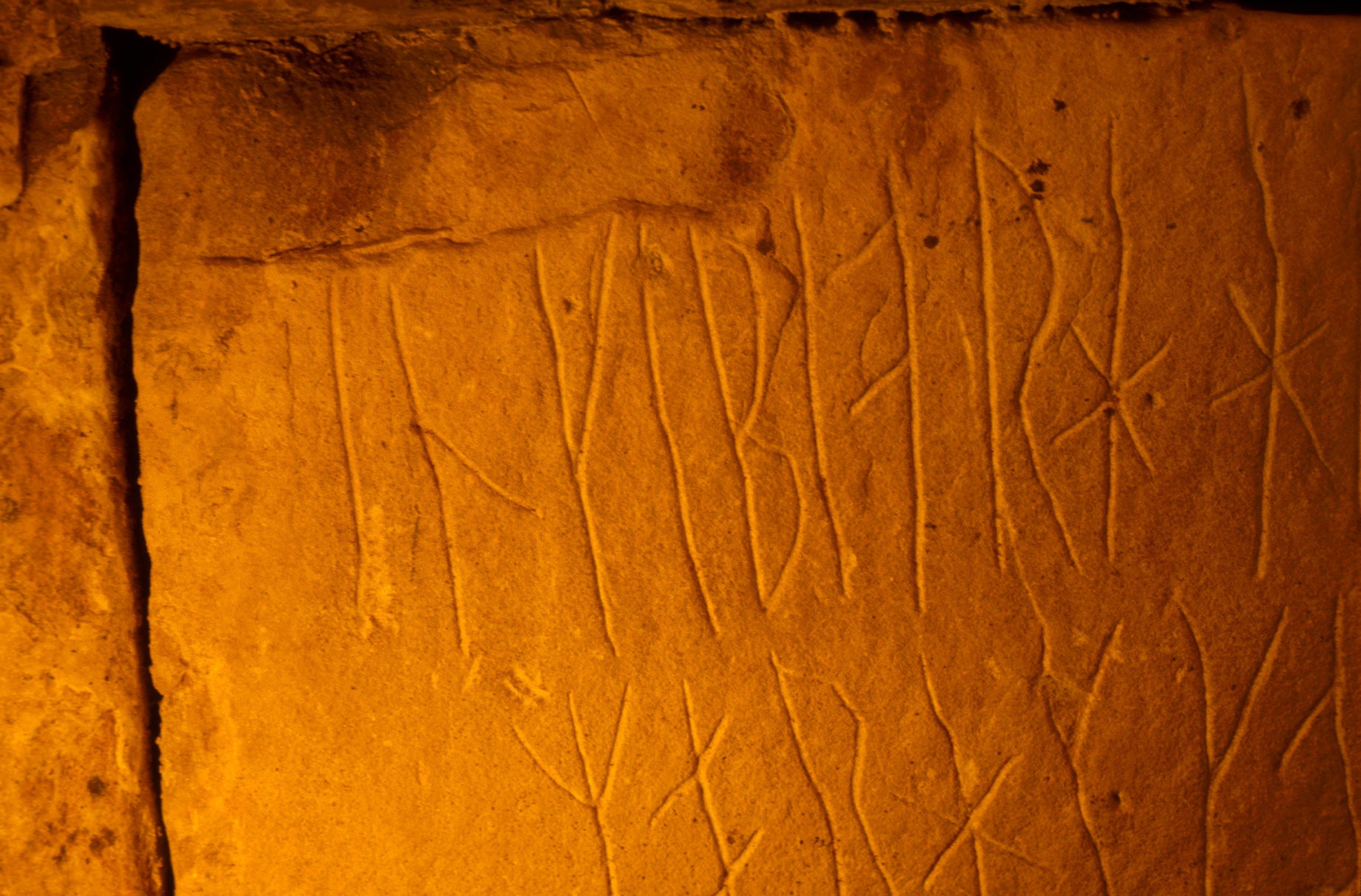
.jpg "A group of Viking's found it and broke in through the roof looking for shelter. They left carvings, names, etc. Norse grafitti")
A group of Viking's found it and broke in through the roof looking for shelter. They left carvings, names, etc. Norse grafitti
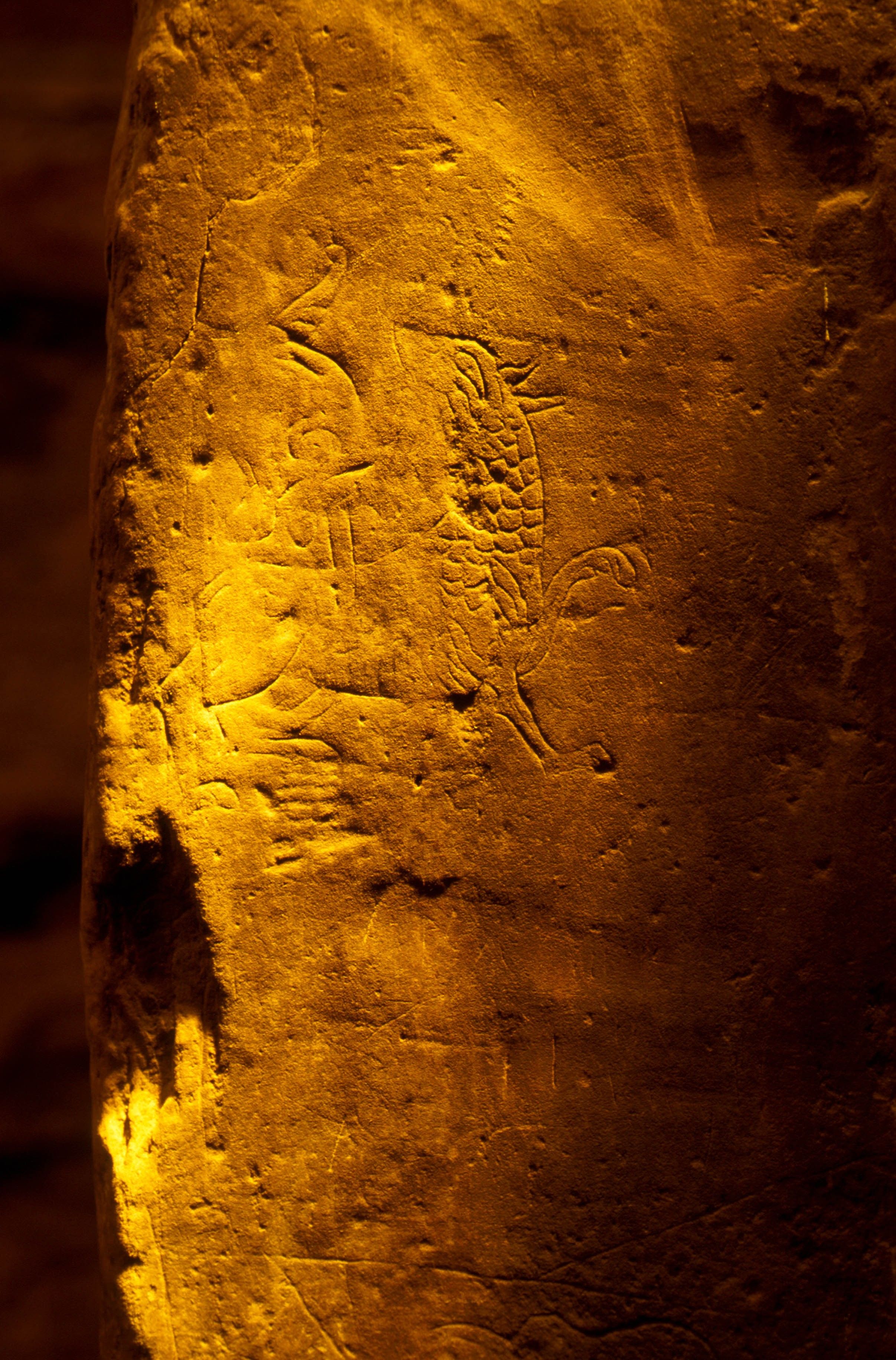
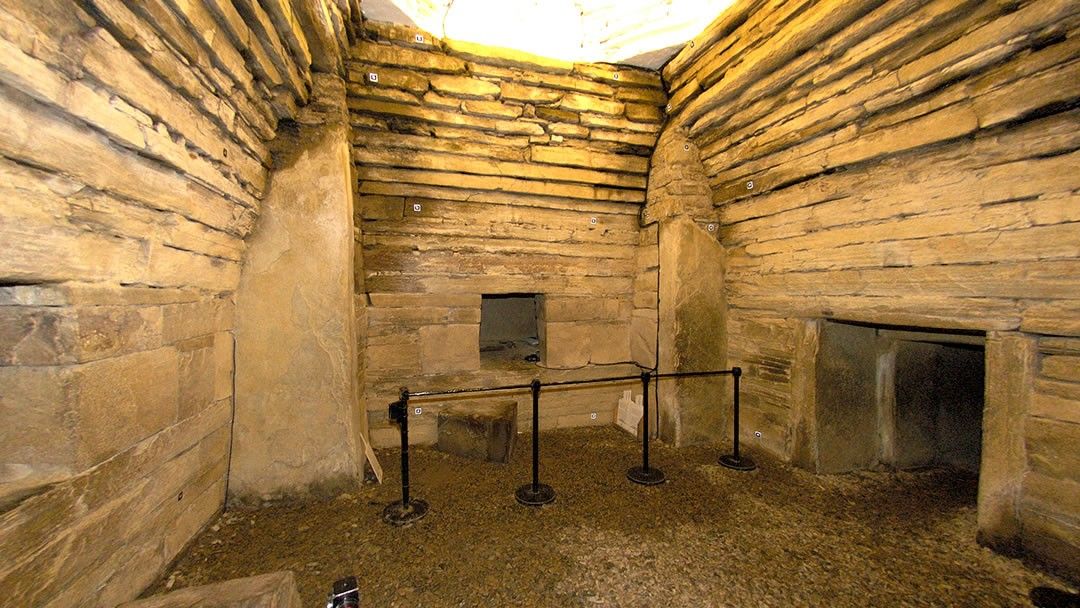
There are chambers on the sides, but it was not a burial crypt. No one is quite sure what the prupose was
Urquhart, like all castles in Scotland, has had a lot of ups and downs. What we see today is probably the 13th to the 16th centuries version, but there is some evidence a Pict fort was here before that.
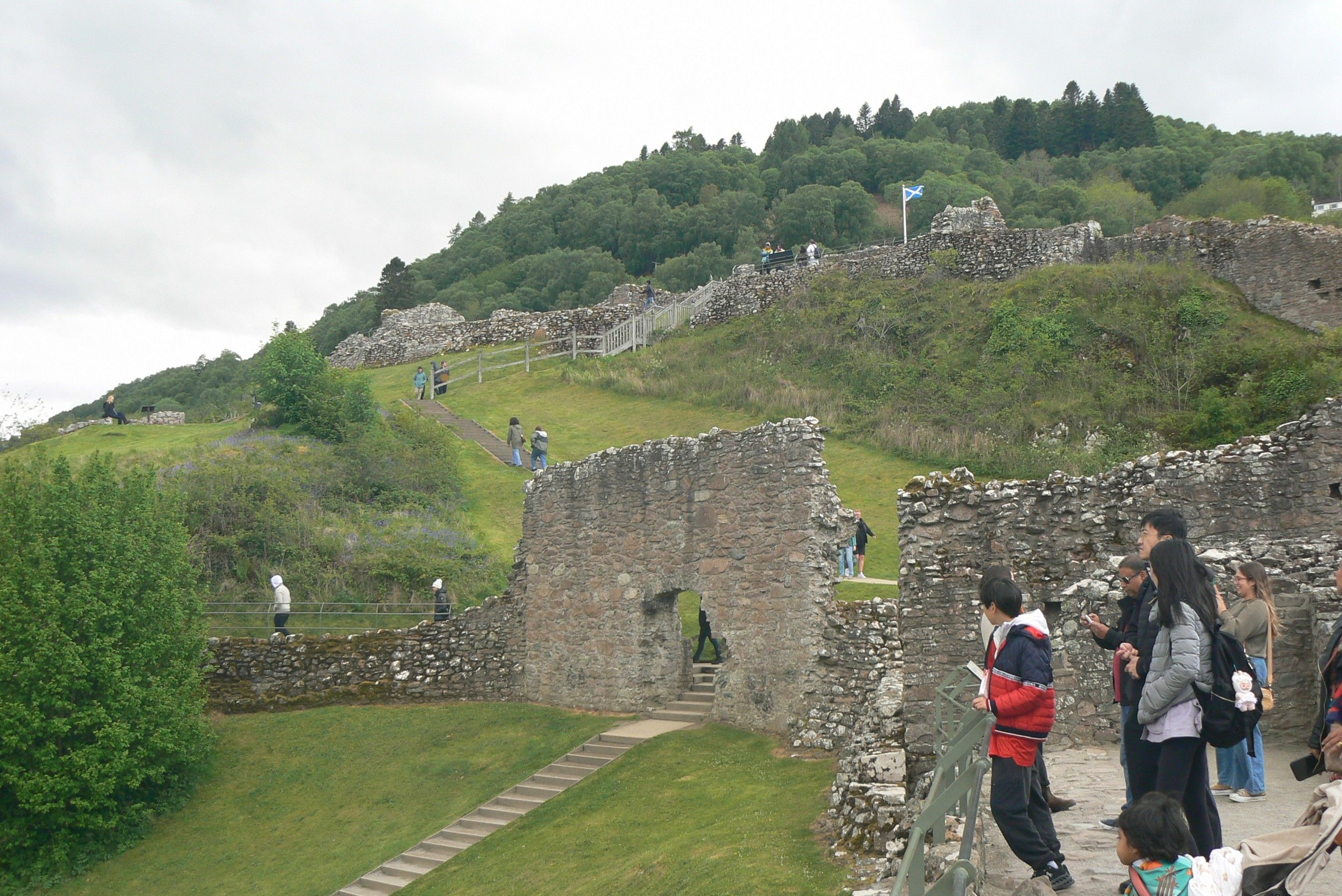
Although a ruin it does have a nice tower you can still climb, and some nice grassy areas that give it a quiet, calm feeling.
It also sits on Loch Ness. No Nessie sightings. Sorry
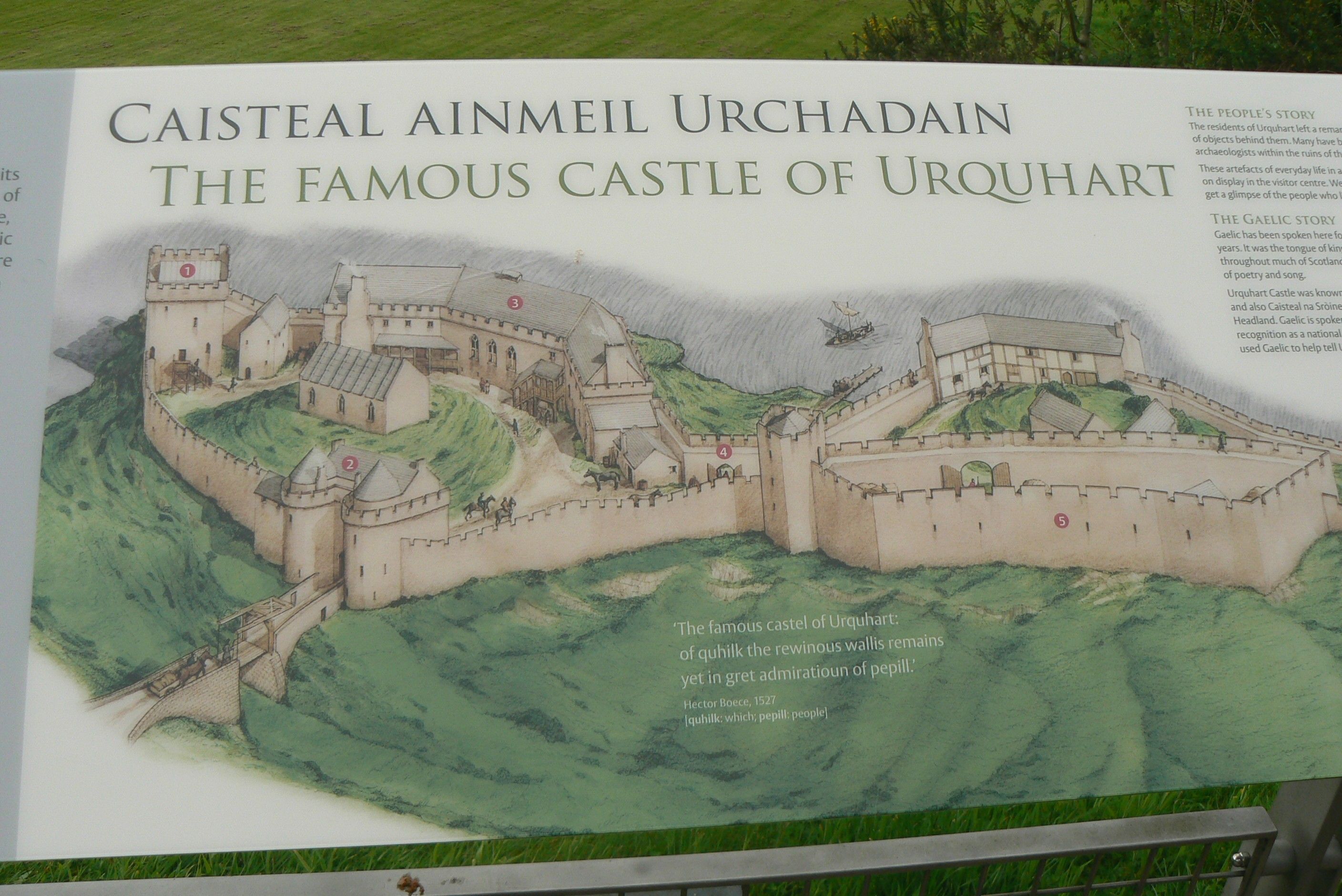
Depiction of the castle before the English blew it up
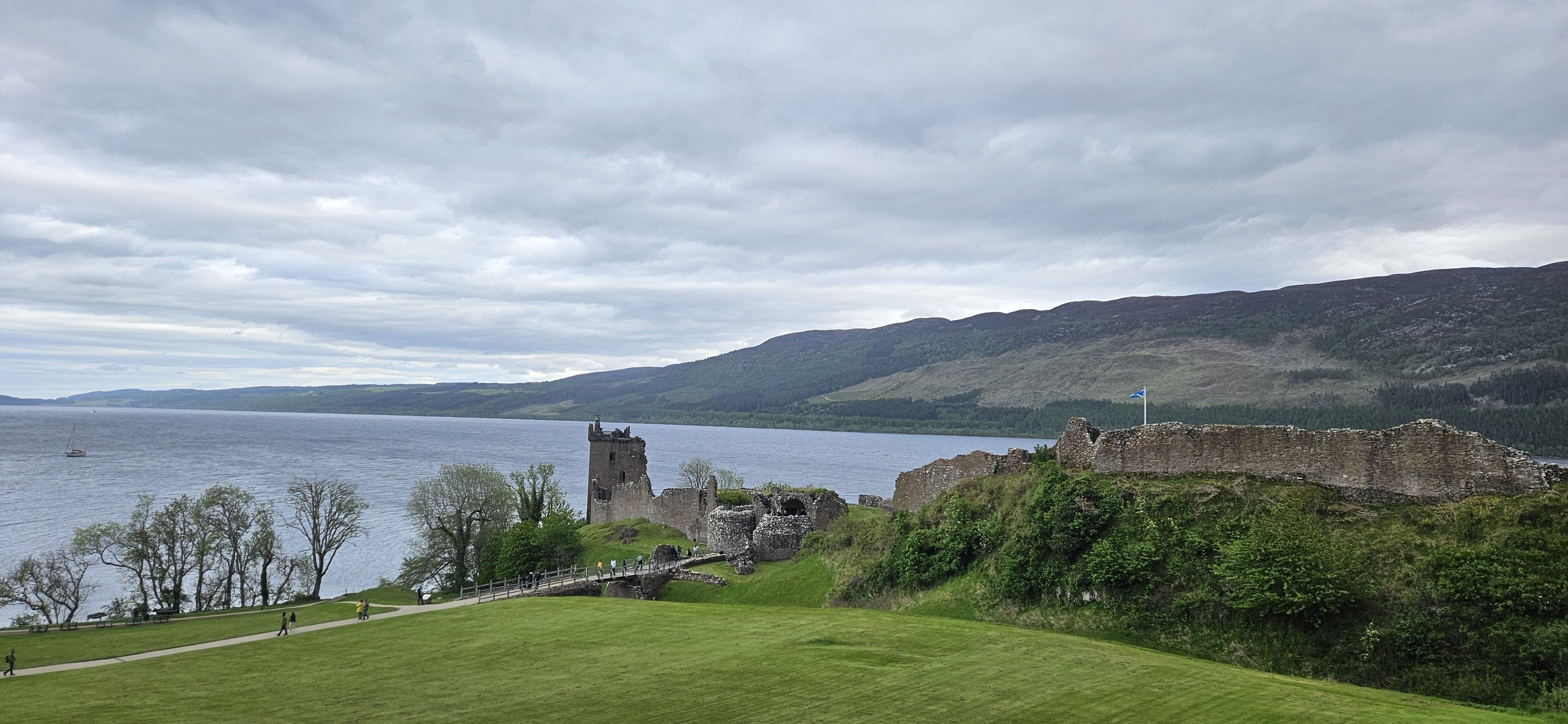
Lovely expanse of green lawn to approach
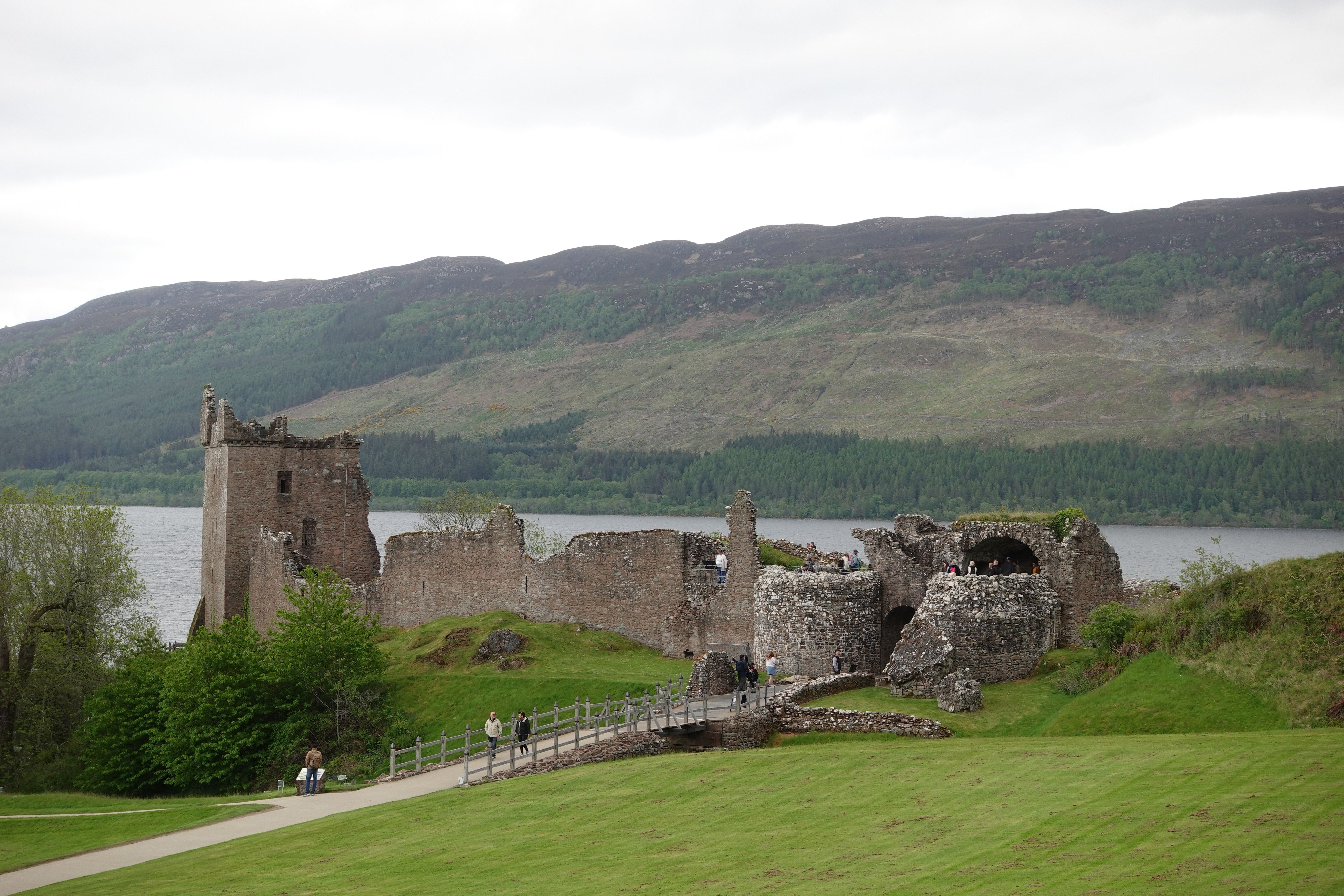
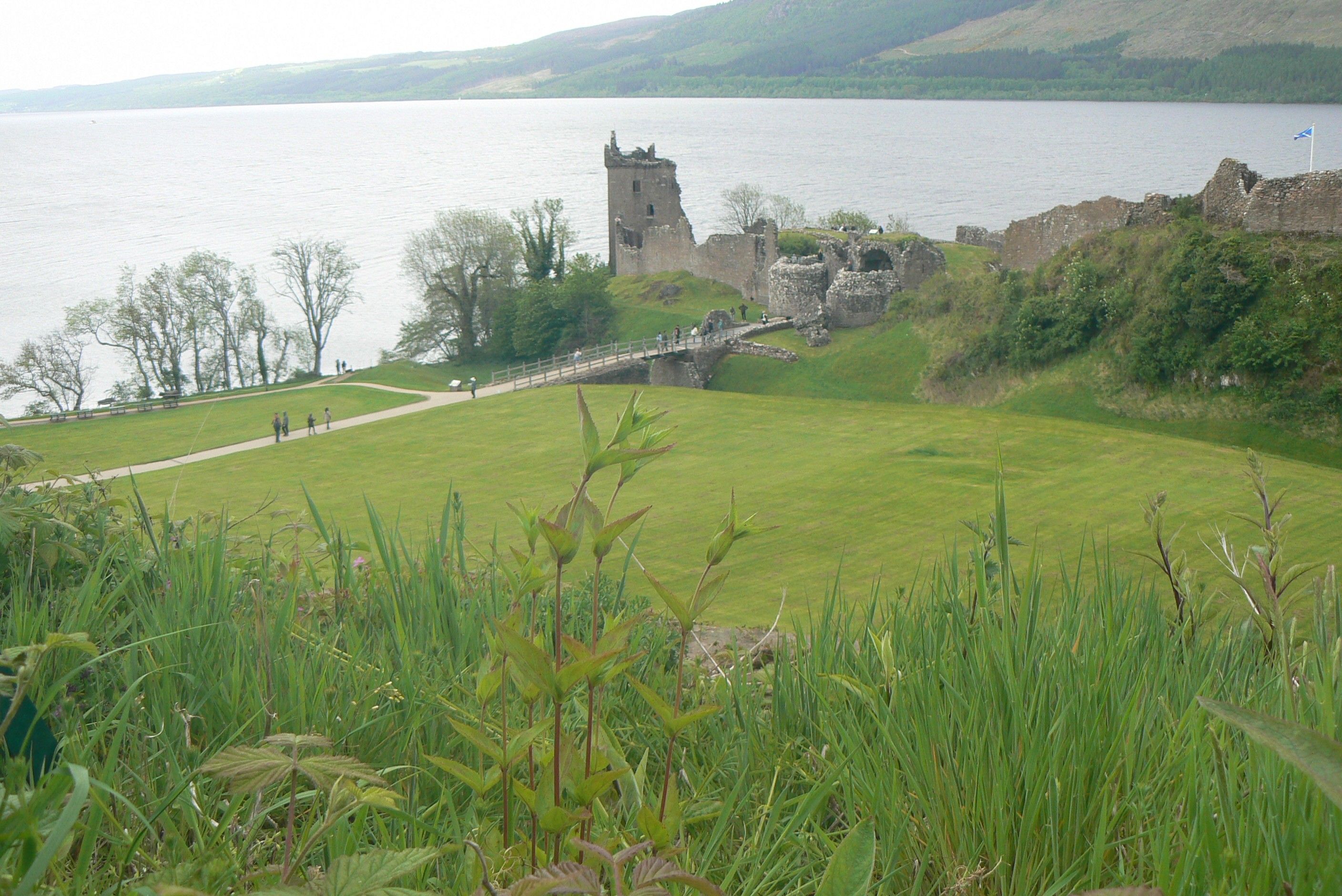
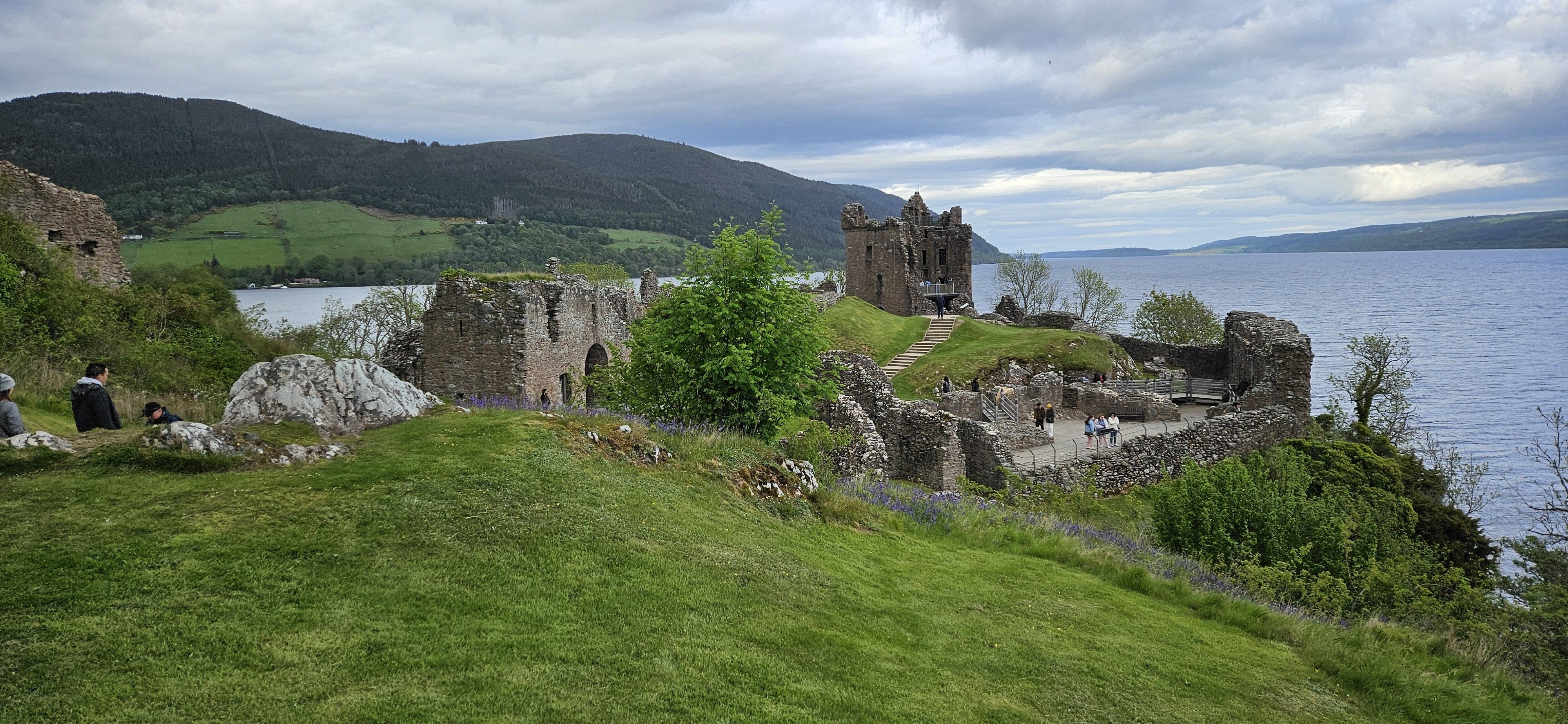
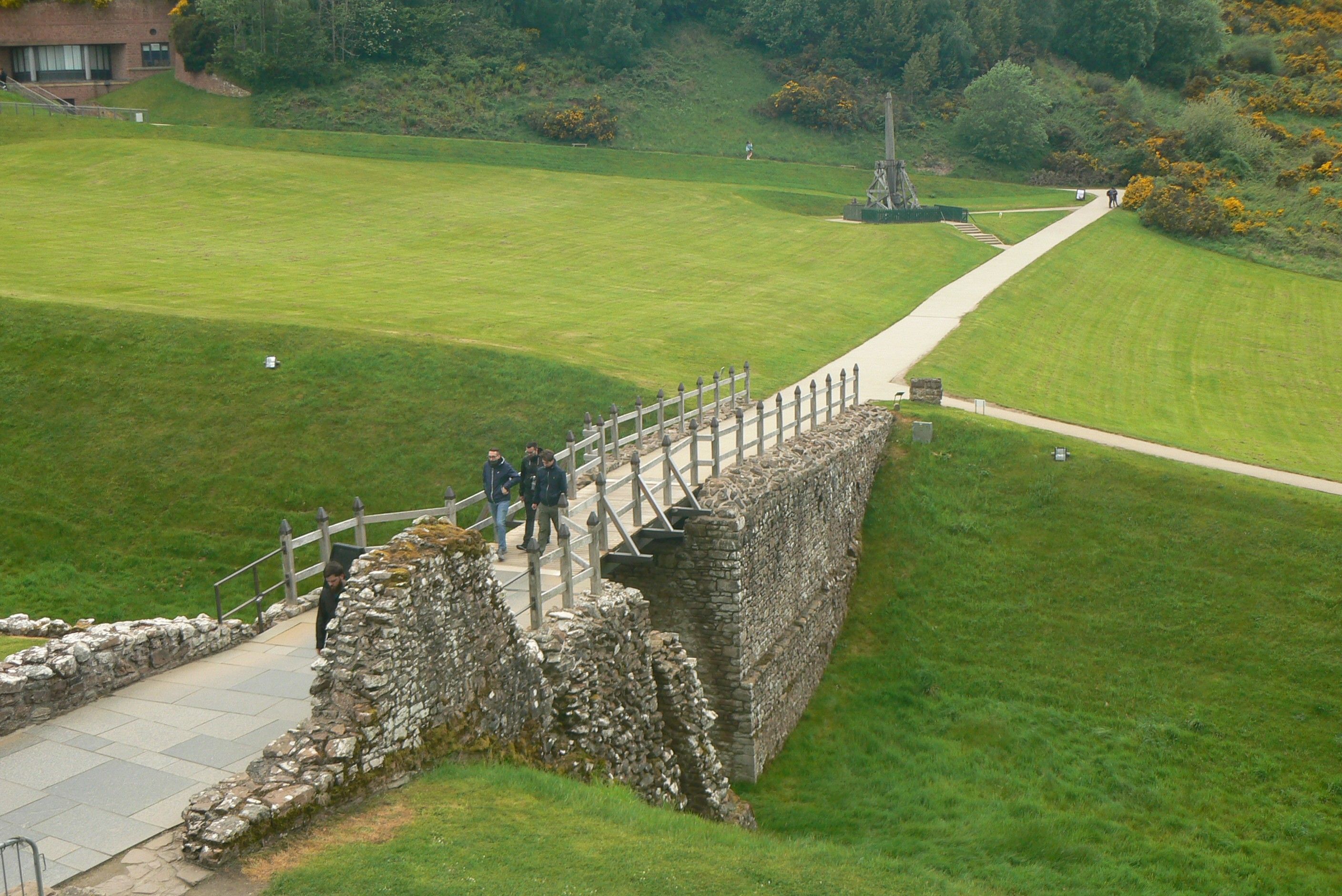
Cross the bridge into the castle grounds
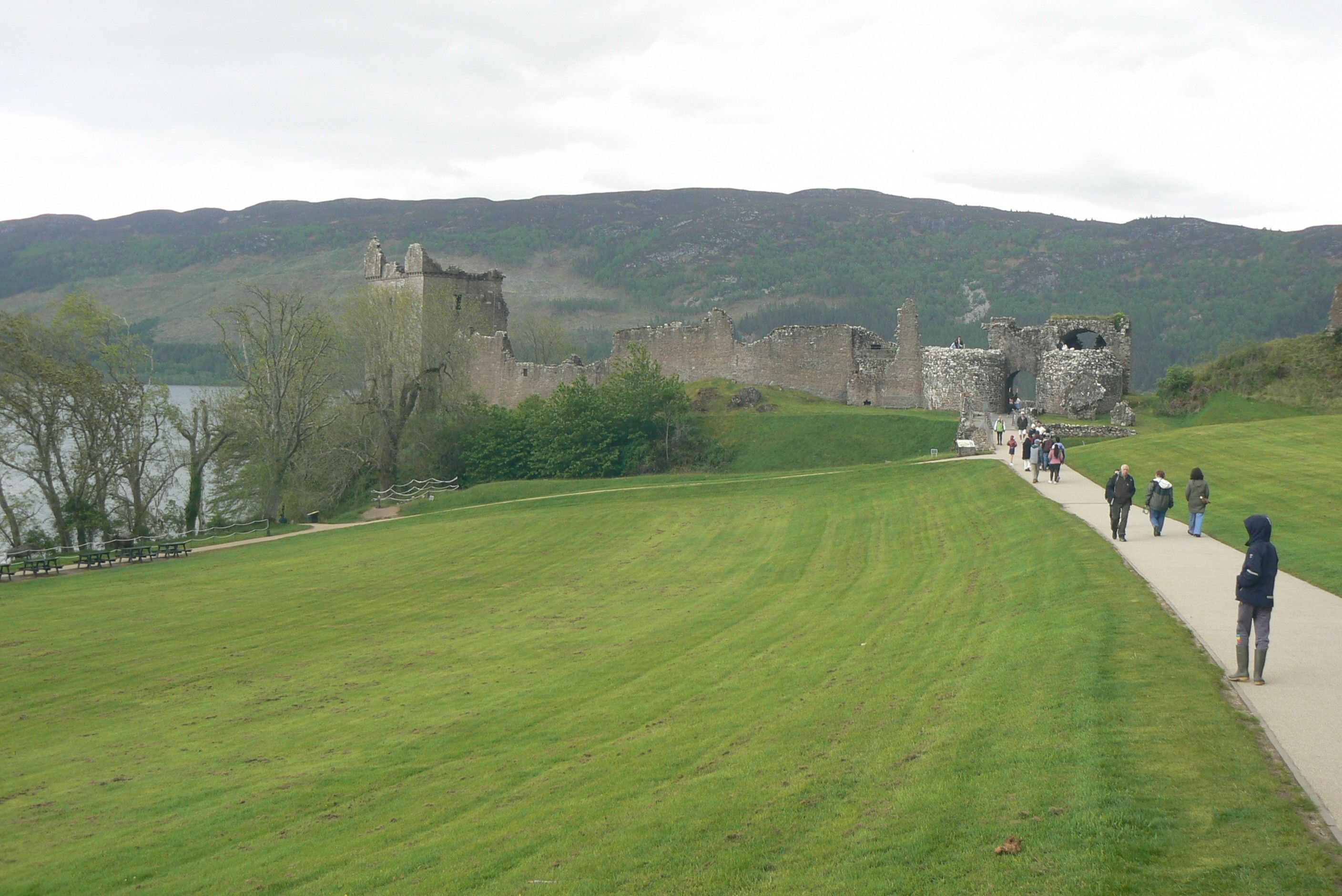
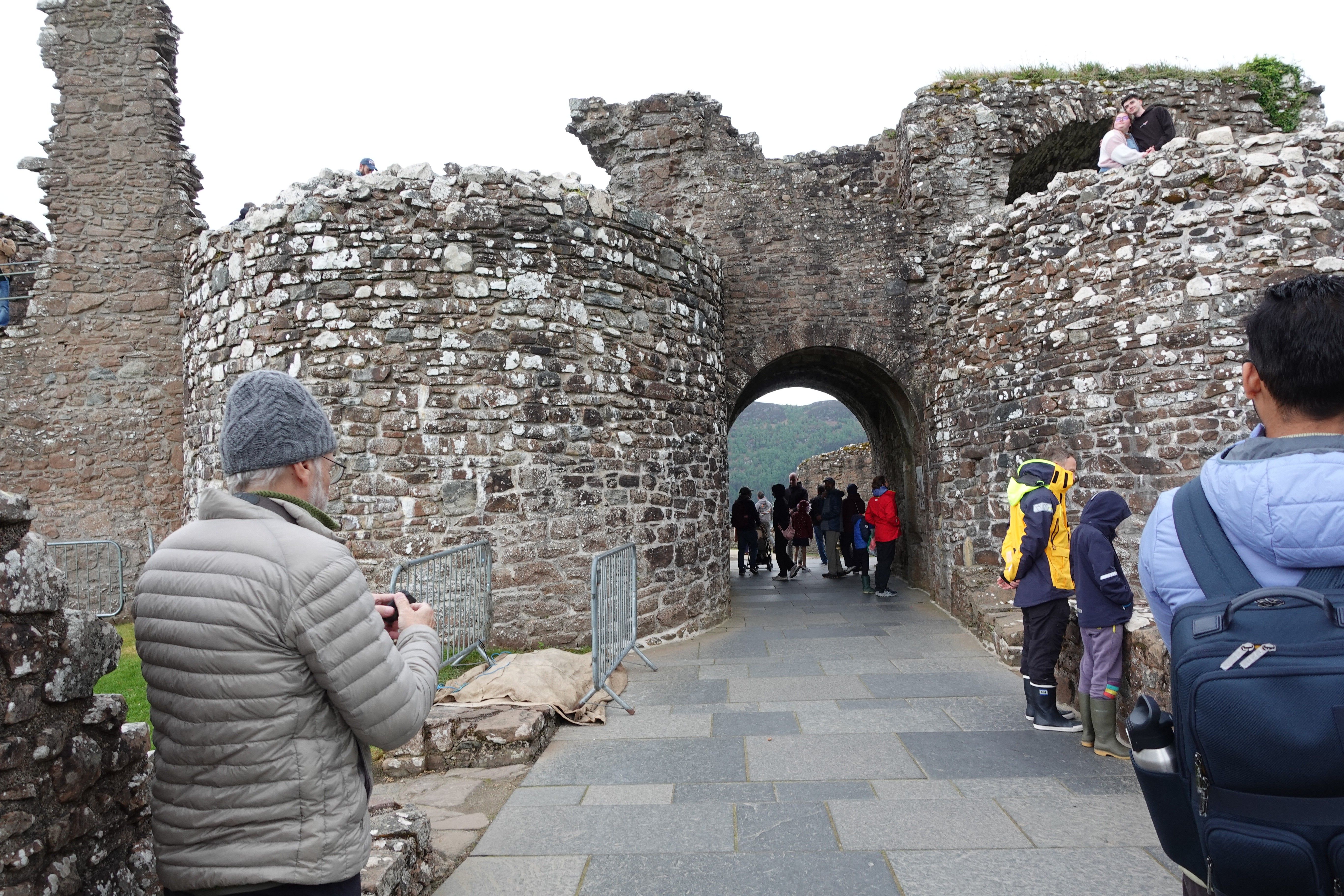
Entrance
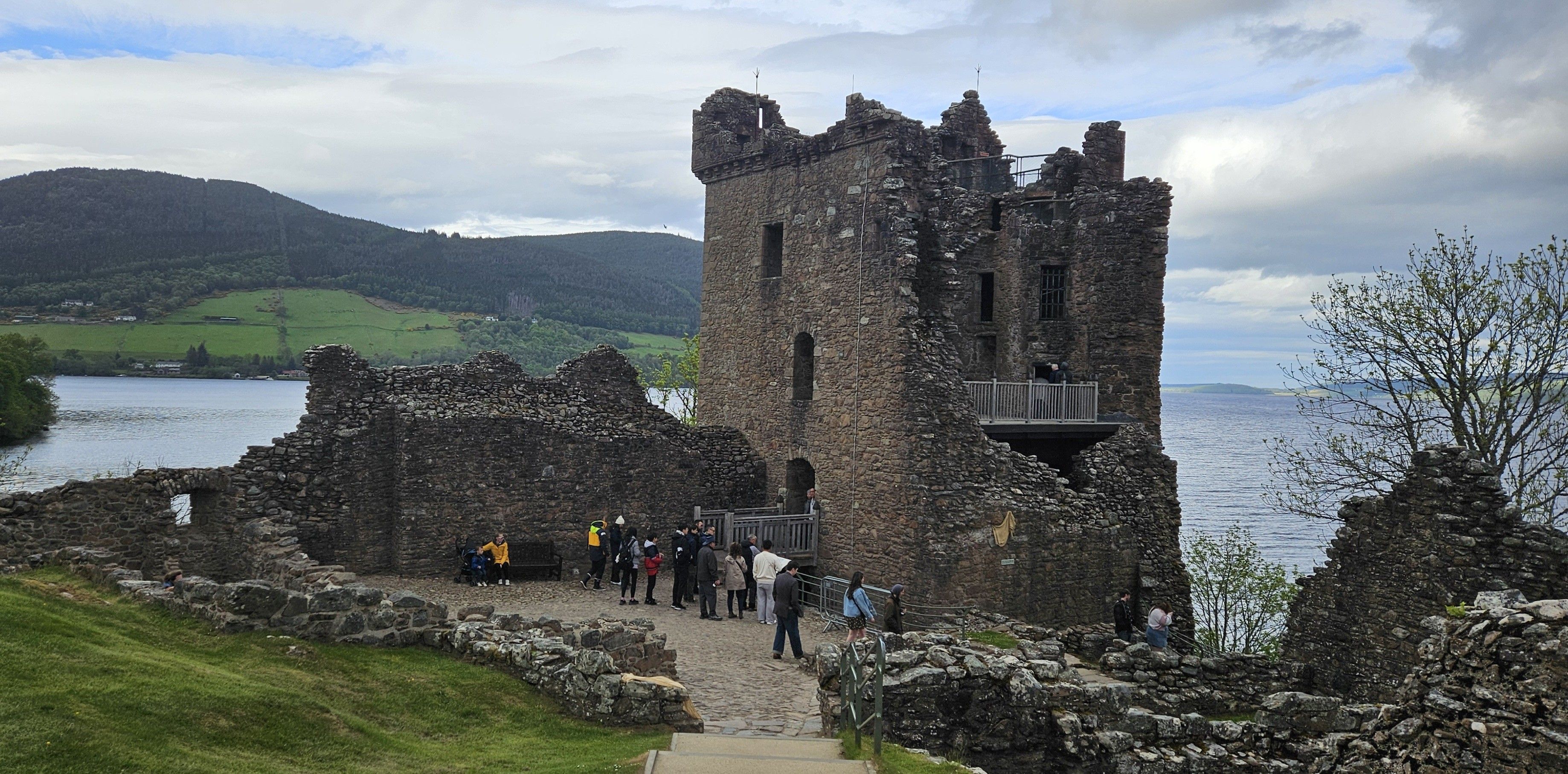
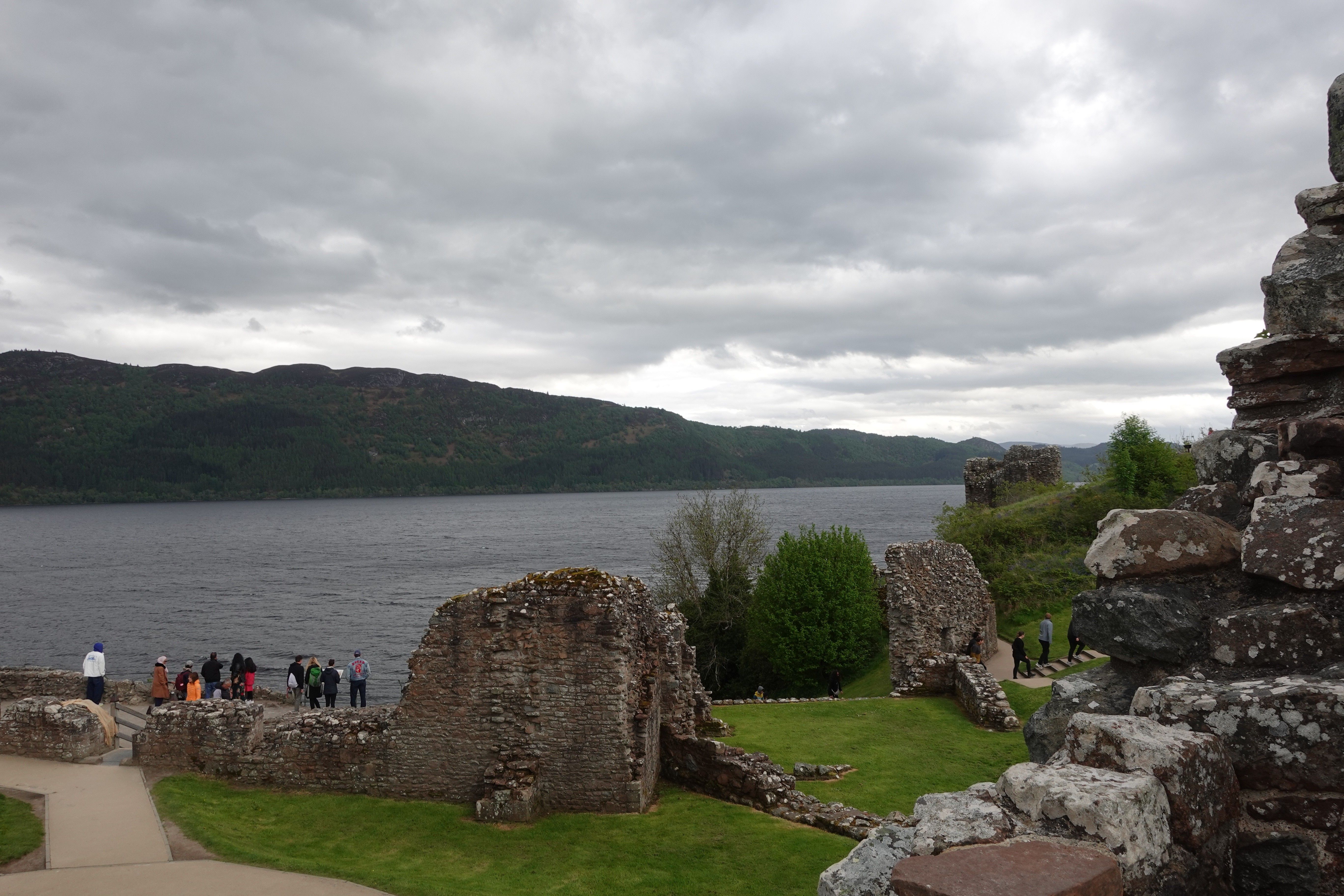
View from rampart
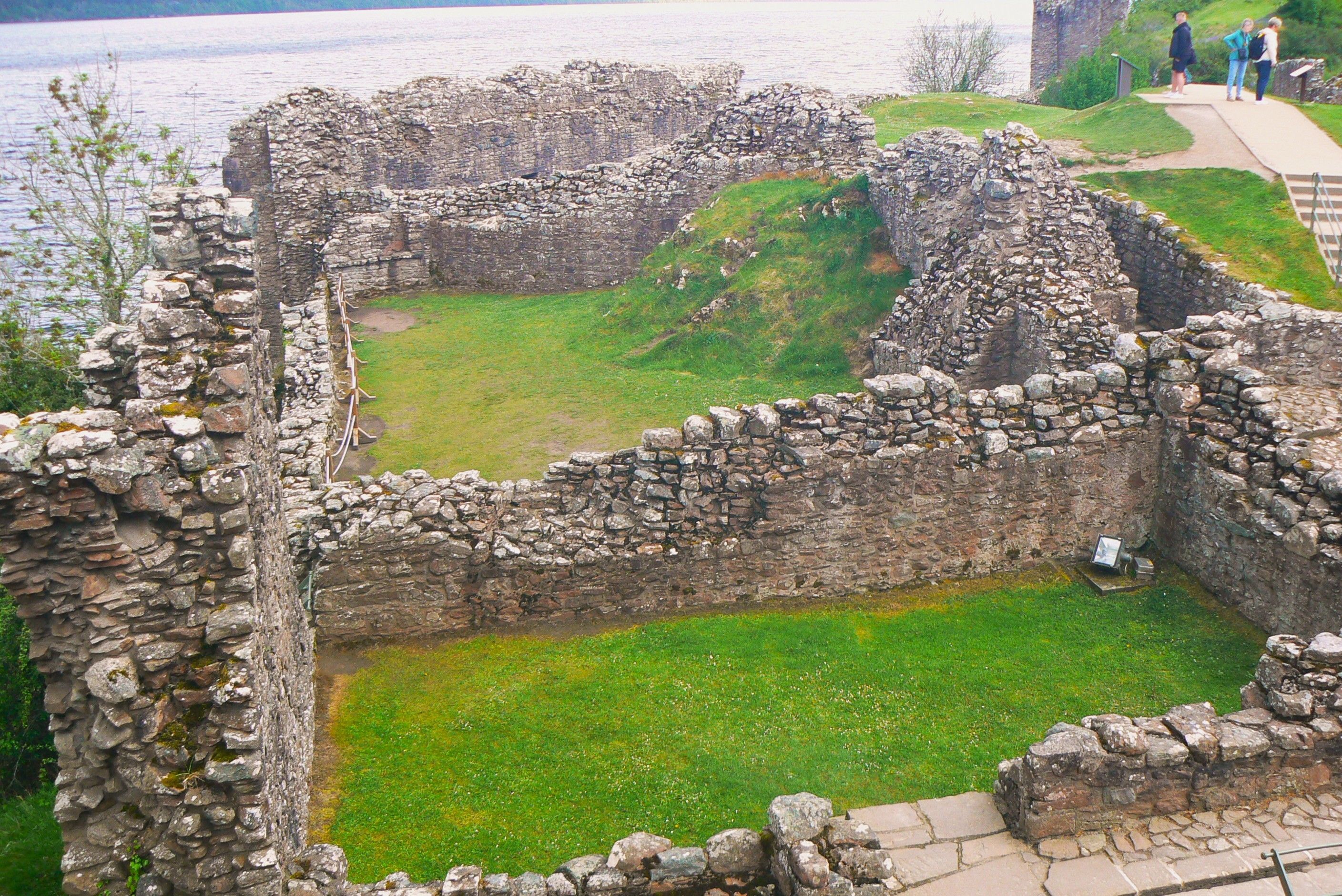
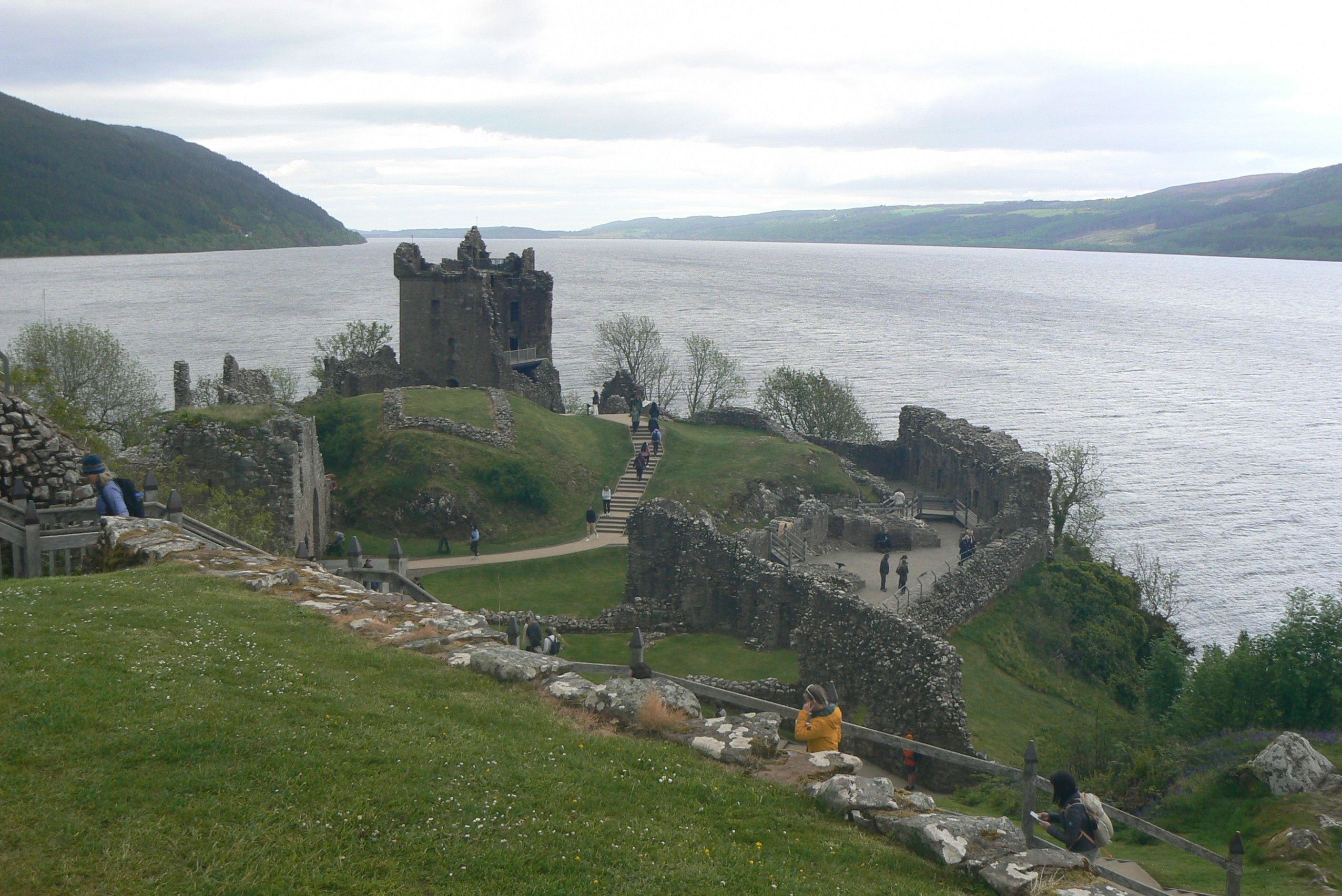
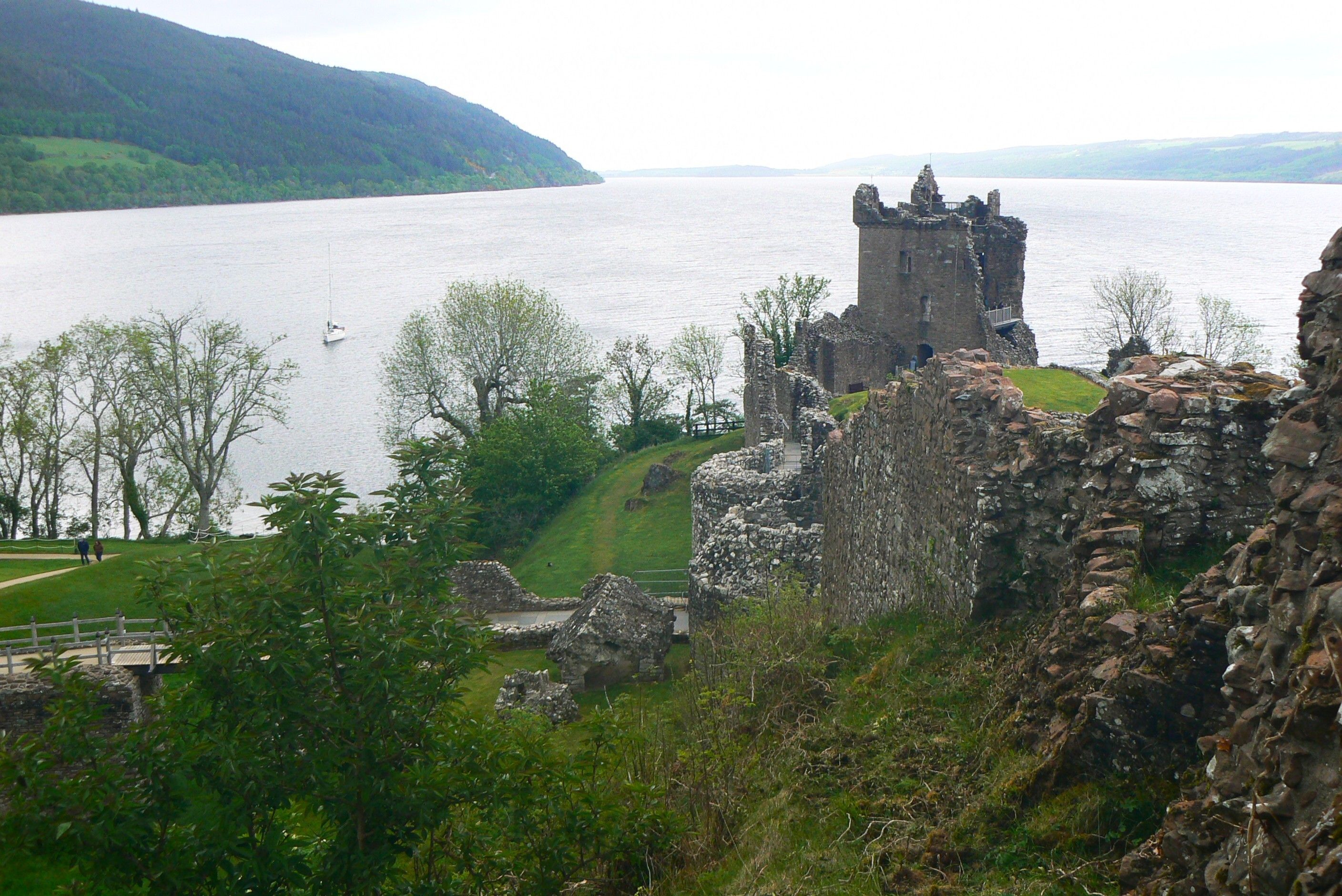
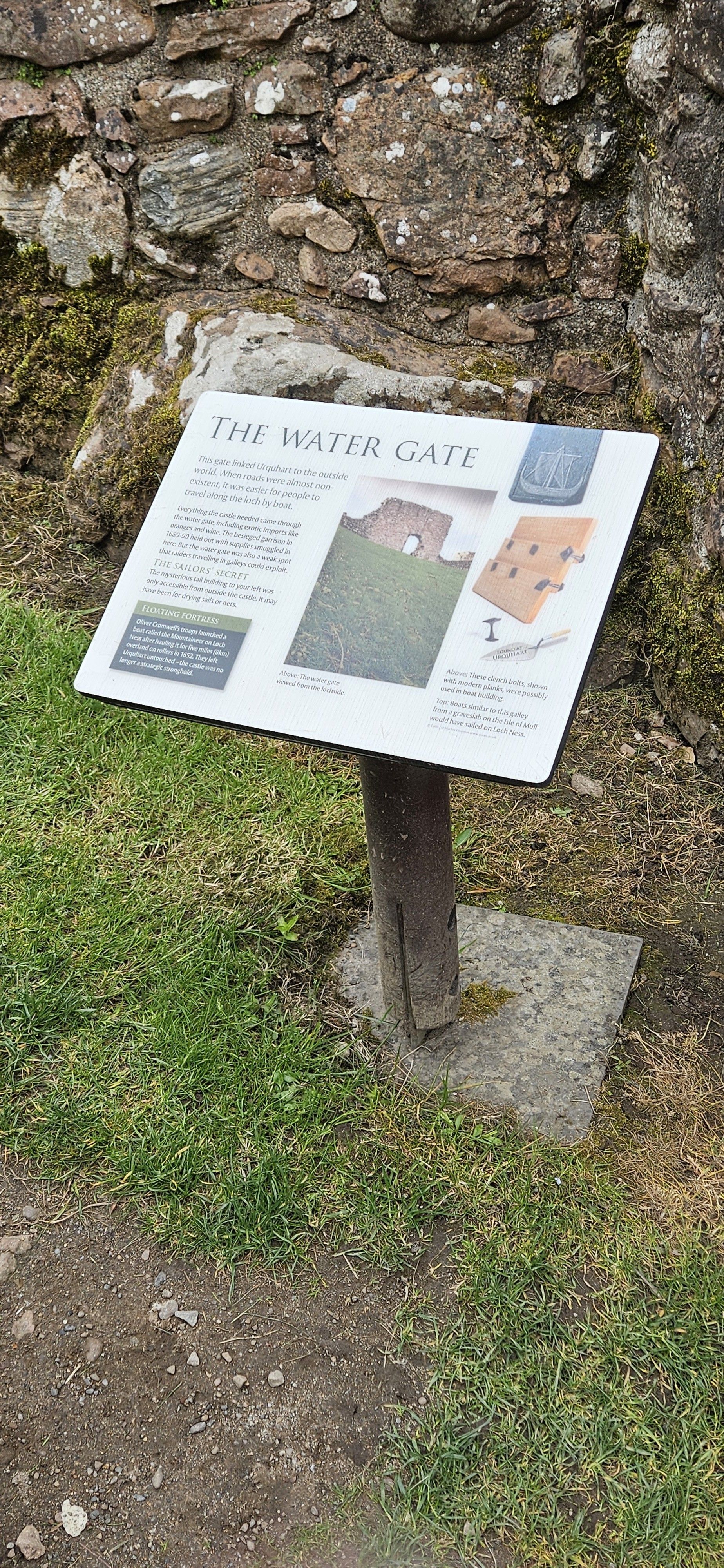
Water Gate
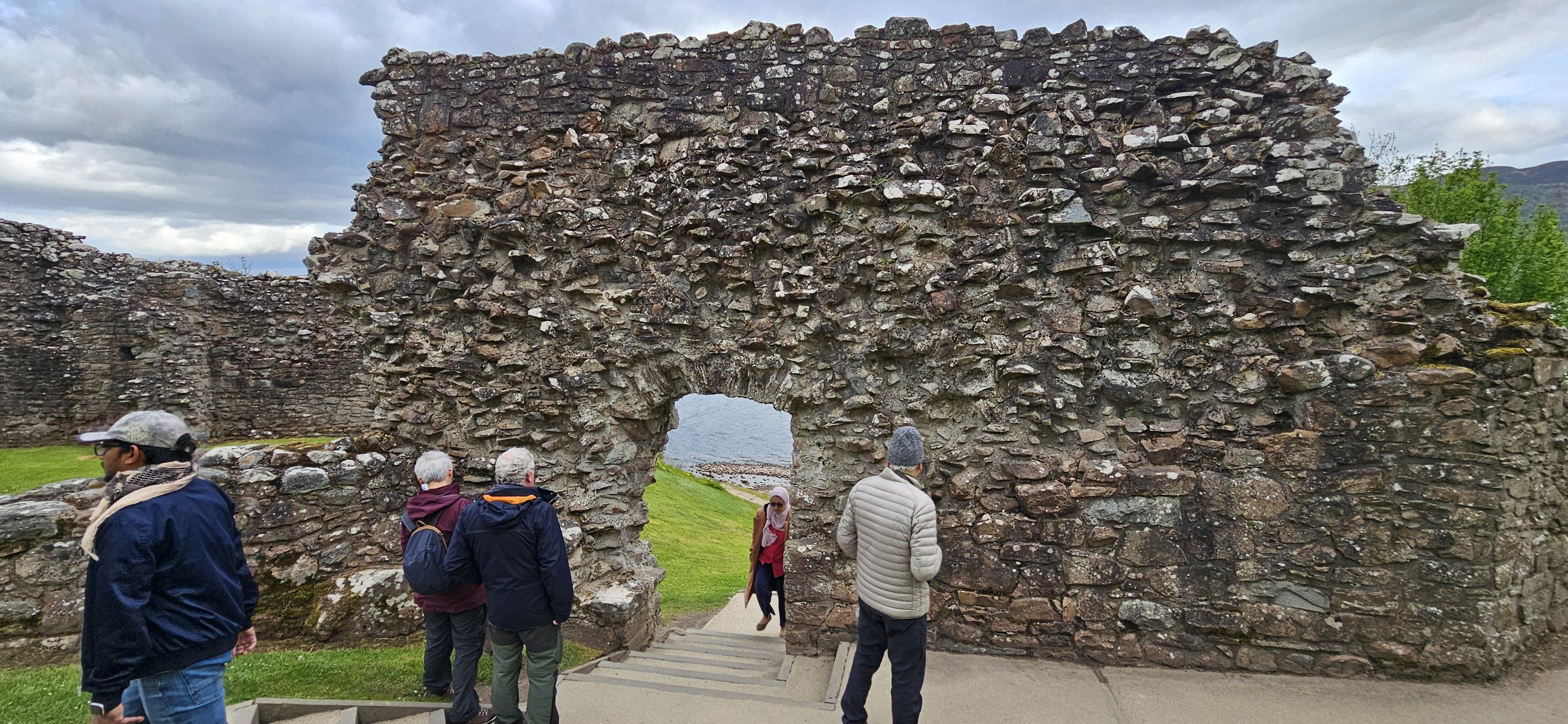
A real water gate
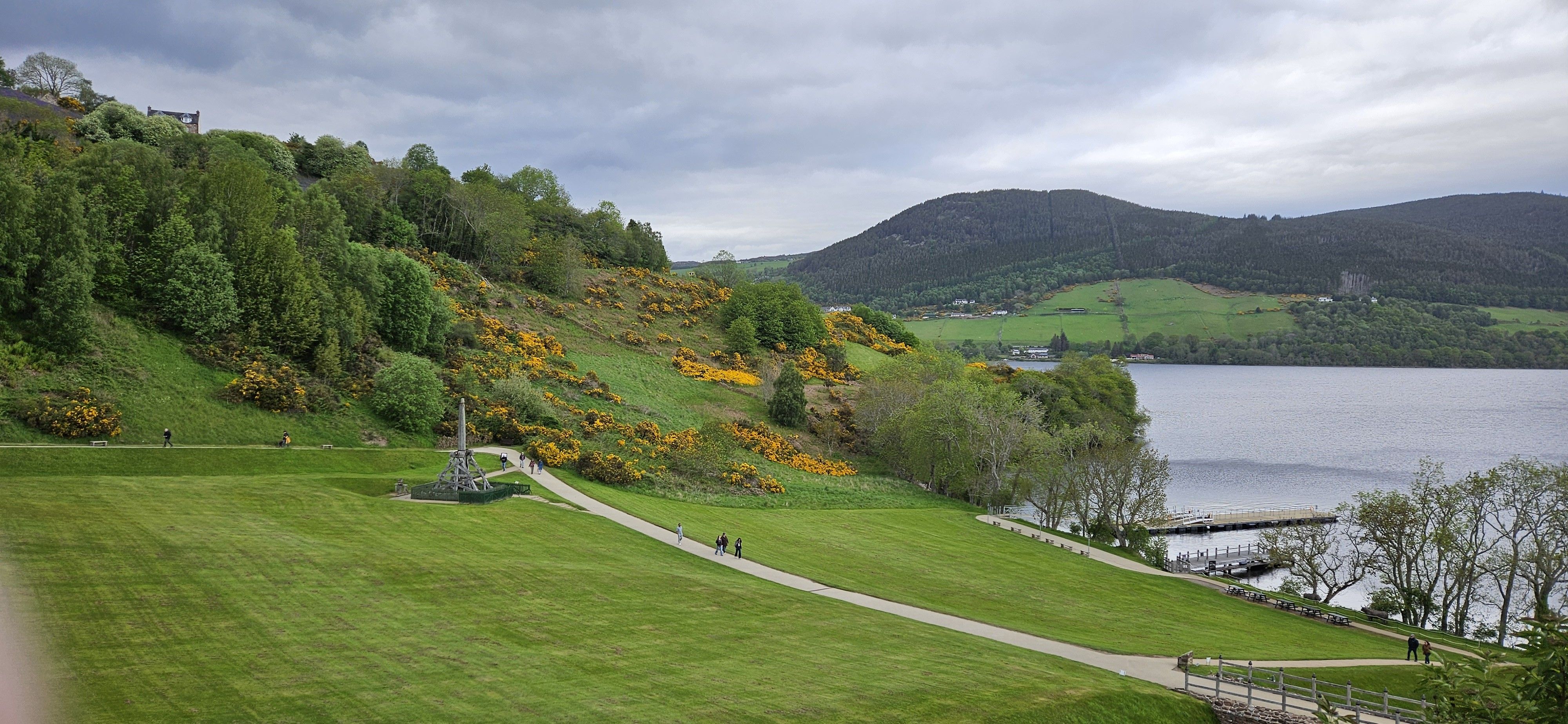
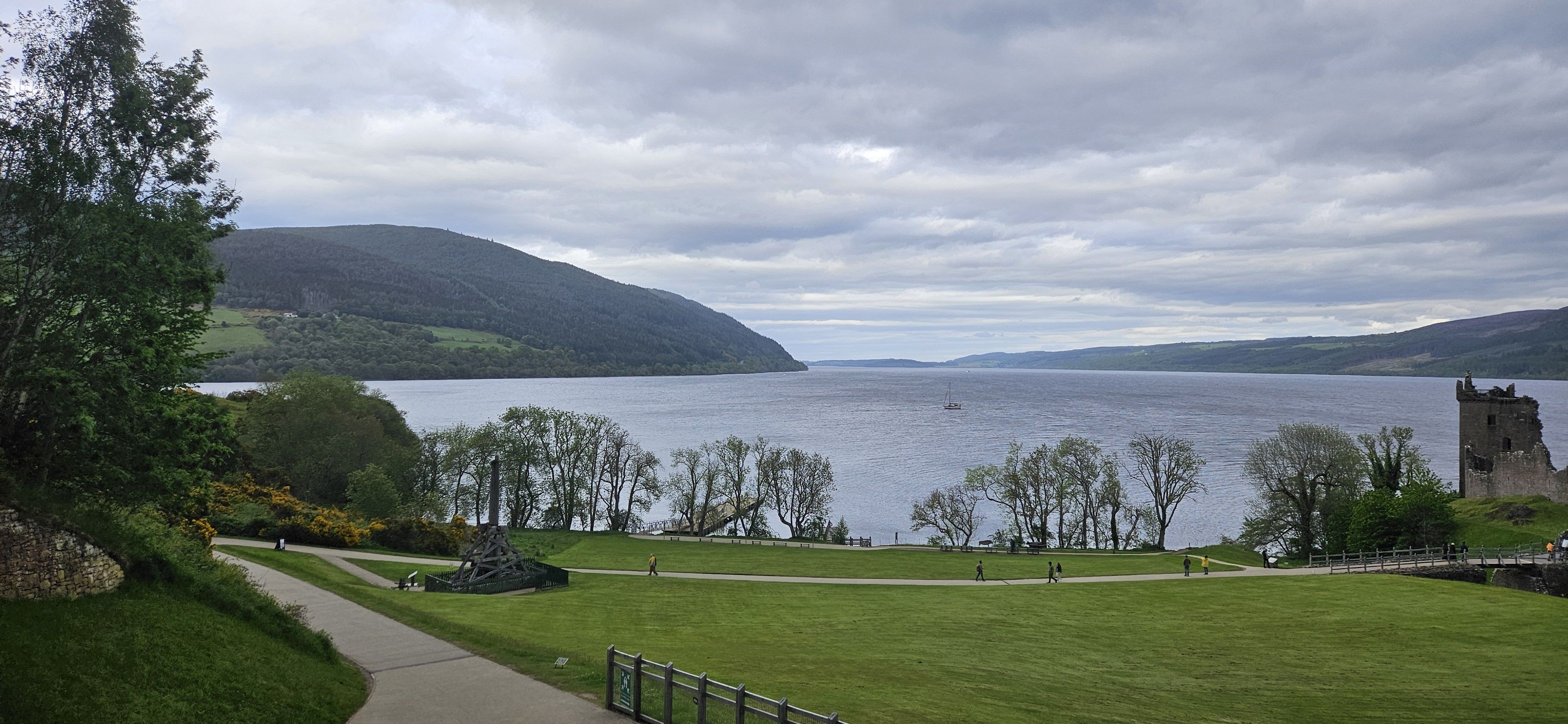
Looking at Loch Ness
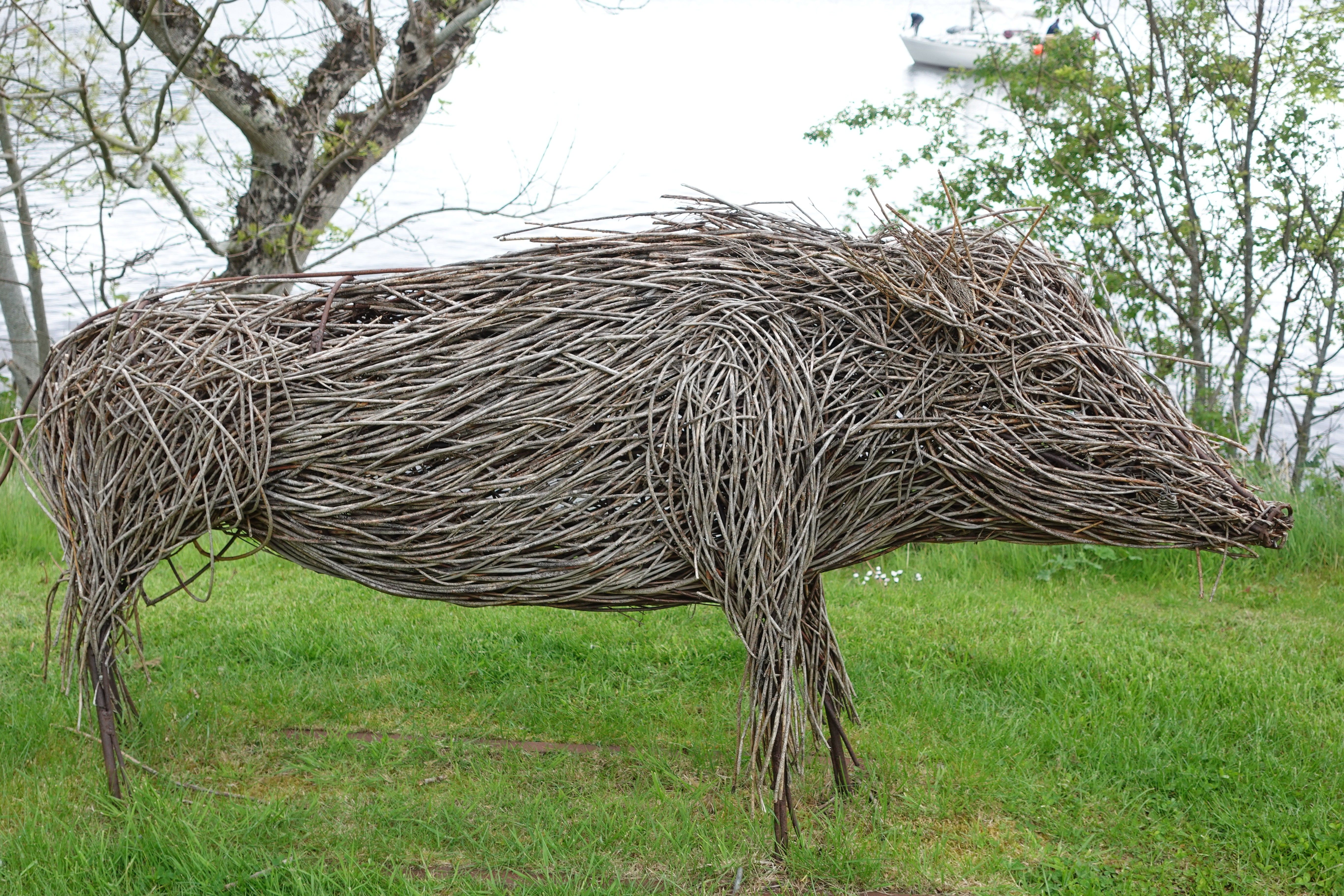
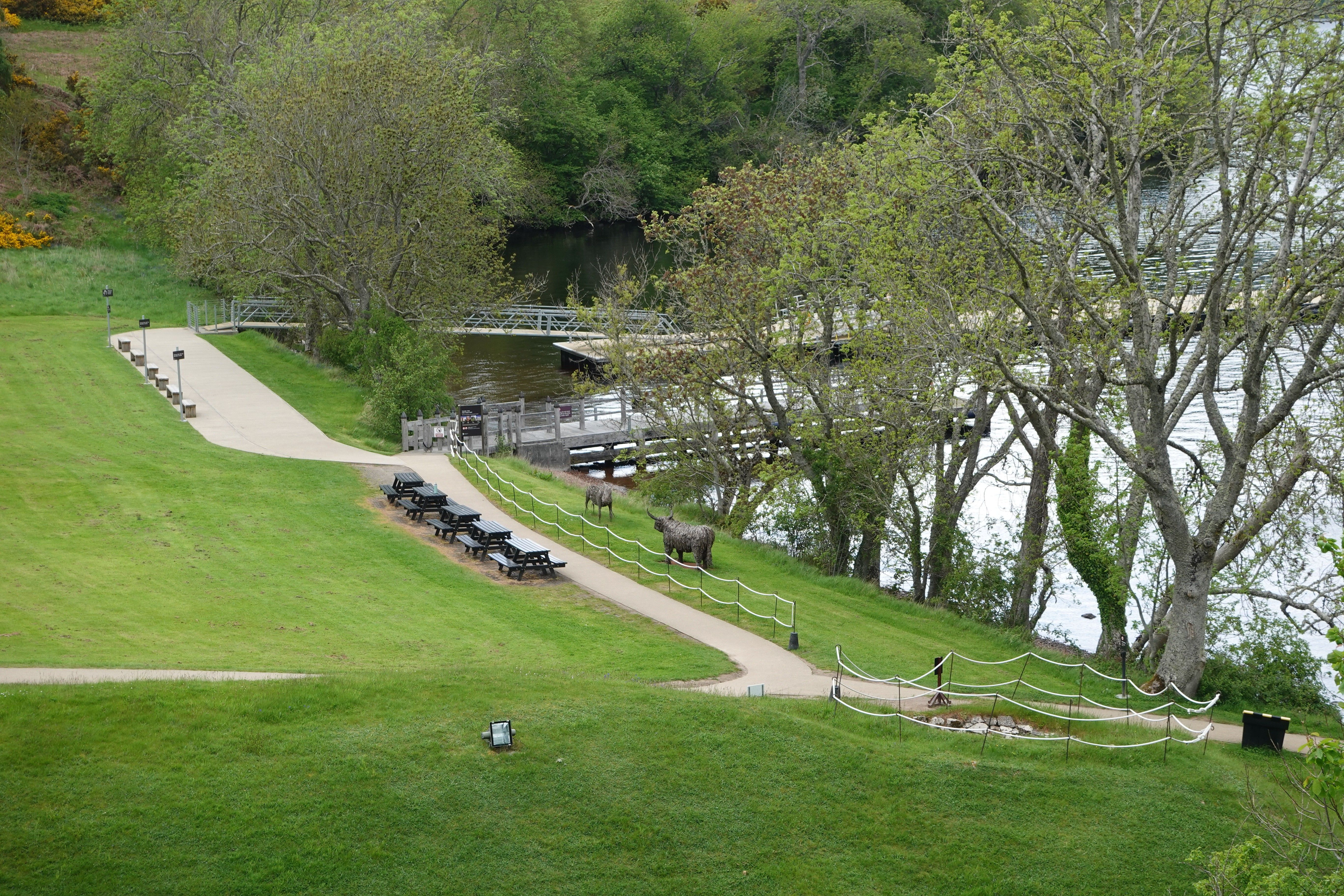
The statues are made of steel and steamed willow.
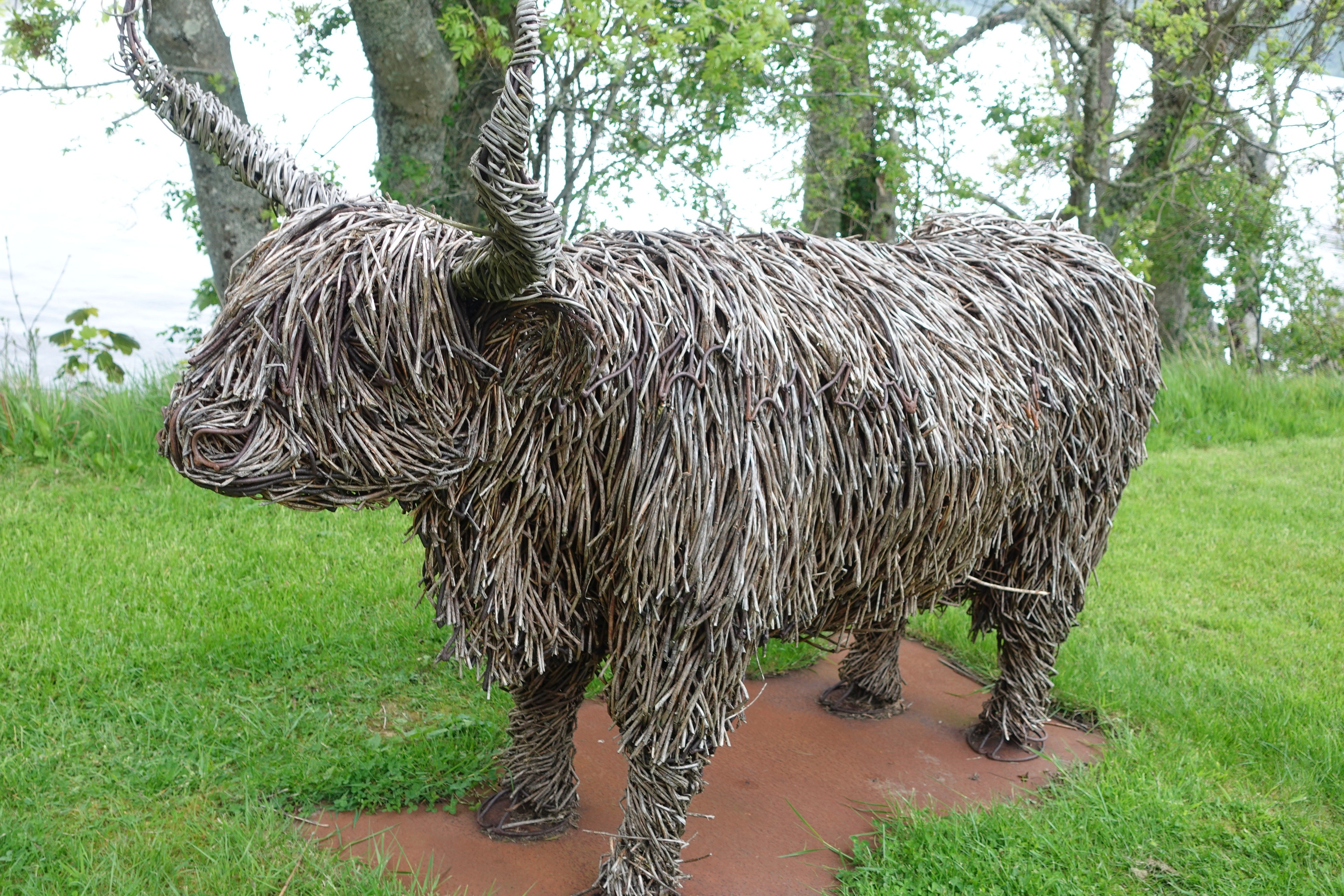
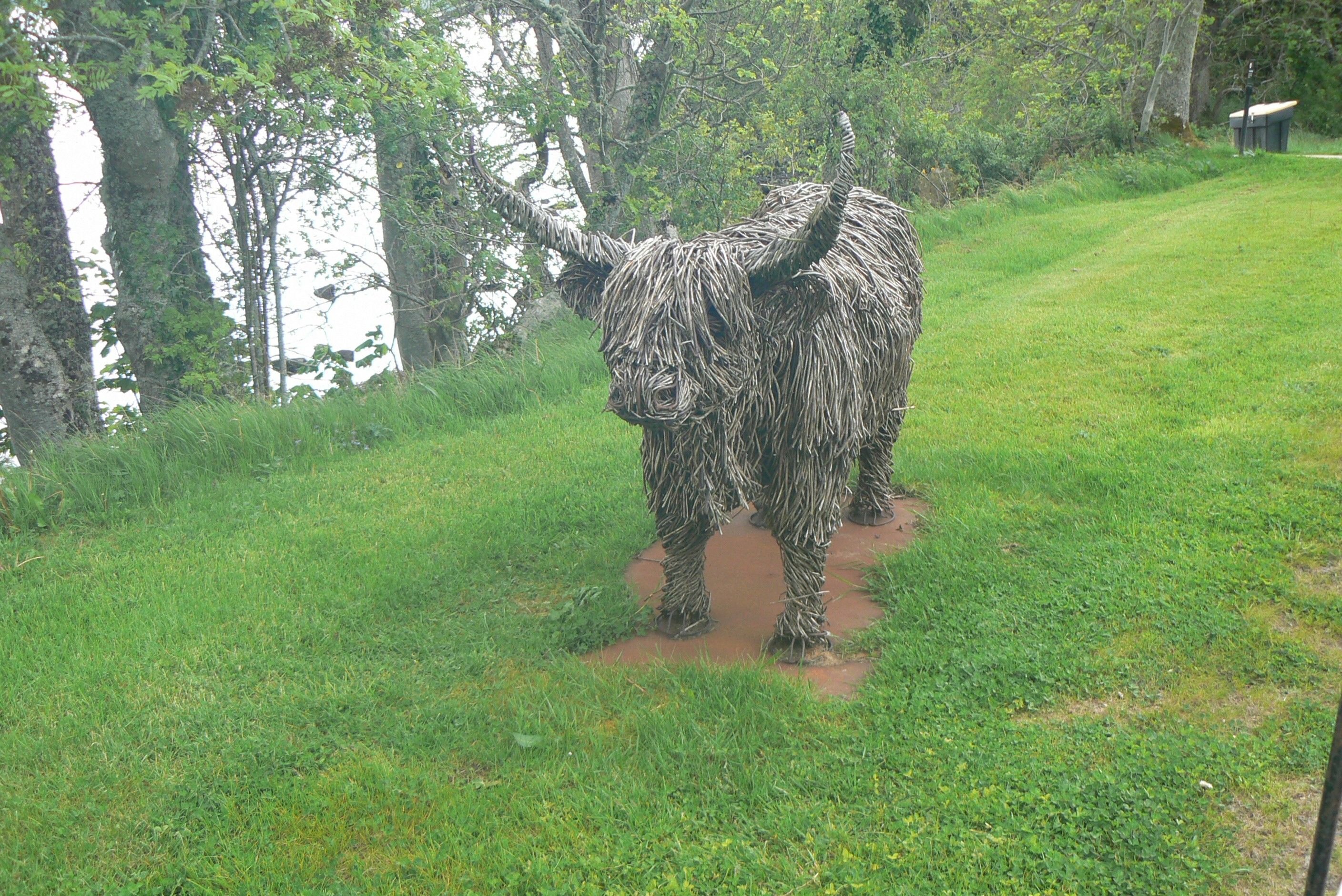
Gotta have a Highland cow
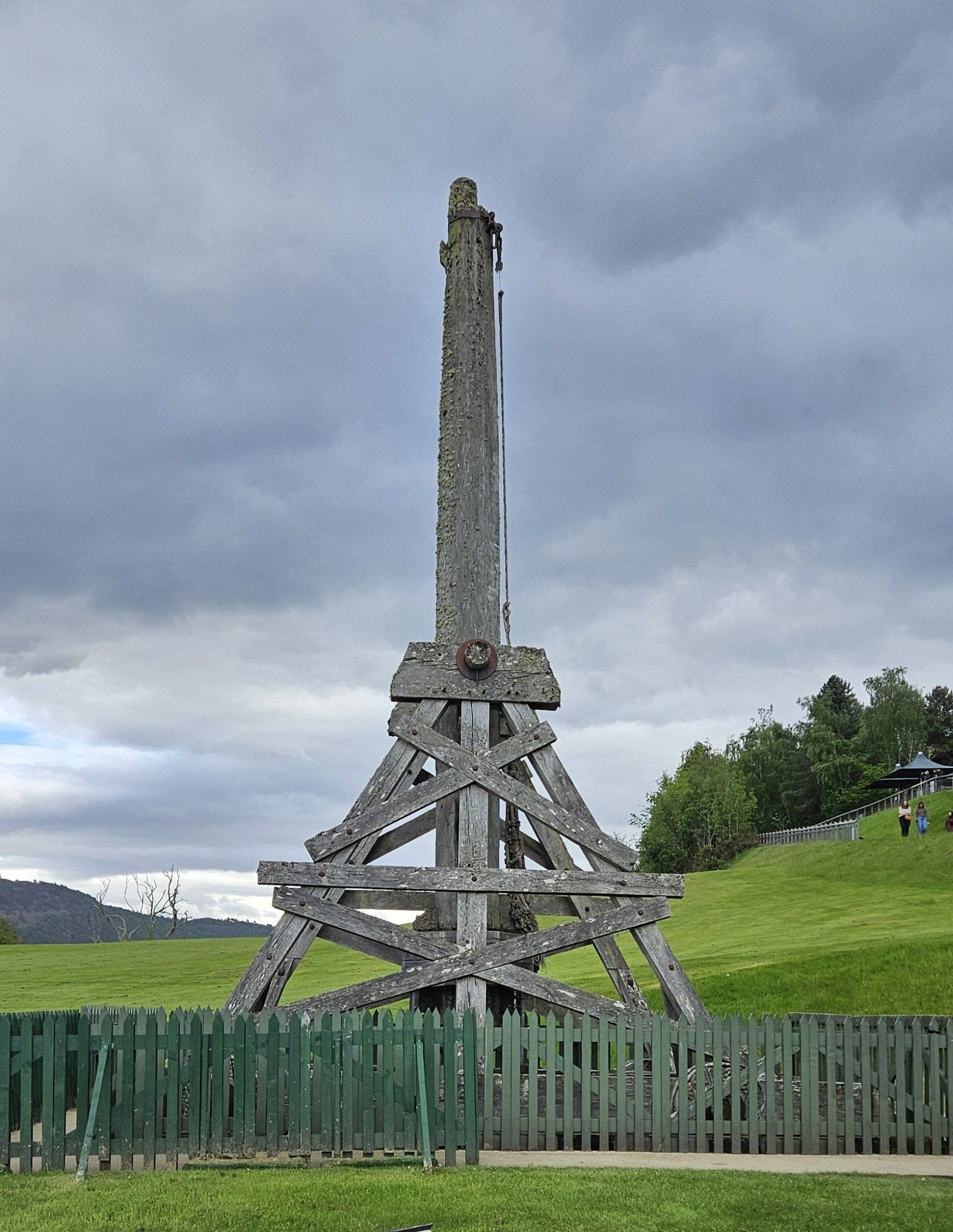
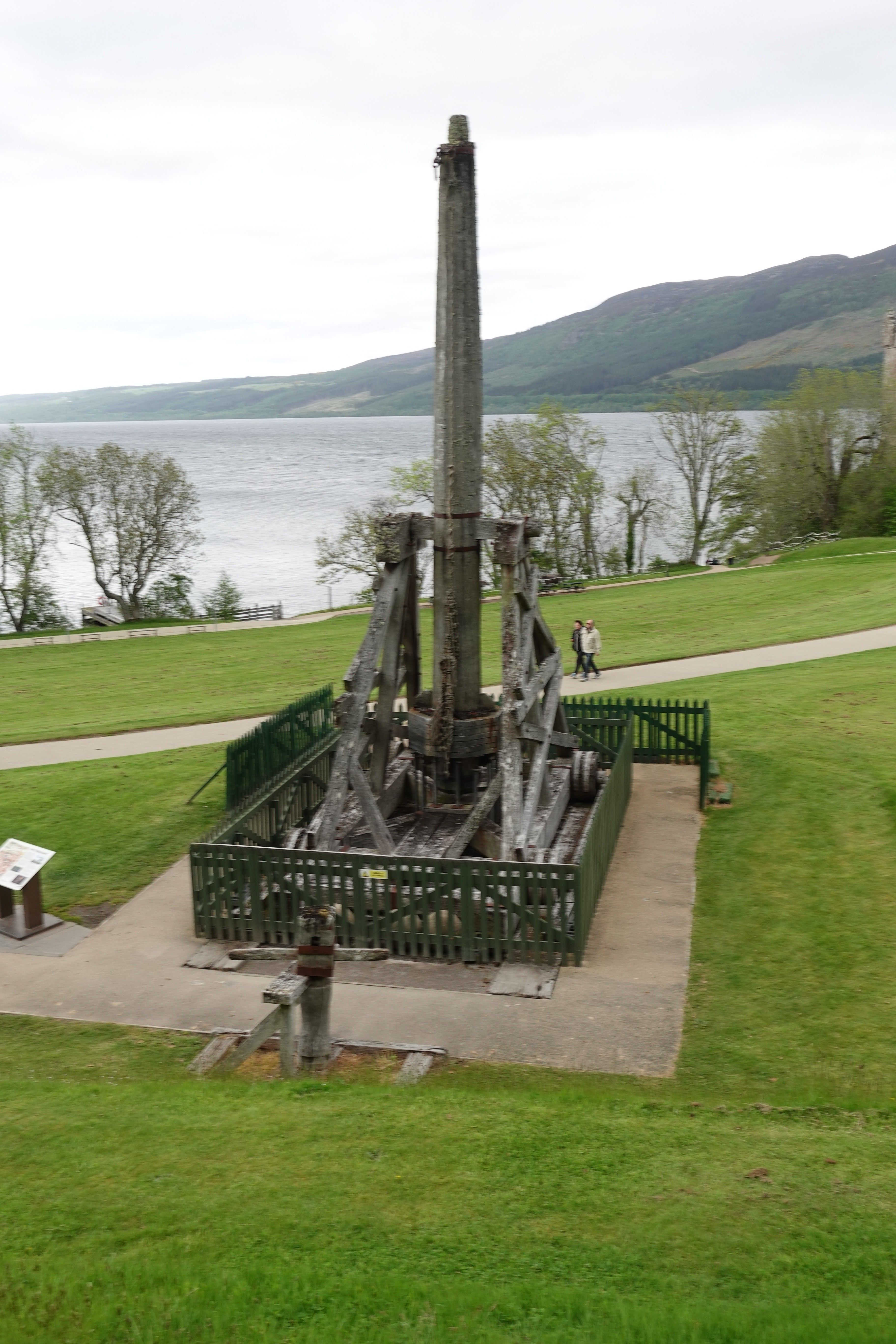
Trebuchet
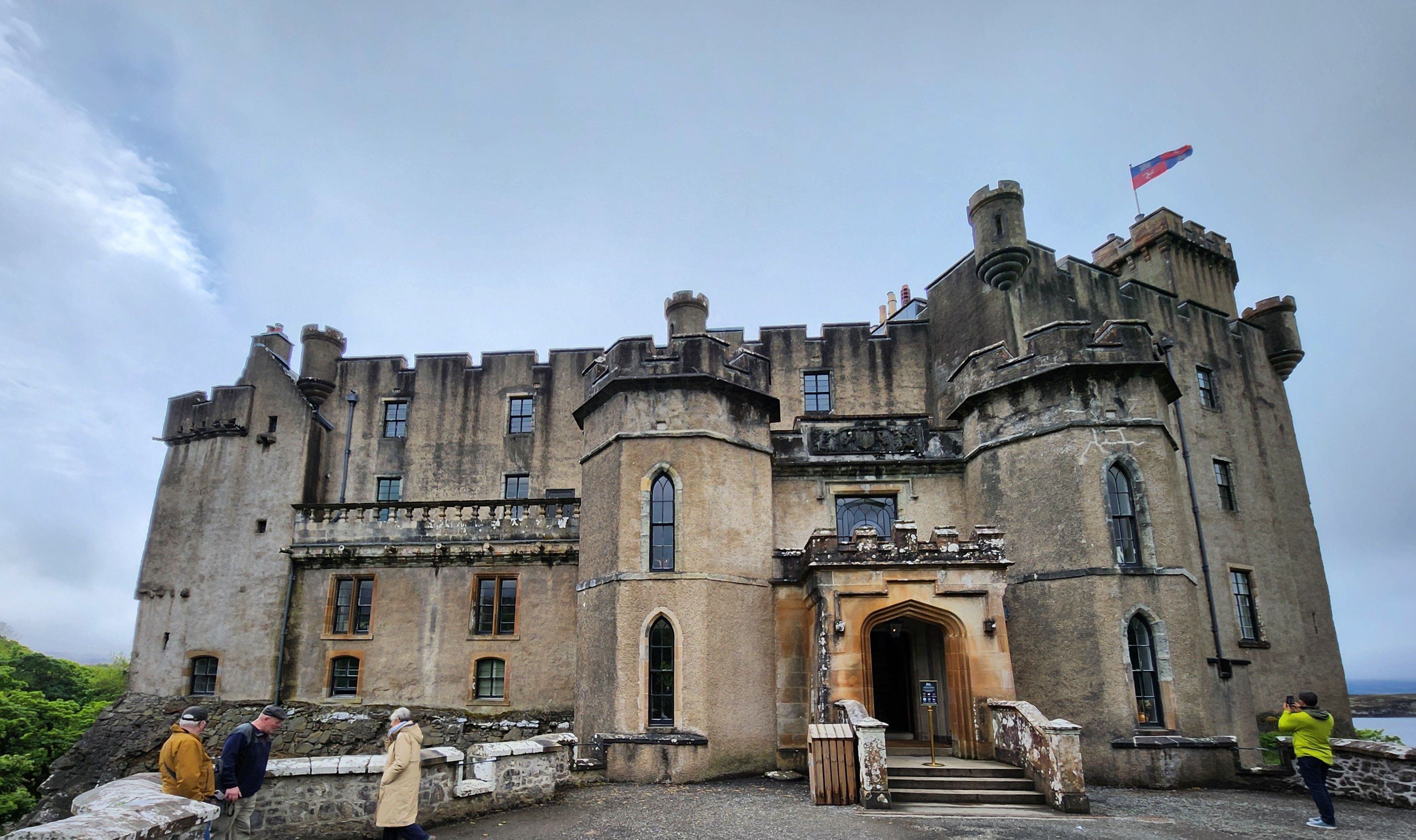
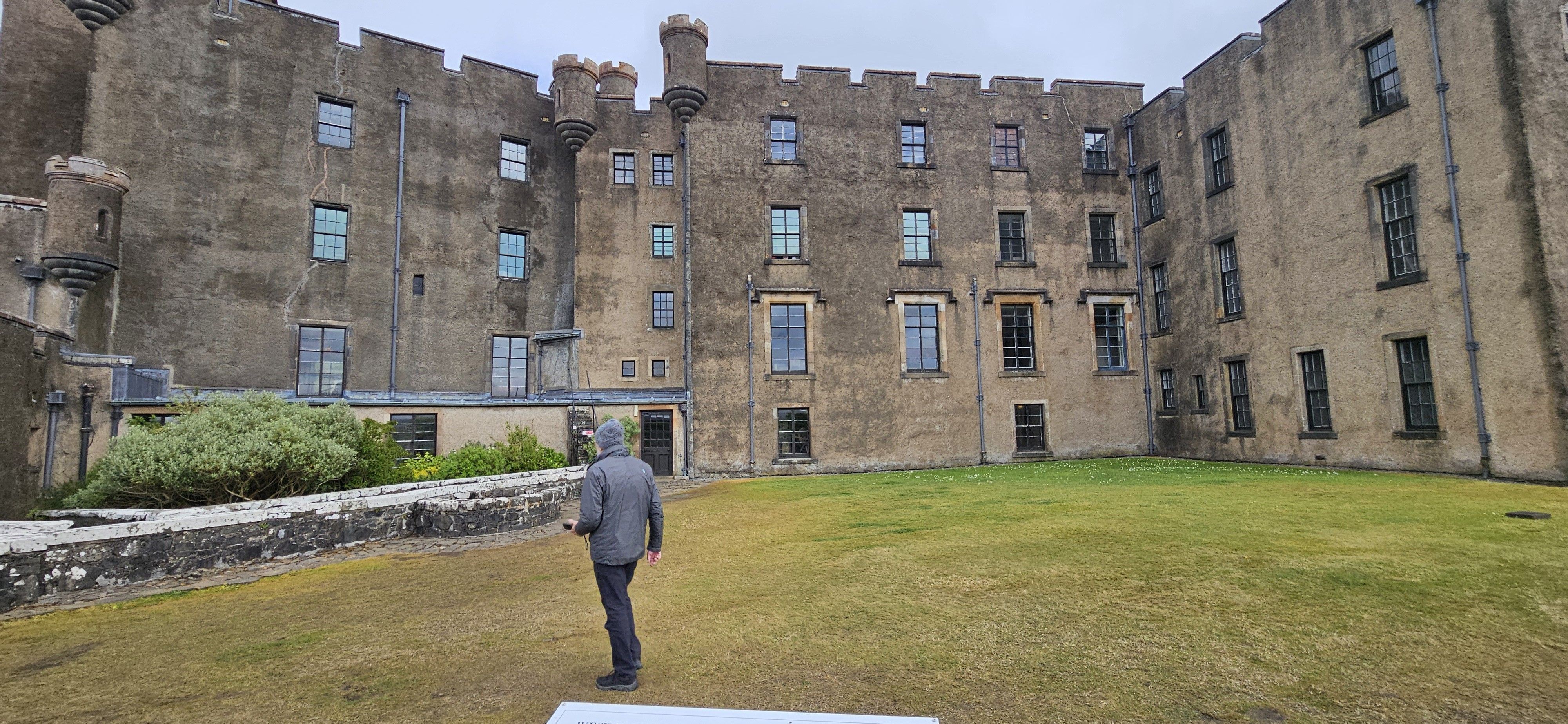
Dunvegan Castle sits near, you guessed it, the village of Dunvegan. and was the stronghold of the clan MacCleod. Yup.
"I am Connor MacLeod of the Clan MacLeod. I was born in 1518 in the village of Glenfinnan on the shores of Loch Shiel. And I am immortal."
OK, so he probably was mortal but history and myth are tied here.
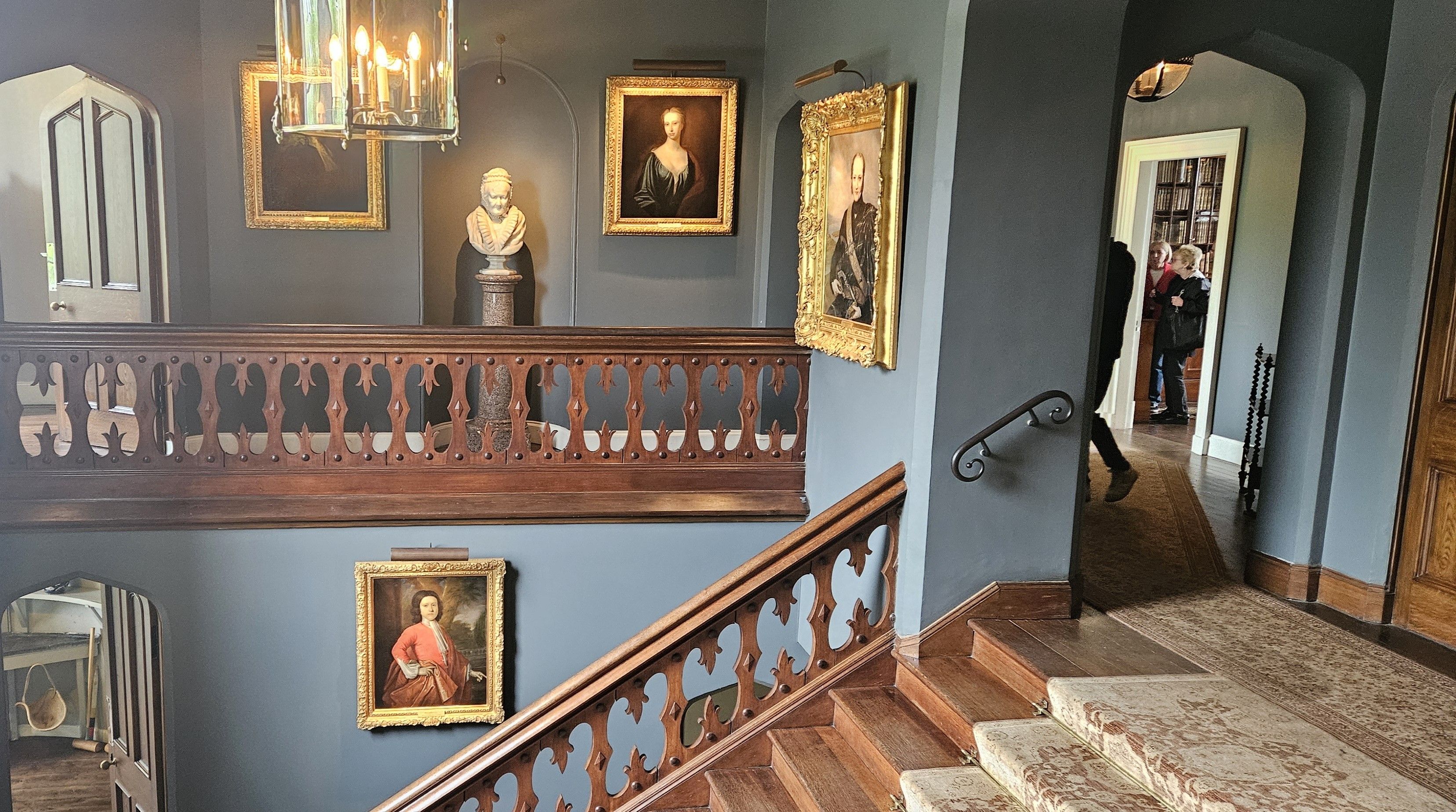
It sits on a big dome of rock, is impressive, and some parts are restored for viewing.
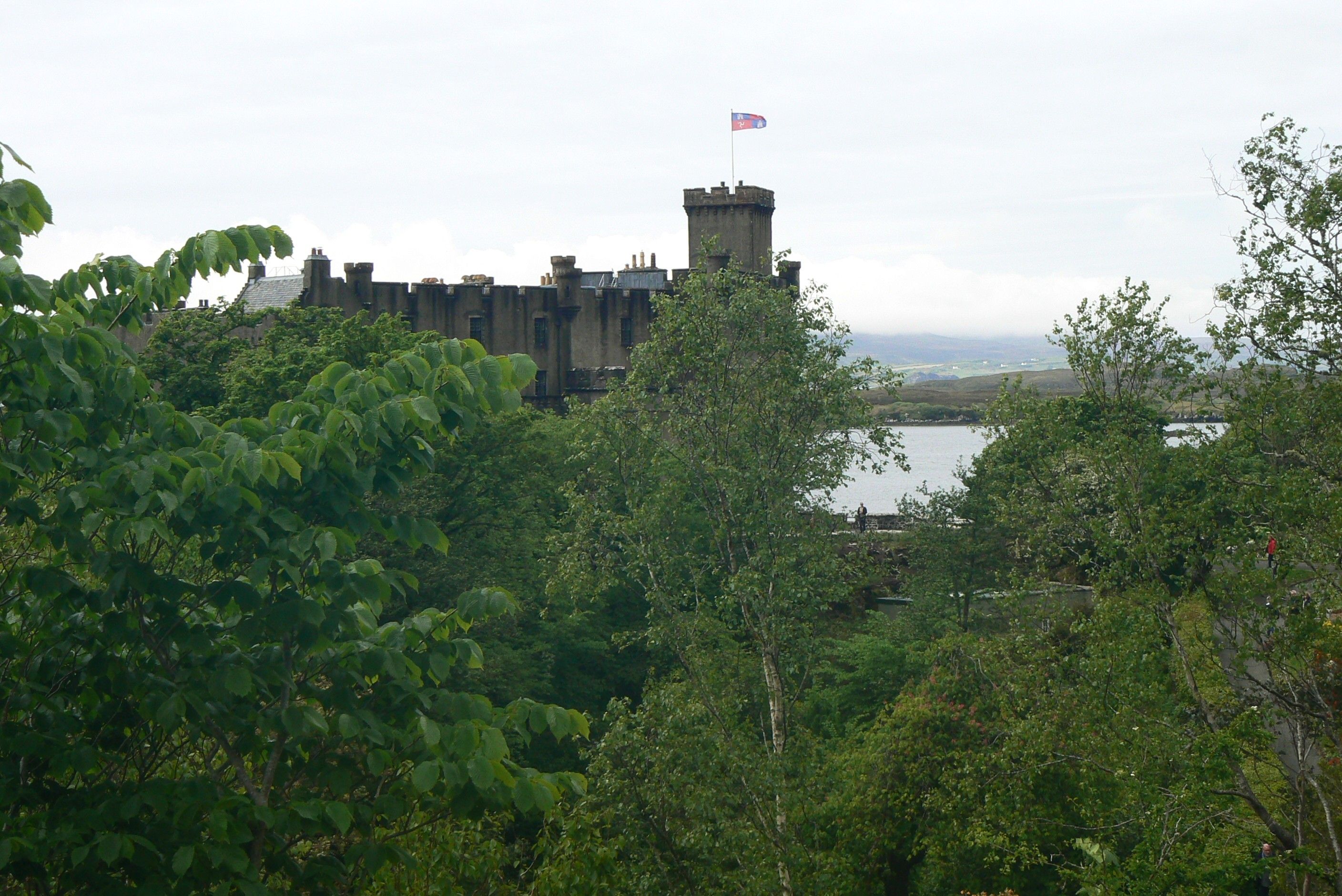
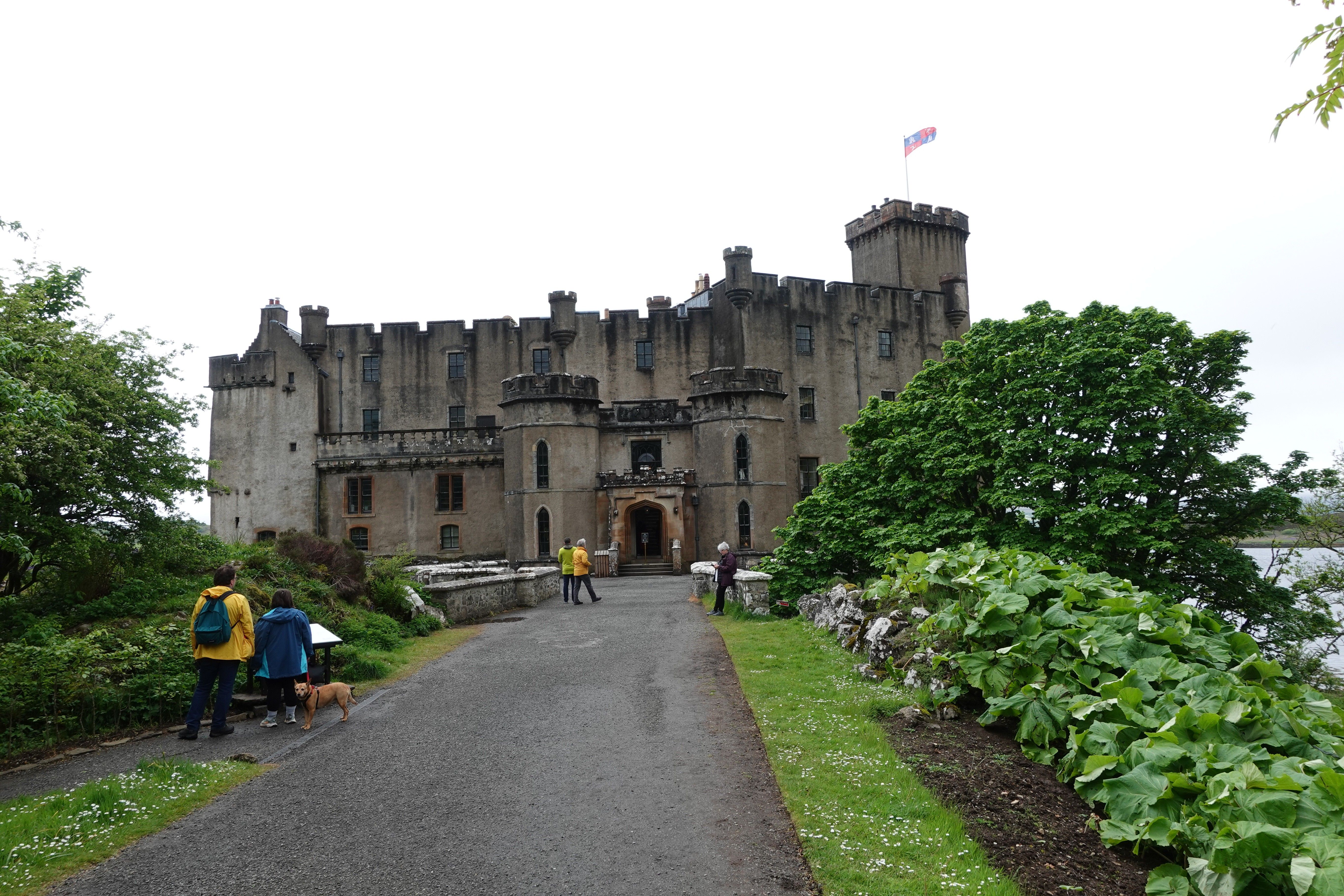
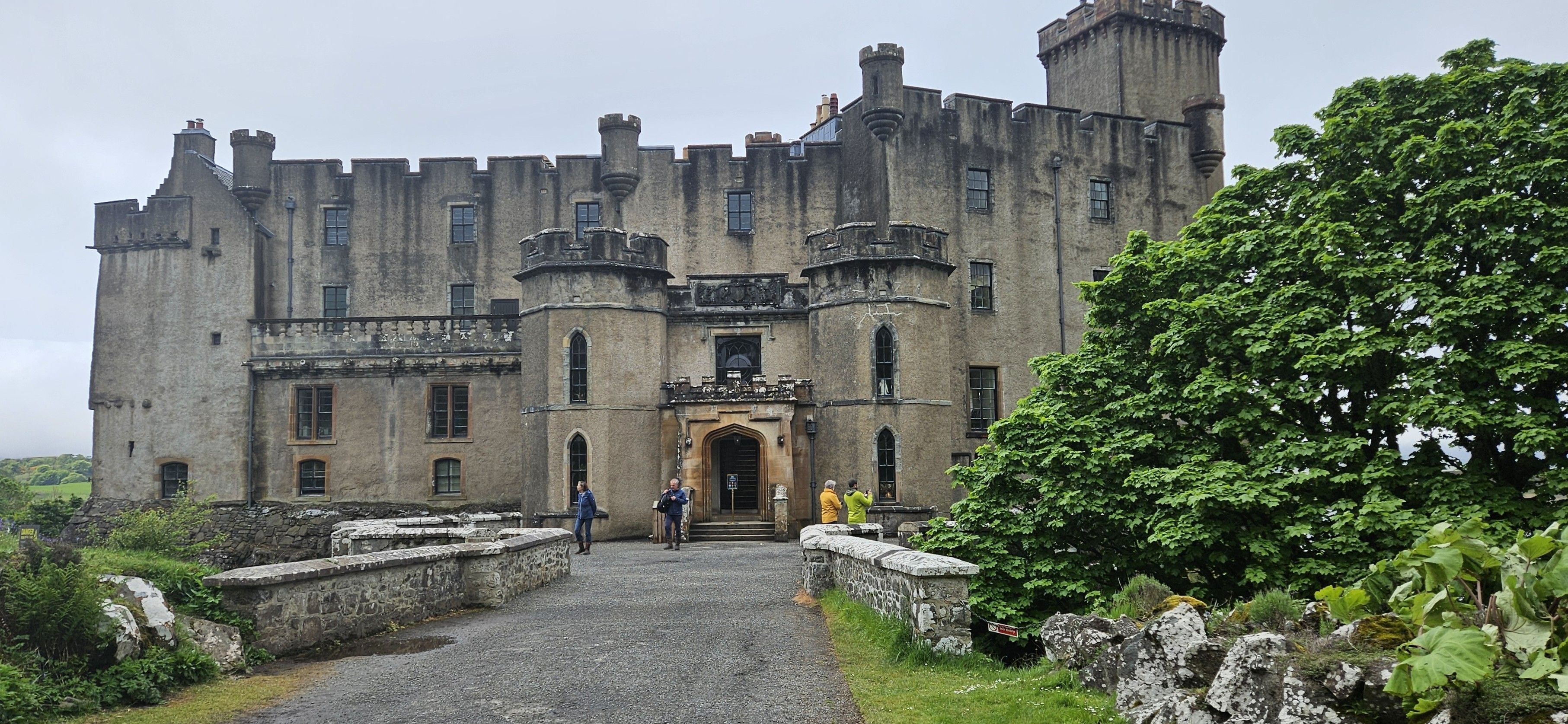
Impressive entrance
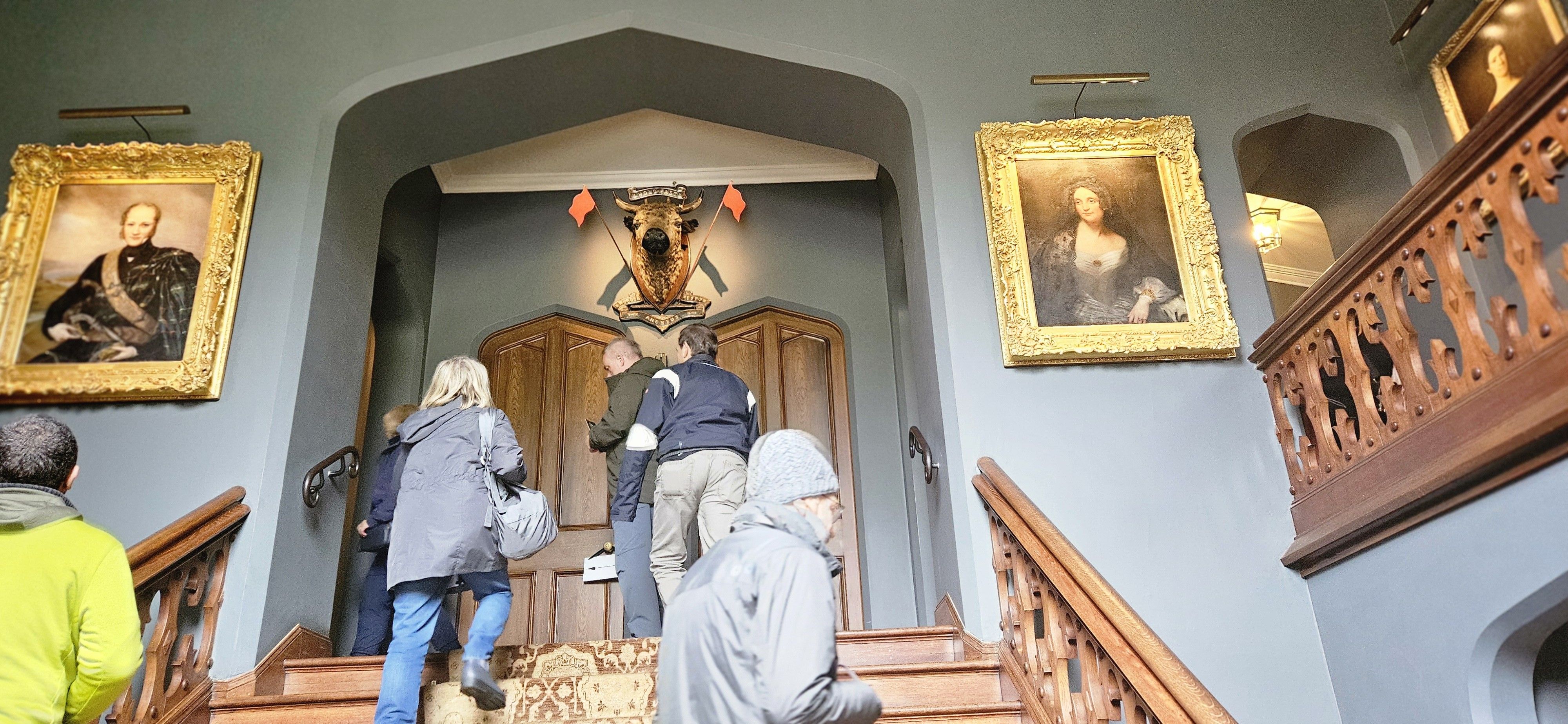
The entry hall
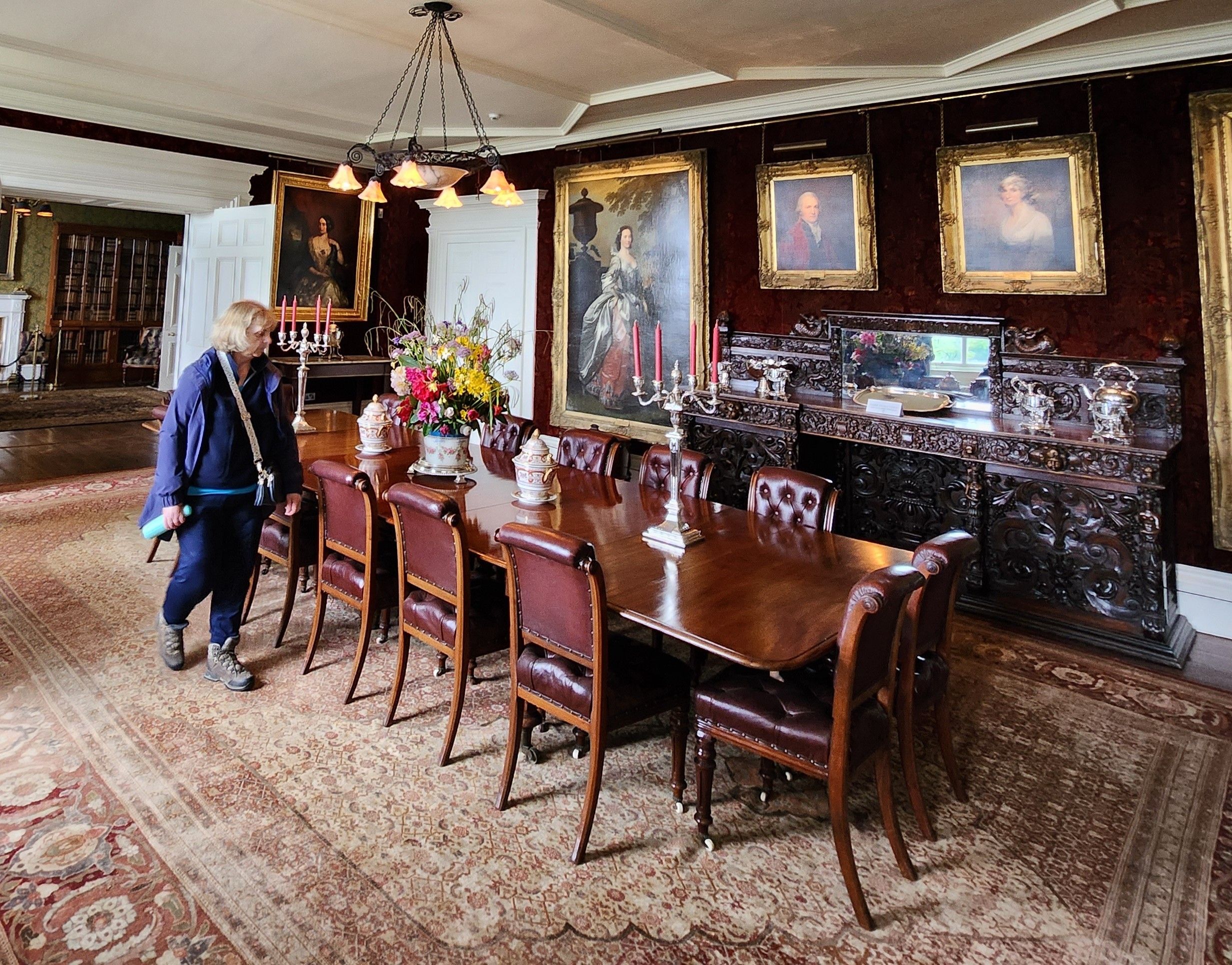
Dining Room
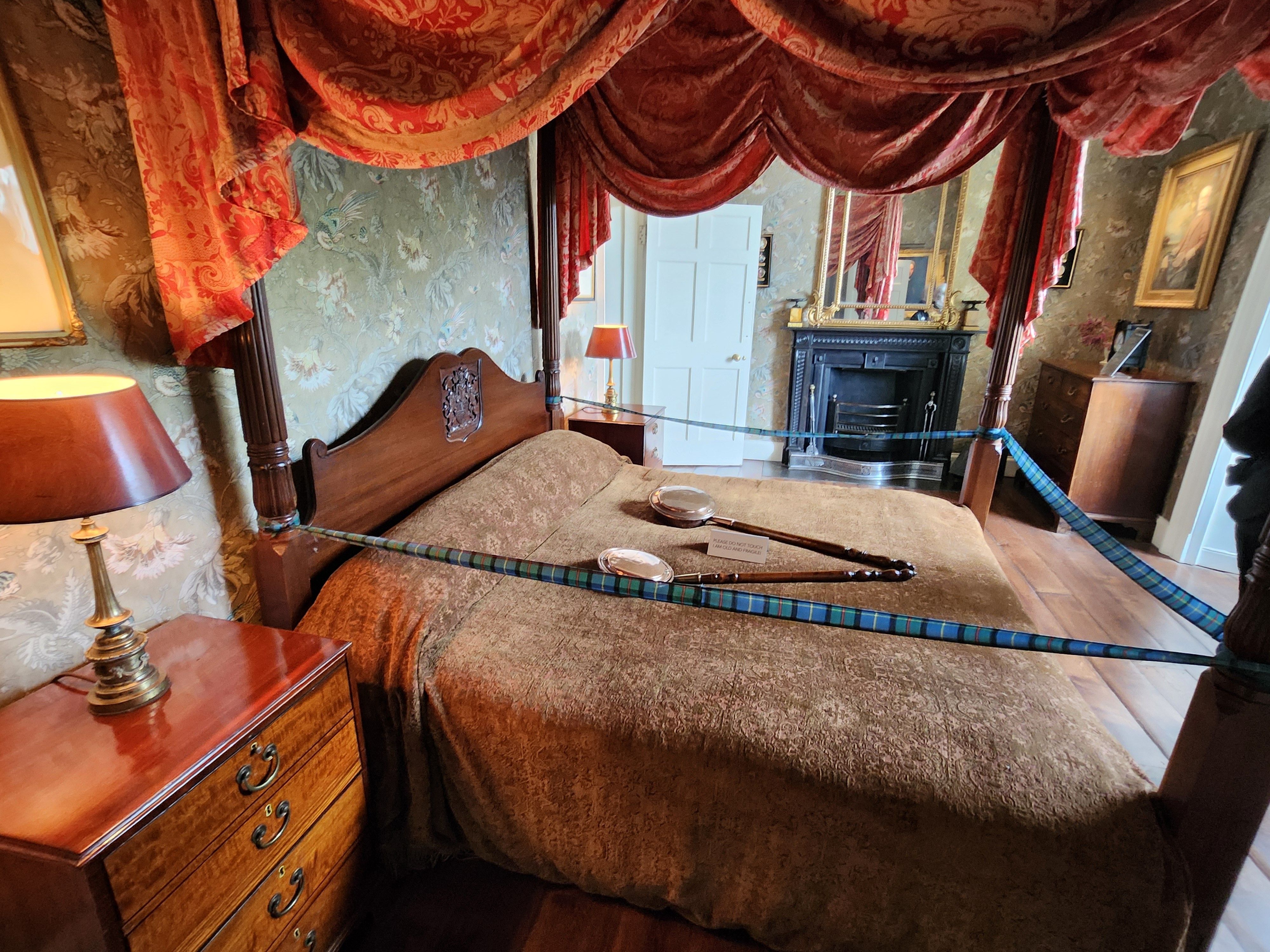
One bedroom
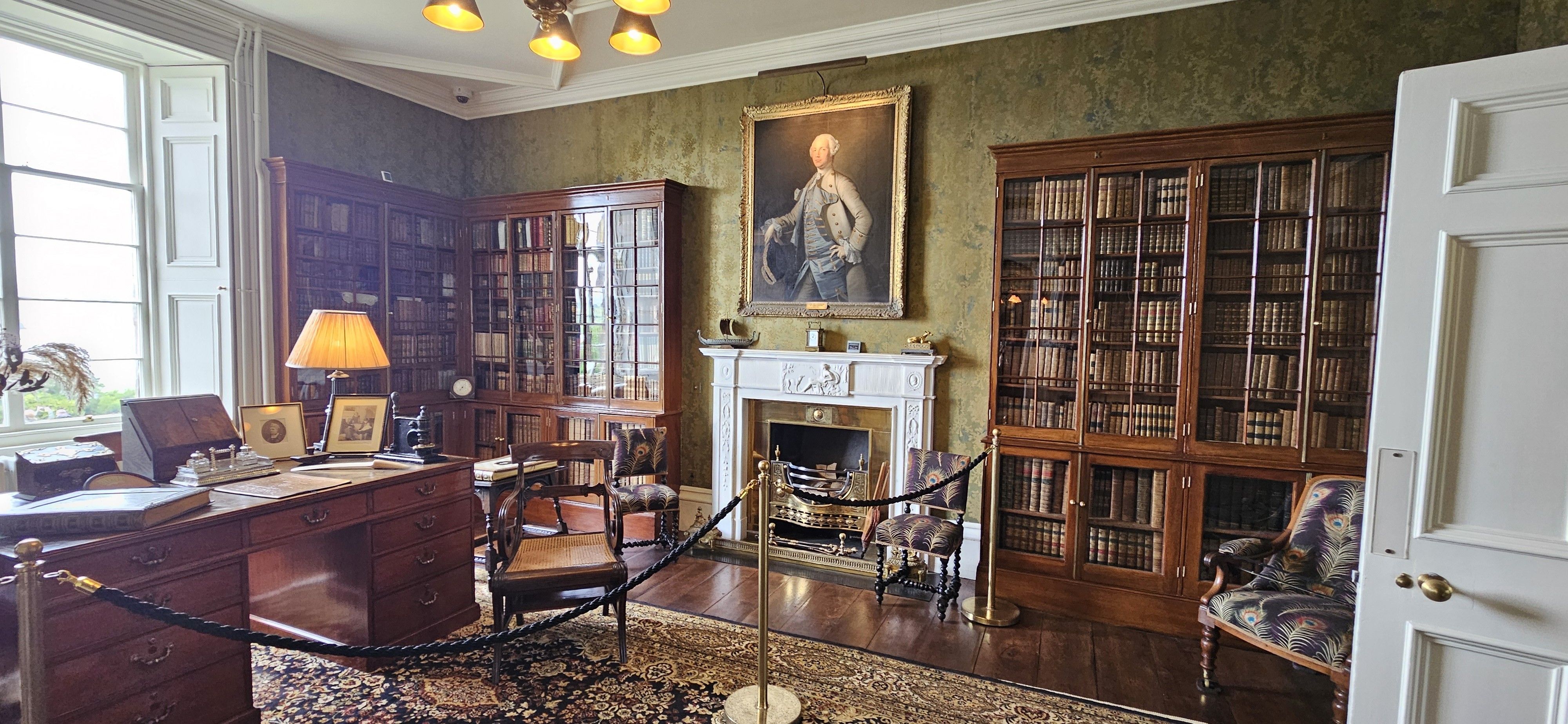
Library
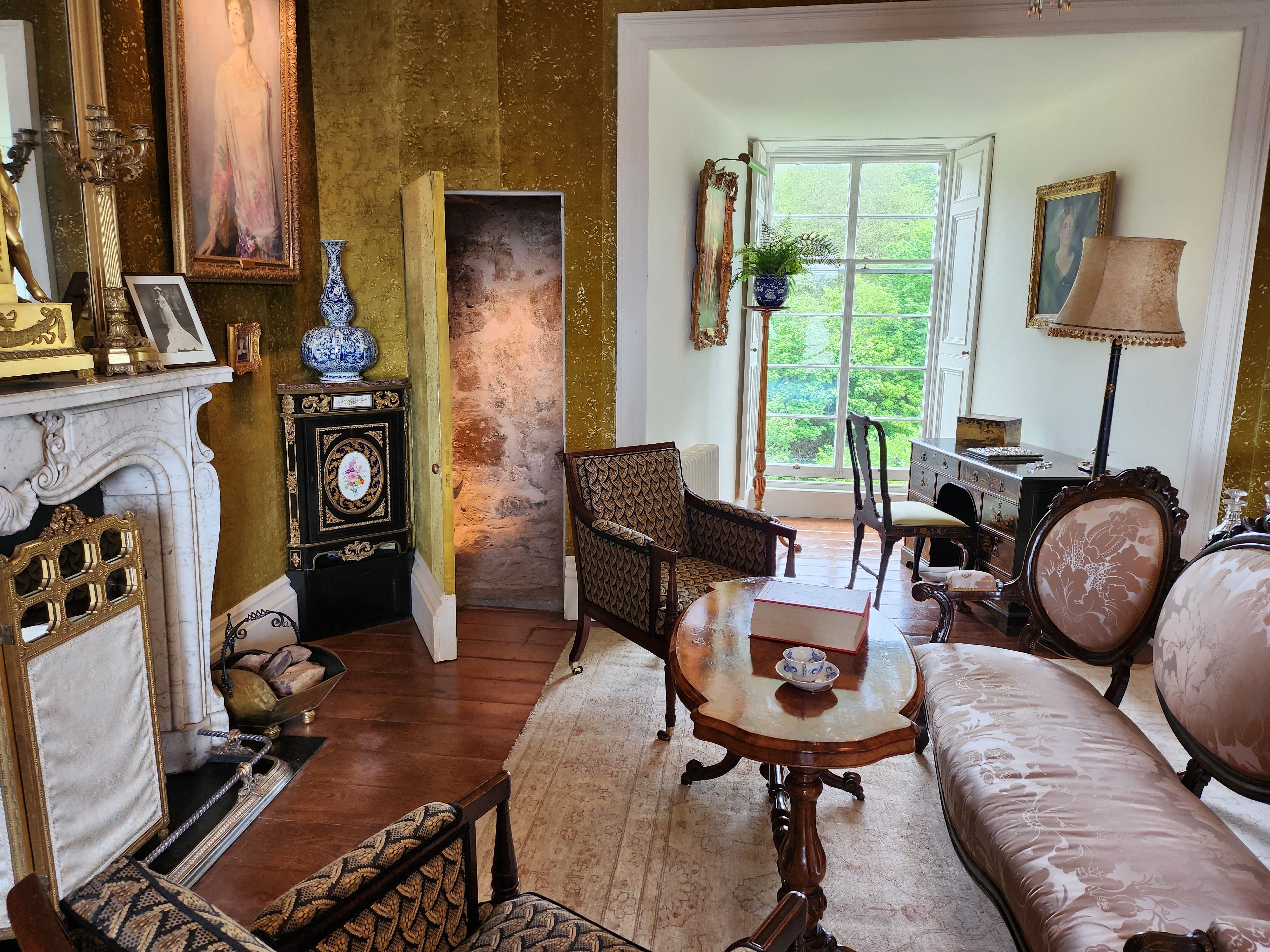
Parlor
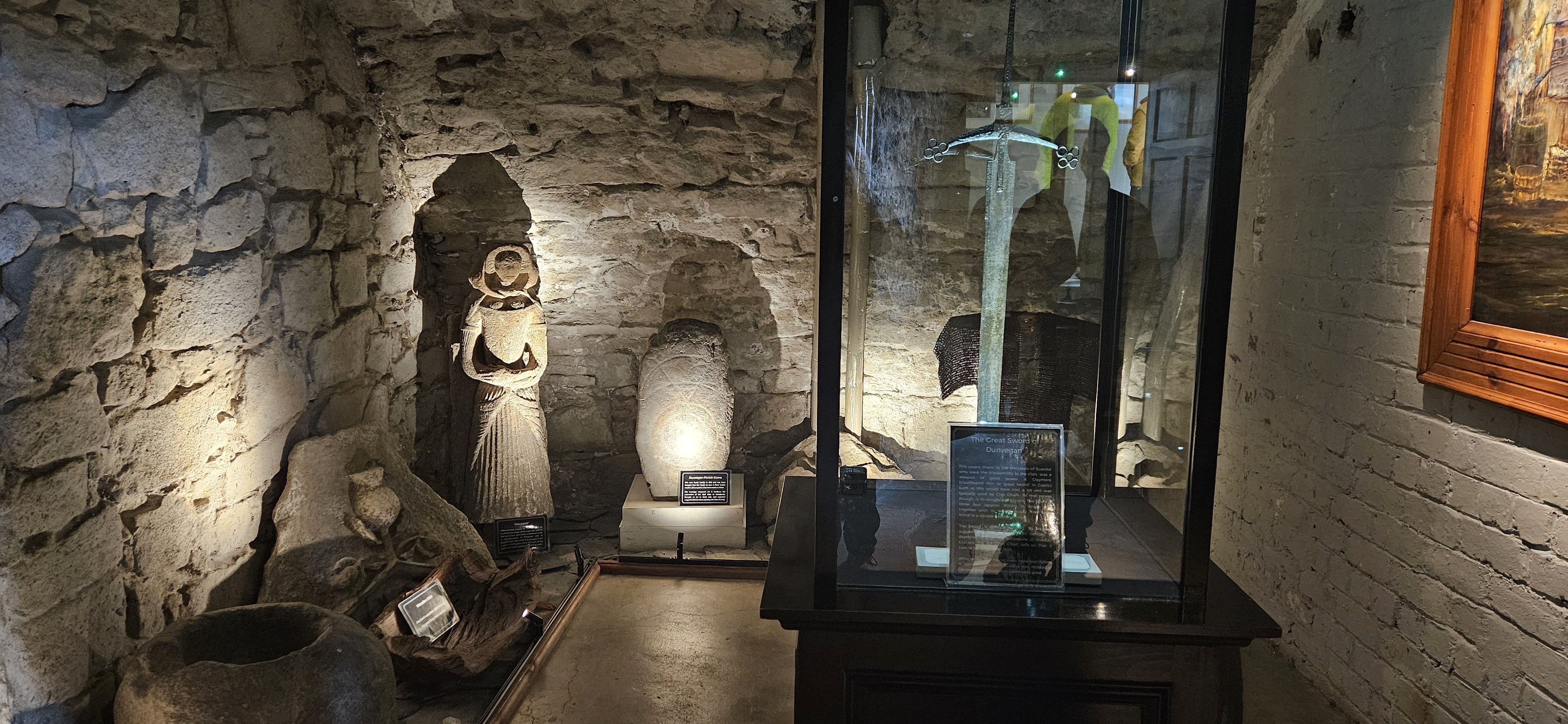
Museum of artifacts found on site.
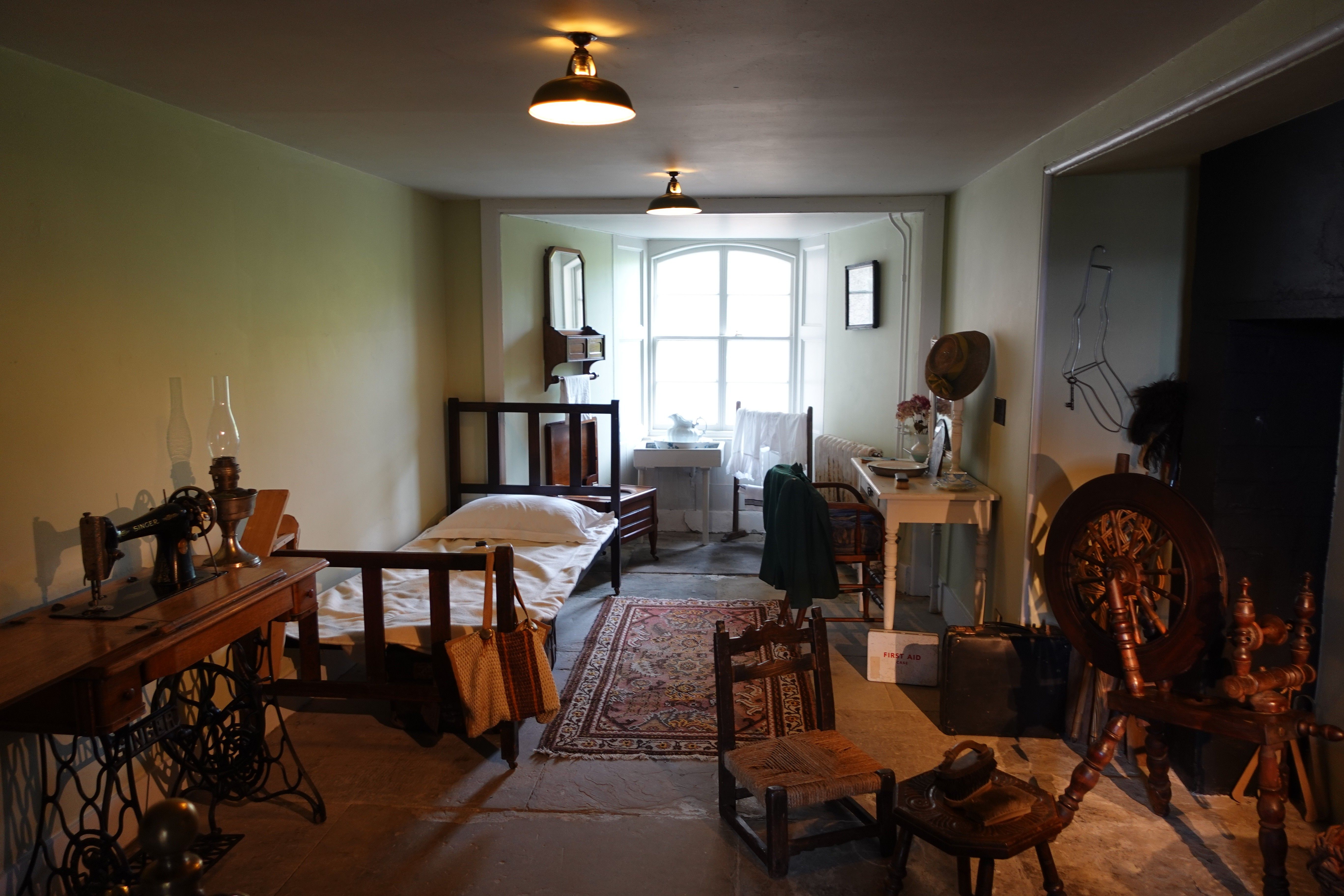
Servant's room
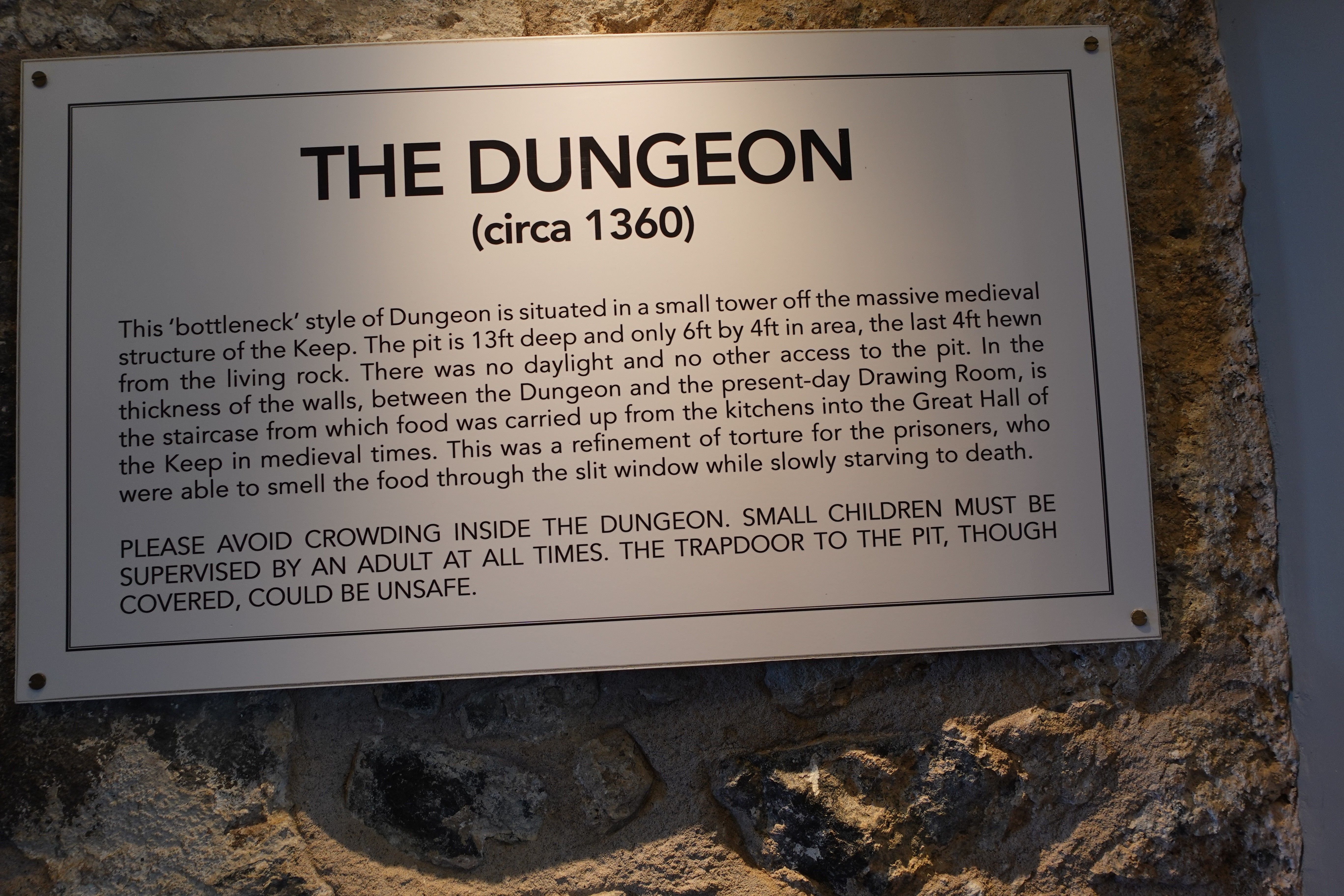
Dungeon, a pit or bottleneck dungeon actually
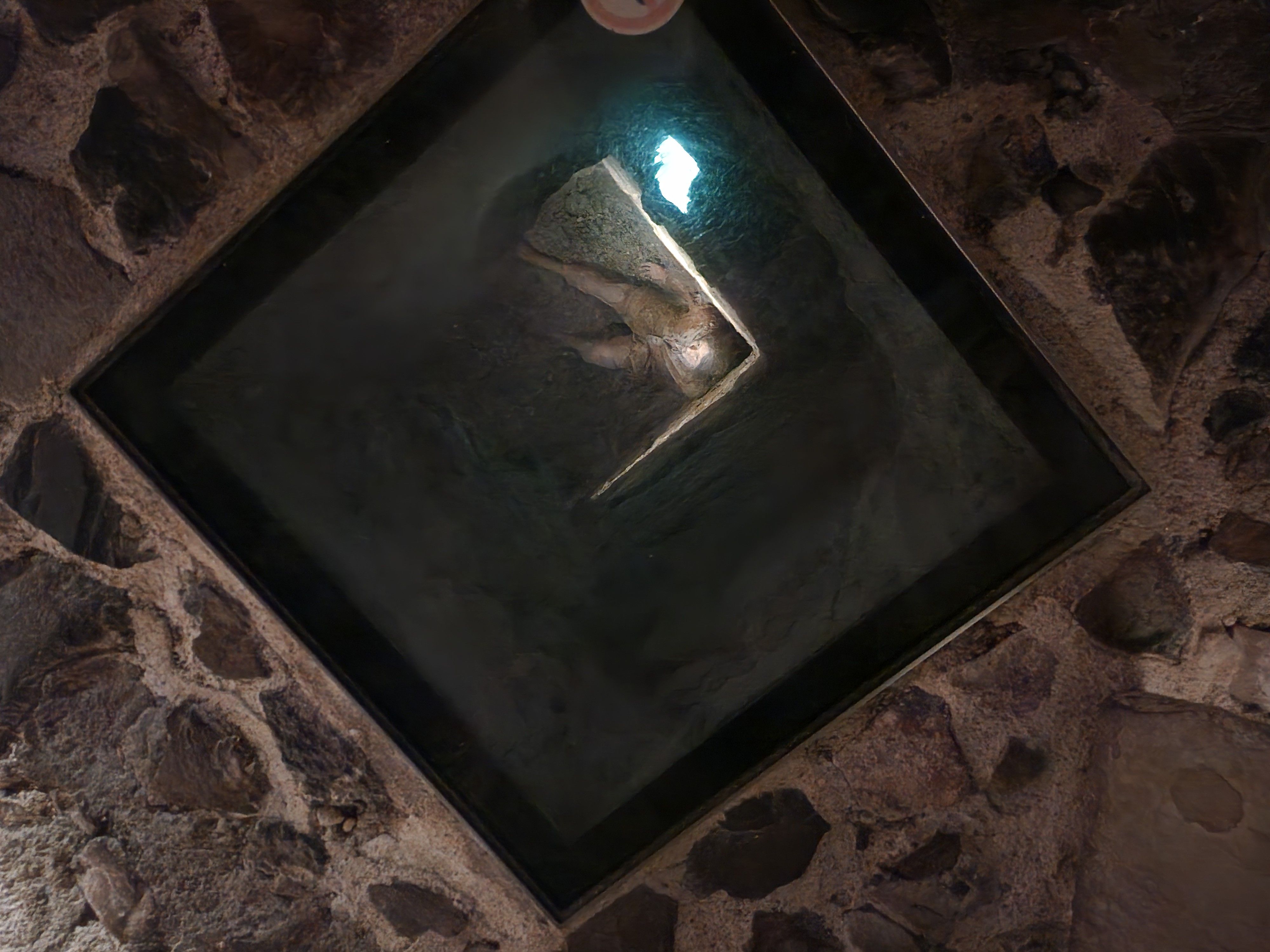
Way down at the bottom is the detained person
.jpg "I loved the little sense of humor Mice were a normal part of life then")
I loved the little sense of humor Mice were a normal part of life then
.jpg)
.jpg)
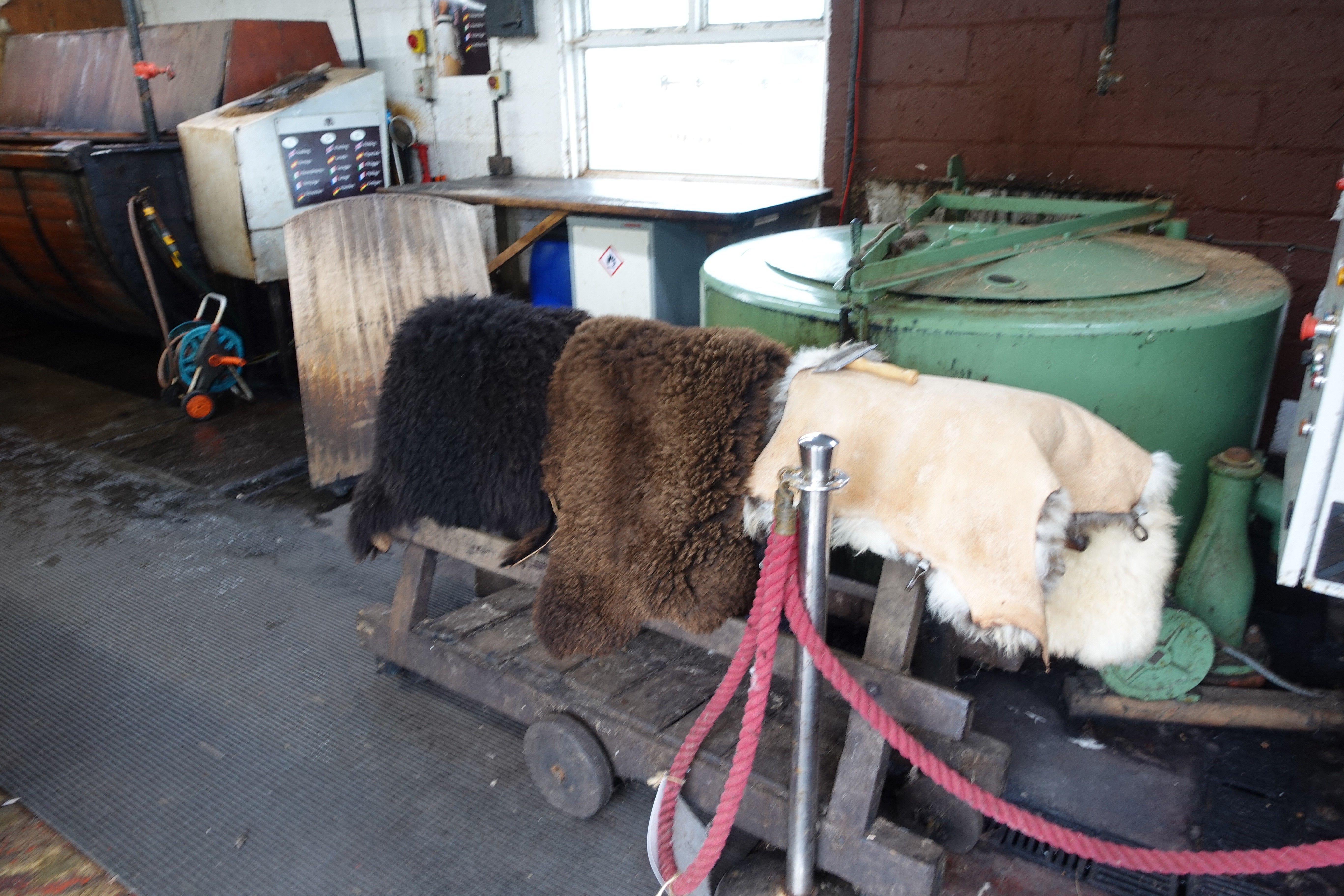
This is a small, family owned tannery founded by a Clive & Lydia Hartwell. 41 years later it's a thriving little business.
The site has several small buildings, and the tanning process hasn't really changed except now there are some machines that do the sorting, washing, combing, etc. But there is still a lot of hands on that needs to happen to make a good sheepskin.
Our guide was a young lady who is one of the tanners and she was a joy to listen to.
We had a private tour since we were the only ones there, and got out just as the tour busses started arriving.
If I had a place for a sheepskin, I would have bought one. It's an amazing craft and worthy of support.
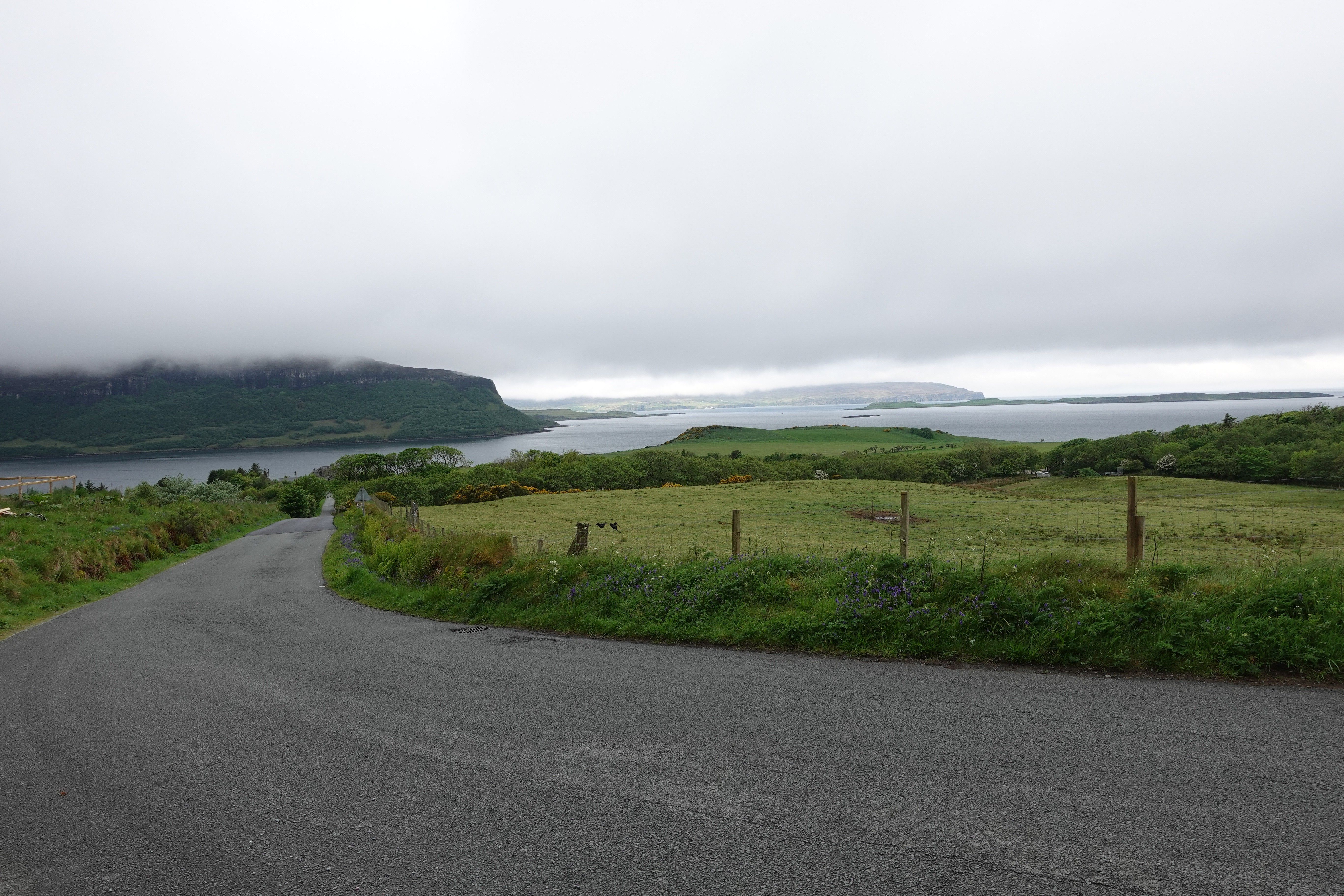
The drive out is through lots of open area. Nothing around but grass, sheep and water.
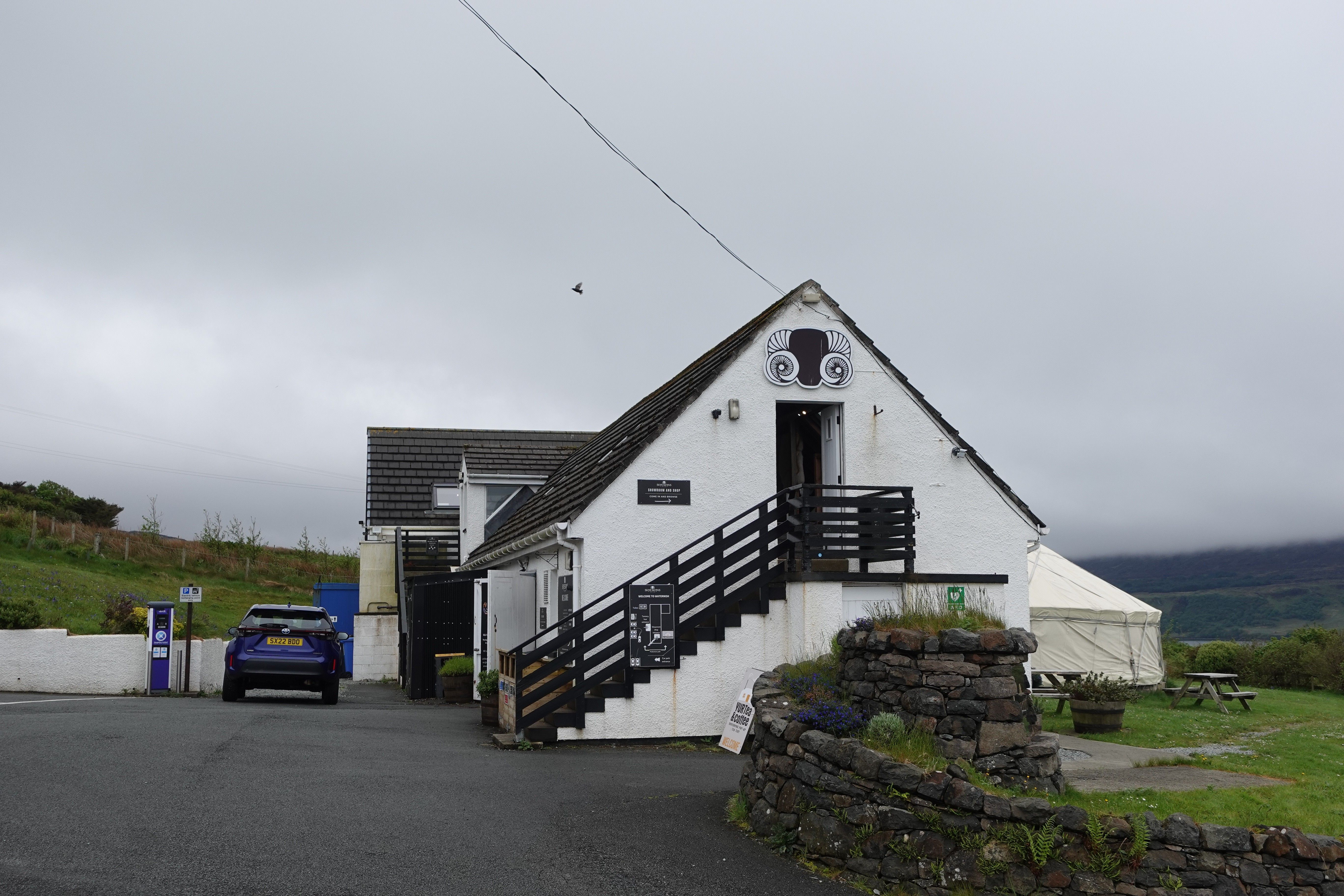
The Tannery
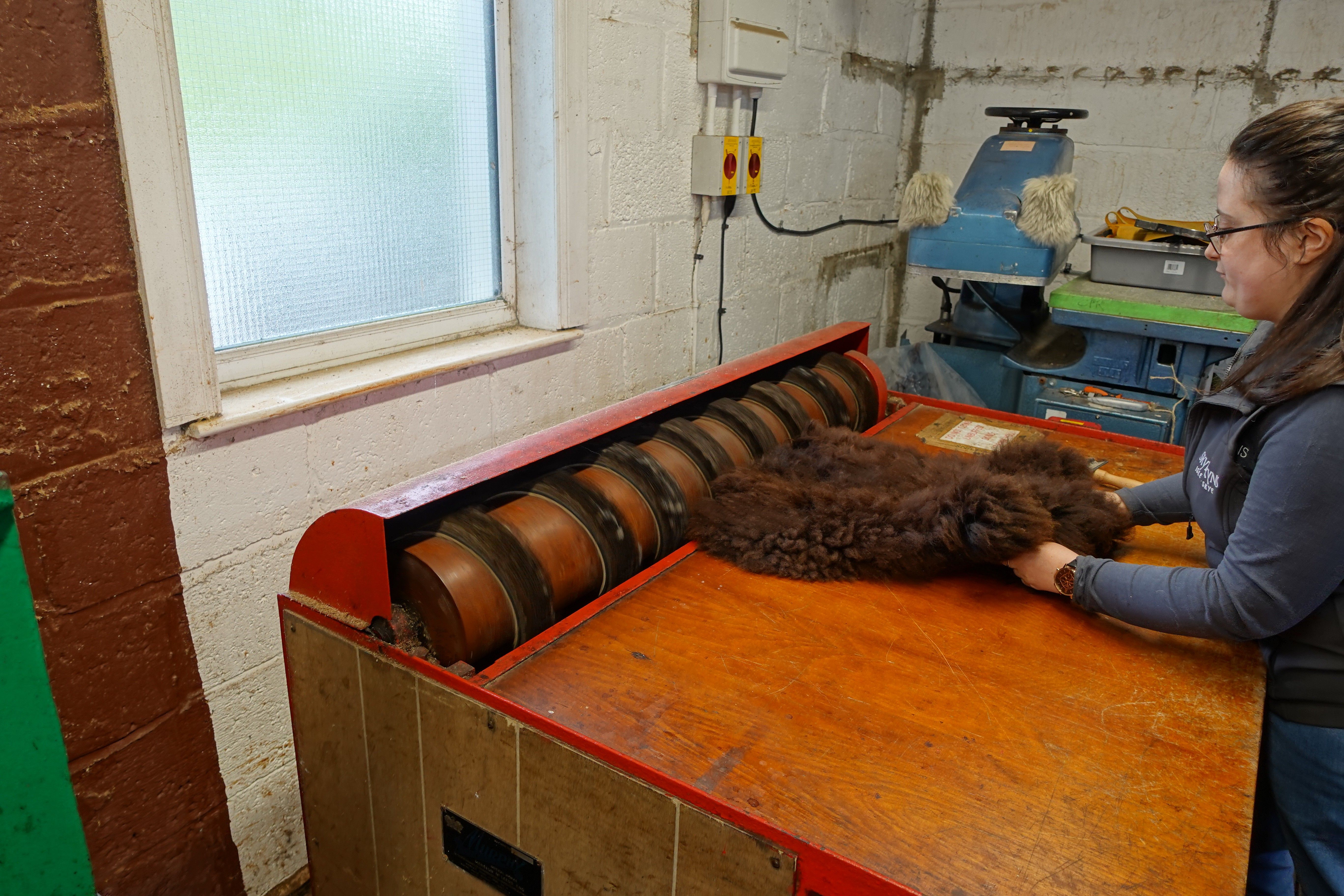
This is a comber, used to comb the wool.
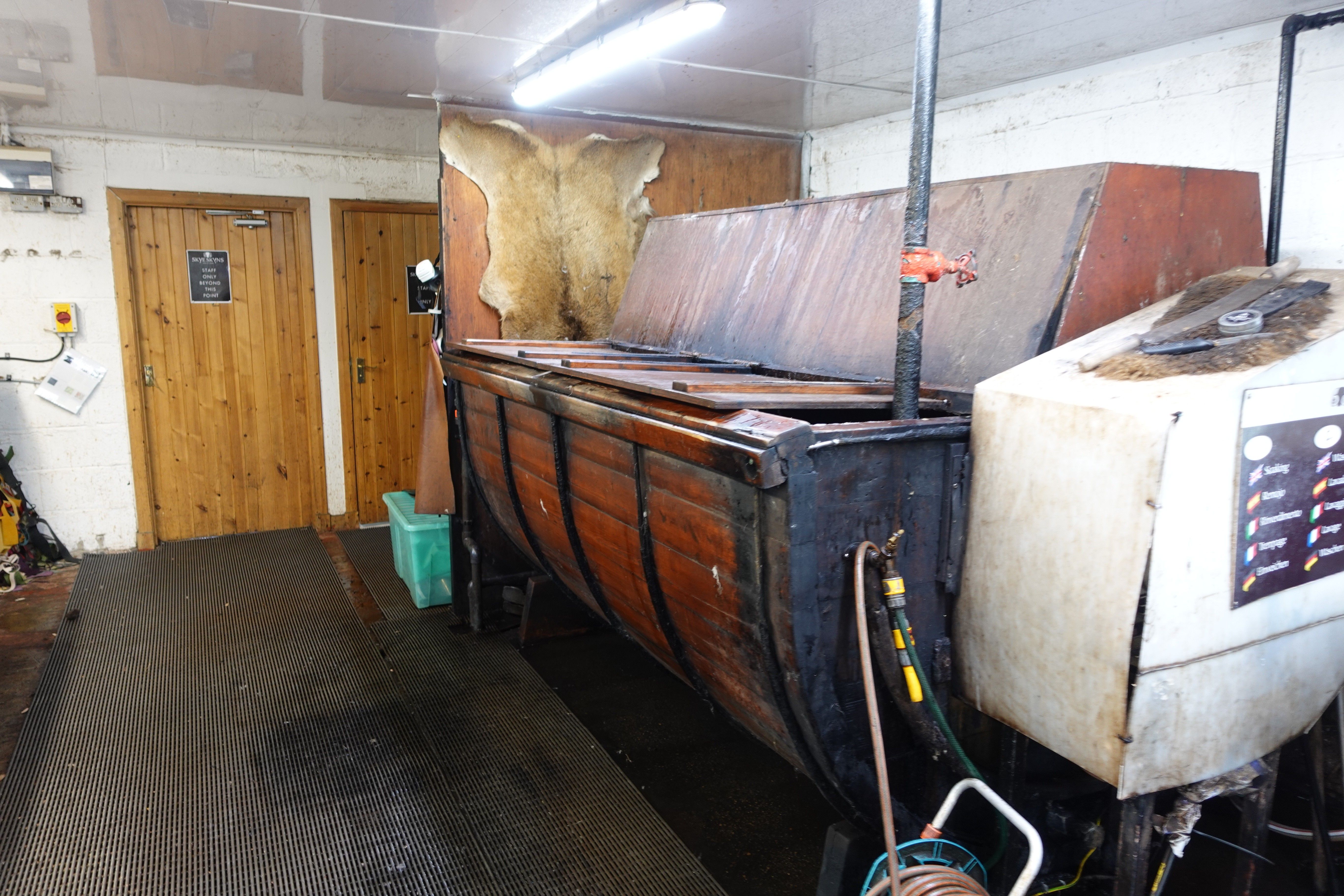
Washing vat
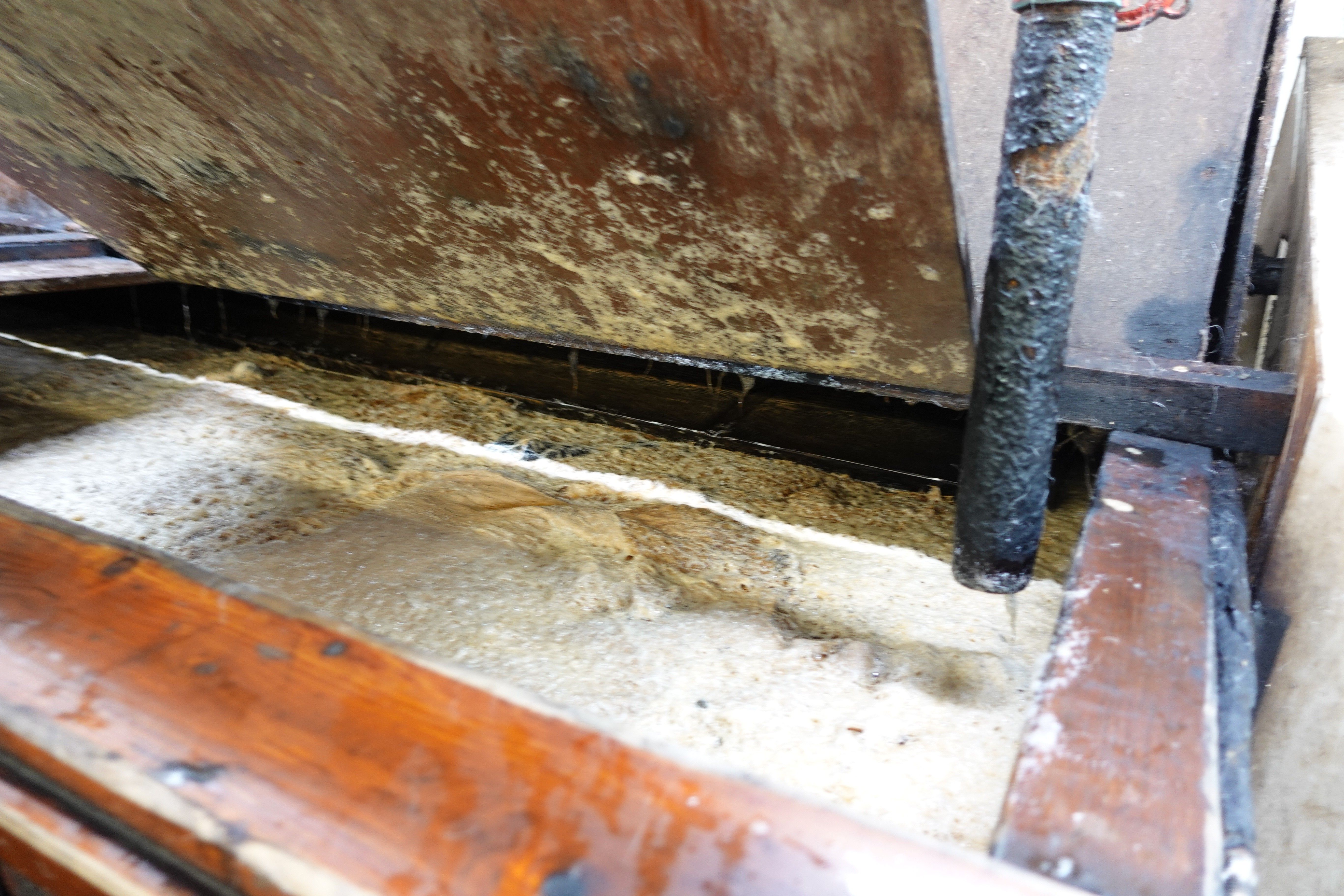
Looking into the washing vat. Yes, they do use this.
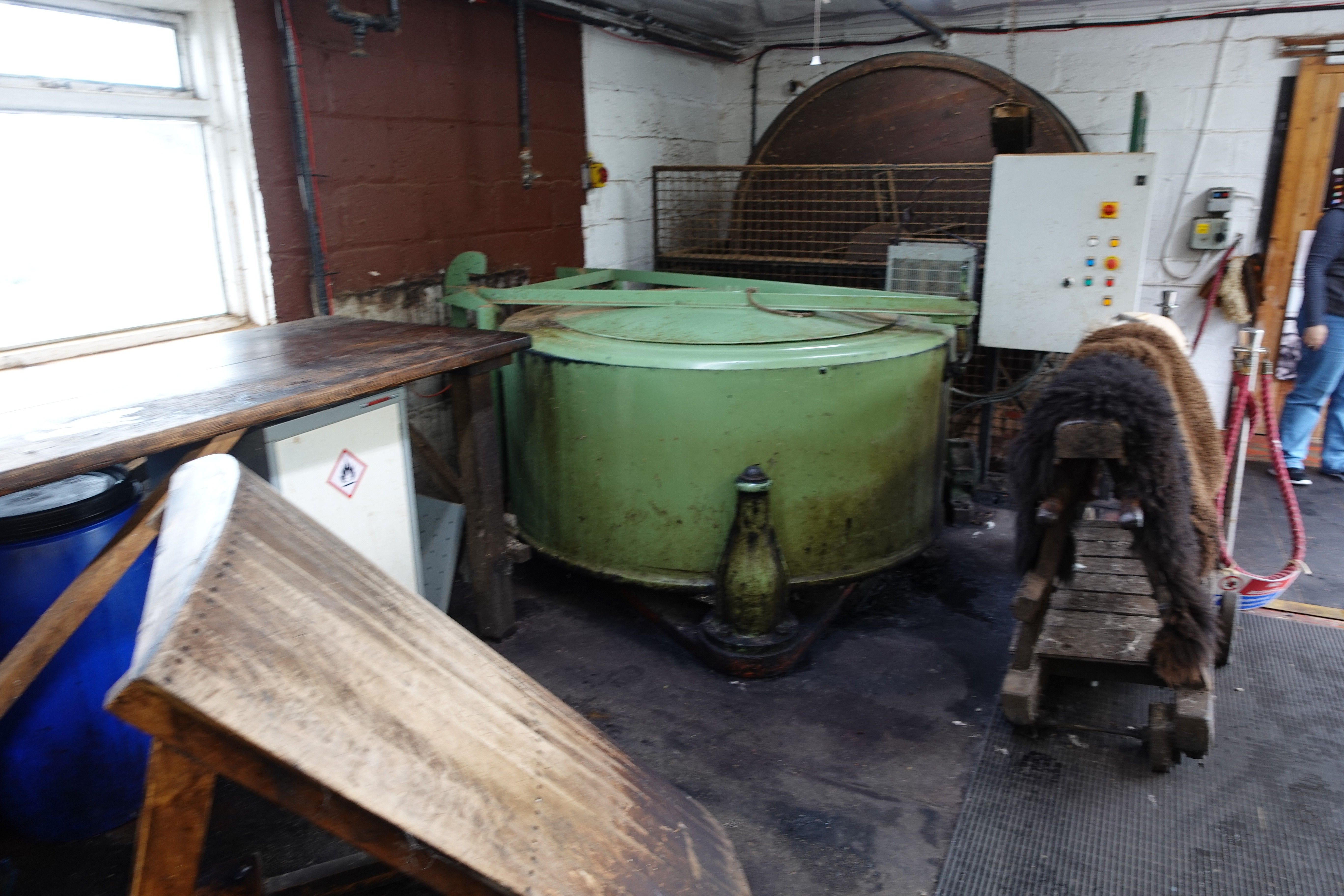
Rinser - the skins are thoroughly rinsed after the soak.
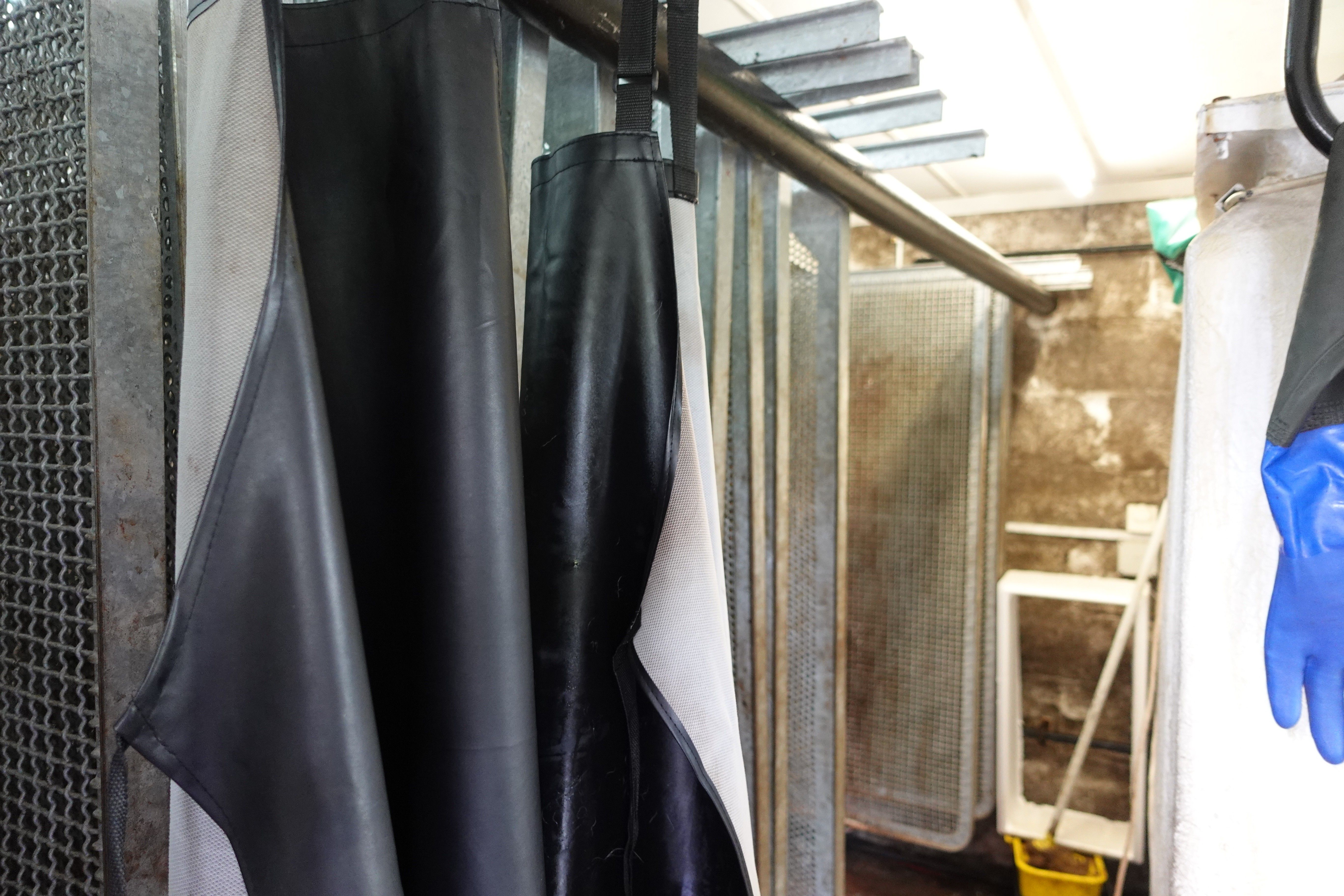
The drying room
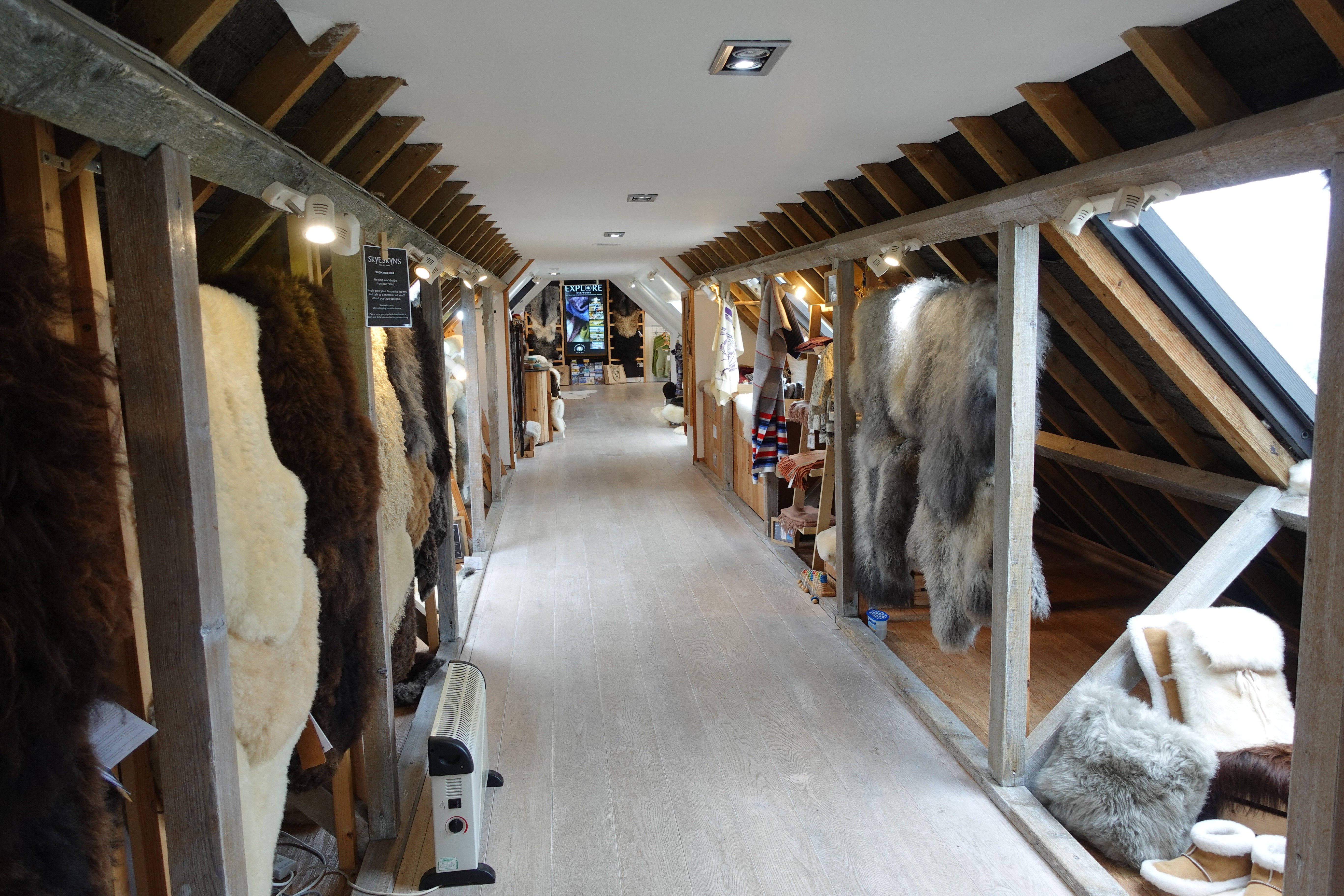
Up in the showroom
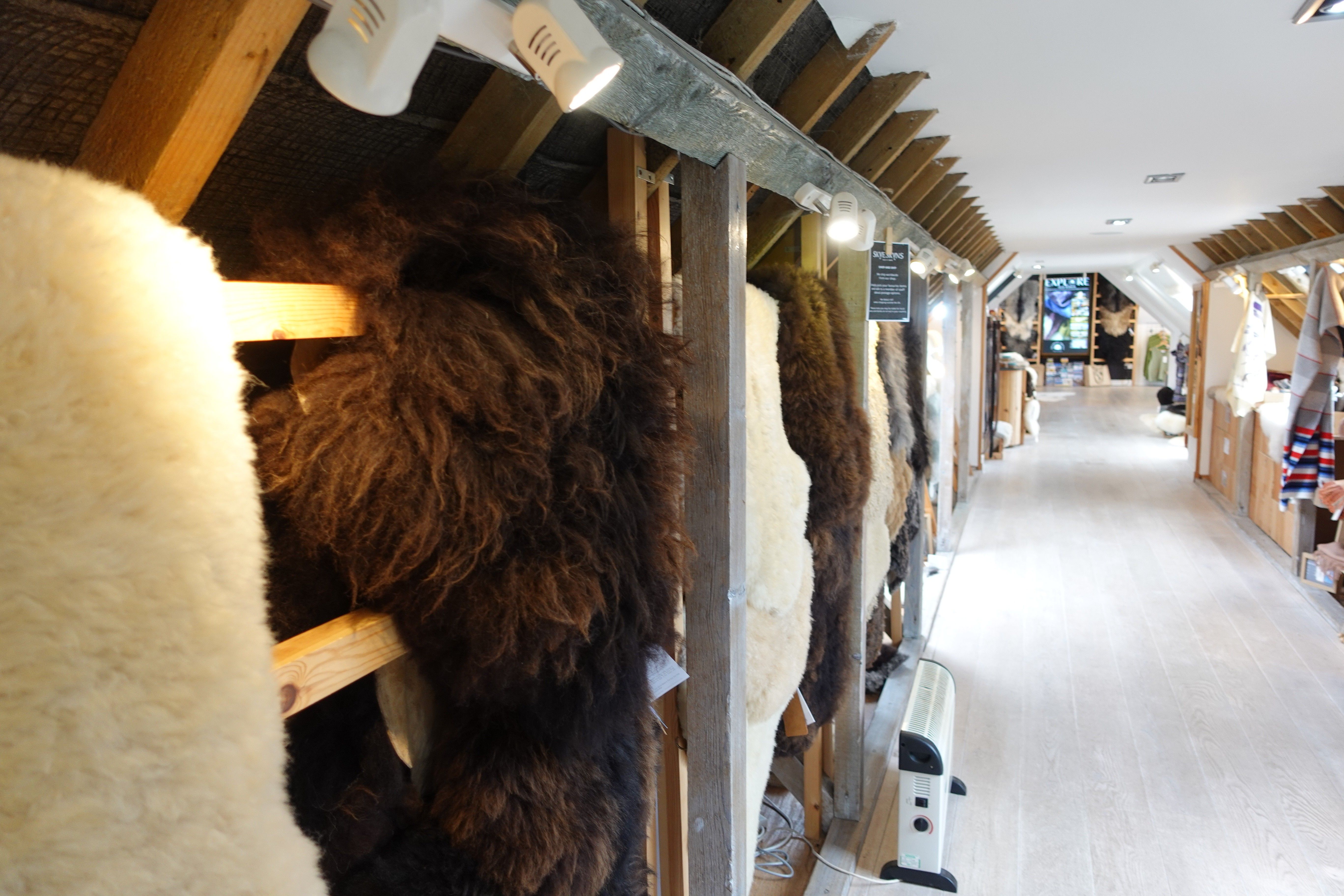
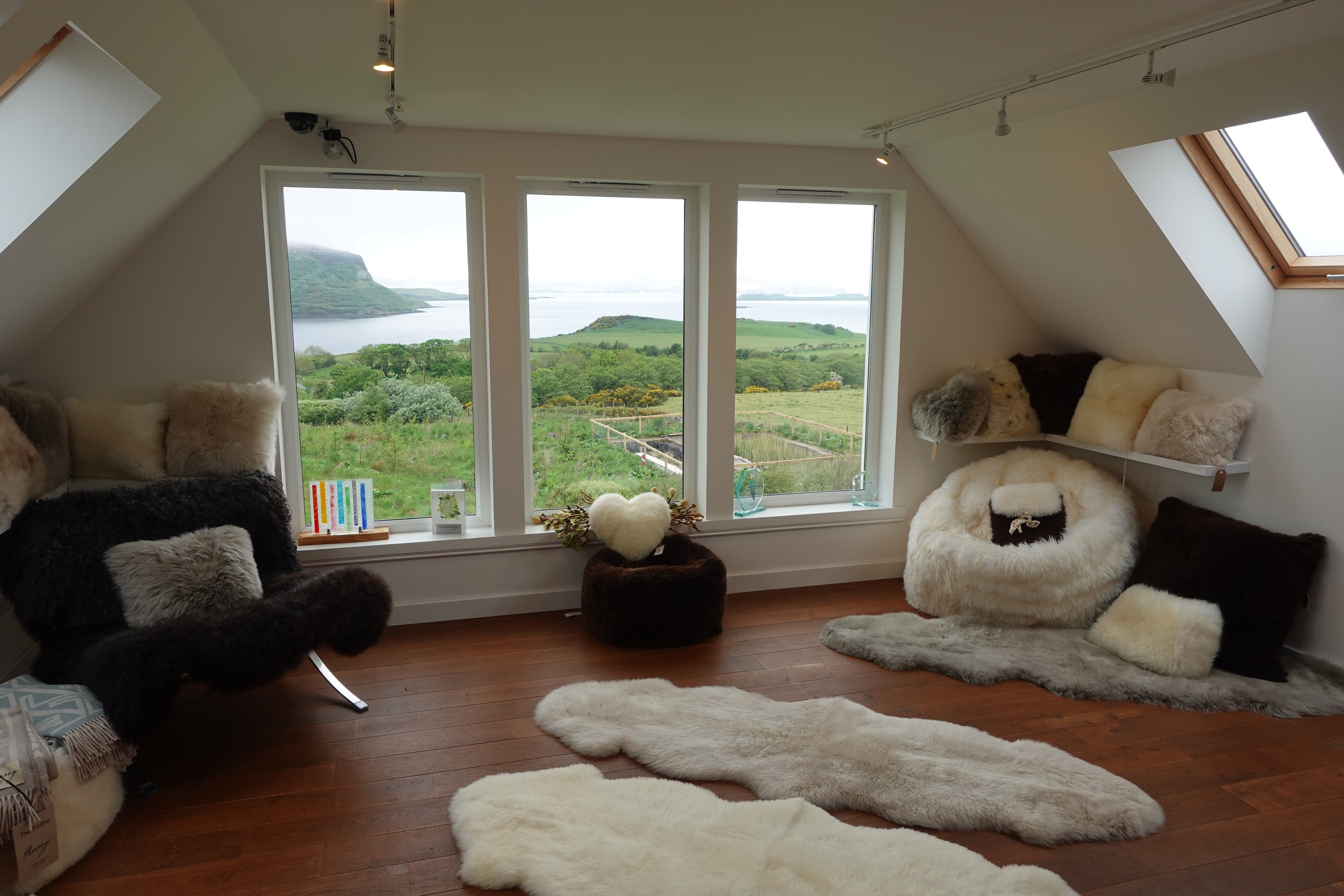
They had some beautiful pieces
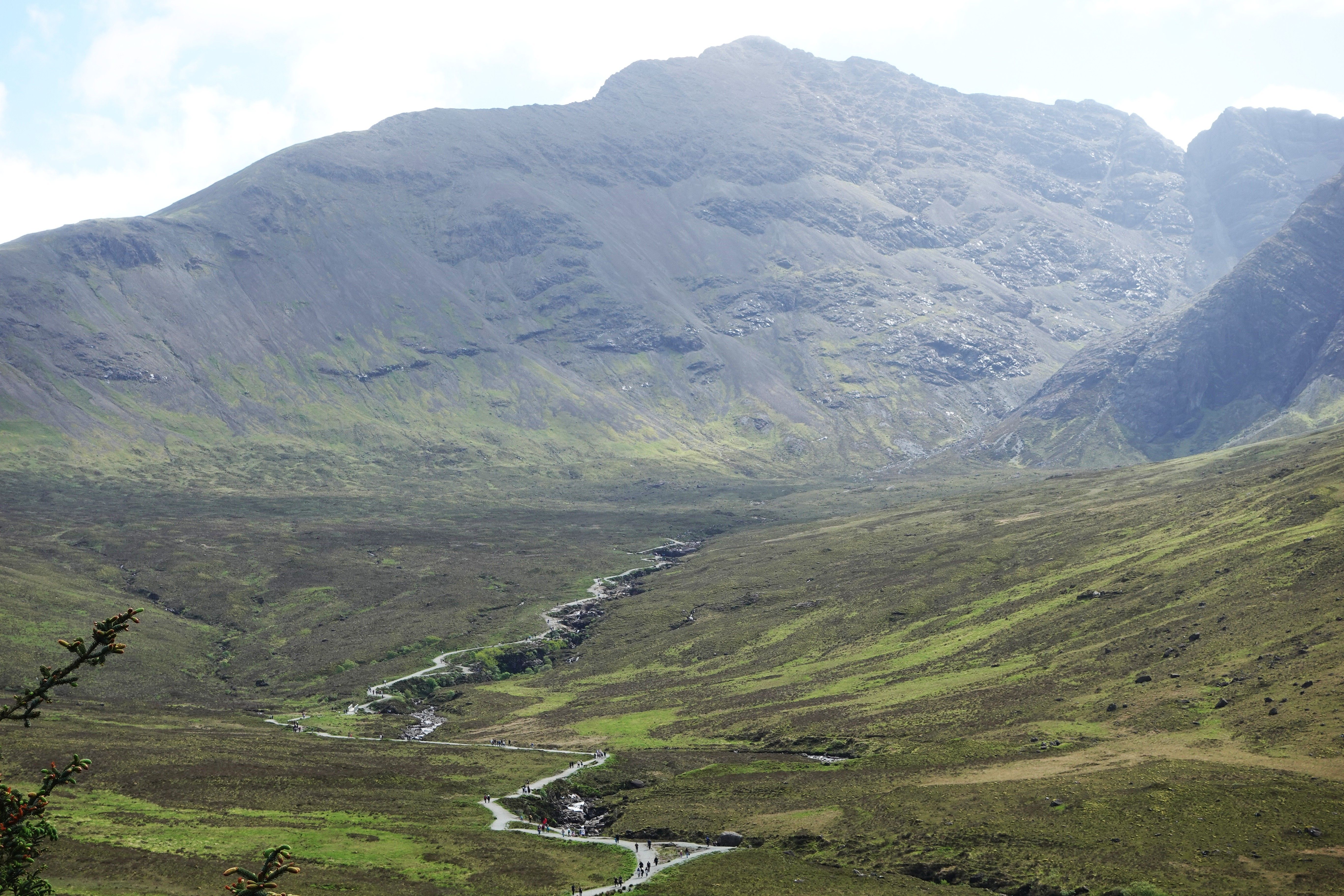
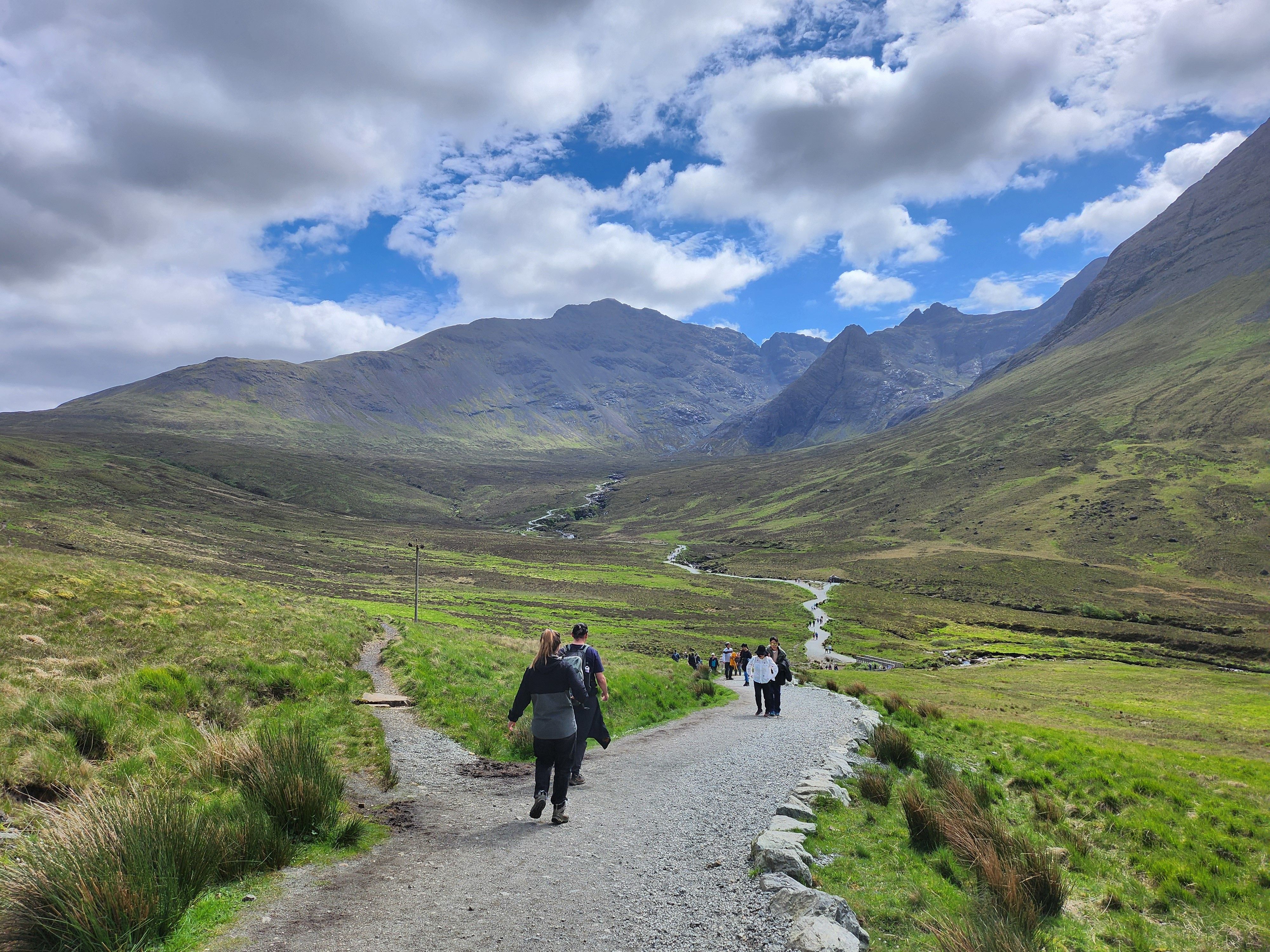
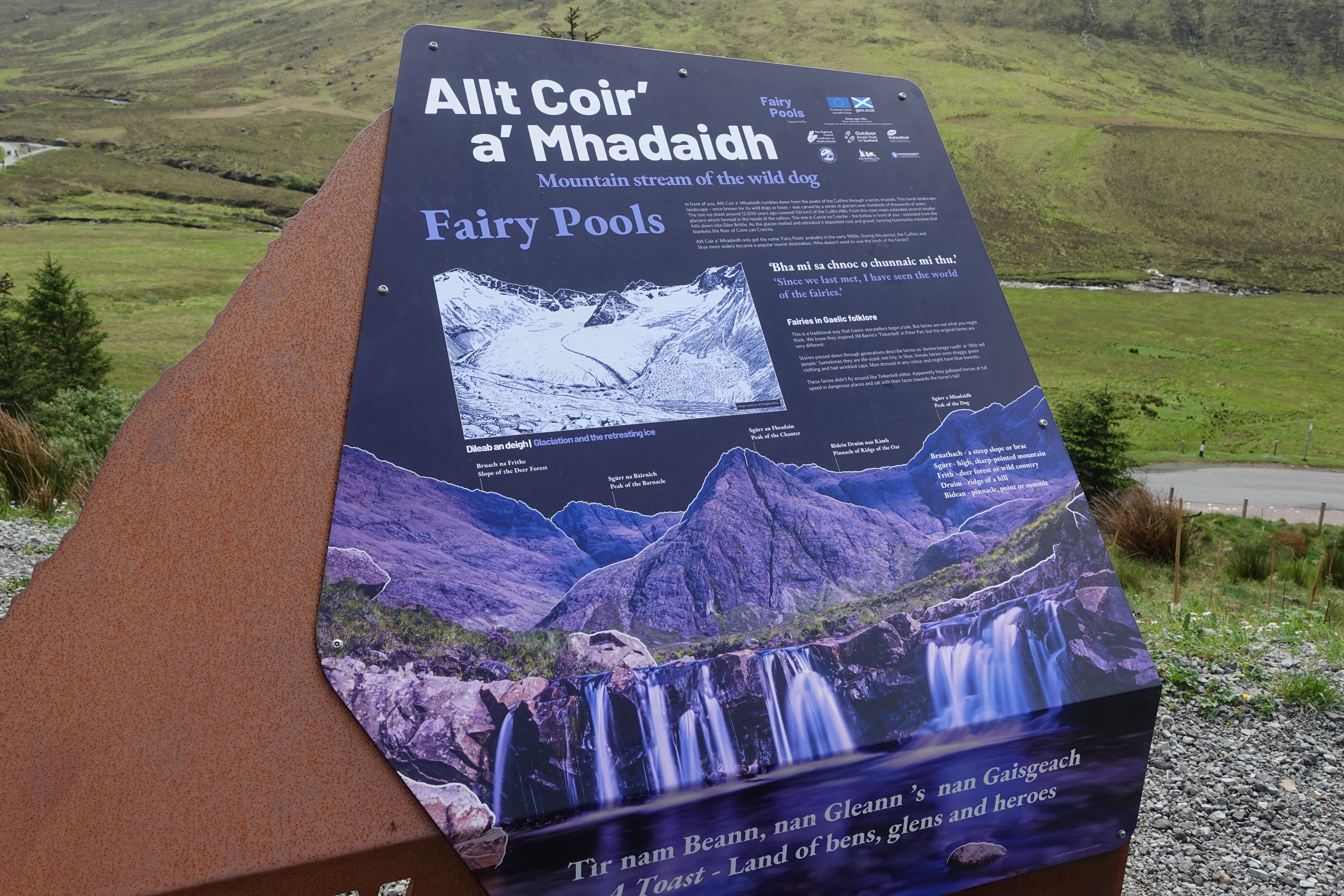
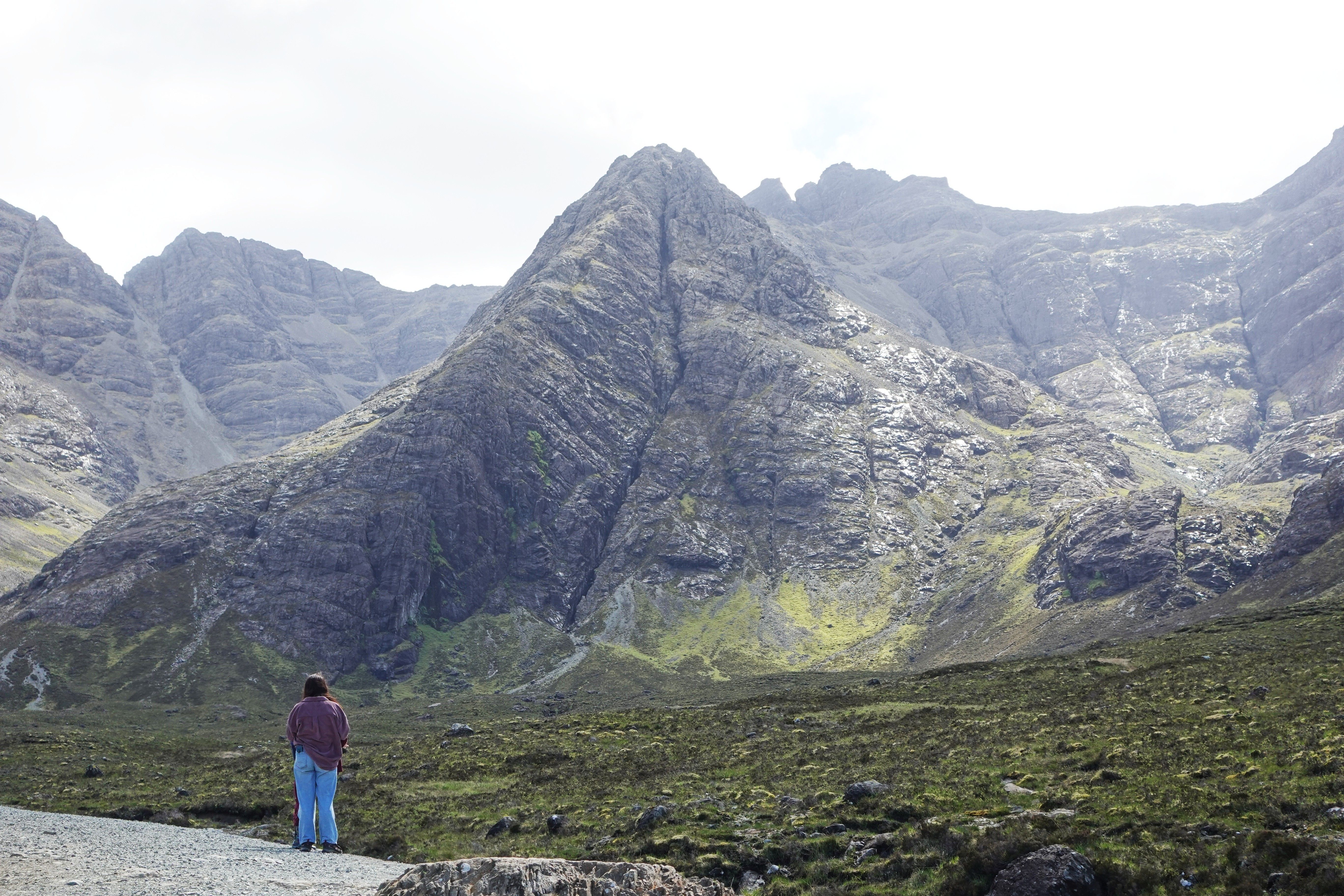
Water runs off the Black Cuillin mountains over a vast area of gently sloping land with multiple drops providing you a plethora of waterfalls and pools.
It's an easy walk of about 2.5 miles, up and back, so anyone can stroll along the well maintained path and enjoy.
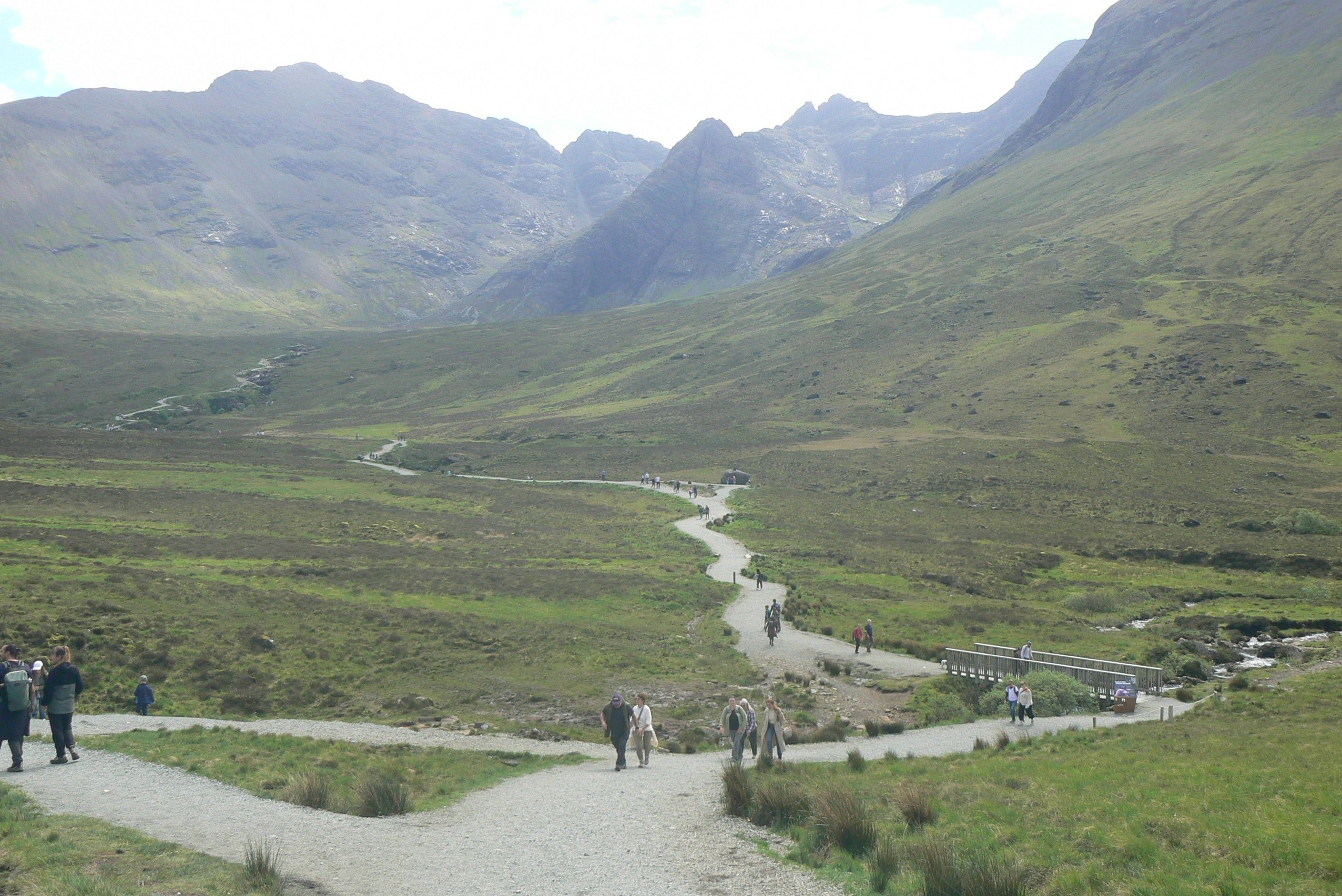
The setting is beautiful
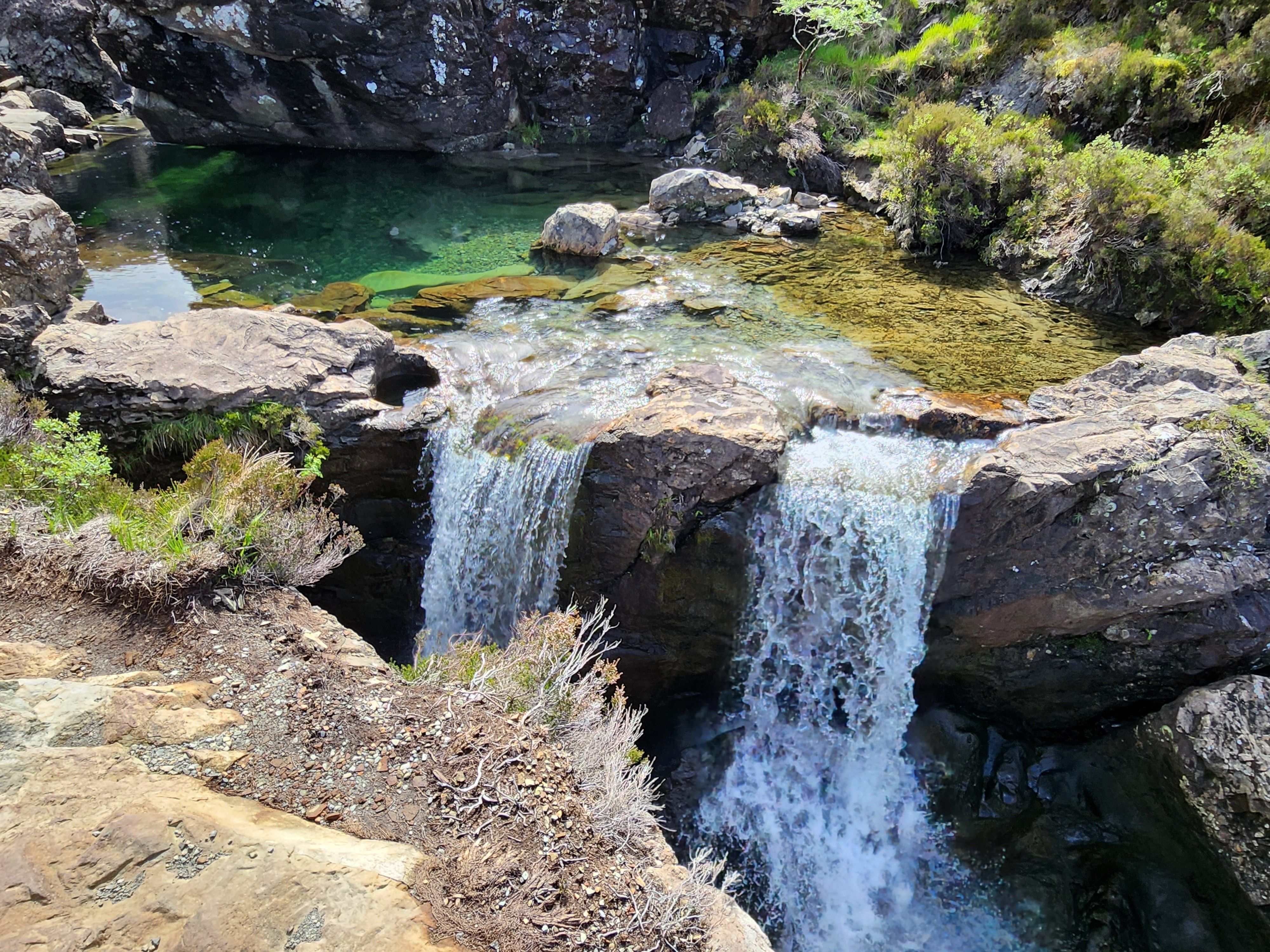
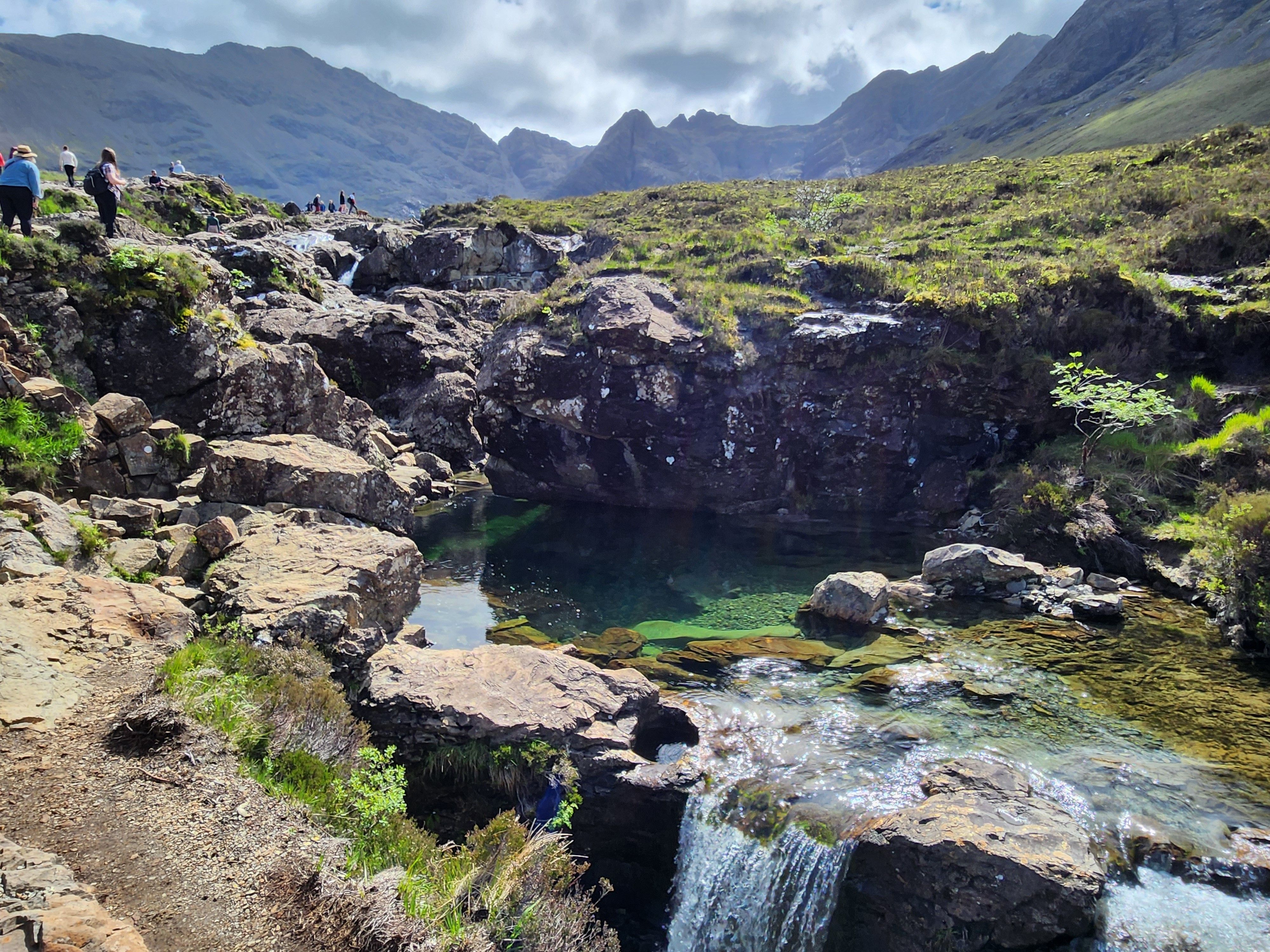
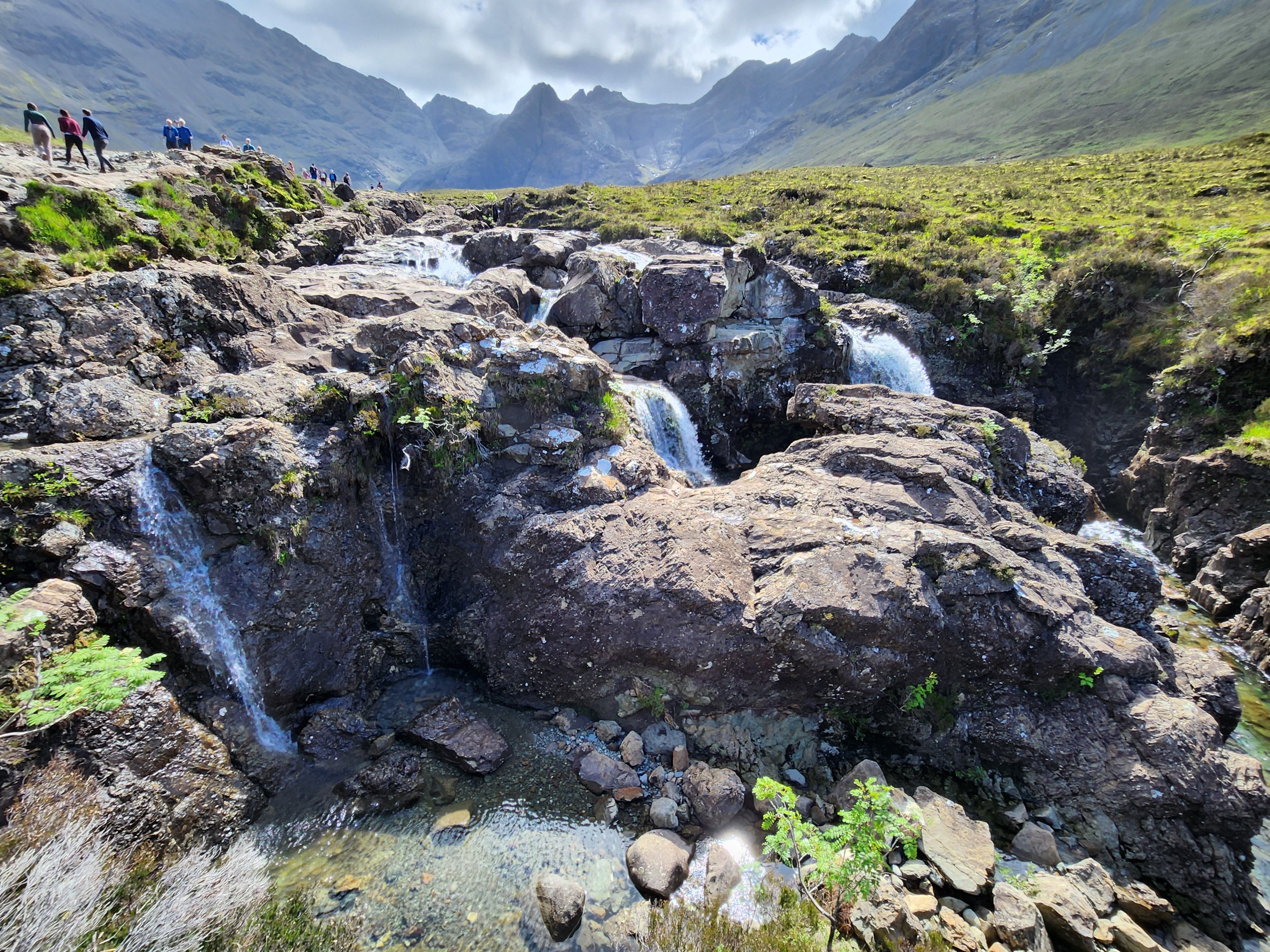
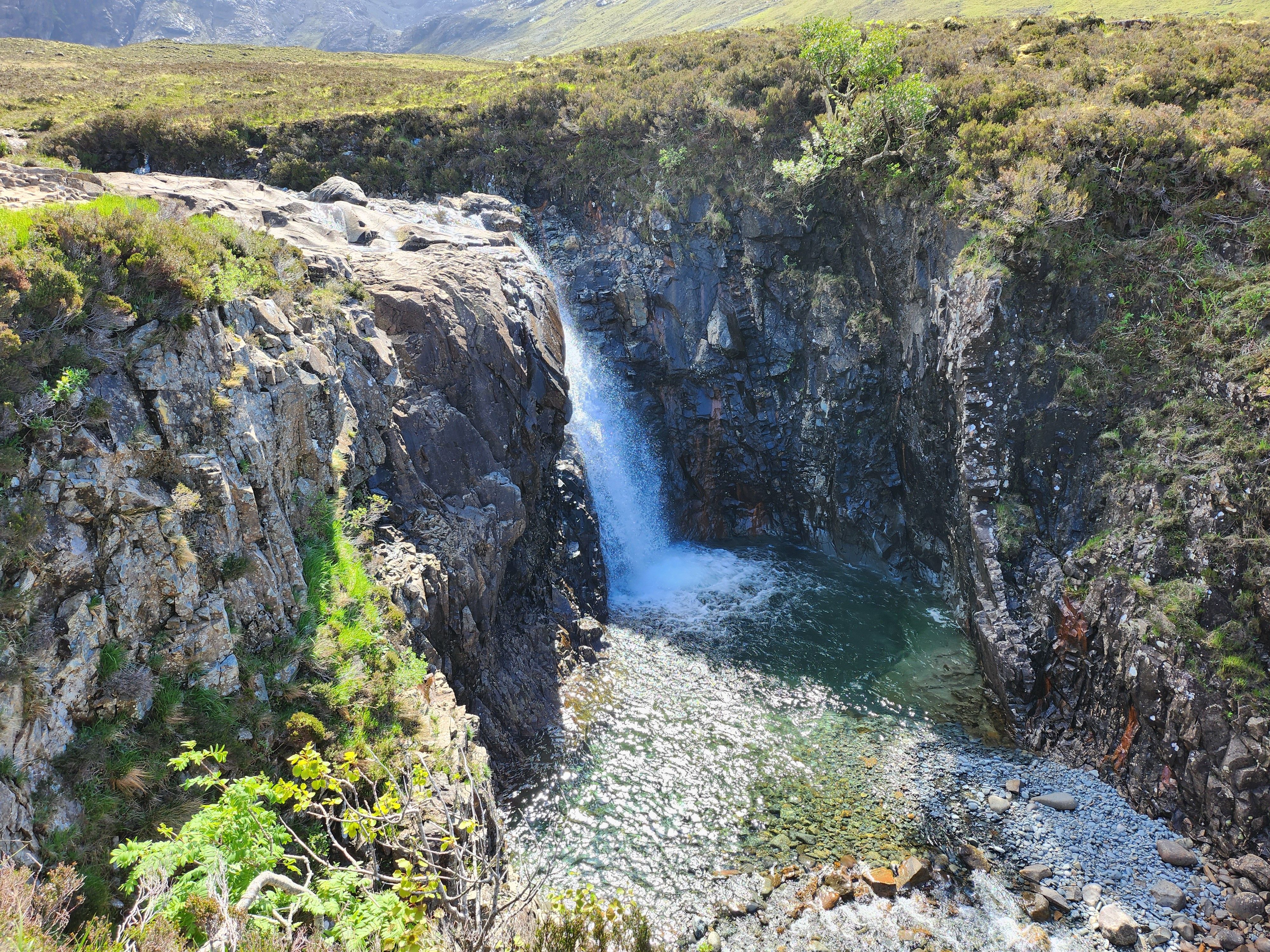
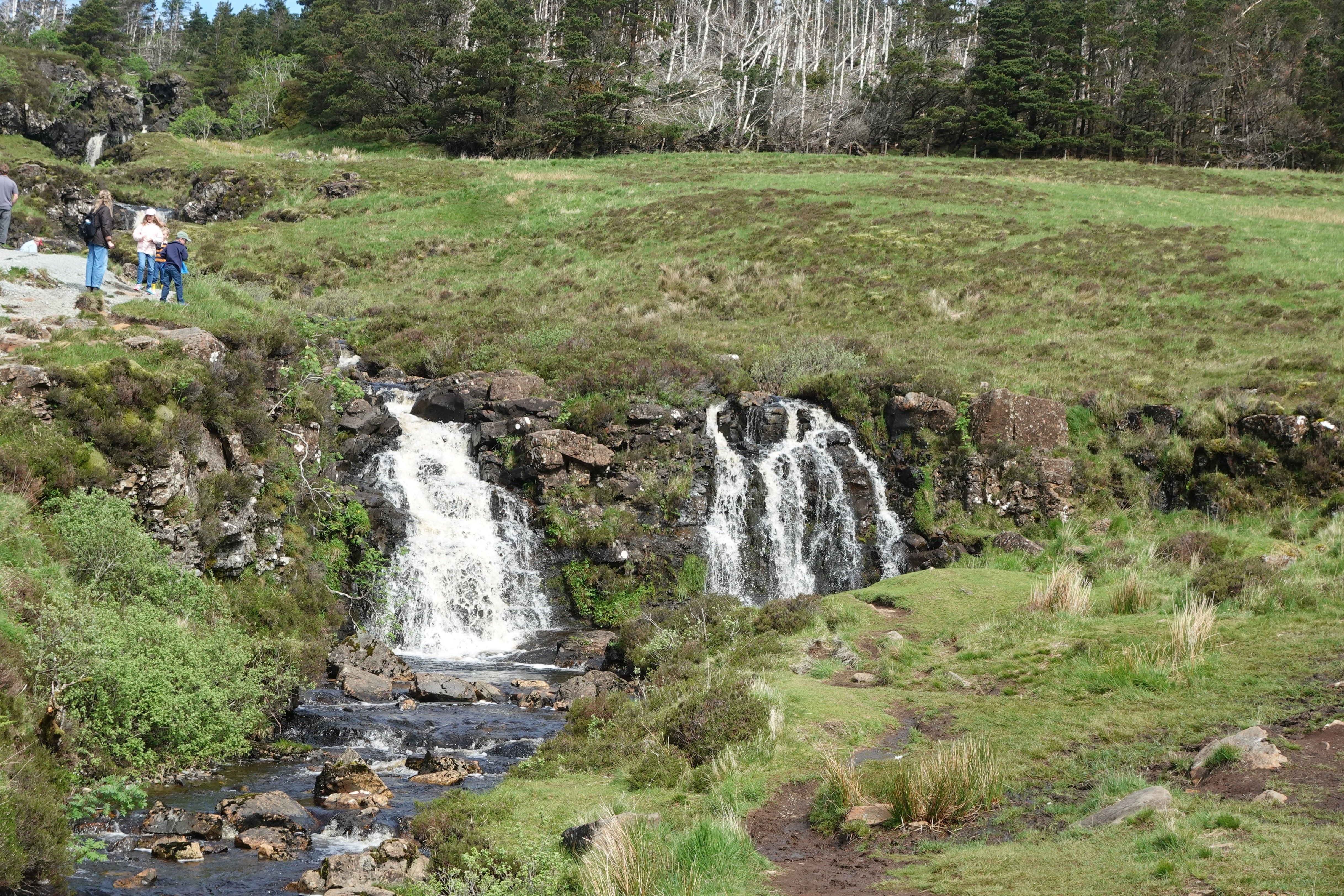
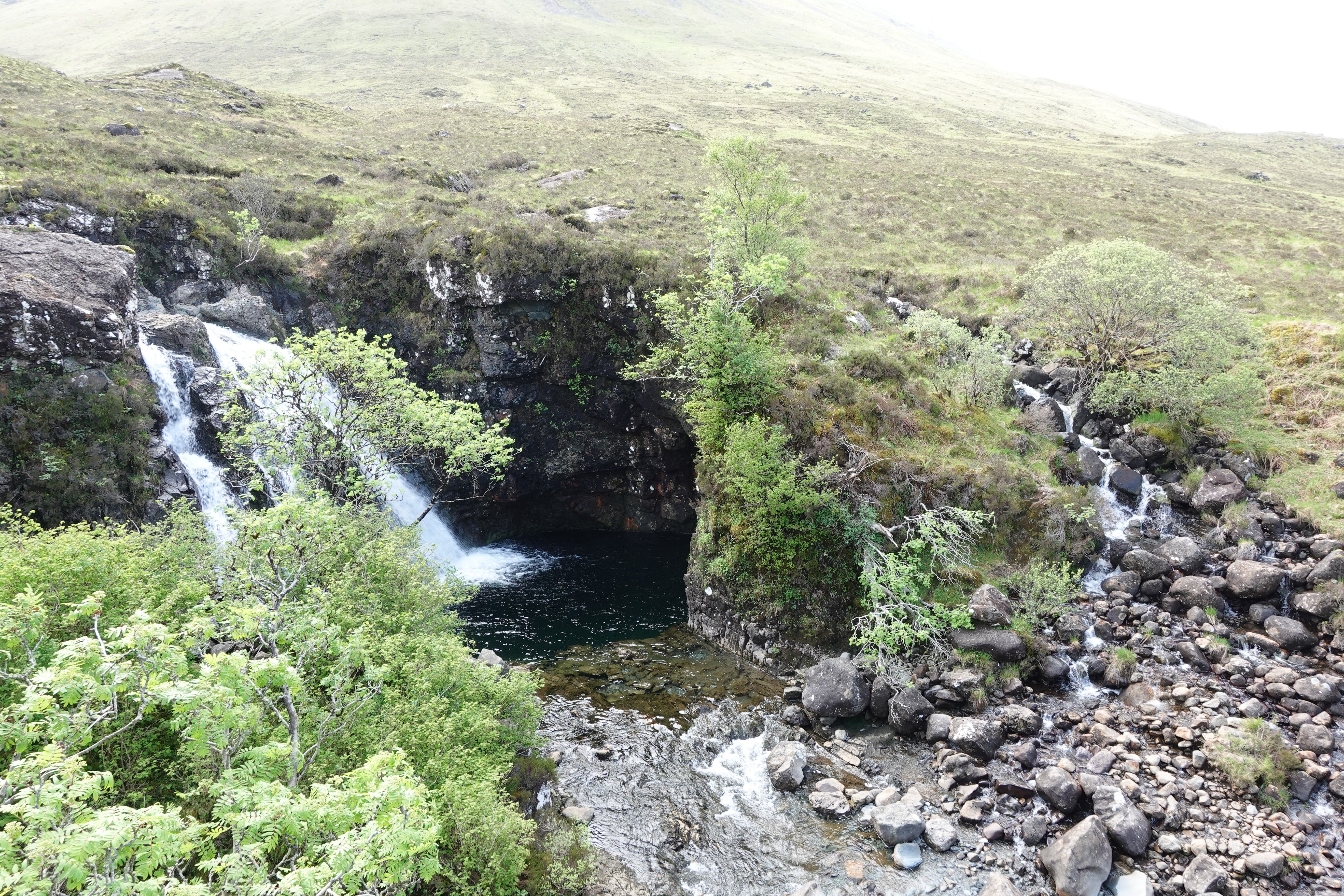
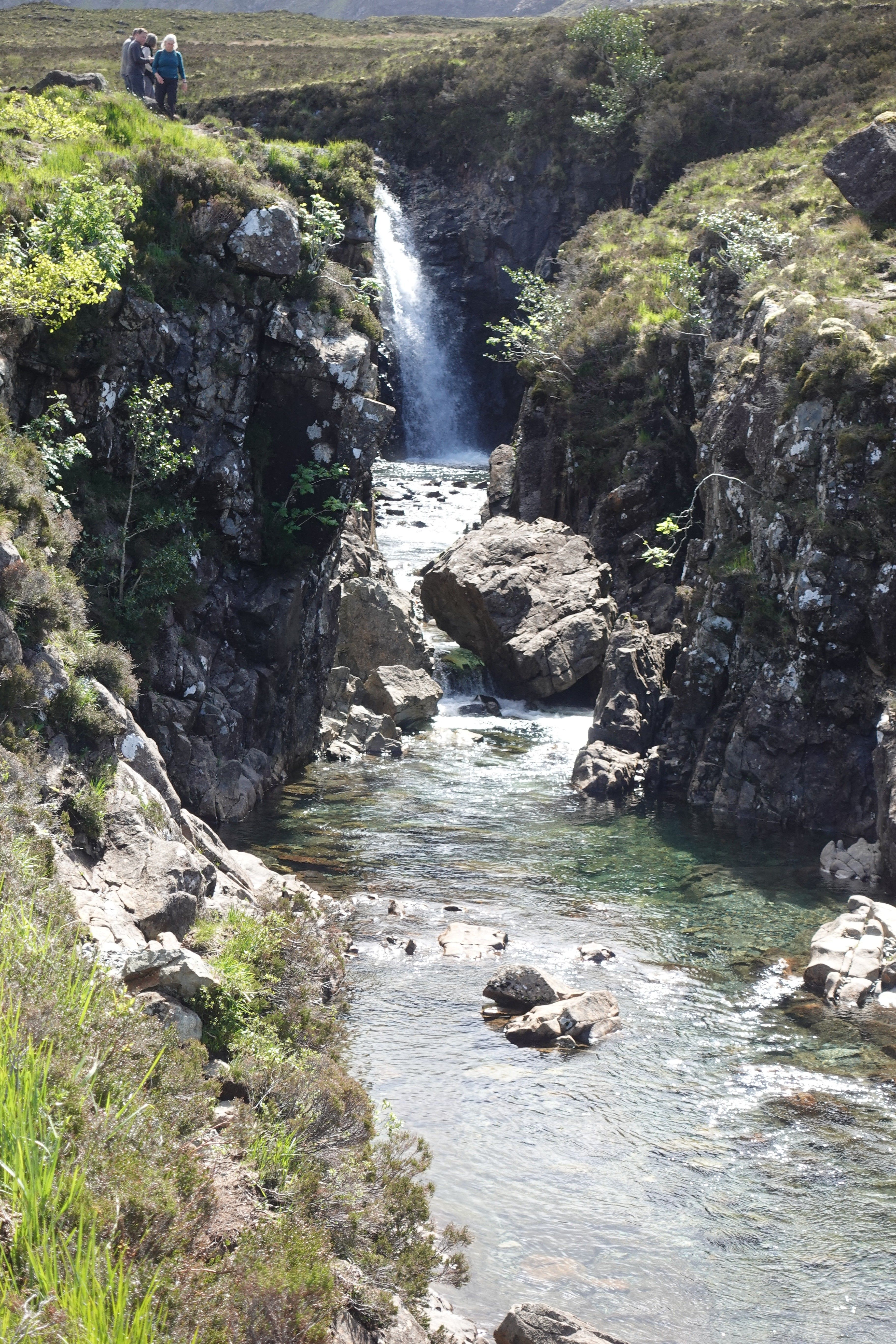
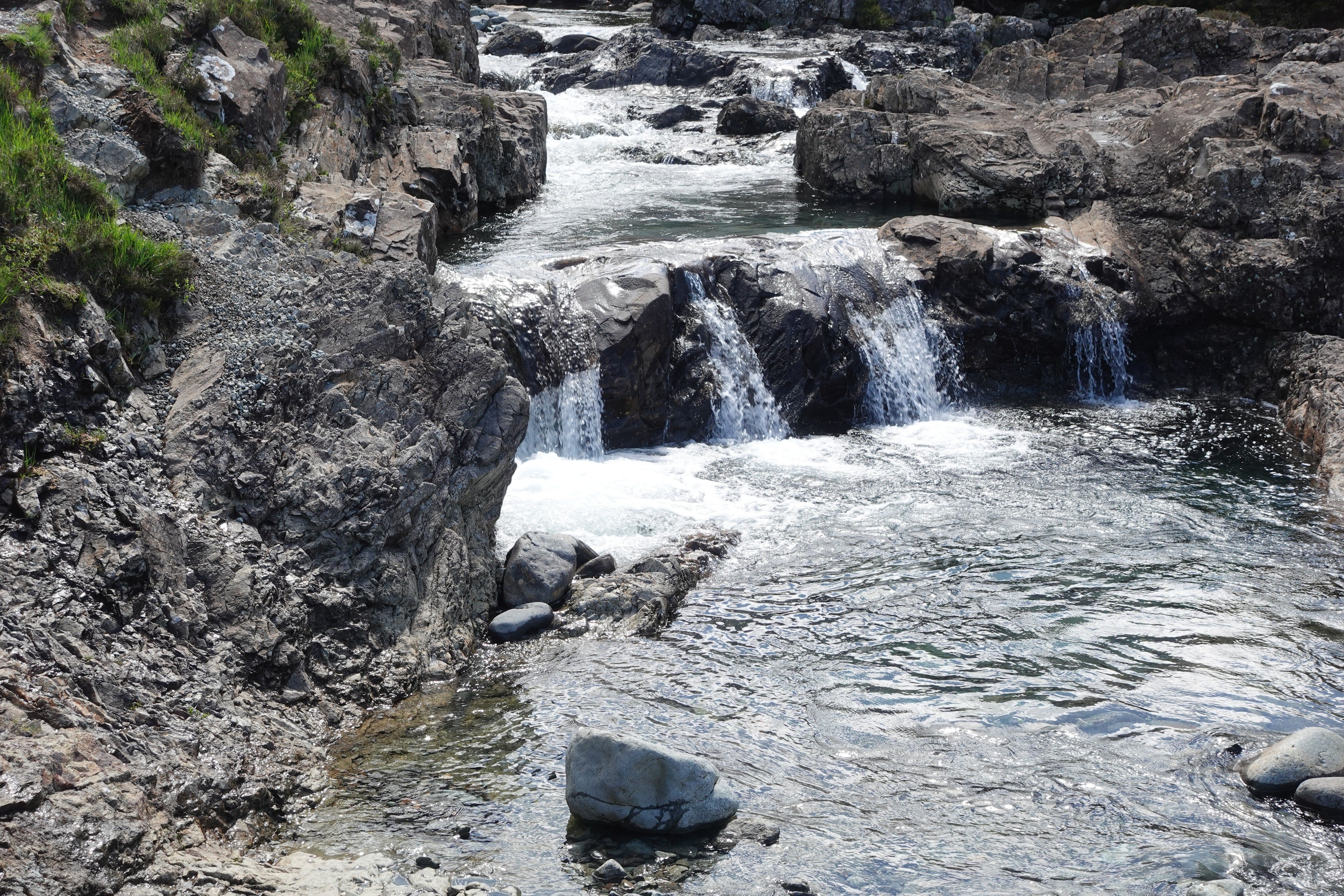
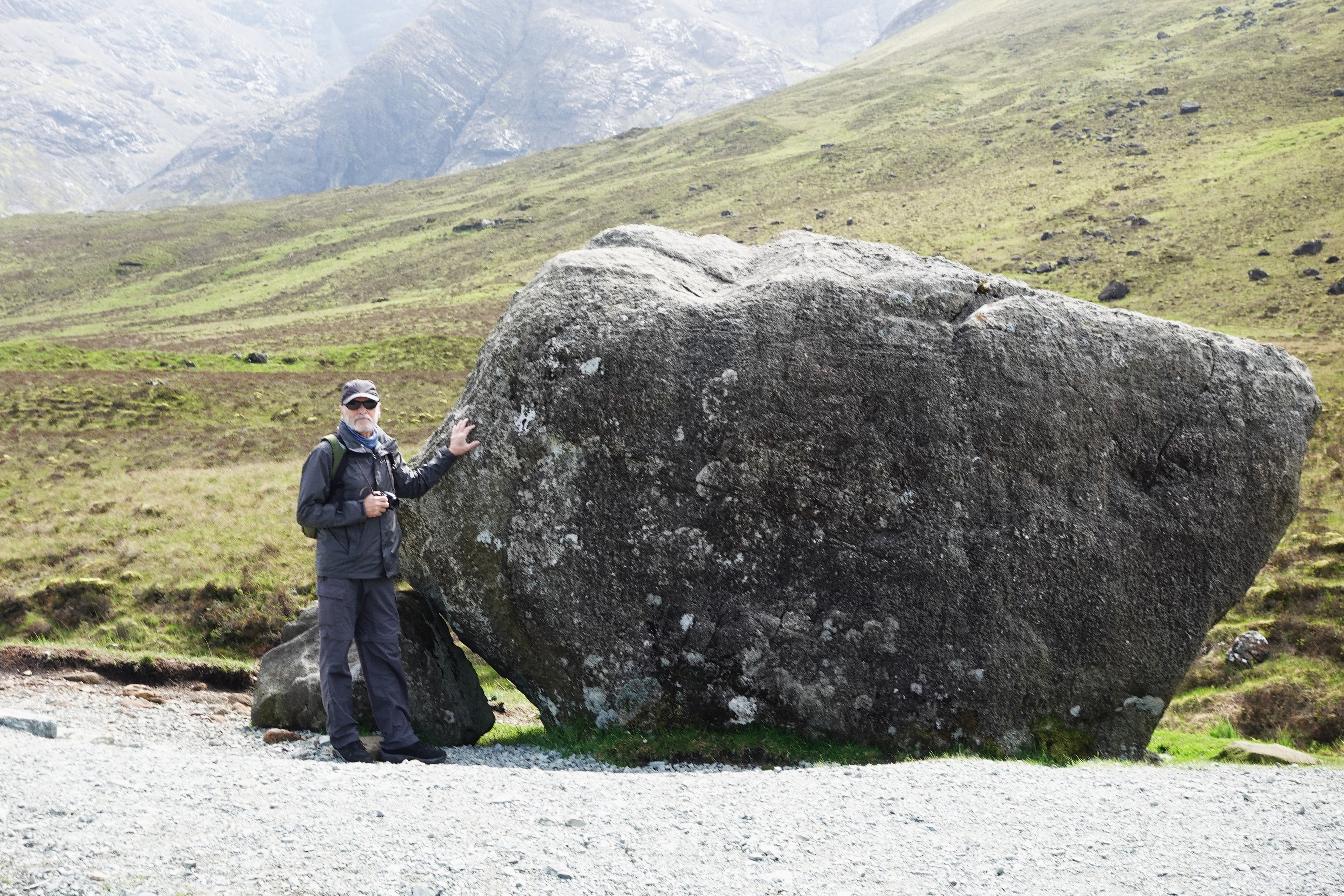
A glacial rock deposited as the glacier moved along, about 33,00 to 17,000 years ago.
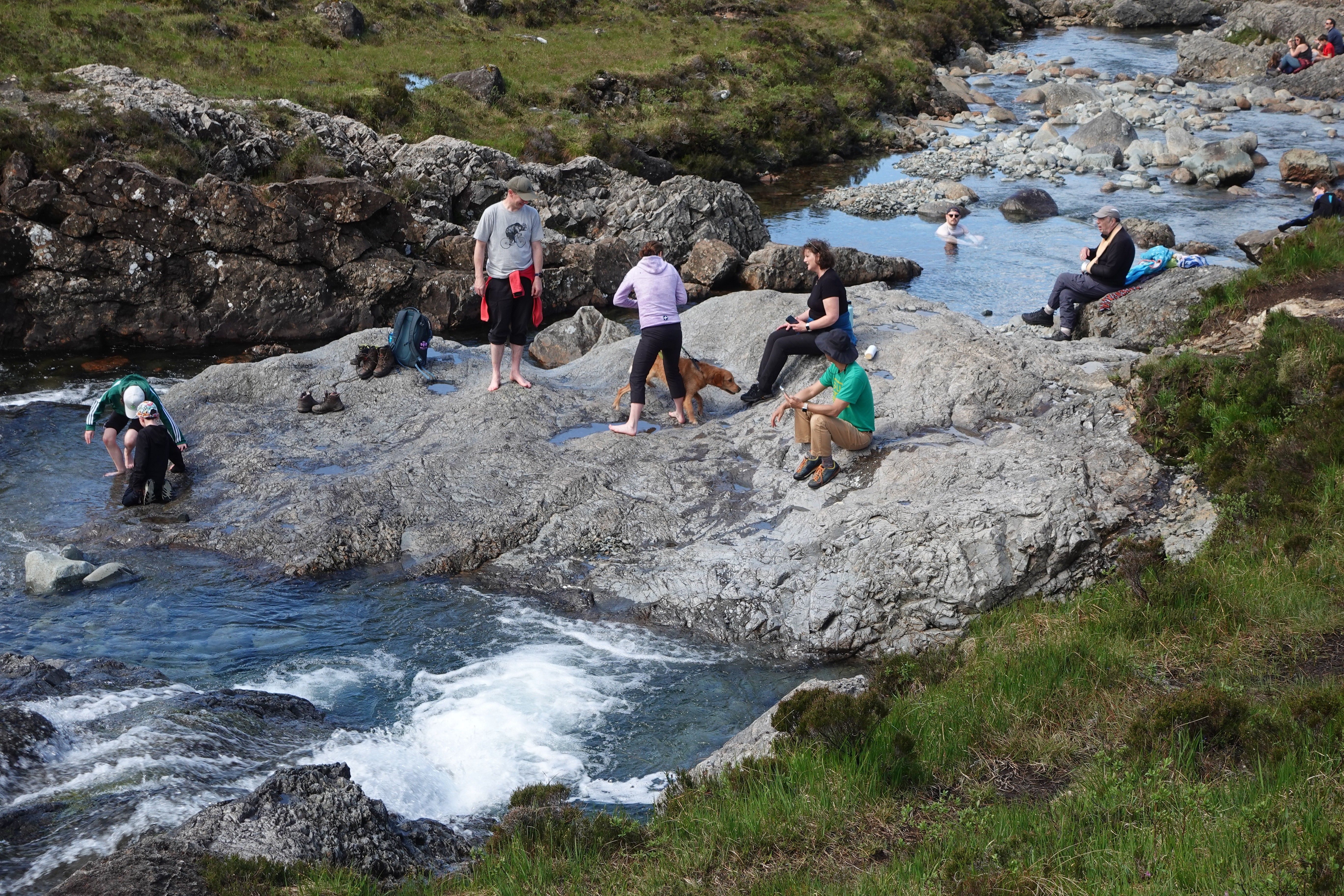
Hardy young folks actually did go swimming
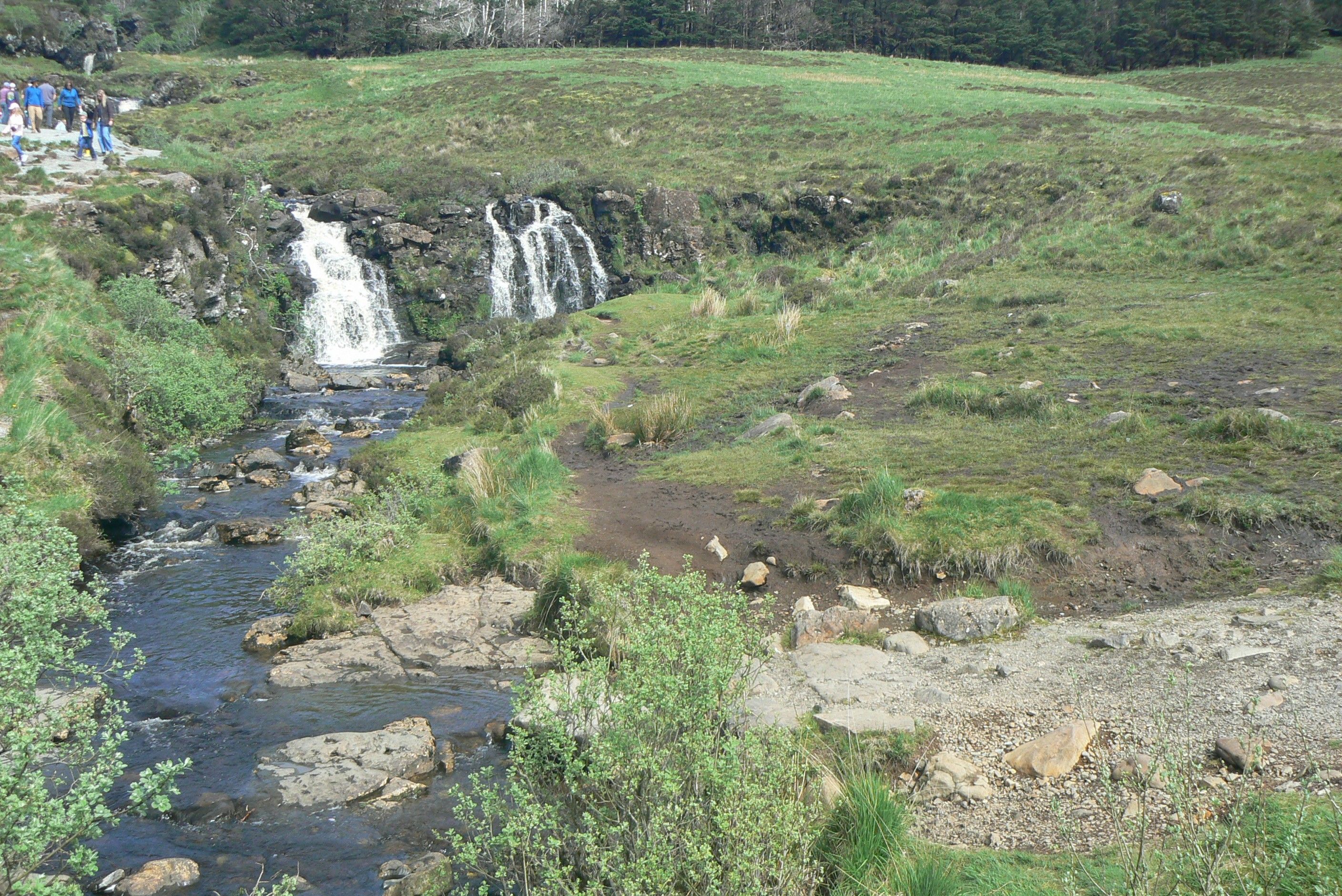
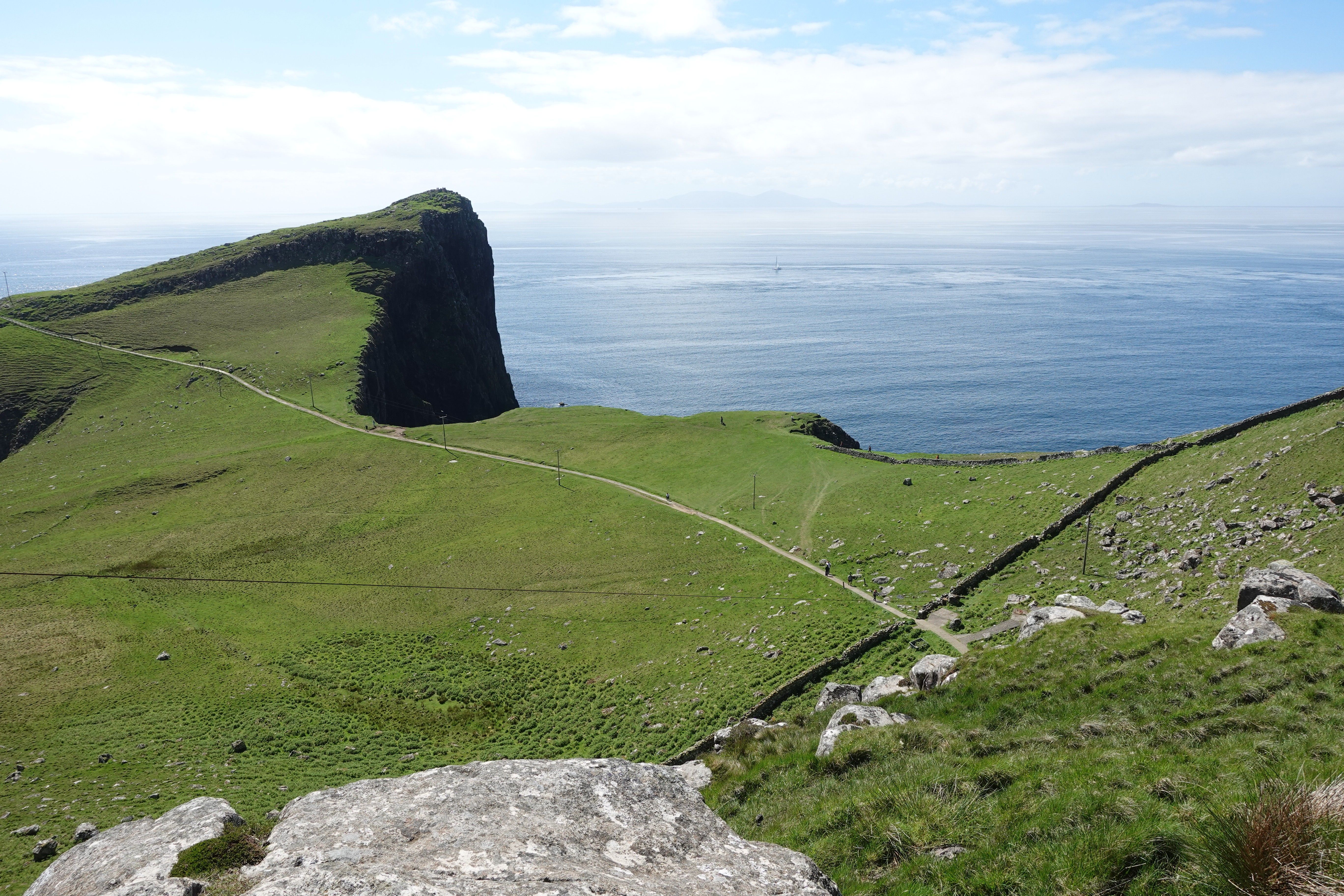
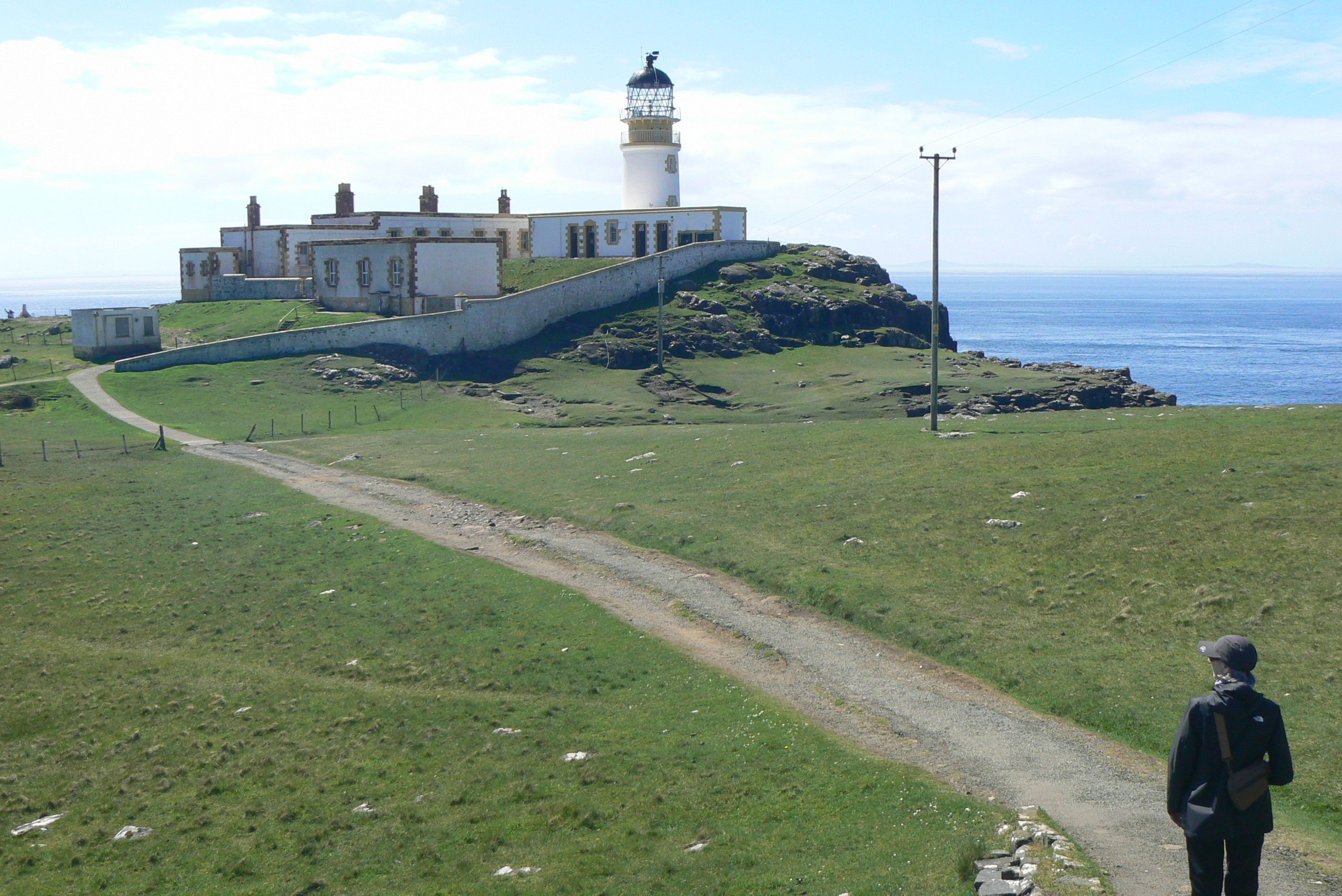
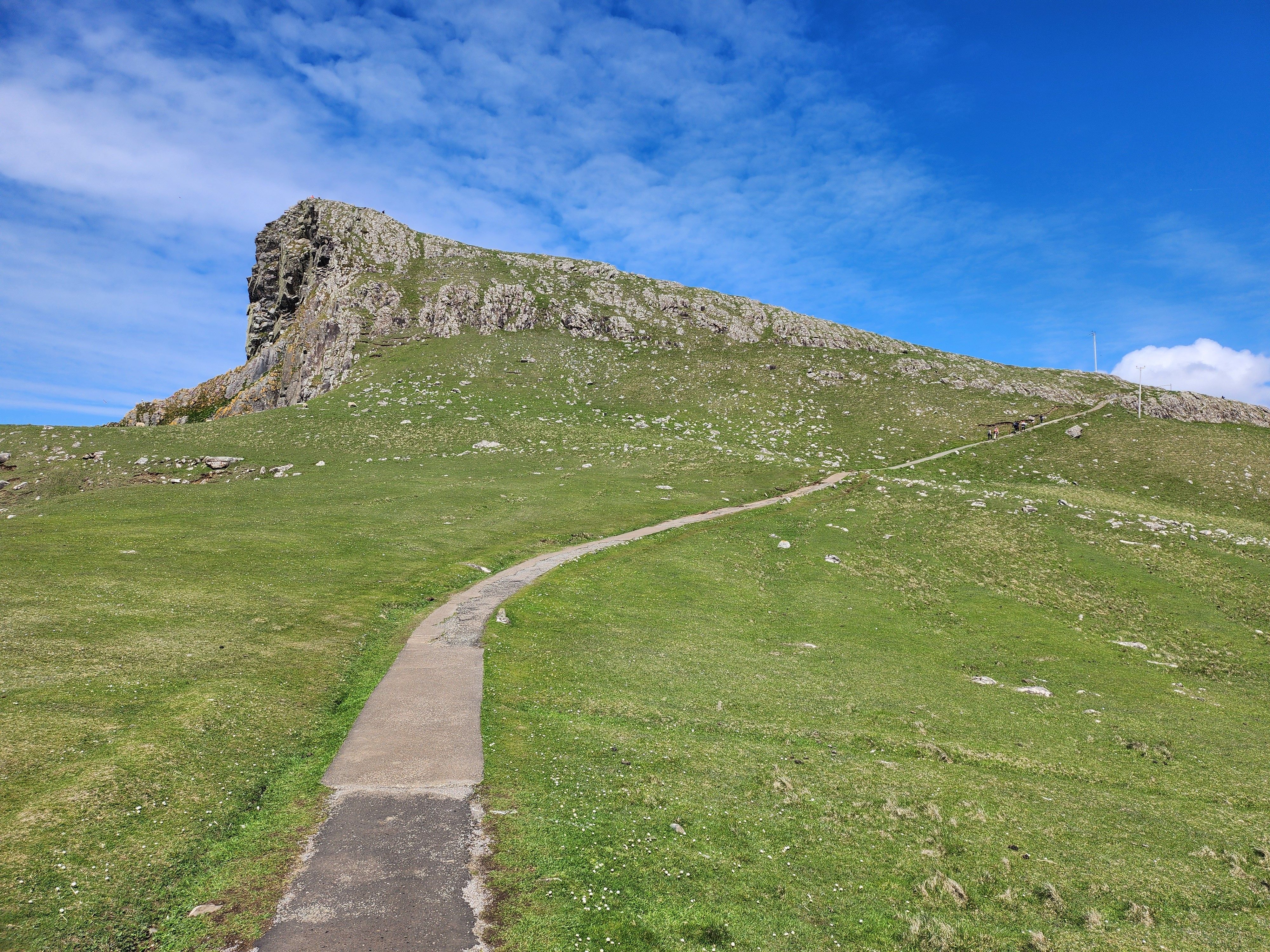
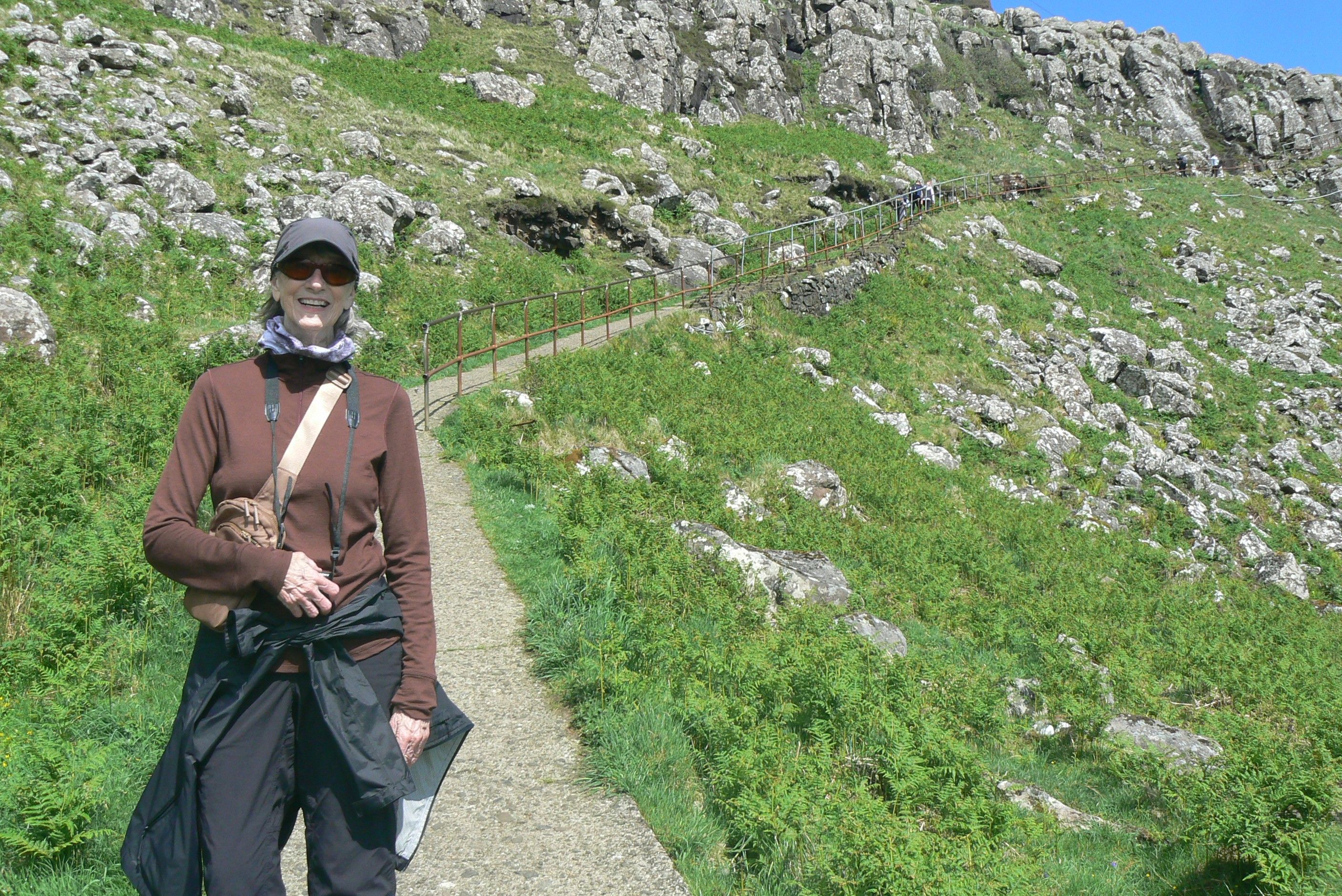
The lighthouse sits on the most westerly point of the Isle of Sky. It's a nice walk down - about 3 miles round trip, with a little bit of an up coming back.
The lighthouse is still active, but automated.
Spectacular views, a nice little bit of exercise, what more could you want.
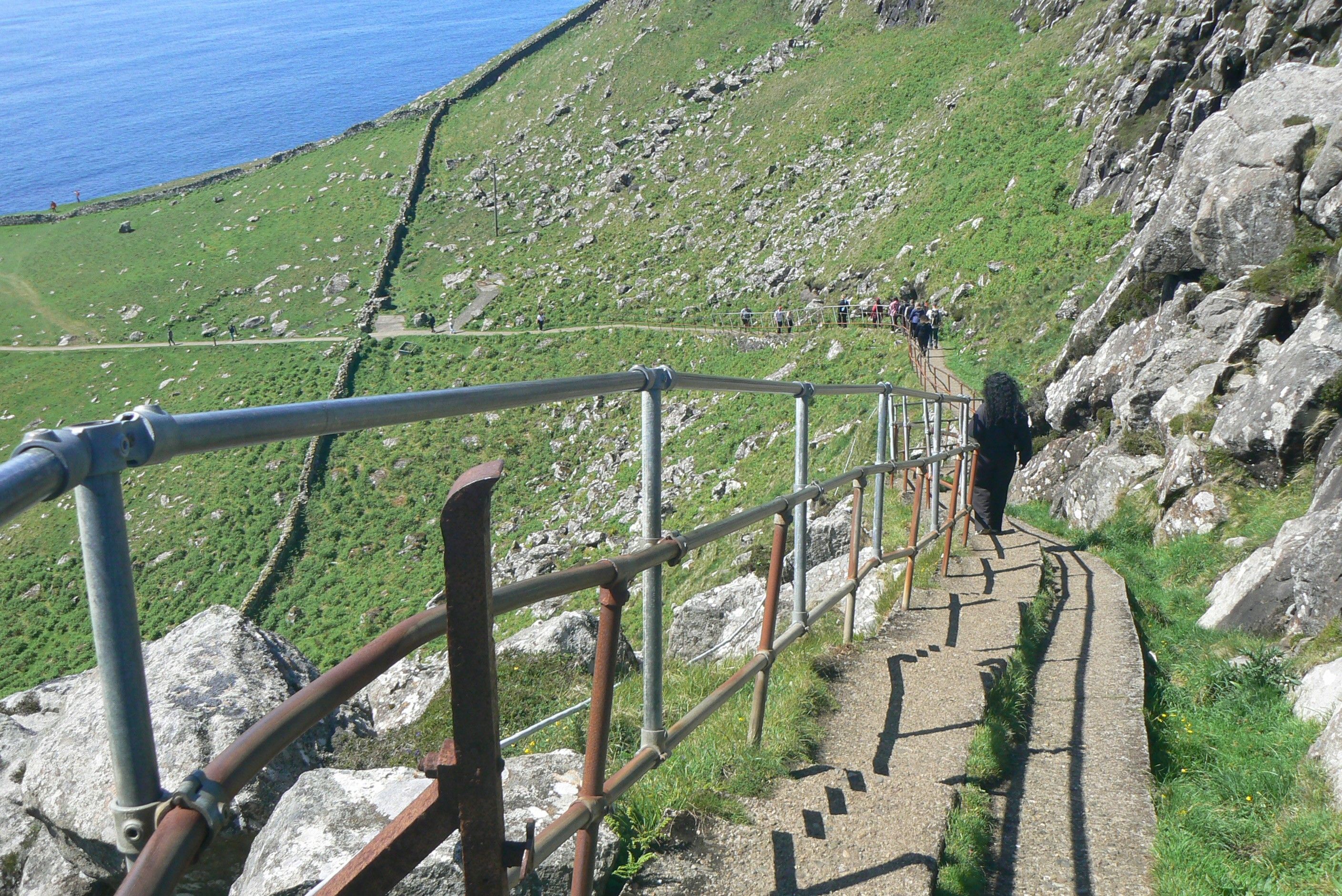
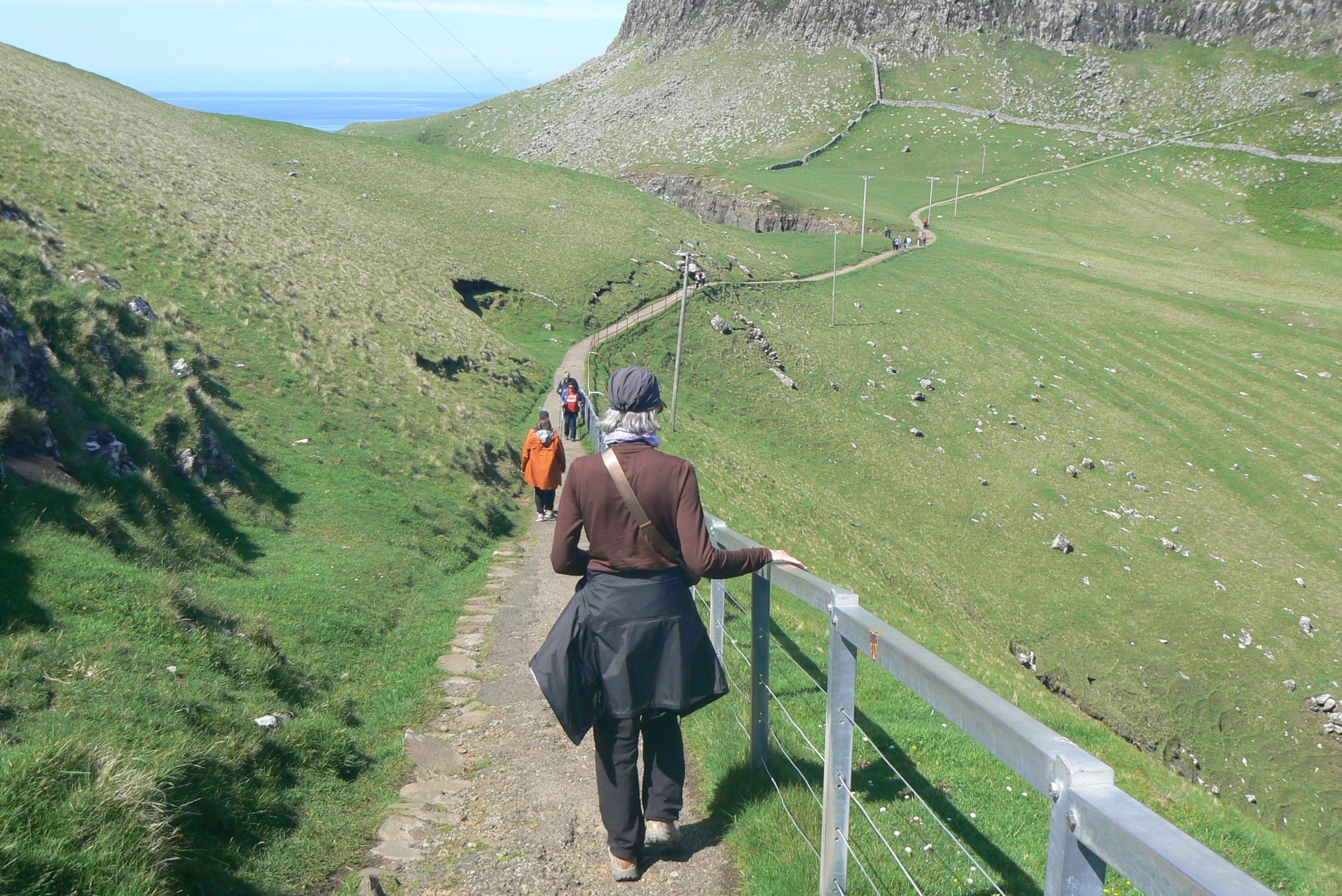
Heading down the stairs
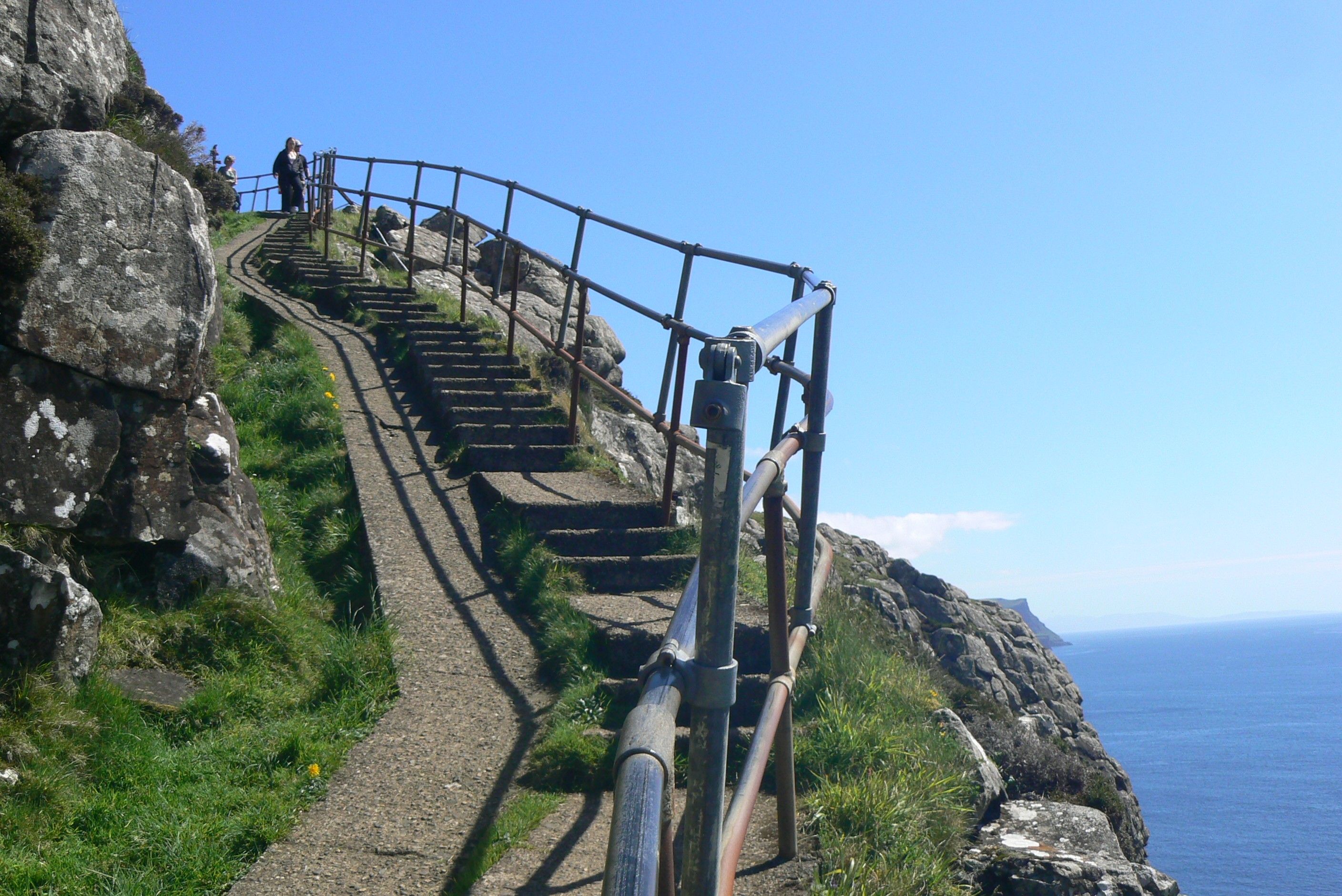
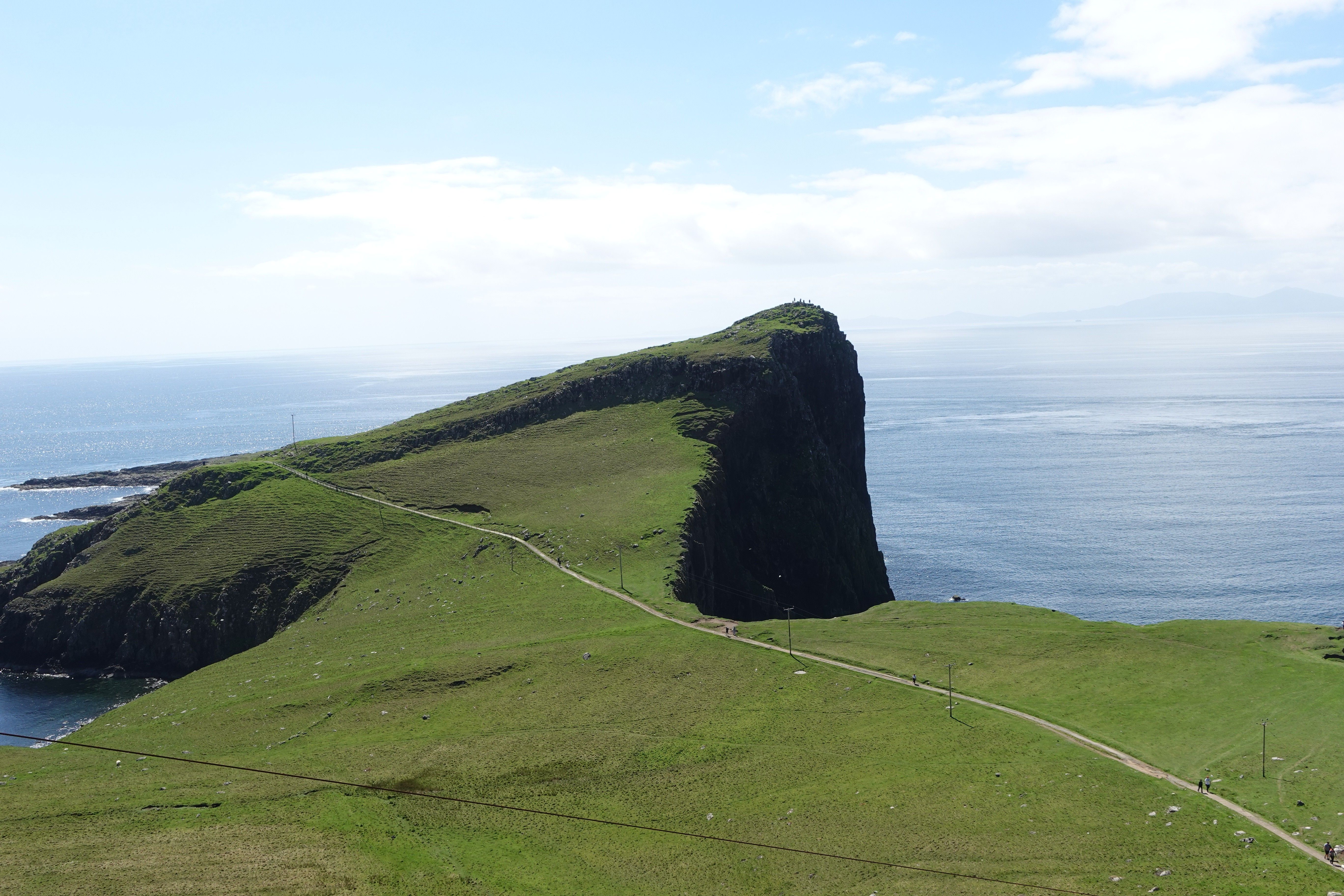
That's the path you take.
.JPG "An old stone wall")
An old stone wall
.JPG "The lighthouse is around the bend")
The lighthouse is around the bend
.JPG)
.jpg)
.JPG "Warning horn")
Warning horn
.JPG "People have been stacking stones for years, just because.")
People have been stacking stones for years, just because.
.jpg "Some are really unique, some not, but it's fun to walk among them")
Some are really unique, some not, but it's fun to walk among them
.JPG "The lighthouse looks over the Atlantic, Moonen Bay and the Minch.")
The lighthouse looks over the Atlantic, Moonen Bay and the Minch.
.JPG "Not sure which body of water this is")
Not sure which body of water this is
.JPG)
Heading back up to the car log
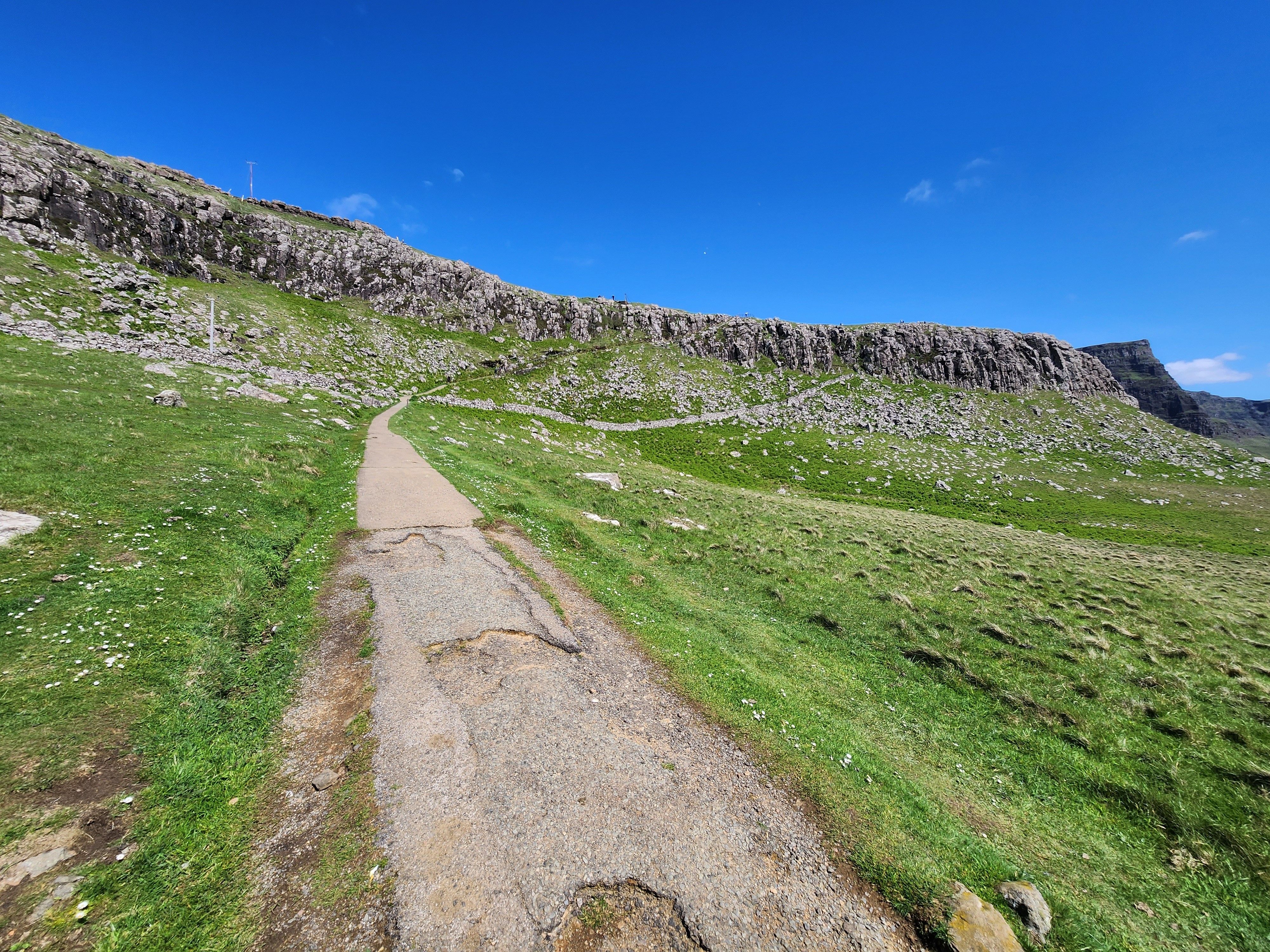
.JPG "That's where we go, up that hill")
That's where we go, up that hill
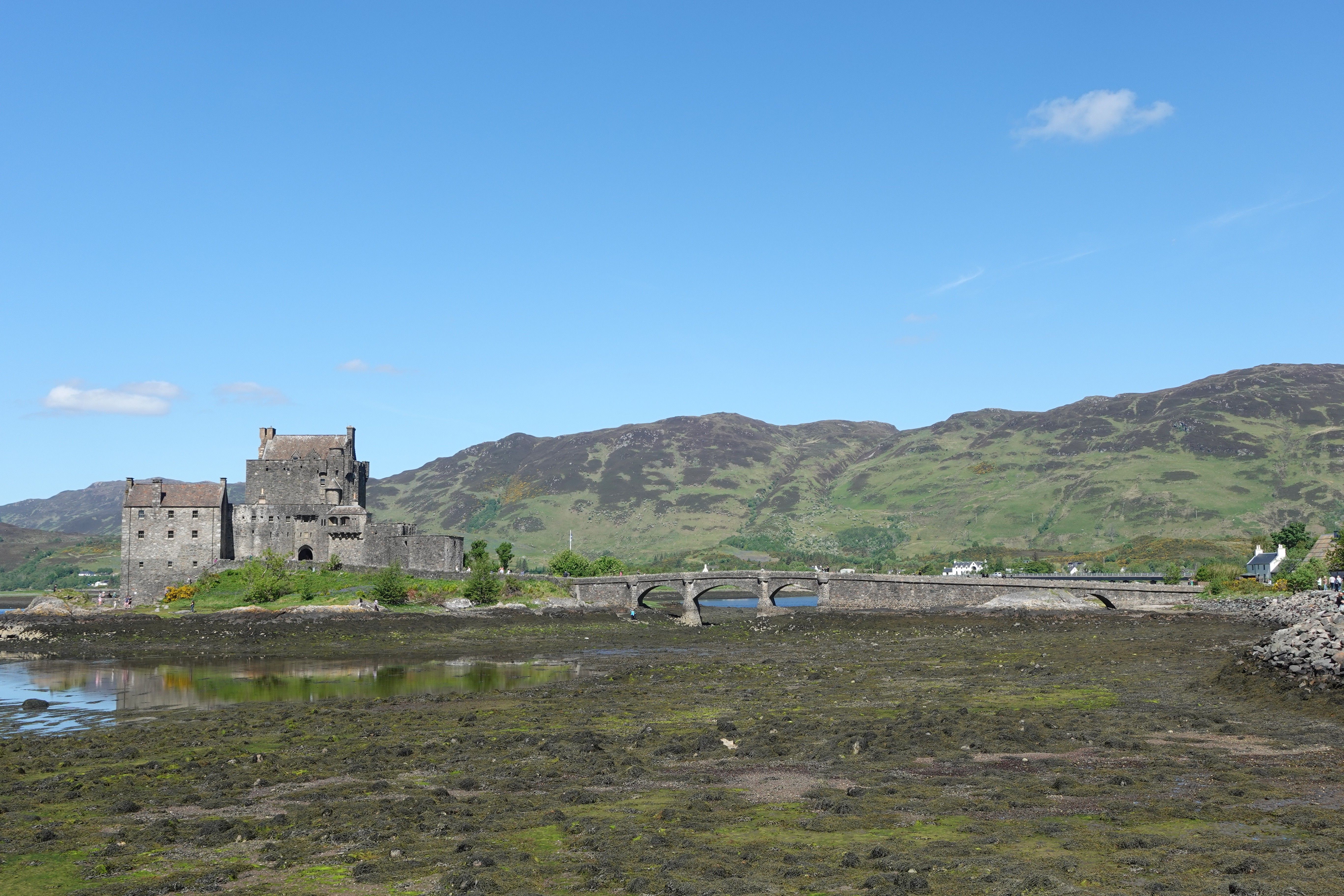
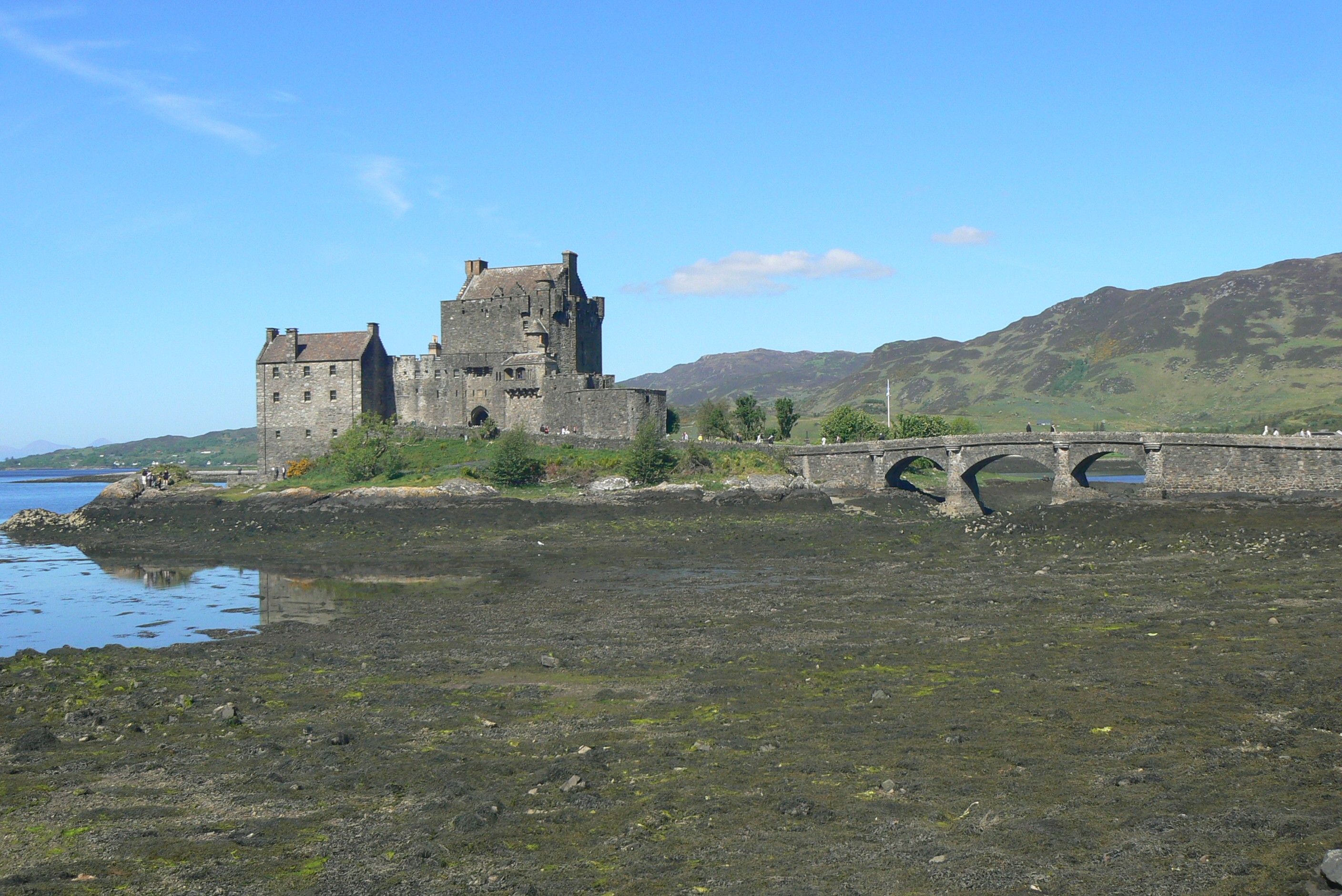
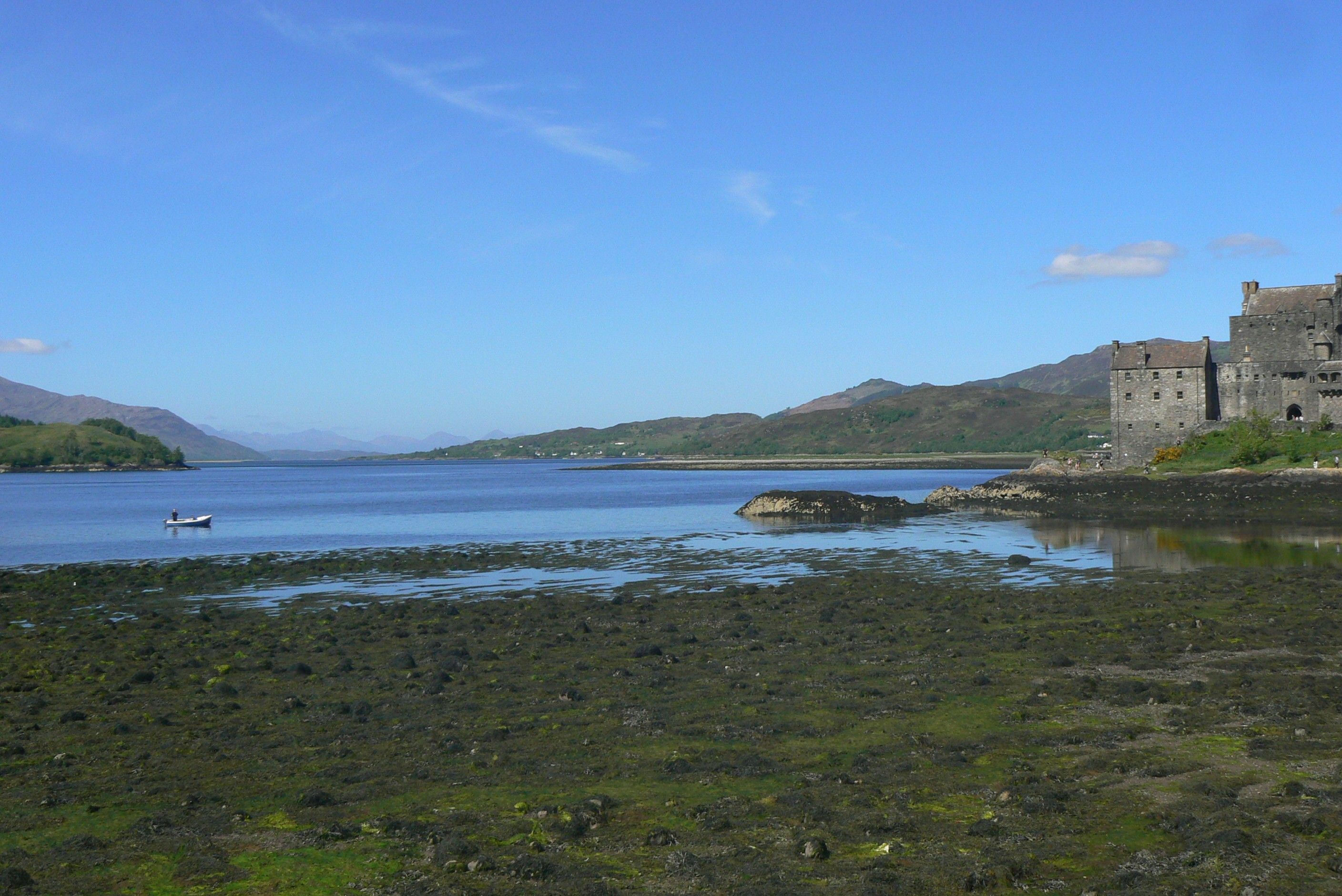
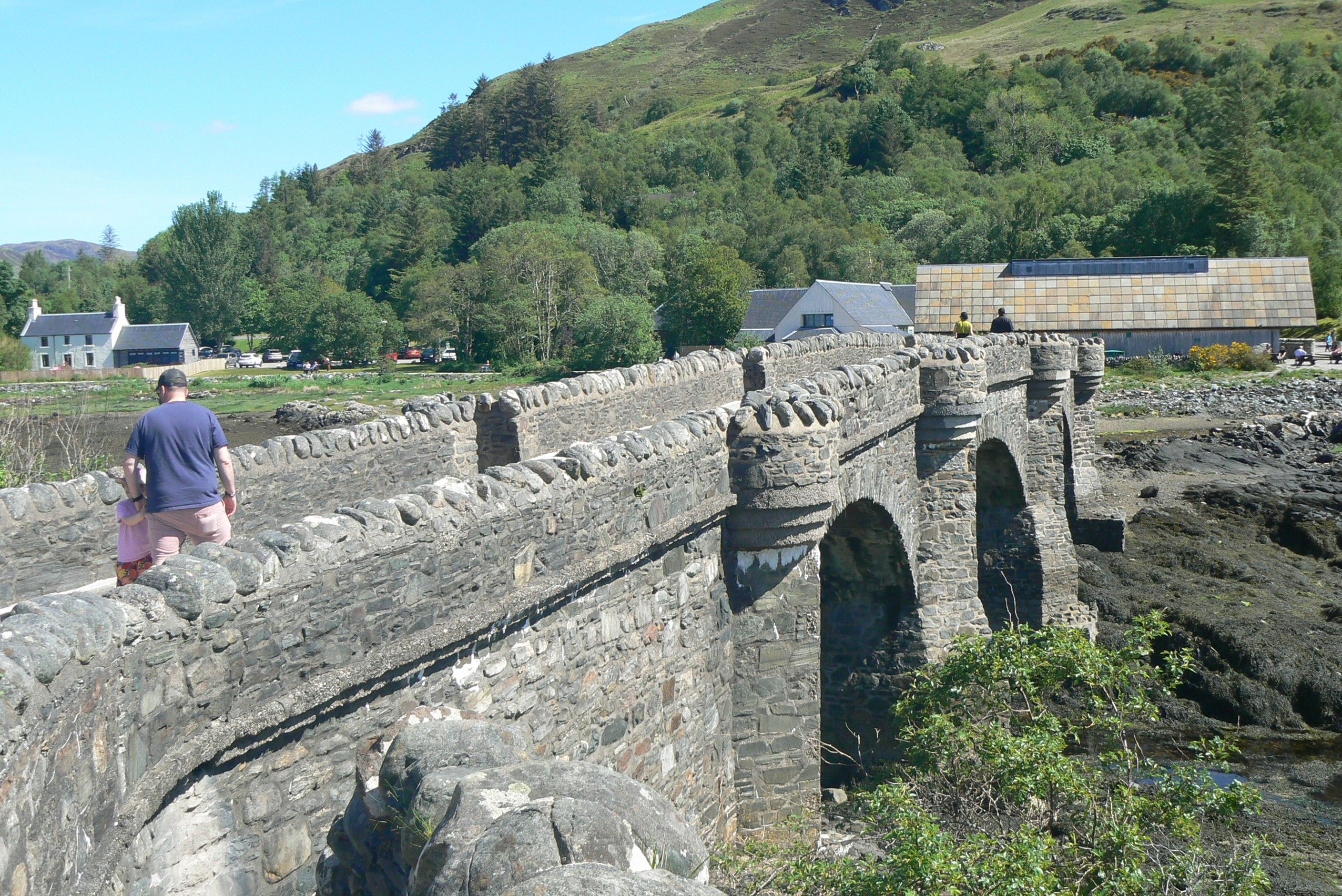
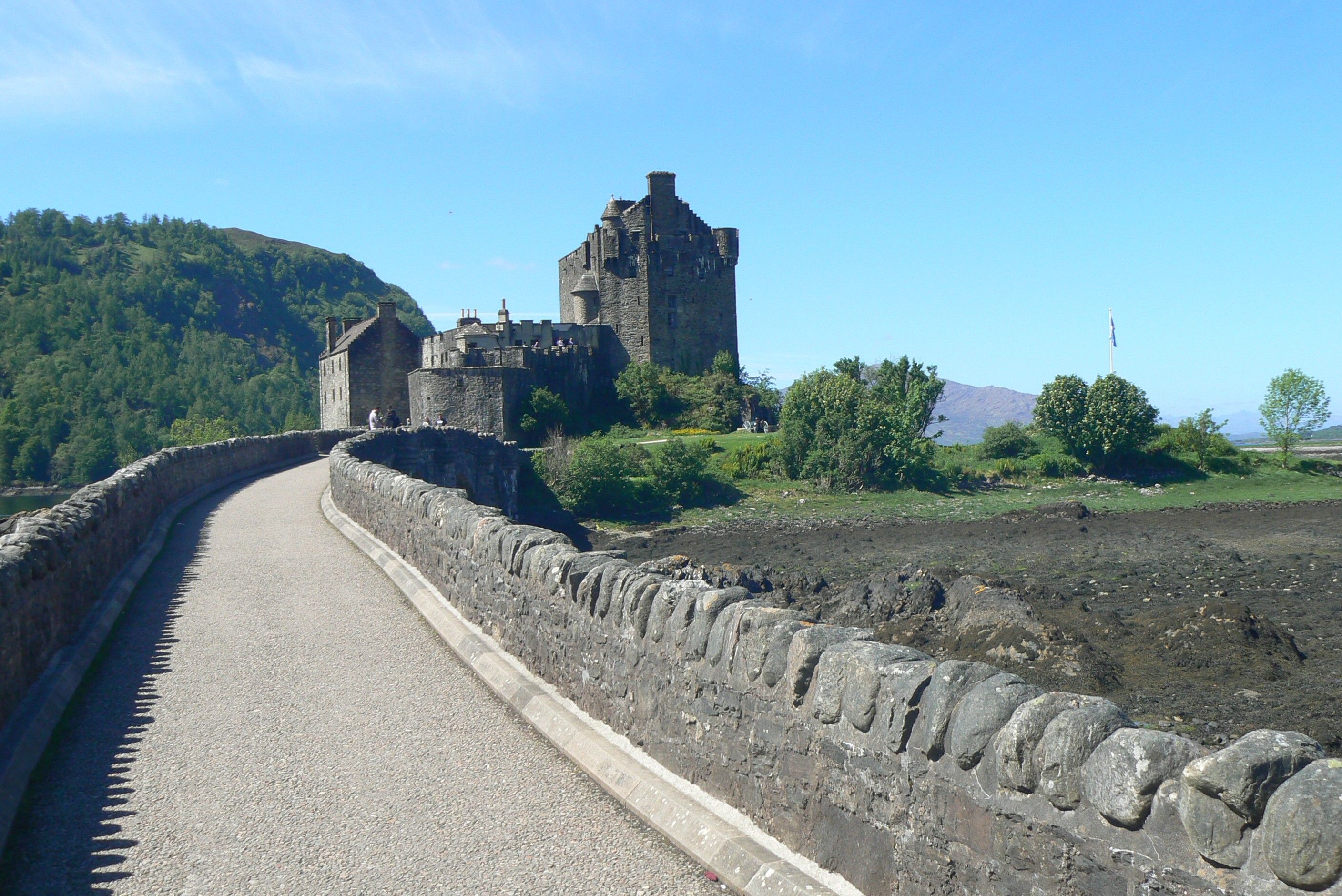
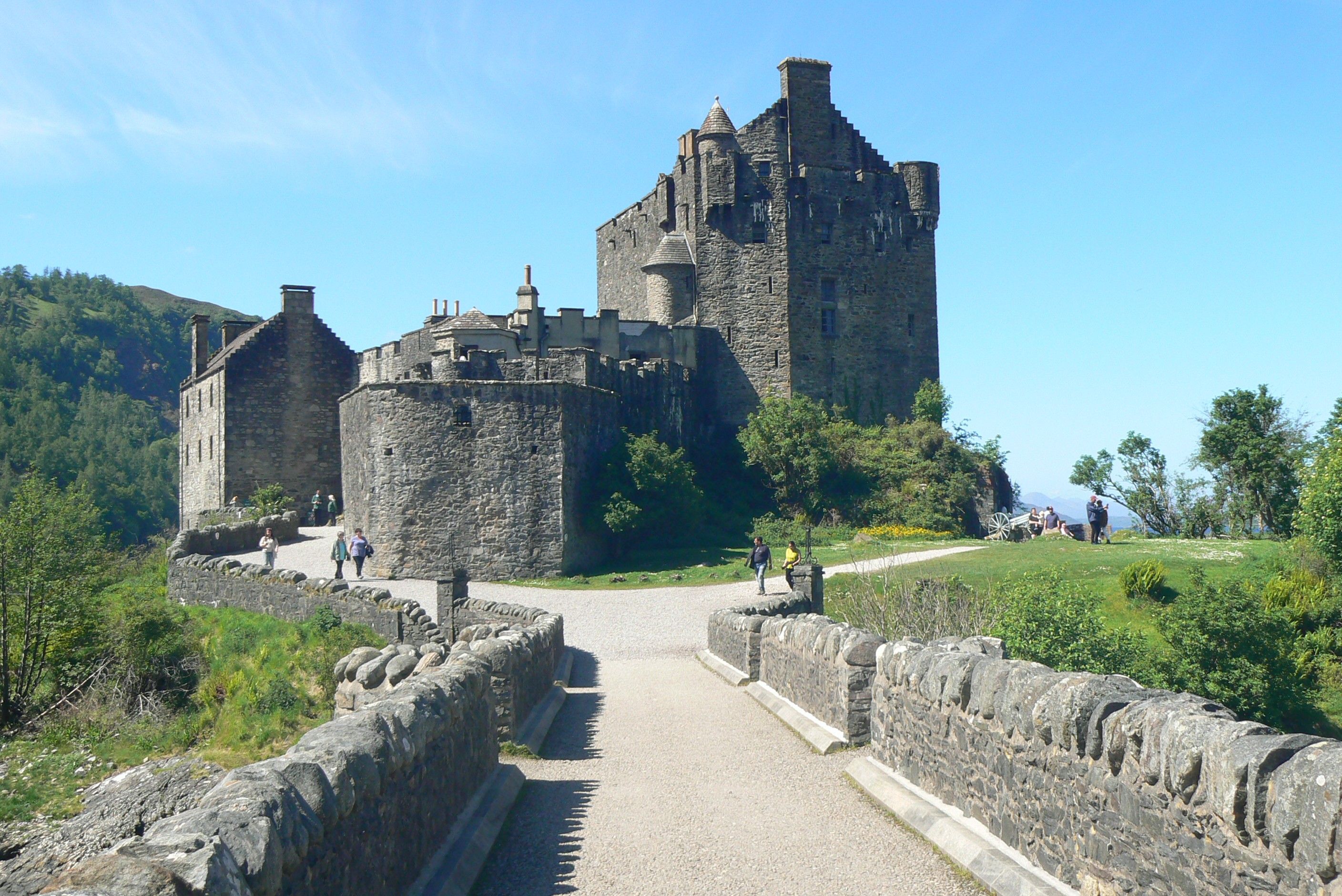
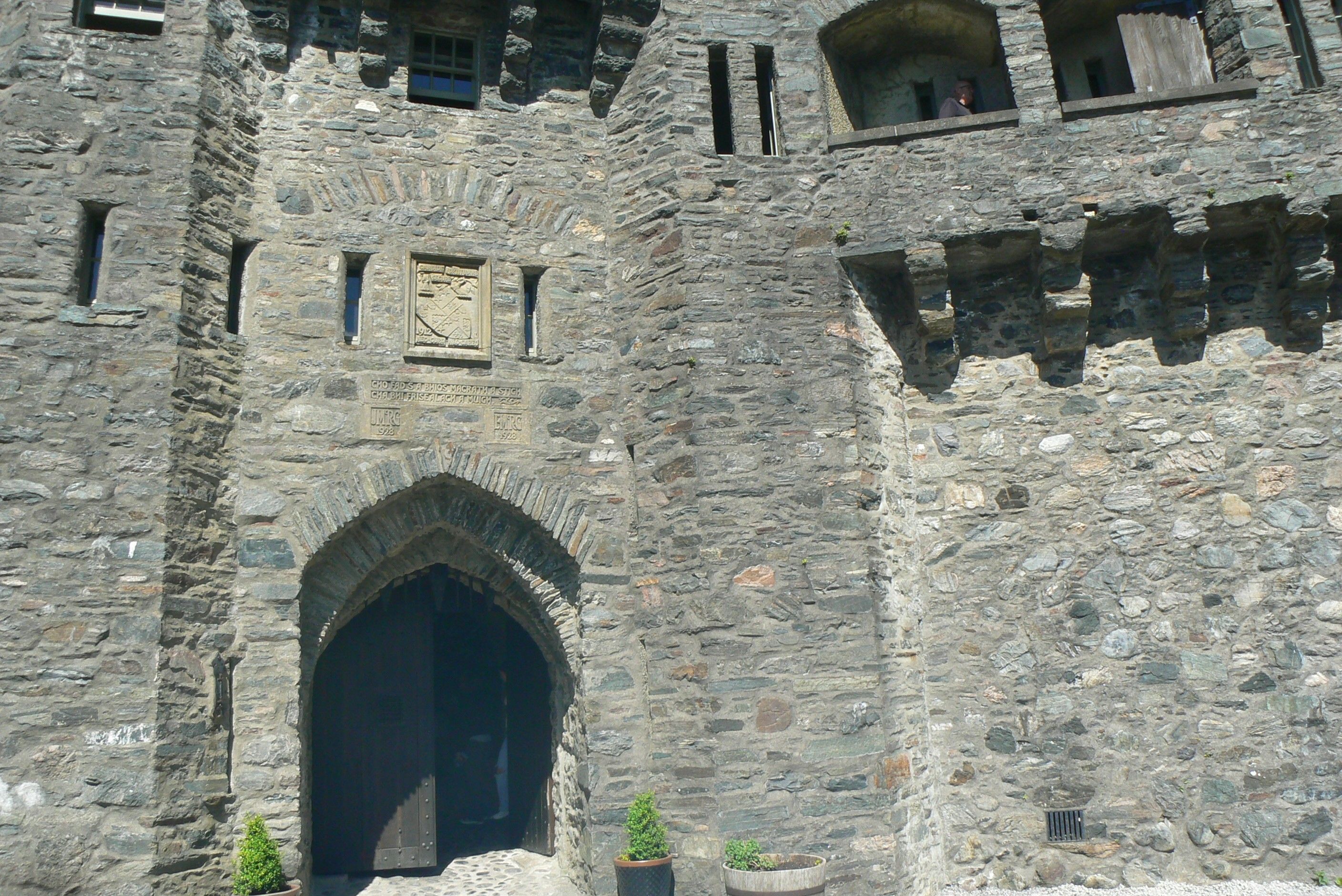
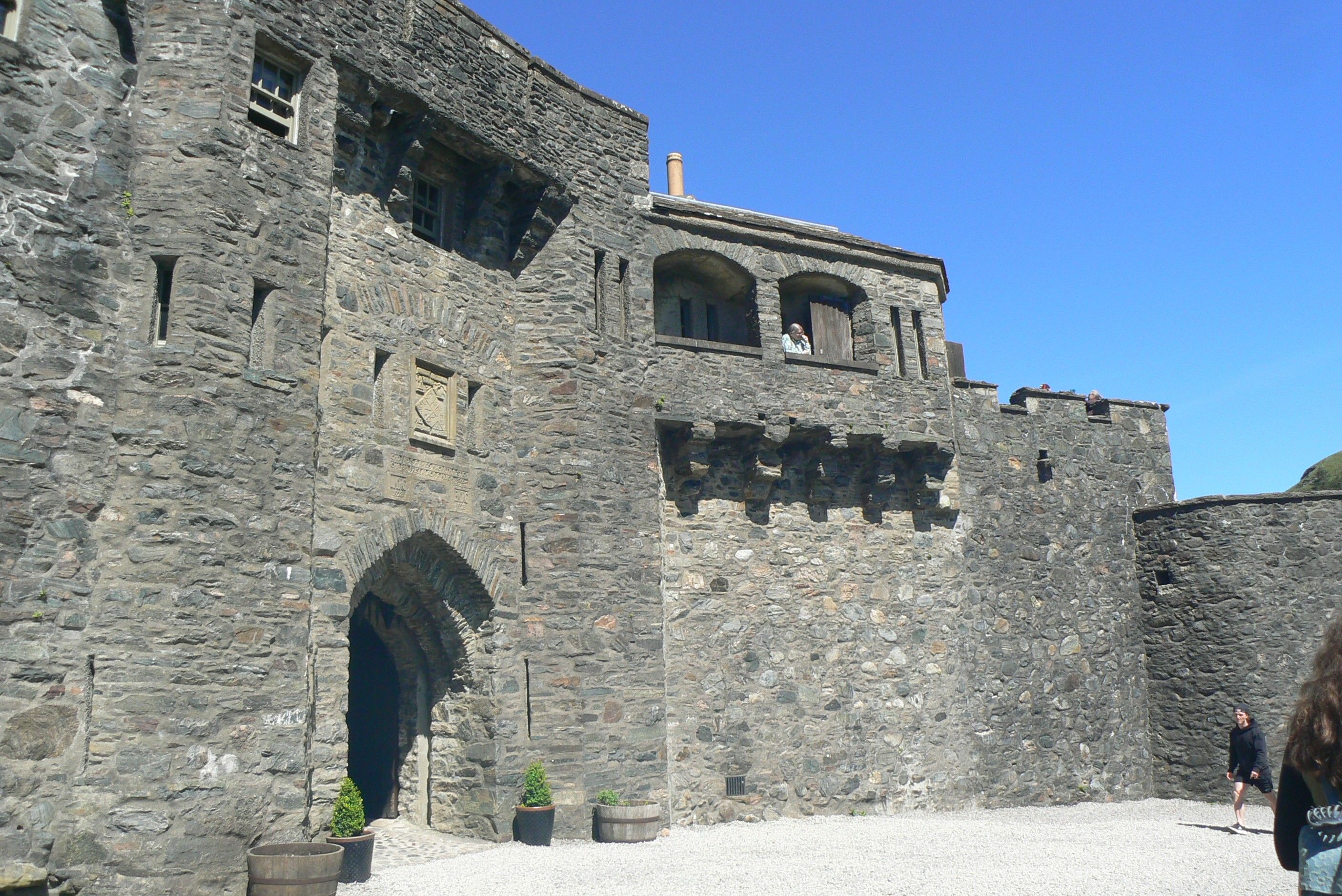
Eilean Donan Castle sits at the meeting point of three sea lochs Loch Duich, Loch Long, and Loch Alsh near the village of Dornie, on the route towards the Isle of Skye.
This picturesque castle, built in 1220, holds the title of the most photographed castle in Scotland.
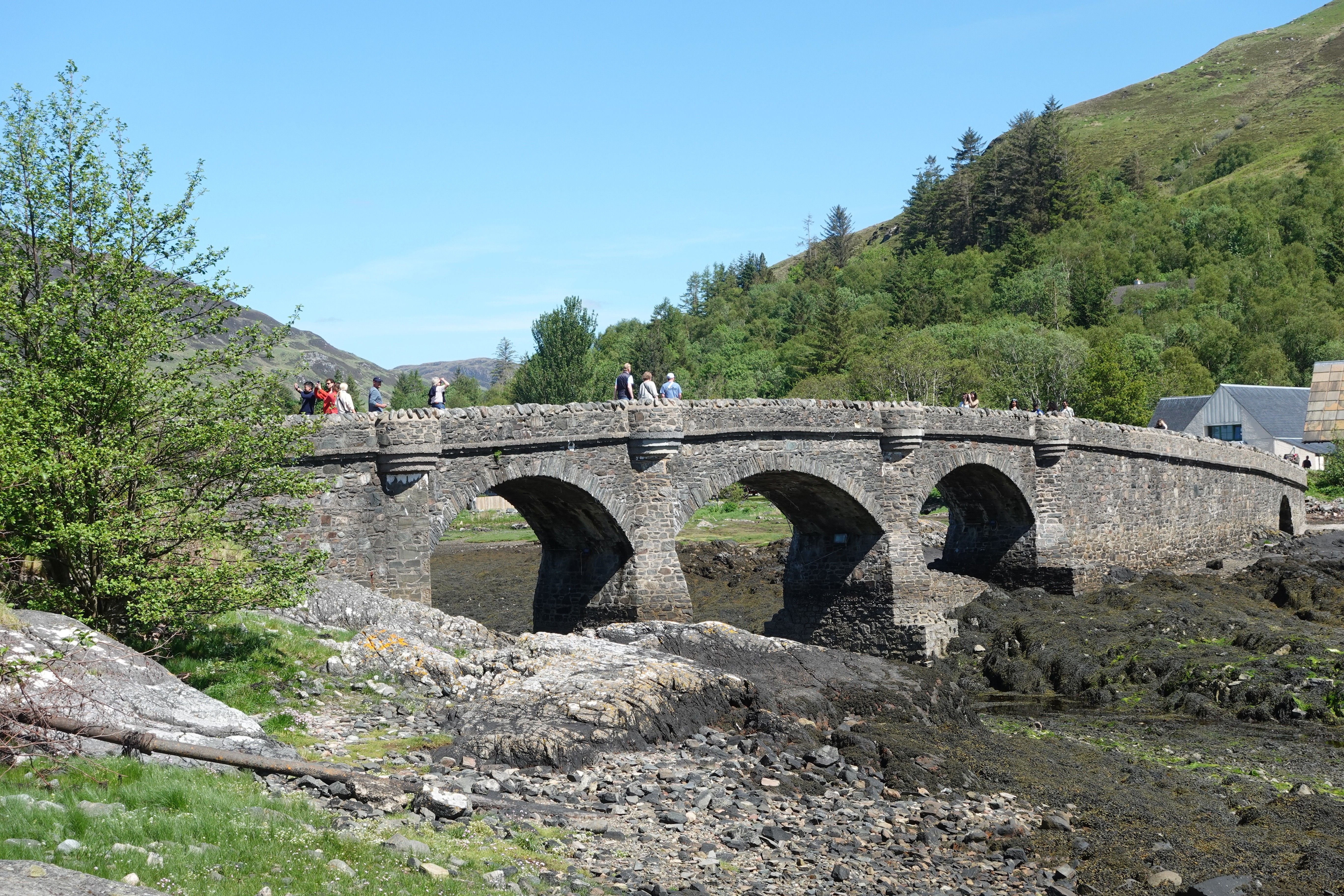
The bridge was built sometime from 1919 to 1932 during a restoration.
It is also the one Conner MacLeod rides across with is Cousins Angus and Dugal in the movie Highlander.
.JPG)
.JPG)
.JPG)
.JPG)
We enjoy the little things as well as the big things, so we made a few stop to see some of the things we found interesting.
Well of the Seven Heads - a monument and roadside obelisk . It was erected in 1812 by the Chief of Clan Macdonnel to commemorate the brutal 1663 revenge killing in Scottish clan history: 7 brothers of the MacDonald family were murdered by their cousins in a bloody family feud.
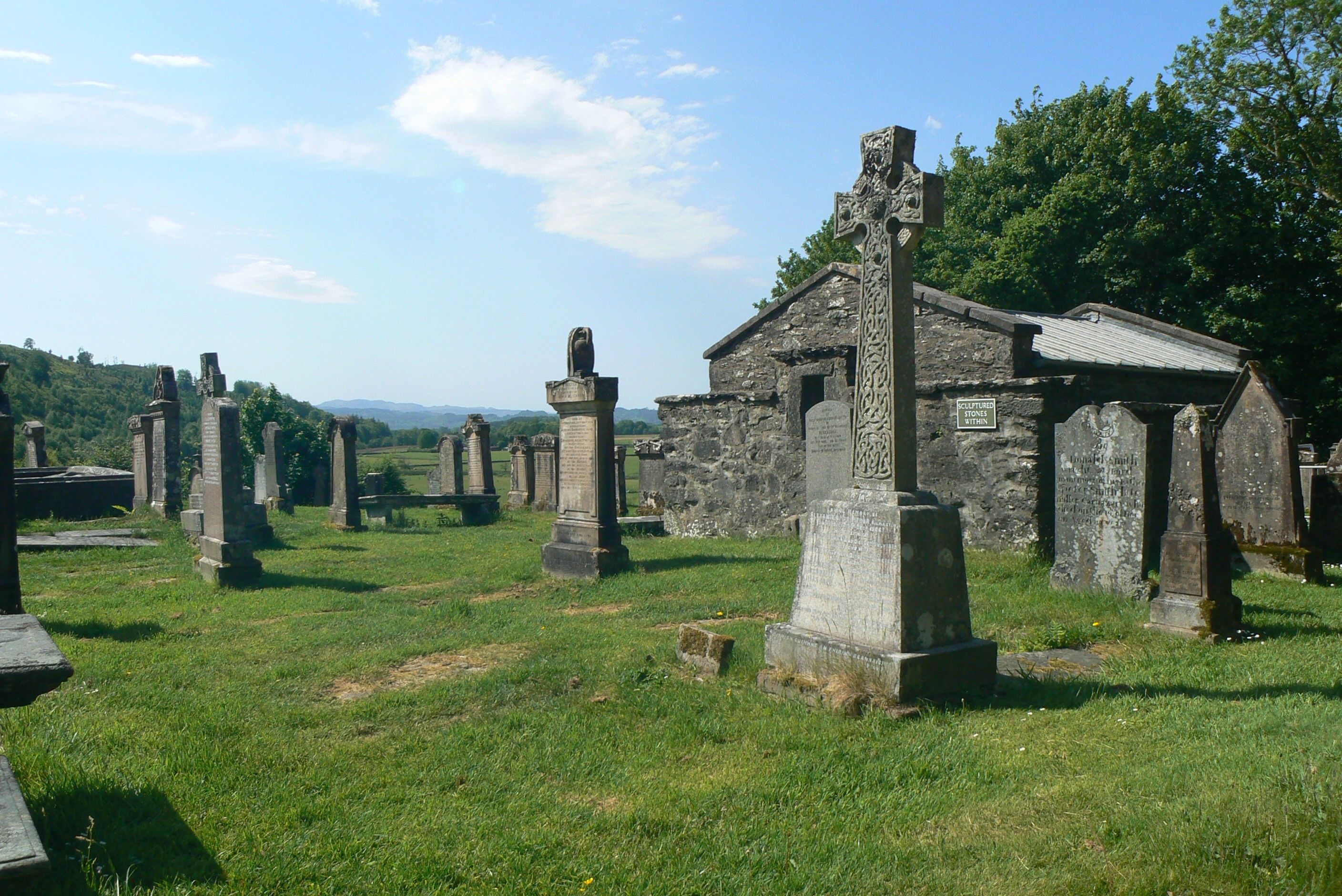
Kilmartin Church. It has an amazing graveyard, and a collection of graveslabs from the 13th to 18th century.
.jpg "The monument of 7 heads")
The monument of 7 heads
.jpg)
.jpg)
.jpg "The well below the heads. There is a well at the end of this tunnel")
The well below the heads. There is a well at the end of this tunnel
.jpg "You do have to hunch down.")
You do have to hunch down.
Kilmartin Church
.JPG "The tower was closed unfortunately")
The tower was closed unfortunately
.JPG "Grave slabs. Often the picture on the slab related to the person buried")
Grave slabs. Often the picture on the slab related to the person buried
.JPG)
.jpg "Swords, flowers, deer - spoke to war, peace or hunting")
Swords, flowers, deer - spoke to war, peace or hunting
.jpg)
.jpg)
.jpg)
.jpg)
.jpg)
.jpg)
.jpg)
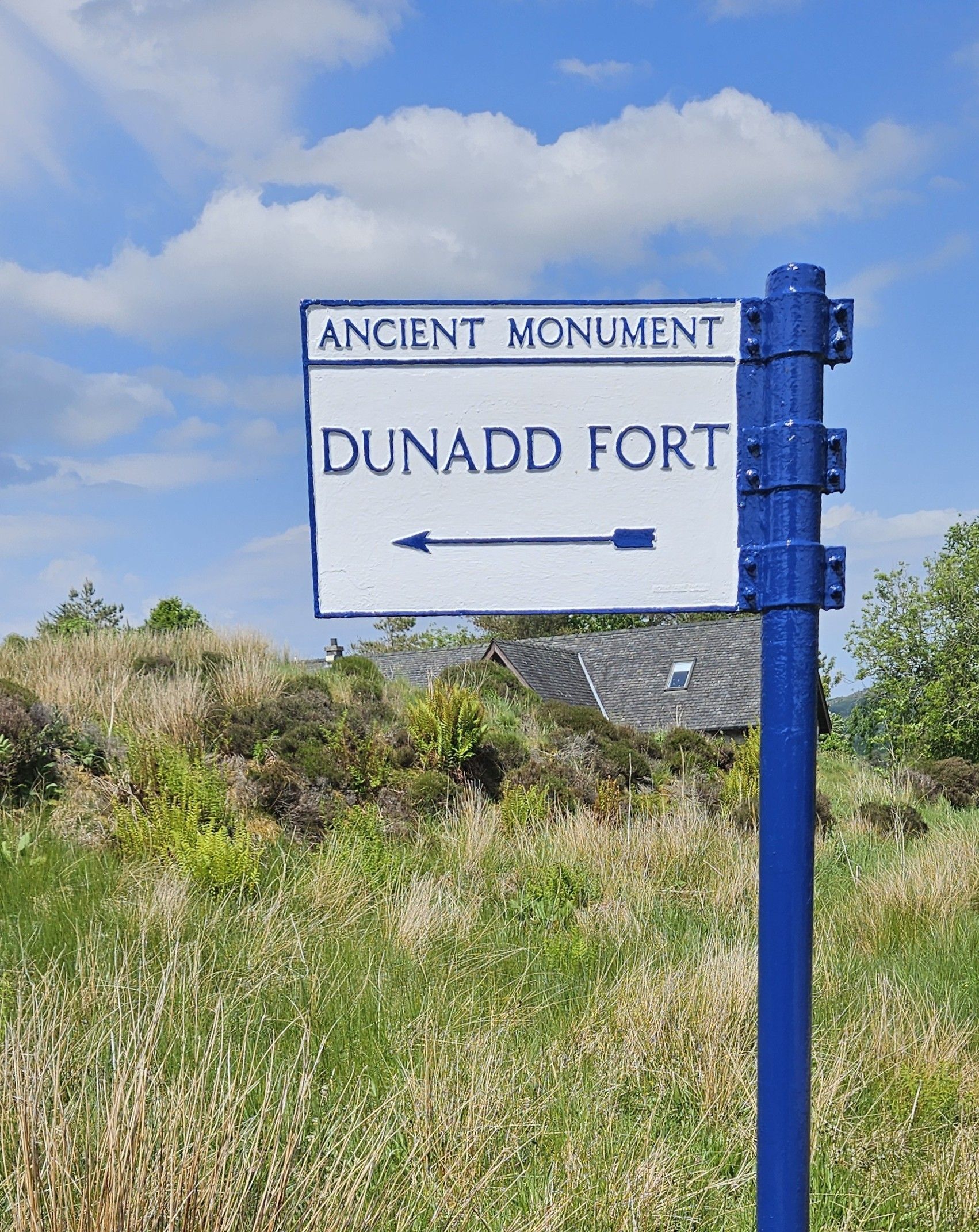
This is a very important site in Scottish history.
The original Scots were migrants from Ireland, and it is from this fort that they spread out, absorbed the Pics and set the stage for what would be known as Scotland.
Scottish kings were traditionally crowned here to about 850.
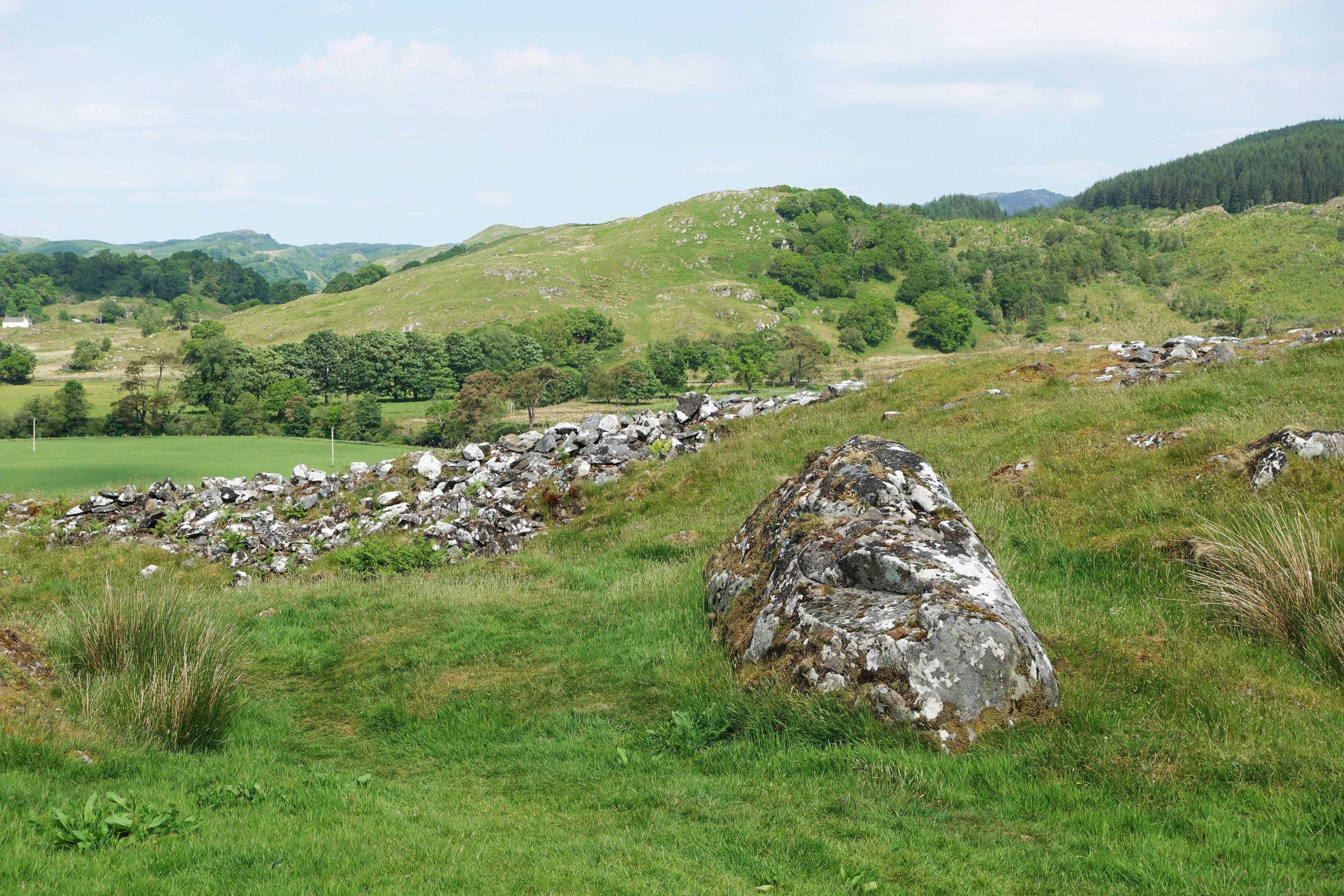
The fort had 4 lines of walls at different levels, and was close to the motte and bailey design favored by the Normans for their castles.
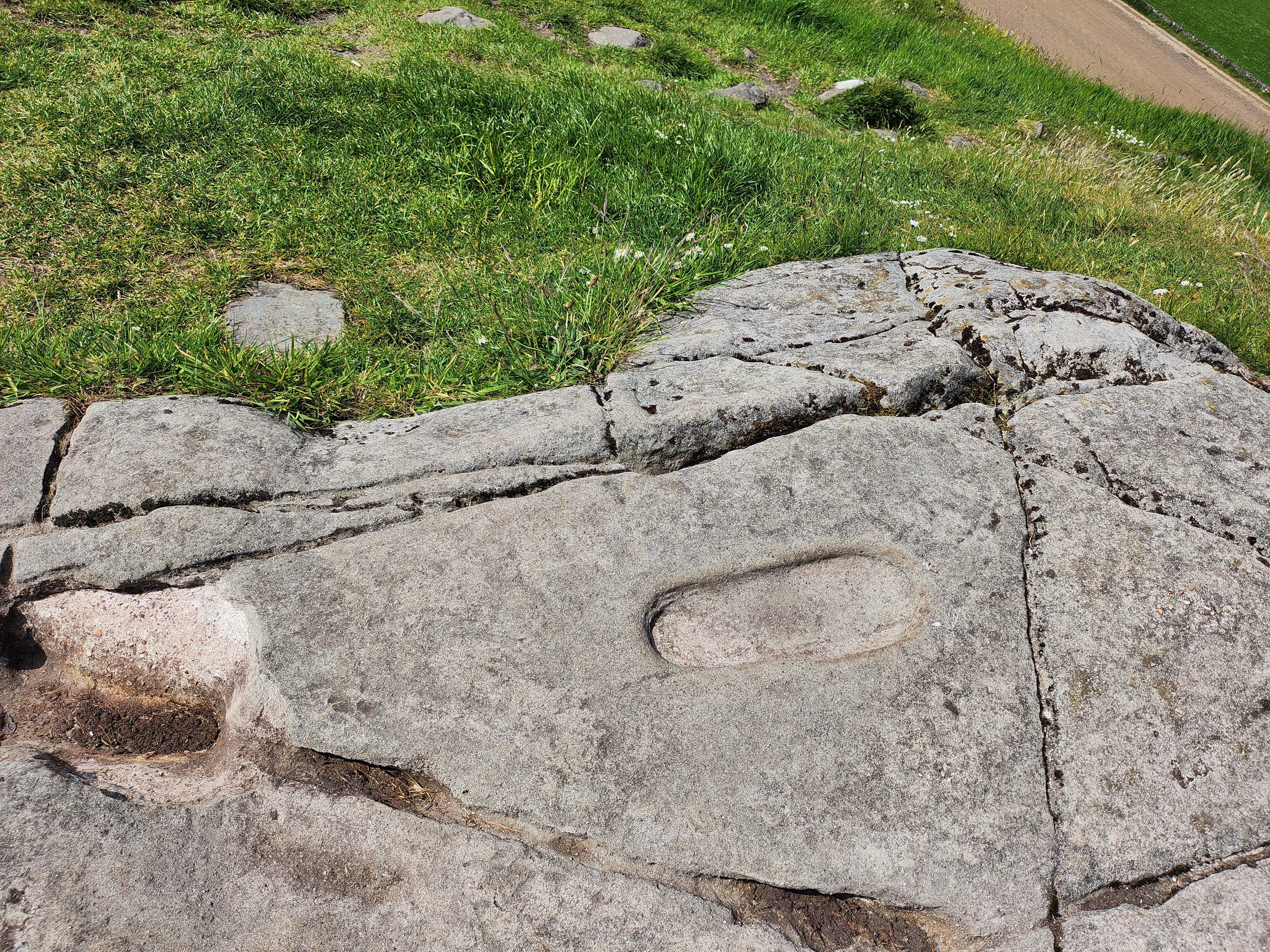
There are several carved stones. The foot print - upon coronation the king placed his foot in this indent.
There are other carvings as well, but we couldn't make them out. Need better eyes and better cameras I guess.
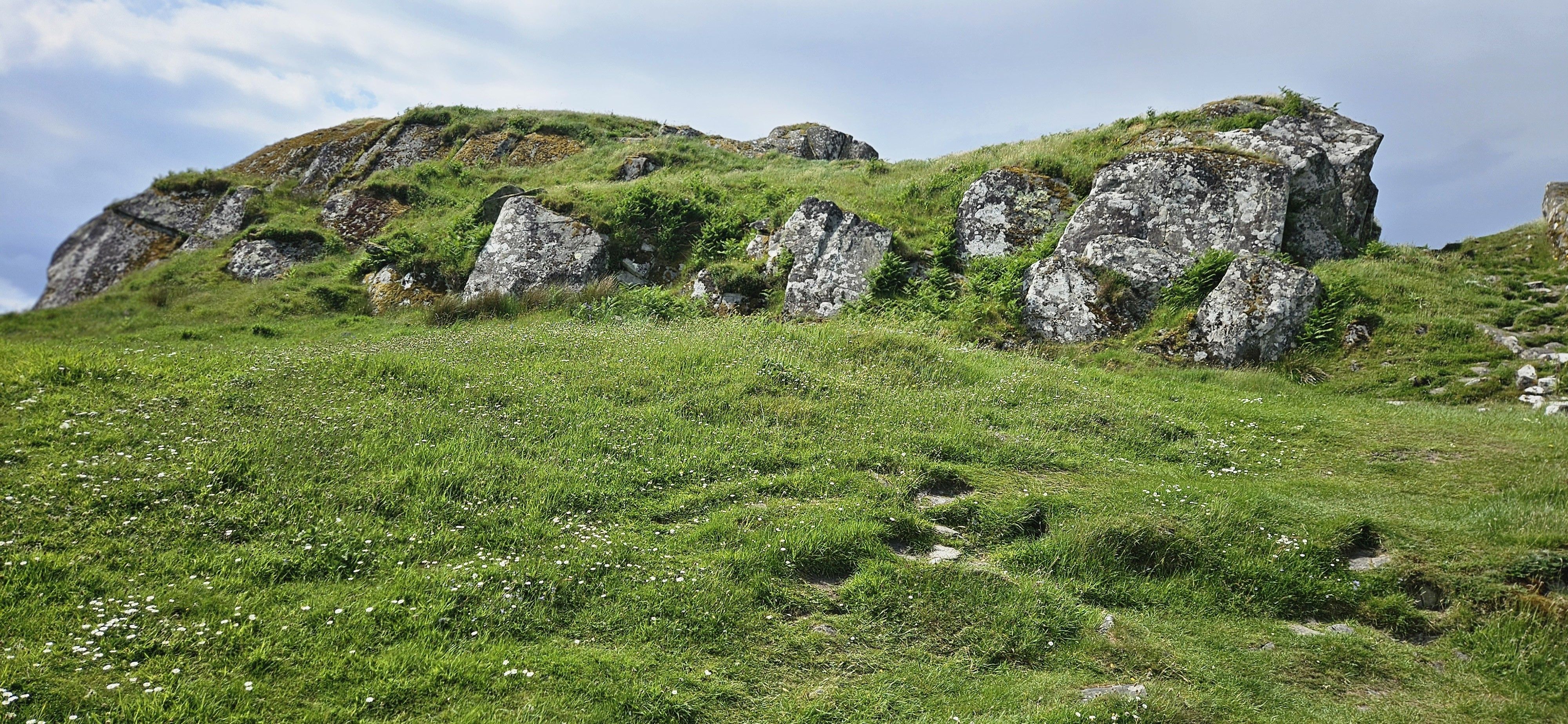
That is the remains of the fort
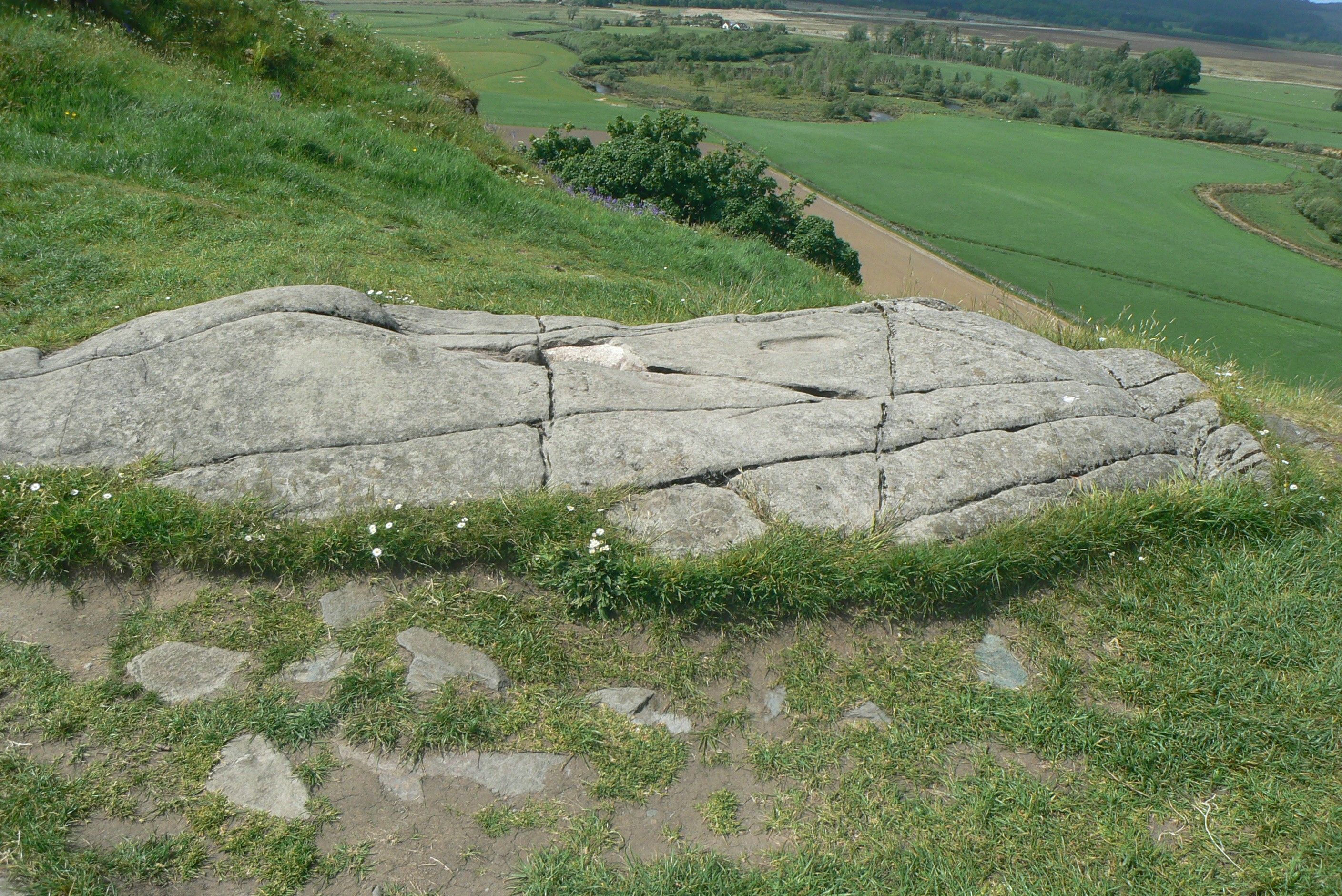
The rock with the foot pring
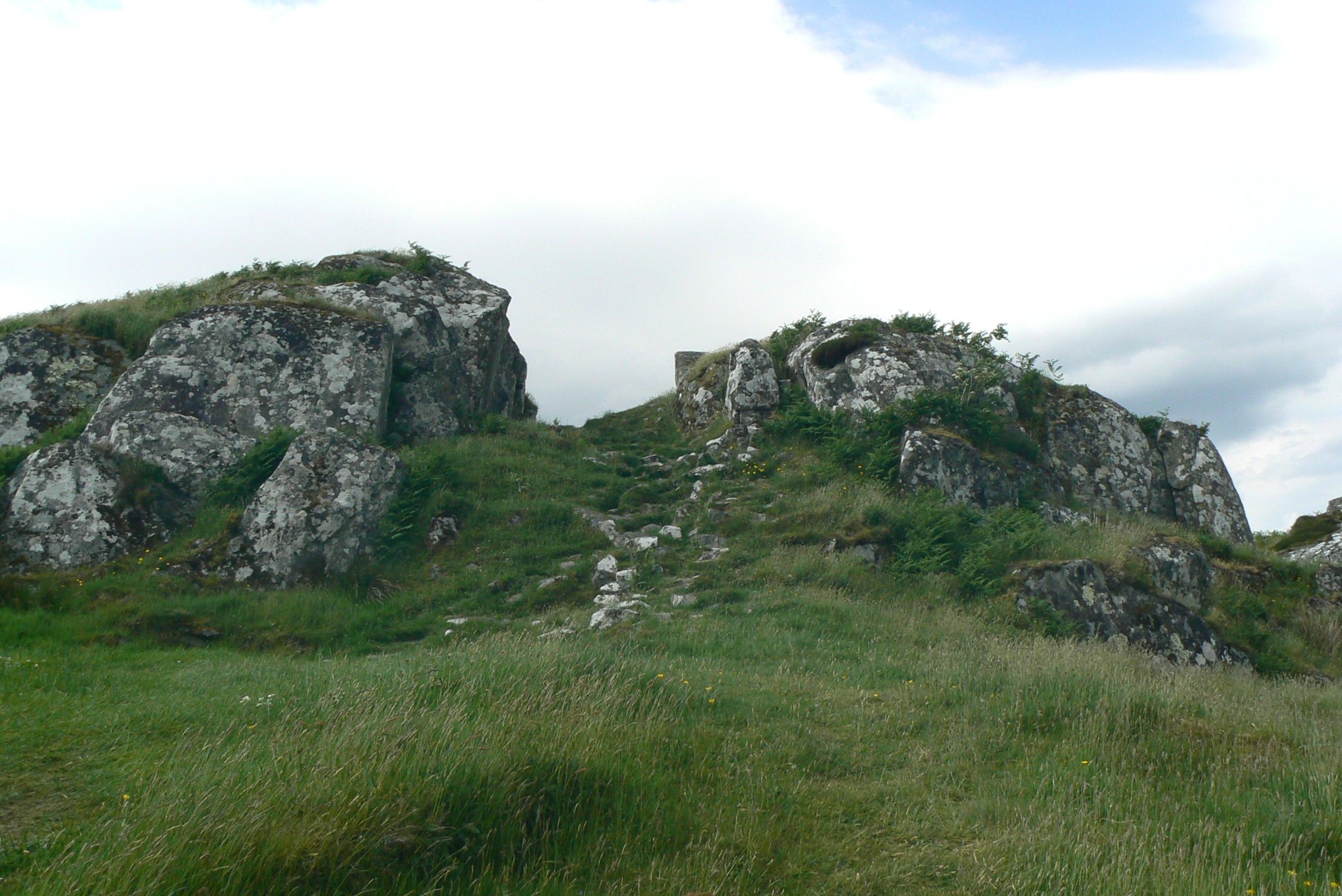
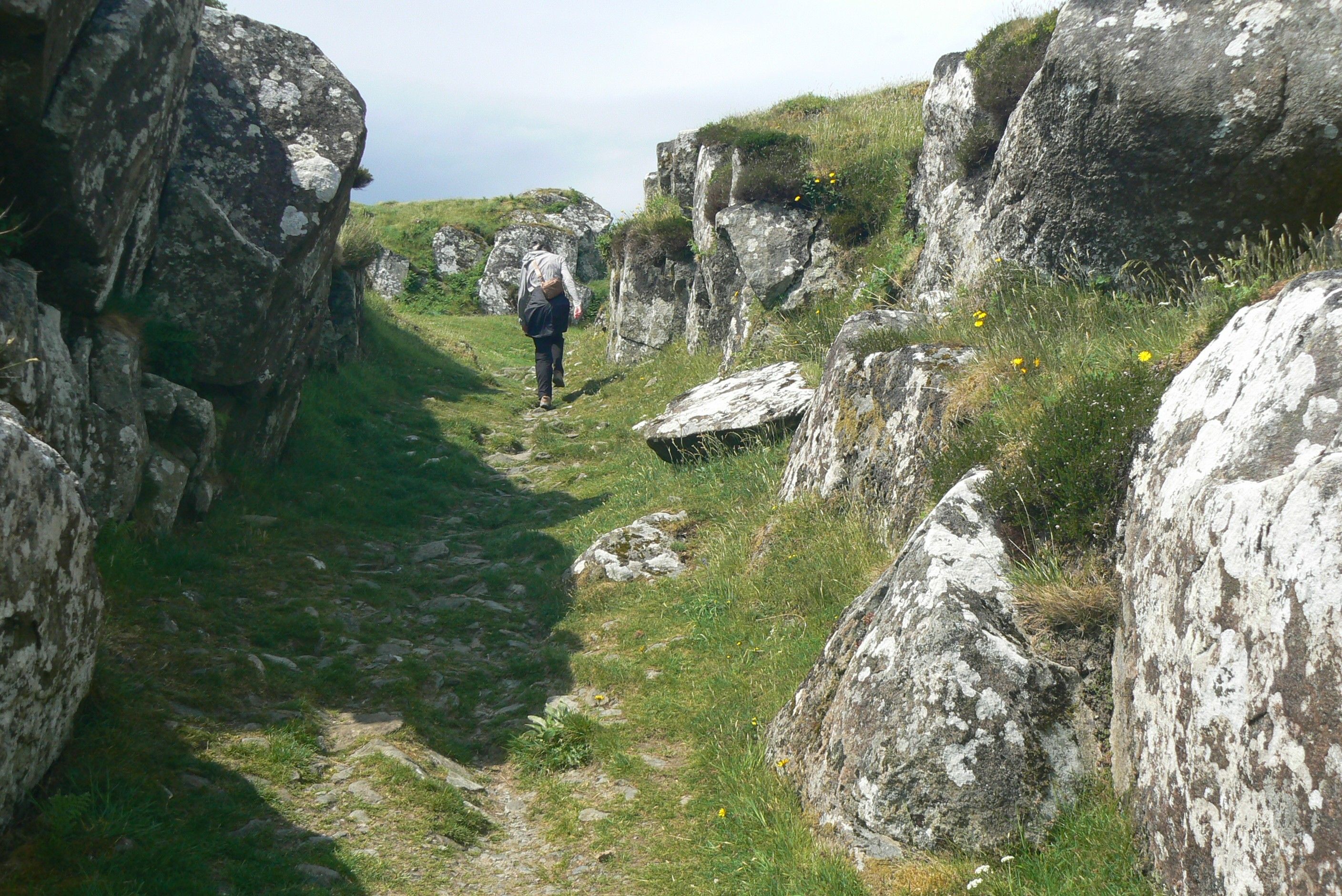
The narrow entrance to the citidal
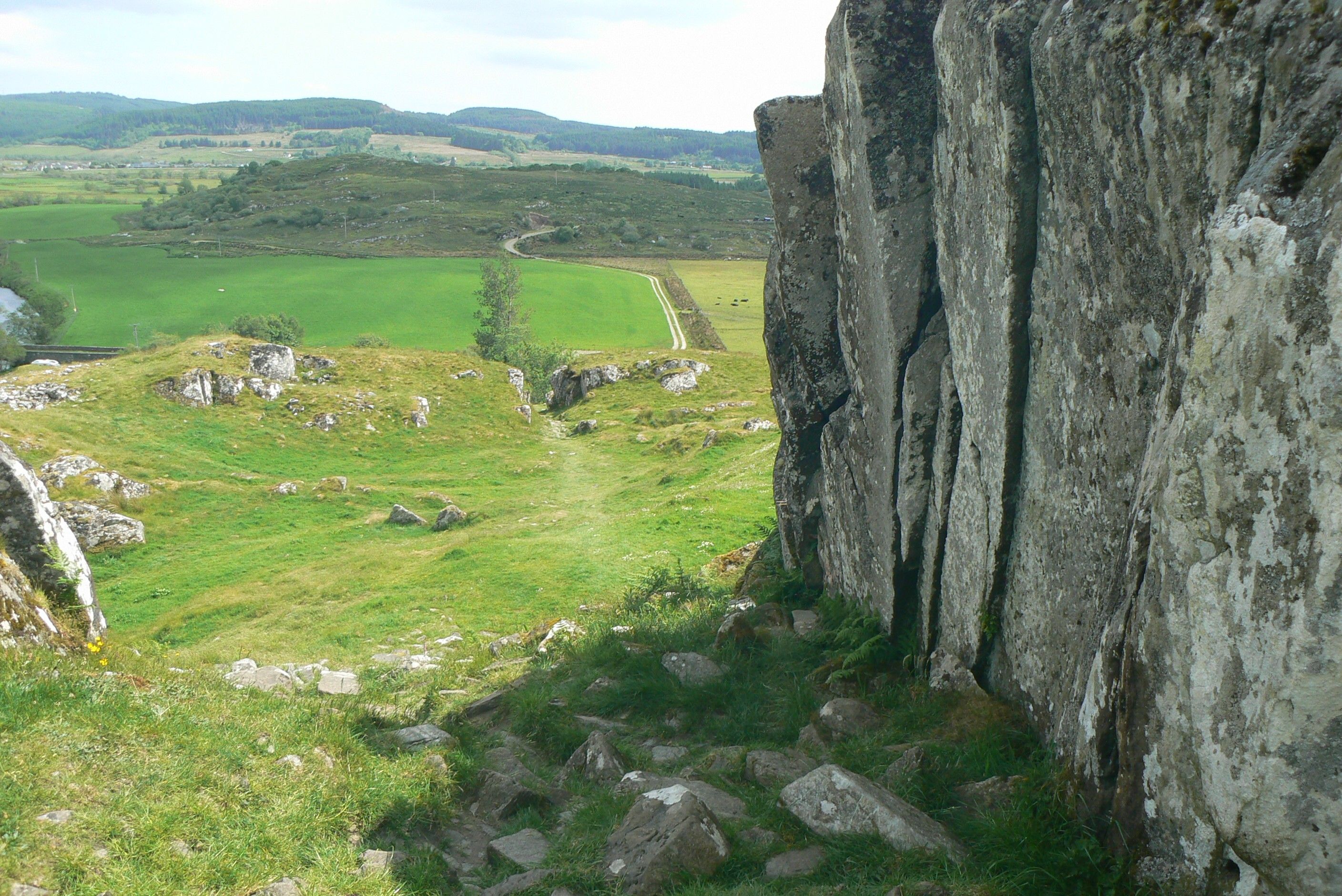
Great view of the valley
This is part of a line of cairns built 5,000 to 3,000 years ago, the Neolithic period to Bronze Age.
Standing in the field you can look down the line to the different mounds.
Nether Largie North Cairn is one of five large burial cairns that form a ‘linear cemetery' along Kilmartin Glen.
The rare axe-head carvings found in one of the cairn's two cists suggest that this was the burial place of a high-status individual: axes were an indicator of wealth.
The Nether Largie Mid Cairn has scattered large stones. Up front is a flat stone slab supported by metal braces hat covers a small chamber entrance. Behind it lies a low mound edged with pale stones.
The largest is Nether Largie South was likely built over 5,000 years ago. The original chamber at its centre was divided into four compartments and probably held numerous burials, in line with Neolithic practices.
As with the other monuments in Kilmartin Glen, the site continued to be used as a sacred place. At some point about 4,000 years ago the cairn was enlarged into a 30m-wide round cairn, to accommodate two secondary cists, or stone coffins – doubtless to house the remains of chiefs.
.jpg "Gives some idea of the construction of North Cairn")
Gives some idea of the construction of North Cairn
.JPG "These were high status tombs")
These were high status tombs
.JPG)
.JPG)
.JPG)
.JPG "Mid Cairn - as the name suggests it is in the middle of the line of cairns")
Mid Cairn - as the name suggests it is in the middle of the line of cairns
.JPG)
.JPG "This is one of the cists in Mid Cairn. Cists were stone-built, box-like grave or ossuaries.")
This is one of the cists in Mid Cairn. Cists were stone-built, box-like grave or ossuaries.
.JPG)
.JPG "The South Cairn - the largest")
The South Cairn - the largest
.JPG)
.JPG)
.jpg)
.jpg "The lower chamber")
The lower chamber
.jpg "The building interior is pretty amazing")
The building interior is pretty amazing
.jpg "Rocks, all rocks, laid together and still standing after thousands of years")
Rocks, all rocks, laid together and still standing after thousands of years
.jpg)
.jpg)
.JPG)
.jpg "The cist at the South Cairn")
The cist at the South Cairn
.JPG)
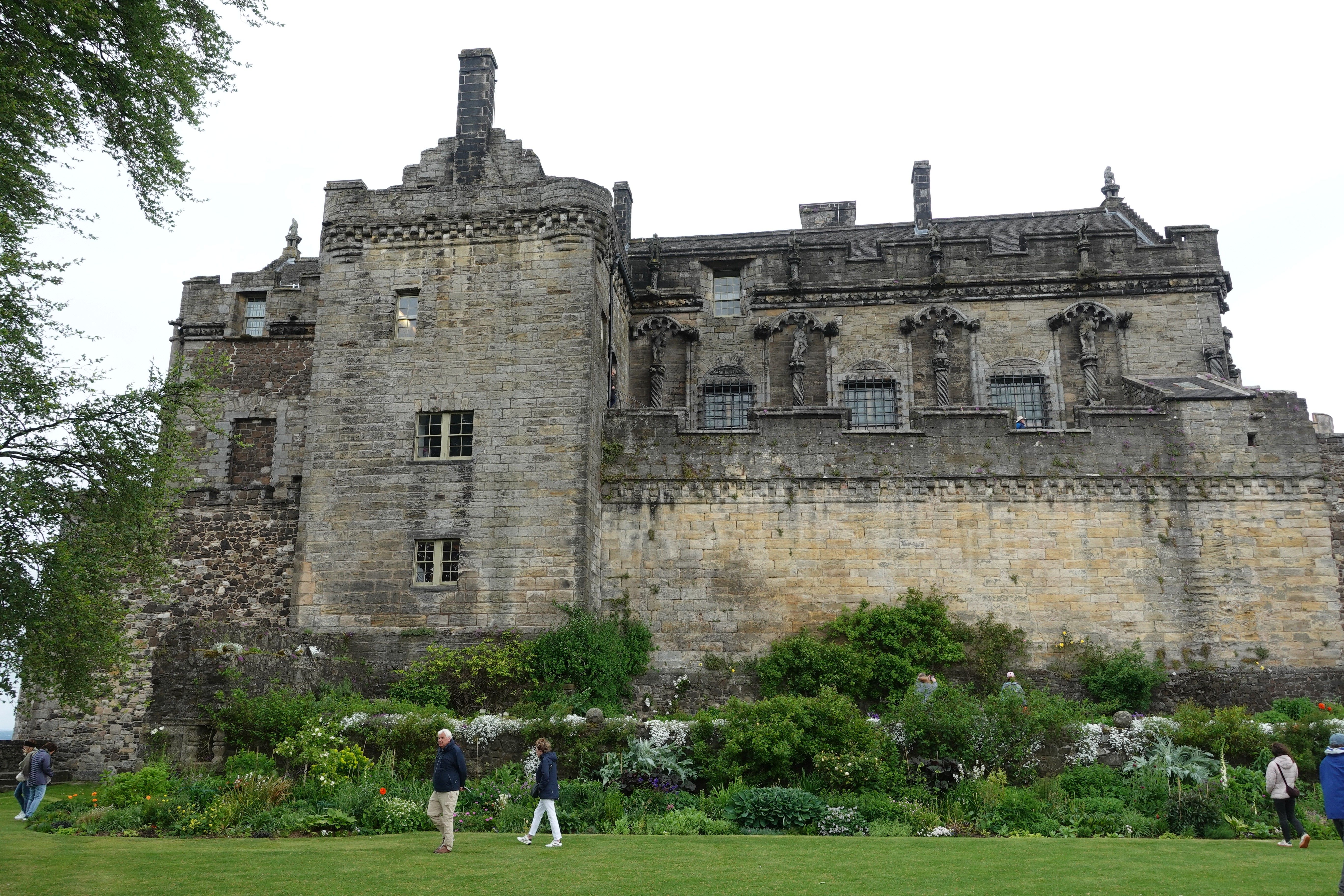
Stirling Castle - another major player in Scottish history.
It was home to Scottish Kings and Queens, also where some of them died.
It was under seige 8 times, including during the Wars of Scottish Independence. Think William wallace and Robert the Bruce.
It has been renovated many times, was a lavish home, a defensive fortress, and from 1800 or so until 1964,served as a permanent military barracks. On the balcony you can see where a second floor was installed to hold sleeping quarters.
A major renovation to restore the former beauty began around 2000 and was completed in 2011
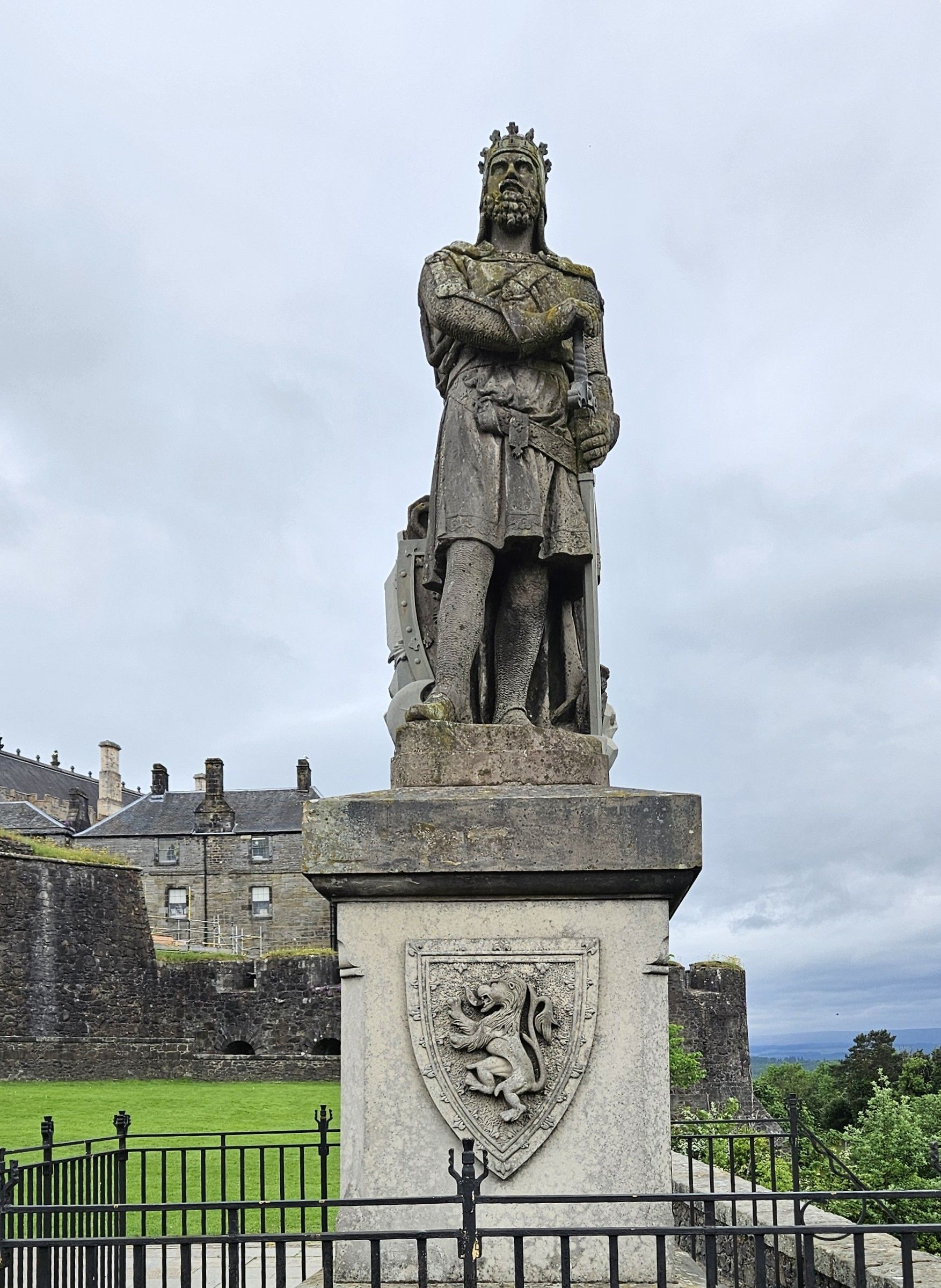
Robert the Bruce
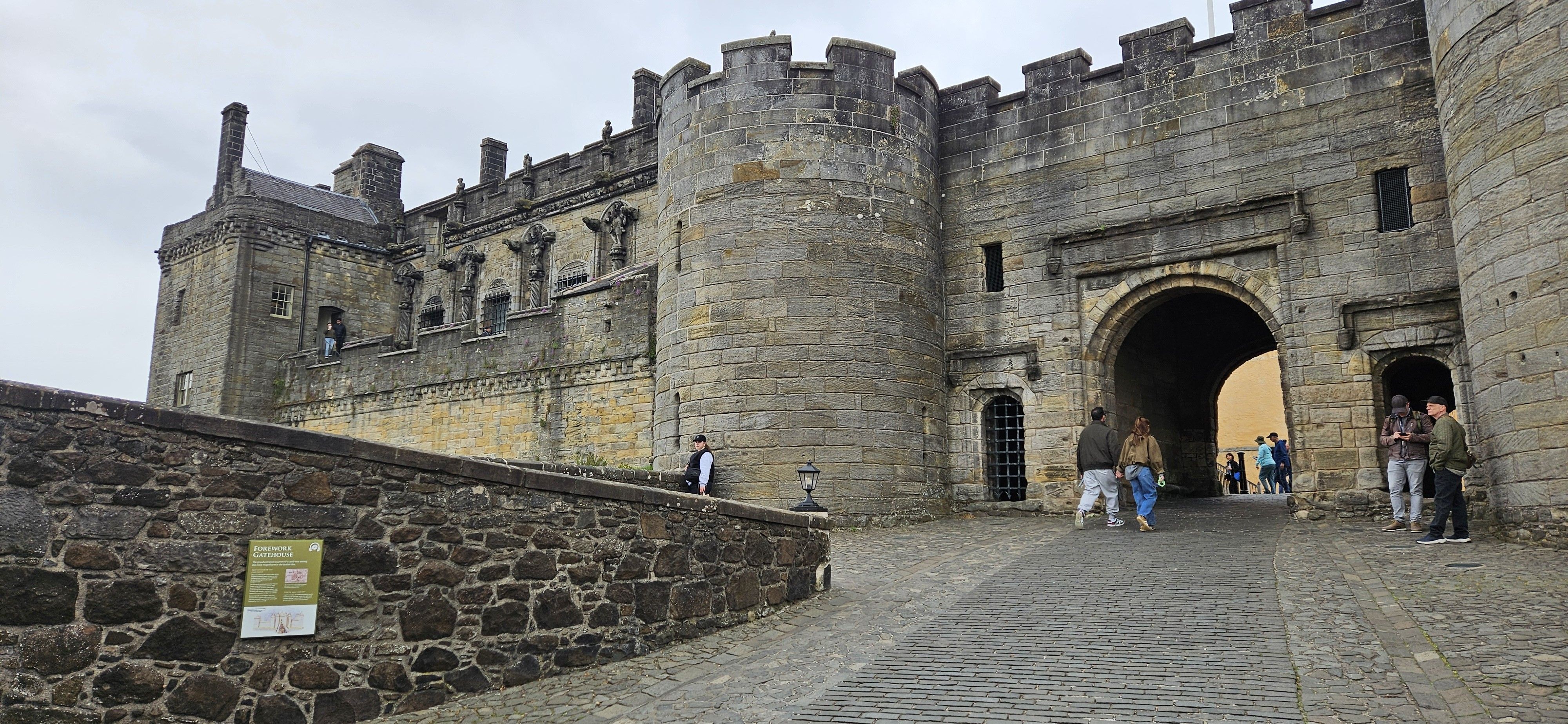
The entrance to Stirling
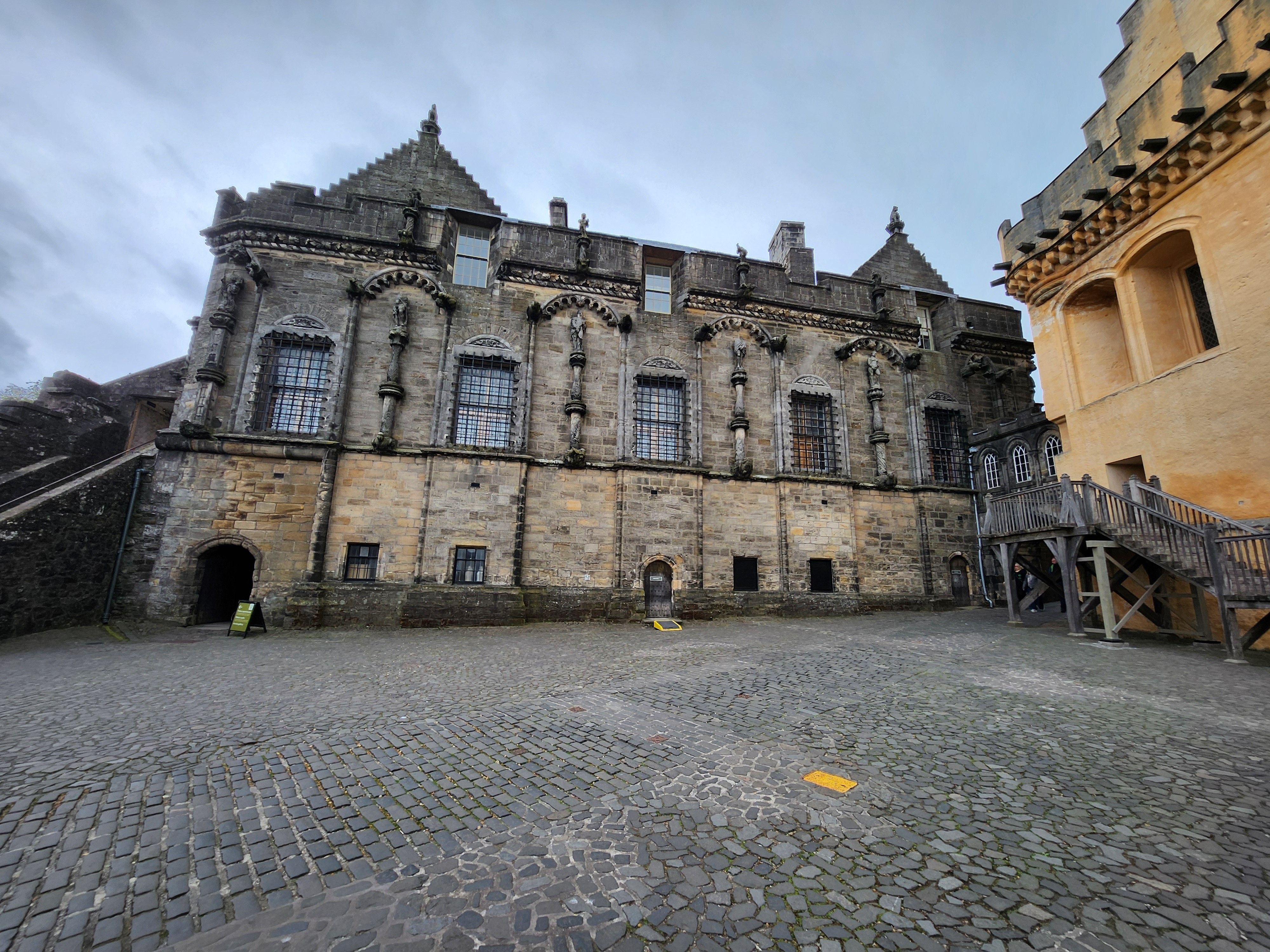
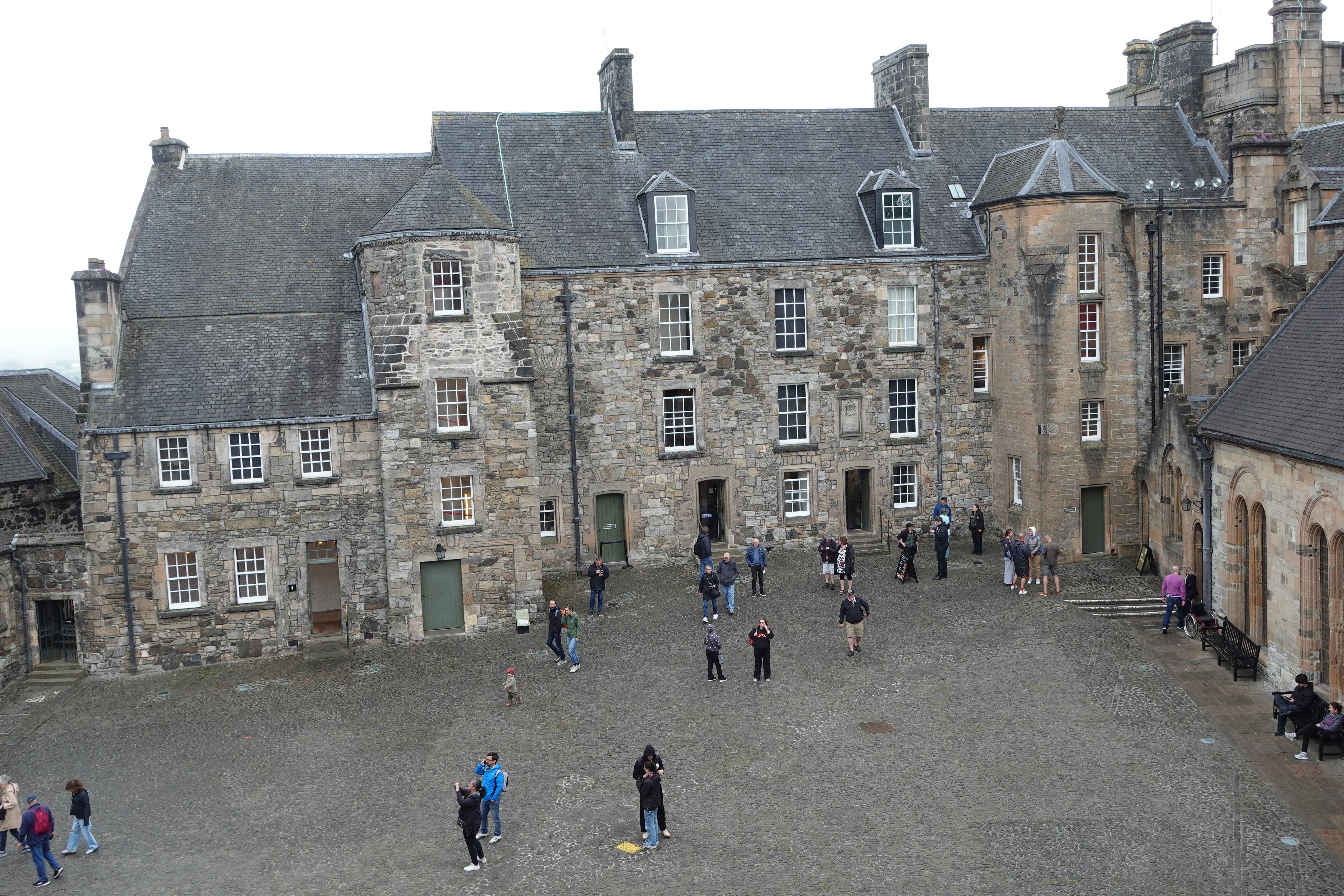
Interior courtyard
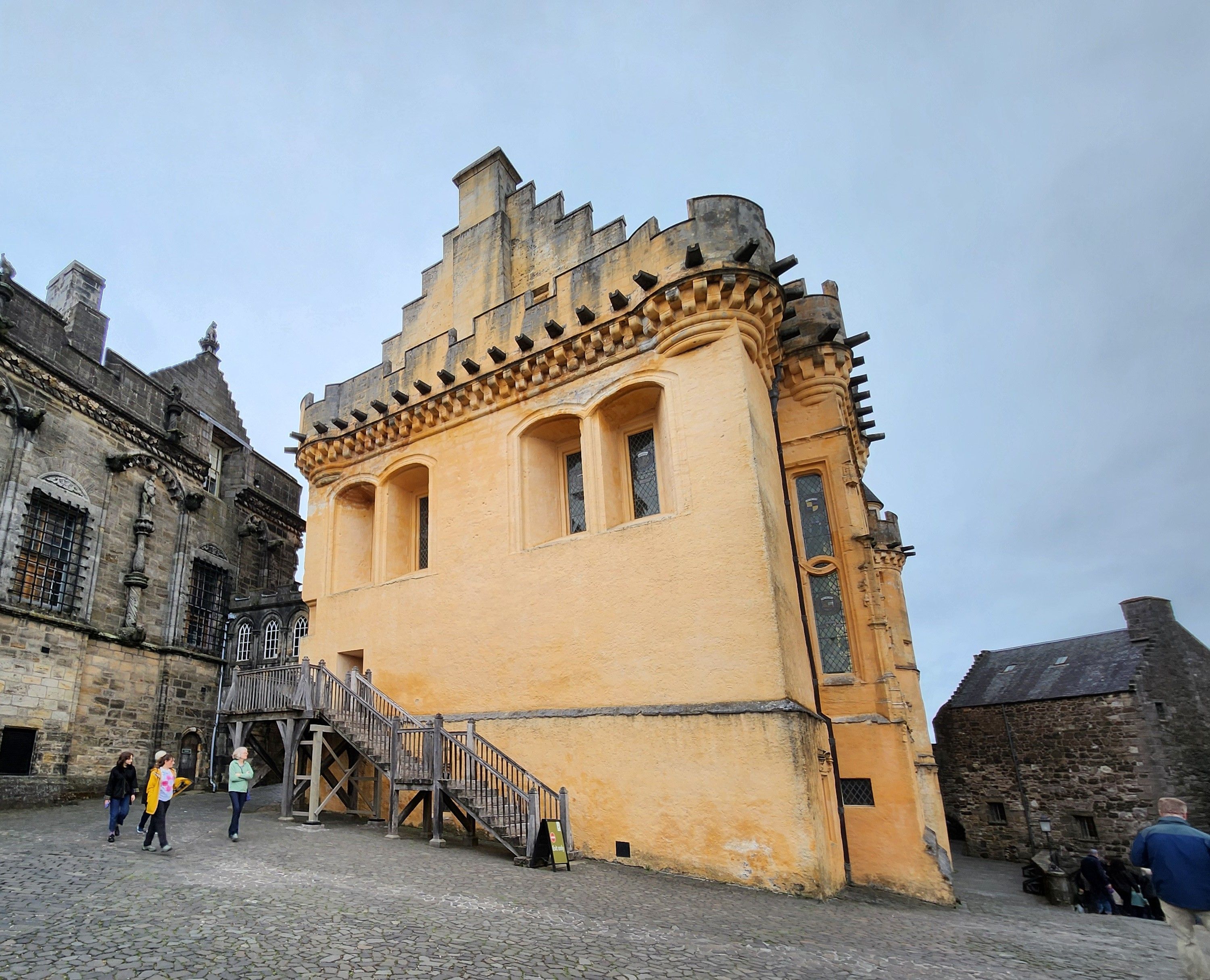
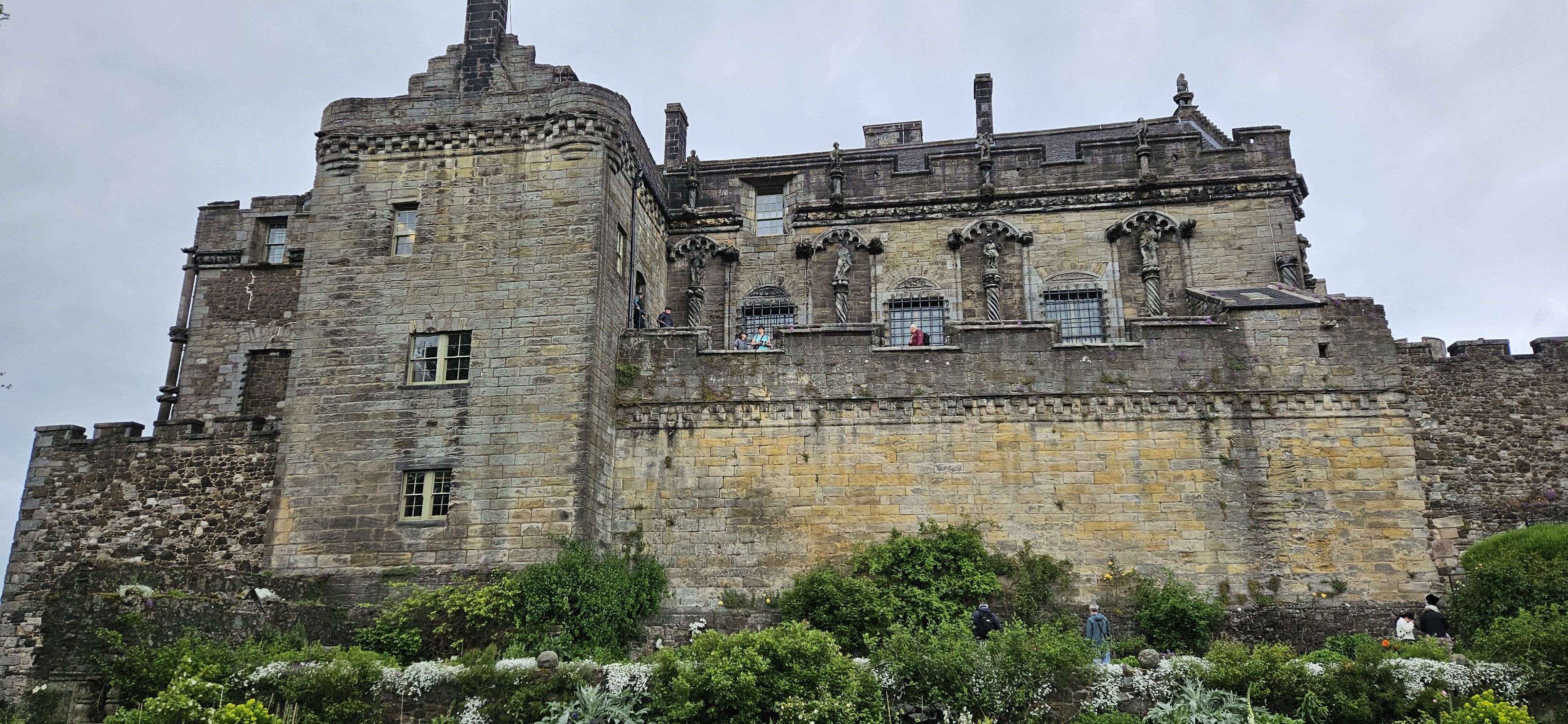
The royal residence. It is the only one built with this sandstone color
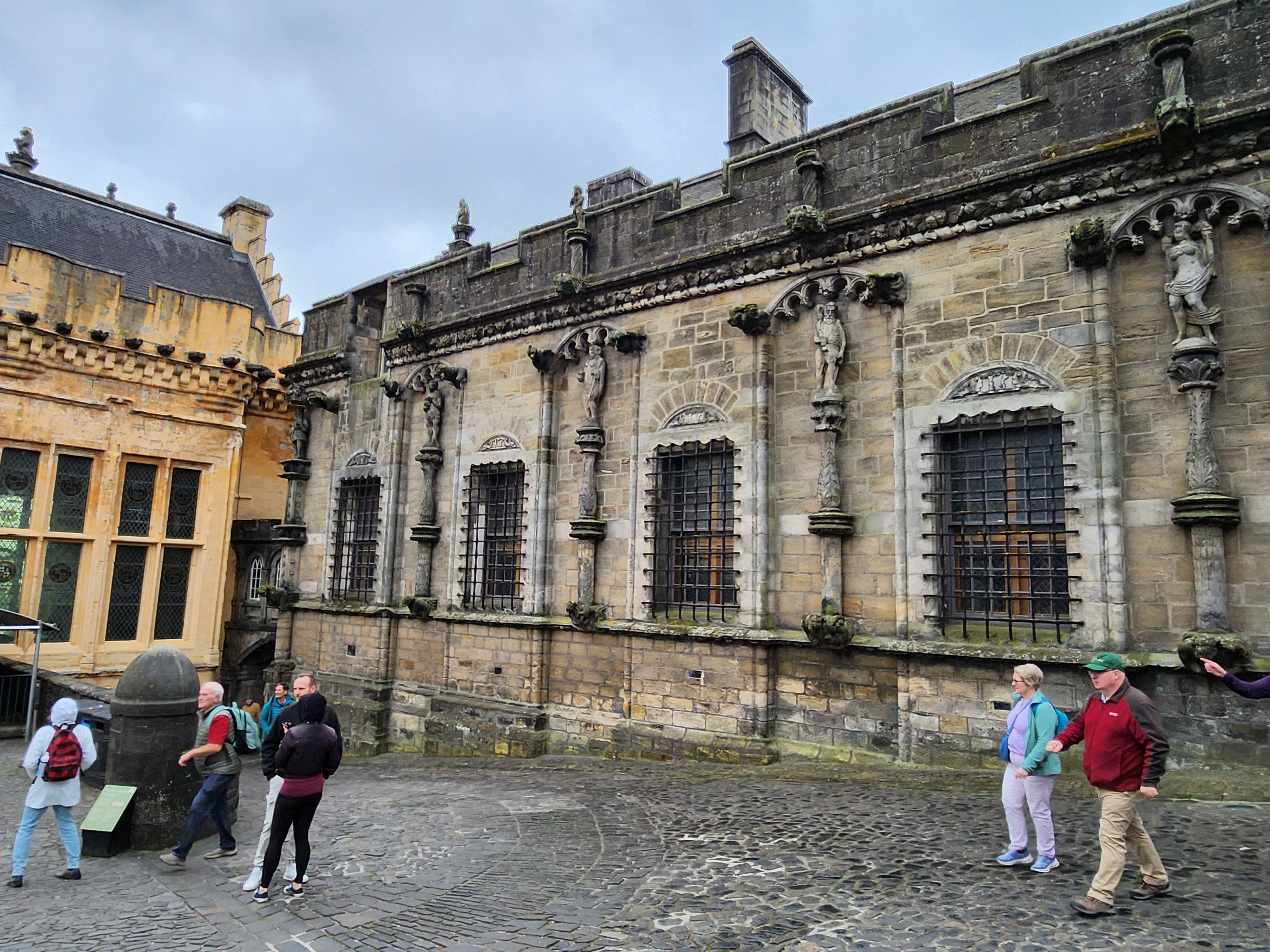
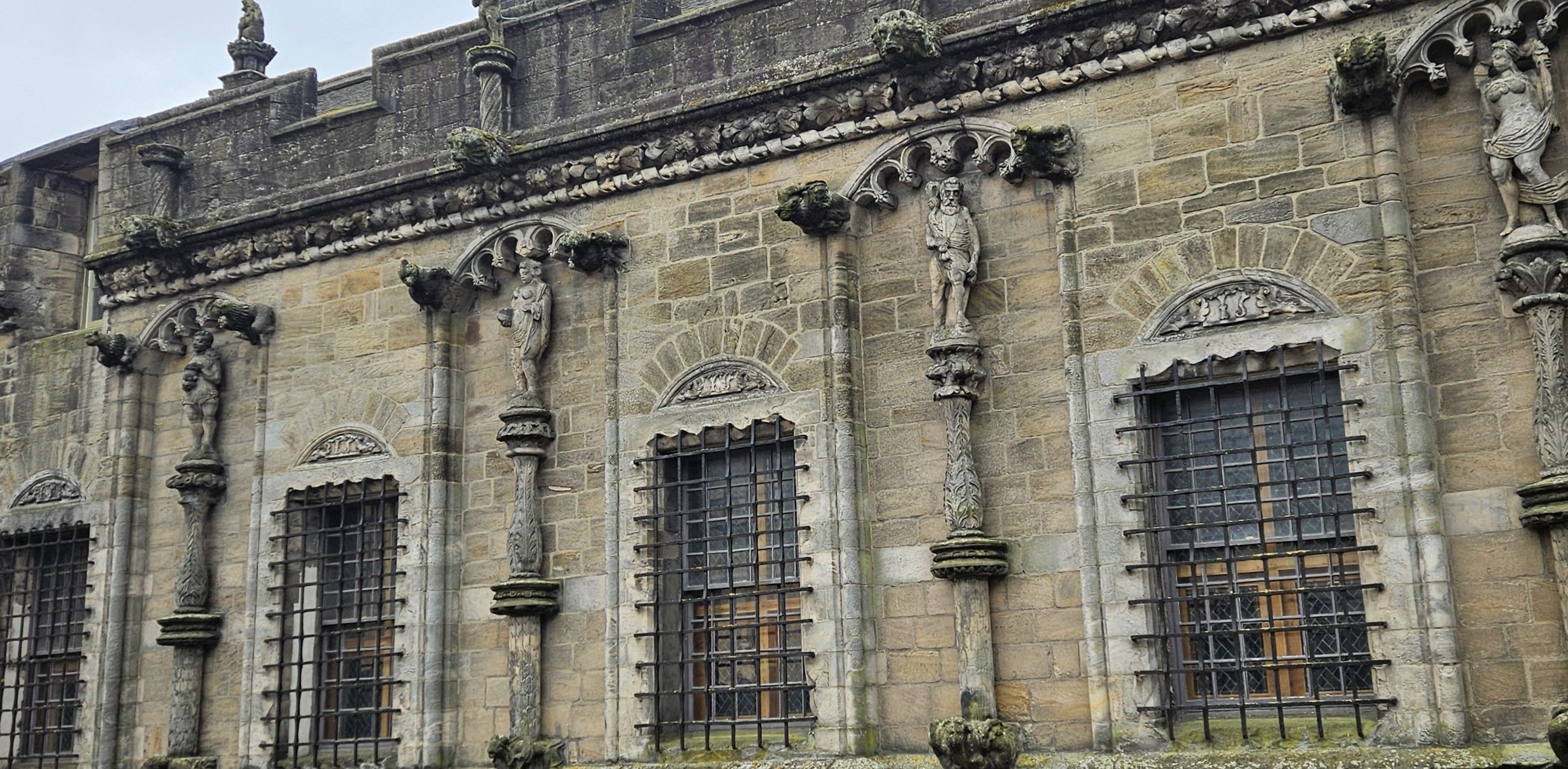
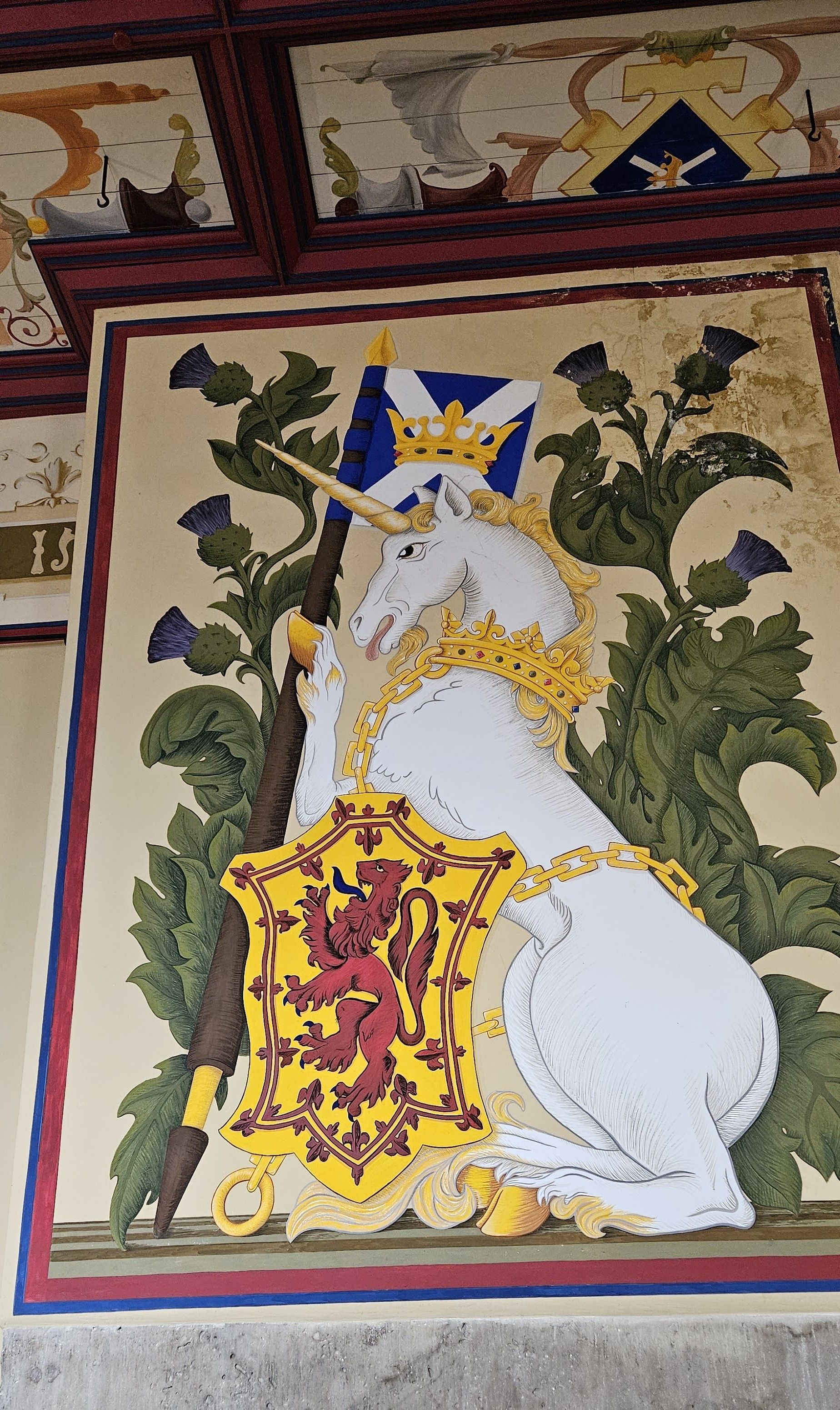
The statues are mythical figures mostly and date from the Renaissance period
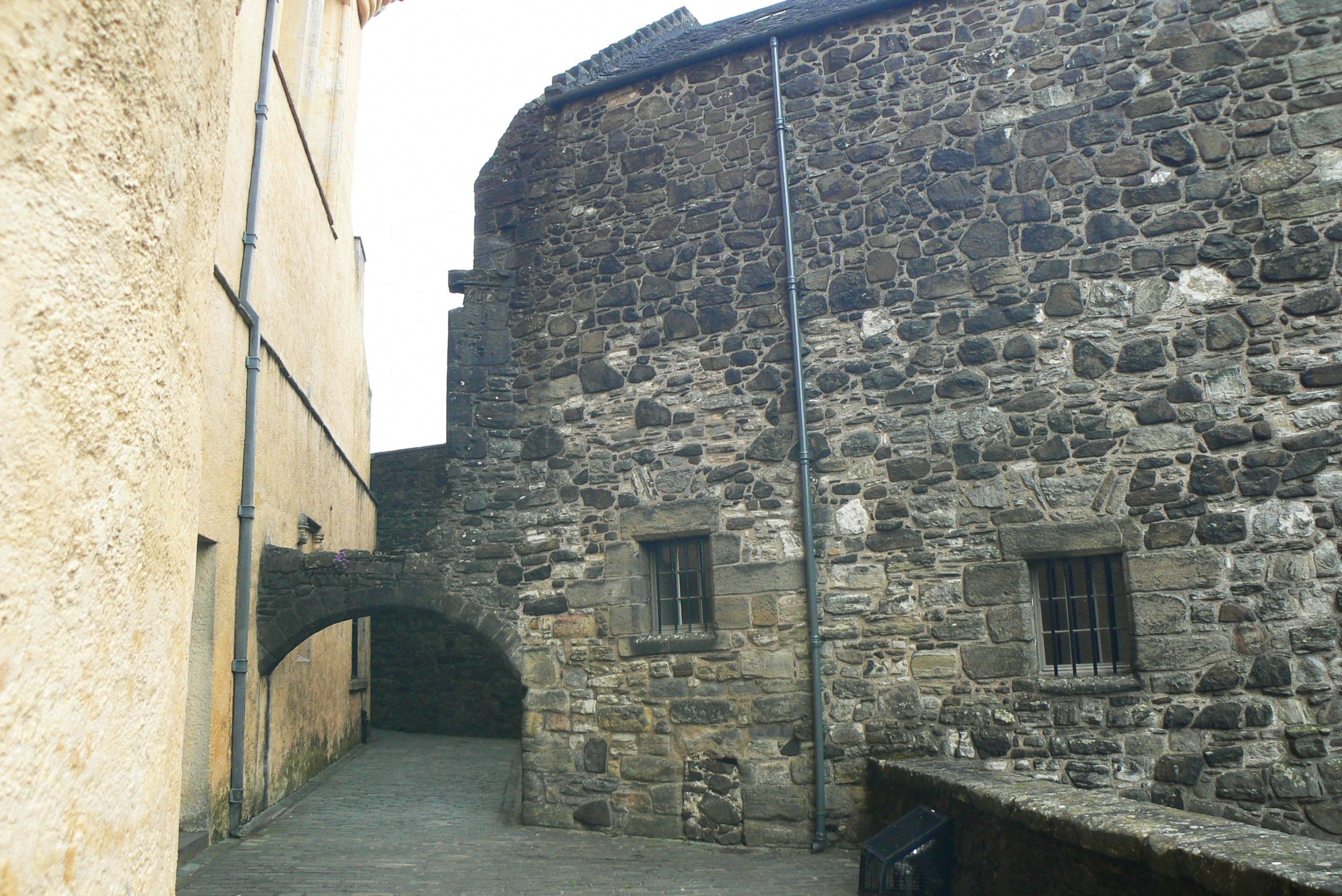
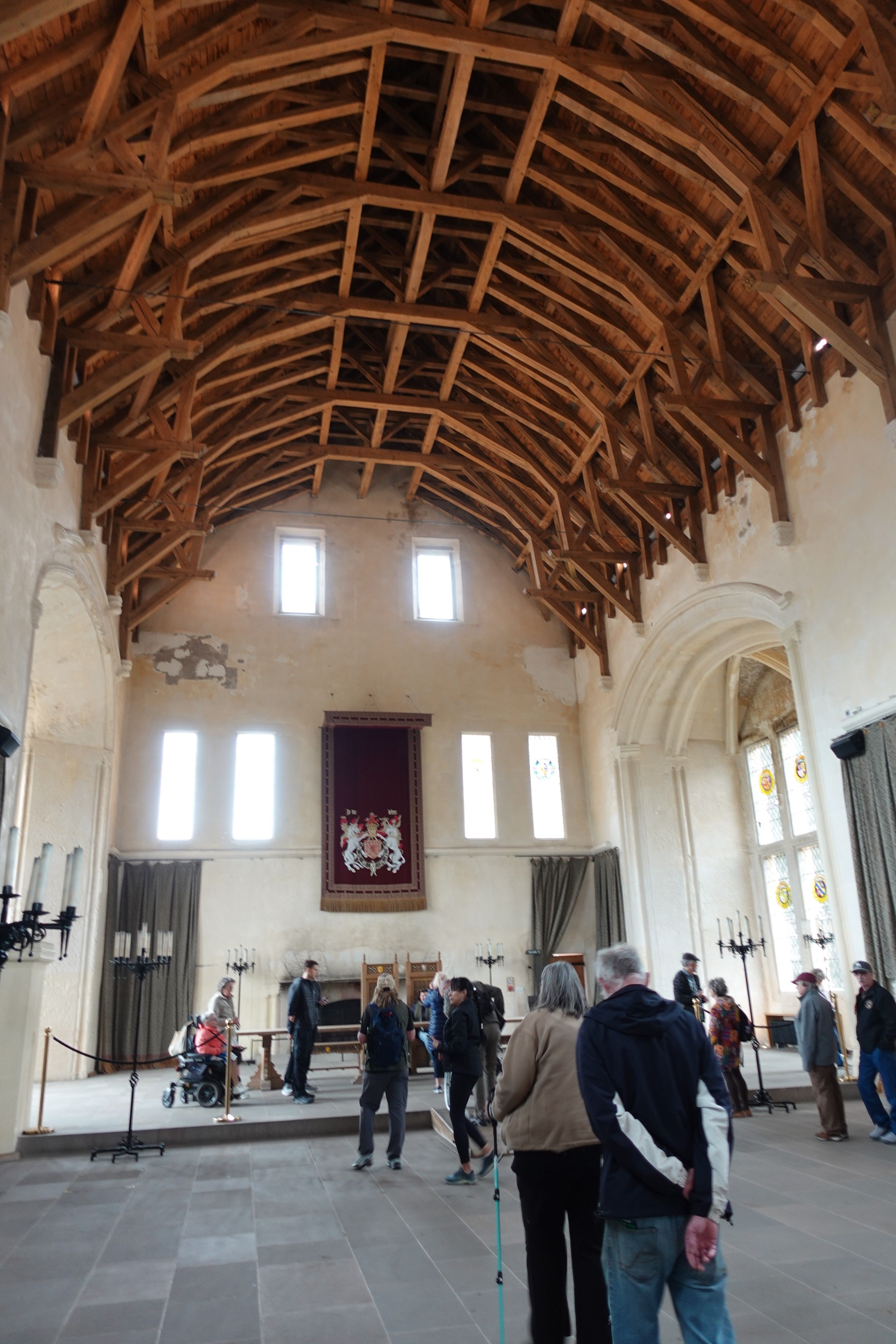
The castle has been renovated frequently. It is believed there was an actual hall or room where the arch is.
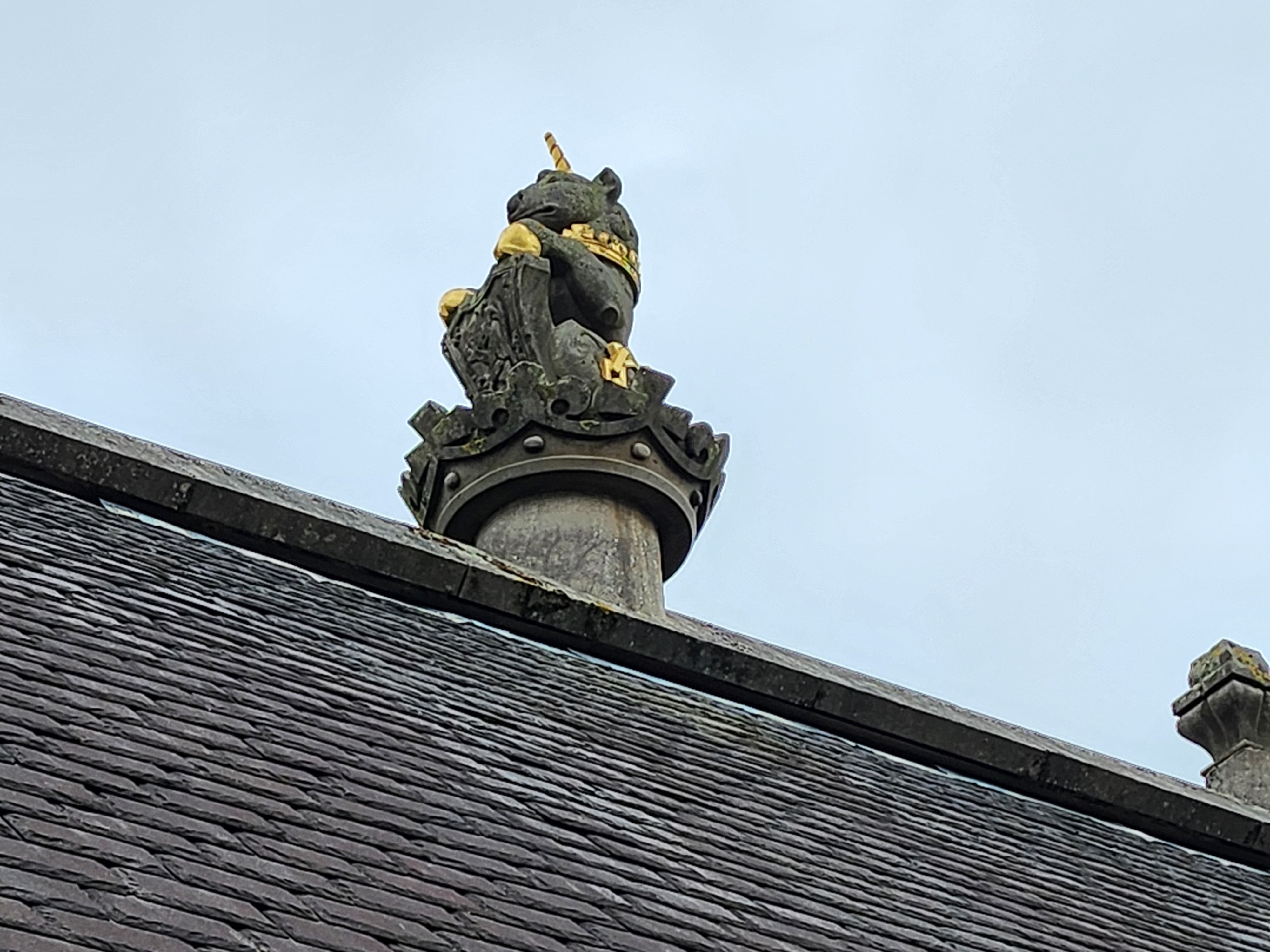
Loved the unicorn gargoyles
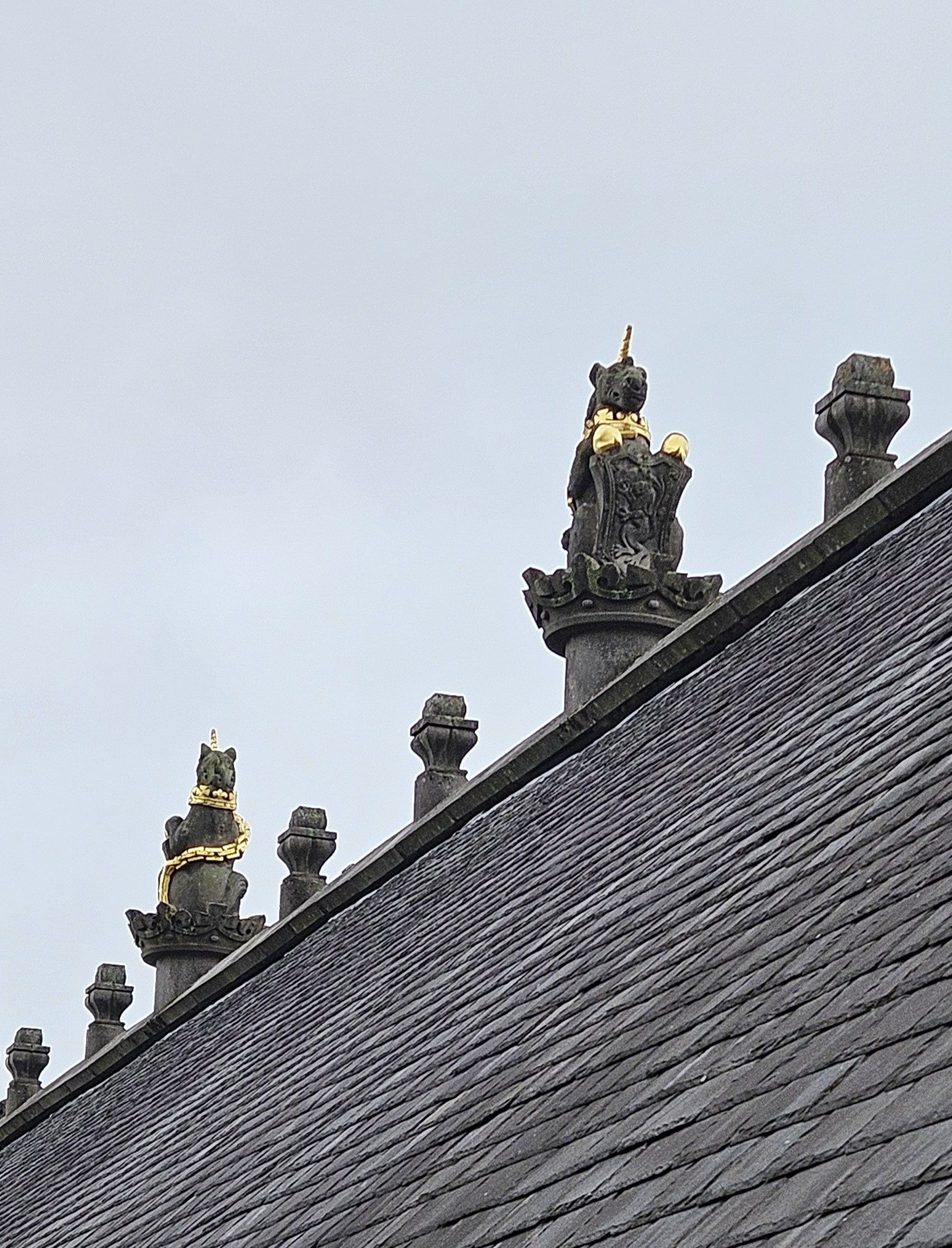
Flashy with all the gold trim
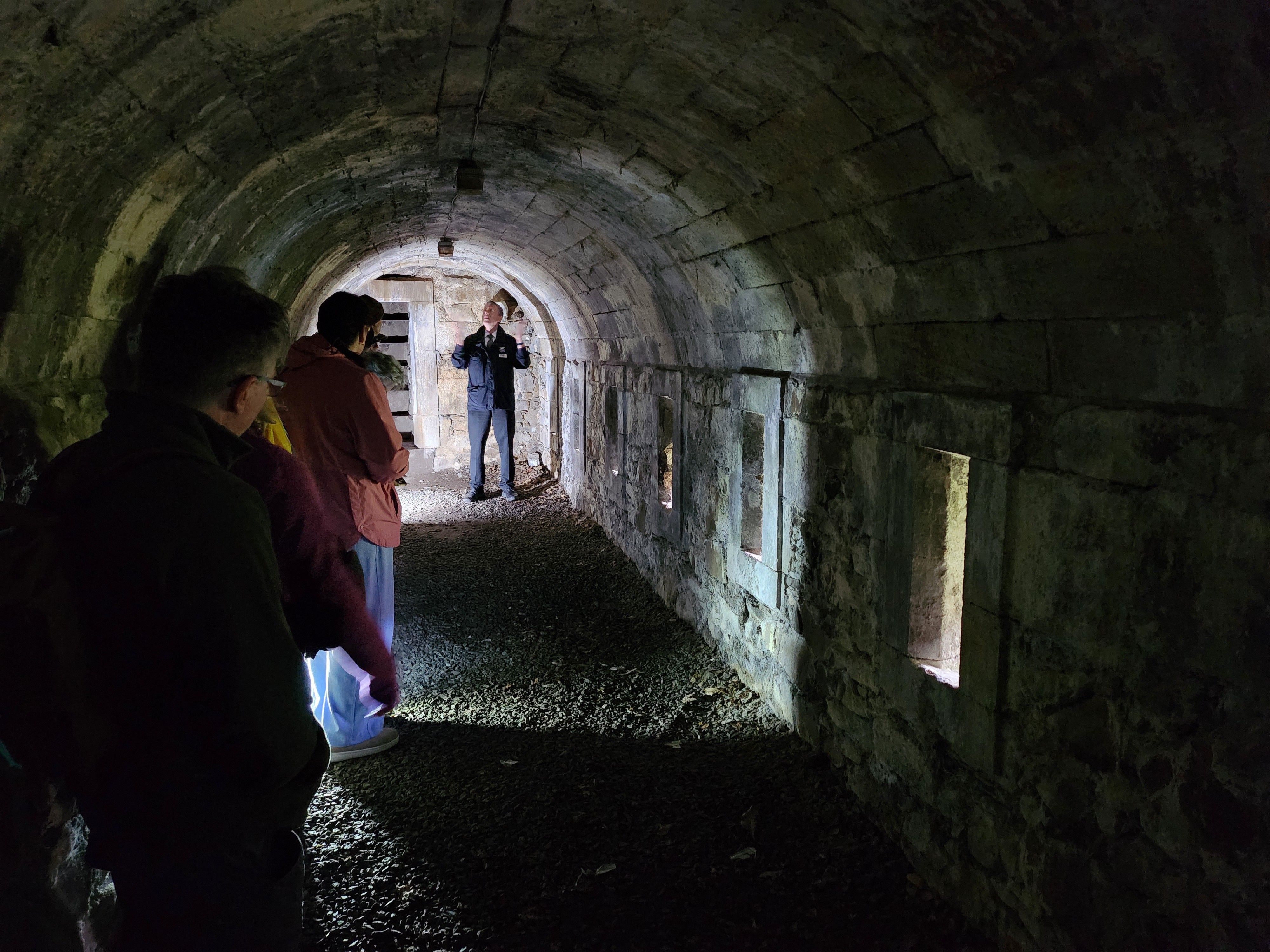
Inside a firing tunnel. The holes in the lower side of the wall were used to shoot any enemy who breached the outer wall
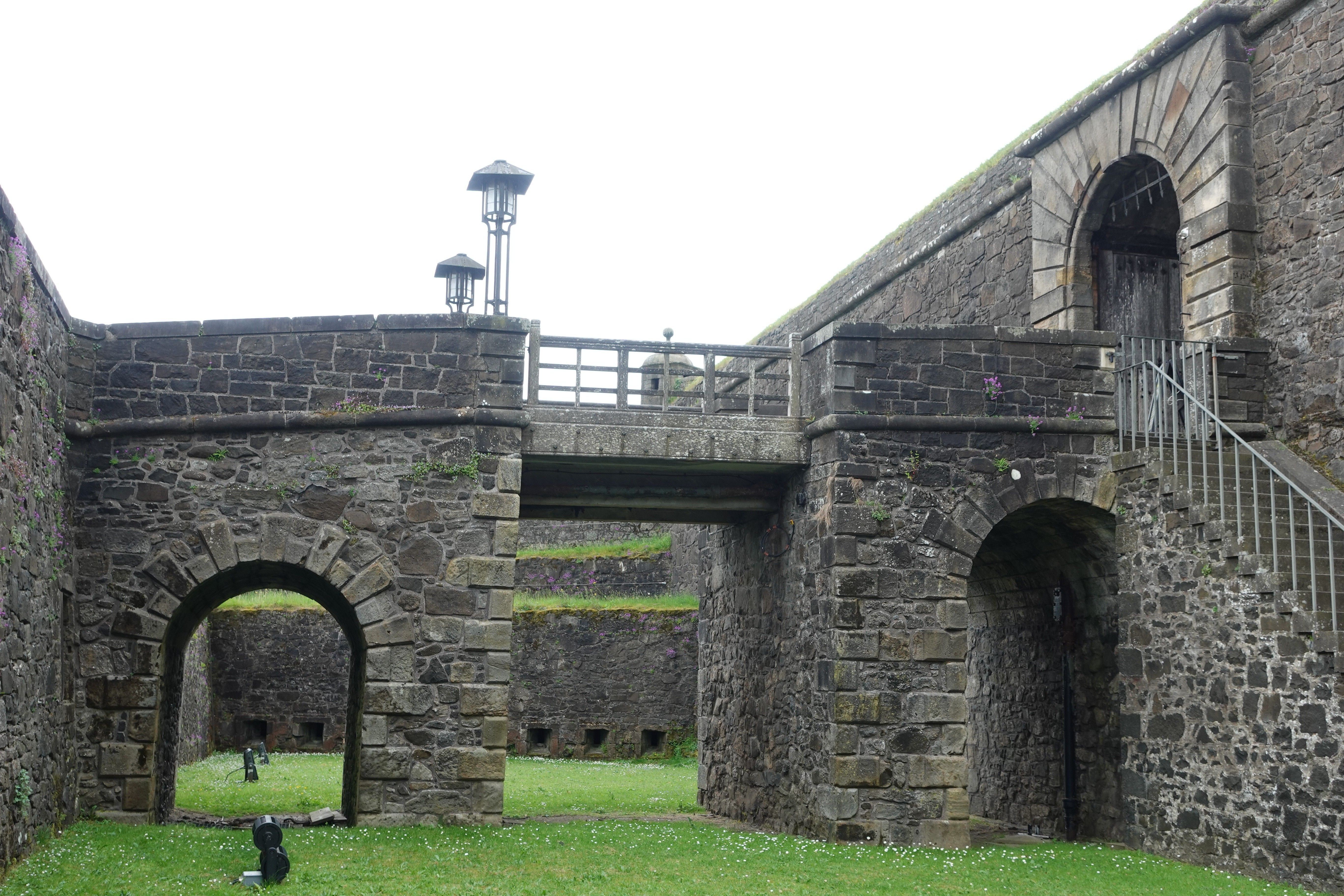
And this is where the enemy would be fired on. The holes for the firing tunnel are at the end
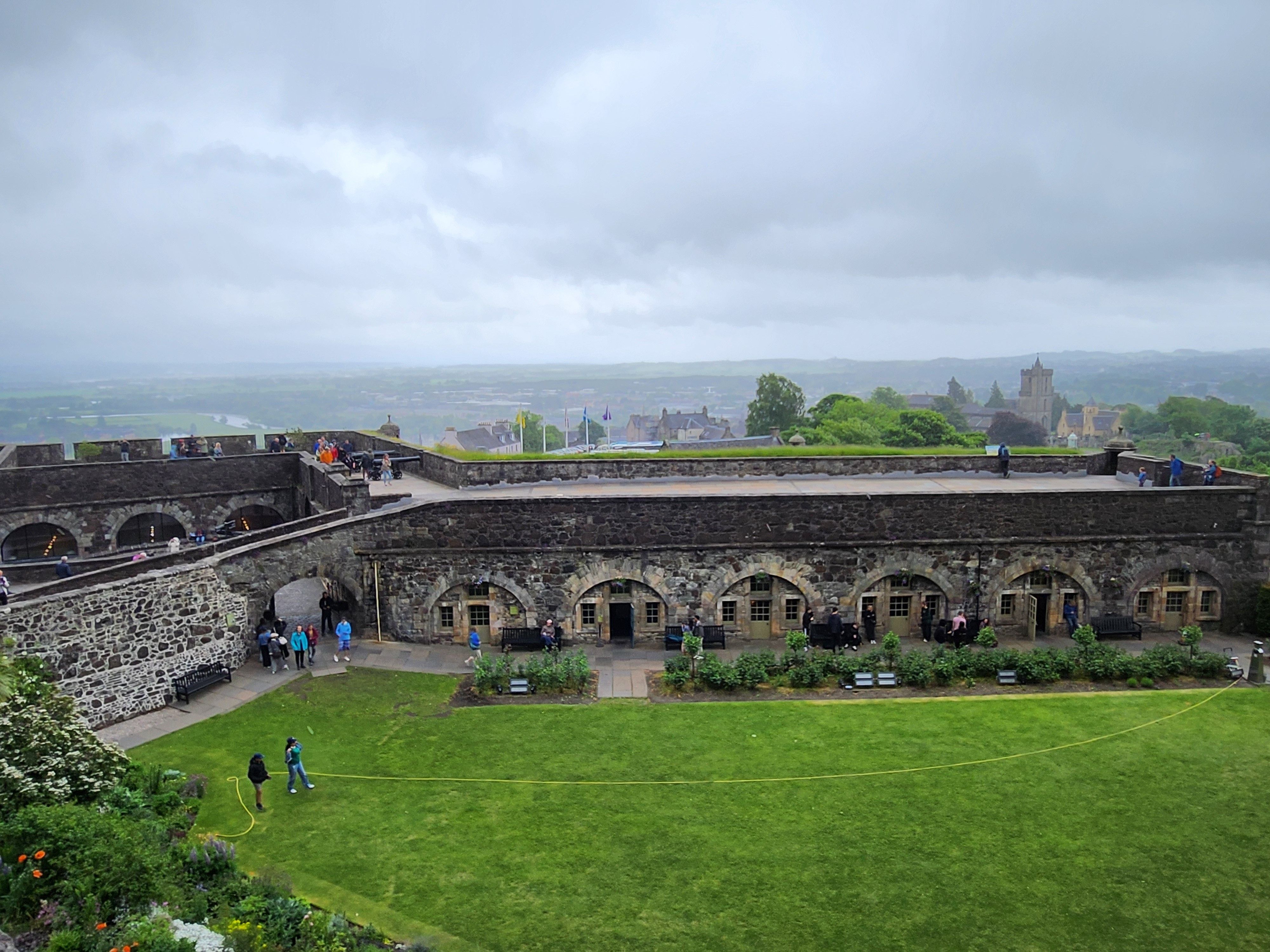
Barracks
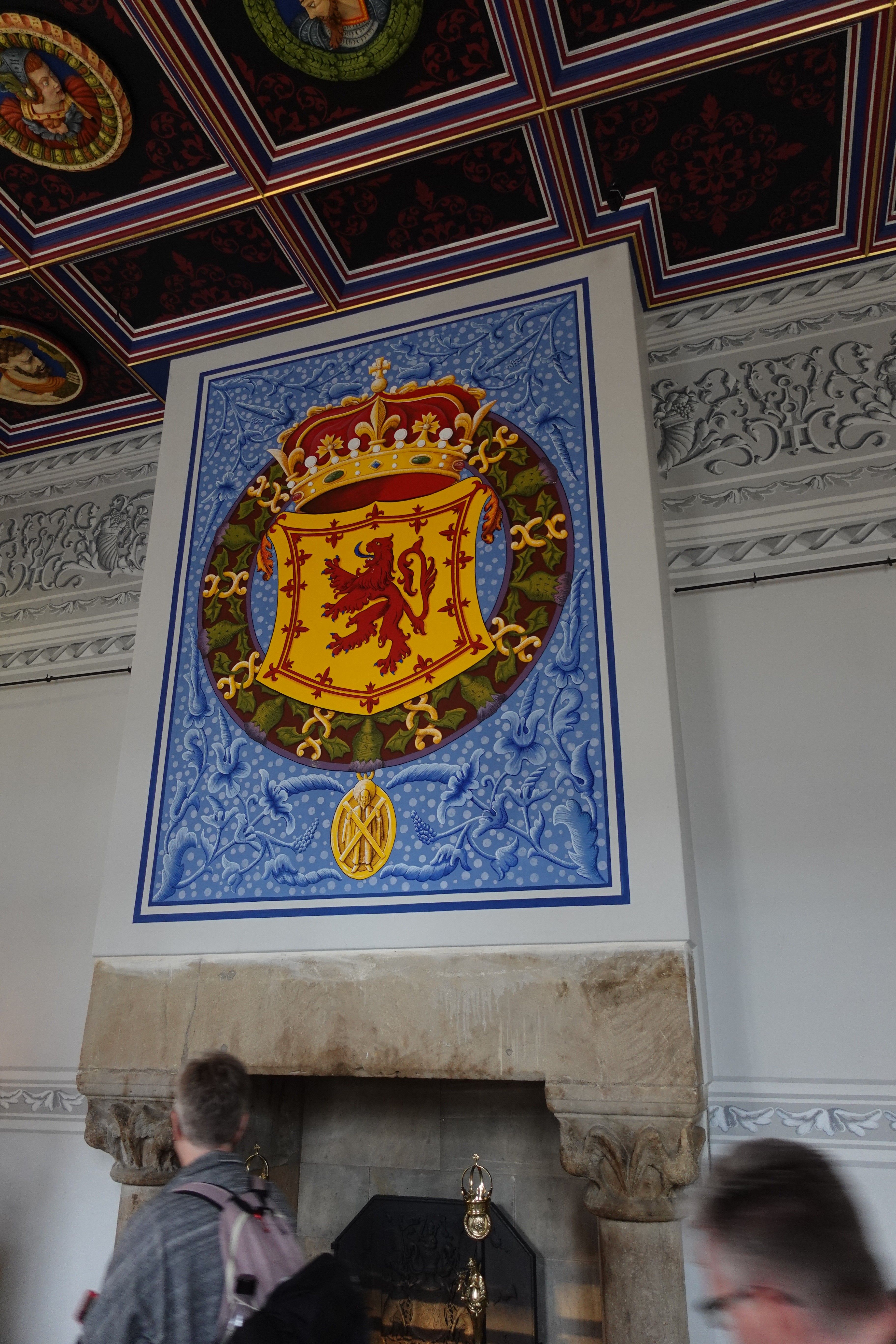
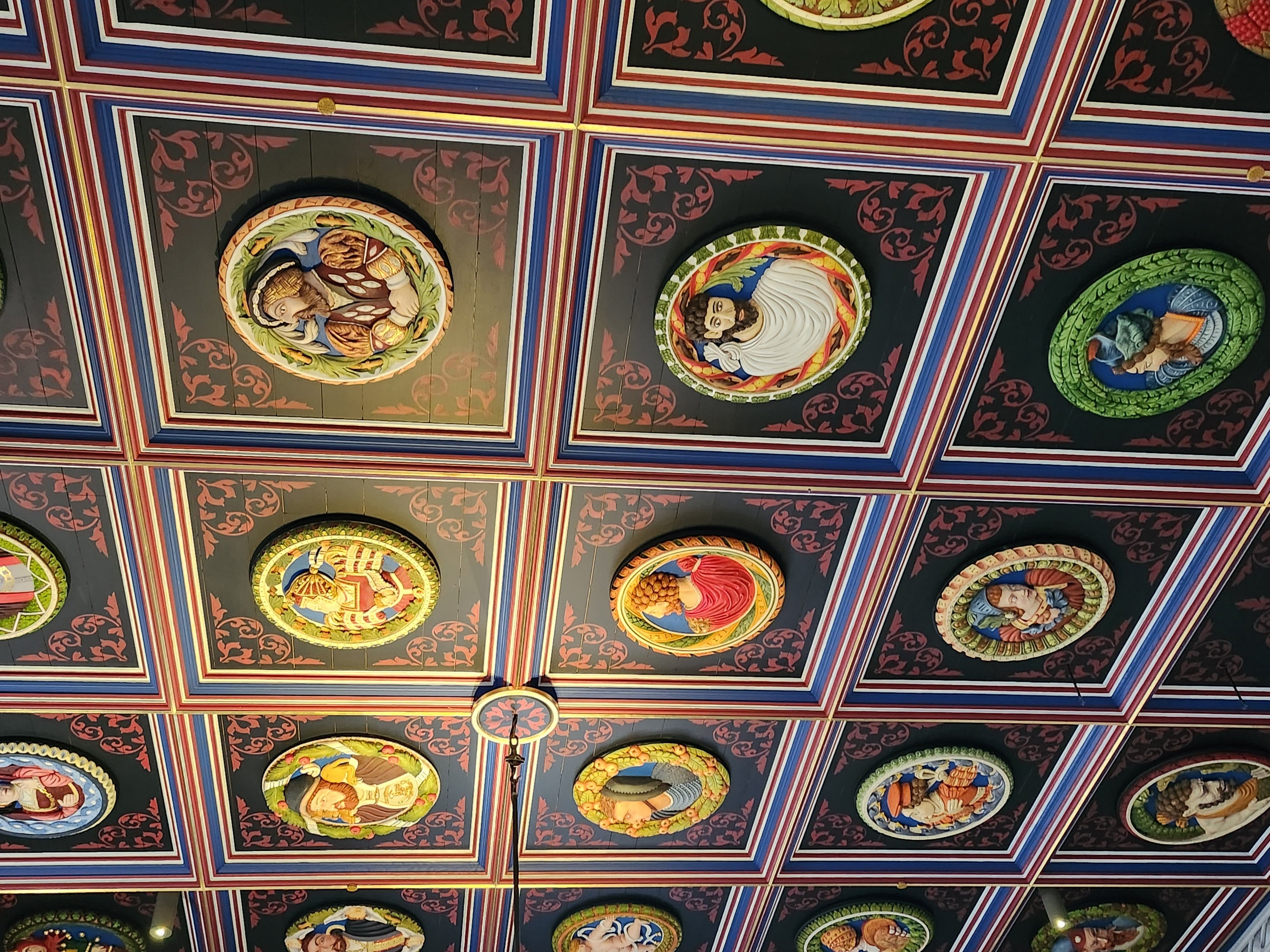
The ceiling was reproduced using old text and designs of the period.
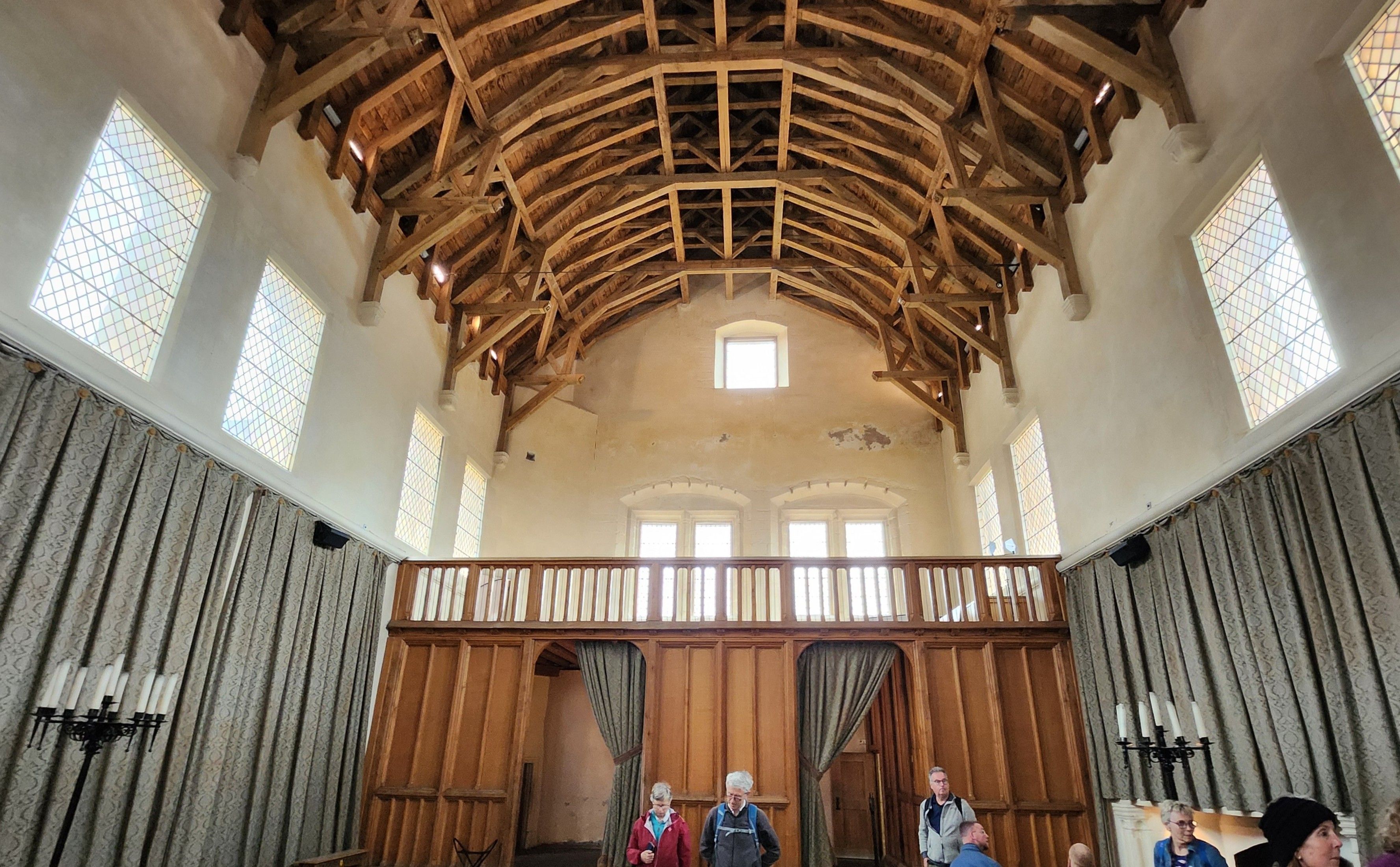
It was replaced after the military moved out. Until then there had been an upper floor installed as sleeping quarters.
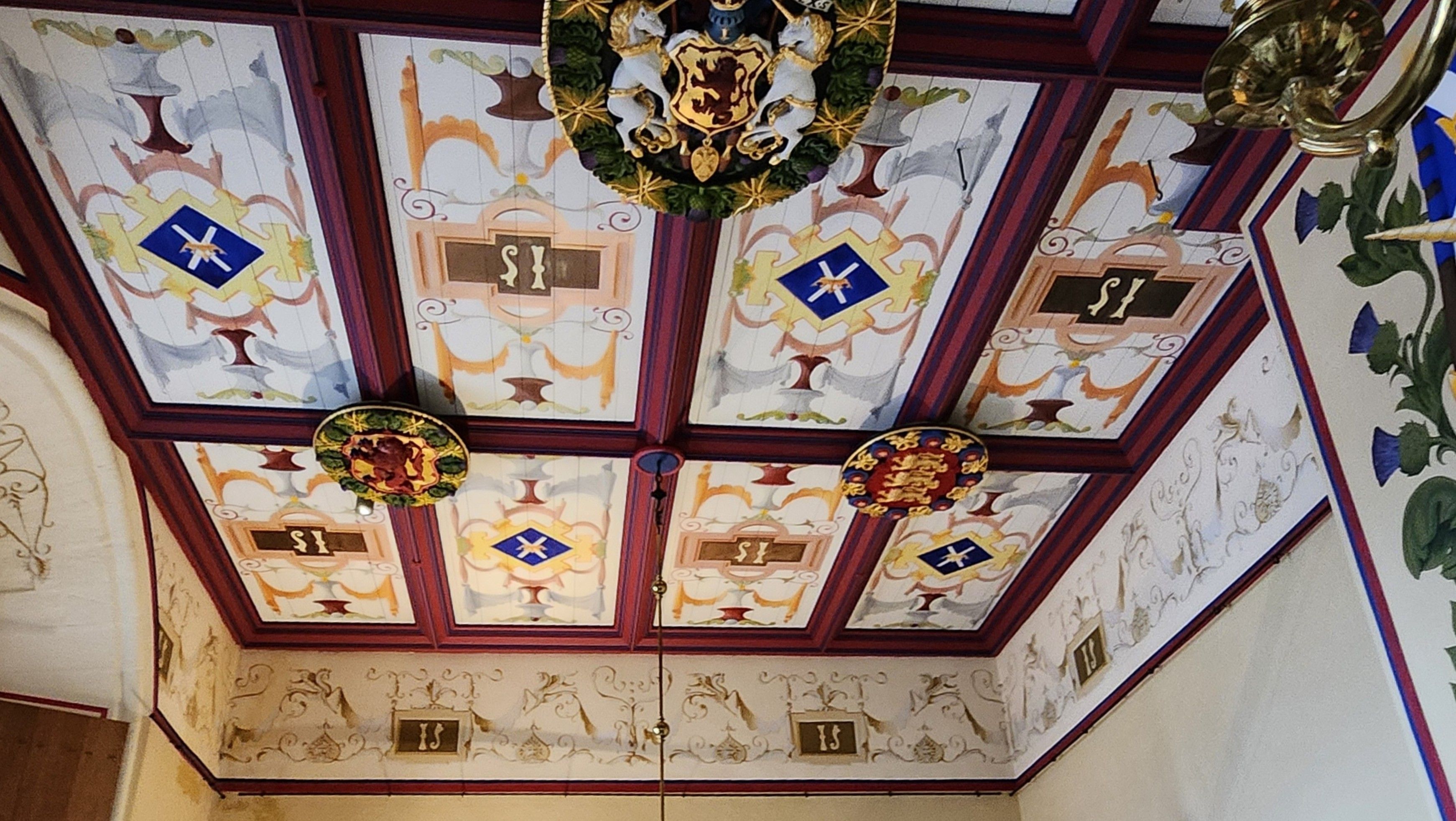
One of the ornate ceilings
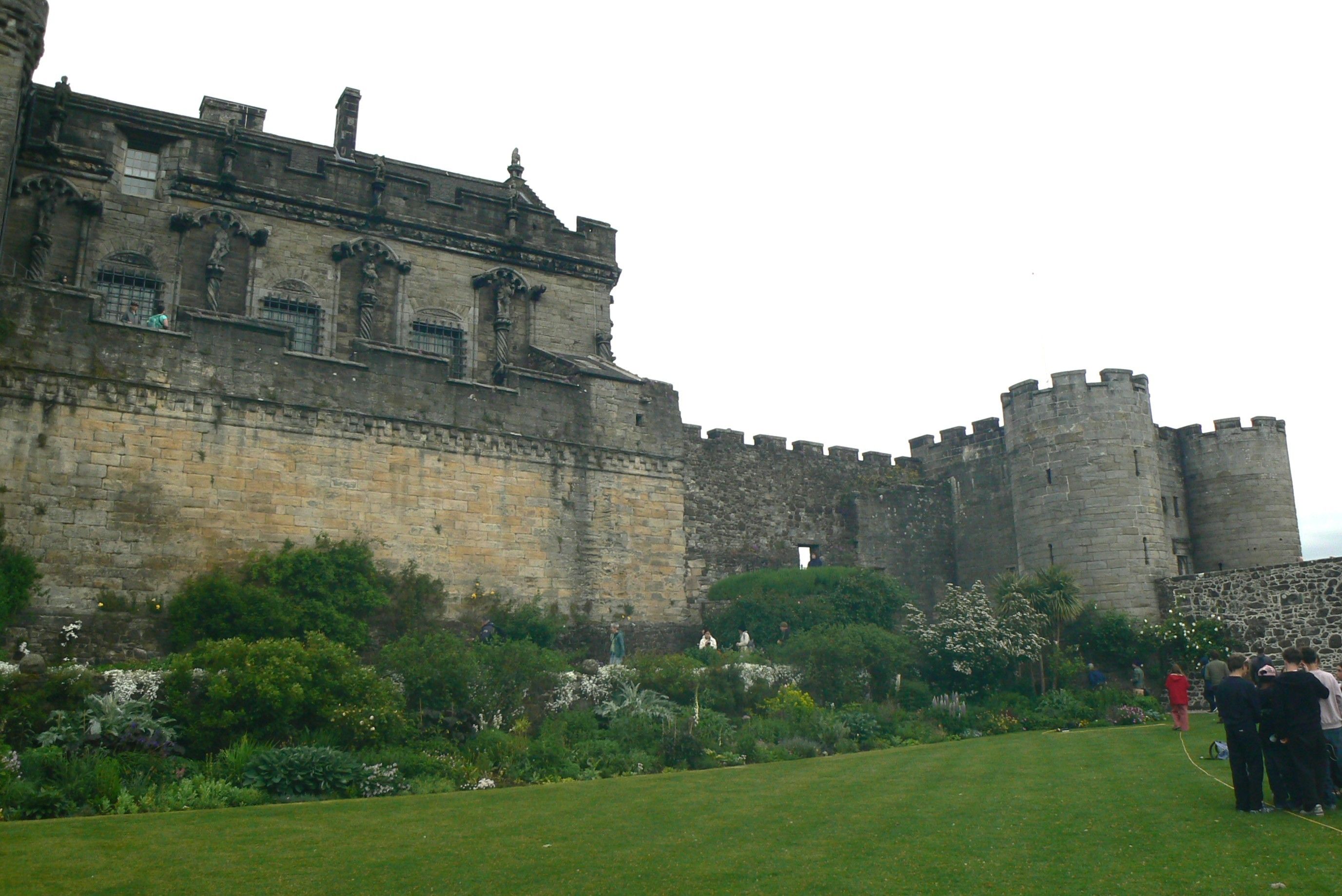
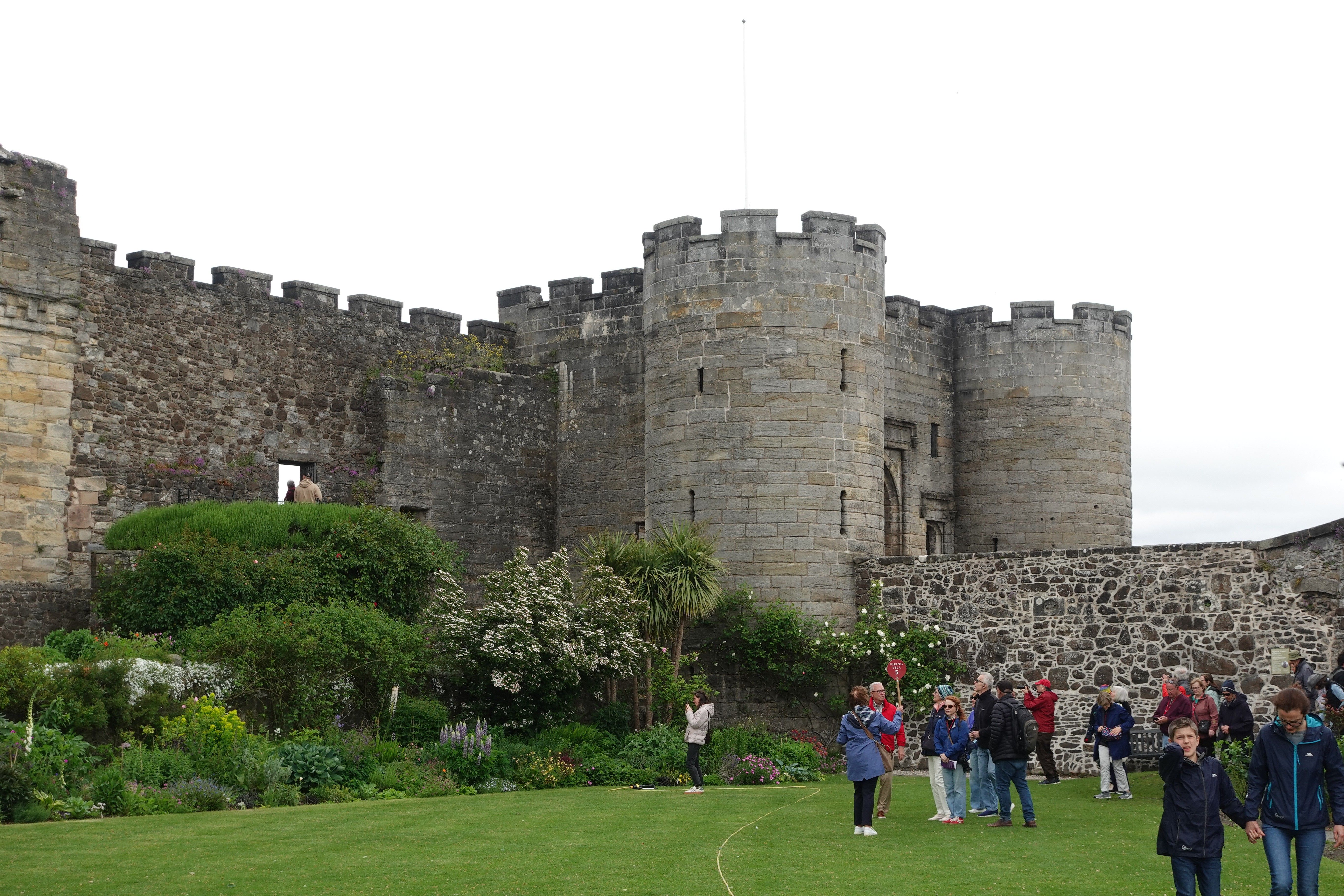
It is quite imposing when you stand outside
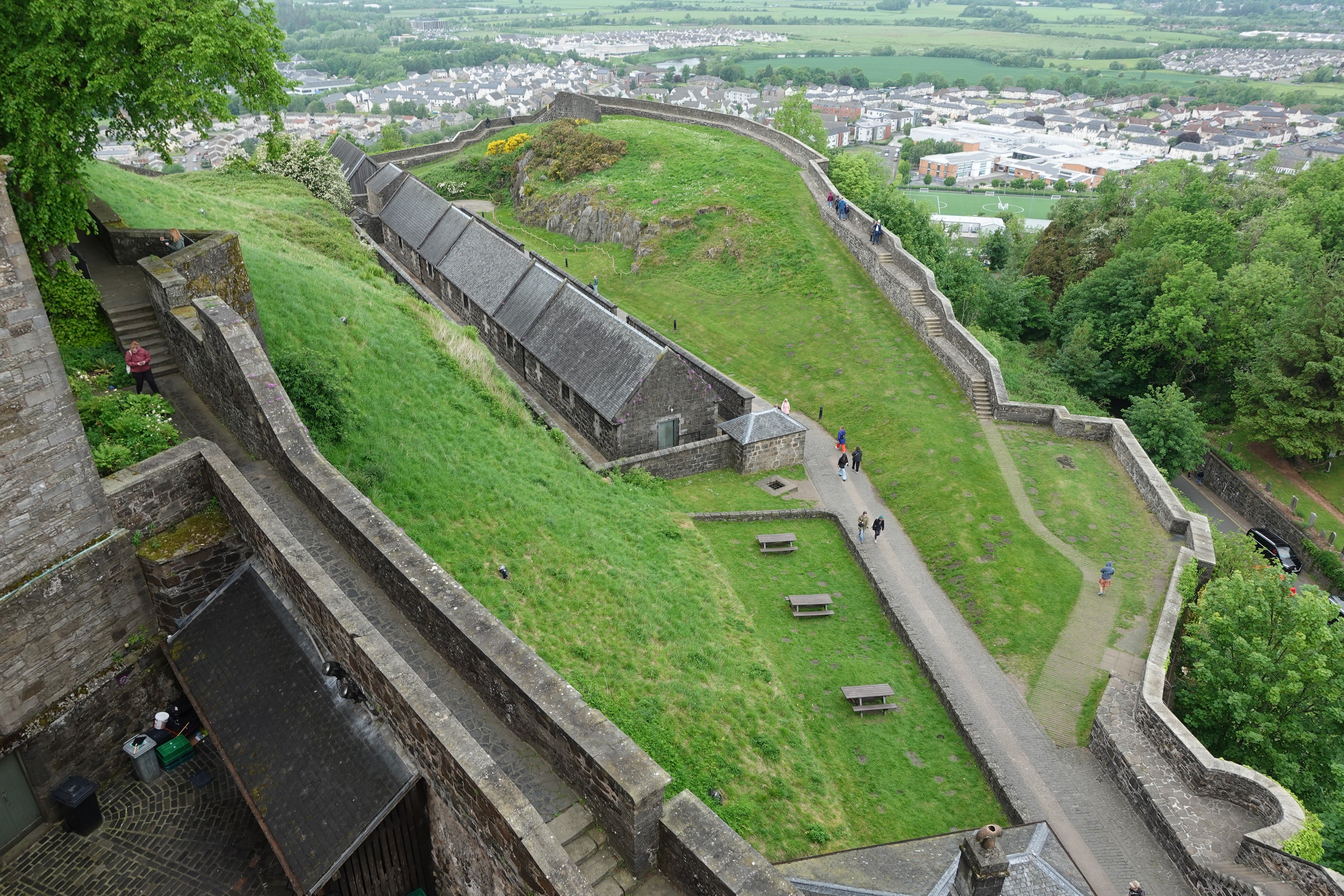
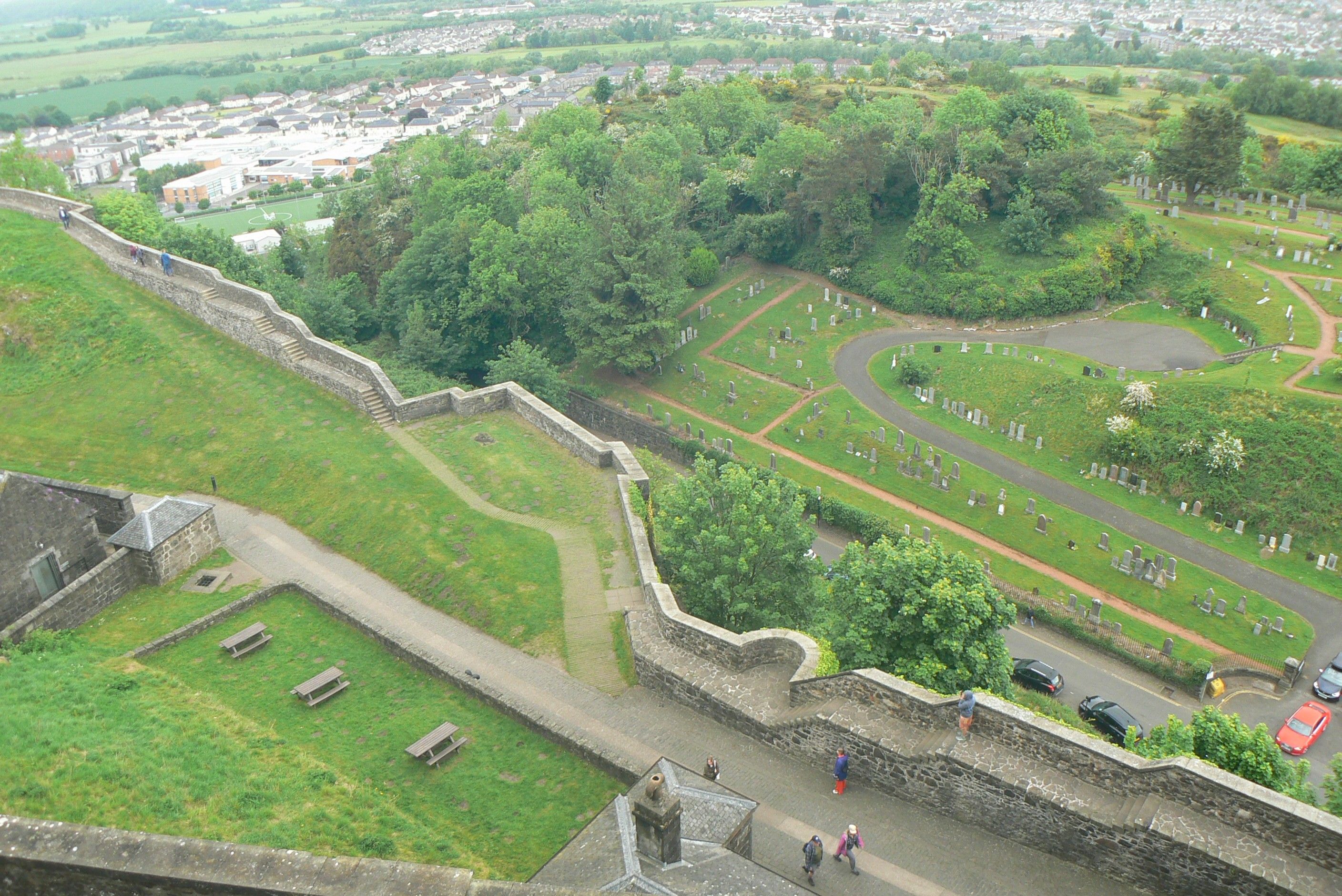
Looking down from the ramparts to the outer wall
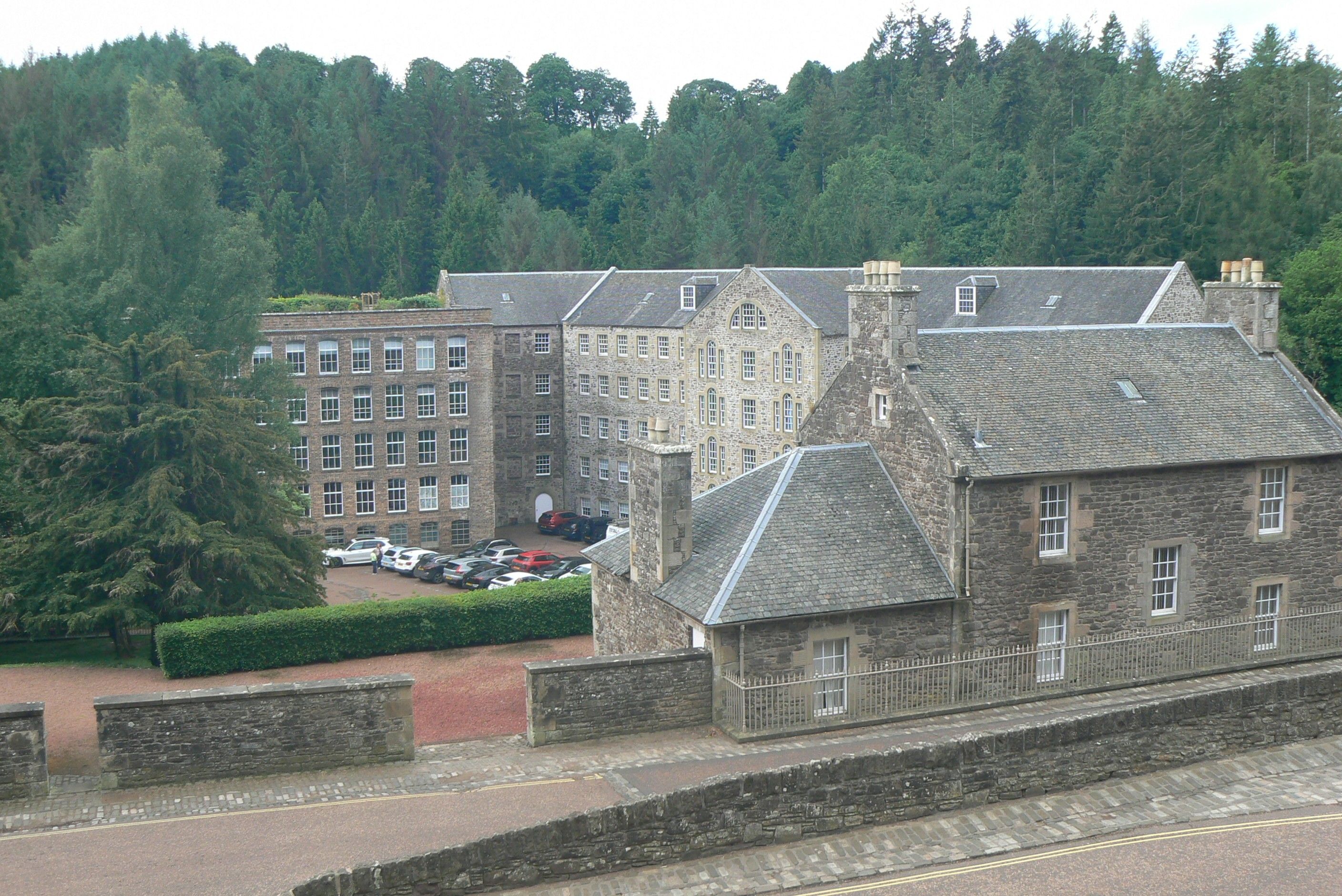
New Lanark was one of the largest cotton mills in Scotland. It operated from 1785 until it closed in 1968.
Since 1974 the New Lanark Conservation Trust has worked to restore it , and it is a UNESCO site.
The really interesting part is the man who ran it, Robert Owen, was a radical. He believed in good housing, fair wages, childcare, sick leave, etc.
The mill is really worth visiting, if not for the history, than for the beauty of the area.
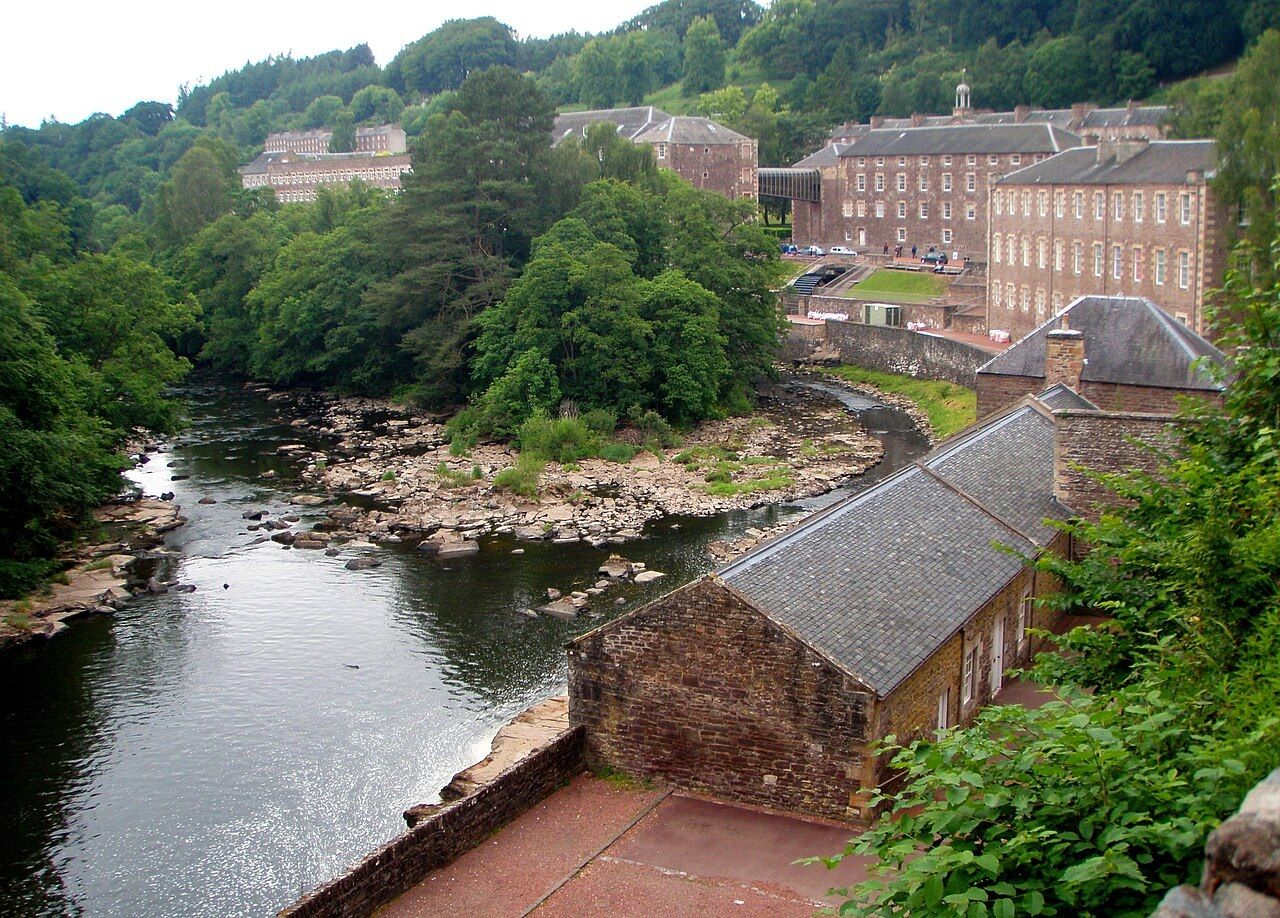
Looking down on the river
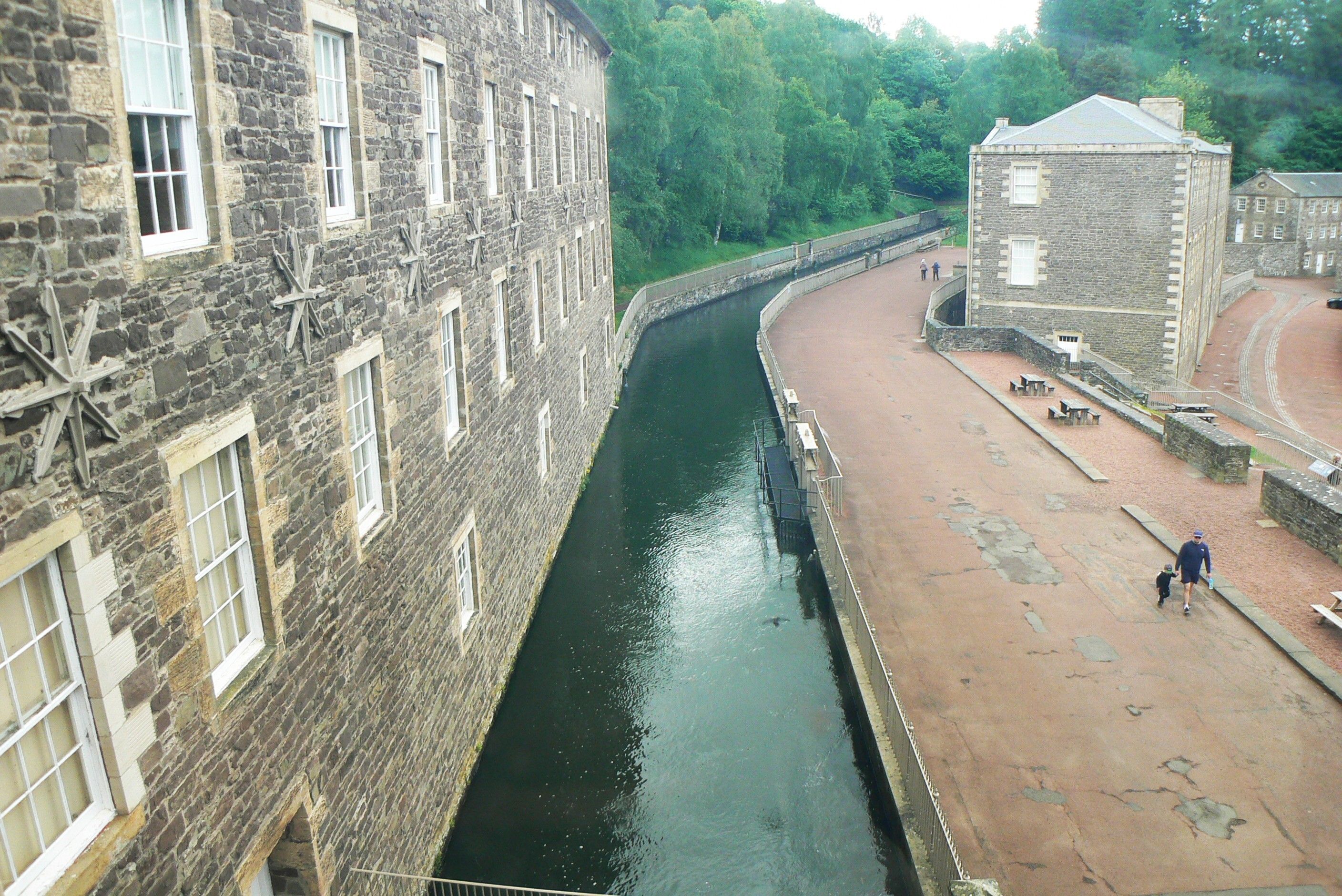
The canal that brings in the water
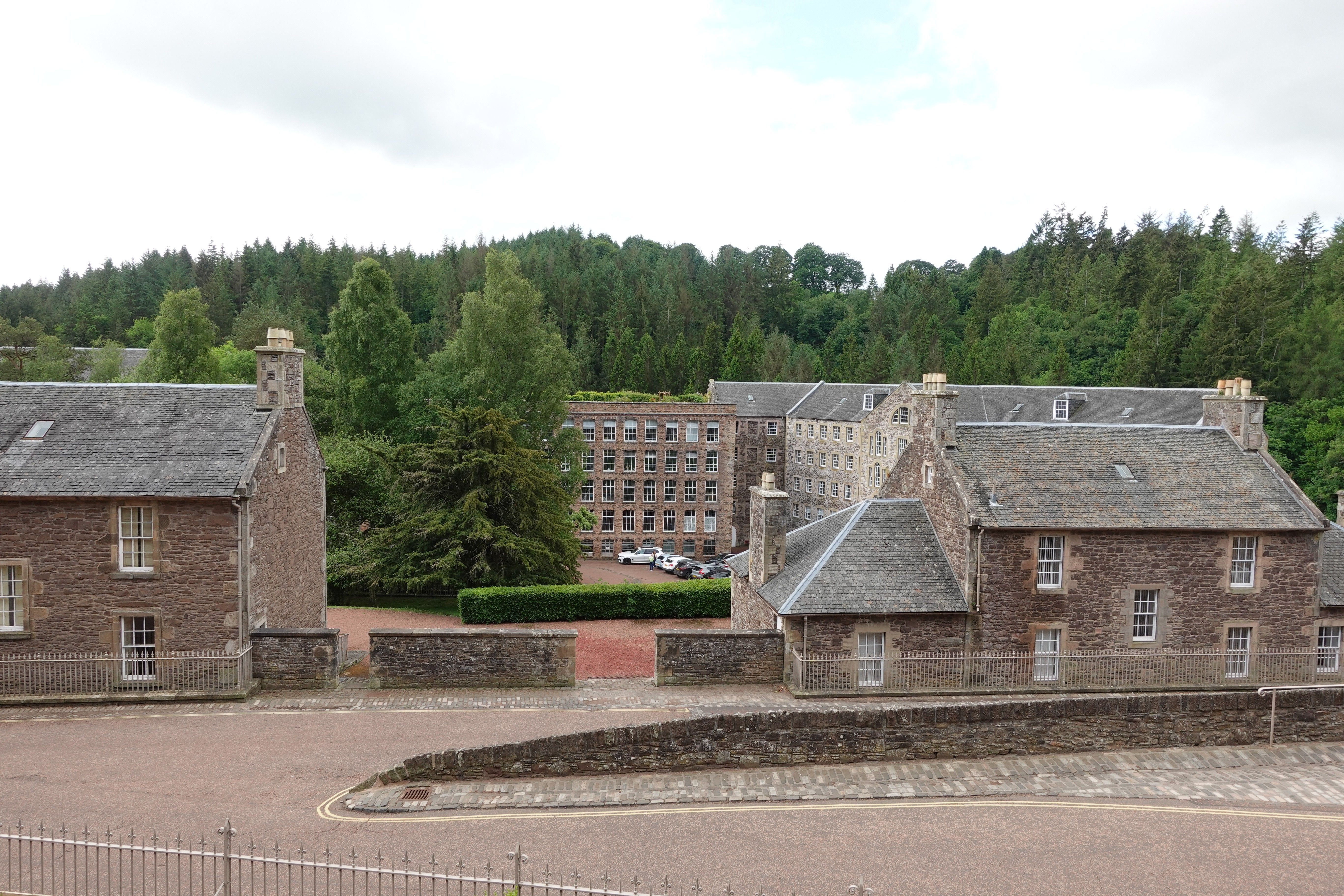
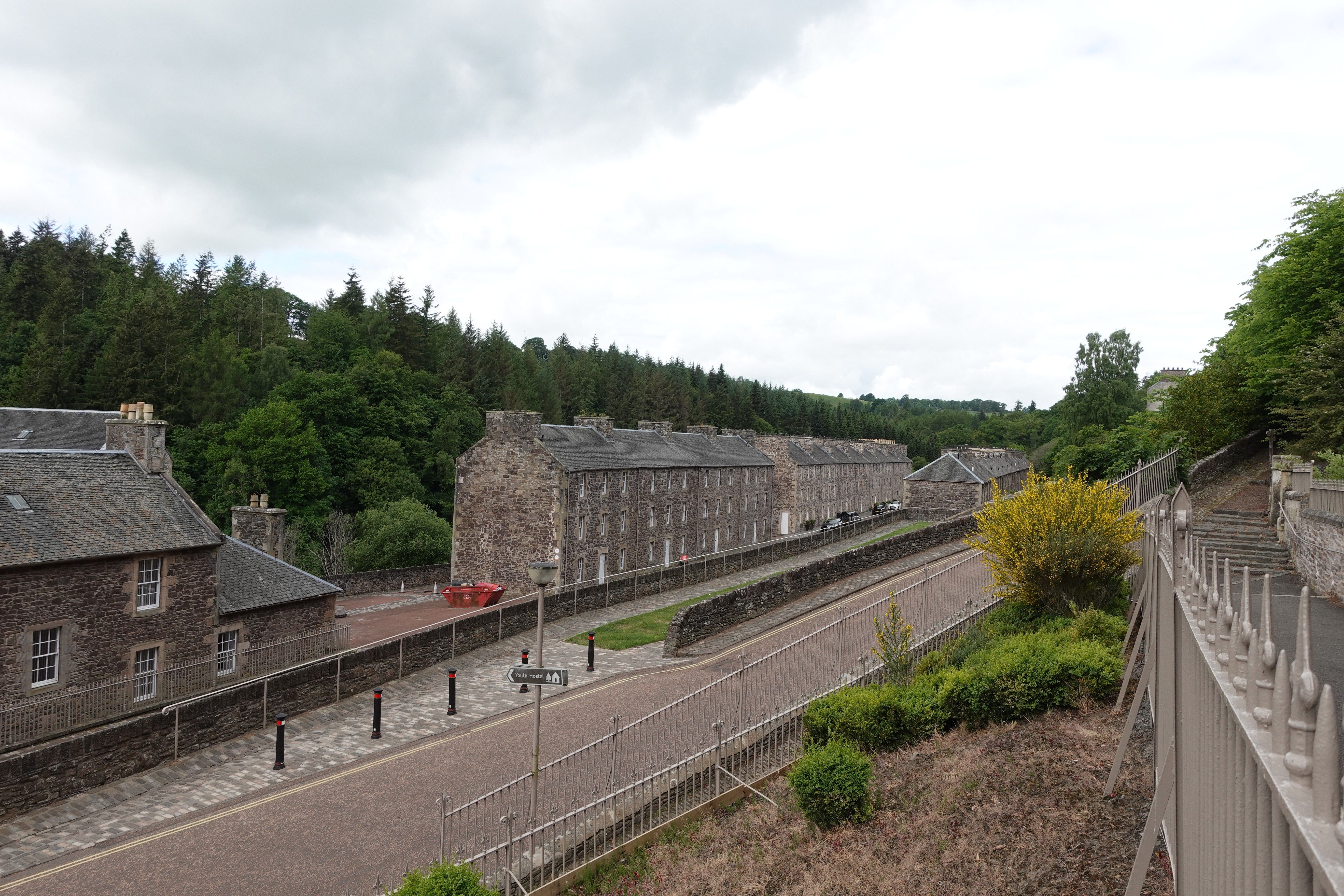
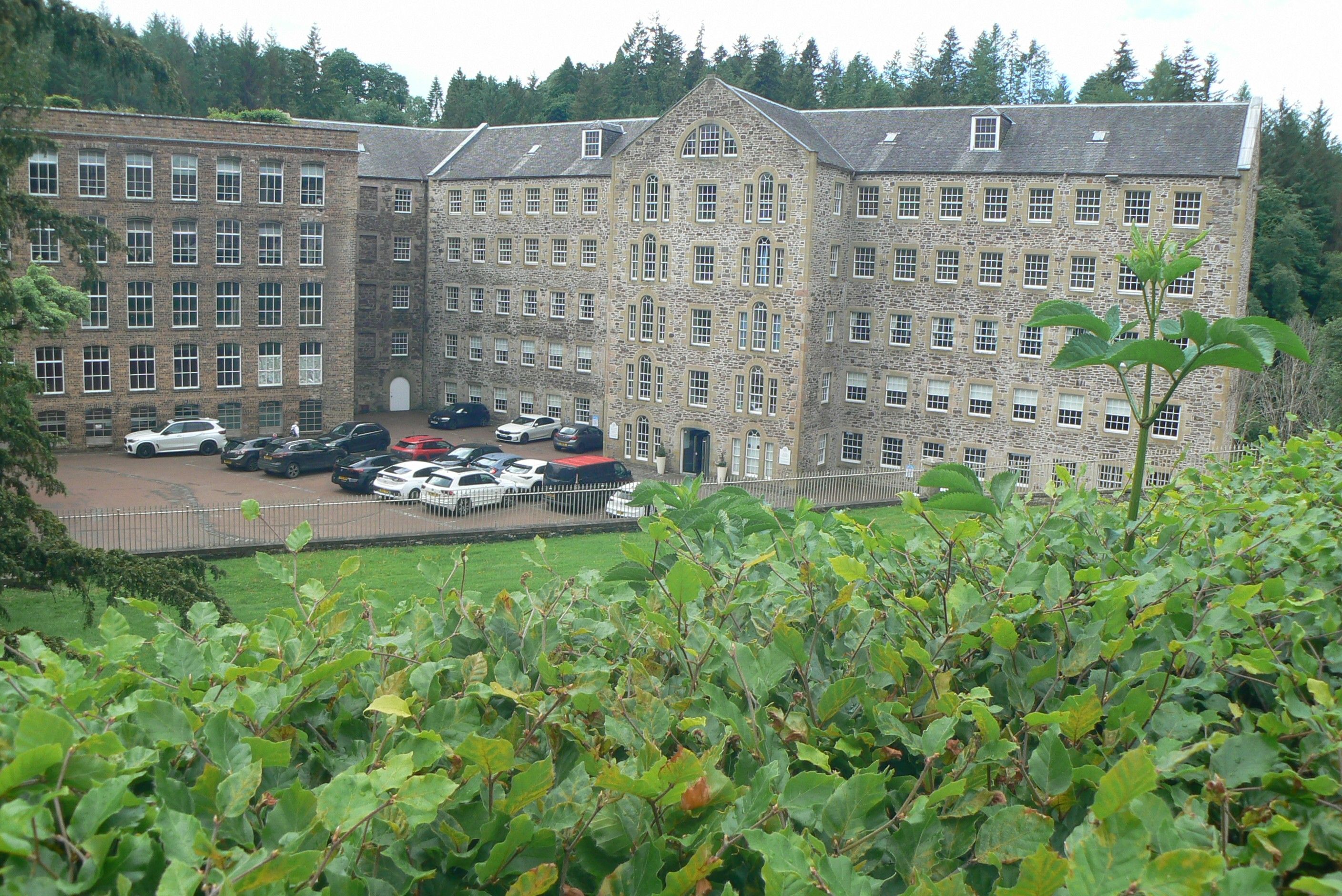
There are now apartments to let in that building, and they are quite popular
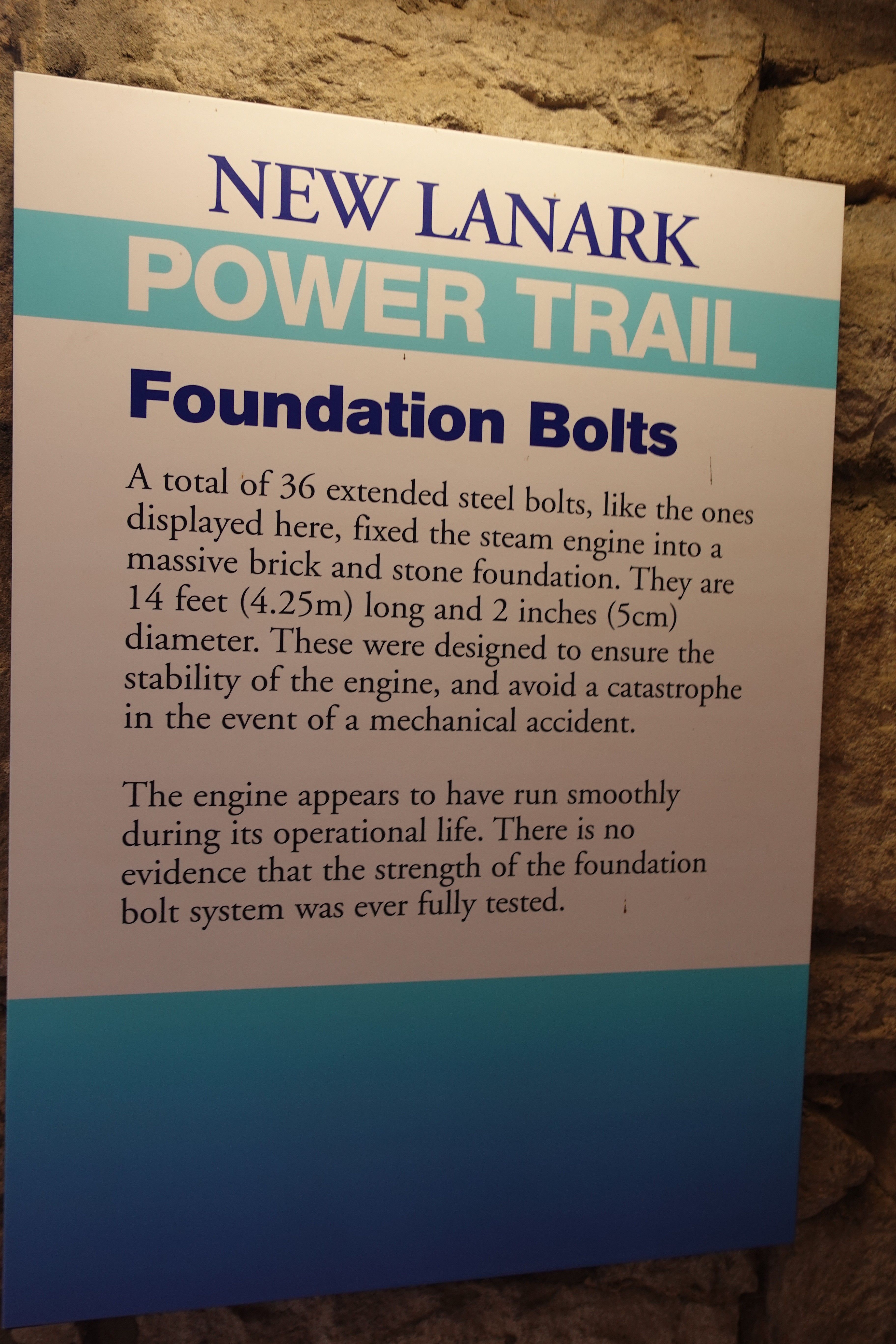
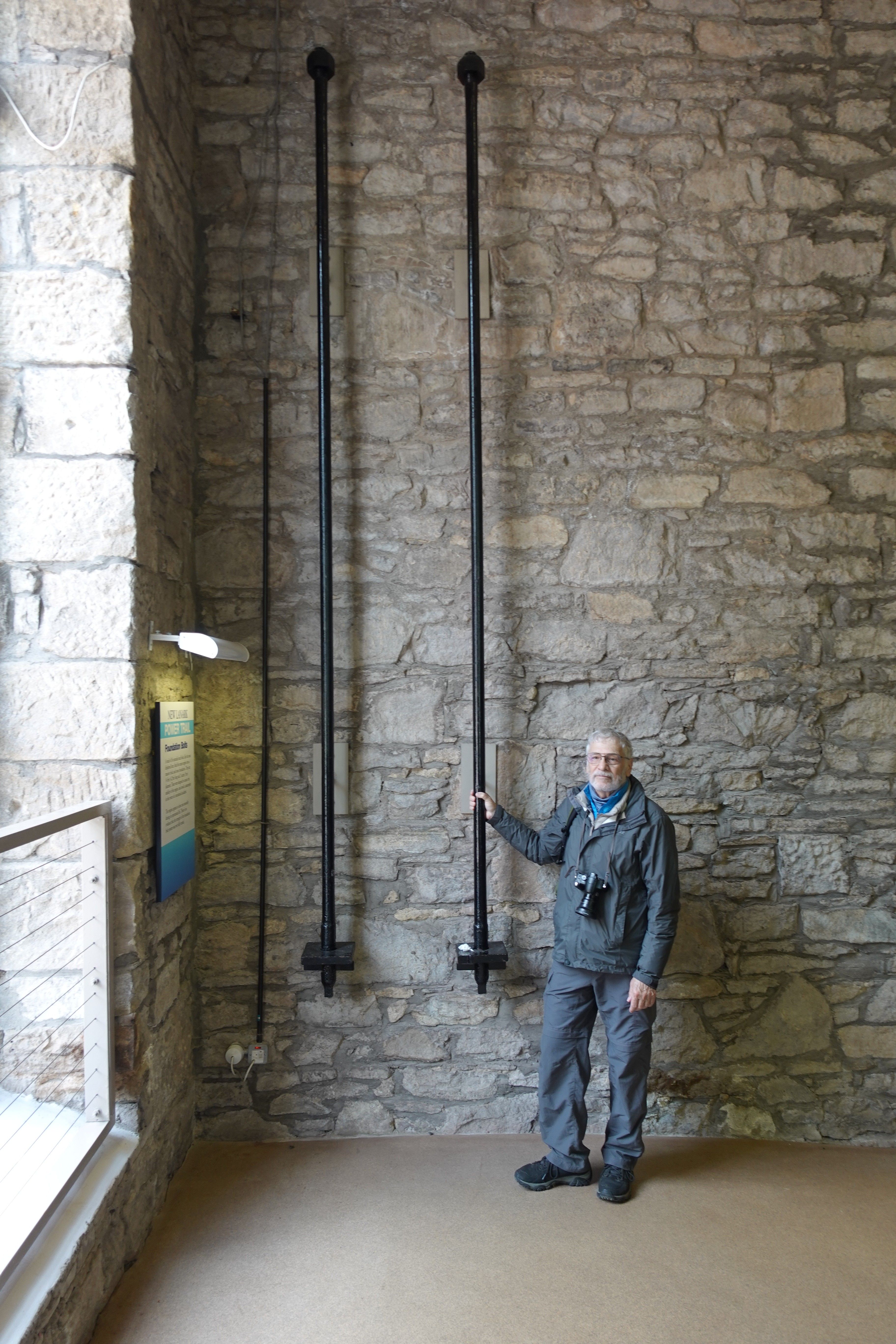
Into the factory. The foundation bolts are quite large. George is dwarfed
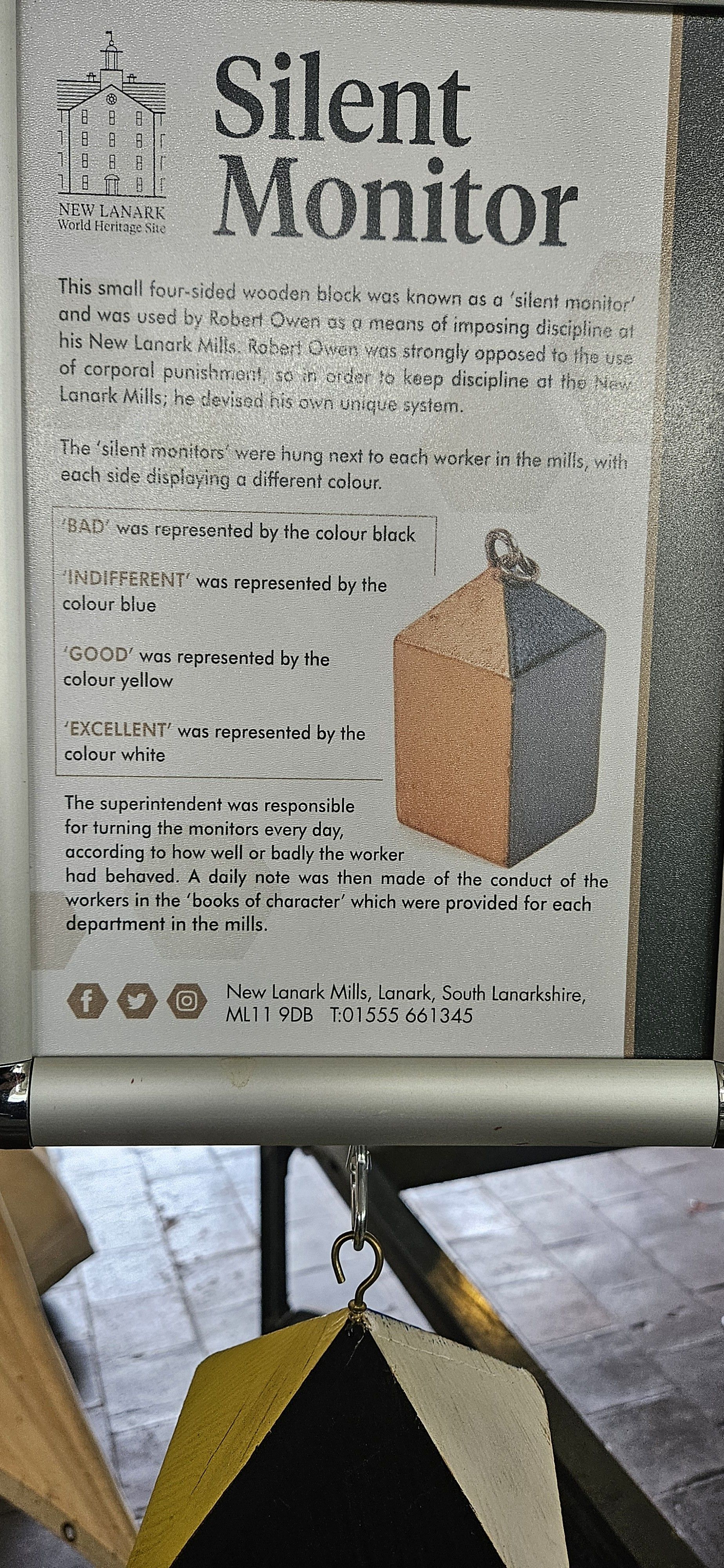
There was a Silent Monitor hanging by each area, and if you were too slow they turned it to red
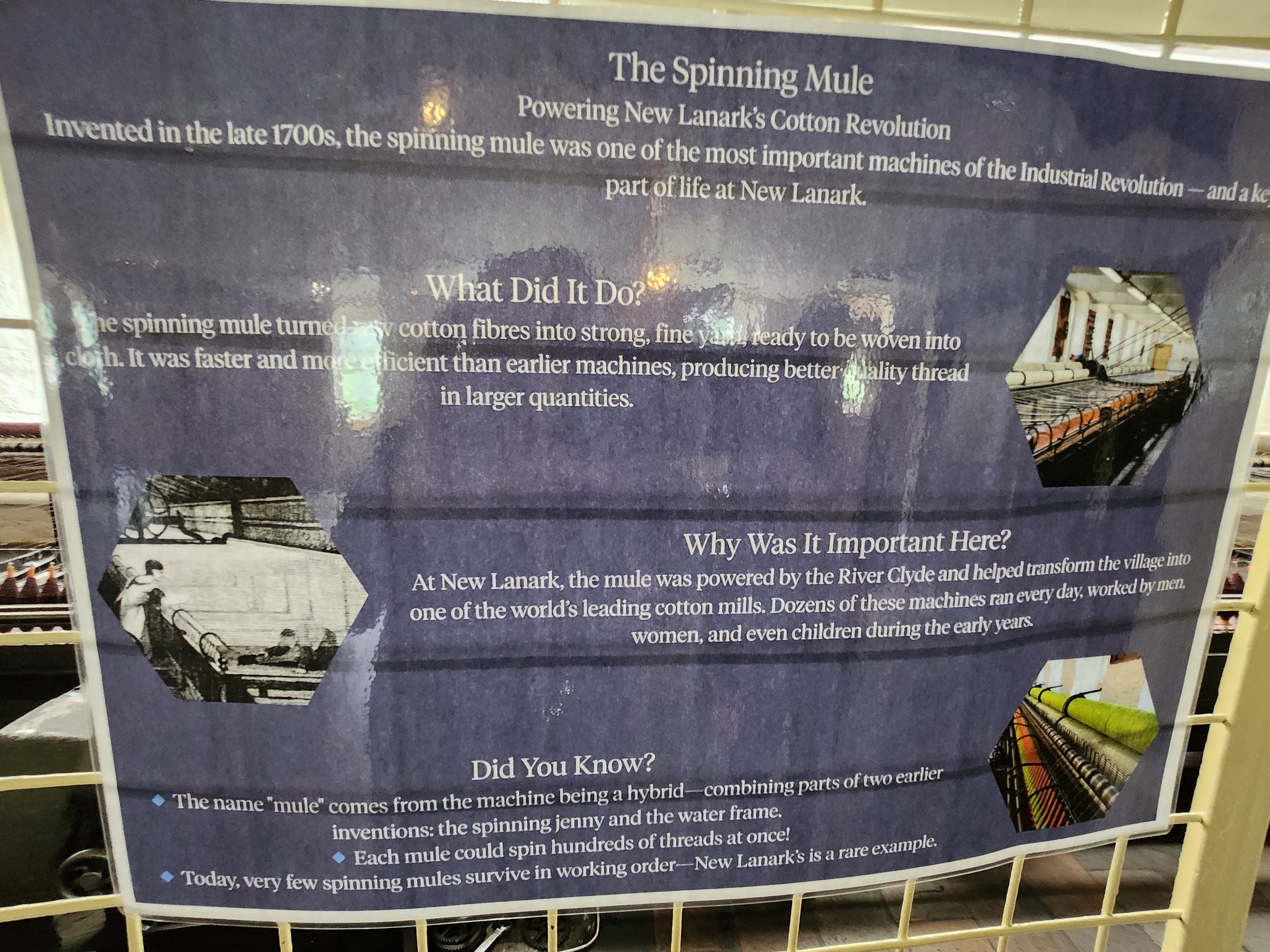
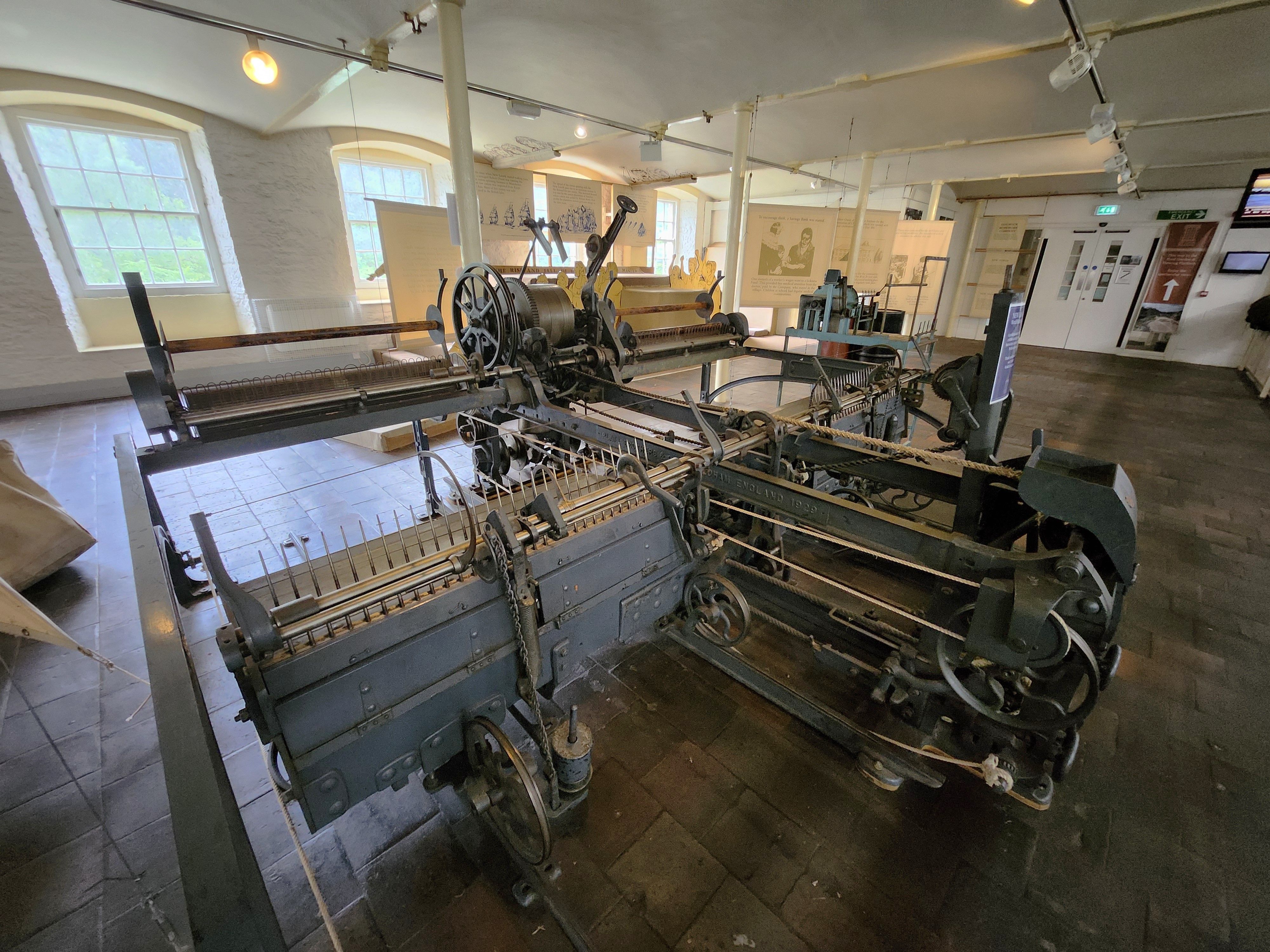
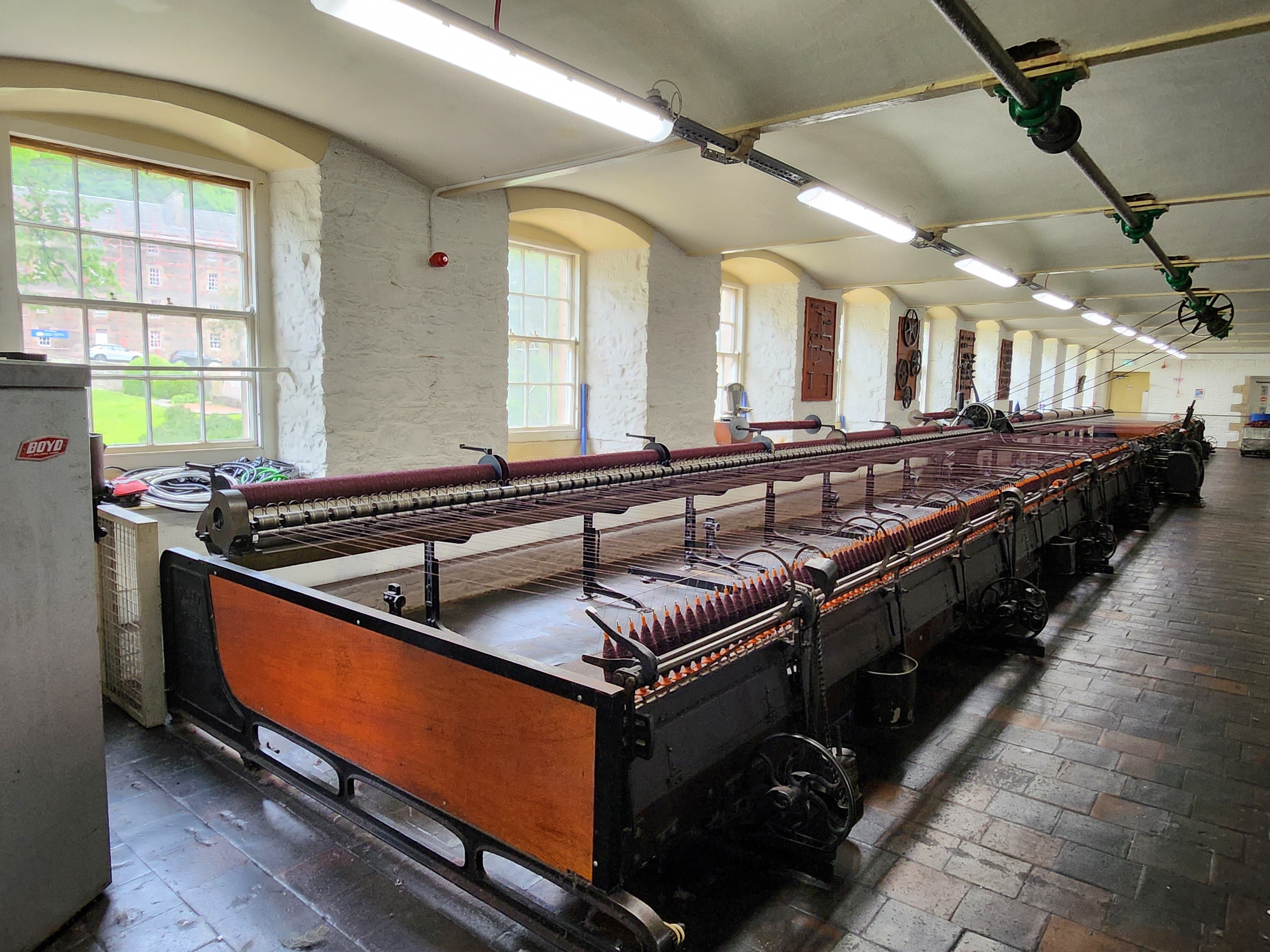
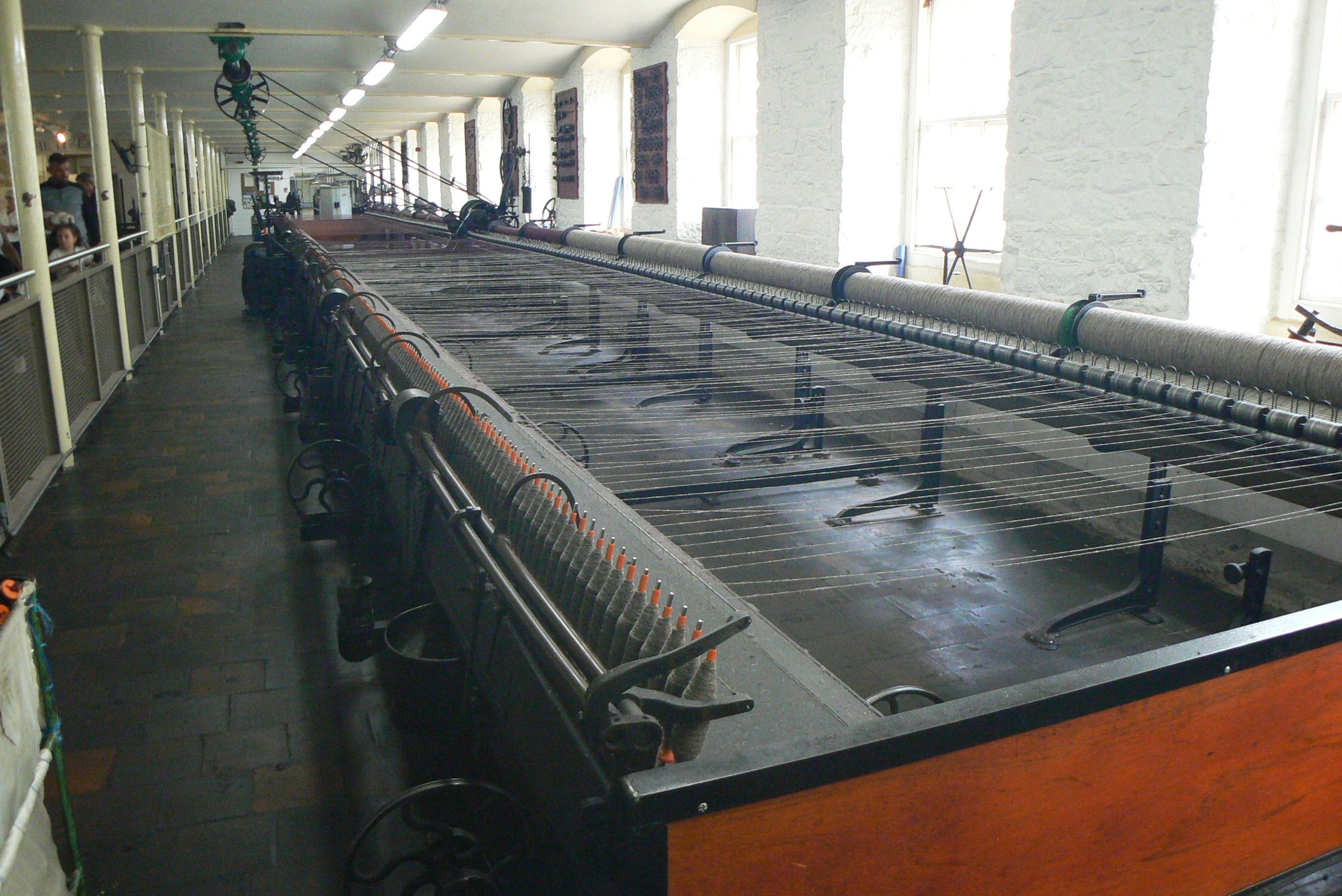
The Spinning Mule
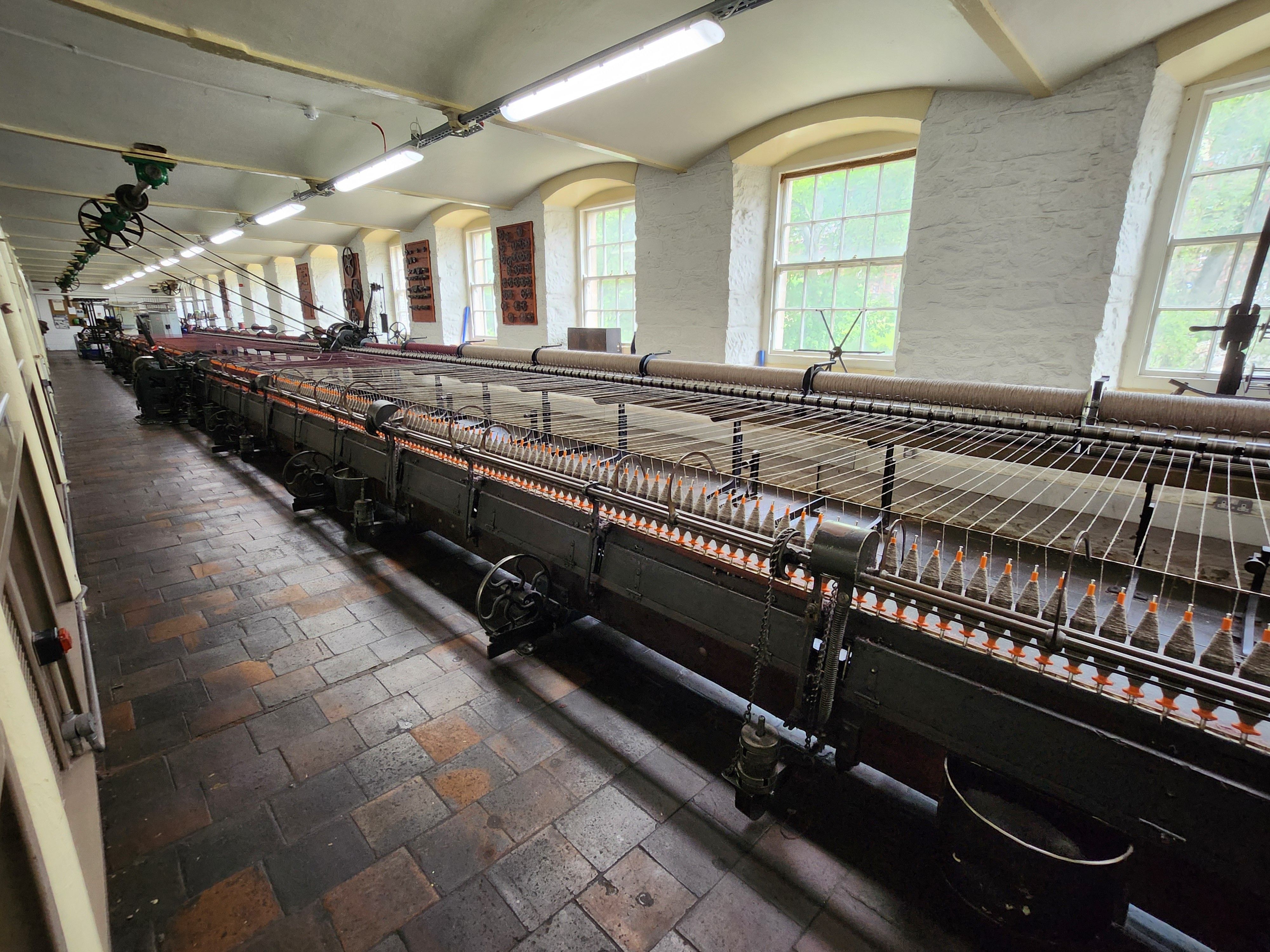
It's really big
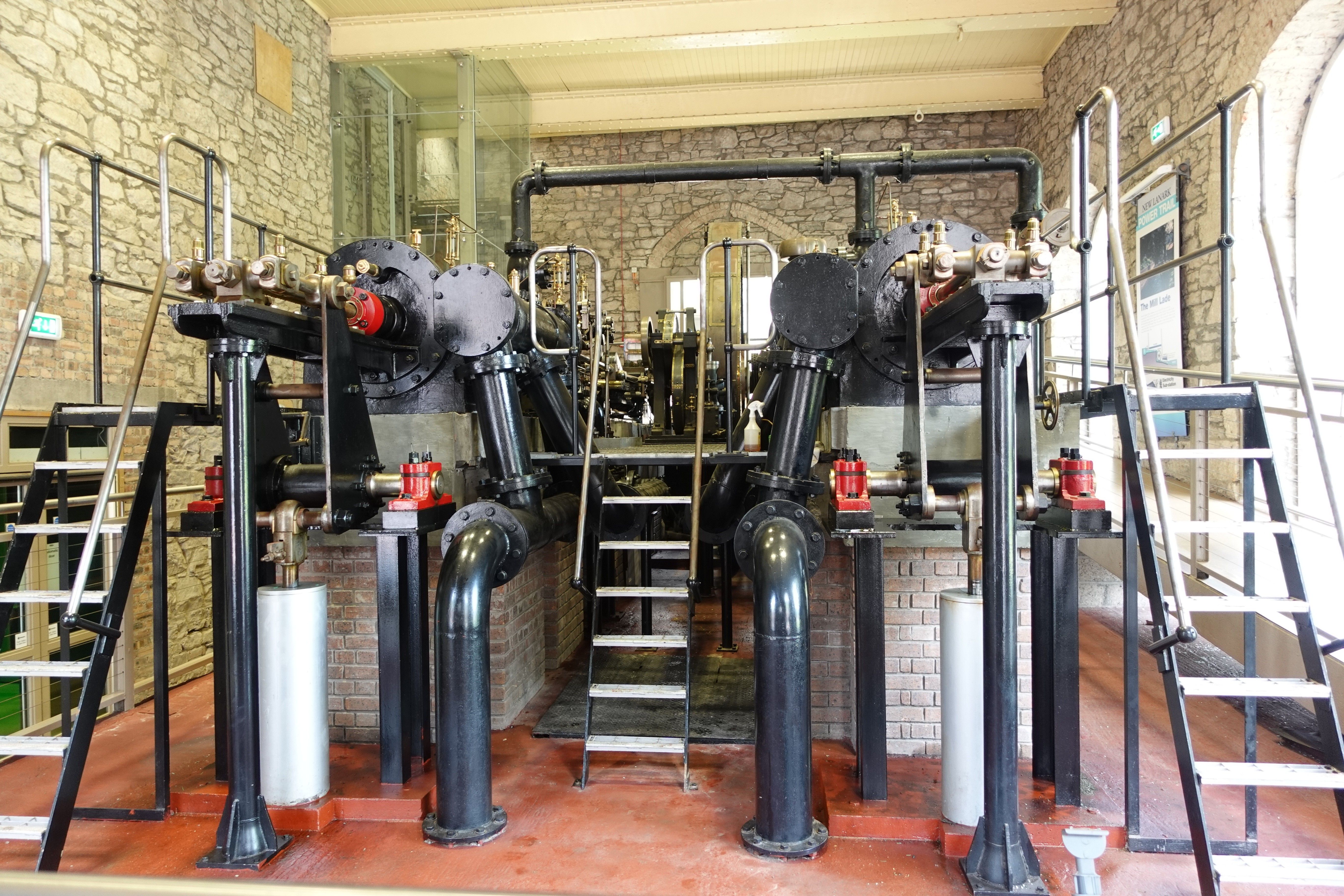
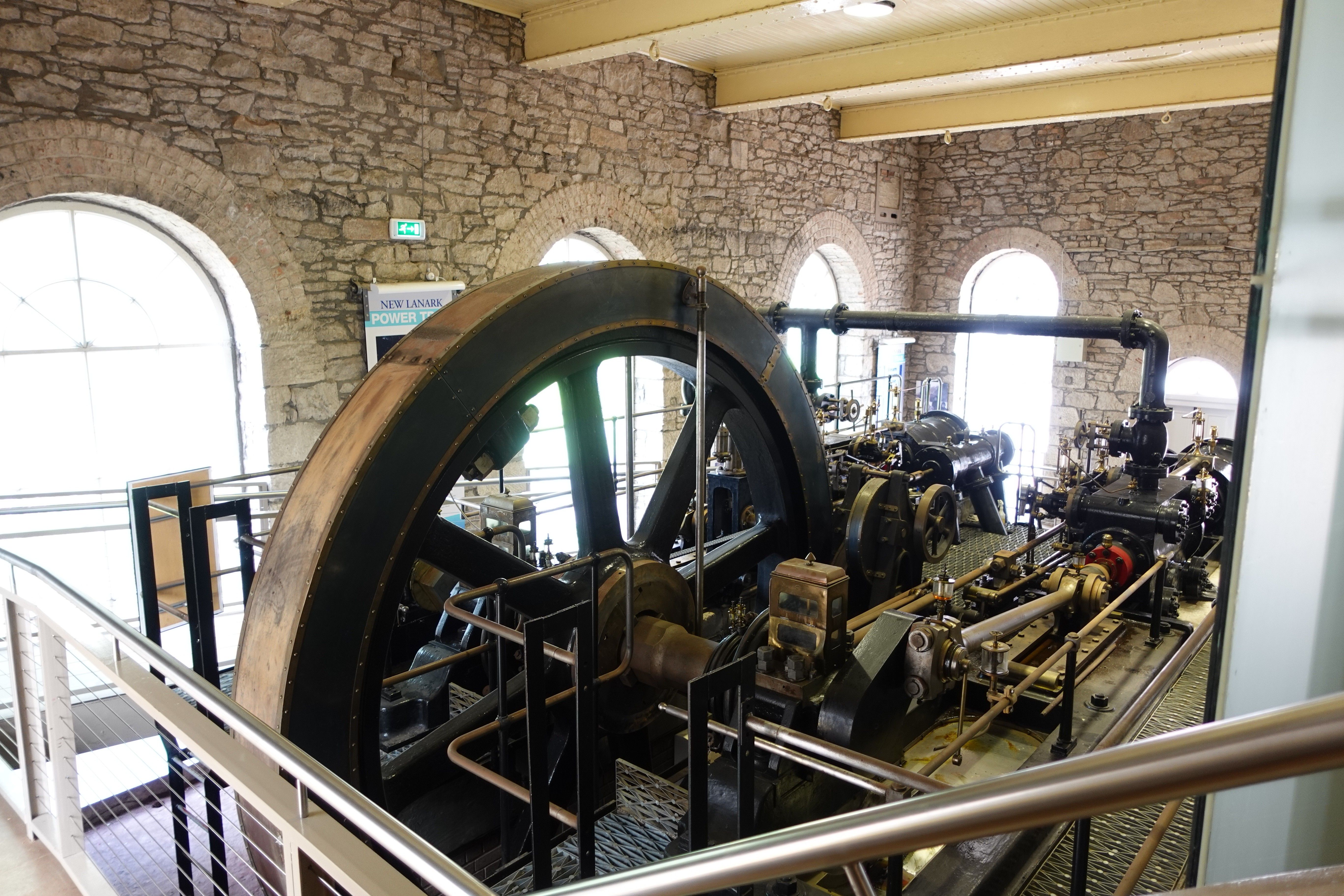
A steam engine - one would have been used to power the machines
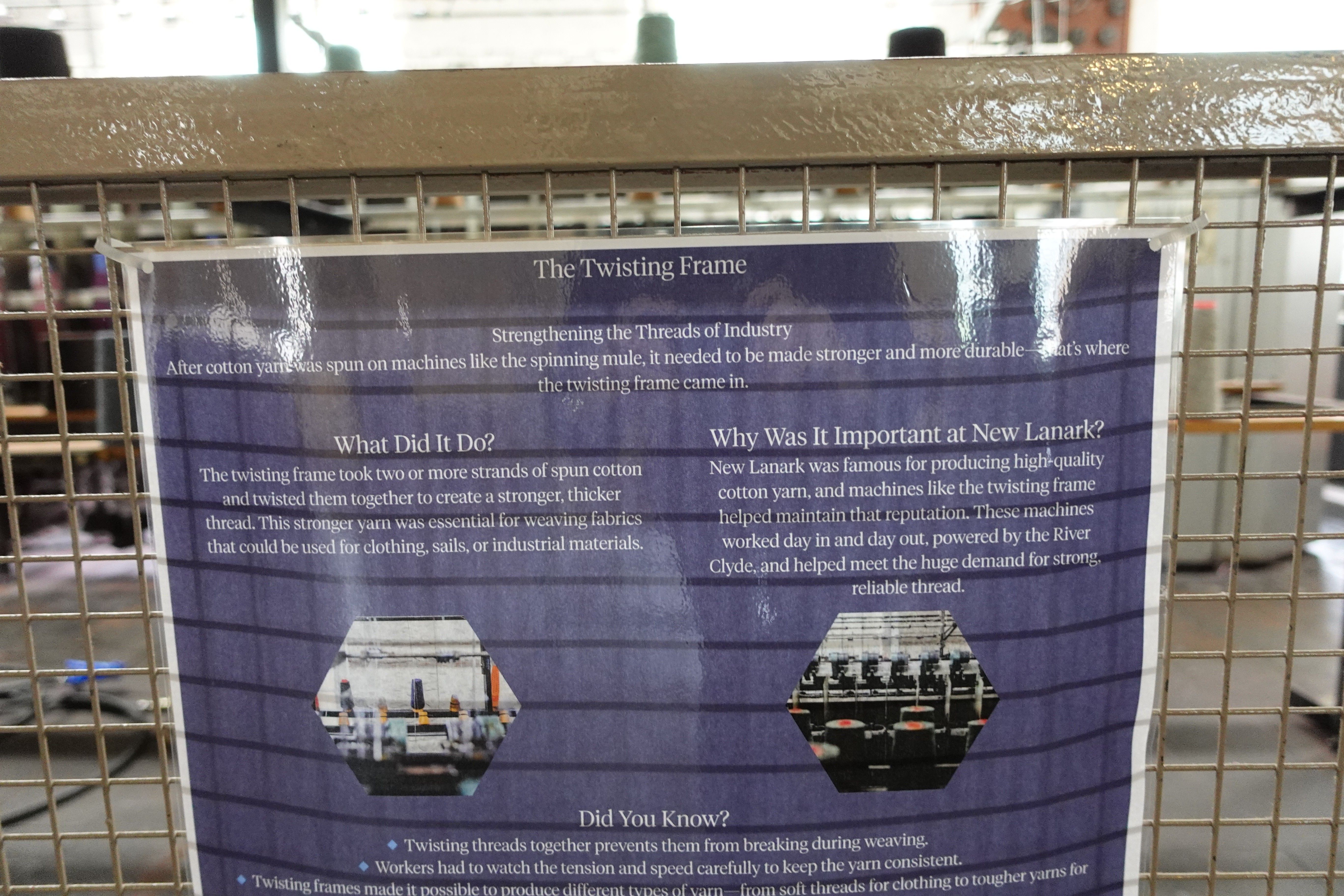
Twisting Frame
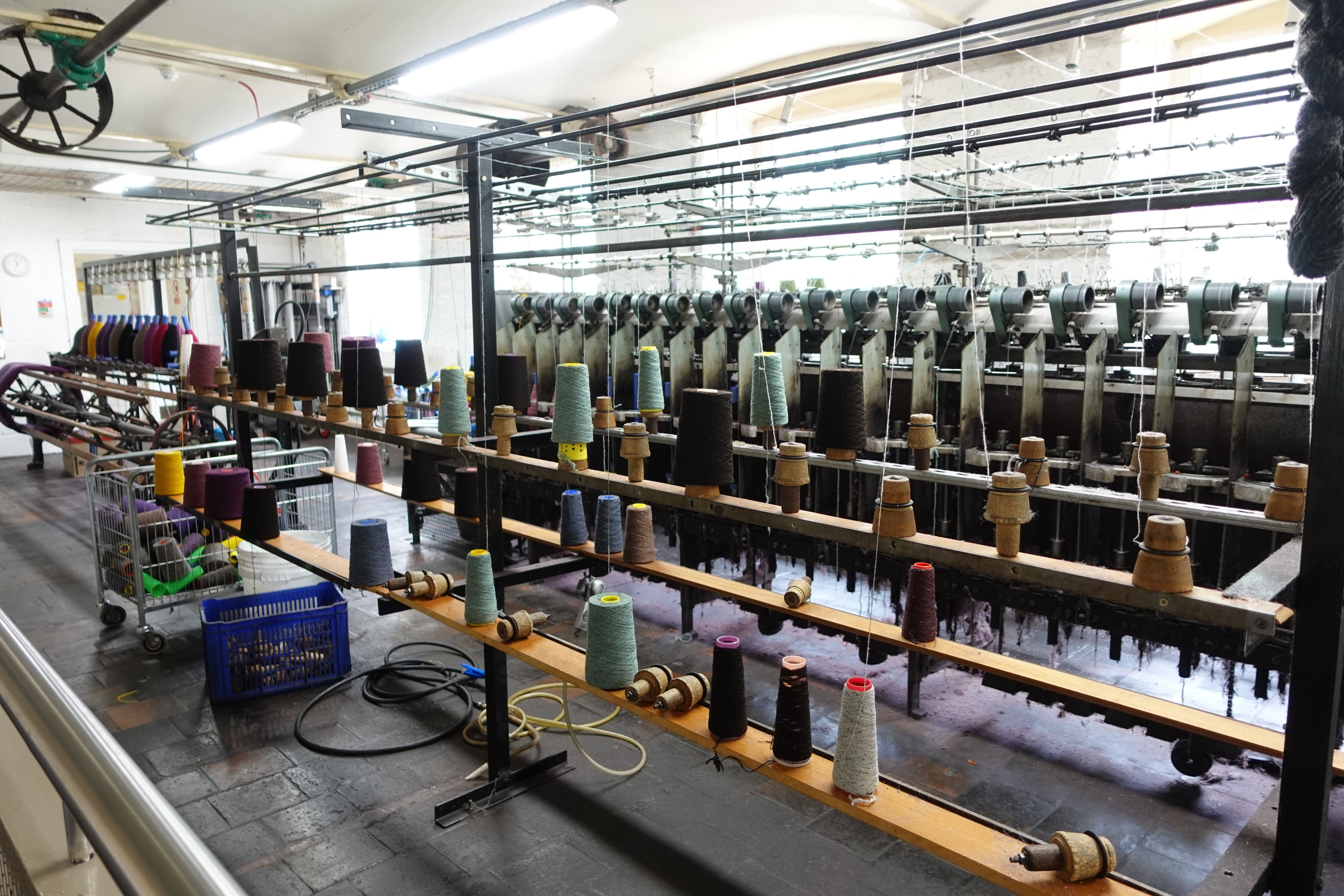
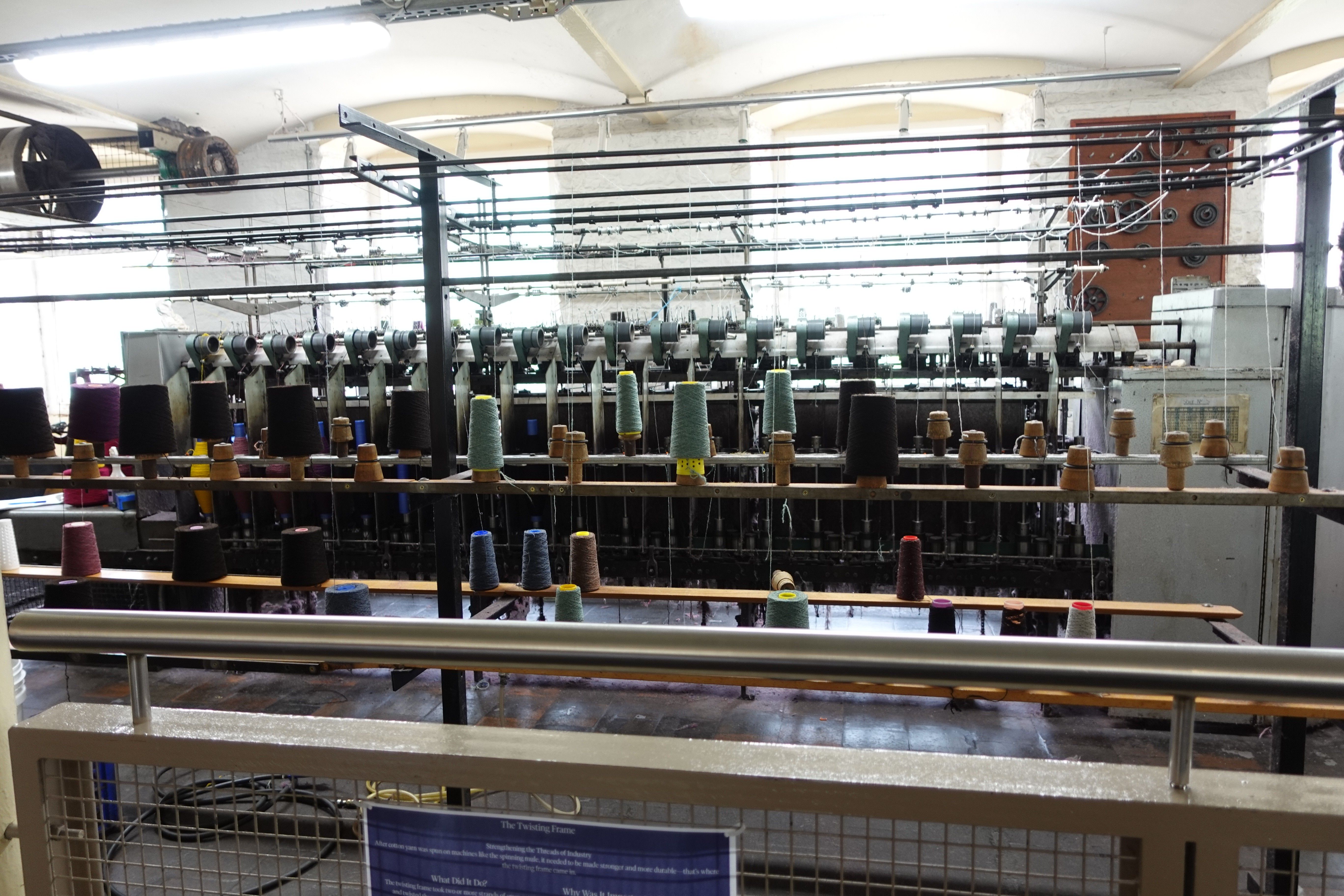
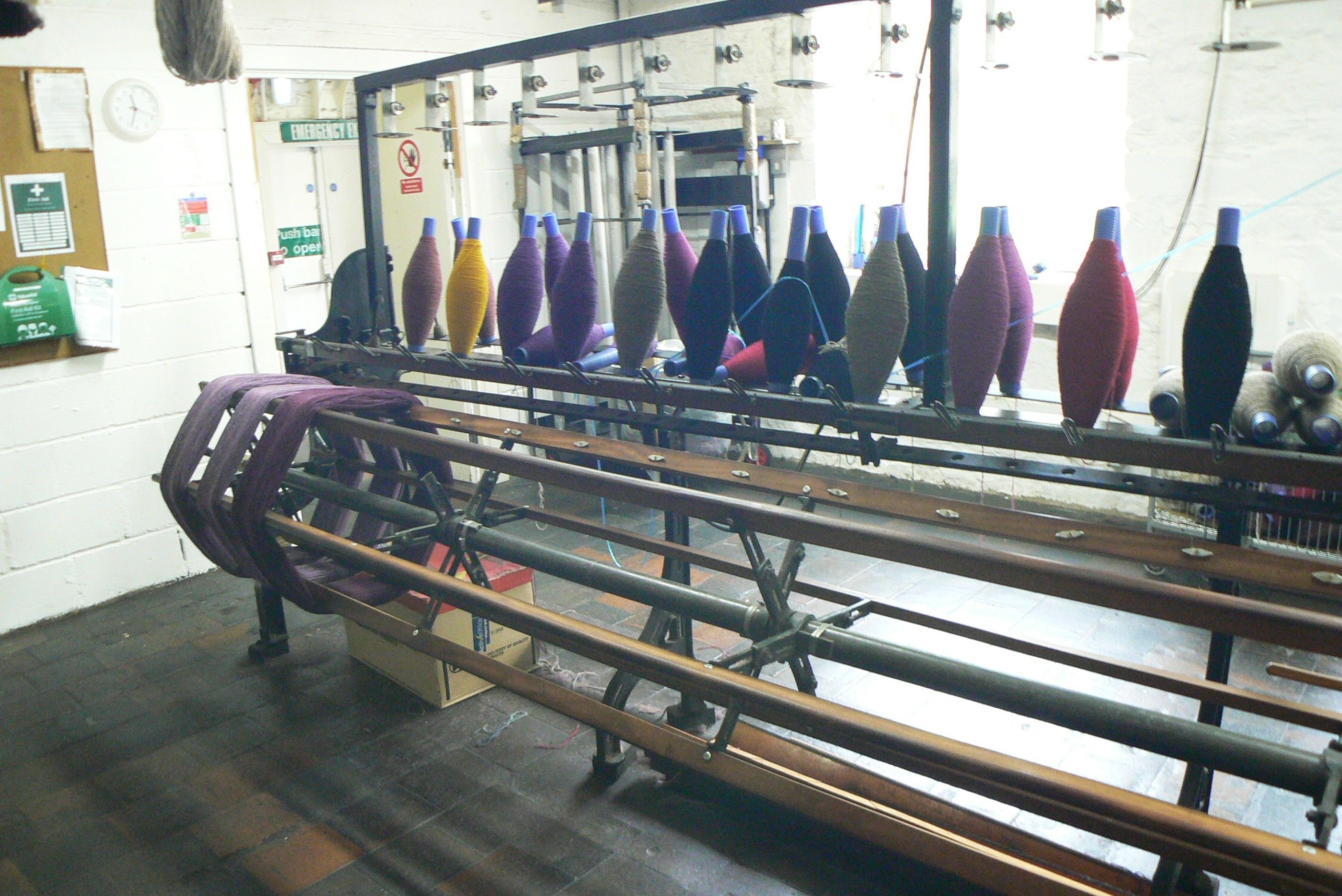
Kind of self explanatory
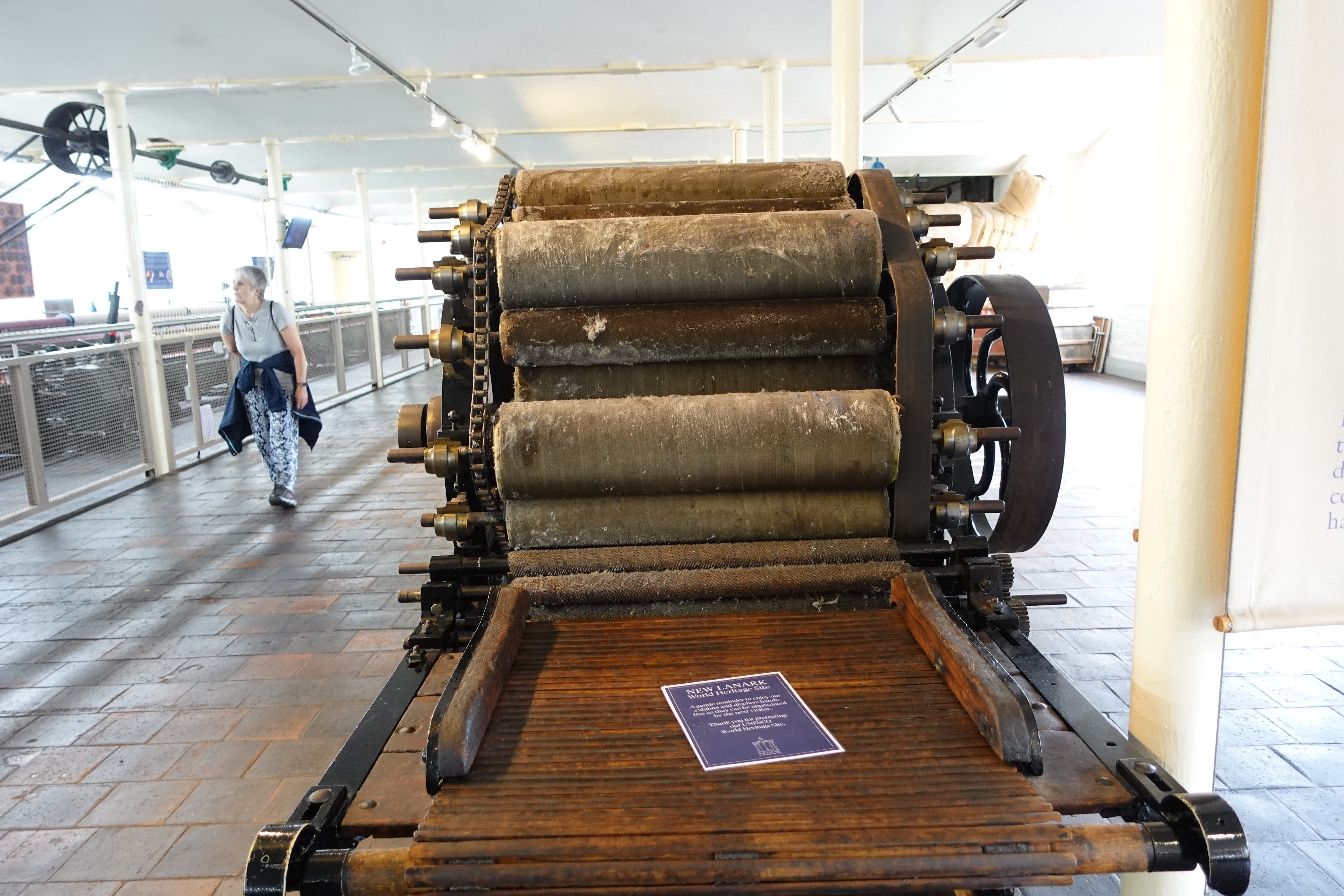
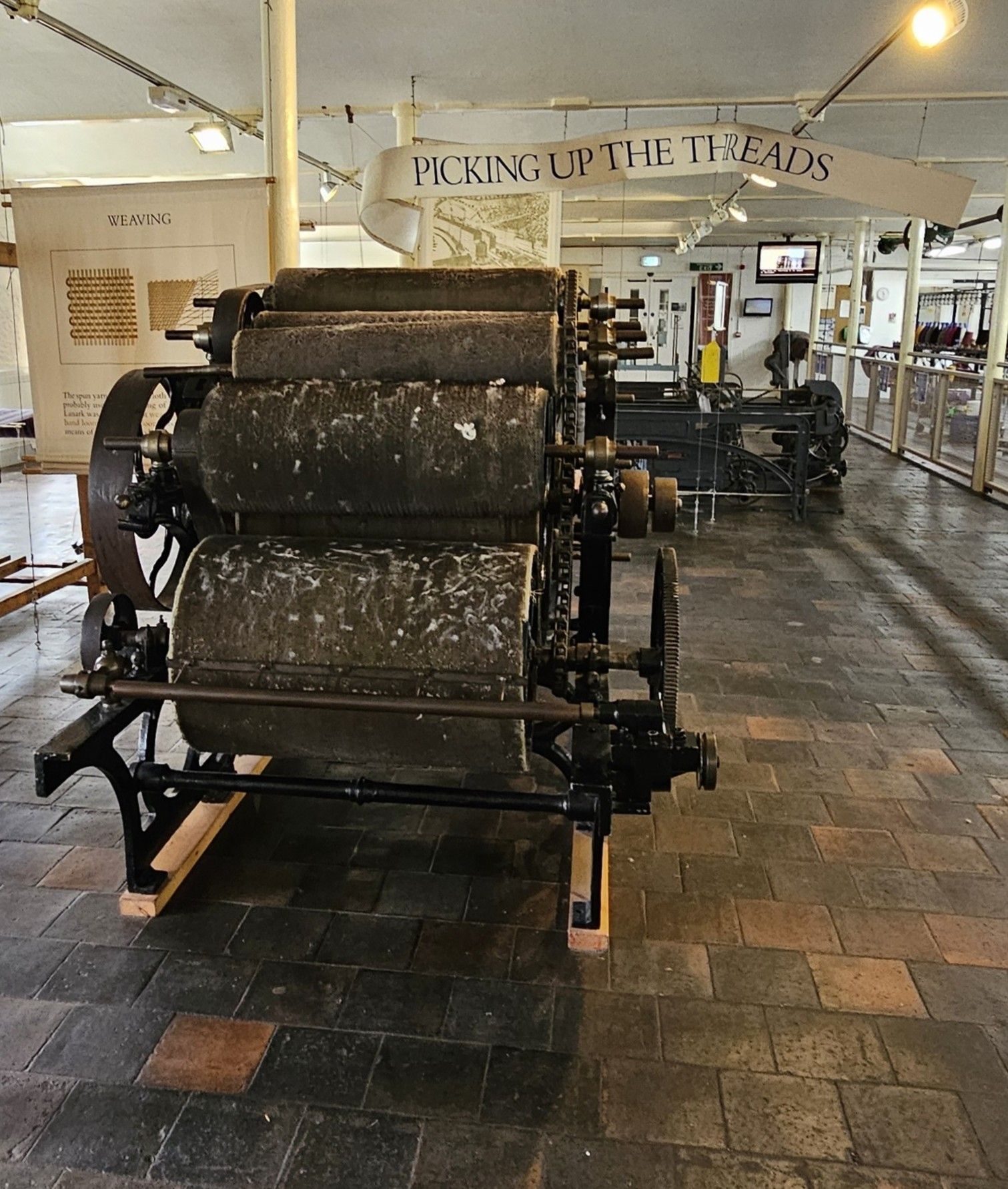
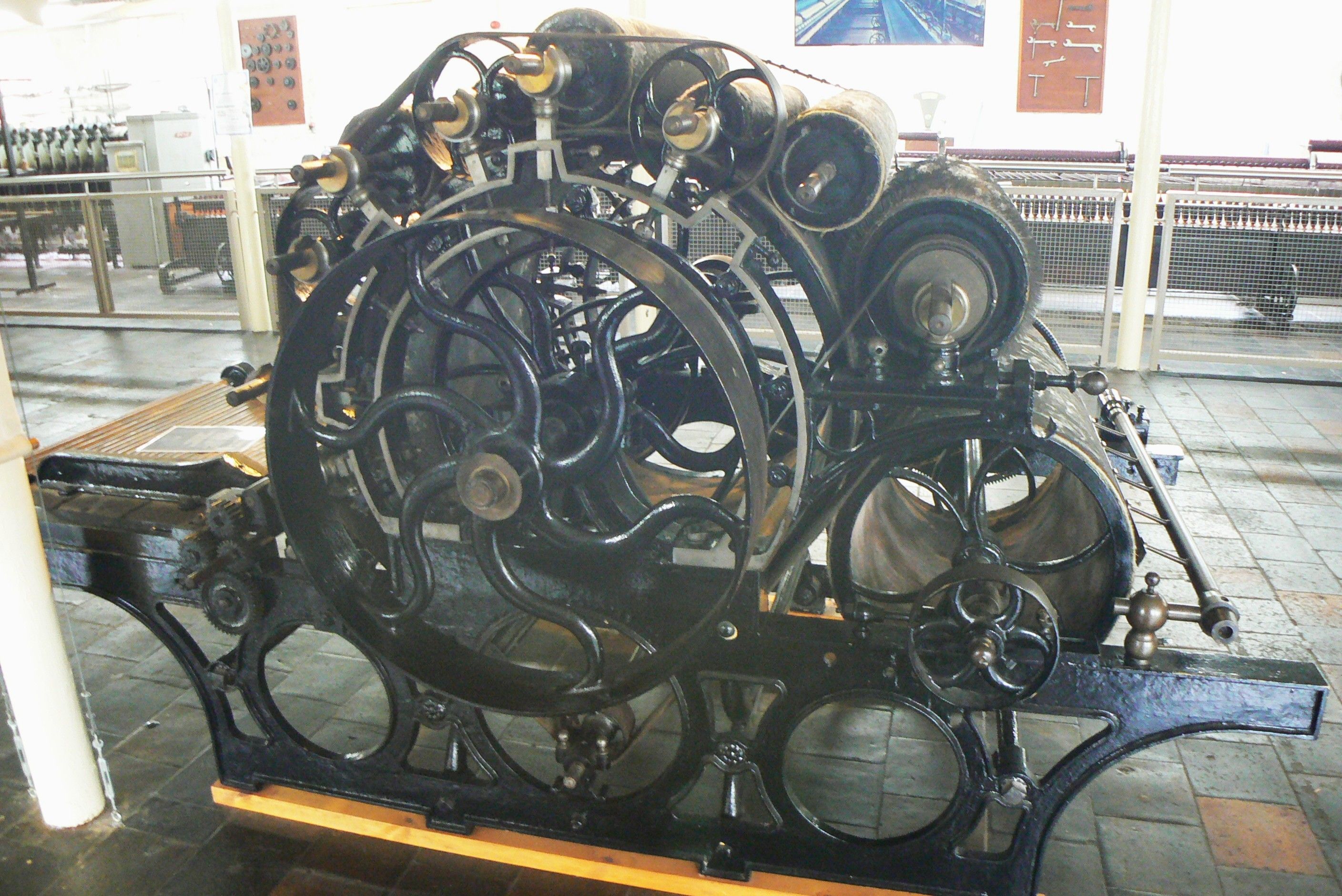
Into the factory. This is a carding machine which disentangle, clean, and align raw wool fibers. Like the ladies did with 2 paddles, but faster
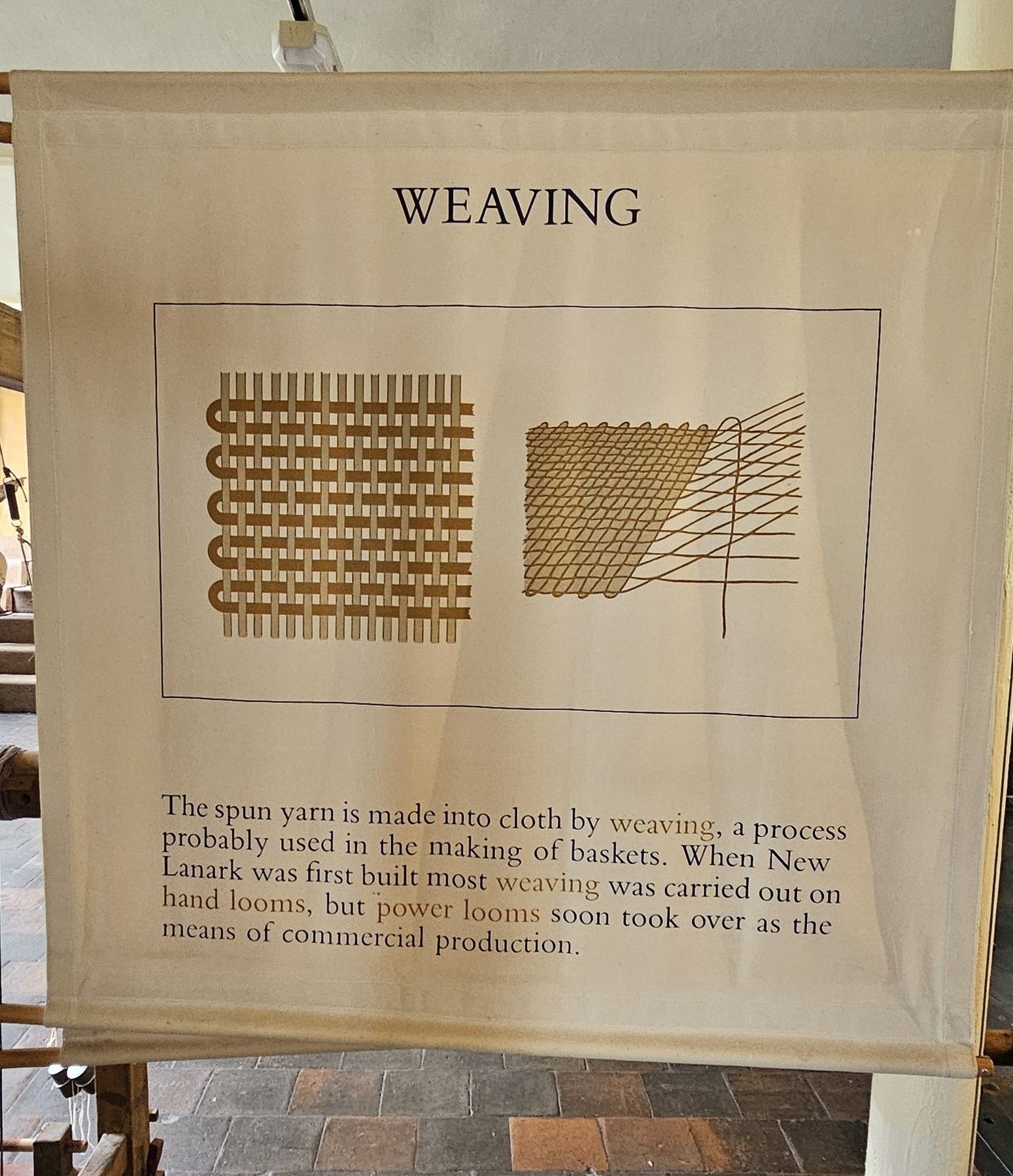
Weaving Info
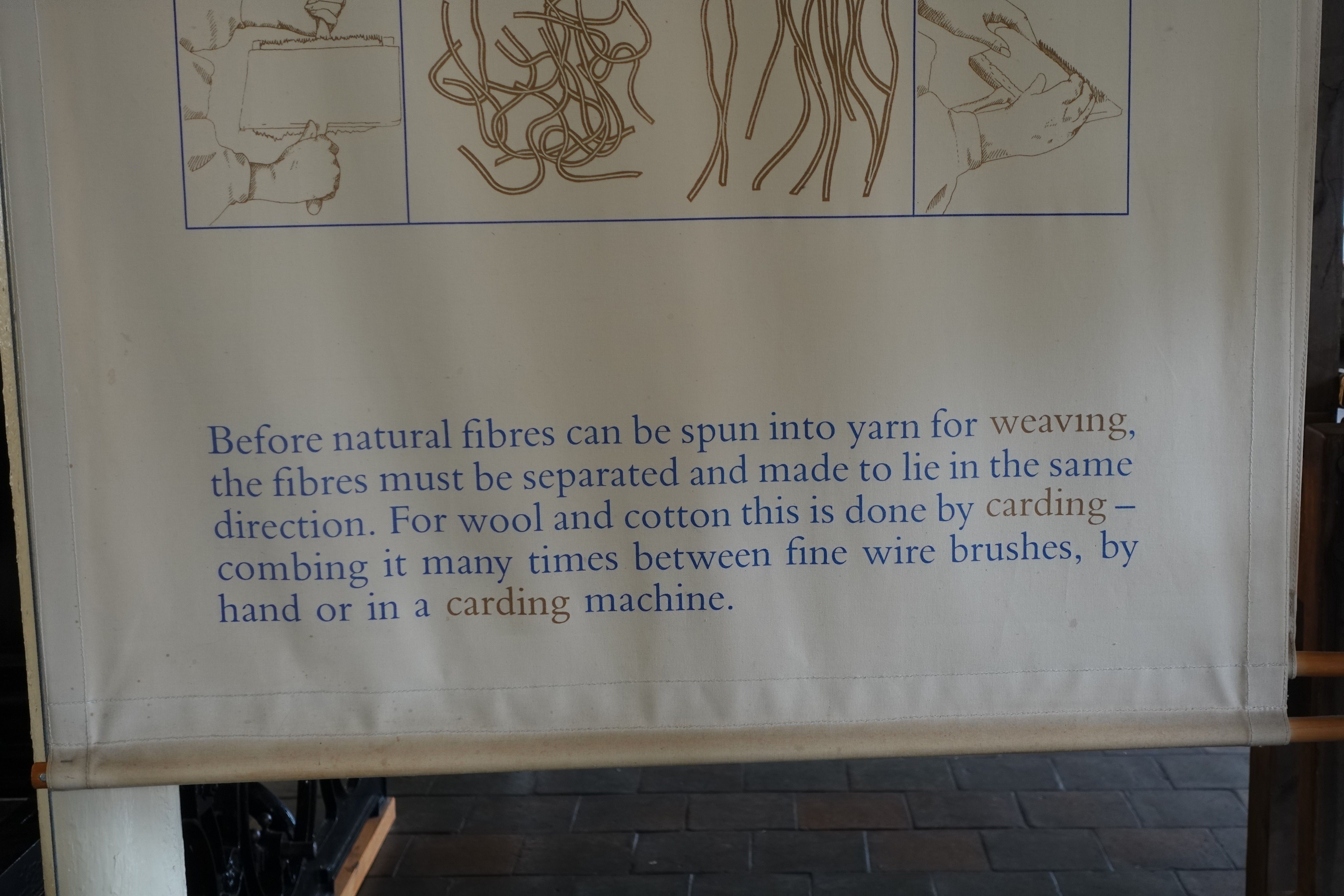
Weaving
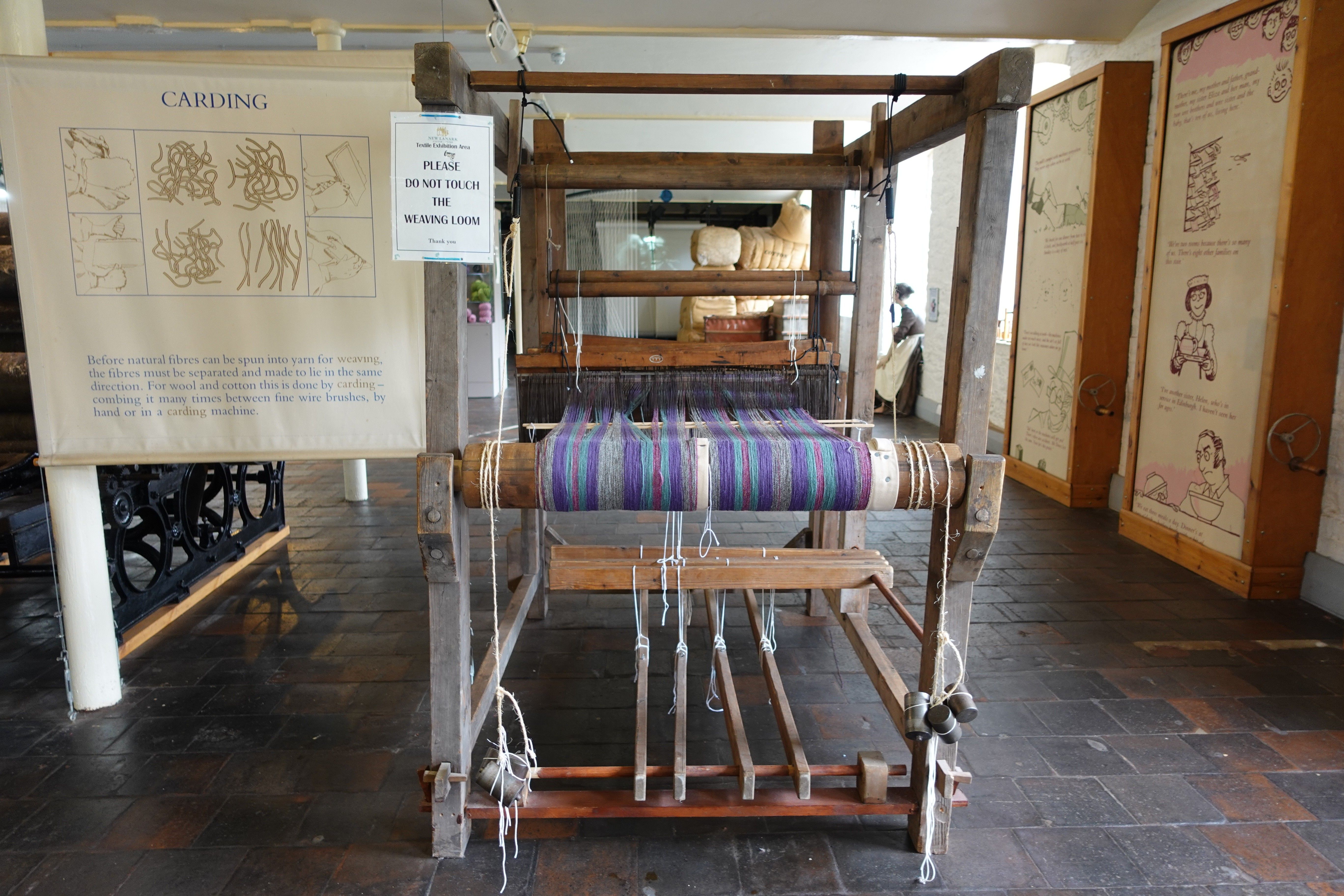
This is a loom. Ignore the carding sign to the left.
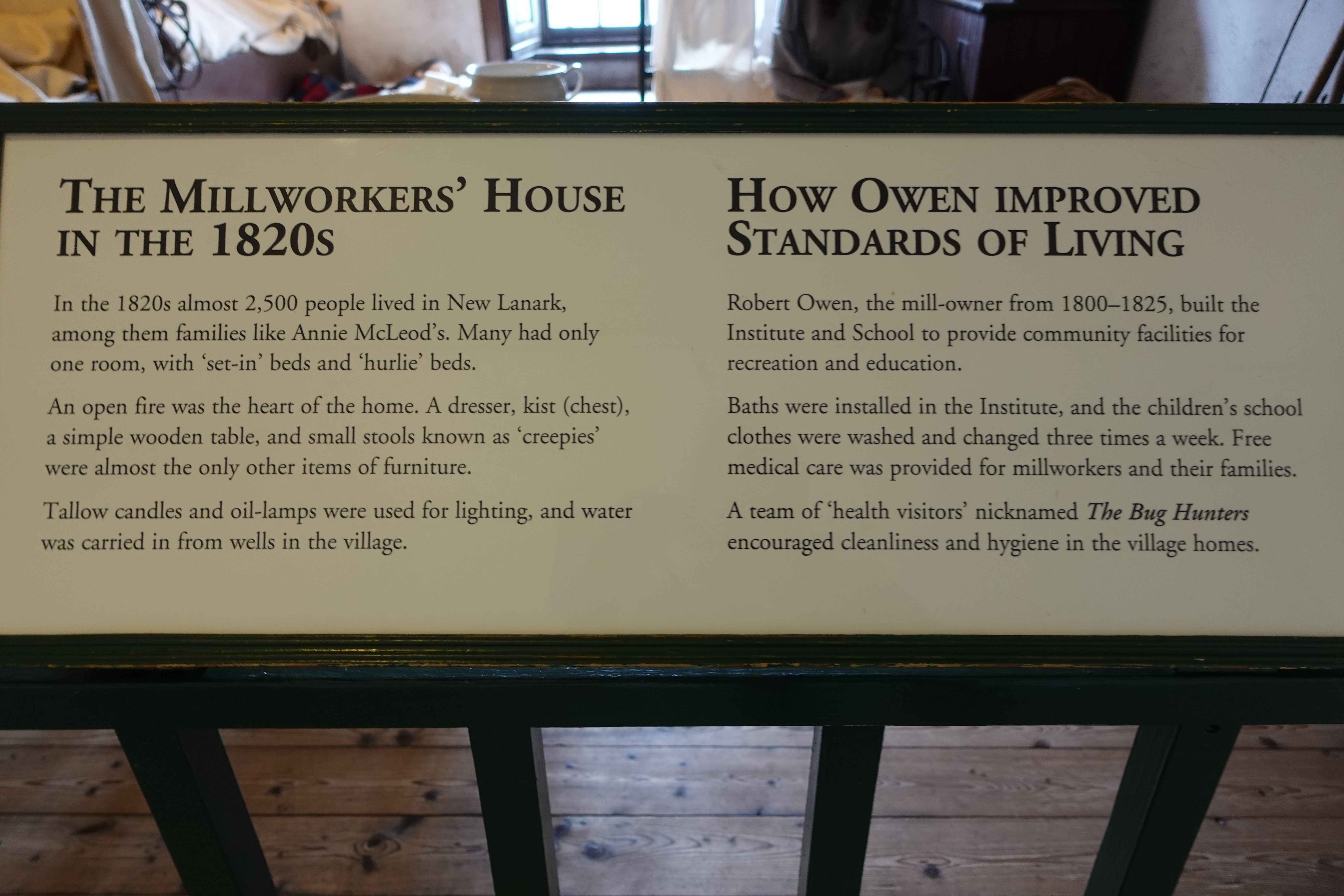
Touring the mill workers home. It was quite large and well done for that time period
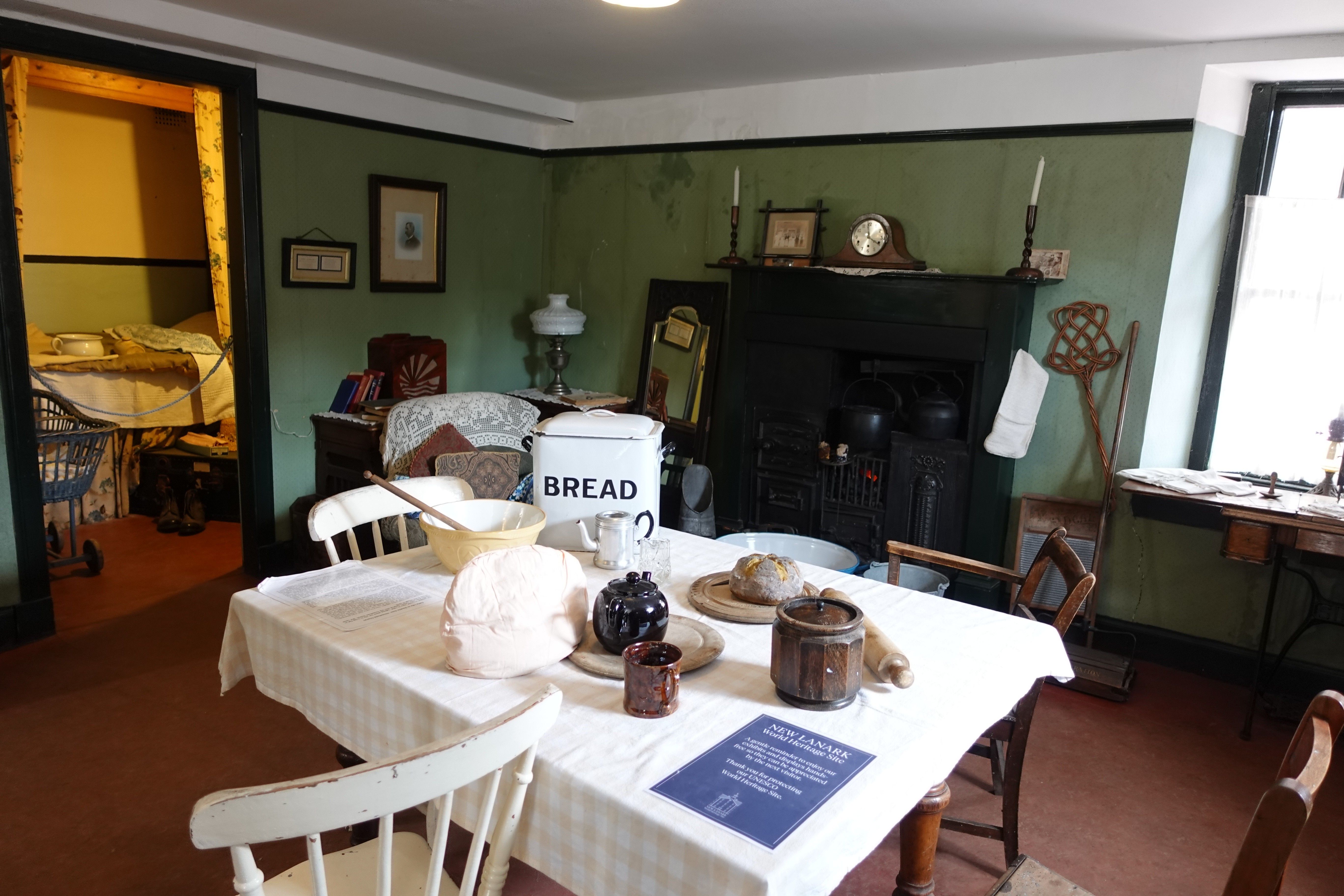
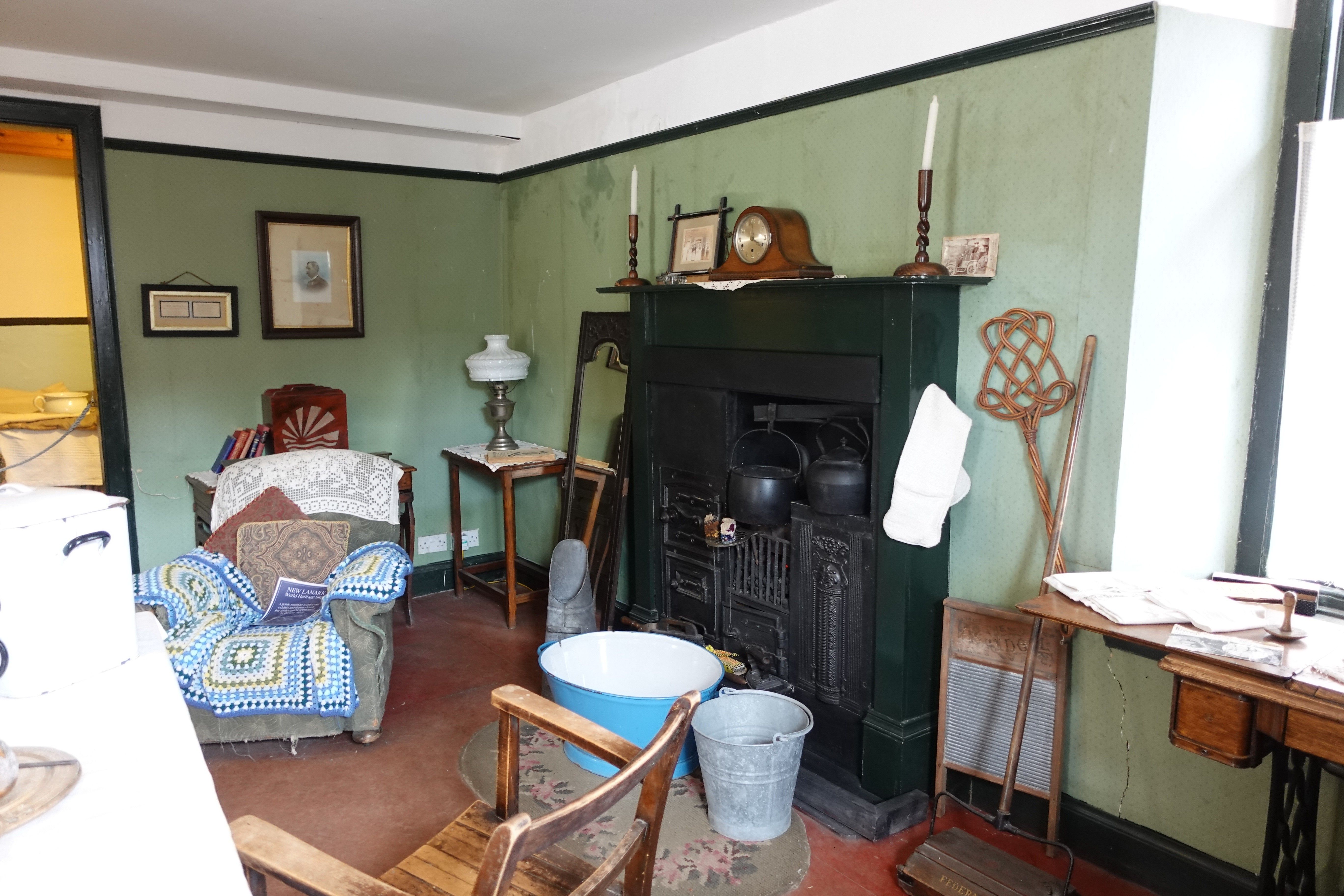
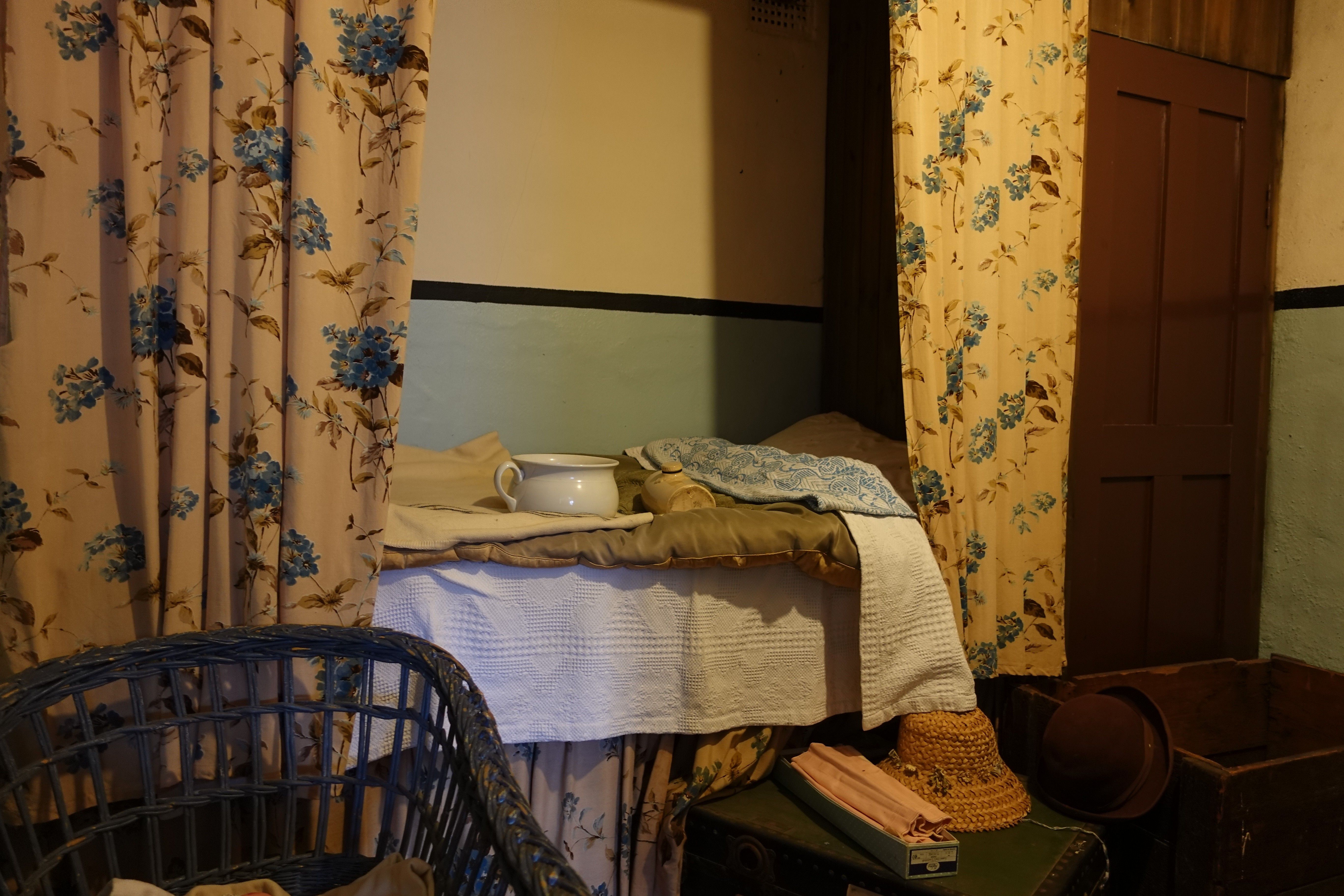
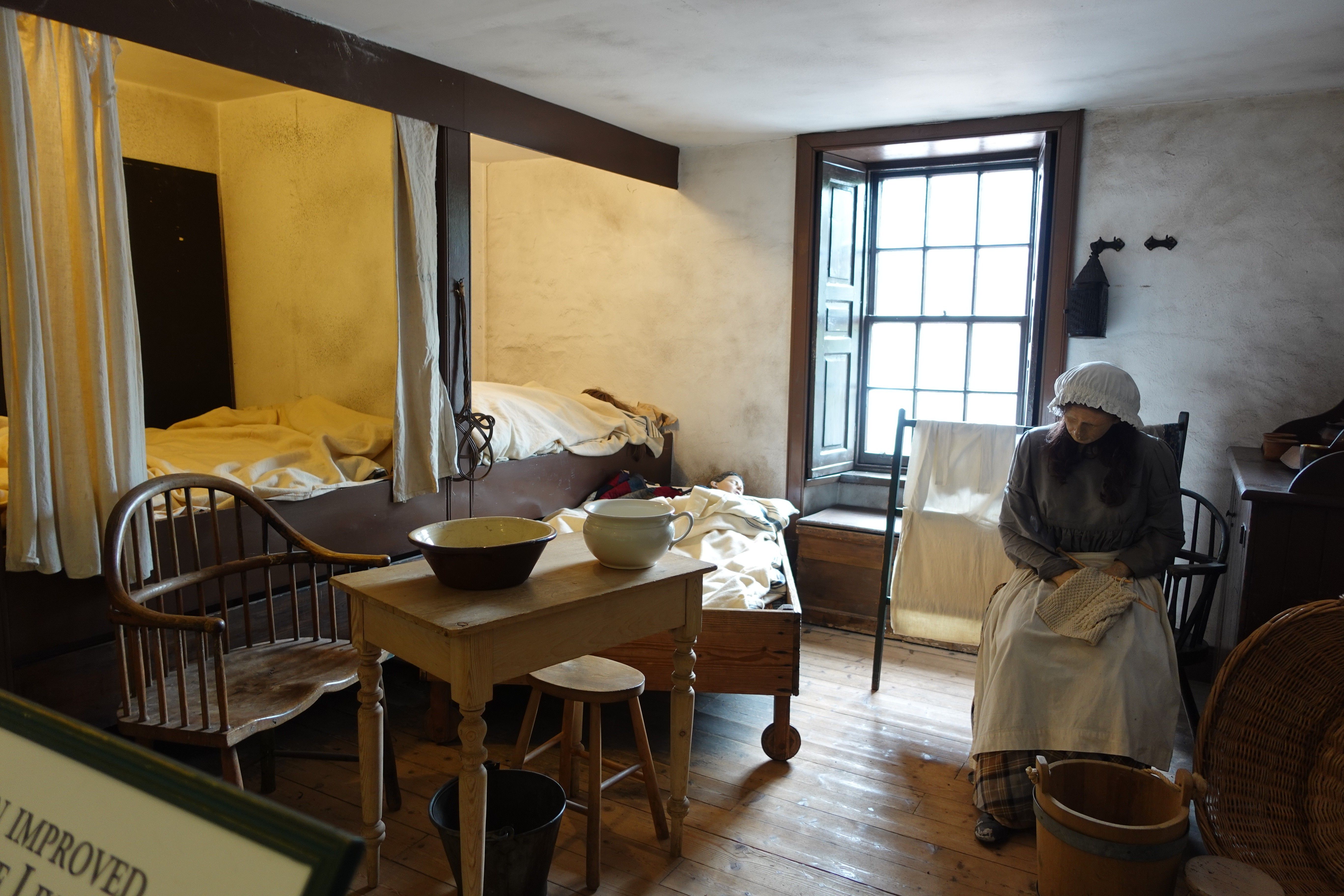
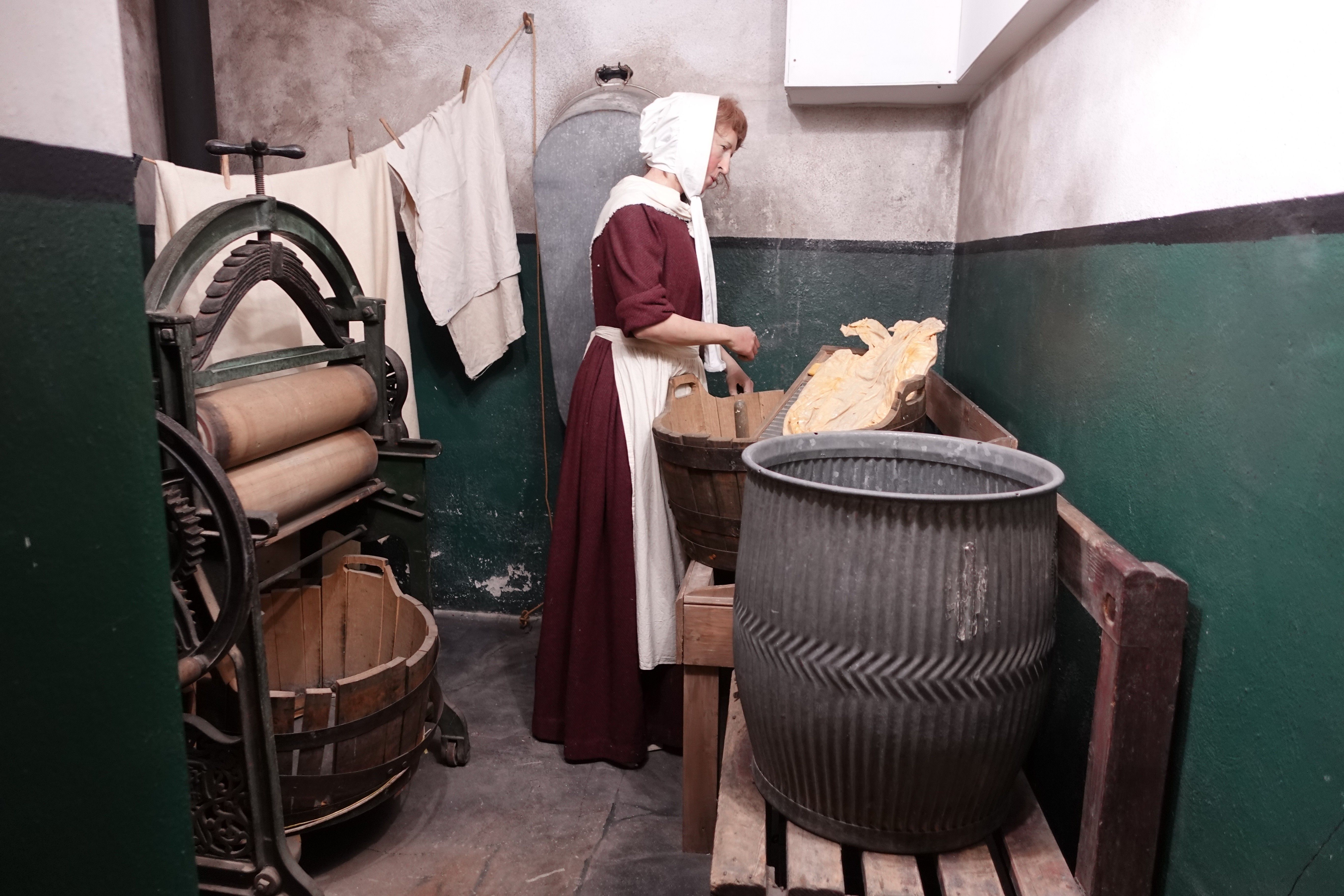
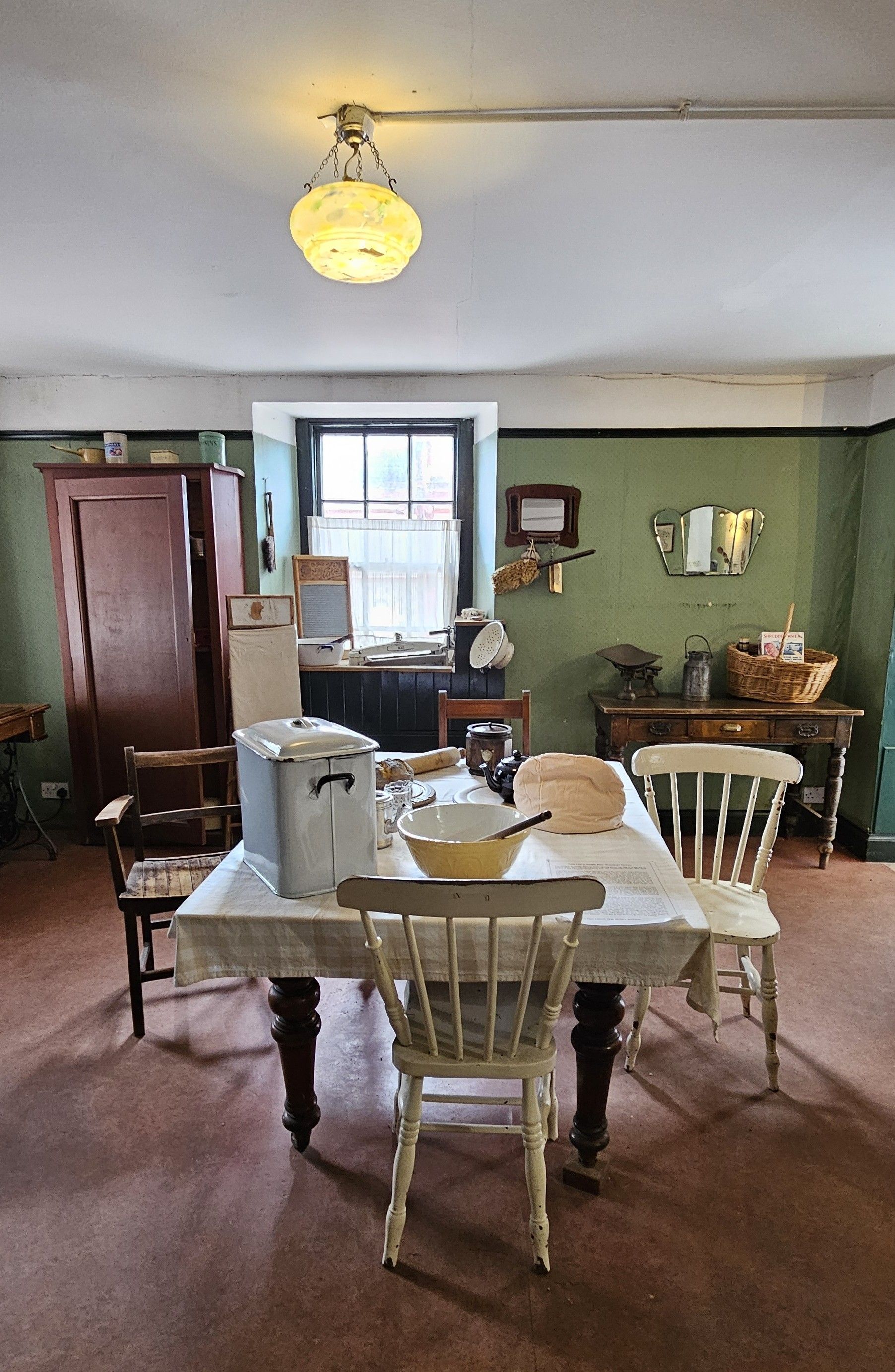
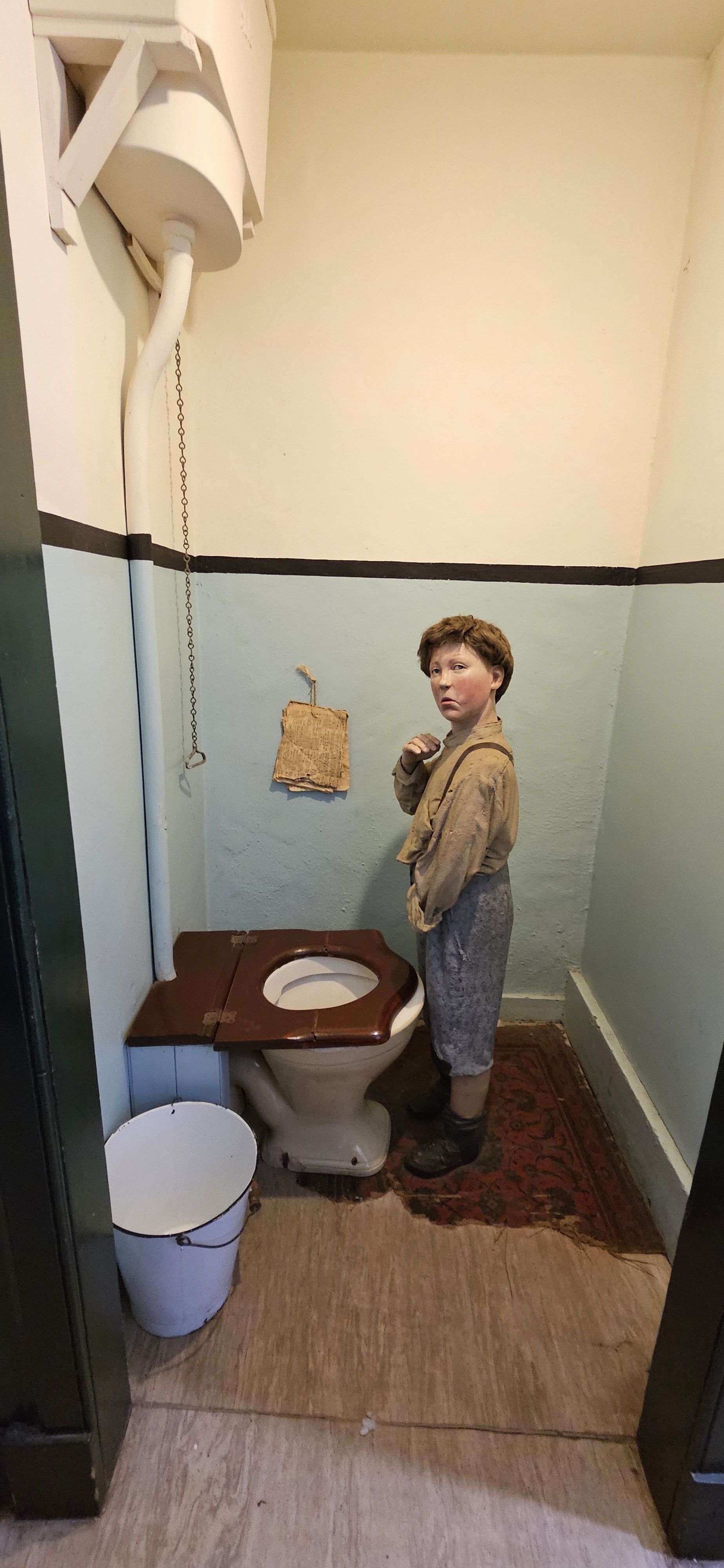
They had indoor plumbing. And they have a sense of humor
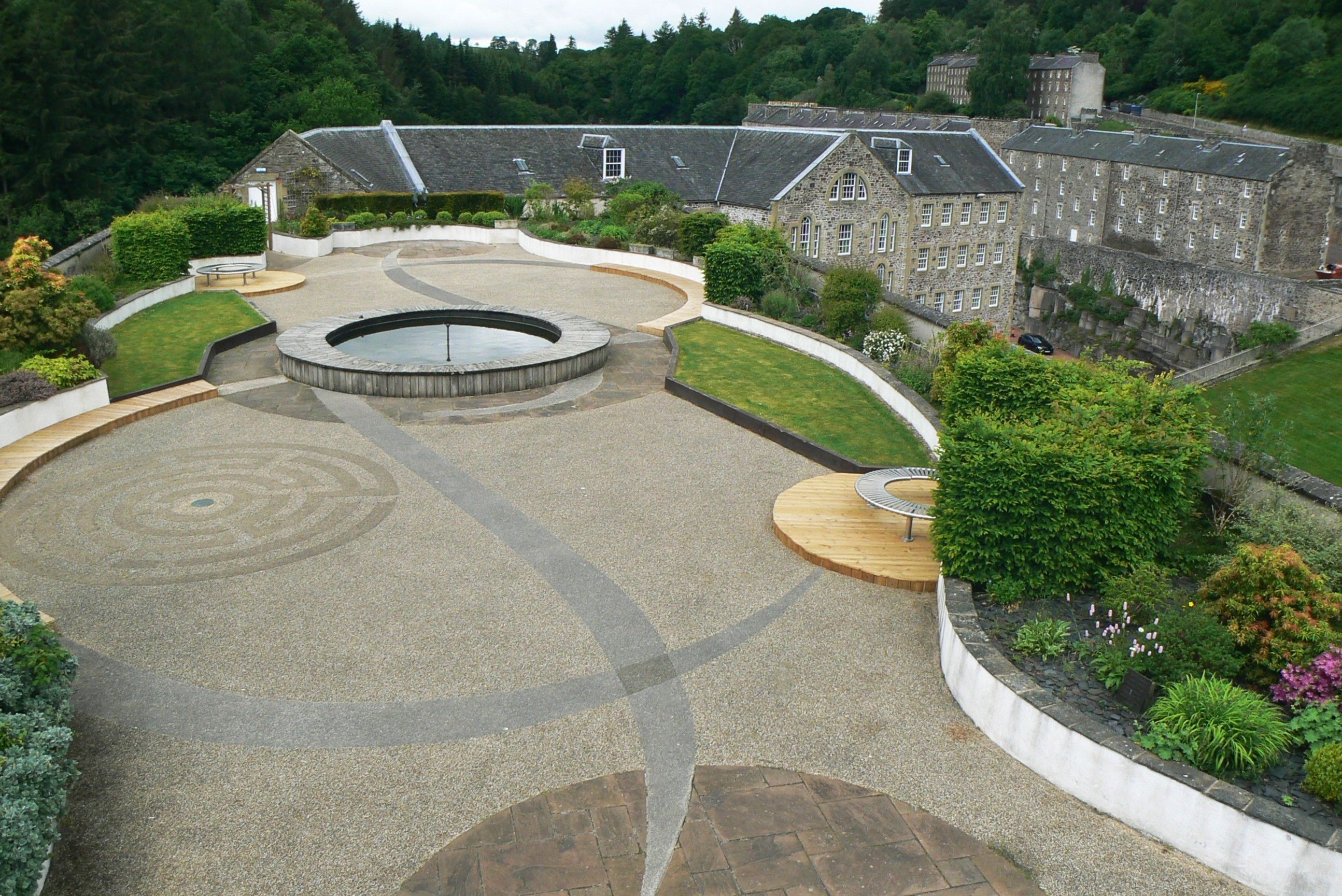
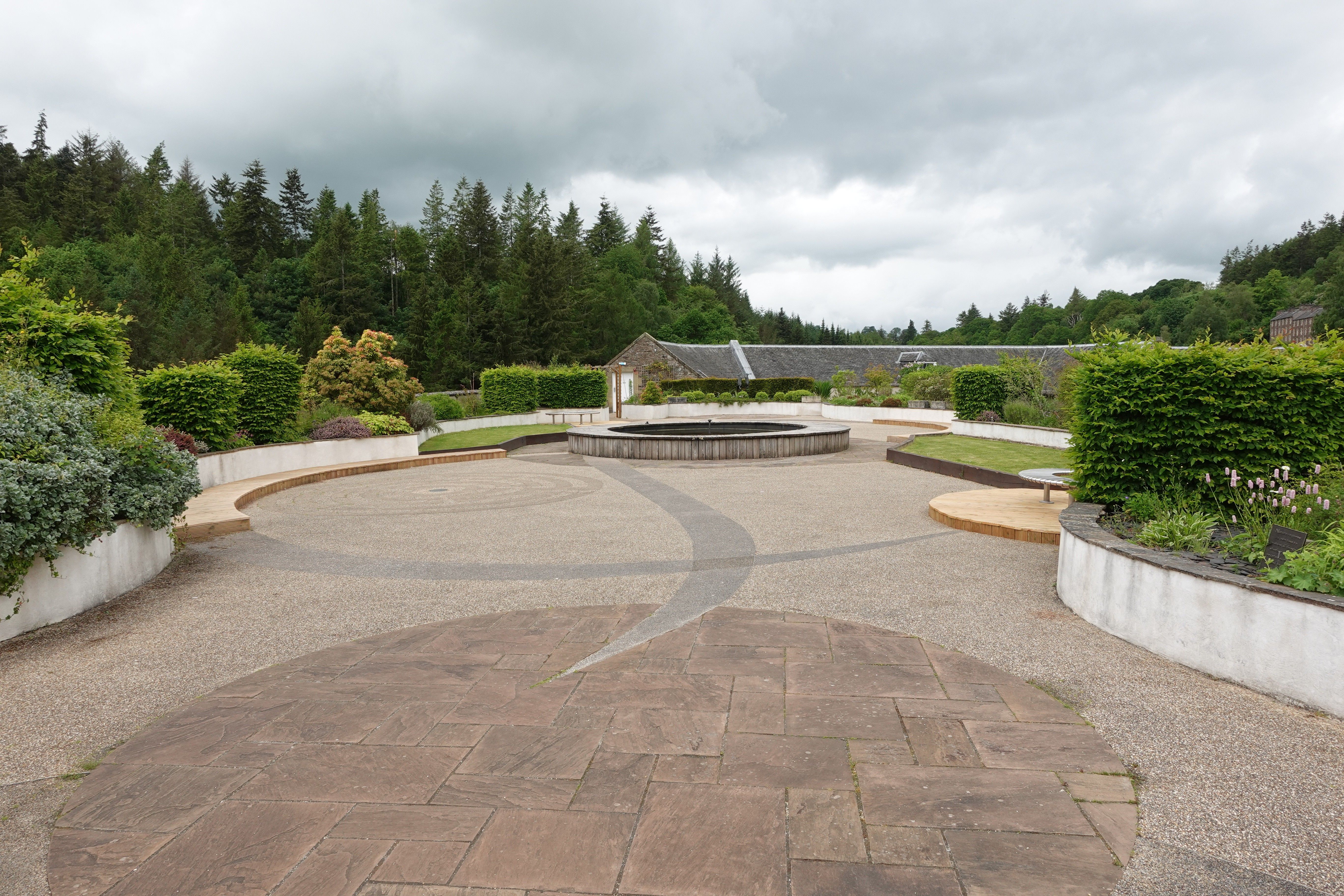
There is a roof garden that is very nice
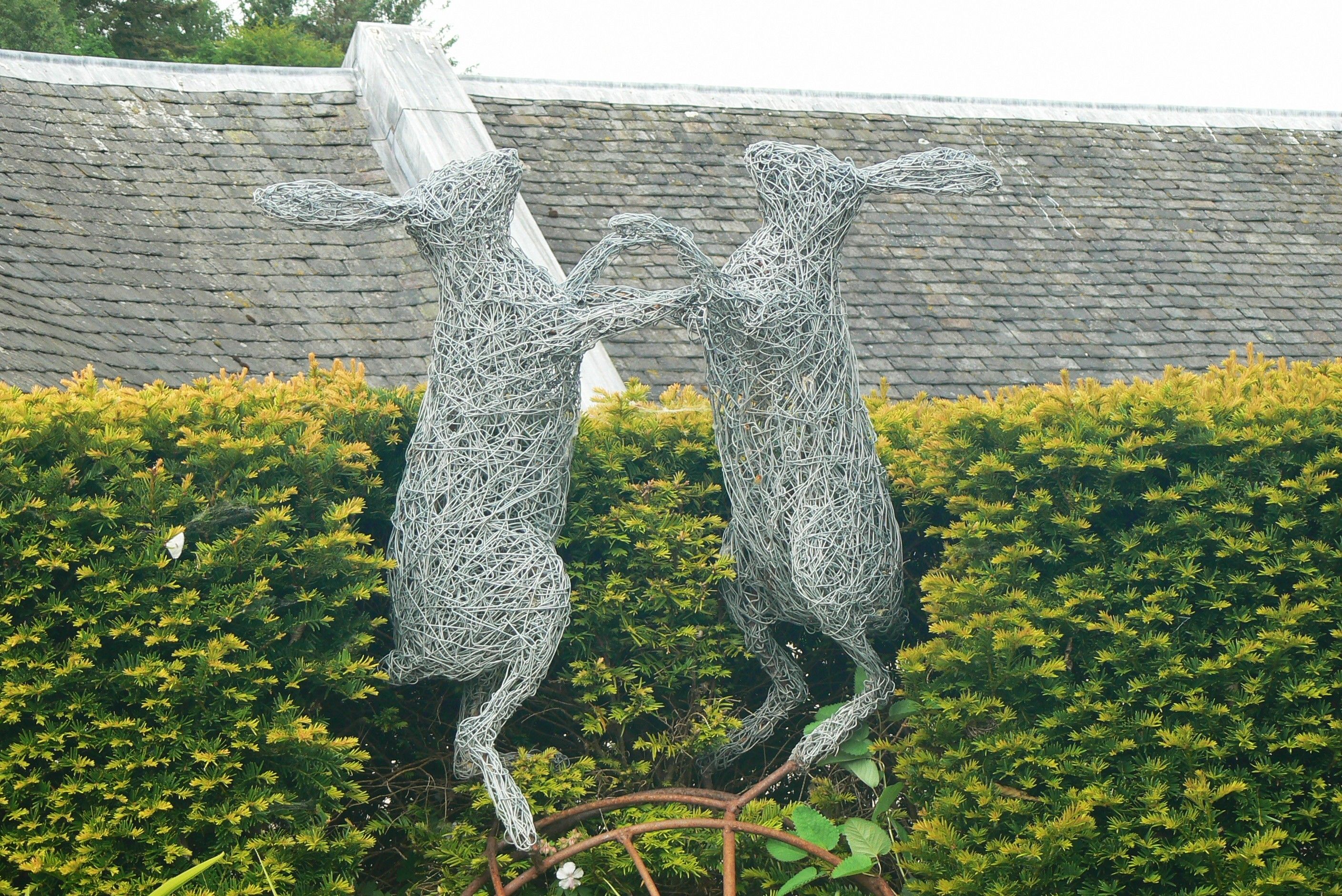
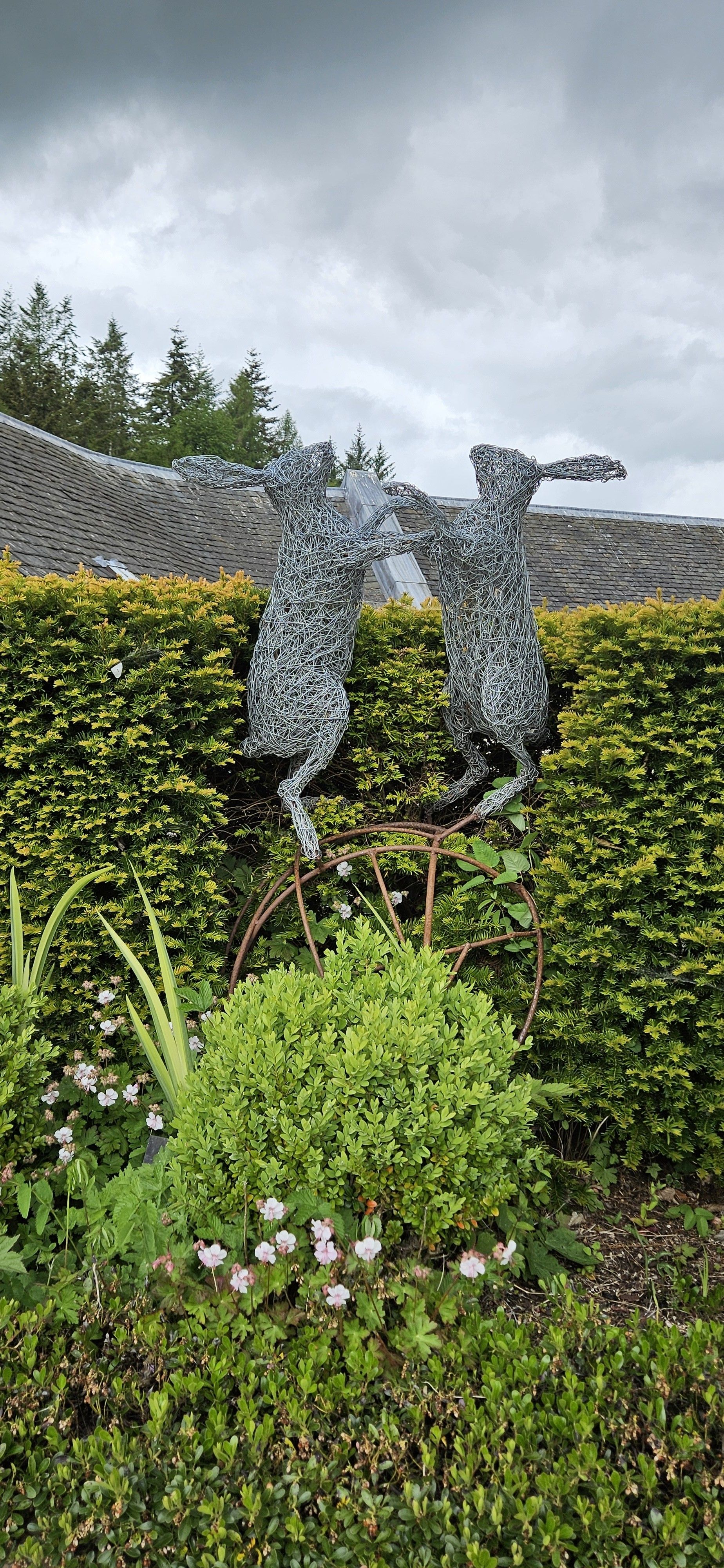
There are lovely plantings and little garden statues here and thre
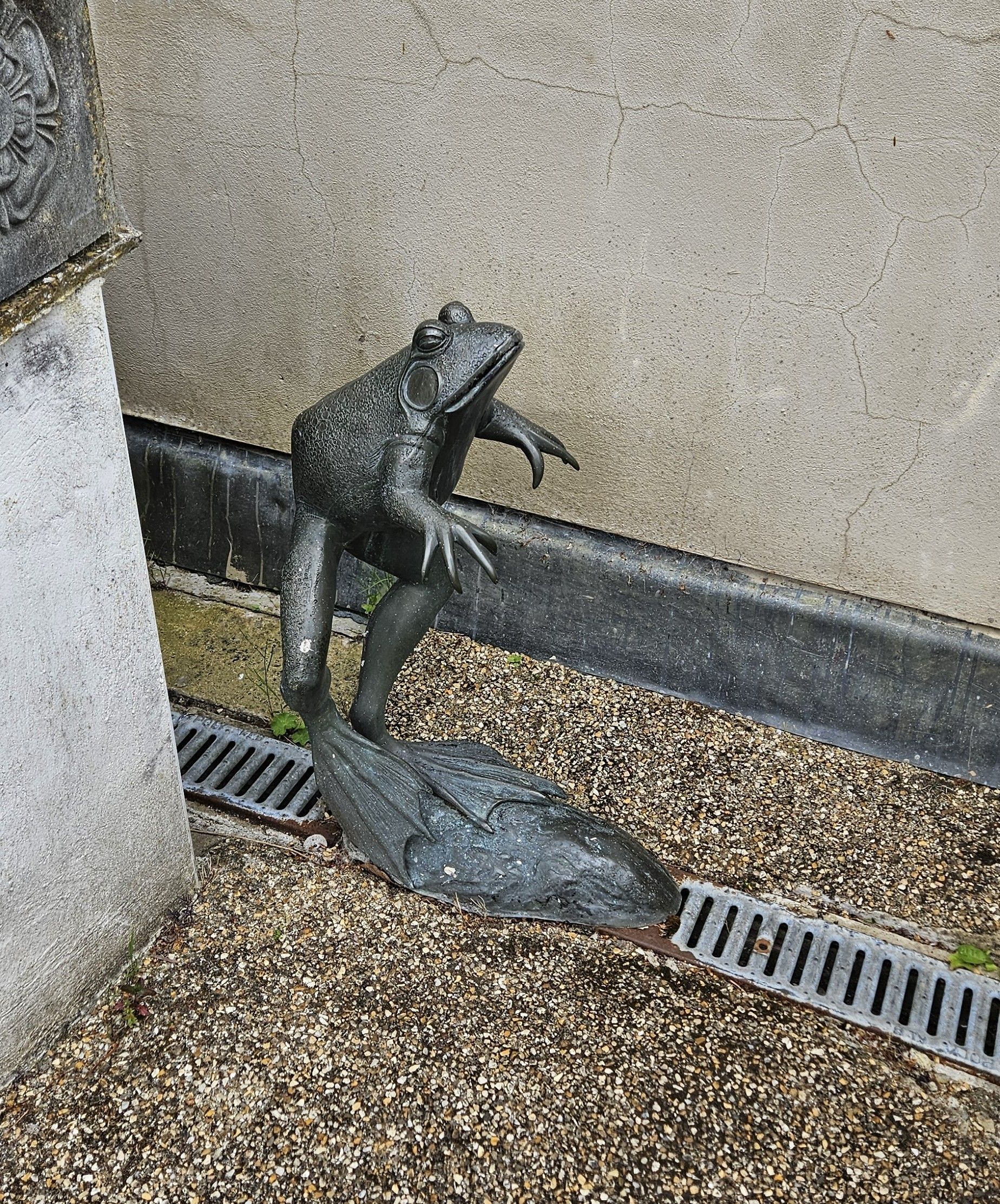
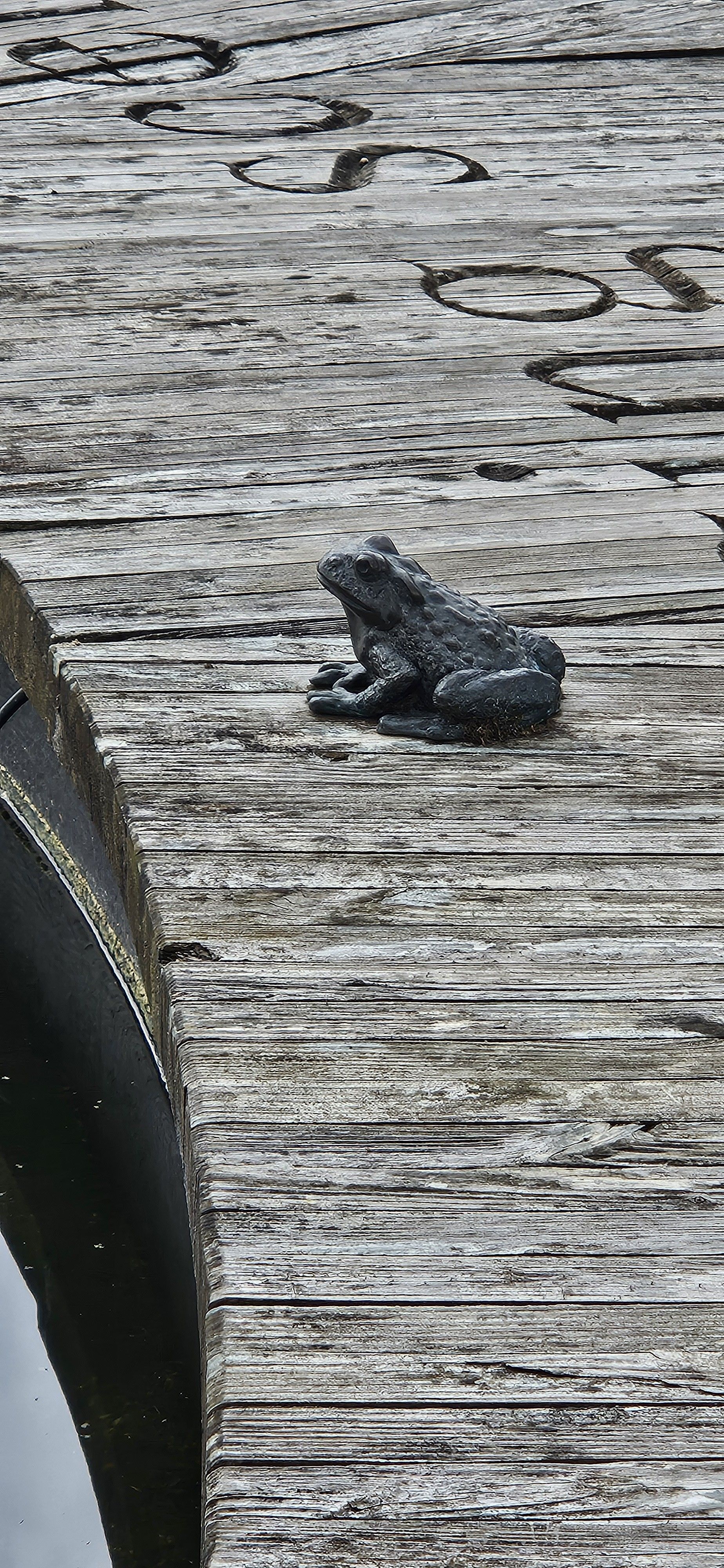
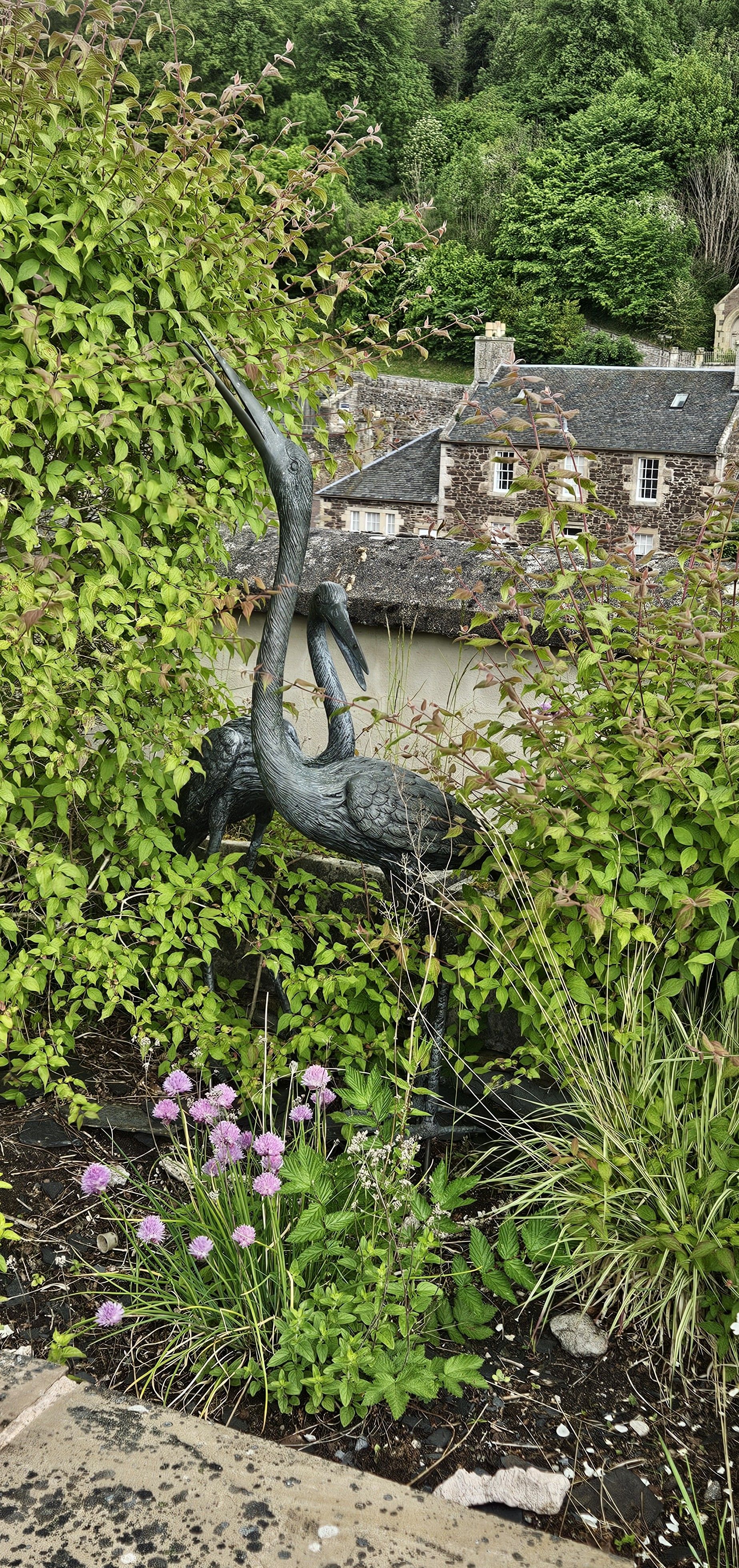
A Craine. Sort of hard to see
Last day in Scotland, and with a bit of time to spare we jumped off the A9 to see The Kelpies.
These are huge statues of horses heads sitting at the Forth and Clyde Canal and River Carron.
In mythology Kelpies are malevolent shapeshifting water spirits ithat inhabit lochs and rivers. Usually appearing as a beautiful, tame black or white horse, their sticky skin traps anyone who mounts them. The kelpie then dives to the depths, dragging its victim to a watery grave
However, these Kelpies were constructed by Andy Scott in 2013, and they are in honor of all the work horses who have helped drive Scottish industry.
They were amazing to see on an overcast day, but I'm sure they really shine when it's nice and sunny.
.jpg "These are just amazing.")
These are just amazing.
.jpg)
.jpg)
.jpg)
.jpg "He really captured the feeling of a horse")
He really captured the feeling of a horse
.jpg)
.jpg)
.jpg)
.jpg "To give you an idea of scale, that little stick thing at the bottom is me.")
To give you an idea of scale, that little stick thing at the bottom is me.
.jpg "A swan and her young crossing the path as we walked to the Kelpies.")
A swan and her young crossing the path as we walked to the Kelpies.
.jpg "Naturally everyone was taking pictures and smiling as they waddled off.")
Naturally everyone was taking pictures and smiling as they waddled off.
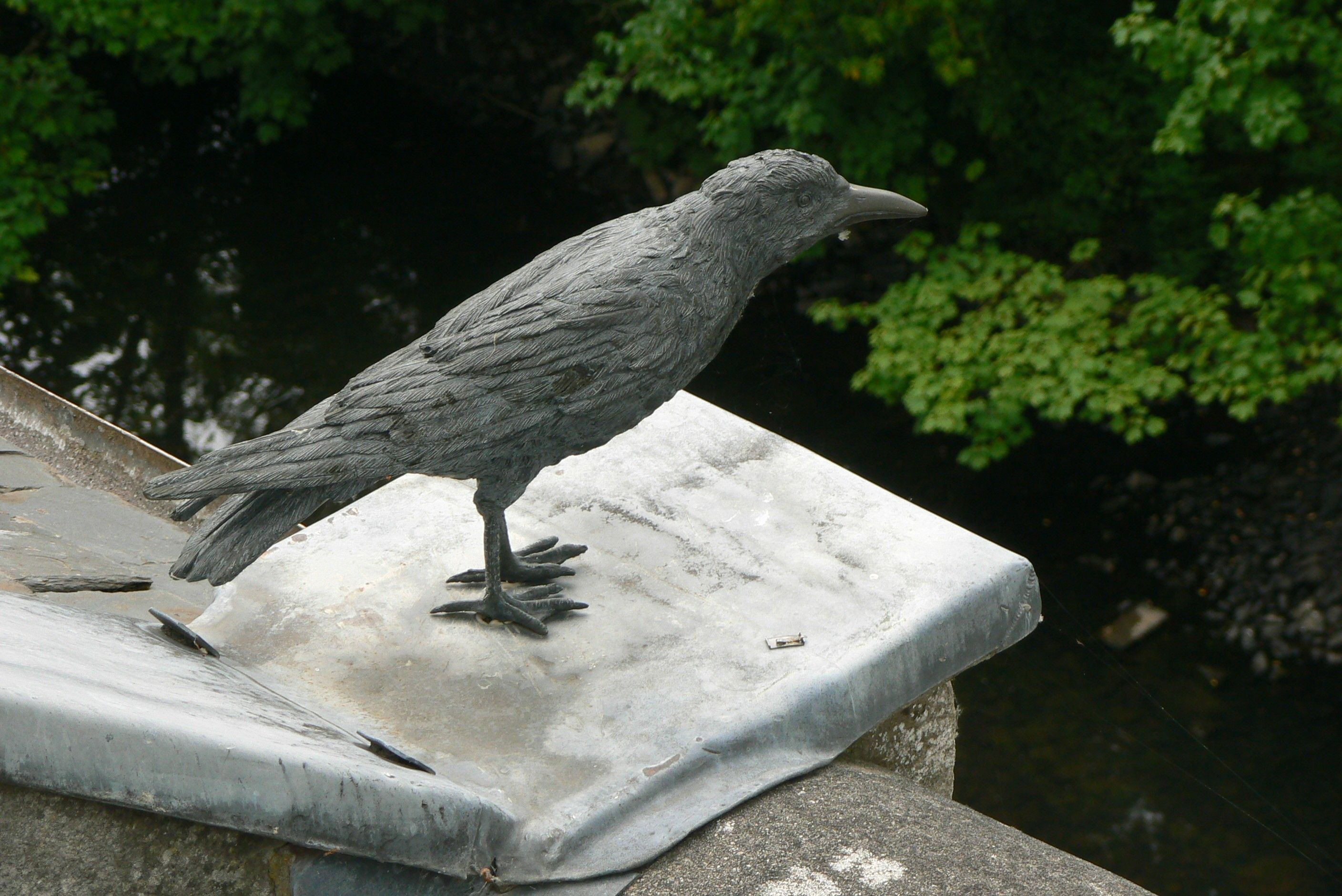
We took a bunch of pictures of birds and 4 legged critters as we went along. Mostly gulls and sheep with a few other critters thrown in.
.JPG "Western Jackdaw")
Western Jackdaw
.JPG "These guys are fast and we saw them in a lot of fields")
These guys are fast and we saw them in a lot of fields
.jpg "Shaggy Pony")
Shaggy Pony
.jpg "Shaggy Pony")
Shaggy Pony


There were entire walls of gulls in so many places

We didn't get good pictures. The cliffs are huge, the gulls white, the dry grass of their nests and white bird poop all sort of blend


But we took lots of bad pictures anyway

Sheep. They do roam pretty much wherever they please. Two escorted George on our way to one of the castles.

This guy was rather regal


The color and placement of the paint ties it back to it's owner

.JPG "A Highland Cow")
A Highland Cow
.JPG)
.JPG)
.jpg "More sheep. Driving can get a little slow at times, waiting for the little lambs to move along")
More sheep. Driving can get a little slow at times, waiting for the little lambs to move along
.jpg)
.jpg "But they're so cute")
But they're so cute
.jpg)


Mama and her little one.
